
Nutrition comparison
Pheasant Egg vs Greek Yogurt: Nutrition, Protein, and Daily Health Comparison
Compare pheasant eggs and Greek Yogurt on protein, gut health, convenience, and daily usability. Find out which is better for weight loss, muscle gain, and everyday nutrition.
Overall winner · Greek Yogurt
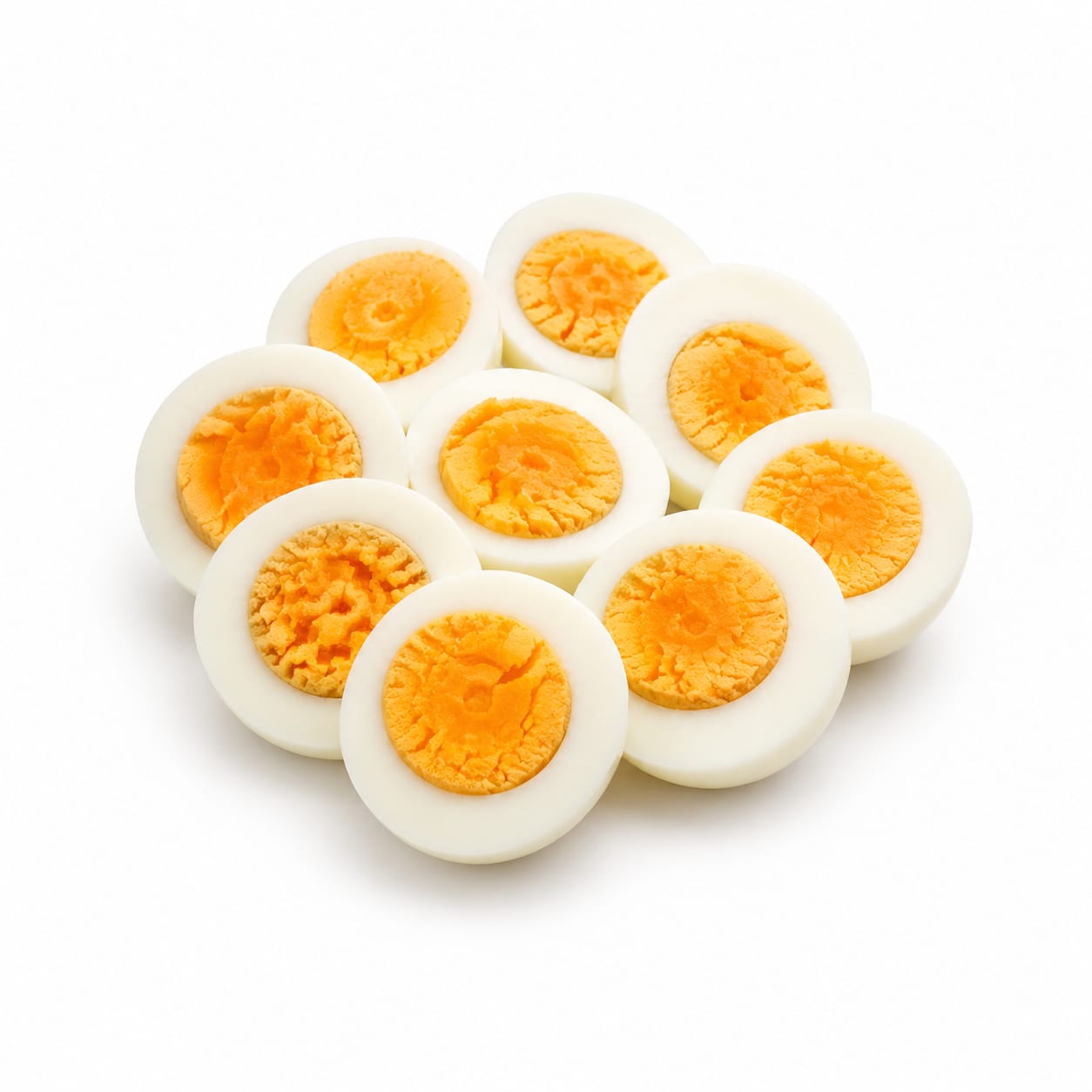
Pheasant Egg

Greek Yogurt
Greek Yogurt wins for daily practicality, gut health, and convenience, while pheasant eggs offer a richer micronutrient punch per bite but are harder to find and prepare.
Greek Yogurt scores notably higher due to superior convenience, probiotic content, broader availability, and easier daily integration. Pheasant eggs are nutritionally impressive but limited by accessibility, preparation needs, and lack of gut health benefits.
Nutrient density and culinary novelty versus everyday usability and probiotic benefits.
At a glance
Executive summary
Overall
Greek Yogurt
Healthier
Greek Yogurt
More practical
Greek Yogurt
Daily use
Greek Yogurt
Key comparison lenses
protein source comparison
Both are valued primarily as high-protein foods, but protein type and digestibility differ significantly
daily versus occasional food
Greek Yogurt is an everyday staple while pheasant eggs are specialty items with very different practicality profiles
gut health and digestion
Greek Yogurt offers probiotics and is fermented; pheasant eggs are a whole animal product with no fermentation benefit
cholesterol and heart health concerns
Eggs raise cholesterol questions; Greek Yogurt is generally heart-friendlier, making this a key tradeoff
convenience and accessibility
Availability, preparation, and portability differ dramatically between these two foods
Best choice for
Pheasant Egg
- Culinary enthusiasts seeking unique ingredients
- Those wanting concentrated B-vitamins and choline
- People avoiding dairy or lactose
- Keto and low-carb dieters wanting variety beyond chicken eggs
Greek Yogurt
- Daily breakfast or snack eaters needing quick protein
- Gut health-focused individuals wanting probiotics
- Post-workout recovery with easily digestible protein
- Anyone managing calories while staying full
Least suitable for
Pheasant Egg
- Vegans and plant-based eaters
- People with egg allergies or cholesterol concerns
- Those needing quick grab-and-go meals
- Budget-conscious shoppers
Greek Yogurt
- Lactose-intolerant individuals (unless tolerated)
- Dairy-free or vegan lifestyles
- People avoiding fermented foods due to histamine sensitivity
Deep comparison
Dimension by dimension
Each lens scores both foods and breaks down who each option suits.
- Dimension 1 · Priority 93Greek Yogurt
protein_quality_and_quantity
Pheasant Egg · 72Greek Yogurt · 86Greek Yogurt delivers more protein per serving with higher digestibility, while pheasant eggs offer complete amino acid profiles in a smaller package.
Tradeoff
Pheasant eggs have excellent protein quality but you would need several to match the protein in a single Greek Yogurt serving.
Why it matters
For satiety and muscle maintenance, total protein per convenient serving matters more than theoretical quality.
Real-world impact
A cup of Greek Yogurt gives you roughly 20g protein ready to eat. Getting that from pheasant eggs means cooking 5-6 tiny eggs.
Pheasant Egg
- Complete amino acid profile with all essential amino acids
- Higher leucine content per gram supporting muscle signaling
- No dairy sensitivity concerns
Better for
- Very small serving size means low total protein per egg
- Requires cooking to access protein safely
Worse for
Greek Yogurt
- Significantly more total protein per typical serving
- Faster to consume without cooking
- Casein and whey blend provides both fast and slow protein release
Better for
- Dairy protein may not suit lactose-sensitive individuals
- Some brands dilute protein with added ingredients
Worse for
- Dimension 2 · Priority 88Greek Yogurt
gut_health_and_digestion
Pheasant Egg · 45Greek Yogurt · 90Greek Yogurt is a fermented food rich in probiotics that actively support gut flora. Pheasant eggs offer no probiotic benefit.
Tradeoff
If you want digestive health support, Greek Yogurt is clearly superior. Pheasant eggs are neutral at best for gut health.
Why it matters
Gut microbiome health affects immunity, mood, and nutrient absorption far beyond what basic nutrition labels show.
Real-world impact
Regular Greek Yogurt eaters often notice less bloating and more regular digestion within weeks. Pheasant eggs simply do not contribute to this benefit.
Pheasant Egg
- No lactose, so safe for dairy-avoidant individuals
- Easily digested when cooked properly
Better for
- Zero probiotic content
- No fermentation benefits for microbiome diversity
Worse for
Greek Yogurt
- Live active cultures support beneficial gut bacteria
- Fermentation partially breaks down lactose, making it easier to tolerate
- Regular consumption linked to improved digestive regularity
Better for
- Can cause bloating in lactose-sensitive people despite lower lactose
- Histamine from fermentation may bother sensitive individuals
Worse for
- Dimension 3 · Priority 85Pheasant Egg
micronutrient_density
Pheasant Egg · 88Greek Yogurt · 72Pheasant eggs are remarkably nutrient-dense per gram, packing more B12, choline, selenium, and vitamin A than Greek Yogurt.
Tradeoff
You get more vitamins and minerals per bite from pheasant eggs, but Greek Yogurt dominates in calcium and provides a broader serving size advantage.
Why it matters
Micronutrient density matters most when you eat small portions or have increased needs, like during pregnancy or recovery.
Real-world impact
A few pheasant eggs can meaningfully move the needle on your B12 and choline intake for the day. Greek Yogurt is better for hitting calcium targets.
Pheasant Egg
- Exceptional B12 content per gram, supporting nerve health
- Rich in choline for brain function and liver health
- Good selenium source for thyroid and antioxidant defense
- Vitamin A content supports vision and immune function
Better for
- Very little calcium compared to dairy
- Small serving sizes limit total micronutrient intake per meal
Worse for
Greek Yogurt
- Superior calcium content for bone health
- Phosphorus paired with calcium for better absorption
- Some B-vitamins from fortification in certain brands
Better for
- Lower choline and B12 per serving
- Nutrient profile is narrower overall
Worse for
- Dimension 4 · Priority 82Greek Yogurt
convenience_and_accessibility
Pheasant Egg · 28Greek Yogurt · 92Greek Yogurt is available everywhere, requires no cooking, and is portable. Pheasant eggs are specialty items requiring sourcing and preparation.
Tradeoff
You sacrifice culinary uniqueness and some nutrient density for the ability to grab breakfast in 30 seconds.
Why it matters
The healthiest food is the one you actually eat consistently. Convenience drives consistency more than nutrition knowledge.
Real-world impact
Greek Yogurt is a fridge staple you can eat on your commute. Pheasant eggs require a specialty store trip and stovetop time.
Pheasant Egg
- Longer shelf life when refrigerated as uncooked eggs
- No added ingredients or preservatives to worry about
Better for
- Hard to find outside specialty or farmers markets
- Requires cooking every time
- Inconsistent availability seasonally
- More expensive per serving
Worse for
Greek Yogurt
- Available at virtually every grocery store
- Ready to eat with zero preparation
- Easy to pack for work or travel
- Consistent product quality across brands
Better for
- Requires refrigeration and has shorter open shelf life
- Some varieties contain added thickeners or sugars
Worse for
- Dimension 5 · Priority 78Greek Yogurt
heart_health_and_cholesterol
Pheasant Egg · 55Greek Yogurt · 80Greek Yogurt is generally heart-friendlier with no dietary cholesterol and potential blood pressure benefits. Pheasant eggs contain cholesterol which may concern some individuals.
Tradeoff
If cardiovascular health is a priority, Greek Yogurt is the safer regular choice. Pheasant eggs are fine in moderation but require more mindful consumption.
Why it matters
For anyone watching lipid markers or with family history of heart disease, daily cholesterol intake matters.
Real-world impact
Eating Greek Yogurt daily is unlikely to concern your doctor. Eating pheasant eggs daily might prompt a cholesterol conversation.
Pheasant Egg
- Contains heart-protective choline in meaningful amounts
- No saturated fat from dairy processing
Better for
- Significant dietary cholesterol per serving relative to size
- Saturated fat content adds up with multiple eggs
Worse for
Greek Yogurt
- Zero dietary cholesterol
- Dairy consumption linked to lower blood pressure in some studies
- Lower saturated fat per serving in non-fat varieties
Better for
- Full-fat versions still contain saturated dairy fat
- Some research links high dairy intake to elevated IGF-1
Worse for
- Dimension 6 · Priority 76It depends
satiety_and_fullness
Pheasant Egg · 74Greek Yogurt · 78Both foods are satisfying but through different mechanisms. Greek Yogurt fills you with volume and slow-digesting casein, while pheasant eggs provide dense fat and protein that suppress hunger.
Tradeoff
Greek Yogurt feels lighter and more filling by volume. Pheasant eggs feel more concentrated and satisfying in smaller amounts.
Why it matters
Satiety determines whether you reach for a snack an hour later or stay satisfied until your next meal.
Real-world impact
A cup of Greek Yogurt keeps you full for 3-4 hours comfortably. A few pheasant eggs feel satisfying but the small volume may leave you wanting more food sooner.
Pheasant Egg
- Fat and protein combination triggers strong satiety hormones
- Rich mouthfeel provides psychological satisfaction
Better for
- Small total volume may not feel like enough food
- Easy to overeat if you cook too many
Worse for
Greek Yogurt
- Larger serving volume stretches the stomach for physical fullness
- Casein protein digests slowly for prolonged satiety
- Easier to pair with fiber-rich toppings like berries
Better for
- Non-fat versions may feel less satisfying
- Some people find dairy less filling than eggs
Worse for
Timeline
Health impact over time
Short-term
Hours to days
Pheasant Egg
- Quick energy from fat and protein after cooking
- Sustained alertness without sugar crash
- Potential for mild digestive heaviness if eating multiple eggs at once
Greek Yogurt
- Immediate feeling of fullness from volume and protein
- Gentle on the stomach for most people when eaten cold
- Possible mild bloating if lactose-sensitive
Long-term
Months to years
Pheasant Egg
- Consistent B12 and choline intake supports brain health over time
- Regular egg consumption may maintain HDL cholesterol in healthy individuals
- Dietary cholesterol could become a concern if eaten daily in large amounts
Greek Yogurt
- Probiotic exposure supports immune resilience and gut diversity
- Daily calcium intake protects bone density long-term
- Consistent high-protein intake helps preserve muscle mass with aging
Risk profile
Safety & processing
Pheasant eggs are as natural as food gets, straight from the bird with nothing added. Greek Yogurt undergoes fermentation and straining, and some brands add thickeners, sweeteners, or preservatives. Choosing plain Greek Yogurt minimizes additive concerns significantly.
Pheasant Egg
Salmonella contamination
mediumLike all eggs, pheasant eggs carry salmonella risk. Thorough cooking eliminates this, but runny yolk preparations are riskier.
Improper storage and handling
mediumSpecialty eggs may have less regulated cold-chain handling from farm to table compared to commercial eggs.
Allergenicity
lowEgg allergies are common, especially in children. Cross-reactivity with chicken eggs is likely.
Greek Yogurt
Lactose intolerance reactions
mediumGreek Yogurt has less lactose than milk but can still cause discomfort in sensitive individuals.
Added sugars in flavored varieties
mediumMany popular Greek Yogurt brands contain 10-20g added sugar per serving, undermining health benefits.
Dairy antibiotic and hormone exposure
lowConventional dairy may contain trace antibiotic residues. Choosing organic reduces this concern substantially.
Who wins for whom
Audience fit
Same foods, different winners depending on your goal.
children
Greek YogurtKids generally accept Greek Yogurt more readily, it requires no cooking, and the calcium supports growing bones.
daily consumption
Greek YogurtAvailability, affordability, and ease of use make Greek Yogurt a sustainable daily habit. Pheasant eggs work better as an occasional addition.
diabetes
Greek YogurtPlain Greek Yogurt has minimal carbohydrates and will not spike blood sugar. Pheasant eggs are also fine but offer less consistent daily management.
elderly
Greek YogurtEasier to eat, provides calcium for bone density, and probiotics support the aging gut microbiome.
muscle gain
Greek YogurtHigher total protein per serving and convenient post-workout consumption make Greek Yogurt more practical for muscle building.
weight loss
Greek YogurtGreek Yogurt provides more protein and volume per calorie, making it easier to stay in a deficit while feeling full.
Your move
Decision guide
Choose Pheasant Egg
- You want a nutrient-dense, dairy-free protein source
- You enjoy cooking and exploring unique ingredients
- You are on a keto or very low-carb diet and need egg variety
- You have no cholesterol concerns and want B12 and choline
Choose Greek Yogurt
- You need a quick, reliable daily protein source
- Gut health and probiotics are a priority
- You want something easy to grab on busy mornings
- You are tracking calories while maximizing fullness
Either works if
- You want high-quality protein from whole food sources
- You are building a varied diet with both animal and dairy proteins
- Neither food is your sole protein source for the day
Avoid both if
- You are vegan or plant-based
- You have both egg allergy and severe lactose intolerance
- You are on a strict elimination diet excluding eggs and dairy simultaneously
Final recommendation
Make Greek Yogurt your daily protein staple for its convenience, gut benefits, and consistency. Treat pheasant eggs as a nutritious specialty item to enjoy when you find them, not as a dietary foundation. The best approach is using both strategically: Greek Yogurt for everyday fuel, pheasant eggs for occasional nutrient density and culinary enjoyment.
Practical
Consumer tips
- 1
Choose plain, unsweetened Greek Yogurt to avoid hidden sugars that undermine health benefits
- 2
Look for Greek Yogurt with live active cultures listed on the label for genuine probiotic content
- 3
Buy pheasant eggs from reputable farms or farmers markets where handling practices are transparent
- 4
Cook pheasant eggs thoroughly until both yolk and white are firm to eliminate salmonella risk
- 5
Pair Greek Yogurt with berries and nuts for a complete meal with fiber, healthy fats, and antioxidants
- 6
If cholesterol is a concern, limit pheasant eggs to a few times per week rather than daily
- 7
Full-fat Greek Yogurt is more satisfying and often has fewer additives than non-fat versions with added thickeners
- 8
Store pheasant eggs pointy-side down in the refrigerator for maximum freshness and shelf life