
Nutrition comparison
Pheasant Egg vs Ostrich Egg: Nutrition, Cholesterol, and Which to Choose
Compare pheasant eggs and ostrich eggs on nutrition, cholesterol, protein, and practicality. Learn which specialty egg fits your health goals and lifestyle.
Overall winner · Pheasant Egg
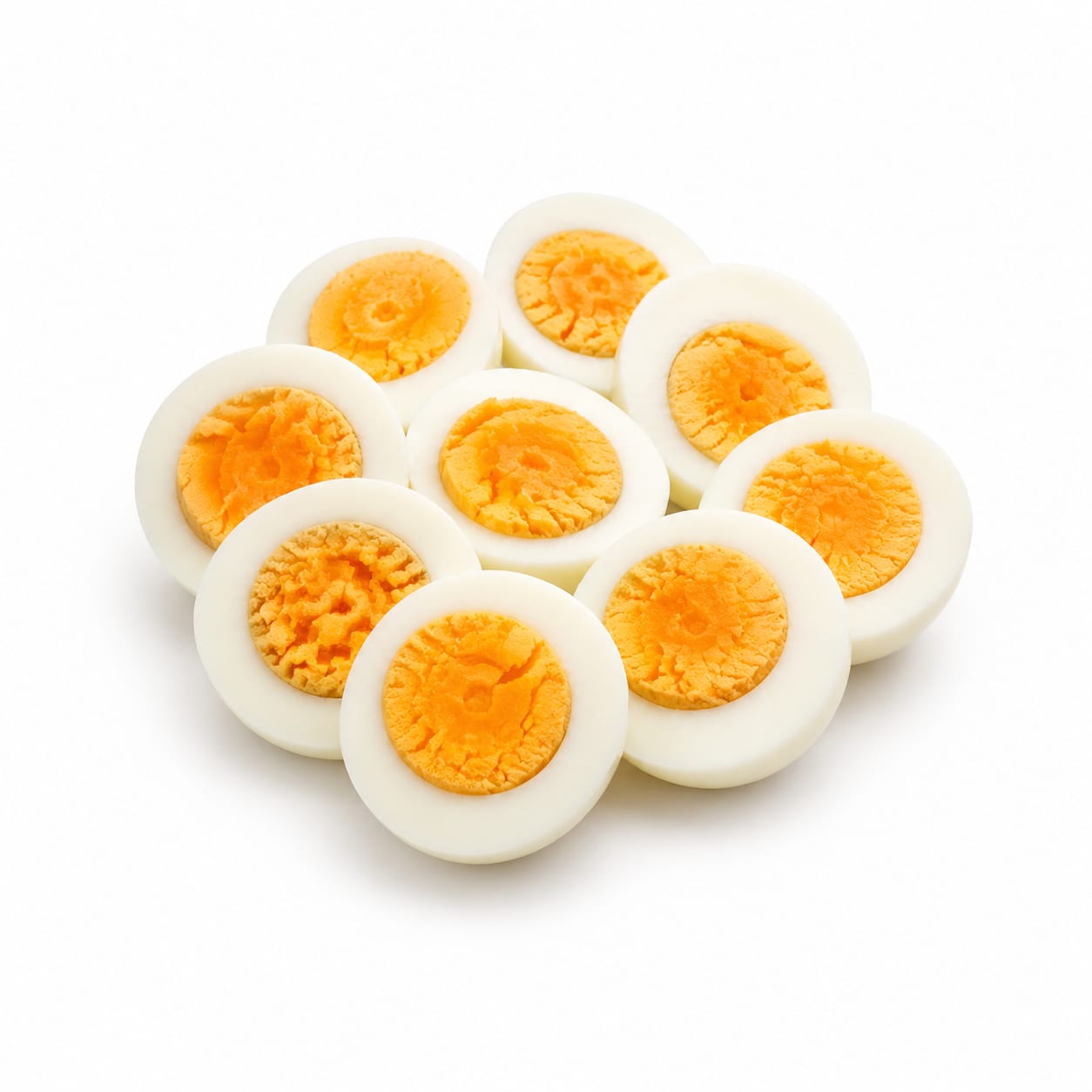
Pheasant Egg
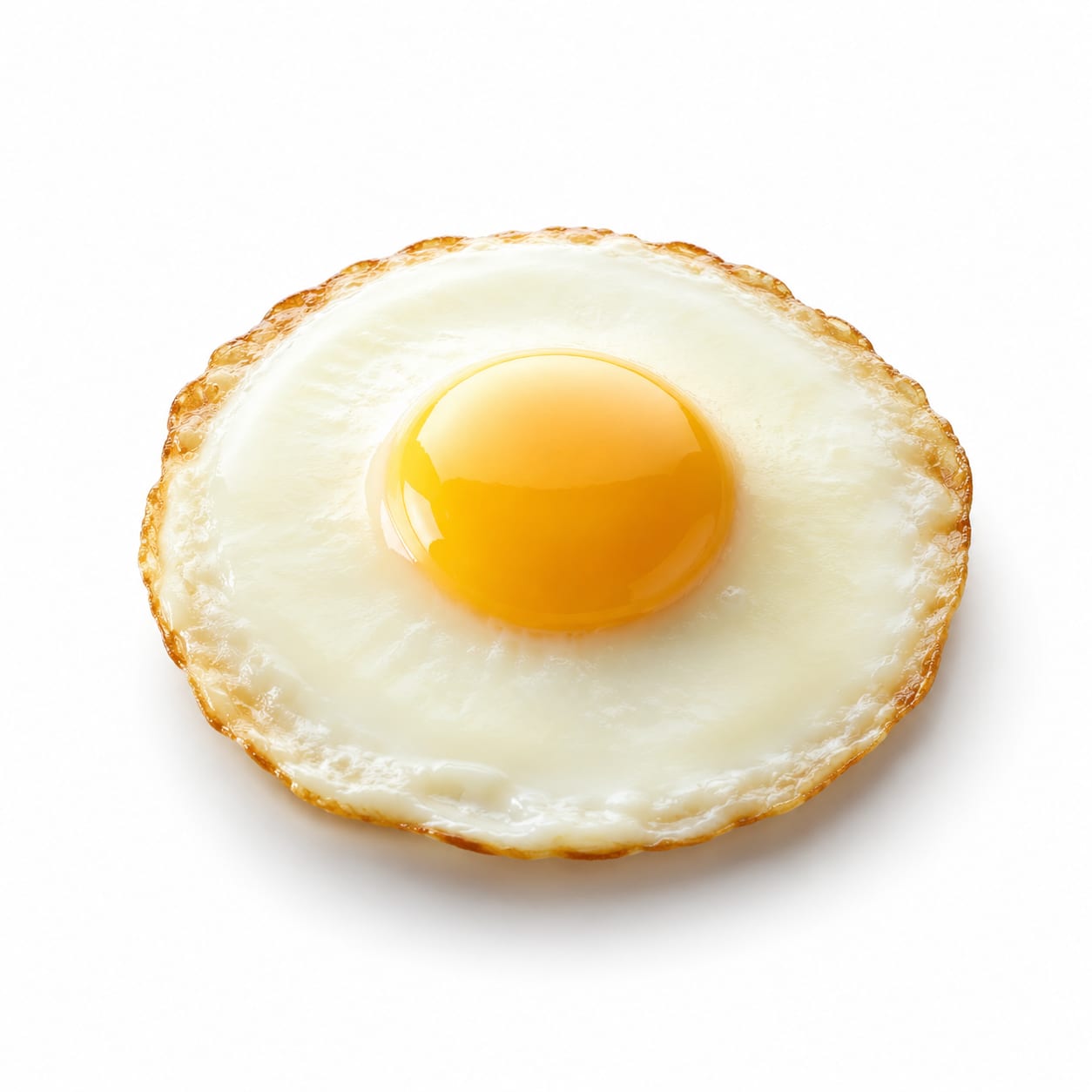
Ostrich Egg
Pheasant eggs win on practicality, portion control, and everyday usability. Ostrich eggs are a novelty experience best shared with a crowd.
Pheasant eggs score significantly higher due to realistic portion sizes, manageable cholesterol, and recipe compatibility. Ostrich eggs lose ground on practicality and health manageability despite impressive nutrient totals.
Ostrich eggs offer unmatched protein volume and a unique culinary adventure, but a single egg contains roughly 2000 calories and 1200mg cholesterol — making it a meal for eight, not one.
At a glance
Executive summary
Overall
Pheasant Egg
Healthier
Pheasant Egg
More practical
Pheasant Egg
Daily use
Pheasant Egg
Key comparison lenses
portion practicality
An ostrich egg equals roughly 24 chicken eggs — portion control is the defining issue in this comparison
cholesterol and heart health
Both are high-cholesterol foods but the sheer volume of an ostrich egg makes moderation nearly impossible
protein intake management
Users comparing these are likely seeking high-quality protein but need to understand the massive quantity difference
culinary versatility
Pheasant eggs work in normal recipes; ostrich eggs require special planning and group consumption
nutrient density per serving
Both offer rich micronutrient profiles but per-reasonable-serving comparisons favor pheasant eggs
Best choice for
Pheasant Egg
- Single-serving breakfasts
- Recipe integration without recalculating portions
- Managing cholesterol intake
- Consistent daily protein portions
Ostrich Egg
- Group brunches and novelty dining
- Bulk meal prep for large families
- Extreme protein needs split across multiple meals
- Culinary experimentation and conversation pieces
Least suitable for
Pheasant Egg
- Feeding large groups efficiently
- Novelty-seeking culinary experiences
Ostrich Egg
- Solo diners
- Cholesterol-conscious individuals
- Anyone tracking calories precisely
- Quick weeknight cooking
Deep comparison
Dimension by dimension
Each lens scores both foods and breaks down who each option suits.
- Dimension 1 · Priority 95Pheasant Egg
portion_control
Pheasant Egg · 90Ostrich Egg · 15One pheasant egg is a single serving. One ostrich egg feeds six to eight people.
Tradeoff
Ostrich eggs force you into either massive overconsumption or complex leftover management.
Why it matters
Portion control is the single biggest factor in healthy eating. A food that inherently resists moderation is harder to use wisely.
Real-world impact
Crack an ostrich egg for breakfast and you are committed to 2000 calories. Pheasant eggs let you stop at one or two without thinking.
Pheasant Egg
- Weight management
- Mindful eating
- Flexible meal planning
Better for
- Situations requiring bulk cooking efficiency
Worse for
Ostrich Egg
- Batch cooking for groups
- Cost per serving in large gatherings
Better for
- Any solo meal
- Calorie tracking
- Avoiding food waste
Worse for
- Dimension 2 · Priority 88Pheasant Egg
cholesterol_impact
Pheasant Egg · 65Ostrich Egg · 20A single pheasant egg contains around 220mg cholesterol. An ostrich egg contains roughly 1200mg — four days worth in one food.
Tradeoff
Even if you share an ostrich egg, your portion still likely exceeds daily cholesterol guidelines. Pheasant eggs let you stay within normal ranges easily.
Why it matters
For anyone monitoring heart health or lipid panels, cholesterol load matters. The ostrich egg makes moderation extremely difficult.
Real-world impact
Eat one pheasant egg and you are within normal breakfast cholesterol. Eat even a quarter of an ostrich egg and you have already hit your daily limit.
Pheasant Egg
- Heart-conscious eaters
- People with family history of high cholesterol
- Flexible meal pairing without guilt
Better for
- Those seeking maximum nutrient volume per cooking session
Worse for
Ostrich Egg
- Very active individuals who process cholesterol efficiently and share the egg
Better for
- Anyone with cardiovascular risk factors
- Older adults
- People on cholesterol-lowering protocols
Worse for
- Dimension 3 · Priority 82It depends
protein_quality_and_quantity
Pheasant Egg · 75Ostrich Egg · 80Both deliver complete, high-quality protein with all essential amino acids. Ostrich eggs offer vastly more total protein but in an impractical single package.
Tradeoff
Ostrich eggs provide roughly 150g protein per egg versus about 7g per pheasant egg, but you cannot reasonably consume an ostrich egg alone.
Why it matters
Protein quality is excellent in both. The real question is whether you need that much protein at once — almost no one does.
Real-world impact
Two pheasant eggs give you 14g of clean protein in a normal breakfast. An ostrich egg gives you a protein surplus best split across multiple meals and people.
Pheasant Egg
- Post-workout recovery for individuals
- Standard daily protein pacing
- Pairing with toast and vegetables for balanced meals
Better for
- Situations requiring bulk protein preparation
Worse for
Ostrich Egg
- Feeding a protein-hungry family
- Meal prepping multiple high-protein dishes at once
Better for
- Anyone who cannot store or share leftovers safely
Worse for
- Dimension 4 · Priority 70Pheasant Egg
micronutrient_density
Pheasant Egg · 80Ostrich Egg · 72Per reasonable serving, pheasant eggs deliver more concentrated B vitamins, selenium, and choline without overwhelming calorie load.
Tradeoff
Ostrich eggs have impressive total micronutrient numbers, but only because of their massive size. Per calorie, pheasant eggs are more efficient.
Why it matters
Nutrient density per calorie is what matters for real meals. Totals are misleading when the serving size is unrealistic.
Real-world impact
You get more usable nutrition per bite from pheasant eggs. Ostrich egg nutrients come with a calorie price tag most people cannot afford.
Pheasant Egg
- Nutrient-maximizing without overeating
- Targeted B12 and selenium intake
Better for
- Scenarios where total nutrient output matters more than per-serving efficiency
Worse for
Ostrich Egg
- Large families needing total micronutrient volume
Better for
- Calorie-restricted diets
- Anyone who cannot consume the full egg
Worse for
- Dimension 5 · Priority 75Pheasant Egg
culinary_versatility
Pheasant Egg · 85Ostrich Egg · 35Pheasant eggs work in any recipe calling for eggs. Ostrich eggs require special handling, timing adjustments, and group consumption planning.
Tradeoff
You can scramble, poach, or bake with pheasant eggs seamlessly. Ostrich eggs demand commitment and creativity.
Why it matters
Food you actually cook with regularly beats food that sits in the fridge because you cannot face cracking it open.
Real-world impact
Pheasant eggs drop into your morning routine without friction. An ostrich egg becomes a weekend project.
Pheasant Egg
- Weekday breakfasts
- Baking and recipe substitution
- Quick meals
Better for
- Making a dramatic culinary statement
Worse for
Ostrich Egg
- Special occasion cooking
- Social media-worthy meals
- Cultural or experiential dining
Better for
- Any time-sensitive cooking
- Recipes requiring precise egg counts
- Small households
Worse for
- Dimension 6 · Priority 68It depends
satiety_and_fullness
Pheasant Egg · 70Ostrich Egg · 78Ostrich eggs are profoundly filling due to sheer volume. Pheasant eggs satisfy normally without the heavy, sluggish feeling.
Tradeoff
Maximum fullness sounds appealing but can mean discomfort and lethargy. Moderate satiety from pheasant eggs feels better day to day.
Why it matters
Being stuffed is not the same as being satisfied. Comfortable fullness supports better eating patterns than heavy food comas.
Real-world impact
After pheasant eggs you feel ready for your day. After a serious portion of ostrich egg you may want a nap.
Pheasant Egg
- Steady energy through the morning
- Light but satisfying meals
- Active workdays
Better for
- Extreme endurance situations requiring massive caloric intake
Worse for
Ostrich Egg
- Long hikes or physically demanding days requiring sustained fuel
- One-meal-day scenarios for very active people
Better for
- Office workers
- Anyone prone to post-meal sluggishness
- Afternoon productivity
Worse for
Timeline
Health impact over time
Short-term
Hours to days
Pheasant Egg
- Comfortable satiety without heaviness
- Steady energy from balanced fat and protein
- Easy to pair with vegetables or toast for complete meals
Ostrich Egg
- Extreme fullness that may cause discomfort
- Potential sluggishness from massive fat and calorie load
- Risk of overconsumption if eating alone
Long-term
Months to years
Pheasant Egg
- Sustainable protein source that fits daily routines
- Manageable cholesterol intake supports heart health monitoring
- Consistent micronutrient support without caloric excess
Ostrich Egg
- Cholesterol load becomes significant with regular consumption
- Calorie density risks weight gain if portions are not carefully managed
- Impractical for consistent daily use, leading to irregular eating patterns
Risk profile
Safety & processing
Both pheasant eggs and ostrich eggs are whole, unprocessed foods with no additives. The naturalness is identical — the difference is entirely about volume and how that volume affects your ability to eat reasonably.
Pheasant Egg
Salmonella from undercooking
mediumLike all eggs, pheasant eggs carry salmonella risk if consumed raw or undercooked. Cook thoroughly.
Sourcing and freshness uncertainty
lowPheasant eggs are specialty items. Buy from reputable suppliers and check freshness carefully.
Ostrich Egg
Salmonella from undercooking
mediumOstrich eggs carry the same pathogen risks as other eggs. Their size means longer cooking times are required to reach safe internal temperatures.
Extended storage and spoilage
mediumOnce cracked, an ostrich egg produces a massive volume that must be consumed or stored quickly. Improper storage of leftovers increases foodborne illness risk.
Sourcing and handling reliability
lowOstrich eggs are rare and may travel long distances to reach consumers. Verify handling and refrigeration throughout the supply chain.
Who wins for whom
Audience fit
Same foods, different winners depending on your goal.
children
Pheasant EggPheasant eggs are a fun, kid-friendly size with manageable nutrition. Ostrich eggs are overwhelming in volume and cholesterol for small bodies.
daily consumption
Pheasant EggPheasant eggs integrate into daily meals without special planning. Ostrich eggs are an occasional experience, not a routine food.
diabetes
Pheasant EggBoth are low-carb and blood-sugar friendly, but pheasant eggs allow reasonable portion control without excessive calorie or fat load.
elderly
Pheasant EggOlder adults often need cholesterol moderation and manageable portions. Pheasant eggs fit easily into heart-conscious eating patterns.
muscle gain
It dependsOstrich eggs offer enormous protein volume for serious athletes willing to split portions across meals. Pheasant eggs are better for precise daily protein pacing.
weight loss
Pheasant EggPheasant eggs provide satisfying protein and fat in a calorie-controlled package. Ostrich eggs make calorie management nearly impossible.
Your move
Decision guide
Choose Pheasant Egg
- You want a practical, everyday egg with rich flavor
- You are monitoring cholesterol, calories, or portion sizes
- You cook for one or two people
- You want to use eggs in normal recipes without recalculating everything
Choose Ostrich Egg
- You are hosting a large brunch and want a showstopper
- You need bulk protein for a big family meal prep
- You are a curious eater seeking a unique experience
- You can share it with six or more people immediately
Either works if
- You want high-quality complete protein from a whole food source
- You value minimally processed nutrition without additives
- You enjoy richer egg flavor than standard chicken eggs
Avoid both if
- You have a diagnosed egg allergy
- You are on a strict low-fat diet prescribed by a doctor
- You cannot verify safe sourcing in your area
Final recommendation
Make pheasant eggs your go-to for rich, satisfying egg meals that fit your life. Save ostrich eggs for the rare occasion when you want to feed a crowd and tell a story. The best food is the one you can actually use wisely — and that is almost always the pheasant egg.
Practical
Consumer tips
- 1
Treat one pheasant egg as roughly equivalent to one small chicken egg in recipes
- 2
If cooking an ostrich egg, plan to share with at least six people or portion and refrigerate immediately
- 3
Both eggs have richer yolks than chicken eggs — reduce butter or oil in recipes accordingly
- 4
Pheasant eggs cook slightly faster than chicken eggs due to size; watch timing carefully
- 5
Ostrich eggs require significantly longer cooking times — scrambled ostrich egg can take 15 to 20 minutes
- 6
Source both from reputable farms, as specialty eggs have less regulatory oversight than commercial chicken eggs
- 7
Freshness matters more with these eggs than chicken eggs due to smaller production and longer supply chains