
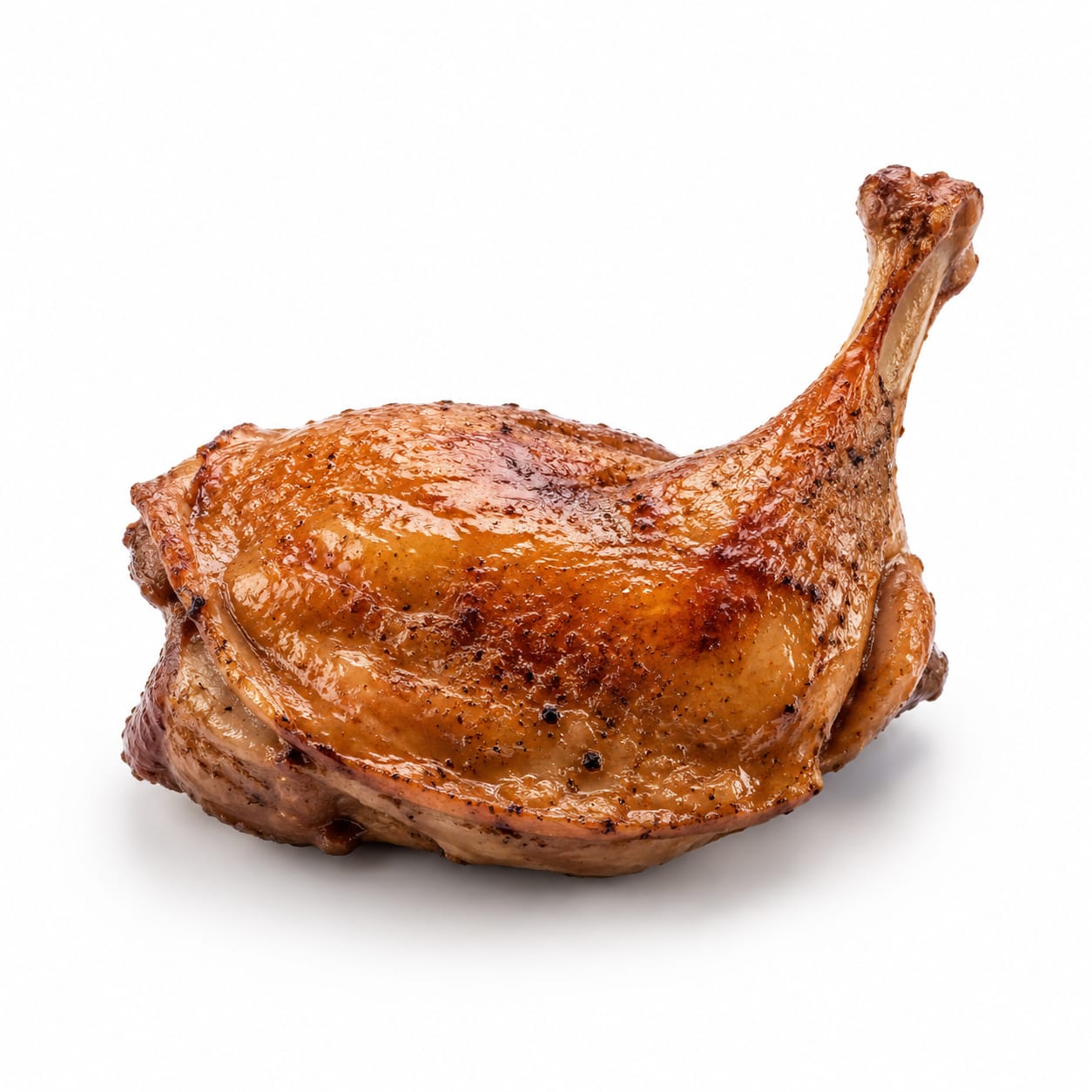
Poultry & Game Meat
Pheasant
A lean, high-protein game bird with minimal fat and zero carbohydrates.
Pheasant is a lean game bird prized for its robust, earthy flavor and dense protein content. It is significantly lower in fat and calories compared to conventional poultry like chicken or duck, making it a highly efficient protein source.
protein-dense lean game meat
Typical serving · 120g
Common varieties · wild pheasant, farm-raised pheasant, ring-necked pheasant, breast meat, whole bird
Overall context score across nutrition, safety, and diet fit
At a glance
Quick facts
Simple indicators based on nutrition, processing, and diet fit.
The story
What makes it unique
Pheasant is a fast-digesting, high-biological-value protein source with virtually zero carbohydrates. Its macronutrient profile promotes rapid amino acid availability and high satiety. As a wild or pastured game meat, it typically features a favorable omega-6 to omega-3 fatty acid ratio compared to grain-fed commercial poultry, though total fat content remains very low.
Varieties: wild pheasant · farm-raised pheasant · ring-necked pheasant · breast meat · whole bird
Per 100g
Nutrition breakdown
Macro balance and key metrics at a glance.
Energy
Density 1.33 kcal/g
Protein
Carbs
Fat
Fiber
Sugar
0 g
Sodium
50 mg
Potassium
330 mg
Glycemic index
0
Glycemic load
0
Water content
73%
Standout compounds
Nutrient highlights
Protein
highSupports lean muscle mass, tissue repair, and high satiety
Niacin (Vitamin B3)
highCrucial for energy metabolism and maintaining healthy skin and nerves
Vitamin B6
moderateAids in amino acid metabolism, red blood cell production, and cognitive development
Phosphorus
moderateEssential for bone health, teeth formation, and cellular membrane integrity
Selenium
moderateProvides antioxidant defense and supports thyroid hormone metabolism
Wellness map
Health scores & processing
NOVA processing scale
minimally processed · Whole food
Fresh pheasant meat is a whole, unprocessed animal food requiring only butchery and cold storage before cooking.
Diet compatibility
- Weight loss
- Muscle gain
- Diabetes
- Gut health
- Low carb
- High protein
- Heart health
Relative standing
Food rankings
Qualitative ranks compared to similar whole foods.
- Satietyexcellent
- Blood sugarexcellent
- Nutrient densitygood
- Fitness fuelexcellent
- Processing qualityexcellent
Eat with confidence
Food safety profile
Like all raw poultry, pheasant requires strict hygiene to prevent bacterial illness. Wild pheasant specifically requires careful inspection and processing to remove lead shot fragments, which pose a heavy metal exposure risk if ingested.
Evidence confidence 85%
- Pesticideslow
- Antibioticslow
- Heavy metalslow
- Contaminationmoderate
Watch for
- Salmonella
- Campylobacter
- lead shot fragments
Safer choices
Farm-raised pheasant eliminates the risk of lead shot and ensures more regulated feeding practices.
Prep tips
Do not wash raw pheasant to avoid spreading bacteria. Cook to an internal temperature of 165F (74C). Carefully palpate and X-ray wild game meat to detect and remove lead shot.
Wild-harvested pheasant carries a risk of lead contamination from ammunition, which is a notable concern for frequent consumers of wild game.
Deep dive
Health analysis
How this food may fit different goals and preparation choices.
Weight loss
Extremely low energy density and high protein content create a strong thermic effect and prolonged satiety, making it highly effective for calorie restriction.
Blood sugar
Zero carbohydrates result in zero glycemic impact, preventing blood sugar spikes and supporting insulin sensitivity.
Fitness & energy
Provides fast-digesting, complete protein ideal for post-workout muscle protein synthesis and lean tissue repair.
Gut health
Easily digestible protein that is gentle on the gastrointestinal tract, though it lacks dietary fiber needed to feed the gut microbiome.
Processing quality
A whole, unprocessed food with intact nutritional matrix and no artificial additives.
Food safety
Standard poultry pathogen risks apply. Wild varieties require careful handling due to potential lead shot contamination from hunting.
Common mistakes
Overcooking the lean breast meat, which lacks the fat to stay moist, resulting in a dry, tough texture. Confusing the nutritional profile of lean breast meat with fattier leg meat.
Best preparation
Pan-searing breast quickly to medium doneness, or slow-braising the legs to break down connective tissue without drying out the meat.
Practical guide
Best use cases
When and how this food fits real eating patterns.
Post-workout recovery
Fast-digesting, high-quality protein supports immediate muscle repair and protein synthesis after exercise.
Calorie-restricted weight loss
High volume and protein content provide maximum fullness for minimal caloric cost.
Keto and low-carb meal prep
Zero-carb protein source that easily fits into strict carbohydrate limits.
Gourmet whole-food dining
Offers a culinary upgrade from standard chicken with a unique, earthy flavor profile while maintaining clean nutrition.
Balance sheet
Pros & cons
Upsides
- Extremely high protein-to-calorie ratio
- Virtually zero carbohydrates
- Very low in saturated fat
- Rich in B vitamins, especially niacin
- Unprocessed whole food
- Provides complete amino acid profile
Trade-offs
- Lean breast meat dries out easily if overcooked
- Wild-harvested meat may contain lead shot
- More expensive and less available than standard poultry
- Lacks dietary fiber
- Leg meat can be tough if not cooked properly
Fit check
Who is it for?
Great match
- high-protein diets
- weight loss phases
- post-workout recovery
- keto and low-carb diets
- lean muscle building
Consider alternatives
- plant-based diets
- budget grocery shopping
- low-purine diets (gout management)
- those preferring easy-to-cook fatty meats
Side by side
How it compares
Open the full head-to-head analysis for nutrition, safety, and practical tradeoffs.
This food
Pheasant
VS95% alike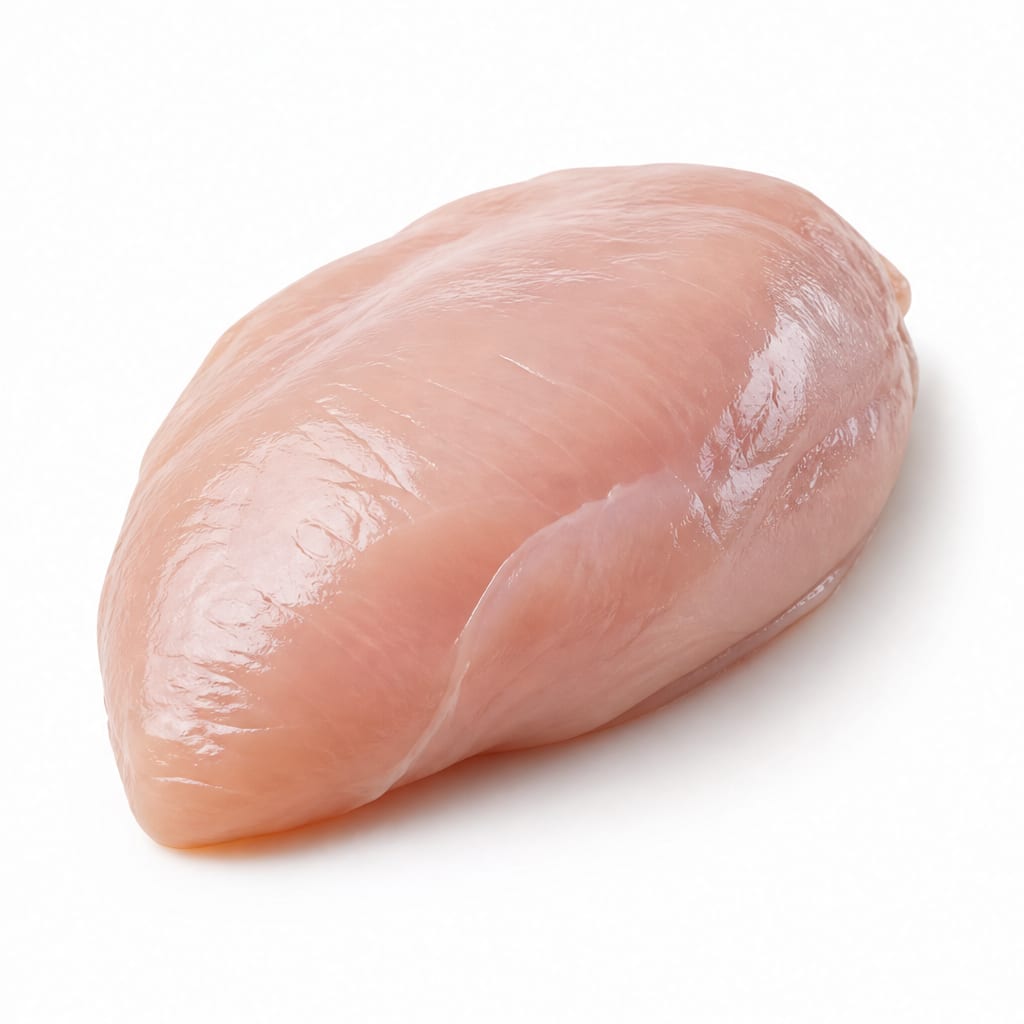
Compare with
Chicken Breast
Pheasant is slightly leaner and higher in protein than chicken breast, offering a more nutrient-dense calorie profile.
Pheasant is leaner and slightly higher in protein than chicken breast, making it a superior choice for weight loss, while both are excellent for blood sugar control.
This food
Pheasant
VS90% alike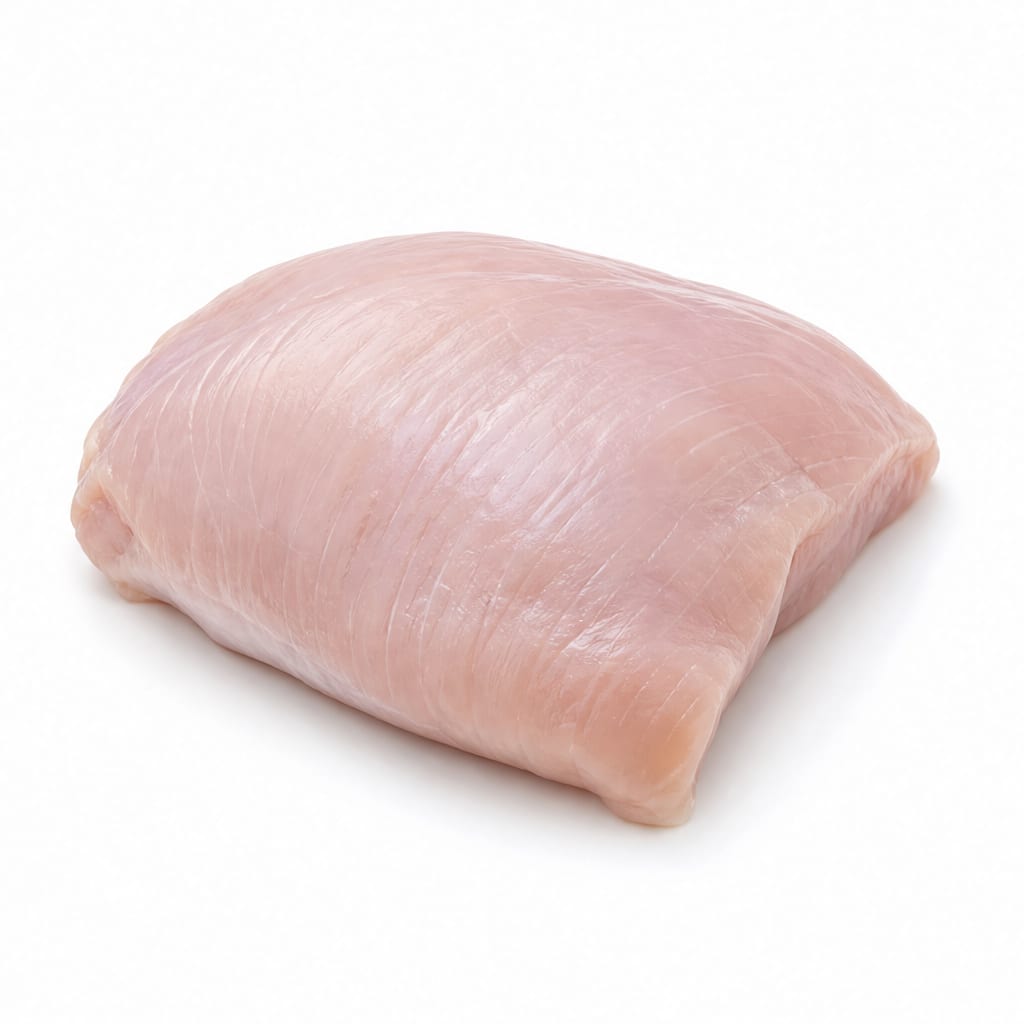
Compare with
Turkey Breast
Turkey breast is very similar nutritionally but more widely available and affordable than pheasant.
Pheasant and turkey breast are nearly identical in protein and fat content, but pheasant offers a richer, gamier flavor for gourmet meals.
This food
Pheasant
VS85% alike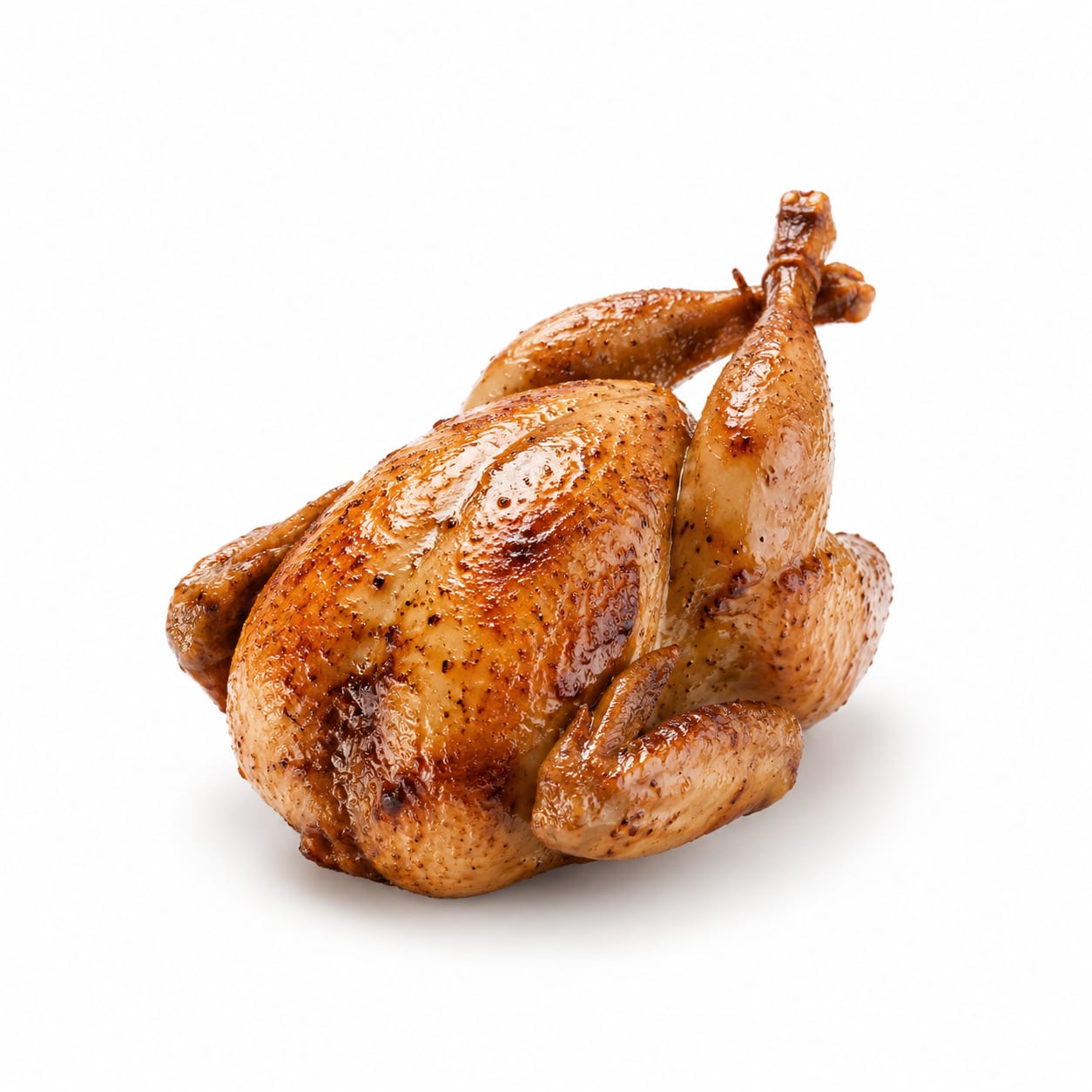
Compare with
Quail
Quail is higher in fat and calories than pheasant, making pheasant the better option for strict leanness.
Pheasant is significantly leaner than quail, providing more protein with fewer calories and less fat for weight loss.
This food
Pheasant
VS70% alike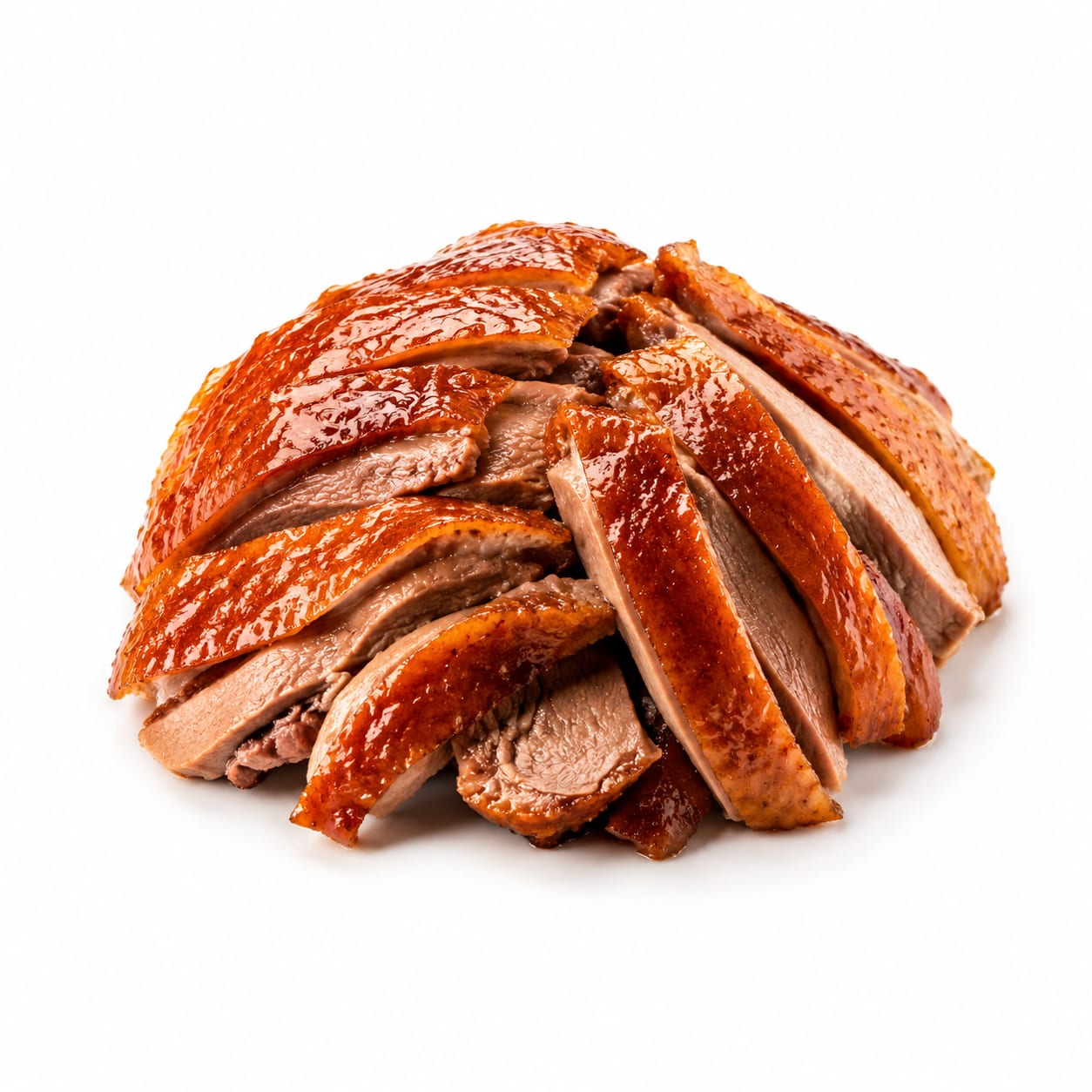
Compare with
Duck
Duck is much higher in fat and calories, while pheasant is extremely lean.
Pheasant is far leaner and lower in calories than duck, making it better for weight loss, while duck provides more fat for keto cooking.
This food
Pheasant
VS75% alike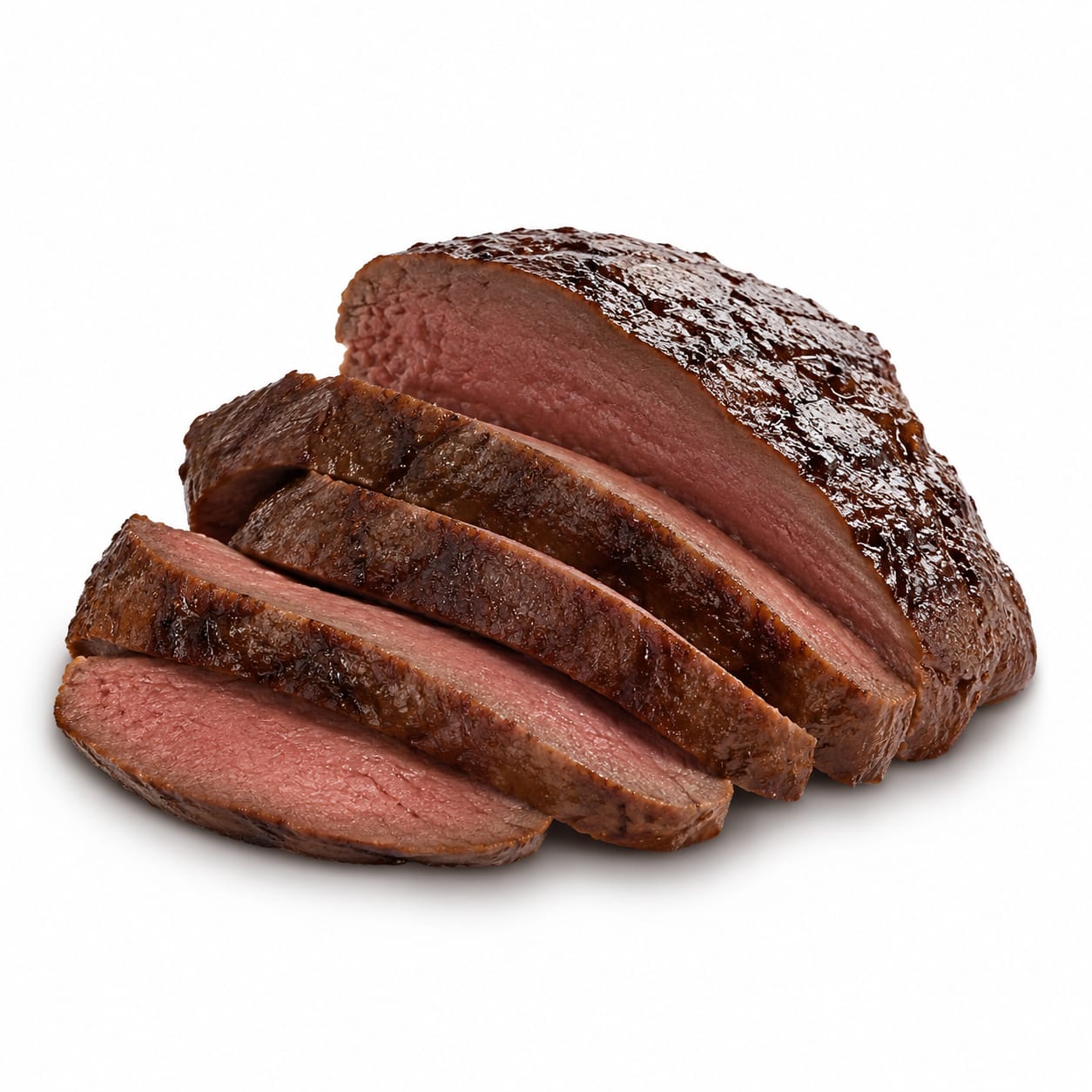
Compare with
Venison
Both are lean, high-protein game meats, but venison provides more iron and B vitamins per serving.
Pheasant is slightly lower in calories than venison, but venison offers more iron and a stronger satiety effect due to its denser protein profile.
This food
Pheasant
VS80% alike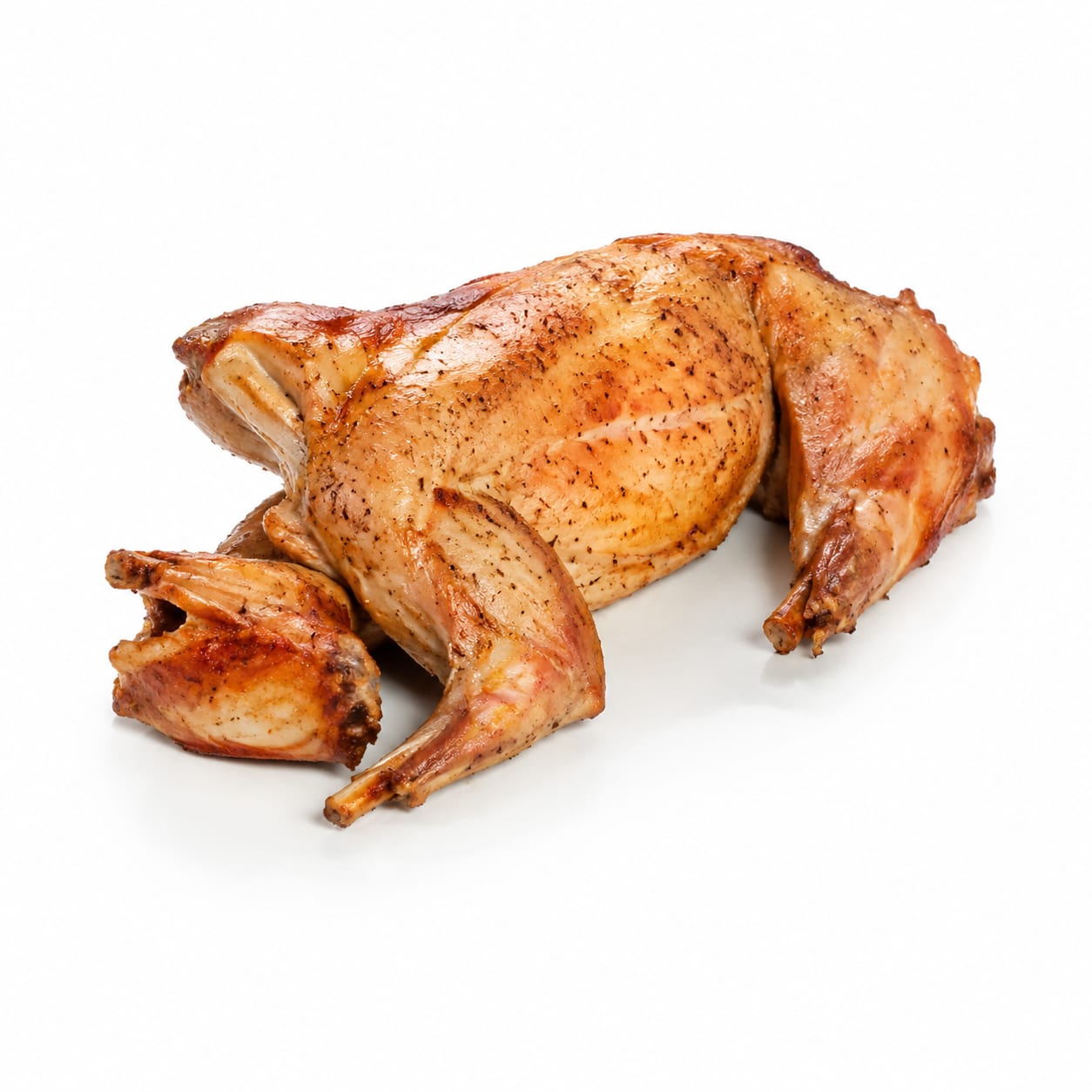
Compare with
Rabbit
Rabbit is similarly lean but lacks the fat needed for flavor, whereas pheasant offers slightly better culinary versatility.
Pheasant and rabbit are both ultra-lean game meats with near-identical weight loss and blood sugar benefits, though pheasant is more commonly available.
This food
Pheasant
VS65% alike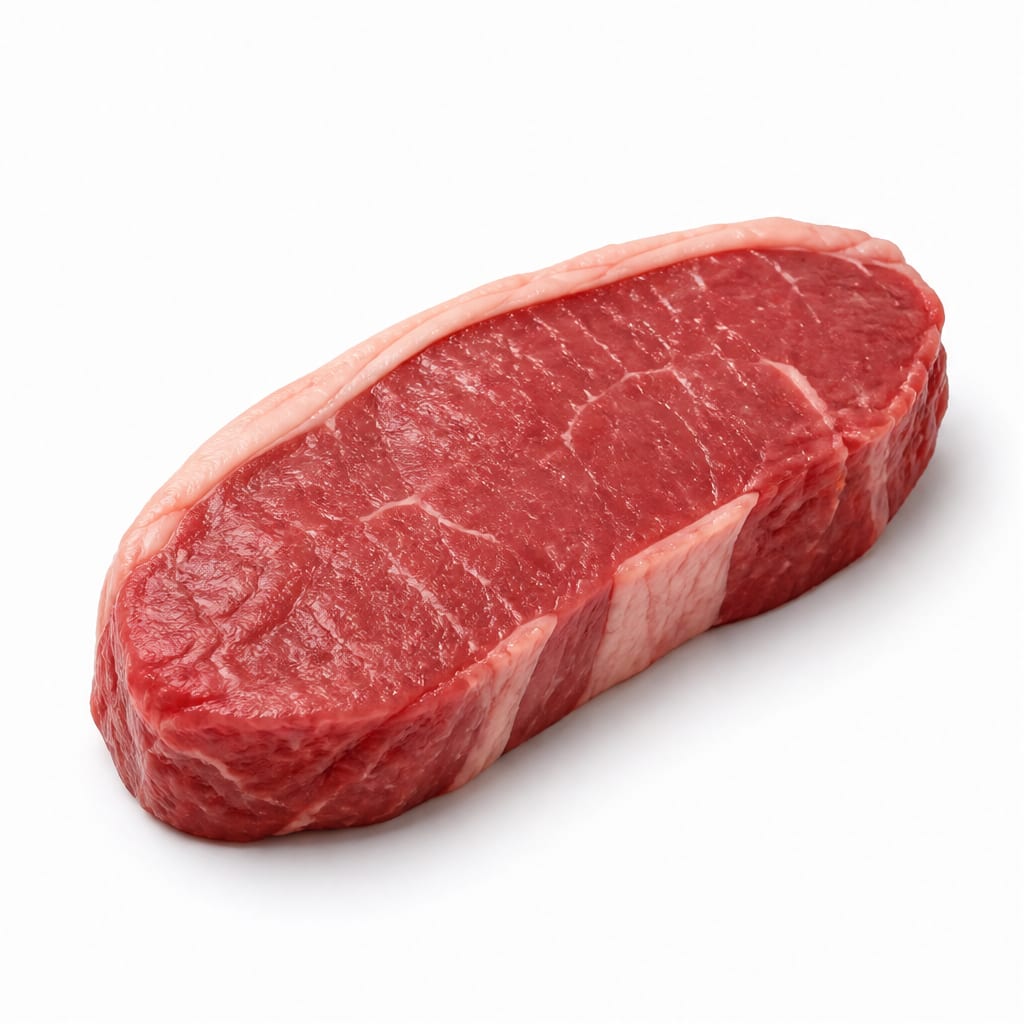
Compare with
Beef Sirloin
Beef sirloin is higher in fat, calories, and iron, while pheasant is much leaner.
Pheasant is much leaner and lower in calories than beef sirloin, making it better for weight loss, while beef provides more iron and fat.
This food
Pheasant
VS70% alike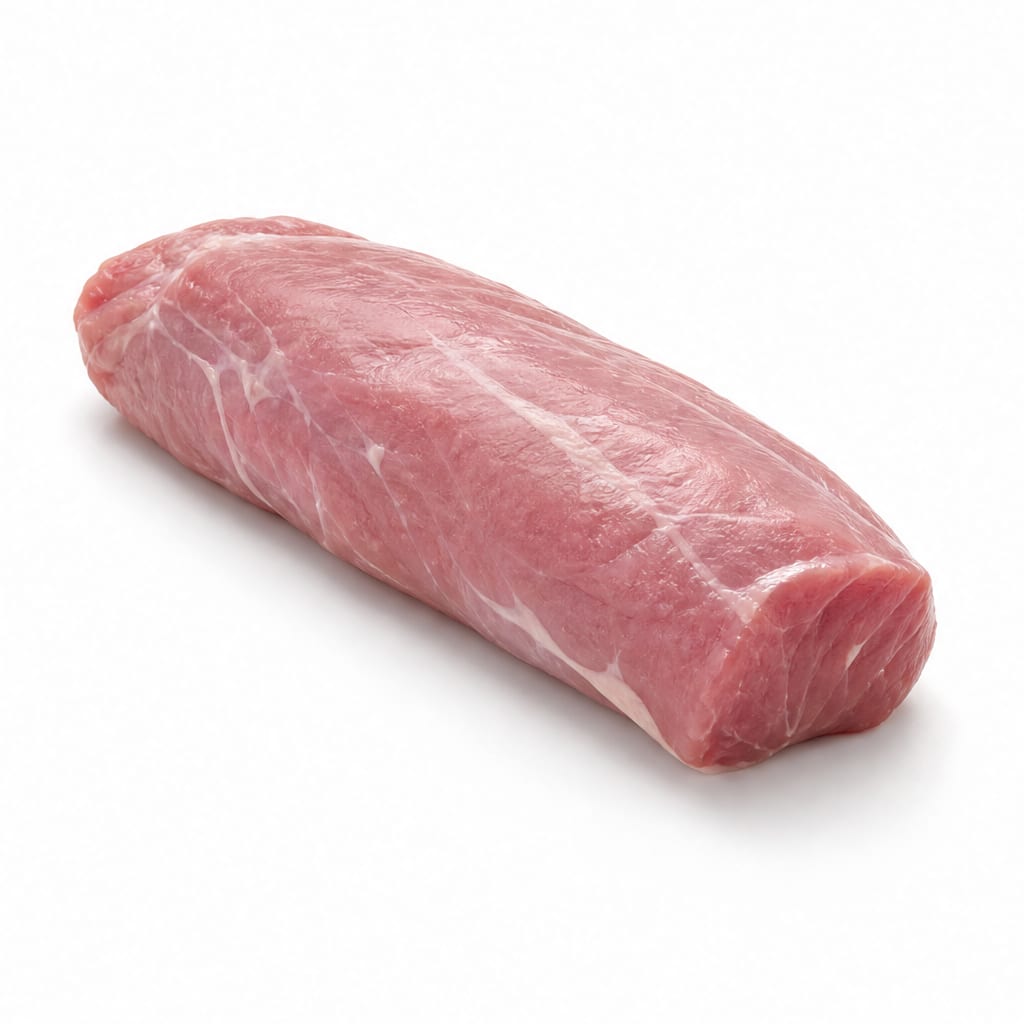
Compare with
Pork Tenderloin
Pork tenderloin is lean but slightly higher in calories and fat than pheasant.
Pheasant beats pork tenderloin for leanness and protein density, offering fewer calories per gram of protein for weight loss diets.
This food
Pheasant
VS80% alike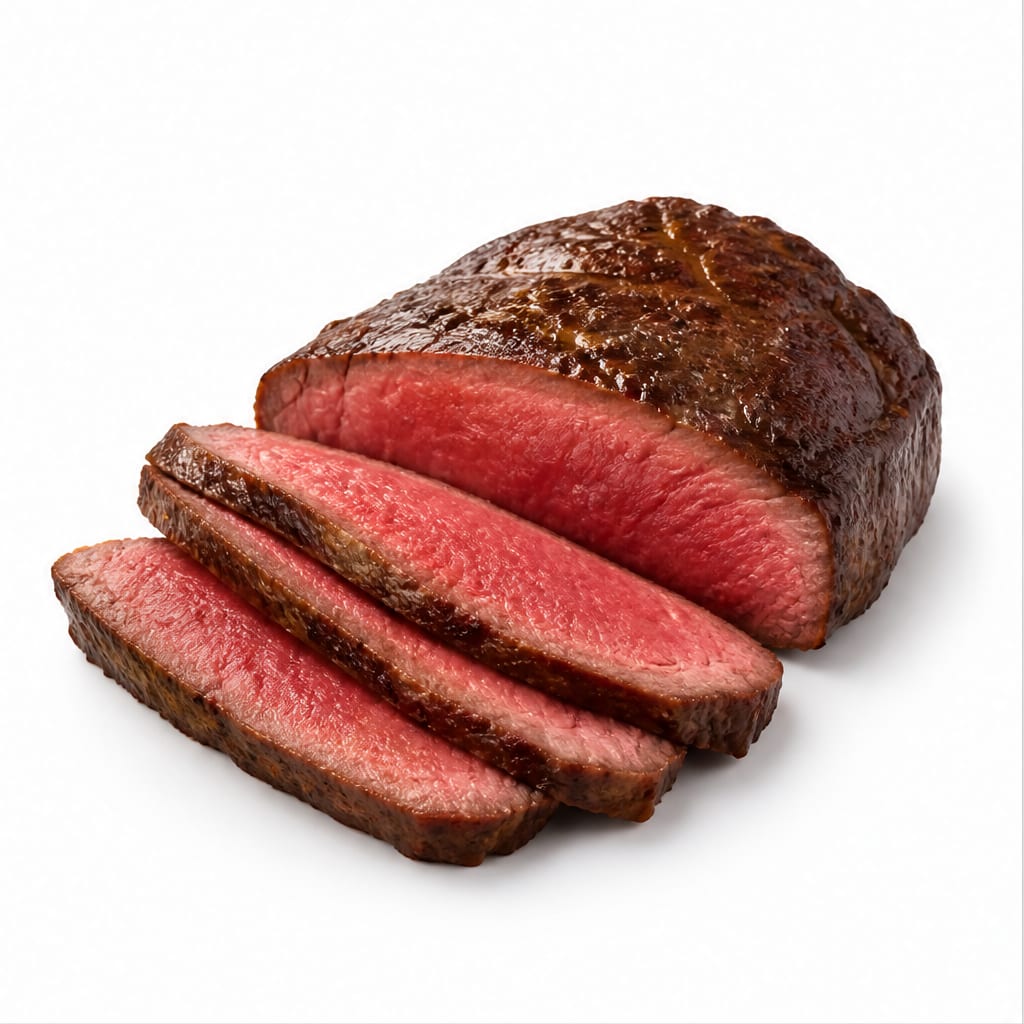
Compare with
Ostrich
Ostrich is remarkably lean like pheasant but provides the iron benefits of red meat.
Pheasant and ostrich are both ultra-lean proteins, but ostrich provides more iron and a beef-like flavor while maintaining similar low calorie counts.
This food
Pheasant
VS60% alike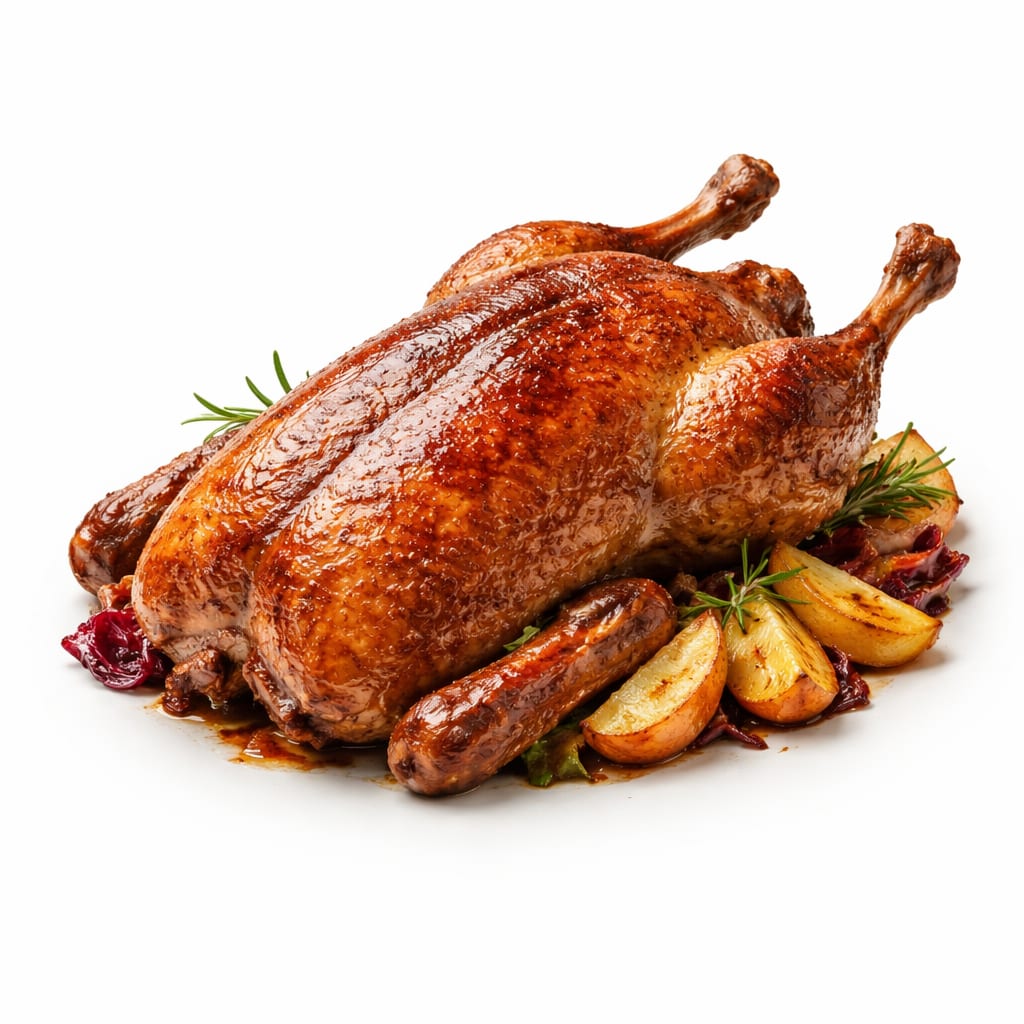
Compare with
Goose
Goose is a very high-fat bird, whereas pheasant is extremely lean.
Pheasant is dramatically lower in fat and calories than goose, making it the clear winner for weight loss and heart health, while goose suits high-fat diets.
Common questions
FAQ
Answers aligned with how people search for this food.
Is pheasant healthier than chicken?
Pheasant breast is leaner than chicken breast, offering slightly more protein and less fat per calorie. However, both are excellent sources of lean protein. Pheasant also provides more B vitamins per serving than standard commercial chicken.
Can diabetics eat pheasant?
Yes, pheasant contains zero carbohydrates and has a glycemic index of 0, meaning it will not raise blood sugar levels. It is a highly safe and nutritious protein choice for diabetes management.
Is pheasant good for weight loss?
Absolutely. Pheasant is very low in calories and fat while being rich in protein. This combination maximizes satiety and increases the calories burned through digestion, supporting weight loss effectively.
Does pheasant have a lot of cholesterol?
Pheasant contains a moderate amount of dietary cholesterol, similar to chicken. For most people, dietary cholesterol has minimal impact on blood cholesterol compared to saturated fat, of which pheasant has very little.
Can you eat pheasant on a keto diet?
Yes, pheasant is perfect for a keto diet because it has zero carbs and zero sugar. Pair it with high-fat sides or cook it in healthy fats to meet your keto macronutrient goals.
Does wild pheasant contain lead?
Wild pheasant hunted with lead ammunition can contain lead shot fragments, which are toxic if consumed. It is important to carefully clean and inspect wild game for shot, or opt for farm-raised pheasant to avoid this risk.
How do you cook pheasant without drying it out?
Because pheasant breast is very lean, it cooks quickly. Pan-sear it over medium-high heat and remove it from the pan just before it is fully cooked, letting residual heat finish the job. Slow-cooking or braising is best for the legs.
What does pheasant taste like?
Pheasant has a richer, slightly more earthy and gamey flavor than chicken, but it is not overpowering. Farm-raised pheasant tastes milder, while wild pheasant has a more pronounced gamey taste.
Transparency
Data confidence
Estimated confidence for nutrition data, interpretation, safety notes, and comparisons.
Nutrition data
Health analysis
Food safety
Comparisons