
Nutrition comparison
Pheasant vs Ostrich: Which Lean Game Meat Is Healthier?
Compare pheasant and ostrich nutrition, taste, safety, and sustainability. Discover which lean game meat is better for iron, protein, weight loss, and daily meals.
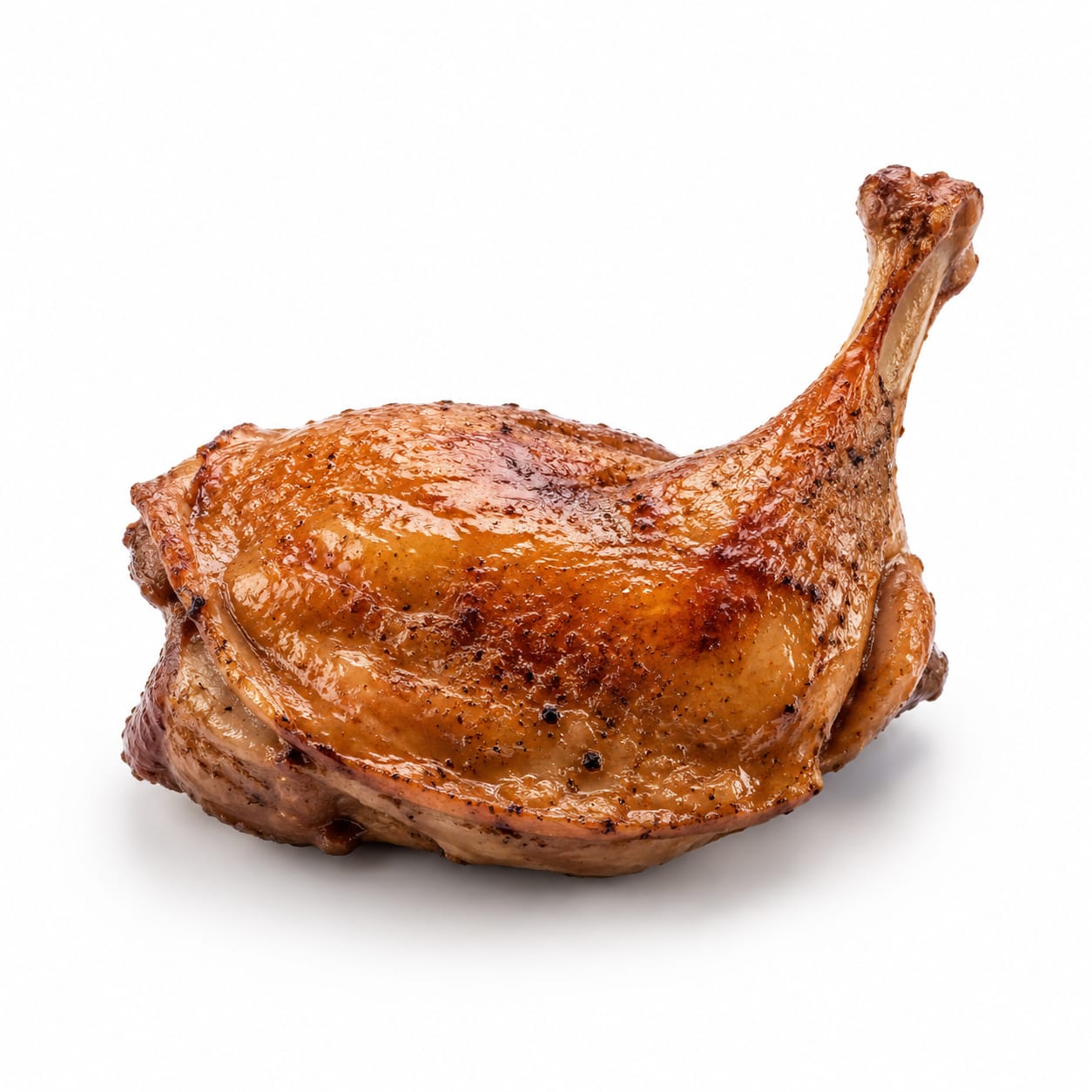
Pheasant
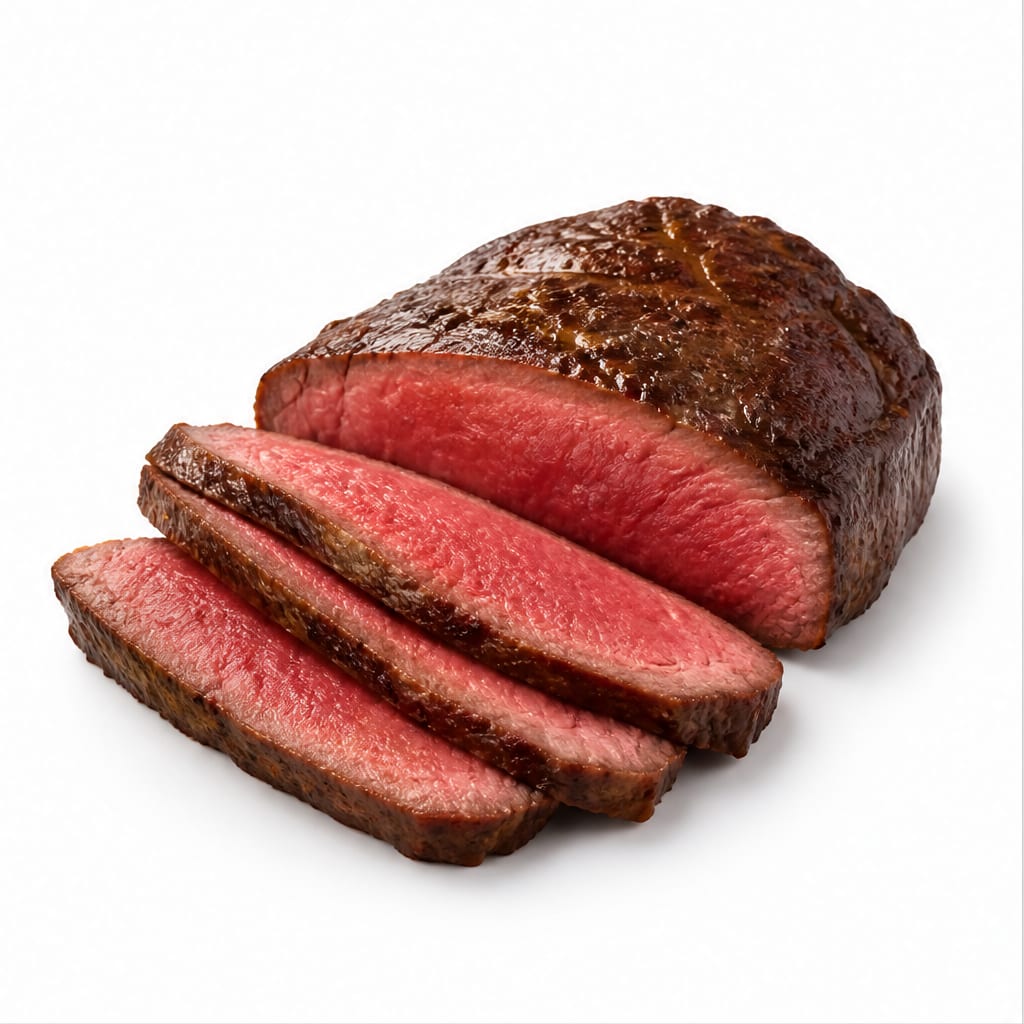
Ostrich
Ostrich delivers more iron and better sustainability with beef-like versatility, while pheasant offers slightly higher protein density and a classic game flavor experience.
Ostrich scores higher due to superior iron content, better commercial availability, lower contamination risk, and stronger sustainability profile. Pheasant remains a quality lean protein but loses ground on safety concerns and practicality.
Ostrich wins on iron content, availability, and environmental impact; pheasant wins on protein per bite and traditional culinary appeal, but carries lead contamination risk from wild hunting.
At a glance
Executive summary
Overall
It depends
Healthier
Ostrich
More practical
Ostrich
Daily use
Ostrich
Key comparison lenses
Lean protein source selection for health-conscious meat eaters
Both are exceptionally lean game meats often chosen by people seeking healthier red meat or poultry alternatives
Iron and mineral density comparison
Ostrich is notably iron-rich compared to most poultry, while pheasant offers different mineral advantages
Sustainability and environmental impact
Ostrich farming has a notably low environmental footprint compared to conventional livestock and game bird hunting
Practical availability and cooking versatility
Both are specialty meats with different accessibility profiles and cooking requirements
Food safety and contamination concerns
Wild pheasant carries lead shot risk; ostrich has different sourcing considerations
Best choice for
Pheasant
- Classic game cuisine enthusiasts seeking traditional flavor
- Hunters with direct access to wild-harvested birds
- High-protein, low-calorie meal prep with richer poultry taste
- Special occasion meals where game presentation matters
Ostrich
- Iron-deficient individuals needing a red meat alternative
- Environmentally conscious meat eaters seeking sustainable protein
- Home cooks wanting beef-like versatility with less fat
- Regular weekly meal rotation with consistent availability
Least suitable for
Pheasant
- Anyone concerned about lead exposure from wild game
- Budget-conscious shoppers seeking affordable protein
- People who dislike gamy or strong poultry flavors
- Those needing reliable year-round availability
Ostrich
- Shoppers with very tight grocery budgets
- People who prefer mild, traditional poultry flavors
- Those unfamiliar with cooking lean game meats prone to overcooking
- Diners expecting classic bird texture and taste
Deep comparison
Dimension by dimension
Each lens scores both foods and breaks down who each option suits.
- Dimension 1 · Priority 93Pheasant
Protein Quality and Density
Pheasant · 88Ostrich · 83Pheasant edges ahead with slightly more protein per serving, but both are excellent high-quality complete protein sources.
Tradeoff
Pheasant offers about 25g protein per 100g versus ostrich at roughly 21g, though ostrich protein is slightly more digestible due to muscle fiber structure.
Why it matters
For anyone tracking protein intake closely, pheasant gives a modest edge per calorie consumed.
Real-world impact
A pheasant breast delivers roughly one extra gram of protein per serving compared to an equivalent ostrich portion — meaningful for athletes but negligible for most casual eaters.
Pheasant
- Strict protein-per-calorie optimizers
- Athletes in cutting phases maximizing protein density
Better for
- Anyone avoiding wild game due to sourcing uncertainty
Worse for
Ostrich
- Those prioritizing digestibility over raw protein numbers
- People who find ostrich more filling despite slightly less protein
Better for
- Those counting every gram of protein on tight targets
Worse for
- Dimension 2 · Priority 90Ostrich
Iron and Mineral Content
Pheasant · 62Ostrich · 91Ostrich is a standout iron source among poultry, delivering nearly double the iron of pheasant along with more zinc.
Tradeoff
Pheasant provides more selenium and B vitamins, but ostrich dominates on the minerals most people actually lack — iron and zinc.
Why it matters
Iron deficiency is the most common nutritional deficiency worldwide. Ostrich offers a poultry-based solution with red-meat-level iron.
Real-world impact
A single ostrich serving covers roughly 15% of daily iron needs versus about 8% from pheasant — a meaningful difference for women, vegetarians transitioning back to meat, and anyone with low ferritin.
Pheasant
- People already iron-sufficient who want more selenium for thyroid support
Better for
- Those specifically seeking iron-rich foods to address deficiency
Worse for
Ostrich
- Women of reproductive age needing iron
- Anyone recovering from iron deficiency
- Endurance athletes with elevated iron needs
Better for
- People with hemochromatosis or iron overload conditions
Worse for
- Dimension 3 · Priority 87Ostrich
Fat Content and Heart Health
Pheasant · 78Ostrich · 86Both are extremely lean, but ostrich has slightly less total fat and a more favorable fatty acid profile for cardiovascular health.
Tradeoff
Pheasant has marginally more fat which helps with flavor and moisture, while ostrich is leaner but requires careful cooking to avoid dryness.
Why it matters
For heart health, every gram of saturated fat reduction counts, and ostrich delivers slightly less per serving.
Real-world impact
Both meats are dramatically leaner than beef or chicken thighs. The fat difference between them is small enough that cooking method matters more than the meat choice itself.
Pheasant
- Home cooks who value natural moisture and richer flavor from slightly higher fat content
Better for
- Anyone on a strictly controlled very-low-fat diet
Worse for
Ostrich
- Cardiovascular patients minimizing saturated fat aggressively
- Those tracking macros who prefer the leanest possible protein
Better for
- People prone to overcooking lean meats and ending up with dry results
Worse for
- Dimension 4 · Priority 82Ostrich
Sustainability and Environmental Impact
Pheasant · 58Ostrich · 88Ostrich farming has a remarkably low environmental footprint, while wild pheasant hunting has ecosystem considerations and farmed pheasant is less resource-efficient.
Tradeoff
Wild pheasant is technically free-range but hunting pressure affects ecosystems; ostrich farming uses minimal water and land relative to protein output.
Why it matters
For environmentally conscious consumers, ostrich is one of the most sustainable animal proteins available.
Real-world impact
Ostrich produces about one-third the greenhouse emissions per kilogram of meat compared to beef, and requires significantly less water than conventional poultry farming.
Pheasant
- Hunters who harvest their own pheasant and value self-sufficient food sourcing
Better for
- Anyone concerned about lead ammunition environmental contamination
Worse for
Ostrich
- Climate-conscious meat eaters seeking the lowest-impact animal protein
- Consumers who want farmed meat with transparent environmental metrics
Better for
- Those who only have access to imported ostrich with high transport emissions
Worse for
- Dimension 5 · Priority 78Ostrich
Availability and Practical Convenience
Pheasant · 48Ostrich · 72Ostrich is increasingly available from specialty online retailers and some grocery stores, while pheasant remains seasonal and harder to source fresh.
Tradeoff
Pheasant has a romantic culinary appeal but requires effort to find; ostrich is easier to order and available year-round from farms.
Why it matters
The healthiest protein only matters if you can actually buy and cook it regularly.
Real-world impact
Ostrich steaks and ground meat can be ordered online with reliable delivery in most countries. Fresh pheasant often requires specialty butchers or hunting connections.
Pheasant
- Rural dwellers with access to hunting grounds or game dealers
- Autumn and winter seasonal cooks embracing traditional game menus
Better for
- Suburban and urban shoppers without game meat suppliers
- People who need to grab protein at a regular grocery store
Worse for
Ostrich
- Urban consumers relying on online ordering or specialty grocers
- Anyone wanting consistent year-round availability for meal planning
Better for
- Those in regions without ostrich farm distribution networks
Worse for
- Dimension 6 · Priority 75It depends
Cooking Versatility and Flavor
Pheasant · 76Ostrich · 76Pheasant excels in classic poultry recipes with rich game flavor; ostrich works as a beef substitute with its red meat texture and taste.
Tradeoff
Pheasant is limited to poultry-style preparations, while ostrich can replace beef in burgers, steaks, and stir-fries — giving it broader kitchen utility.
Why it matters
Versatility determines how often you will actually cook and enjoy the meat rather than letting it sit in the freezer.
Real-world impact
Ostrich can become burgers, tacos, steaks, or jerky. Pheasant shines in roasts, stews, and pâtés but does not cross into beef territory.
Pheasant
- Fans of traditional European game cookery and rich poultry dishes
- Cooks wanting an impressive centerpiece for dinner parties
Better for
- Anyone wanting a beef-like experience without the fat
Worse for
Ostrich
- Meal preppers who want one lean meat for multiple recipe styles
- Former beef eaters seeking a convincing lean substitute
Better for
- Purists who find the idea of red-meat-like poultry off-putting
Worse for
Timeline
Health impact over time
Short-term
Hours to days
Pheasant
- High satiety from dense protein keeps hunger at bay for hours
- Rich B-vitamin content supports steady energy after meals
- Very low carbohydrate means stable blood sugar with no spikes
- Can feel heavy if eaten in large portions due to dense protein texture
Ostrich
- Iron delivery provides noticeable energy support, especially for deficient individuals
- Extremely lean profile makes it easy to digest without sluggishness
- High protein promotes strong satiety without the heaviness of fatty meats
- Overcooking leads to toughness that can feel unsatisfying and dry
Long-term
Months to years
Pheasant
- Consistent lean protein intake supports muscle maintenance and metabolic health
- Lead exposure risk from wild-harvested birds may accumulate with frequent consumption
- Selenium and B vitamins contribute to thyroid and immune function over time
- Low saturated fat intake supports cardiovascular health when replacing red meat
Ostrich
- Sustained iron intake helps prevent deficiency-related fatigue and cognitive decline
- Extremely low fat profile supports heart health long-term when replacing fatty meats
- Zinc and B vitamins bolster immune resilience with regular consumption
- Sustainability of farming practices makes long-term consumption environmentally viable
Risk profile
Safety & processing
Both pheasant and ostrich are typically sold as whole cuts with minimal processing. Farmed pheasant may contain slightly more additives from feed, while ostrich is generally raised on natural forage. Neither commonly contains preservatives, nitrates, or artificial ingredients when purchased as fresh meat.
Pheasant
Lead shot contamination
highWild-hunted pheasant frequently contains lead shot fragments, which pose serious health risks especially for children and pregnant women. Even removed shot can leave microscopic lead particles in the meat.
Game handling hygiene
mediumWild pheasant requires proper field dressing and temperature control. Inadequate handling between harvest and kitchen increases foodborne illness risk.
Parasite exposure
lowWild game can carry parasites that are eliminated by proper cooking to 165°F, but undercooked pheasant carries slightly more risk than farmed meats.
Ostrich
Improper cooking leading to toughness and undercooking
mediumOstrich must be cooked to medium-rare for steaks to avoid toughness, which means careful temperature management is essential for food safety.
Cross-contamination from farm processing
lowAs a farmed specialty meat, ostrich processing is typically well-regulated, but small-farm sourcing may have less consistent oversight than mainstream poultry.
Who wins for whom
Audience fit
Same foods, different winners depending on your goal.
children
OstrichOstrich avoids the lead contamination risk of wild pheasant and provides iron crucial for childhood development, making it the safer and more beneficial choice.
daily consumption
OstrichOstrich offers better availability, lower contamination risk, and more recipe versatility, making it more practical for regular weekly consumption.
diabetes
It dependsBoth are zero-carb protein sources that stabilize blood sugar equally well. Choice depends on whether iron needs (ostrich) or protein density (pheasant) matters more for the individual.
elderly
OstrichOstrich delivers more iron and zinc, which are commonly deficient in older adults, and its tenderness when properly cooked is easier on aging digestive systems.
muscle gain
PheasantPheasant provides slightly more protein per gram, which gives a small but real edge for athletes maximizing protein intake within calorie targets.
weight loss
OstrichOstrich has fewer calories per serving while maintaining strong satiety, and its beef-like versatility makes it easier to sustain as a lean protein staple in calorie-controlled diets.
Your move
Decision guide
Choose Pheasant
- You have access to reliably sourced farmed pheasant or are a hunter who can control ammunition type
- You want the richest game poultry flavor for special occasion cooking
- You are maximizing protein per calorie and every gram counts toward your target
- You enjoy traditional European game recipes and have the skills to cook them well
Choose Ostrich
- You need an iron-rich protein source to address or prevent deficiency
- Sustainability and environmental impact are important factors in your food choices
- You want a versatile lean meat that can replace beef in most recipes
- You prefer meat that is easy to source online year-round with consistent quality
- You are cooking for children and want to avoid lead exposure risk
Either works if
- You simply want an exceptionally lean protein that is far healthier than conventional red meat
- Both are available and you want variety in your weekly protein rotation
- You are comfortable cooking lean game meats and avoiding overcooking
Avoid both if
- You have gout and are sensitive to purine-rich meats, as both are moderate-to-high in purines
- You require budget-friendly protein and cannot justify specialty meat prices
- You strongly prefer well-done meat, as both become unpalatably tough when overcooked
- You have difficulty sourcing either meat reliably in your area
Final recommendation
For most people seeking a healthy, sustainable, and practical lean protein, ostrich is the better everyday choice. It delivers more iron, avoids lead contamination, and works across more recipes. Pheasant is worth choosing when you have a trusted source, want classic game flavor, or are prioritizing protein density. If you eat wild-harvested pheasant regularly, consider switching to steel shot or farmed birds to reduce lead exposure.
Practical
Consumer tips
- 1
If buying wild pheasant, ask your supplier about ammunition type — steel shot eliminates lead risk entirely
- 2
Cook ostrich steaks to medium-rare (130-135°F) and let them rest; overcooking makes them shoe-leather tough
- 3
Ostrich ground meat works brilliantly in burgers, meatballs, and tacos as a lean beef substitute
- 4
Pheasant benefits from brining or wrapping in bacon to add moisture during roasting
- 5
Order ostrich online from reputable farms if unavailable locally — it ships well frozen
- 6
If you hunt pheasant, trim meat generously around shot wounds to reduce lead fragment exposure
- 7
Both meats pair well with robust herbs like rosemary, thyme, and juniper to complement their game character
- 8
Freeze pheasant within two days of purchase or harvest as game meat spoils faster than farmed poultry