
Nutrition comparison
Pheasant vs Turkey Breast: Which Lean Protein Is Better for You?
Compare Pheasant and Turkey Breast on protein, iron, calories, cost, and flavor. Find out which lean poultry fits your health goals, budget, and lifestyle.
Overall winner · Turkey Breast
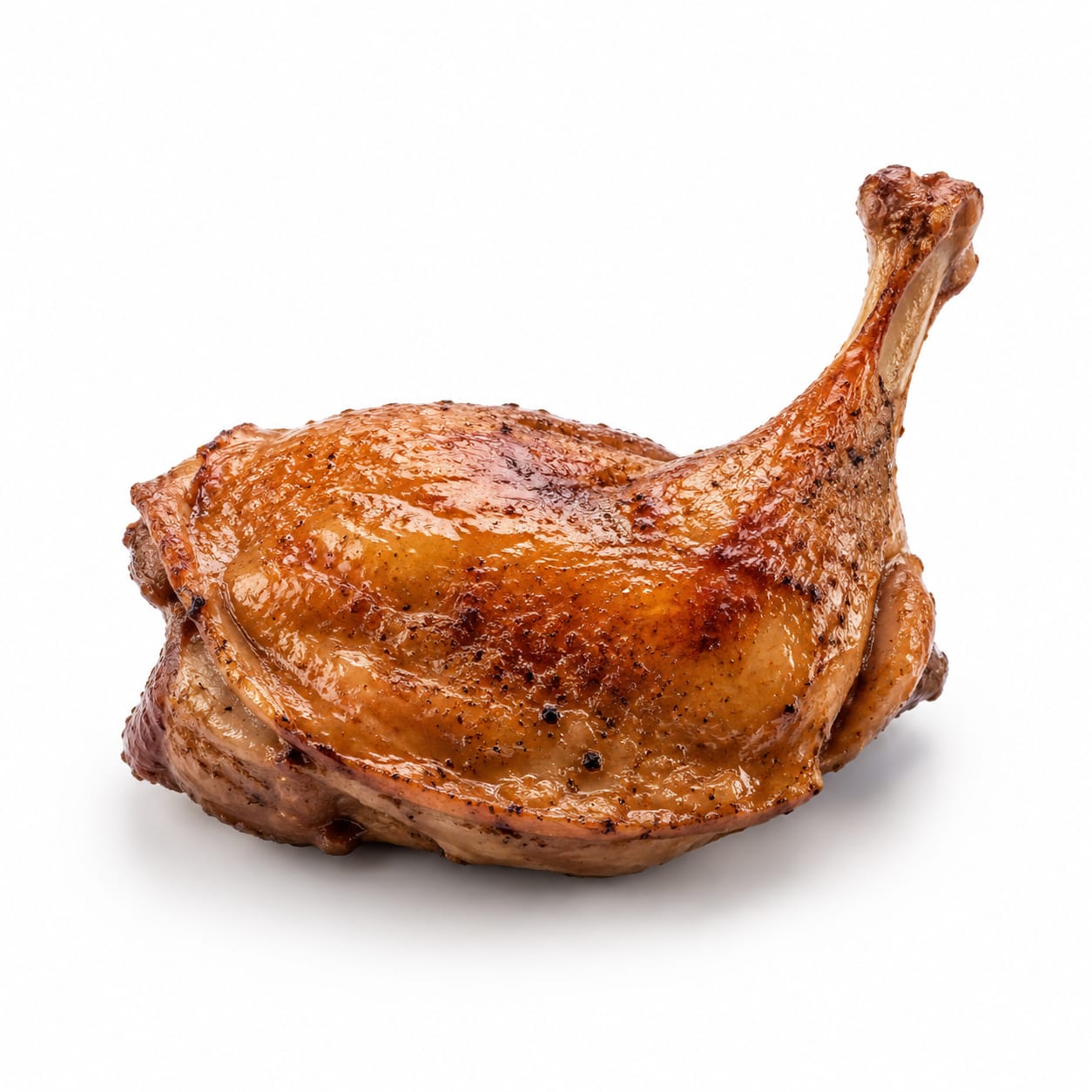
Pheasant
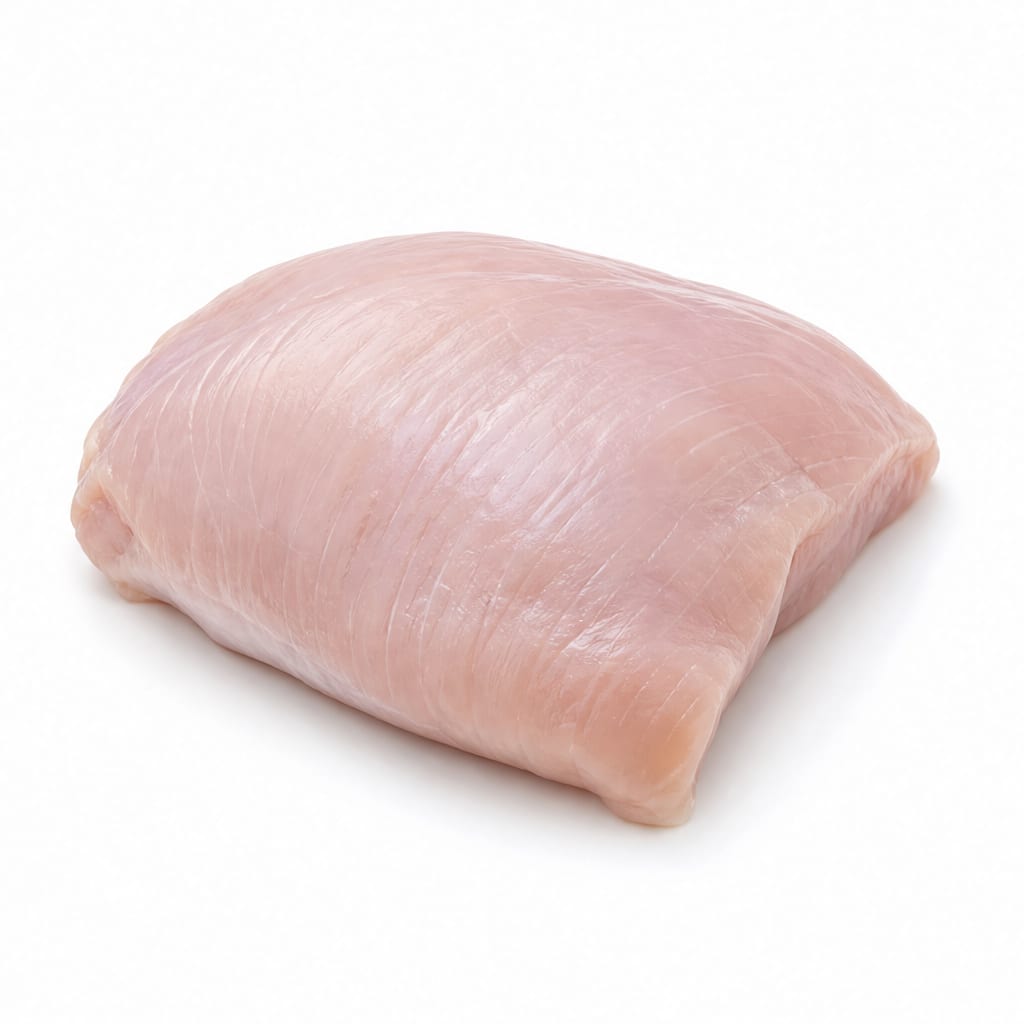
Turkey Breast
Turkey Breast wins for daily lean protein due to availability, cost, and unmatched leanness. Pheasant earns its place as an occasional iron-rich delicacy with deeper flavor.
Turkey Breast scores higher overall due to superior practicality, leanness, and daily usability. Pheasant remains nutritionally valuable, especially for iron, but its cost and availability limit regular use.
Turkey Breast gives you more protein per calorie and per dollar, but Pheasant delivers more iron, richer flavor, and a more interesting eating experience at a higher price.
At a glance
Executive summary
Overall
Turkey Breast
Healthier
Turkey Breast
More practical
Turkey Breast
Daily use
Turkey Breast
Key comparison lenses
lean protein source selection
Both are lean poultry options, so protein density and leanness are the primary decision drivers
everyday practicality vs specialty dining
Turkey Breast is a grocery staple while Pheasant is a specialty game bird with limited availability
budget-conscious meal planning
Price difference is dramatic and affects whether either option is sustainable long-term
iron and mineral intake
Pheasant notably outperforms Turkey Breast in iron and certain trace minerals
culinary variety and flavor experience
Pheasant offers a distinctive game flavor that Turkey Breast cannot replicate
Best choice for
Pheasant
- Iron-deficient individuals seeking natural dietary iron
- Culinary enthusiasts wanting game bird flavor
- Special occasion meals where uniqueness matters
- People bored with standard poultry options
Turkey Breast
- Daily meal preppers needing reliable lean protein
- Budget-conscious shoppers maximizing protein per dollar
- Weight loss seekers wanting the lowest calorie density
- Athletes requiring consistent, clean protein intake
Least suitable for
Pheasant
- Weekly meal preppers on a tight budget
- Those who need ingredients available at any grocery store
- People who dislike gamey or earthy flavors
Turkey Breast
- Those seeking iron-rich foods to address deficiency
- Diners wanting a memorable or unique eating experience
- People who find standard poultry boring and unsatisfying
Deep comparison
Dimension by dimension
Each lens scores both foods and breaks down who each option suits.
- Dimension 1 · Priority 95Turkey Breast
Protein Density
Pheasant · 78Turkey Breast · 94Turkey Breast delivers more protein per calorie than nearly any other meat. Pheasant is solid but carries more fat calories alongside its protein.
Tradeoff
Pheasant's slightly higher fat content reduces protein density but contributes to richer mouthfeel and flavor.
Why it matters
Higher protein density means you stay fuller longer with fewer calories, which is crucial for weight management and muscle maintenance.
Real-world impact
A Turkey Breast meal leaves you satisfied on fewer calories, making it easier to hit protein targets without overshooting your calorie budget.
Pheasant
- Meals where some fat contributes to satiety and flavor
Better for
- Strict calorie-controlled diets
Worse for
Turkey Breast
- Cutting phases where every calorie counts
- Post-workout meals needing maximum protein with minimal fat
Better for
- People who find ultra-lean meat dry and unsatisfying
Worse for
- Dimension 2 · Priority 85Pheasant
Iron and Mineral Content
Pheasant · 82Turkey Breast · 55Pheasant contains roughly three times more iron than Turkey Breast, along with higher levels of zinc and selenium.
Tradeoff
You gain meaningful mineral intake from Pheasant but pay significantly more per serving to get it.
Why it matters
Iron deficiency is common, especially among women, and food-based iron is more sustainably absorbed than supplements.
Real-world impact
Eating Pheasant occasionally can meaningfully boost your iron intake for the day, while Turkey Breast barely moves the needle on iron.
Pheasant
- Women with heavy menstrual cycles needing dietary iron
- Anyone with diagnosed or borderline iron deficiency
Better for
- Those with hemochromatosis or iron overload concerns
Worse for
Turkey Breast
- People who get iron from other sources like legumes or red meat
Better for
- Vegetarians who only eat poultry occasionally and need maximum mineral impact
Worse for
- Dimension 3 · Priority 90Turkey Breast
Calorie Efficiency
Pheasant · 65Turkey Breast · 92Turkey Breast is one of the lowest-calorie protein sources available. Pheasant carries nearly twice the calories per gram of protein.
Tradeoff
Pheasant's extra calories come from fat that enhances flavor and satisfaction, but they add up if you eat it regularly.
Why it matters
For anyone managing weight, calorie density determines how much food you can eat while staying within limits.
Real-world impact
You can eat a larger portion of Turkey Breast for the same calories as a smaller Pheasant serving, which matters for feeling full without overeating.
Pheasant
- Active individuals who do not need to restrict calories tightly
Better for
- Sedentary individuals watching their weight closely
Worse for
Turkey Breast
- Anyone tracking calories for weight loss
- People who prefer larger portion sizes
Better for
- Those who feel unsatisfied on very low-fat meals
Worse for
- Dimension 4 · Priority 88Turkey Breast
Availability and Practicality
Pheasant · 30Turkey Breast · 95Turkey Breast is available at every grocery store year-round. Pheasant requires specialty shops, online orders, or hunting season timing.
Tradeoff
Pheasant's scarcity makes it special but completely impractical as a weekly protein staple.
Why it matters
The healthiest food is the one you can actually buy and prepare consistently.
Real-world impact
You can meal prep Turkey Breast every Sunday without thinking. Pheasant requires planning, sourcing, and often paying premium shipping.
Pheasant
- Special occasion cooking where effort is part of the experience
Better for
- Last-minute dinner needs
- Rural areas without specialty butchers
Worse for
Turkey Breast
- Weekly grocery runs on a schedule
- Busy households needing reliable ingredients
Better for
- No real downside here — Turkey Breast is universally accessible
Worse for
- Dimension 5 · Priority 85Turkey Breast
Cost Effectiveness
Pheasant · 25Turkey Breast · 90Turkey Breast is among the most affordable lean proteins. Pheasant typically costs four to eight times more per pound.
Tradeoff
Pheasant is a luxury protein that delivers unique flavor and nutrition but at a price that rules out regular consumption for most people.
Why it matters
Sustainable eating means choosing foods you can afford to eat consistently, not just occasionally.
Real-world impact
A week of Turkey Breast dinners might cost fifteen dollars. The same week with Pheasant could exceed sixty dollars.
Pheasant
- Those with generous food budgets who prioritize variety
Better for
- Anyone needing to keep grocery costs under control
Worse for
Turkey Breast
- Families feeding multiple people affordably
- Students and young professionals on tight budgets
Better for
- No real cost downside — it is among the best protein values available
Worse for
- Dimension 6 · Priority 72Pheasant
Flavor and Eating Satisfaction
Pheasant · 85Turkey Breast · 60Pheasant offers a complex, earthy, slightly gamey flavor that feels like a real dining experience. Turkey Breast is mild and can taste bland without heavy seasoning.
Tradeoff
Pheasant's richer flavor comes with a risk of dryness if overcooked, while Turkey Breast is more forgiving but less exciting.
Why it matters
Enjoyment drives long-term dietary adherence. Food that bores you eventually gets abandoned or over-seasoned with salt and sauces.
Real-world impact
Pheasant feels like a restaurant meal at home. Turkey Breast feels like meal prep — functional but rarely exciting.
Pheasant
- Home cooks who enjoy the process of preparing something special
- Dinners where the food is the centerpiece
Better for
- Those unfamiliar with cooking game birds who might overcook and dry it out
Worse for
Turkey Breast
- Quick weeknight meals where flavor comes from sauces and sides
- Meal prep where neutral flavor is actually an advantage
Better for
- People who find plain lean meat depressing to eat
Worse for
- Dimension 7 · Priority 70Turkey Breast
B Vitamin Profile
Pheasant · 72Turkey Breast · 88Turkey Breast is exceptionally rich in niacin and B6, both critical for energy metabolism. Pheasant provides good B vitamins but not at the same concentrations.
Tradeoff
Both support energy production well, but Turkey Breast is a standout source that nutritionists specifically recommend for B vitamin intake.
Why it matters
B vitamins affect daily energy, mood, and how efficiently your body uses the food you eat.
Real-world impact
Regular Turkey Breast consumption meaningfully supports energy levels, especially for people who do not eat red meat.
Pheasant
- Those who already get B vitamins from other sources
Better for
- No significant downside — B vitamin content is still adequate
Worse for
Turkey Breast
- People avoiding red meat who need reliable B vitamin sources
- Anyone dealing with low energy who wants food-based support
Better for
- No real downside here
Worse for
Timeline
Health impact over time
Short-term
Hours to days
Pheasant
- Higher fat content provides steadier satiety after eating
- Richer flavor may reduce the urge to snack later
- Iron intake gives a noticeable boost if you are borderline deficient
Turkey Breast
- Very low calorie load makes it easy to stay within daily targets
- High protein with minimal fat supports clean energy without heaviness
- Mild flavor may leave you wanting more food if portions are too small
Long-term
Months to years
Pheasant
- Occasional consumption adds dietary iron variety that supports healthy blood levels
- Game meat diversity may reduce reliance on factory-farmed poultry
- Cost limits frequency, which naturally prevents overconsumption
Turkey Breast
- Consistent lean protein intake supports muscle preservation as you age
- Very low saturated fat contributes to better cardiovascular markers over years
- B vitamin richness supports long-term neurological and metabolic health
Risk profile
Safety & processing
Both are whole, minimally processed meats. However, commercial Turkey Breast may sometimes contain sodium solutions or brines, so check labels. Farm-raised Pheasant is typically sold without additives, while wild Pheasant is as natural as meat gets.
Pheasant
Lead shot contamination
mediumWild-harvested Pheasant may contain lead shot fragments, which pose a neurotoxicity risk especially for children. Farm-raised avoids this issue.
Overcooking dryness leading to food waste
lowPheasant dries out quickly past ideal doneness, which does not create a safety issue but leads to poor eating experience and potential underconsumption.
Game handling hygiene
mediumWild Pheasant requires careful field dressing and storage. Improper handling increases foodborne illness risk compared to commercially processed poultry.
Turkey Breast
Added sodium from brining
mediumMany commercial Turkey Breast products are injected with saline solutions containing significant sodium. This can add 300-500mg sodium per serving if you are not careful.
Standard poultry contamination
lowLike all raw poultry, Turkey Breast carries Salmonella and Campylobacter risk. Proper cooking eliminates this, but kitchen cross-contamination remains a concern.
Who wins for whom
Audience fit
Same foods, different winners depending on your goal.
children
Turkey BreastTurkey Breast is milder, more palatable for kids, widely available, and free from lead contamination concerns present in some wild Pheasant.
daily consumption
Turkey BreastAffordability, availability, and nutritional consistency make Turkey Breast one of the best daily protein staples available.
diabetes
Turkey BreastBoth have zero carbohydrates and minimal impact on blood sugar, but Turkey Breast's lower calorie density makes portion management easier.
elderly
Turkey BreastOlder adults need consistent, easy-to-chew, affordable lean protein. Turkey Breast is more accessible and budget-friendly for fixed incomes.
muscle gain
Turkey BreastHigher protein density and lower fat content mean more usable protein per meal, which is what muscle building requires in bulk.
weight loss
Turkey BreastTurkey Breast provides maximum protein with minimum calories, making it the top choice for creating a calorie deficit while staying full.
Your move
Decision guide
Choose Pheasant
- You want to boost your iron intake through food rather than supplements
- You are cooking a special meal and want something memorable
- You have access to farm-raised Pheasant at a reasonable price
- You enjoy game meats and find standard poultry uninspiring
Choose Turkey Breast
- You need a reliable, affordable lean protein for daily meals
- You are meal prepping for the week on a budget
- You are cutting calories and need maximum protein with minimum fat
- You want something easy to find at any grocery store anytime
Either works if
- You simply want a lean poultry option and both are available
- You rotate proteins throughout the week for variety
- You have no specific iron deficiency or budget constraints
Avoid both if
- You follow a plant-based diet
- You have a poultry allergy
- You are strictly limiting purine intake due to gout flares
Final recommendation
Make Turkey Breast your everyday lean protein and treat Pheasant as an occasional upgrade when you want more iron, richer flavor, or a special dining experience. This combination gives you the practical benefits of Turkey Breast's cost and convenience while still enjoying what Pheasant uniquely offers.
Practical
Consumer tips
- 1
Check Turkey Breast labels for added sodium solutions — unbrined versions exist and are worth seeking out
- 2
If buying wild Pheasant, ask your butcher about lead shot removal and inspect meat carefully before cooking
- 3
Pheasant benefits from moist cooking methods like braising to prevent dryness, while Turkey Breast is more versatile
- 4
Freeze Pheasant portions individually so you can use this expensive meat without waste
- 5
Pair Turkey Breast with iron-rich sides like spinach or lentils to compensate for its low iron content
- 6
Farm-raised Pheasant avoids lead contamination concerns and is more consistent in flavor than wild-harvested