
Nutrition comparison
Pheasant vs Pork Tenderloin: Which Lean Protein Is Better?
Compare pheasant and pork tenderloin for protein, fat, cost, and health benefits. Find out which lean meat fits your diet, budget, and lifestyle better.
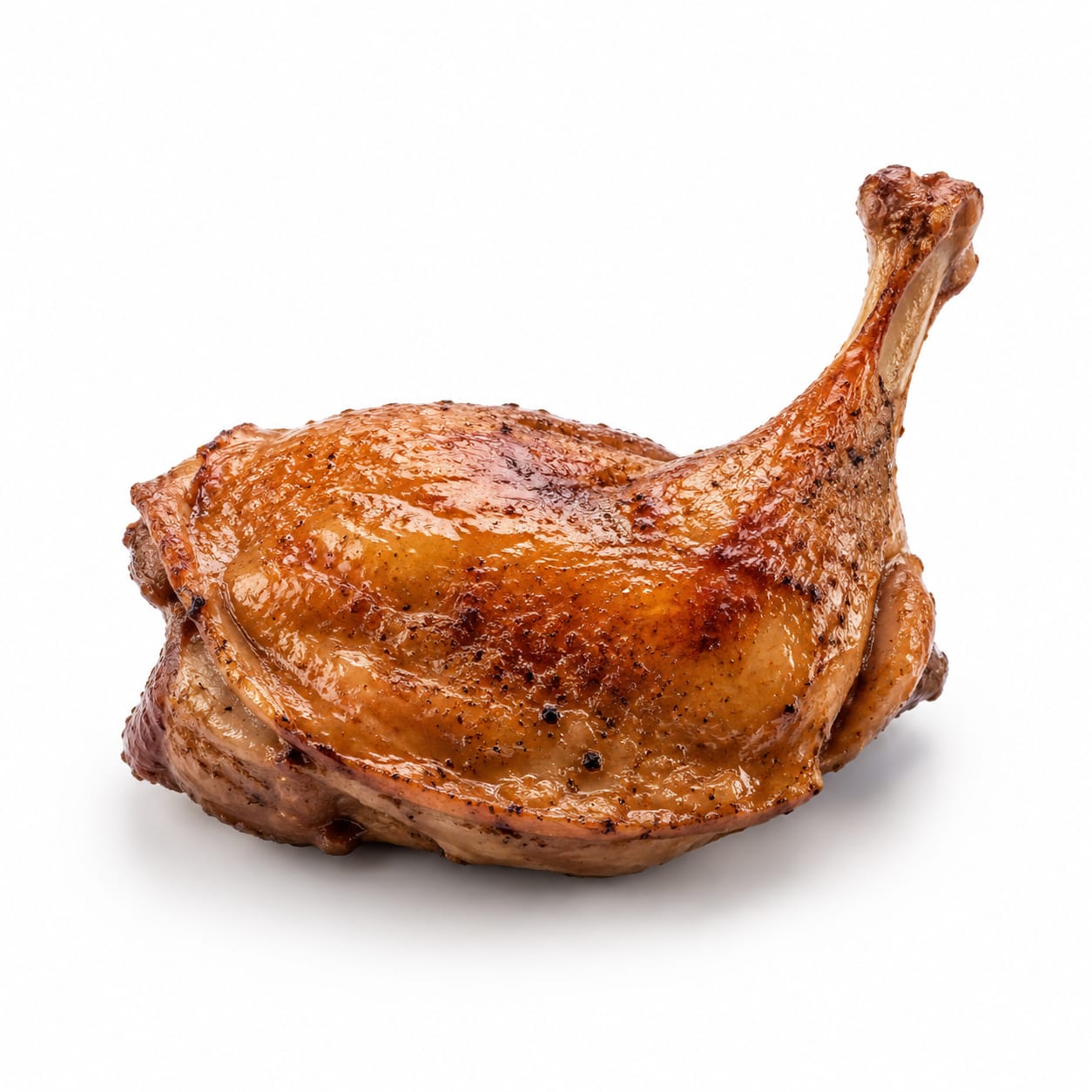
Pheasant
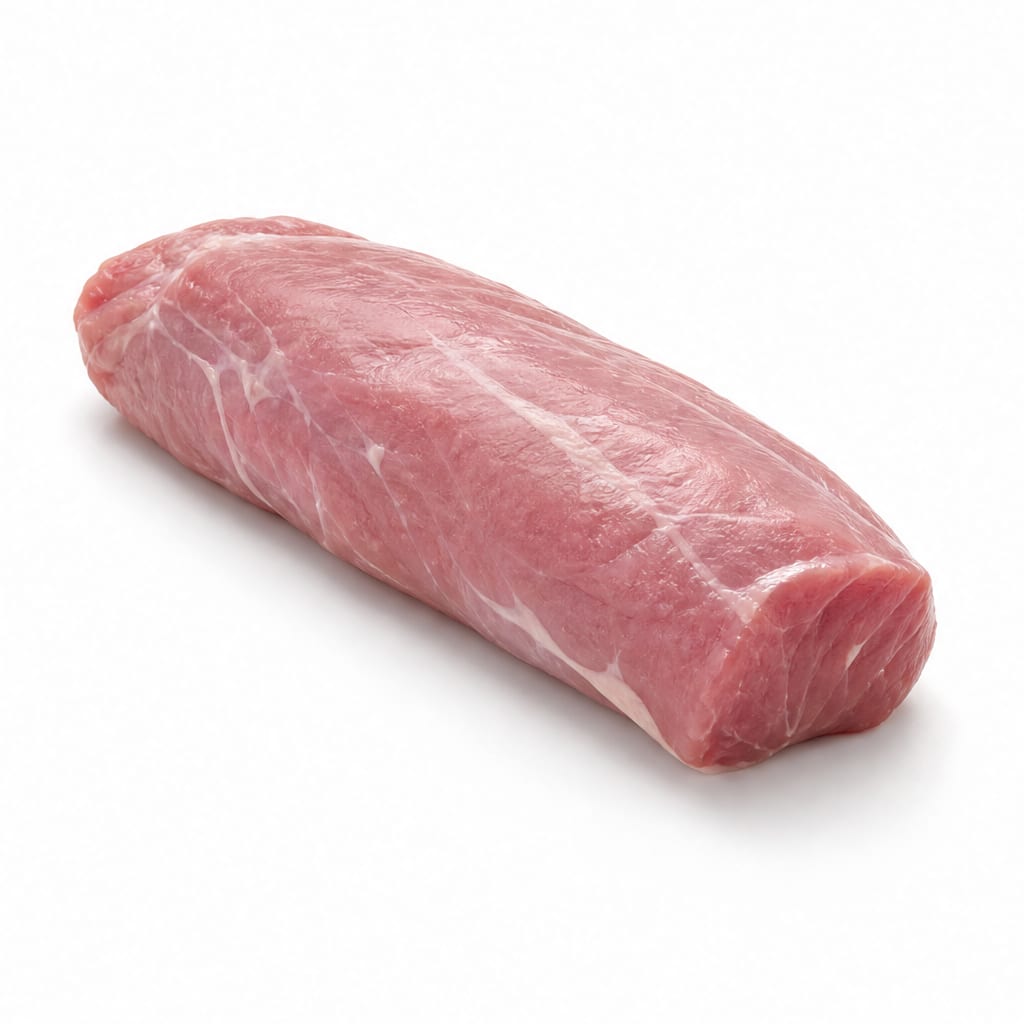
Pork Tenderloin
Pork tenderloin wins on practicality and price; pheasant edges ahead on leanness and novelty. Both are excellent lean proteins.
Pork tenderloin scores higher overall due to dramatically better accessibility, lower cost, and comparable nutrition. Pheasant is slightly leaner and offers a unique eating experience, but its specialty status and inconsistent availability hold it back for everyday use.
Everyday accessibility and cost versus slightly leaner meat and more interesting flavor
At a glance
Executive summary
Overall
It depends
Healthier
Pheasant
More practical
Pork Tenderloin
Daily use
Pork Tenderloin
Key comparison lenses
lean protein source selection
Both are among the leanest meats available, making this the primary decision driver
everyday practicality and availability
Pork tenderloin is a grocery staple while pheasant is specialty; this gap heavily influences real-world choices
fat profile and heart health
Both are lean but differ in saturated fat ratios and omega fatty acid profiles
food safety and contamination exposure
Wild game vs conventional pork raises different safety considerations including parasites, antibiotics, and lead shot
budget sustainability for regular meals
Cost difference is dramatic and affects whether either protein can be eaten regularly
Best choice for
Pheasant
- Adventurous eaters seeking variety beyond standard meats
- Those counting every gram of fat strictly
- People avoiding conventionally farmed pork
- Special occasion meals where presentation matters
Pork Tenderloin
- Families needing affordable lean protein weekly
- Meal preppers who want consistent grocery availability
- Anyone prioritizing thiamin and B-vitamin intake
- Busy cooks wanting forgiving, versatile meat
Least suitable for
Pheasant
- Budget-conscious households needing cheap protein
- People uncomfortable cooking game birds
- Anyone who needs ingredients available at any grocery store
- Those sensitive to gamier flavors
Pork Tenderloin
- People avoiding pork for religious or personal reasons
- Those concerned about conventional farming antibiotics
- Anyone seeking wild or free-range protein sources
Deep comparison
Dimension by dimension
Each lens scores both foods and breaks down who each option suits.
- Dimension 1 · Priority 93Pork Tenderloin
Protein Quality and Density
Pheasant · 82Pork Tenderloin · 88Both deliver excellent protein, but pork tenderloin offers slightly more protein per serving with a highly complete amino acid profile.
Tradeoff
Pheasant's protein is outstanding but slightly less dense per calorie; pork tenderloin packs more protein into each bite.
Why it matters
For muscle maintenance and satiety, higher protein density means you get more benefit from smaller portions.
Real-world impact
A 4-ounce pork tenderloin serving gets you slightly closer to daily protein targets than the same portion of pheasant.
Pheasant
- Those who prefer lighter, less dense meat portions
Better for
- People who struggle to eat enough protein daily
Worse for
Pork Tenderloin
- Athletes and lifters maximizing protein per meal
- Anyone trying to hit protein goals with less food volume
Better for
- Dimension 2 · Priority 88Pheasant
Fat Content and Heart Health
Pheasant · 90Pork Tenderloin · 82Pheasant is one of the leanest meats you can eat, with less total fat and saturated fat than pork tenderloin.
Tradeoff
Pork tenderloin is still very lean by meat standards, but pheasant takes the edge with noticeably less fat per serving.
Why it matters
Lower saturated fat intake supports heart health over decades of eating patterns.
Real-world impact
Choosing pheasant over pork tenderloin saves a few grams of fat per meal — meaningful over years but not dramatic per serving.
Pheasant
- People managing cholesterol levels
- Those on strict low-fat diets
- Anyone counting macros precisely
Better for
- Anyone finding ultra-lean meat unsatisfying and hard to enjoy
Worse for
Pork Tenderloin
- Those who find very lean meat too dry and prefer slight natural fat
Better for
- People strictly limiting saturated fat
Worse for
- Dimension 3 · Priority 90Pork Tenderloin
Accessibility and Convenience
Pheasant · 35Pork Tenderloin · 95Pork tenderloin is available at every grocery store nationwide; pheasant requires specialty shops, butchers, or online ordering.
Tradeoff
You can grab pork tenderloin any day of the week. Pheasant requires planning, searching, and often paying premium shipping.
Why it matters
The best protein source is the one you can actually buy and cook consistently.
Real-world impact
A Tuesday dinner decision: pork tenderloin is 10 minutes away at any supermarket. Pheasant might require a weekend trip to a specialty butcher.
Pheasant
- People with access to game meat suppliers or hunting networks
Better for
- Rural shoppers without specialty butchers nearby
- Anyone who needs dinner tonight, not next week
Worse for
Pork Tenderloin
- Anyone who shops at regular grocery stores
- Busy families who need reliable ingredient access
- Meal preppers planning weekly menus
Better for
- Dimension 4 · Priority 85Pork Tenderloin
Cost and Budget Sustainability
Pheasant · 30Pork Tenderloin · 88Pork tenderloin is one of the best protein values available; pheasant costs 3-5 times more per pound.
Tradeoff
Pork tenderloin lets you eat lean protein multiple times per week without budget strain. Pheasant is a luxury protein for most households.
Why it matters
Sustainable eating patterns depend on foods you can afford long-term, not just occasionally.
Real-world impact
Feeding a family of four with pork tenderloin costs roughly $8-12 per meal. The same meal with pheasant could run $25-40.
Pheasant
- Hunters who process their own game at minimal cost
Better for
- Anyone watching their grocery spending closely
Worse for
Pork Tenderloin
- Families on grocery budgets
- Anyone eating lean protein 3+ times per week
- Students and young adults needing affordable nutrition
Better for
- Dimension 5 · Priority 78Pork Tenderloin
Micronutrient Profile
Pheasant · 75Pork Tenderloin · 84Pork tenderloin is notably rich in thiamin and several B vitamins; pheasant offers good B vitamins but less thiamin.
Tradeoff
Pork is one of the best dietary sources of thiamin available. Pheasant provides solid nutrition but without the thiamin standout.
Why it matters
Thiamin supports energy metabolism and nervous system function — many people get insufficient amounts.
Real-world impact
Regular pork tenderloin consumption meaningfully contributes to thiamin intake in ways pheasant cannot match.
Pheasant
- Those getting thiamin from other sources who want variety
Better for
- Those counting on meat for thiamin specifically
Worse for
Pork Tenderloin
- Anyone relying on meat as a primary B-vitamin source
- People with increased thiamin needs
Better for
- Dimension 6 · Priority 72It depends
Flavor and Culinary Experience
Pheasant · 80Pork Tenderloin · 78Pheasant offers a distinctive, slightly gamey flavor that feels special; pork tenderloin is mild, versatile, and crowd-pleasing.
Tradeoff
Pheasant excites adventurous palates but can disappoint those expecting familiar flavors. Pork tenderloin rarely surprises but also rarely offends.
Why it matters
Enjoyment determines whether you actually look forward to healthy meals or dread them.
Real-world impact
Pheasant makes a memorable dinner party entrée. Pork tenderloin makes a reliable Tuesday meal that everyone eats without complaint.
Pheasant
- Adventurous eaters bored with standard meats
- Home cooks wanting to impress guests
Better for
- Kids and adults who dislike gamey flavors
Worse for
Pork Tenderloin
- Families with picky eaters
- Anyone wanting a neutral base for sauces and seasonings
Better for
- Experienced eaters finding mild meat uninteresting
Worse for
Timeline
Health impact over time
Short-term
Hours to days
Pheasant
- Very lean meat provides clean energy without heaviness
- May feel less satisfying than slightly fattier options
- Game meat can cause digestive adjustment if you're unused to it
Pork Tenderloin
- Provides satisfying protein with enough fat to feel full
- Thiamin supports same-day energy metabolism
- Well-tolerated by most digestive systems
Long-term
Months to years
Pheasant
- Consistently low saturated fat intake supports cardiovascular health
- Variety in protein sources may reduce dietary monotony
- Wild-sourced pheasant avoids antibiotic exposure from conventional farming
Pork Tenderloin
- Excellent thiamin intake supports long-term nervous system health
- Affordability enables consistent lean protein consumption for years
- Conventionally farmed pork may carry antibiotic and farming practice concerns
Risk profile
Safety & processing
Both are whole, unprocessed meats. Pheasant from wild sources is about as natural as meat gets. Pork tenderloin from the butcher counter is also minimally processed, though some pre-packaged versions may contain saline solutions — check labels.
Pheasant
Lead shot contamination
mediumWild-harvested pheasant may contain lead fragments from ammunition, which is a neurotoxin especially concerning for children. Farm-raised pheasant avoids this risk.
Inadequate cooking and foodborne illness
mediumLike all poultry, pheasant must reach 165°F internally. Game birds can carry Salmonella and other pathogens.
Environmental contaminants in wild birds
lowWild pheasants may accumulate pesticides or environmental chemicals depending on habitat quality.
Pork Tenderloin
Parasites (Trichinella)
lowModern commercial pork has extremely low Trichinella risk, but it still exists. Cooking to 145°F with rest time eliminates concern.
Antibiotic residues
mediumConventionally raised pork may contain antibiotic residues. Choosing antibiotic-free pork eliminates this worry.
Added sodium in enhanced products
mediumSome pork tenderloin is sold with saline enhancement, adding significant sodium. Read packaging carefully.
Who wins for whom
Audience fit
Same foods, different winners depending on your goal.
children
Pork TenderloinMilder flavor, reliable availability, and no lead shot risk make pork tenderloin more appropriate for kids.
daily consumption
Pork TenderloinAffordability and availability make pork tenderloin realistic as a regular protein source. Pheasant works better as an occasional change of pace.
diabetes
It dependsBoth are zero-carb, high-protein options that stabilize blood sugar equally well. Choice comes down to personal preference and access.
elderly
Pork TenderloinPork tenderloin's thiamin content supports nervous system health, and its tenderness is easier on aging digestive systems.
muscle gain
Pork TenderloinPork tenderloin provides slightly more protein per serving and is easier to eat in consistent quantities due to availability and cost.
weight loss
PheasantPheasant's slightly lower fat and calorie content gives it a small edge for strict calorie counting, though both are excellent choices.
Your move
Decision guide
Choose Pheasant
- You want the leanest possible meat and every fat gram matters
- You have access to quality pheasant at reasonable prices
- You're a hunter or have connections to wild game
- You're cooking a special meal and want something memorable
- You prefer to avoid conventionally farmed meats
Choose Pork Tenderloin
- You need affordable lean protein for weekly meals
- You want something available at any grocery store anytime
- You're feeding a family with varying taste preferences
- You prioritize thiamin and B-vitamin intake
- You want a versatile meat that works with any cuisine or seasoning
Either works if
- You simply need a lean protein source for a meal
- Blood sugar management is your primary concern
- You're rotating proteins for dietary variety
Avoid both if
- You follow a plant-based diet
- You have alpha-gal syndrome or specific meat allergies
- Your doctor has advised reducing all red meat and poultry
Final recommendation
Make pork tenderloin your everyday lean protein — it's affordable, available, and nutritionally excellent. Save pheasant for when you want something special or when you have access to well-sourced game. Both are far leaner than most meats, so you win either way.
Practical
Consumer tips
- 1
Check pork tenderloin labels for 'enhanced with up to X% solution' — this adds sodium you may not want
- 2
If buying pheasant, ask whether it's wild or farm-raised to assess lead shot risk
- 3
Pork tenderloin cooks quickly and dries out easily — use a meat thermometer and pull it at 145°F
- 4
Pheasant benefits from brining or wrapping in bacon to prevent dryness since it's so lean
- 5
Buy pork tenderloin in bulk when on sale — it freezes well for months
- 6
If you hunt or know hunters, pheasant becomes dramatically more cost-effective
- 7
Both meats pair well with roasted vegetables for a complete, satisfying meal