
Nutrition comparison
Pheasant vs Chicken Breast: Nutrition, Taste, and Which Lean Protein to Choose
Compare pheasant and chicken breast on protein, micronutrients, cost, safety, and flavor. Find out which lean meat fits your health goals and lifestyle.
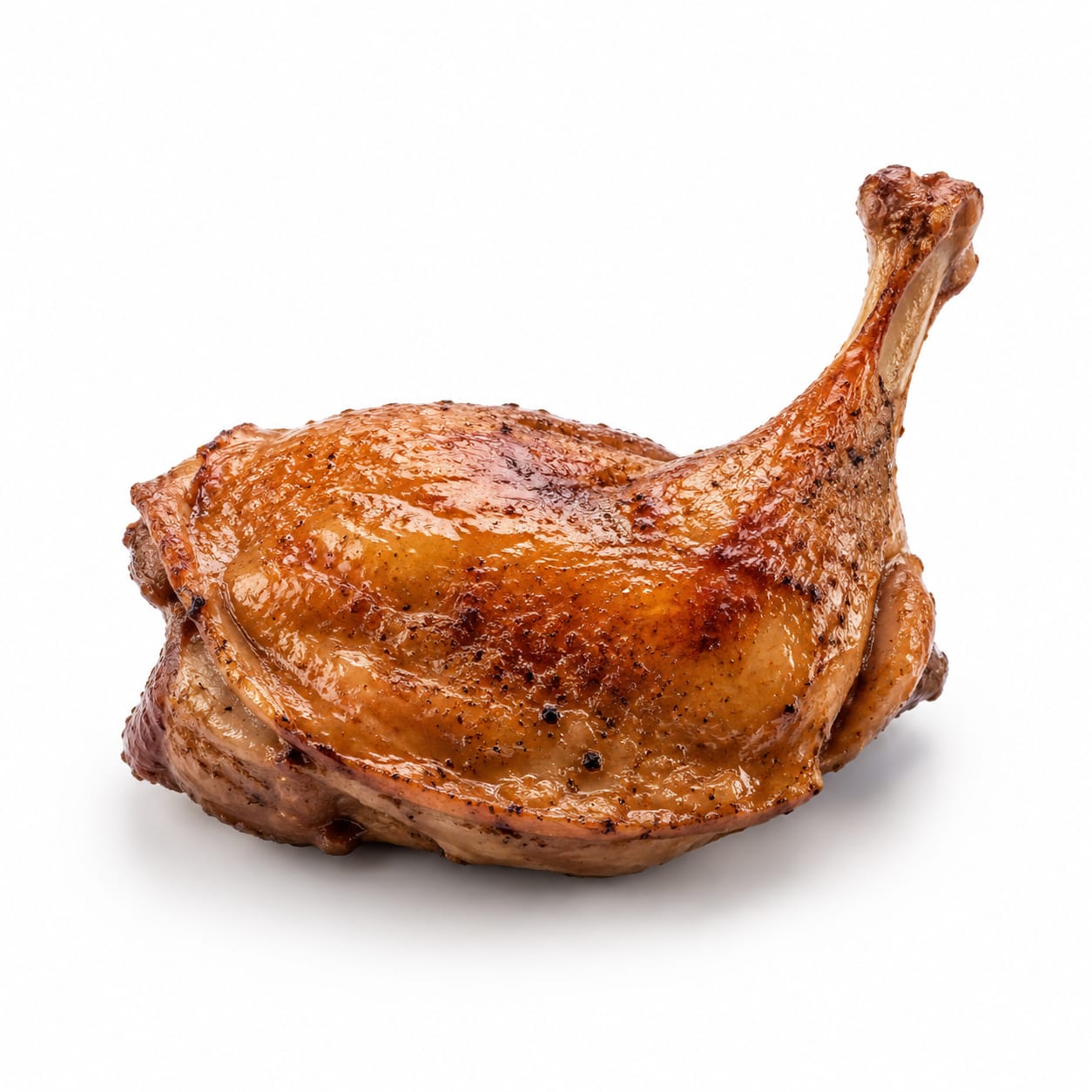
Pheasant
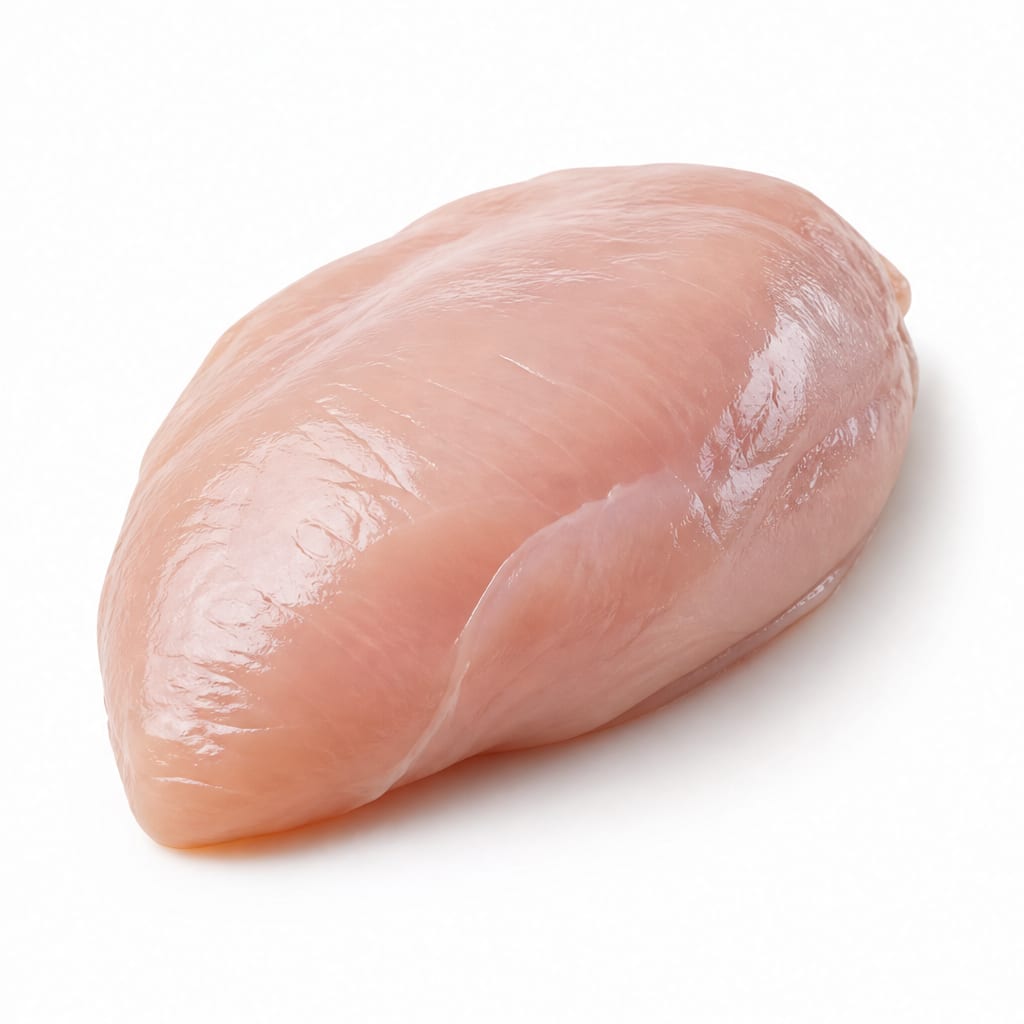
Chicken Breast
Chicken breast wins on practicality and price; pheasant edges ahead on micronutrients and flavor depth. Your choice depends on whether you value everyday convenience or nutritional novelty.
Chicken breast scores higher overall due to overwhelming advantages in cost, accessibility, and daily practicality. Pheasant earns a strong micronutrient edge but loses ground on availability, price, and food safety concerns specific to wild game.
Accessibility and affordability versus richer nutrient density and more interesting eating experience
At a glance
Executive summary
Overall
It depends
Healthier
Pheasant
More practical
Chicken Breast
Daily use
Chicken Breast
Key comparison lenses
lean protein source selection
Both are prized as lean protein options, so protein quality and leanness are the primary decision drivers
everyday practicality vs specialty nutrition
Chicken breast is a daily staple while pheasant is a specialty item, creating a major lifestyle tradeoff
micronutrient density comparison
Wild game like pheasant often carries higher mineral and B-vitamin content than factory-farmed poultry
food safety and contamination concerns
Wild pheasant carries lead shot risks while conventional chicken raises antibiotic and processing concerns
cost and accessibility
Price and availability differences are extreme between these two options
Best choice for
Pheasant
- Culinary adventurers wanting nutrient-dense variety
- Hunters or those with access to wild game
- People seeking higher iron and B-vitamin intake from meat
- Those avoiding factory-farmed poultry
Chicken Breast
- Meal preppers needing reliable affordable protein
- Athletes requiring consistent daily protein intake
- Families on a grocery budget
- Anyone wanting mild-flavored versatile meat
Least suitable for
Pheasant
- Weekly meal prep on a tight budget
- People uncomfortable cooking game birds
- Those concerned about lead exposure from wild game
- Anyone needing consistent grocery availability
Chicken Breast
- Diners bored with bland protein seeking flavor variety
- Those avoiding conventionally farmed meat
- People wanting peak micronutrient density per calorie
- Anyone looking to reduce factory-farmed poultry consumption
Deep comparison
Dimension by dimension
Each lens scores both foods and breaks down who each option suits.
- Dimension 1 · Priority 95Chicken Breast
Protein Quality and Content
Pheasant · 82Chicken Breast · 90Both deliver excellent lean protein, but chicken breast offers slightly more protein per ounce with more consistent quality.
Tradeoff
Pheasant provides perfectly good protein but with more variability depending on the bird's diet and activity level
Why it matters
For anyone tracking protein for muscle or satiety, consistency matters more than small differences
Real-world impact
A 6oz chicken breast reliably delivers about 40g protein; the same portion of pheasant may vary from 34-38g
Pheasant
- More naturally varied amino acid profile from wild diet
Better for
- Protein content varies with wild diet and season
Worse for
Chicken Breast
- More protein per serving consistently
- Easier to track macros accurately
Better for
- Factory farming can reduce certain amino acid concentrations
Worse for
- Dimension 2 · Priority 88Pheasant
Micronutrient Density
Pheasant · 88Chicken Breast · 72Pheasant wins meaningfully on iron, selenium, and several B vitamins thanks to its wild diet and active lifestyle.
Tradeoff
You gain real mineral benefits from pheasant but sacrifice the ease of getting those nutrients from a cheaper everyday source
Why it matters
Iron and B12 deficiencies are common, and wild game delivers these more efficiently than farmed poultry
Real-world impact
Eating pheasant a few times a month can meaningfully boost iron intake, especially for women prone to deficiency
Pheasant
- Higher heme iron content from wild foraging diet
- More selenium per serving
- Richer in niacin and B6
- Better omega-3 to omega-6 ratio from natural diet
Better for
- Nutrient content varies seasonally
Worse for
Chicken Breast
- Still a solid B-vitamin source
- Consistently fortified feed can ensure baseline nutrients
Better for
- Lower iron compared to wild game
- Less favorable omega fat ratio from grain-based feed
Worse for
- Dimension 3 · Priority 85Pheasant
Fat Profile and Leanness
Pheasant · 89Chicken Breast · 85Both are very lean, but pheasant is slightly leaner with a better fat quality profile from its natural diet.
Tradeoff
The leanness difference is small; pheasant's wild diet gives it healthier fat ratios but also means drier meat if overcooked
Why it matters
Leaner meat with better fat ratios supports heart health without sacrificing protein intake
Real-world impact
Both fit easily into a heart-healthy diet; pheasant just has a slight edge if you track fat quality closely
Pheasant
- Lower total fat per serving
- Better omega-3 to omega-6 ratio
- Less saturated fat from natural foraging
Better for
- Very lean meat dries out easily when cooking
- Requires more skill to prepare well
Worse for
Chicken Breast
- Still extremely lean compared to most meats
- More forgiving to cook without drying out
Better for
- Higher omega-6 from grain-based feed
- Slightly more fat per serving
Worse for
- Dimension 4 · Priority 92Chicken Breast
Practicality and Accessibility
Pheasant · 30Chicken Breast · 95Chicken breast is available everywhere, always affordable, and easy to cook. Pheasant is seasonal, expensive, and requires specialty sourcing.
Tradeoff
You give up nutritional edge for the ability to actually buy and cook the food regularly without hassle
Why it matters
The healthiest food only works if you can consistently access and prepare it
Real-world impact
Chicken breast can be grabbed at any grocery store for $3-4 per pound; pheasant often requires specialty ordering at $15-30 per bird
Pheasant
- Available fresh during hunting season in some regions
Better for
- Hard to find outside specialty shops or hunting
- Expensive per serving
- Seasonal availability
- Requires more cooking knowledge
Worse for
Chicken Breast
- Available at every grocery store year-round
- Easy to meal prep in bulk
- Simple to cook with endless recipes
- Consistent portioning and pricing
Better for
- Boredom factor from eating the same protein repeatedly
Worse for
- Dimension 5 · Priority 78It depends
Food Safety and Contamination
Pheasant · 68Chicken Breast · 72Wild pheasant carries lead shot risk and variable handling; conventional chicken carries antibiotic and salmonella concerns. Neither is risk-free.
Tradeoff
Choose between wild game contamination risks and industrial poultry farming risks based on your sourcing
Why it matters
Both meats carry real but different safety concerns that affect long-term health
Real-world impact
Lead fragments in wild pheasant are a documented concern, especially for children; salmonella in chicken requires careful handling
Pheasant
- No antibiotic exposure from farming
- No growth hormone concerns
- Free from factory farm disease clustering
Better for
- Lead shot fragments in wild-harvested birds
- Variable field dressing hygiene
- No standardized inspection for wild game
Worse for
Chicken Breast
- USDA inspected and regulated
- Consistent handling standards
- No lead shot risk
Better for
- Salmonella risk requires careful handling
- Antibiotic residue concerns in conventional farming
- Factory farm disease exposure potential
Worse for
- Dimension 6 · Priority 72Pheasant
Culinary Experience and Satisfaction
Pheasant · 85Chicken Breast · 65Pheasant offers a richer, more complex flavor that makes meals feel special. Chicken breast is functional but often boring.
Tradeoff
Pheasant elevates a meal but demands more cooking skill; chicken breast is reliable but rarely exciting
Why it matters
Enjoyment affects whether you stick with healthy eating long-term
Real-world impact
A well-cooked pheasant dinner feels like an occasion; chicken breast feels like Tuesday
Pheasant
- Deeper, more complex game flavor
- Makes meals feel special and varied
- Pairs beautifully with autumn vegetables and herbs
Better for
- Easy to overcook and dry out
- Limited recipe familiarity for most home cooks
Worse for
Chicken Breast
- Takes on any seasoning or sauce easily
- Impossible to ruin badly with basic cooking skills
- Works in everything from salads to stir-fries
Better for
- Often described as bland or boring
- Can feel monotonous in weekly rotation
Worse for
Timeline
Health impact over time
Short-term
Hours to days
Pheasant
- High-quality protein supports satiety and stable energy
- Rich iron content may help with afternoon fatigue if you are borderline deficient
- Very lean meat keeps meals light and digestible
Chicken Breast
- Reliable protein keeps hunger at bay for hours
- Gentle on the stomach and easy to digest
- Consistent energy without heaviness
Long-term
Months to years
Pheasant
- Superior micronutrient intake supports long-term energy and blood health
- Better fat profile may contribute to improved cardiovascular markers
- Lead exposure from wild game is a cumulative concern with frequent consumption
Chicken Breast
- Consistent lean protein supports muscle maintenance and metabolic health
- Conventionally farmed chicken may contribute to antibiotic resistance concerns over time
- Omega-6 heavy fat profile from grain feed is less ideal for inflammation management
Risk profile
Safety & processing
Both are whole, minimally processed meats. Pheasant has a natural edge since wild birds eat a foraged diet without feed additives. Conventionally raised chicken breast may contain residual antibiotics or sodium from plumping solutions, though organic options eliminate most concerns.
Pheasant
Lead shot fragments
mediumWild-harvested pheasant may contain lead shot or fragments that are difficult to remove completely, posing cumulative exposure risk especially for children and frequent consumers
Variable field handling
mediumWild game dressing hygiene depends entirely on the hunter, with no standardized inspection process
Parasite exposure
lowWild birds can carry parasites that are eliminated by proper cooking but may concern some consumers
Chicken Breast
Salmonella contamination
mediumRaw chicken is a well-known salmonella vector requiring careful handling and full cooking
Antibiotic residues
lowConventional farming may leave trace antibiotic residues; organic or antibiotic-free chicken eliminates this concern
Processing additives
lowSome chicken breast is plumped with sodium solutions; check labels for added sodium content
Who wins for whom
Audience fit
Same foods, different winners depending on your goal.
children
Chicken BreastLead exposure risk from wild pheasant is a concern for developing children, and chicken breast is milder and more kid-friendly
daily consumption
Chicken BreastAffordability, availability, and cooking ease make chicken breast the only realistic daily option between the two
diabetes
It dependsBoth are zero-carb lean proteins that support blood sugar stability; pheasant has a slight micronutrient edge while chicken is easier to eat consistently
elderly
It dependsPheasant's higher iron and B12 support aging bodies well, but chicken breast's softer texture when cooked is easier to chew and digest
muscle gain
Chicken BreastHigher and more consistent protein content per serving makes chicken breast more reliable for muscle building goals
weight loss
Chicken BreastBoth are excellent lean choices, but chicken breast's consistent availability and lower cost make it easier to sustain as a daily weight loss protein
Your move
Decision guide
Choose Pheasant
- You have access to wild or farm-raised pheasant at reasonable cost
- You want to add nutrient-dense variety to your protein rotation
- You enjoy cooking and want a more flavorful, special-occasion meat
- Iron or B-vitamin optimization is a priority for you
- You prefer avoiding conventionally farmed poultry
Choose Chicken Breast
- You need affordable, reliable protein for daily meals
- Meal prep simplicity is essential to your routine
- You are cooking for kids who prefer mild flavors
- Consistent macro tracking matters for your goals
- You want something easy to find at any grocery store
Either works if
- You just need lean protein and both are available
- Heart health is your primary concern since both are lean
- You rotate proteins regularly and want to include both
Avoid both if
- You follow a plant-based diet
- You have gout flares triggered by purine-rich meats
- You cannot tolerate poultry for religious or personal reasons
Final recommendation
Use chicken breast as your everyday lean protein and treat pheasant as a nutritional upgrade when you can find and afford it. Eating pheasant once or twice a month adds meaningful micronutrient variety without the lead exposure risk of frequent wild game consumption. If you hunt or have a reliable source, pheasant is worth enjoying regularly — just be thorough about removing shot fragments.
Practical
Consumer tips
- 1
If buying pheasant, ask whether it is wild or farm-raised — farmed pheasant avoids lead shot concerns but has a milder nutrient profile
- 2
Check chicken breast labels for added sodium solutions — up to 15% of packaged breast weight can be salt water
- 3
Organic or antibiotic-free chicken breast eliminates most farming-related safety concerns for a modest price increase
- 4
Cook pheasant with moisture — braising or wrapping in bacon prevents the ultra-lean meat from drying out
- 5
Cut pheasant into smaller pieces and check carefully for lead shot before cooking, especially around the thighs and breast
- 6
Freeze chicken breast in individual portions for easier meal prep and less waste
- 7
If you eat wild game frequently, ask your doctor about testing blood lead levels periodically