
Nutrition comparison
Quail vs Pheasant: Nutrition, Taste, and Health Comparison
Compare quail and pheasant nutrition side by side. Discover which game bird is leaner, which has more protein, and which is better for your health goals.
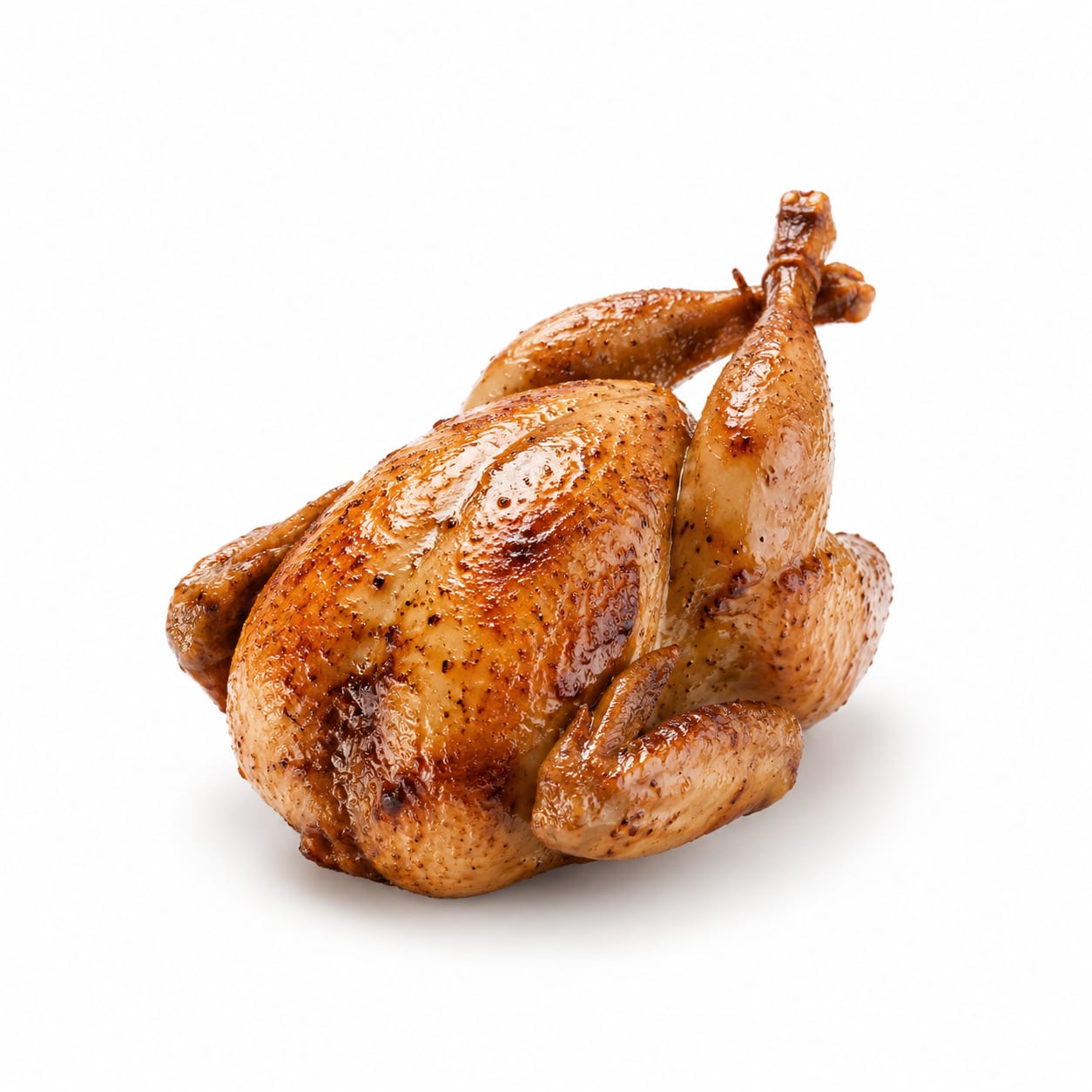
Quail
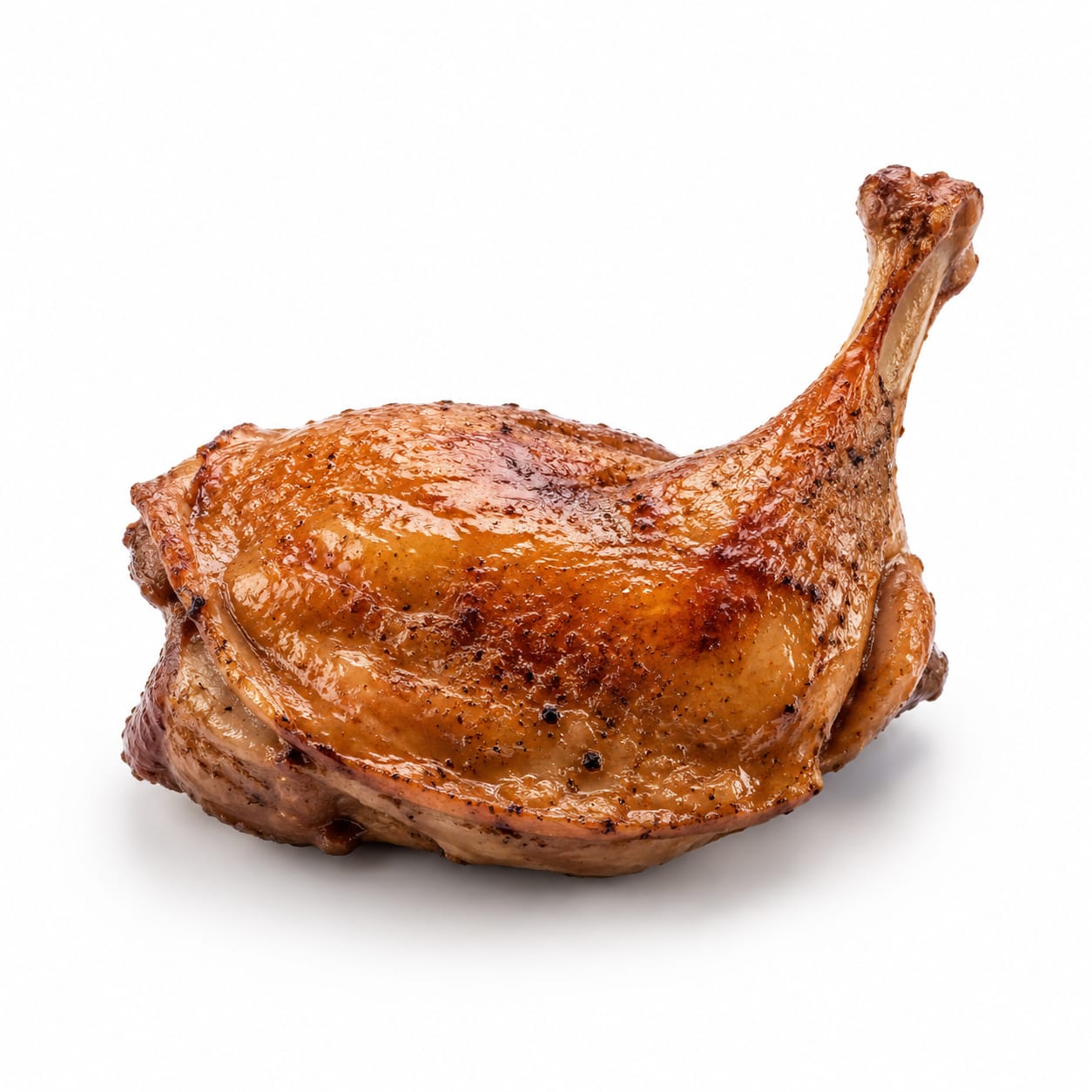
Pheasant
Pheasant delivers more protein per serving with less fat, making it the stronger lean-meat choice. Quail wins on micronutrient density and tenderness but requires multiple birds for a satisfying meal.
Pheasant edges ahead due to superior protein-to-fat ratio and practical portion size. Quail scores well on micronutrient density and eating experience but loses ground on satiety per bird and cost efficiency.
Pheasant gives you a practical, ultra-lean portion while quail offers richer micronutrients per bite but leaves you eating several birds to feel full.
At a glance
Executive summary
Overall
It depends
Healthier
Pheasant
More practical
Pheasant
Daily use
Pheasant
Key comparison lenses
Lean protein comparison for health-conscious meat eaters
Both are lean game birds primarily chosen for high-quality protein with minimal fat
Game meat nutritional value assessment
Users comparing these are often exploring game meats as alternatives to conventional poultry
Micronutrient density per calorie
Game birds vary significantly in iron, B12, and selenium content relative to their calorie load
Practical meal planning and portion adequacy
Quail is tiny and requires multiple birds per serving while pheasant offers a more standard portion size
Food safety and sourcing concerns for game meat
Wild-caught game carries lead shot and parasite risks that differ between these birds
Best choice for
Quail
- People prioritizing iron and B12 intake
- Those wanting tender, flavorful dark meat
- Elegant dinner entertaining with small courses
- Anyone seeking the most nutrient-dense bites per calorie
Pheasant
- People focused on maximum protein with minimum fat
- Meal preppers wanting standard portion sizes
- Those transitioning from chicken to game meats
- Anyone watching saturated fat closely
Least suitable for
Quail
- Large families needing cost-effective protein
- People frustrated by small portions and lots of bones
- Those wanting quick weeknight meals
- Anyone uncomfortable eating tiny whole birds
Pheasant
- People who find very lean meat too dry
- Those wanting richer, more indulgent flavor
- Budget-conscious shoppers seeking everyday protein
- Diners who prefer tender, fall-off-bone texture
Deep comparison
Dimension by dimension
Each lens scores both foods and breaks down who each option suits.
- Dimension 1 · Priority 95Pheasant
Protein Quality & Content
Quail · 75Pheasant · 88Pheasant provides substantially more protein per serving with a complete amino acid profile. Quail offers excellent protein too, but you need multiple birds to match one pheasant portion.
Tradeoff
Quail's protein is slightly more concentrated per calorie, but pheasant delivers far more total protein per realistic meal.
Why it matters
Total protein per meal matters more for muscle maintenance and satiety than density per gram.
Real-world impact
One pheasant breast satisfies post-workout hunger. With quail, you would need three or four birds to feel equally full.
Quail
- Protein density per calorie for small appetites
- Those who eat small, frequent meals
Better for
- Meeting high daily protein goals gets expensive and tedious
Worse for
Pheasant
- Post-workout recovery meals
- Anyone tracking daily protein targets
- Building or maintaining muscle
Better for
- Very lean meat can feel less satisfying without added fats
Worse for
- Dimension 2 · Priority 90Pheasant
Fat Content & Leanness
Quail · 70Pheasant · 92Pheasant is one of the leanest meats available, with skinless breast containing under 1g of fat per serving. Quail is still lean but carries slightly more fat, especially in the skin and dark meat.
Tradeoff
Pheasant's extreme leanness is great for fat loss but can mean dry meat. Quail's slightly higher fat content translates to better flavor and juiciness.
Why it matters
For heart health and calorie control, less fat is generally advantageous. But some fat improves palatability and helps you actually enjoy and sustain lean eating.
Real-world impact
Pheasant without sauce or butter can feel like eating cardboard. Quail stays more enjoyable with less effort.
Quail
- More enjoyable eating experience without added cooking fat
- Those who prefer self-basting dark meat
Better for
- Slightly higher calorie load per serving than pheasant
Worse for
Pheasant
- Strict calorie and fat restriction diets
- Cardiovascular risk reduction
- Cutting for bodybuilding competitions
Better for
- Requires careful cooking to avoid dry, unappetizing meat
Worse for
- Dimension 3 · Priority 85Quail
Micronutrient Density
Quail · 88Pheasant · 78Quail packs more iron, vitamin B12, and zinc per calorie than pheasant. Its smaller size and higher ratio of dark meat and organs contribute to a richer micronutrient profile.
Tradeoff
Quail delivers more nutrients per bite but fewer total nutrients per meal because the portion is so small. Pheasant gives you more total micronutrients simply because you eat more of it.
Why it matters
Nutrient density matters most when calories are limited. Total nutrient intake matters more when you are eating full meals.
Real-world impact
If you eat one quail, you get an impressive nutrient-to-calorie ratio but not much total nutrition. A full pheasant meal delivers more total vitamins and minerals despite lower density.
Quail
- Those eating small portions by choice or necessity
- Anyone at risk for iron deficiency
- Nutrient-per-calorie optimizers
Better for
- Total micronutrient intake limited by small serving size
Worse for
Pheasant
- Getting more total B vitamins from a full meal
- Selenium intake from larger portions
Better for
- Lower concentration of iron and B12 per calorie
Worse for
- Dimension 4 · Priority 82Pheasant
Satiety & Portion Practicality
Quail · 55Pheasant · 85One pheasant provides a proper meal for one or two people. A single quail is an appetizer at best, requiring multiple birds to constitute a meal.
Tradeoff
Pheasant fills you up straightforwardly. Quail demands you eat several birds or supplement heavily with sides, which complicates meal planning and increases cost.
Why it matters
Foods that fail to satisfy on their own lead to overeating sides or snacking later.
Real-world impact
After one quail, you are still hungry. After one pheasant breast, you are comfortably full.
Quail
- Multi-course dining where small portions are intentional
- Tasting menus and appetizer courses
Better for
- Unlikely to satisfy hunger alone
- Multiple birds needed drives up cost and prep time
Worse for
Pheasant
- Standard dinner portions
- Meal prep containers
- Feeling satisfied after one piece of meat
Better for
- Overeating risk if you consume an entire large bird with rich sides
Worse for
- Dimension 5 · Priority 75It depends
Culinary Versatility & Enjoyment
Quail · 80Pheasant · 72Quail is more tender and forgiving to cook, with a richer flavor that stands on its own. Pheasant is leaner and can dry out easily but works well in stews, pies, and slow-cooked dishes.
Tradeoff
Quail shines with simple preparation. Pheasant needs more technique or moisture but adapts better to slow-cooked recipes.
Why it matters
Food you enjoy cooking and eating is food you will actually eat. Dry, poorly cooked lean meat drives people back to fattier options.
Real-world impact
Sear quail quickly and it is delicious. Overcook pheasant by five minutes and it becomes tough and chalky.
Quail
- Quick searing and roasting
- Standalone presentations
- Home cooks wanting forgiving meat
Better for
- Limited use in stews or slow cooking due to small size
- Hard to debone practically
Worse for
Pheasant
- Slow braises and stews
- Pies and casseroles
- Smoking and curing
Better for
- Unforgiving to overcooking
- Needs added fat or liquid for best results
Worse for
- Dimension 6 · Priority 72It depends
Food Safety & Sourcing
Quail · 73Pheasant · 70Both carry game meat risks including lead shot contamination in wild-caught birds and potential parasites. Quail is more commonly farm-raised, which reduces some risks. Pheasant is more often wild-hunted, increasing lead exposure concerns.
Tradeoff
Farmed quail offers more consistent safety but less wild flavor. Wild pheasant tastes better but carries higher contamination risk.
Why it matters
Lead exposure even in small amounts accumulates over time and affects neurological health, especially in children.
Real-world impact
If you eat wild game regularly, lead fragments are a real concern. Farmed birds avoid this but taste less authentic.
Quail
- More widely available as farmed product
- Lower likelihood of lead shot in commercial sourcing
Better for
- Small bones can be a choking hazard for children
Worse for
Pheasant
- Established hunting community with processing standards
- Clear USDA inspection for farmed pheasant
Better for
- Higher lead shot risk in wild-caught specimens
- Greater parasite exposure in wild populations
Worse for
Timeline
Health impact over time
Short-term
Hours to days
Quail
- Quick protein satisfaction from nutrient-dense small portions
- Moderate satiety requiring side dishes to feel full
- Easy digestion due to tender meat texture
Pheasant
- Strong satiety from larger protein portions
- Possible dryness causing slower eating pace
- Very low fat intake may leave you wanting more within hours
Long-term
Months to years
Quail
- Excellent iron and B12 status with regular consumption
- Potential lead exposure if sourcing wild birds frequently
- Maintaining lean body composition with calorie-efficient protein
Pheasant
- Strong cardiovascular profile from ultra-lean protein habit
- Risk of insufficient fat intake if pheasant replaces all other proteins
- Lead accumulation risk with regular wild-caught consumption
Risk profile
Safety & processing
Both quail and pheasant are typically sold as whole birds with minimal processing. Farmed versions may have slight antibiotic or feed concerns, but neither is an ultra-processed food. These are among the closest things to natural meat you can buy commercially.
Quail
Lead shot fragments
mediumWild-caught quail may contain lead shot. Farmed quail avoids this. Always ask your supplier about sourcing.
Small bone choking hazard
mediumQuail bones are tiny and fragile. Not suitable for young children eating without supervision.
Bacterial contamination
lowLike all poultry, quail carries Salmonella risk. Cook to 165°F and handle raw meat with care.
Pheasant
Lead shot fragments
highPheasant is commonly wild-hunted and frequently contains lead shot. Cutting around visible shot is not sufficient as fragments disperse. Consider farmed pheasant to avoid this.
Parasites in wild birds
mediumWild pheasant can carry Trichinella and other parasites. Thorough cooking eliminates this risk but undercooking is dangerous.
Bacterial contamination
lowStandard poultry food safety applies. Cook thoroughly and avoid cross-contamination.
Who wins for whom
Audience fit
Same foods, different winners depending on your goal.
children
PheasantPheasant has fewer small bones and larger, easier-to-manage pieces. Quail's tiny bones pose a choking risk for young kids.
daily consumption
PheasantPheasant's portion size and leanness make it more practical as a regular protein staple.
diabetes
PheasantVirtually zero carbohydrates and very low fat make pheasant ideal for blood sugar stability.
elderly
QuailQuail's tender texture is easier to chew and digest. Its higher iron and B12 content also addresses common elderly deficiencies.
muscle gain
PheasantMore total protein per serving supports muscle protein synthesis without excess calories.
weight loss
PheasantPheasant's extreme leanness and larger portion size make it easier to create satisfying calorie-controlled meals.
Your move
Decision guide
Choose Quail
- You want the most nutrient-dense bites per calorie
- You are cooking an elegant multi-course meal
- Tenderness and rich flavor matter more than portion size
- You prefer farmed game birds for safety consistency
- You need more iron and B12 in your diet
Choose Pheasant
- You want a satisfying single-serving lean protein meal
- You are tracking macros and need high protein with minimal fat
- You enjoy slow cooking, braising, or stewing
- You are feeding a family and need practical portion sizes
- You are transitioning from chicken to game meats
Either works if
- You want a break from conventional poultry
- You are comfortable cooking game birds
- You value minimally processed protein sources
- You rotate proteins weekly for dietary diversity
Avoid both if
- You have gout and are sensitive to purine-rich meats
- You cannot verify sourcing and lead contamination concerns you
- You dislike dark meat or gamey flavors
- You need budget-friendly everyday protein
Final recommendation
For most people, pheasant is the more practical choice as a lean protein staple. It fills you up, supports muscle and heart health, and fits standard meal patterns. Choose quail when you want a richer, more nutrient-dense experience or are serving a special meal where small, elegant portions make sense. Whichever you pick, prioritize farmed over wild-caught to avoid lead exposure, and always cook game meat thoroughly.
Practical
Consumer tips
- 1
Ask your butcher whether birds are farmed or wild-caught. Farmed birds avoid lead shot concerns entirely.
- 2
If buying wild pheasant, cut carefully and discard meat within a one-inch radius of any visible shot.
- 3
Brine pheasant before cooking to keep it moist. Its extreme leanness makes it dry out fast.
- 4
Quail pairs well with robust sides like grains and roasted vegetables to create a complete meal from small portions.
- 5
Freeze game meat within two days of purchase. It keeps well for up to six months when properly wrapped.
- 6
Consider buying semi-boneless quail if you find whole birds fiddly. It costs more but saves frustration.
- 7
Marinate pheasant in olive oil and herbs before cooking. The added fat improves both flavor and mouthfeel dramatically.