
Nutrition comparison
Duck vs Pheasant: Which Game Bird Is Healthier?
Compare duck and pheasant nutrition including calories, fat, protein, and health impact. Discover which game bird is better for weight loss, heart health, and muscle gain.
Overall winner · Pheasant
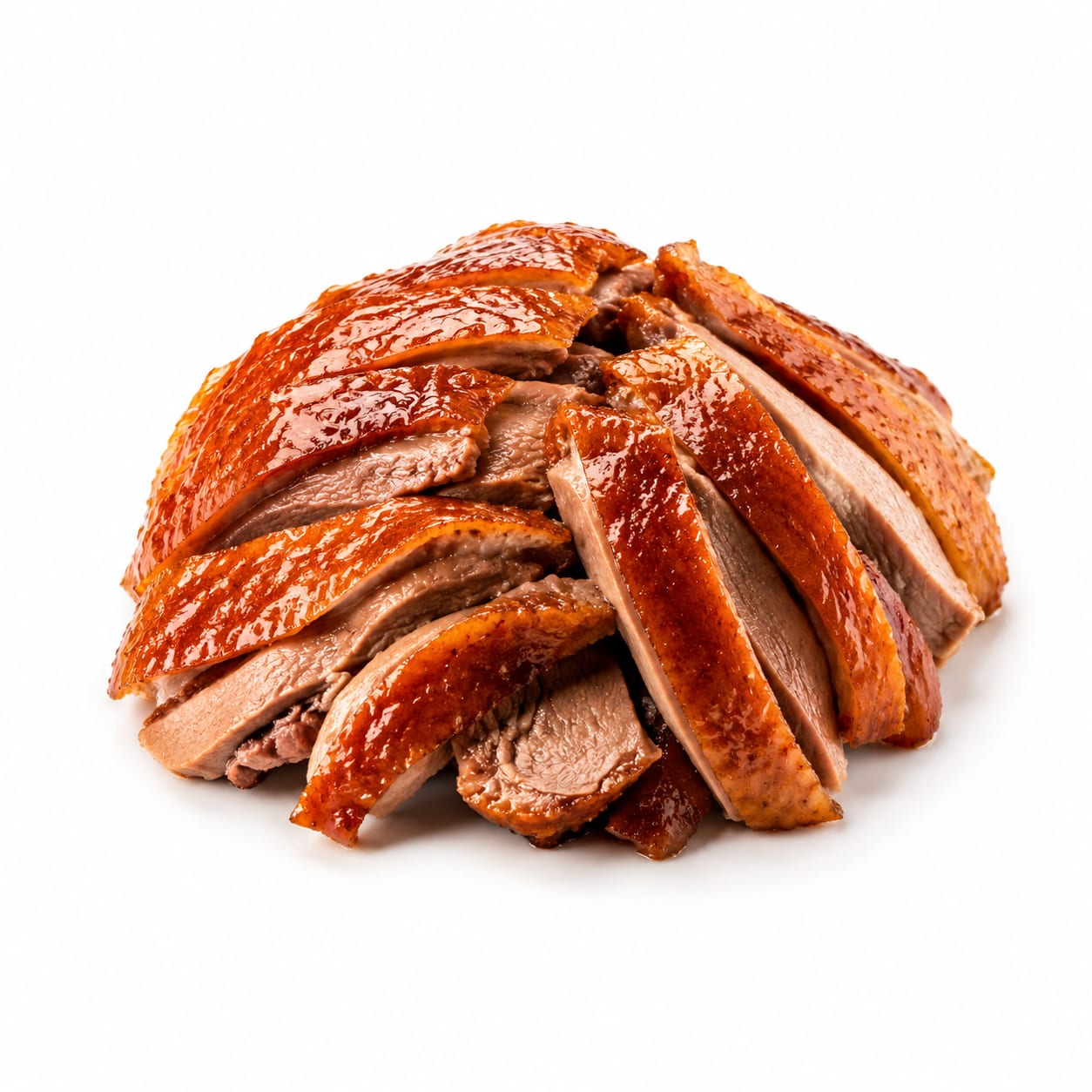
Duck
Pheasant
Pheasant is the healthier choice with far less fat and more protein per bite, but duck delivers a richer, more satisfying eating experience that keeps you full longer.
Pheasant wins on nutritional merit thanks to its lean profile and superior protein density. Duck scores lower overall due to high fat and calorie content, but it still earns respect for micronutrients, flavor, and satiety. The gap is meaningful but not overwhelming—duck has genuine strengths.
Flavor and fullness versus leanness and heart health. Duck comforts; pheasant trims.
At a glance
Executive summary
Overall
Pheasant
Healthier
Pheasant
More practical
Duck
Daily use
Pheasant
Key comparison lenses
Lean protein vs rich protein for health goals
The massive fat and calorie gap between these two birds drives most real-world decisions
Heart health and cardiovascular risk
Duck's saturated fat load is a legitimate concern for anyone watching cholesterol or blood pressure
Culinary experience and meal satisfaction
Duck delivers a luxurious eating experience that pheasant simply cannot match
Game meat safety and sourcing
Both are commonly hunted wild, raising lead shot and contamination questions
Practicality and everyday accessibility
Pheasant is far harder to find and often more expensive than duck
Best choice for
Duck
- People wanting a deeply satisfying, indulgent meal
- Those prioritizing satiety and staying full for hours
- Home cooks exploring restaurant-quality dishes
- Anyone needing iron and B12 in a flavorful package
Pheasant
- People managing cholesterol or heart conditions
- Anyone tracking calories or macros for weight loss
- Lean protein seekers after a clean post-workout meal
- Those who prefer lighter meats that do not sit heavy
Least suitable for
Duck
- People on low-fat or heart-protective diets
- Anyone strictly counting calories
- Those who find rich, fatty meats uncomfortable to digest
Pheasant
- People who find lean game meats too dry or bland
- Budget-conscious shoppers needing easy availability
- Inexperienced cooks likely to overcook lean meat
Deep comparison
Dimension by dimension
Each lens scores both foods and breaks down who each option suits.
- Dimension 1 · Priority 94Pheasant
Fat Content and Calorie Density
Duck · 30Pheasant · 88Duck carries roughly four times the fat of pheasant per serving, making it far more calorie-dense.
Tradeoff
You get luxurious mouthfeel and richer flavor with duck, but at a significant calorie and saturated fat cost that adds up quickly.
Why it matters
For anyone managing weight or cardiovascular risk, this is the single most important difference between these two birds.
Real-world impact
A duck dinner can easily hit 600+ calories before sides, while a pheasant portion stays closer to 300. That gap matters weekly.
Duck
- Keto and low-carb eaters who welcome high fat
- Active individuals needing calorie-dense meals
Better for
- People with high cholesterol
- Those trying to lose weight
Worse for
Pheasant
- Calorie counters and portion-conscious eaters
- Anyone reducing saturated fat for heart health
Better for
- Underweight individuals needing calorie density
- Very active people who burn through lean meals fast
Worse for
- Dimension 2 · Priority 89Pheasant
Protein Quality and Density
Duck · 62Pheasant · 90Pheasant delivers significantly more protein per calorie and per gram, making it a cleaner muscle-building option.
Tradeoff
Duck still provides solid protein, but you carry a lot of fat along with it. Pheasant gives you protein with far less baggage.
Why it matters
If you are eating meat primarily for its protein, pheasant gets you there more efficiently without the extra calories.
Real-world impact
A pheasant breast offers roughly 30g protein in under 200 calories. Duck breast hits similar protein but costs you over 300 calories.
Duck
- Those who value protein alongside fat for hormone health
Better for
- Clean bulk seekers avoiding excess fat calories
Worse for
Pheasant
- Athletes and lifters wanting lean protein
- Anyone tracking macros precisely
Better for
- Endurance athletes who also need fat for sustained energy
Worse for
- Dimension 3 · Priority 88Pheasant
Heart Health and Cardiovascular Impact
Duck · 38Pheasant · 82Pheasant's low saturated fat profile makes it genuinely heart-friendly. Duck's fat load is a legitimate concern for cardiovascular health.
Tradeoff
Duck does contain some beneficial monounsaturated fat, but the saturated fat portion is high enough to warrant caution for at-risk individuals.
Why it matters
Heart disease remains the leading cause of death globally, and saturated fat from meat is a modifiable risk factor.
Real-world impact
Eating duck regularly could raise LDL cholesterol over time. Swapping to pheasant is a meaningful heart-protective move.
Duck
- People with no cardiovascular concerns who eat duck occasionally
Better for
- Those already at cardiovascular risk
- People on physician-advised low-saturated-fat diets
Worse for
Pheasant
- Anyone with family history of heart disease
- People managing high cholesterol or hypertension
Better for
- Dimension 4 · Priority 78Duck
Satiety and Fullness
Duck · 85Pheasant · 52Duck's fat content keeps you satisfied for hours. Pheasant's leanness means you may feel hungry again sooner.
Tradeoff
Fullness from fat comes with a calorie cost. You stay full, but you pay for it energetically.
Why it matters
Meals that actually satisfy you reduce snacking and overeating later, which matters for weight management.
Real-world impact
After a duck dinner, you are unlikely to reach for dessert. After pheasant, you might be scouting the kitchen an hour later.
Duck
- People who struggle with between-meal hunger
- Those who prefer fewer, larger meals
Better for
- Those who feel sluggish after heavy meals
Worse for
Pheasant
- Graceful eaters who prefer lighter meals
- People who snack healthily between meals anyway
Better for
- People prone to late-night snacking after insufficient dinner
Worse for
- Dimension 5 · Priority 76Duck
Flavor and Culinary Versatility
Duck · 90Pheasant · 60Duck is a culinary powerhouse—rich, versatile, and forgiving to cook. Pheasant is more delicate and easier to ruin.
Tradeoff
Duck rewards you with crispy skin and deep flavor. Pheasant rewards careful cooking with clean, elegant taste, but punishes mistakes with dryness.
Why it matters
If you do not enjoy eating it, even the healthiest protein becomes a chore. Enjoyment drives consistency.
Real-world impact
Duck confit, roast duck, duck breast with fruit sauces—there is a reason it anchors restaurant menus. Pheasant needs more skill to shine.
Duck
- Home cooks wanting impressive results
- People who find lean meats uninspiring
Better for
- People who find rich meats overwhelming
Worse for
Pheasant
- Experienced cooks comfortable with game birds
- Those who appreciate subtle, clean flavors
Better for
- Beginners likely to overcook lean game meat
Worse for
- Dimension 6 · Priority 70It depends
Micronutrient Profile
Duck · 74Pheasant · 76Both birds offer strong micronutrients. Duck excels in B12 and zinc, while pheasant provides more niacin and selenium.
Tradeoff
Neither is a clear winner here. Both outperform standard chicken on micronutrients, just in slightly different areas.
Why it matters
Micronutrient density is an underrated reason to choose game birds over factory-farmed poultry.
Real-world impact
Either bird will meaningfully boost your B-vitamin and mineral intake compared to everyday chicken breast.
Duck
- Those specifically needing B12 or zinc supplementation through food
Better for
Pheasant
- People wanting selenium for thyroid and immune support
Better for
- Dimension 7 · Priority 65Duck
Availability and Practicality
Duck · 75Pheasant · 38Duck is available in most grocery stores. Pheasant is specialty, seasonal, and often requires specialty butchers or online orders.
Tradeoff
Better nutrition means little if you cannot reliably find the food. Duck wins on convenience by a wide margin.
Why it matters
The best protein choice is one you can actually buy and cook regularly without hassle.
Real-world impact
You can grab duck at Whole Foods or many supermarkets. Pheasant often requires planning, pre-ordering, or mail-order shipping.
Duck
- Busy people who shop at regular grocery stores
- Those who want reliable year-round access
Better for
Pheasant
- Rural dwellers near game suppliers
- People who enjoy sourcing specialty ingredients
Better for
- Anyone without access to specialty butchers or online meat delivery
Worse for
Timeline
Health impact over time
Short-term
Hours to days
Duck
- Heavy, satisfying fullness that reduces post-meal snacking
- Possible sluggishness after a rich, high-fat meal
- Steadier blood sugar due to fat slowing digestion
Pheasant
- Light, clean energy without the heavy feeling after eating
- Possible hunger returning sooner due to low fat content
- Quick protein absorption supporting muscle recovery
Long-term
Months to years
Duck
- Regular consumption may raise LDL cholesterol and cardiovascular risk
- Excellent B12 and iron status if eaten periodically
- Risk of excess calorie intake if portions are not managed
Pheasant
- Heart-protective eating pattern when replacing higher-fat meats
- Strong selenium and niacin intake supporting thyroid and metabolism
- Easier weight maintenance due to naturally lower calorie density
Risk profile
Safety & processing
Both duck and pheasant are typically sold as whole birds or cuts without additives. Farmed duck may have antibiotic exposure concerns similar to other poultry, while wild pheasant carries lead shot risk. Neither is ultra-processed, which is a genuine advantage over most packaged protein options.
Duck
Antibiotic and hormone exposure in farmed duck
mediumConventionally farmed duck may receive antibiotics. Choose organic or trusted sources to reduce exposure.
Undercooking and foodborne illness
mediumLike all poultry, duck must reach safe internal temperatures. Pink duck breast is common in restaurants but carries risk.
Pheasant
Lead shot contamination in wild pheasant
highWild-hunted pheasant frequently contains lead shot fragments, which pose serious health risks especially for children and pregnant women. Farm-raised pheasant avoids this issue.
Parasites and disease in wild game
mediumWild pheasant can carry parasites that are destroyed by proper cooking. Never serve wild pheasant rare.
Pesticide accumulation from foraging habitat
lowWild pheasant foraging on agricultural land may accumulate pesticide residues, though this is typically a minor concern.
Who wins for whom
Audience fit
Same foods, different winners depending on your goal.
children
DuckDuck's richer flavor and tender texture appeal more to kids, and it avoids the lead shot risk present in wild pheasant. Always ensure thorough cooking.
daily consumption
PheasantPheasant's lighter nutritional profile makes it more suitable as a regular protein source without accumulating cardiovascular risk.
diabetes
PheasantPheasant's lean profile avoids the saturated fat that worsens insulin resistance, while both birds have minimal carbohydrate impact.
elderly
PheasantOlder adults benefit from pheasant's lean protein for muscle preservation without the cardiovascular burden of duck's saturated fat.
muscle gain
PheasantMore protein per calorie means pheasant supports lean muscle growth without the extra fat that can displace other macros.
weight loss
PheasantPheasant's low calorie and fat content make it far easier to fit into a calorie deficit without sacrificing protein intake.
Your move
Decision guide
Choose Duck
- You want a luxurious, deeply satisfying meal experience
- Heart health is not a primary concern for you right now
- You are cooking for guests and want to impress
- You struggle with hunger between meals and need something filling
- You follow a keto or higher-fat dietary approach
Choose Pheasant
- You are managing cholesterol, blood pressure, or heart risk
- You want lean, clean protein for weight loss or muscle gain
- You prefer lighter meals that do not leave you feeling heavy
- You are comfortable sourcing and cooking game birds
- You eat poultry multiple times per week and need a leaner rotation
Either works if
- You want to break out of the chicken breast rut with something more interesting
- You are focused on micronutrient diversity from game birds
- You enjoy cooking and want to explore less common proteins
Avoid both if
- You are vegetarian or vegan
- You have gout and are sensitive to purine-rich meats
- You cannot reliably source either bird from trustworthy suppliers
Final recommendation
Choose pheasant if health is your top priority—it delivers more protein with far less fat and cardiovascular baggage. Choose duck when the occasion calls for richness and satisfaction, but treat it as a special meal rather than a weekly staple. Both birds are nutritionally superior to factory-farmed chicken in micronutrients, so either choice beats default poultry if you can source and cook them well.
Practical
Consumer tips
- 1
If buying wild pheasant, ask your supplier about lead shot and inspect meat carefully for fragments, especially if serving to children
- 2
Farmed pheasant avoids lead shot concerns and is increasingly available from specialty online retailers
- 3
Remove duck skin before cooking to cut fat and calories by roughly half, though you lose much of the signature flavor
- 4
Cook pheasant with moisture—braising, wrapping in bacon, or using a meat thermometer to avoid overcooking are all smart strategies
- 5
Pair pheasant with healthy fats like olive oil or avocado to improve satiety without the saturated fat load of duck
- 6
Both birds benefit from marinades—acid-based marinades for pheasant keep it tender, while duck shines with fruit-based glazes that cut through richness
- 7
Buy whole birds when possible—they are more economical, and you can make nutrient-rich bone broth from the carcass