
Nutrition comparison
Pheasant vs Rabbit: Nutrition, Taste, and Health Comparison
Compare Pheasant and Rabbit to find the best lean game meat. Discover which is better for protein, weight loss, and cooking in this detailed nutritional breakdown.
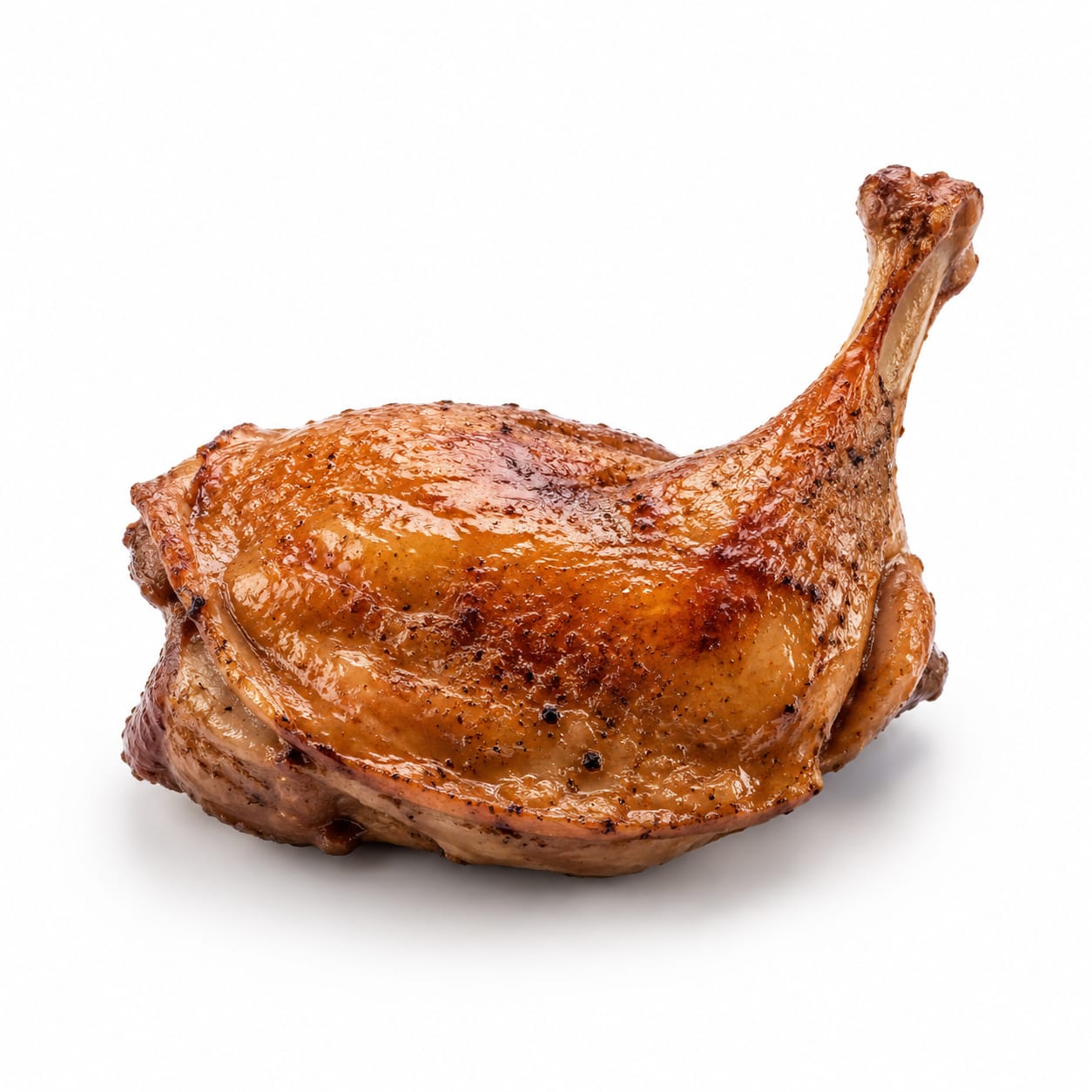
Pheasant
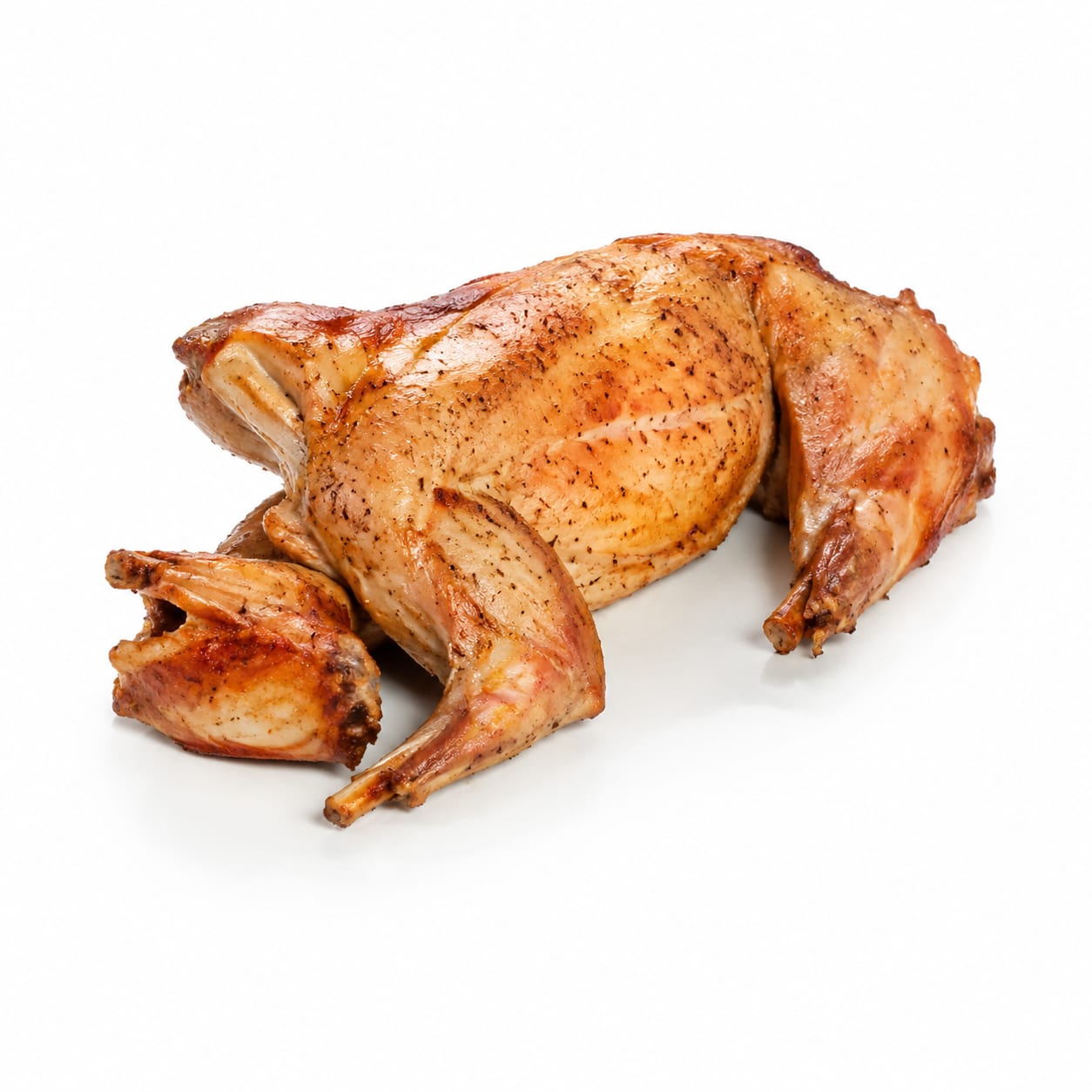
Rabbit
Rabbit offers unmatched leanness and protein density, while Pheasant provides a slightly more balanced fat profile and easier cooking experience.
Rabbit scores slightly higher for extreme leanness and protein density, but Pheasant stays competitive because its moderate fat content makes it safer for regular consumption and easier to cook well.
Maximum protein and minimal calories versus slightly better cooking forgiveness and dietary fat balance.
At a glance
Executive summary
Overall
It depends
Healthier
It depends
More practical
Pheasant
Daily use
Pheasant
Key comparison lenses
Lean protein source comparison
Both are prized as exceptionally lean game meats, making them direct substitutes for clean protein diets.
Fat content and rabbit starvation risk
Rabbit is so lean that exclusive consumption can lead to protein poisoning, whereas Pheasant offers slightly more fat for balanced nutrition.
Culinary preparation and dryness
Both meats dry out quickly if overcooked, but Pheasant is slightly more forgiving due to its marginally higher fat content.
Best choice for
Pheasant
- Those wanting a lean meat that is still forgiving to cook
- People needing a bit more dietary fat to avoid excessive leanness
- Home cooks looking for a slightly richer game flavor
Rabbit
- Strict calorie counters and cutting-phase bodybuilders
- Those on ultra-low-fat diets under medical supervision
- People seeking the absolute highest protein-to-calorie ratio
Least suitable for
Pheasant
- Those strictly limiting purine intake
- People seeking the absolute lowest calorie meat option
Rabbit
- Those relying on a single meat source for survival
- People who easily overcook lean meats and dislike dry textures
Deep comparison
Dimension by dimension
Each lens scores both foods and breaks down who each option suits.
- Dimension 1 · Priority 95Rabbit
Protein Density & Quality
Pheasant · 88Rabbit · 96Rabbit packs more protein per calorie than almost any other meat, while Pheasant is still excellent but slightly less concentrated.
Tradeoff
You get maximum protein from Rabbit, but Pheasant's protein comes with a little more natural fat which aids vitamin absorption.
Why it matters
Higher protein density helps with muscle retention during weight loss and keeps you full longer.
Real-world impact
A serving of Rabbit will hit your protein targets with fewer calories, making it a top-tier cutting food.
Pheasant
- Sustained energy due to slight fat content
- Easier amino acid absorption with dietary fat present
Better for
- Slightly higher calorie cost per gram of protein
Worse for
Rabbit
- Post-workout muscle repair with minimal calories
- Hitting high protein macros on a strict cut
Better for
- Can feel too light if you are not eating other fat sources
Worse for
- Dimension 2 · Priority 90Pheasant
Fat Content & Dietary Balance
Pheasant · 82Rabbit · 65Pheasant contains a more balanced ratio of fat to protein, whereas Rabbit is dangerously lean if eaten in isolation.
Tradeoff
Rabbit's extreme leanness is great for calories but requires adding cooking fats, while Pheasant is more nutritionally complete on its own.
Why it matters
The body needs dietary fat for hormone production and satiety; eating exclusively lean meat can lead to rabbit starvation.
Real-world impact
Cooking Rabbit means you must add olive oil or butter, while Pheasant can be roasted as-is without leaving you ravenous an hour later.
Pheasant
- More naturally satisfying meals
- Better hormonal support from natural dietary fats
Better for
- Slightly higher total calories per serving
Worse for
Rabbit
- Strict calorie control
- Macro flexibility to add your own preferred fat sources
Better for
- Risk of malnutrition if eaten as the sole protein source without added fats
Worse for
- Dimension 3 · Priority 80It depends
Vitamin & Mineral Profile
Pheasant · 80Rabbit · 82Rabbit is a powerhouse for B12 and selenium, while Pheasant offers more niacin and iron.
Tradeoff
Choosing between superior B-vitamin density in Rabbit versus better energy-metabolism support from Pheasant's niacin.
Why it matters
B12 is crucial for nerve function, while niacin helps convert food into energy.
Real-world impact
Rabbit is slightly better for brain and blood health, while Pheasant gives a slight edge for daily energy metabolism.
Pheasant
- Energy production and fatigue reduction
- Oxygen transport via higher iron
Better for
- Lower selenium compared to Rabbit
Worse for
Rabbit
- Nervous system health
- Thyroid function support from selenium
Better for
- Less niacin for energy conversion
Worse for
- Dimension 4 · Priority 75Pheasant
Culinary Versatility & Preparation
Pheasant · 78Rabbit · 65Pheasant is more forgiving to cook due to its slightly higher fat, while Rabbit dries out incredibly fast if overcooked.
Tradeoff
Pheasant offers a richer, easier cooking experience, whereas Rabbit requires careful braising or barding to stay moist.
Why it matters
Dry, tough meat ruins the eating experience and makes healthy eating feel like a chore.
Real-world impact
Overcook Pheasant and it is merely dry; overcook Rabbit and it becomes practically inedible without sauce.
Pheasant
- Easier roasting and pan-searing
- More forgiving for beginner game cooks
Better for
- Can still dry out if roasted too long
Worse for
Rabbit
- Absorbs braising liquids and marinades deeply
- Excellent for stews and slow cooks when prepared correctly
Better for
- Very narrow margin of error for cooking times
Worse for
Timeline
Health impact over time
Short-term
Hours to days
Pheasant
- Provides steady, satisfying energy without feeling heavy
- Keeps you full longer due to a slightly higher fat content
Rabbit
- Delivers rapid protein saturation with minimal digestive effort
- May leave you feeling unsatisfied if eaten without a fat source
Long-term
Months to years
Pheasant
- Supports sustainable lean protein intake without extreme dietary restriction
- Good for maintaining muscle mass during aging
Rabbit
- Excellent for long-term cardiovascular health due to minimal saturated fat
- Requires conscious dietary balancing to avoid fat-soluble vitamin deficiencies
Risk profile
Safety & processing
Both Pheasant and Rabbit are typically sold as whole, unprocessed game meats with virtually no additives, making them exceptionally clean protein sources.
Pheasant
Lead shot contamination
mediumWild-harvested Pheasant may contain lead fragments, which pose neurological risks, especially to children.
Parasites and bacteria
lowLike all game, proper cooking to safe temperatures eliminates standard risks like Salmonella or Trichinosis.
Rabbit
Tularemia
mediumWild Rabbit can carry this bacterial disease; wearing gloves during butchering and thorough cooking are essential.
Protein poisoning
lowNot an infection, but a metabolic risk if Rabbit is the sole food source eaten without any fats or carbohydrates.
Who wins for whom
Audience fit
Same foods, different winners depending on your goal.
children
PheasantPheasant is safer for children due to the risk of lead shot in Rabbit or the extreme leanness requiring careful dietary balancing.
daily consumption
PheasantPheasant provides a more nutritionally balanced profile for everyday eating without the risk of fat deficiency associated with Rabbit.
diabetes
It dependsBoth have zero carbs and will not spike blood sugar, but Pheasant's slight fat content slows digestion for steadier glucose levels.
elderly
PheasantOlder adults benefit more from Pheasant's slightly higher natural fat content, which aids joint health and vitamin absorption without excess calories.
muscle gain
RabbitThe extreme protein density of Rabbit supports muscle repair with minimal caloric baggage, provided you get fats elsewhere.
weight loss
RabbitRabbit offers the absolute lowest calorie count per gram of protein, making it a top-tier food for aggressive calorie deficits.
Your move
Decision guide
Choose Pheasant
- You want a lean meat that is still satisfying and easy to cook
- You are eating game meat as a regular part of a balanced diet
- You prefer roasting or pan-searing over slow braising
Choose Rabbit
- You are on a strict cutting phase and counting every calorie
- You enjoy slow-cooked stews and braises where dryness is not an issue
- You already have ample healthy fats in your diet from other sources
Either works if
- You want a high-quality, zero-carb protein source
- You are bored with chicken and want a gamey alternative
- You value organic, free-range, and natural meat sources
Avoid both if
- You have severe gout and must limit purines
- You are uncomfortable butchering or handling whole game birds or animals
Final recommendation
Choose Rabbit for maximum protein and minimum calories, but pair it with healthy fats to avoid feeling ravenous. Choose Pheasant for a more forgiving, balanced meal that is easier to cook right.
Practical
Consumer tips
- 1
If cooking Rabbit, braise it in a rich stock or wrap it in bacon to keep it moist and add necessary dietary fat.
- 2
For Pheasant, roasting with the skin on keeps the breast meat juicy; you can remove the skin before eating to save calories.
- 3
Always ask your butcher if the game is farm-raised or wild, as wild game requires more careful handling and cooking.
- 4
If buying wild Pheasant, check carefully for lead shot before cooking or serving to children.