
Nutrition comparison
Pheasant vs Venison: Nutrition, Flavor, and Health Comparison
Compare pheasant and venison side by side. Discover which game meat offers more protein, iron, and flavor, and which is easier to cook and more beginner-friendly.
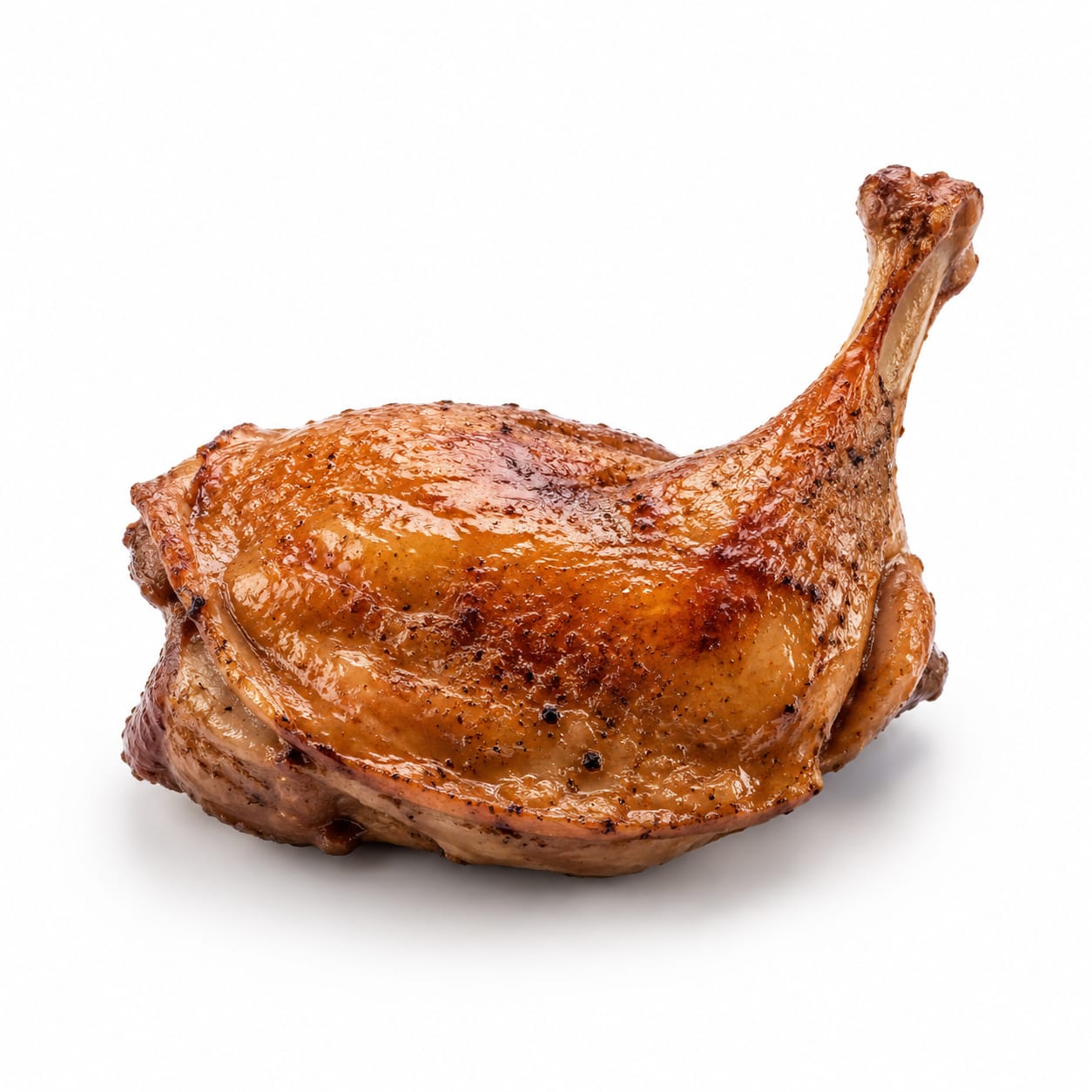
Pheasant
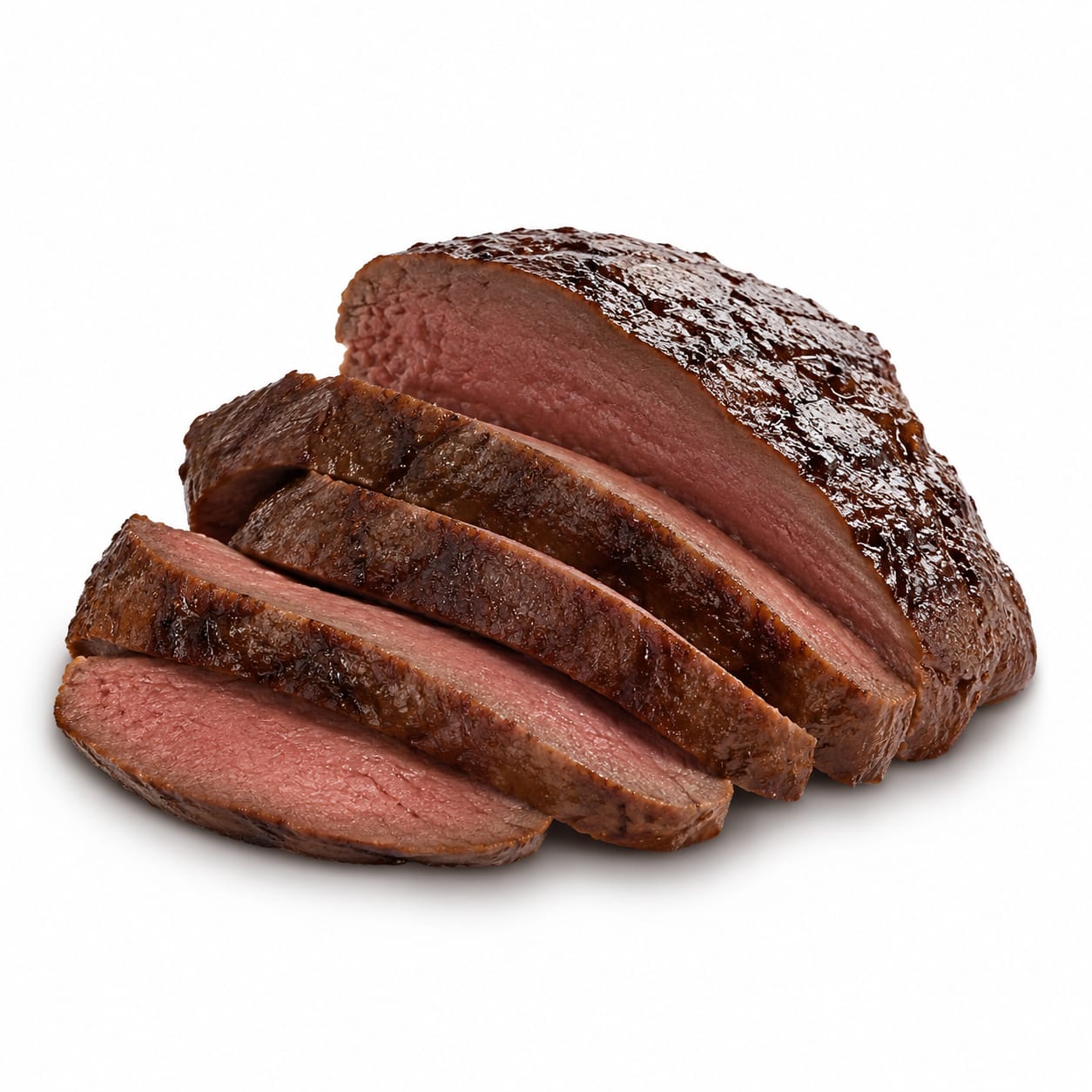
Venison
Venison delivers more protein and iron per bite, but pheasant is easier to cook and gentler on picky eaters.
Venison scores higher due to superior protein density, iron content, and satiety value. Pheasant remains competitive through cooking ease and milder flavor, but nutritionally it offers less per serving.
Nutritional density versus cooking confidence and flavor approachability.
At a glance
Executive summary
Overall
It depends
Healthier
Venison
More practical
Pheasant
Daily use
Venison
Key comparison lenses
Lean protein source selection for health-conscious eaters
Both are exceptionally lean game meats, so users are likely choosing between them for high-protein, low-fat diets
Iron and micronutrient density comparison
Venison is renowned for iron content while pheasant offers different B-vitamin strengths, making micronutrient tradeoffs central
Wild game safety and sourcing concerns
Both carry wild-game-specific risks like lead shot contamination and parasitic concerns that supermarket meats do not
Flavor and cooking practicality
Pheasant is milder and more approachable; venison is richer but easier to overcook, affecting real-world usability
Best choice for
Pheasant
- People new to game meat who want a milder entry point
- Home cooks worried about overcooking and ruining expensive meat
- Those wanting lighter-tasting protein for salads or light meals
- Anyone sensitive to strong-flavored meats
Venison
- Athletes and lifters maximizing protein per calorie
- Anyone with iron deficiency or high iron needs
- Keto and carnivore dieters seeking nutrient-dense red meat
- Meal preppers who benefit from venison's richer satiety
Least suitable for
Pheasant
- Those needing maximum iron intake
- Very high-protein dieters who find pheasant portions too small
- People wanting rich, hearty meal satisfaction from a single serving
Venison
- Inexperienced cooks likely to overcook lean red meat
- People who dislike gamey flavors
- Anyone bothered by tougher texture when prepared incorrectly
Deep comparison
Dimension by dimension
Each lens scores both foods and breaks down who each option suits.
- Dimension 1 · Priority 95Venison
Protein Density
Pheasant · 70Venison · 92Venison packs noticeably more protein per serving than pheasant, making it more efficient for muscle maintenance and growth.
Tradeoff
Pheasant still provides solid protein but you need larger portions to match venison's output.
Why it matters
Higher protein density means smaller portions satisfy, which helps with calorie control and meal planning.
Real-world impact
A single venison steak feels like a complete protein hit; pheasant may leave you reaching for a second portion.
Pheasant
- Lighter meals where you do not want heavy protein density
Better for
- Muscle-building phases requiring high protein intake
Worse for
Venison
- Post-workout recovery meals
- High-protein diet adherence
- Smaller portion sizes with full satiety
Better for
- Light grazing or small-plate dining where richness feels excessive
Worse for
- Dimension 2 · Priority 90Venison
Iron and Micronutrients
Pheasant · 55Venison · 93Venison is one of the richest heme iron sources available, far surpassing pheasant. It also delivers more B12 and zinc.
Tradeoff
Pheasant offers more niacin, which supports energy metabolism, but cannot compete on iron.
Why it matters
Iron deficiency is common, especially among women, and heme iron from venison is highly absorbable.
Real-world impact
Eating venison regularly can meaningfully move the needle on iron levels; pheasant barely moves it.
Pheasant
- Those already meeting iron needs who want niacin support
Better for
- Anyone relying on diet alone to correct low iron
Worse for
Venison
- Women with heavy menstrual cycles
- Endurance athletes at risk of exercise-induced iron depletion
- Anyone diagnosed with or borderline for iron deficiency
Better for
- People with hemochromatosis or iron overload conditions
Worse for
- Dimension 3 · Priority 80It depends
Fat Content and Leanness
Pheasant · 85Venison · 88Both are extremely lean, but venison is slightly leaner with less than 2g fat per 100g in many cuts.
Tradeoff
Extreme leanness makes both meats prone to dryness when overcooked, but venison suffers more because its denser texture highlights dryness.
Why it matters
Ultra-lean meats support heart health and calorie control but require careful cooking to stay enjoyable.
Real-world impact
Both can dry out quickly; venison turns tough and chalky faster, while pheasant stays somewhat more forgiving.
Pheasant
- Cooks who occasionally overcook and want a more forgiving result
Better for
- Those wanting the leanest possible cut for strict macros
Worse for
Venison
- Strict calorie counters wanting the absolute lowest fat option
Better for
- Anyone who struggles with dry meat textures
Worse for
- Dimension 4 · Priority 78Pheasant
Flavor Approachability
Pheasant · 82Venison · 58Pheasant tastes like a richer chicken; venison carries a distinct gamey depth that not everyone enjoys.
Tradeoff
Venison's bold flavor is rewarding for game meat lovers but alienating for newcomers or cautious eaters.
Why it matters
Flavor enjoyment determines whether you actually keep eating a food long-term, regardless of nutrition.
Real-world impact
Serving pheasant to guests rarely gets complaints; venison always gets reactions, positive or negative.
Pheasant
- Family dinners with mixed palates
- Introducing game meat to skeptical eaters
- Recipes where you want other ingredients to shine
Better for
- Anyone seeking deep, complex, gamey flavor experiences
Worse for
Venison
- Adventurous eaters craving bold, earthy flavors
- Hearty winter dishes like stews and ragùs
- Pairing with strong sides like root vegetables and red wine
Better for
- Children or adults averse to strong meat flavors
- Light summer meals where gamey taste feels heavy
Worse for
- Dimension 5 · Priority 75Pheasant
Cooking Ease and Forgiveness
Pheasant · 78Venison · 55Pheasant is more forgiving to cook, especially breast meat. Venison goes from perfect to tough in seconds.
Tradeoff
Venison rewards careful technique with outstanding results but punishes inattention with dry, chewy meat.
Why it matters
If cooking feels risky, you cook less often. Approachability determines real-world frequency of use.
Real-world impact
Pheasant is a relaxed weeknight cook; venison demands focus and timing, more of a weekend project.
Pheasant
- Busy weeknight cooking
- Less experienced home cooks
- Situations where you cannot monitor the stove constantly
Better for
- Those wanting a culinary challenge or showpiece dish
Worse for
Venison
- Experienced cooks who enjoy precise temperature control
- Slow-cooker or sous vide preparations that protect against overcooking
Better for
- Distracted cooking scenarios
- Cooks unfamiliar with lean red meat techniques
Worse for
- Dimension 6 · Priority 82Venison
Satiety and Fullness
Pheasant · 68Venison · 86Venison's higher protein and richer flavor create longer-lasting fullness than pheasant's lighter profile.
Tradeoff
Pheasant feels lighter and less heavy after eating, which can be desirable or insufficient depending on context.
Why it matters
Better satiety means fewer between-meal snacks and easier portion control throughout the day.
Real-world impact
A venison dinner tends to carry you to breakfast; pheasant may have you snacking by 9pm.
Pheasant
- Light lunches where you do not want afternoon sluggishness
- Multi-course meals where the meat course should not dominate
Better for
- Anyone prone to late-night snacking after insufficient dinner
Worse for
Venison
- Main evening meal where lasting fullness matters
- Intermittent fasting windows where one meal must sustain you
Better for
- Hot weather meals where heavy satiety feels uncomfortable
Worse for
Timeline
Health impact over time
Short-term
Hours to days
Pheasant
- Light, clean energy without heaviness after eating
- Unlikely to cause digestive discomfort due to low fat and mild protein
- Quick to satisfy hunger but may not sustain fullness as long
Venison
- Strong satiety shortly after eating due to dense protein
- Risk of feeling overly full if portion is large
- Very low fat means minimal digestive slowdown
Long-term
Months to years
Pheasant
- Consistent lean protein intake supports muscle maintenance
- Lower iron contribution may not support optimal ferritin levels over time
- Mild flavor makes sustainable long-term inclusion easier for most people
Venison
- Superior iron status reduces risk of deficiency-related fatigue
- High B12 supports neurological health and energy long-term
- Extremely low saturated fat benefits cardiovascular markers
- Potential iron overload if consumed excessively by those with high iron stores
Risk profile
Safety & processing
Both pheasant and venison are typically sold as whole-meat cuts with minimal processing. Farmed pheasant may have slightly more antibiotic exposure than wild-caught venison, but both are cleaner choices than conventional supermarket meats.
Pheasant
Lead shot contamination
mediumWild-harvested pheasant may contain lead fragments from shot, which pose neurological risks especially to children. Farmed pheasant avoids this but is less common.
Undercooking and bacterial contamination
mediumLike all poultry, pheasant carries Salmonella and Campylobacter risk if undercooked. Internal temperature should reach 74°C/165°F.
Venison
Chronic Wasting Disease concern
lowWild deer populations in some regions carry CWD, a prion disease. No confirmed human transmissions exist, but health agencies recommend avoiding meat from infected animals.
Parasitic contamination
mediumWild venison can harbor Toxoplasma and Trichinella. Freezing at -20°C for at least 48 hours or thorough cooking to 74°C/165°F eliminates this risk.
Lead fragments
mediumHunter-harvested venison may contain lead fragments from rifle ammunition, presenting similar neurological risks as lead shot in pheasant.
Who wins for whom
Audience fit
Same foods, different winners depending on your goal.
children
PheasantMilder flavor and softer texture make pheasant more acceptable to kids, and lead shot risk can be avoided with farmed pheasant.
daily consumption
VenisonVenison's micronutrient density makes it a more impactful daily staple, though variety between both is ideal.
diabetes
VenisonBoth are essentially zero-carb, but venison's superior satiety reduces snacking risk and helps stabilize blood sugar longer.
elderly
VenisonOlder adults benefit more from venison's iron, B12, and zinc to counter age-related nutrient absorption decline and sarcopenia.
muscle gain
VenisonMore protein per serving and higher B12 and iron support muscle tissue building and oxygen delivery to working muscles.
weight loss
VenisonVenison's higher protein and stronger satiety help control overall calorie intake more effectively throughout the day.
Your move
Decision guide
Choose Pheasant
- You are cooking for a group with mixed or cautious palates
- You want a gentle introduction to game meat without commitment to strong flavors
- You prefer weeknight cooking that forgives minor timing mistakes
- You are building light meals like salads or grain bowls around the protein
Choose Venison
- Maximizing protein and iron intake is your priority
- You enjoy or want to explore bold, gamey flavors
- You are comfortable with precise cooking techniques or slow-cooking methods
- You need one meal to keep you full for hours
Either works if
- You want ultra-lean protein with minimal saturated fat
- You are avoiding conventional livestock meats for ethical or environmental reasons
- You are following a keto, paleo, or whole-foods approach
Avoid both if
- You have gout flares triggered by purine-rich meats, as both are moderate-to-high in purines
- You cannot verify the source and have concerns about lead contamination from wild-harvested meat
- You strongly prefer the consistency and predictability of conventional farm-raised meats
Final recommendation
Choose venison when nutritional density matters most and you are confident in the kitchen. Choose pheasant when approachability and ease matter more than maximizing every gram of protein. For the best of both worlds, rotate between them to enjoy venison's micronutrient punch alongside pheasant's cooking convenience.
Practical
Consumer tips
- 1
If buying wild-harvested meat, ask your supplier about lead-free ammunition to reduce contamination risk
- 2
Freeze wild venison at -20°C for at least 48 hours before cooking to eliminate parasitic risks
- 3
Brine pheasant before cooking to keep breast meat juicy and prevent dryness
- 4
Cook venison to medium-rare and rest it well; going past medium makes it tough and chalky
- 5
Farmed pheasant is milder and more consistent than wild, making it better for first-timers
- 6
Slow-cook venison shoulder or leg cuts for tender results without the stress of precise timing
- 7
Pair venison with vitamin C-rich sides like roasted peppers to boost iron absorption further