
Nutrition comparison
Goose vs Pheasant: Which Game Bird Is Healthier?
Compare goose and pheasant nutrition — calories, fat, protein, and health impact. Discover which game bird fits your diet and when to choose each.
Overall winner · Pheasant
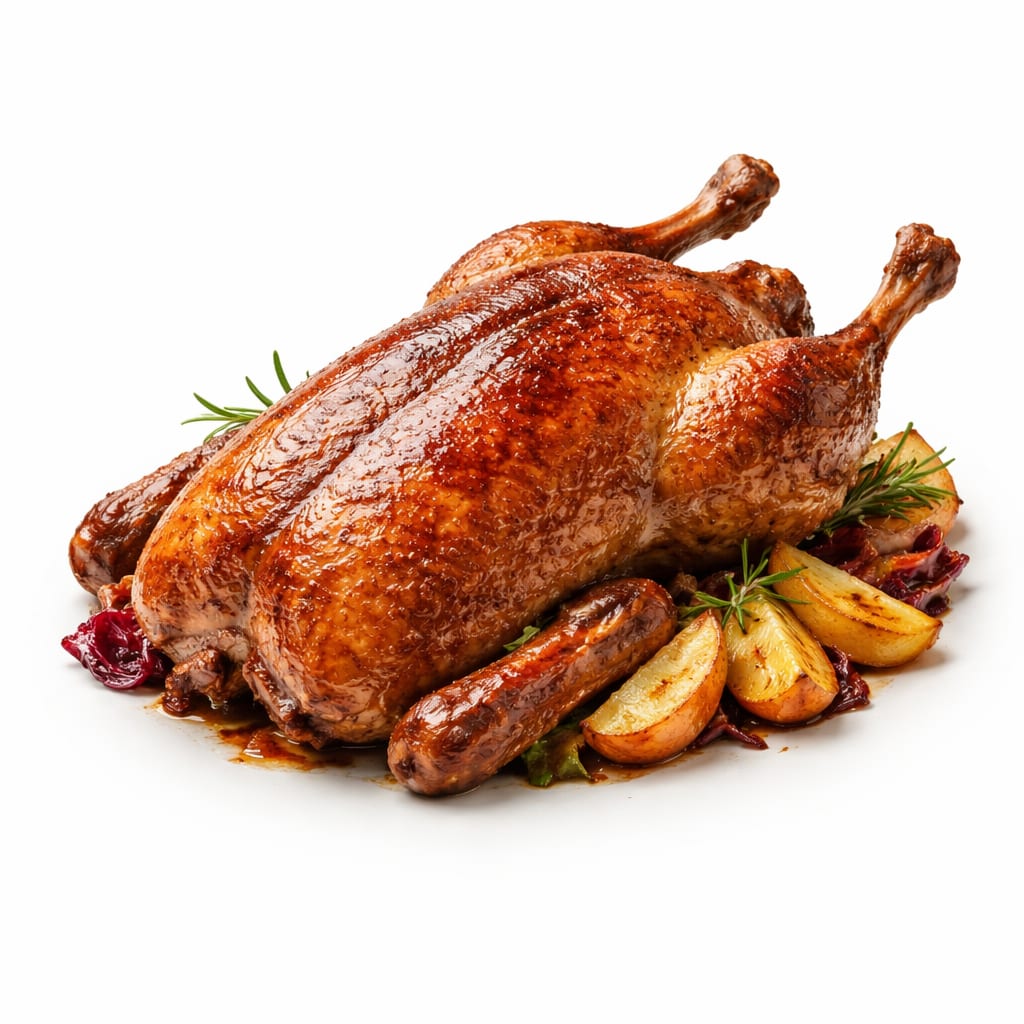
Goose
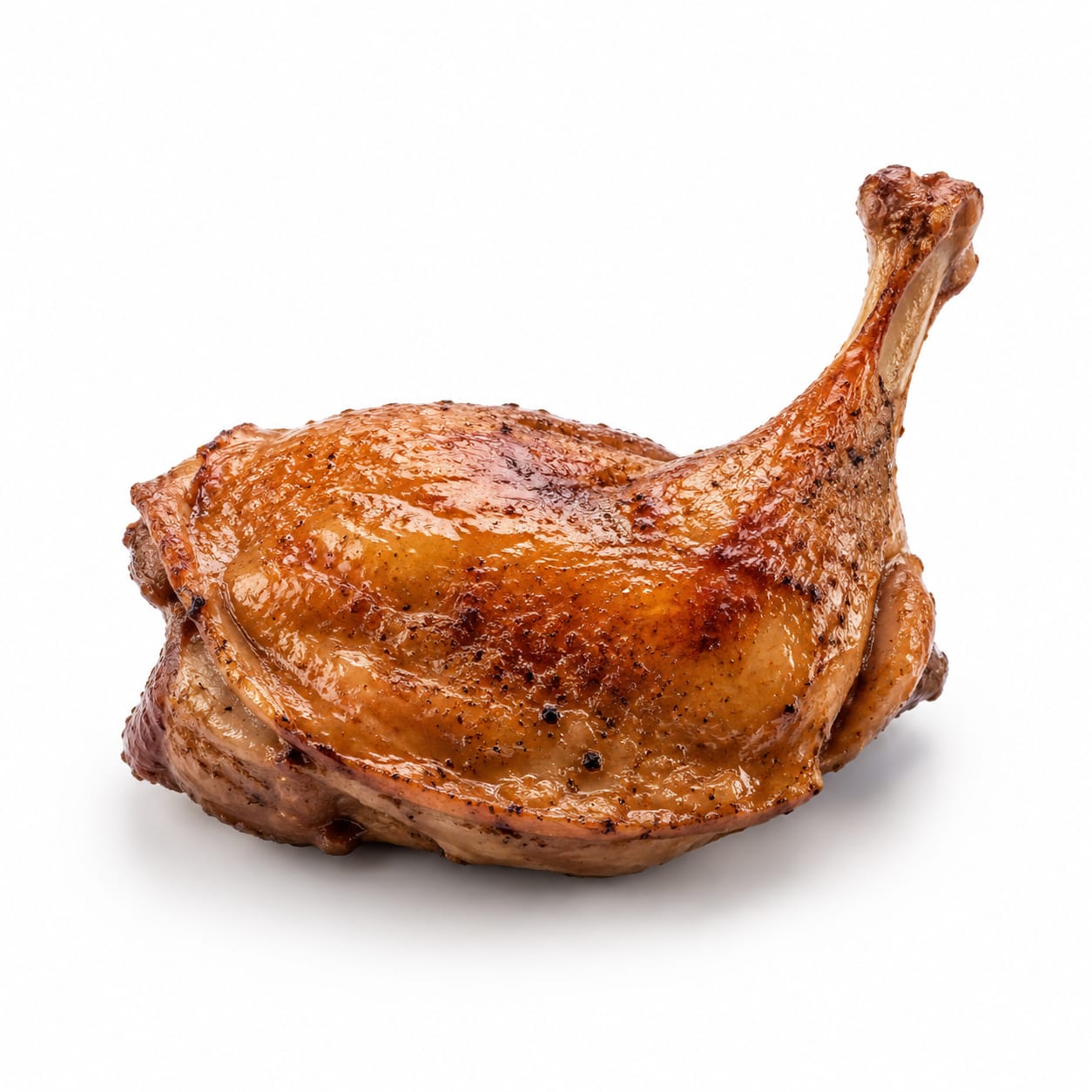
Pheasant
Pheasant is the leaner, lighter choice that fits most health goals. Goose is richer and more indulgent but comes with a heavy calorie and fat cost.
Pheasant scores notably higher due to its lean profile, lower saturated fat, and better fit for regular consumption. Goose loses ground on heart health and calorie density but retains value for special occasions and those seeking rich, satisfying meals.
Flavor richness and satisfaction versus leanness and calorie control. Goose delivers luxurious eating but at a nutritional price; pheasant keeps things lean without sacrificing protein quality.
At a glance
Executive summary
Overall
Pheasant
Healthier
Pheasant
More practical
It depends
Daily use
Pheasant
Key comparison lenses
Lean protein vs rich fatty poultry for health goals
The fat and calorie gap between these two birds is massive, making this the primary decision driver for most users
Heart health and cholesterol management
Goose is significantly higher in saturated fat and cholesterol, which matters deeply for cardiovascular risk
Weight management suitability
Calorie density differs enormously, directly impacting portion control and diet adherence
Culinary occasion and practical availability
These birds serve very different dining contexts — celebratory feast versus lean game dinner
Micronutrient density per calorie
Both offer strong B-vitamins and minerals, but pheasant delivers more nutrients per calorie consumed
Best choice for
Goose
- Special occasion celebratory meals
- Cold-weather comfort eating where richness is desired
- Those wanting maximum calorie density per bite
- Traditional holiday cooking
Pheasant
- Weight loss or lean muscle diets
- Heart-conscious eaters watching saturated fat
- Weeknight dinners with lighter sides
- Anyone tracking calories closely
Least suitable for
Goose
- Daily or frequent consumption
- Low-fat or heart-healthy diet plans
- Those managing high cholesterol
- Small households (too much meat for few people)
Pheasant
- Those wanting rich, indulgent dining experiences
- Very active individuals needing high calorie intake
- People who find lean meats unsatisfying or dry
- Traditional feast settings where richness is expected
Deep comparison
Dimension by dimension
Each lens scores both foods and breaks down who each option suits.
- Dimension 1 · Priority 95Pheasant
Calorie Density and Fat Content
Goose · 25Pheasant · 88Goose is one of the fattiest poultry options available, while pheasant is among the leanest game birds.
Tradeoff
Goose's fat delivers incredible flavor and mouthfeel but costs roughly 3-4 times the calories per serving compared to pheasant.
Why it matters
If you eat goose regularly, the calorie surplus adds up fast. A single serving can approach 400+ calories with skin, versus roughly 180 for pheasant.
Real-world impact
A goose dinner with sides can easily hit 1000+ calories before dessert. Pheasant keeps the plate lighter and leaves room for vegetables without blowing your daily budget.
Goose
- Bulking or high-calorie needs
- One-time feast mentality
Better for
- Fat loss goals
- Heart-healthy eating patterns
Worse for
Pheasant
- Cutting phases
- Everyday sensible eating
- Portion control without hunger
Better for
- Those who need calorie surplus
- People who feel unsatisfied without dietary fat
Worse for
- Dimension 2 · Priority 88Pheasant
Protein Quality and Leanness
Goose · 55Pheasant · 90Both provide excellent complete protein, but pheasant delivers more protein per calorie and per gram of fat consumed.
Tradeoff
Goose gives you plenty of protein too, but it comes packaged with significantly more fat. Pheasant offers cleaner protein with less baggage.
Why it matters
For muscle maintenance, satiety, and metabolic health, protein-to-calorie ratio matters more than absolute protein amount.
Real-world impact
A pheasant breast gives you roughly 30g protein for under 200 calories. Goose delivers similar protein but with double or triple the energy cost.
Goose
- Those who prefer fattier cuts and find them more satisfying
Better for
- Clean eating approaches
- Macro-precise diets
Worse for
Pheasant
- Athletes tracking macros
- Lean bulk strategies
- Older adults preserving muscle without excess calories
Better for
- People who find very lean meat unsatisfying
Worse for
- Dimension 3 · Priority 86Pheasant
Heart Health and Cholesterol Impact
Goose · 30Pheasant · 82Goose is high in saturated fat and cholesterol, making it a risky regular choice for cardiovascular health. Pheasant is far gentler on the heart.
Tradeoff
Rich flavor now versus cleaner arteries later. Goose eaten occasionally is fine, but weekly consumption would concern most cardiologists.
Why it matters
Saturated fat from goose skin and dark meat raises LDL cholesterol. Pheasant's lean profile keeps saturated fat intake minimal.
Real-world impact
If you have borderline high cholesterol, swapping goose for pheasant at dinner is a meaningful move. One goose meal can deliver half your recommended daily saturated fat limit.
Goose
- Healthy individuals eating it rarely
Better for
- Regular consumption by at-risk individuals
Worse for
Pheasant
- Anyone with heart disease risk factors
- Family history of cardiovascular issues
- Cholesterol-conscious eaters
Better for
- No real heart health downside
Worse for
- Dimension 4 · Priority 72Pheasant
Micronutrient Value
Goose · 65Pheasant · 78Both birds deliver strong B-vitamins, iron, and zinc. Pheasant edges ahead because you get more micronutrients per calorie consumed.
Tradeoff
Goose actually contains good amounts of iron and B12, especially in dark meat, but the high fat dilutes the nutrient density score.
Why it matters
Nutrient density per calorie is what matters for most people. Both are strong sources, but pheasant gives you more of what you need with less of what you don't.
Real-world impact
Either bird beats chicken for iron and zinc. But if you're eating for nutrient density, pheasant gets you there with fewer metabolic costs.
Goose
- Iron-deficient individuals who can afford the extra calories
- Those wanting B12 from richer meat sources
Better for
- Nutrient-per-calorie focused diets
Worse for
Pheasant
- Nutrient density optimizers
- Those eating in a calorie deficit who still need micronutrients
Better for
- No significant micronutrient downside
Worse for
- Dimension 5 · Priority 68It depends
Culinary Versatility and Practicality
Goose · 60Pheasant · 62Goose is a feast bird best for special occasions and large gatherings. Pheasant is more adaptable to weeknight cooking but harder to source.
Tradeoff
Goose is easier to find around holidays but impractical for small households. Pheasant is perfect for two-person dinners but requires specialty sourcing.
Why it matters
The best nutritional choice only works if you can actually buy and cook it conveniently.
Real-world impact
A whole goose feeds 6-8 people and takes hours to roast properly. Pheasant cooks faster and portions better for 2-4, but you may need to order it from a specialty butcher.
Goose
- Holiday hosting and large gatherings
- Those who enjoy slow roasting and rendering fat
Better for
- Solo diners or couples
- Quick meal needs
Worse for
Pheasant
- Smaller households
- Quicker weeknight cooking
- Those comfortable with game butchery
Better for
- Those without access to game suppliers
- Large group entertaining on a budget
Worse for
- Dimension 6 · Priority 75Goose
Satiety and Satisfaction
Goose · 85Pheasant · 60Goose's high fat content makes it deeply satisfying and filling. Pheasant can feel light to the point of leaving you wanting more.
Tradeoff
That satisfying richness comes with a caloric price. Pheasant keeps you lighter but may require larger portions or added healthy fats to feel full.
Why it matters
Meals that don't satisfy lead to snacking later. Goose practically guarantees you won't be hungry again soon.
Real-world impact
After a goose dinner, you're done eating for hours. After pheasant, you might reach for something else within two hours unless you pair it with filling sides.
Goose
- Those who value post-meal fullness
- One-meal-a-day eaters
- Comfort food seekers
Better for
- Those who feel sluggish after heavy meals
Worse for
Pheasant
- Those who prefer lighter meals
- People who eat multiple times daily
Better for
- People prone to post-dinner snacking
- Those who feel deprived by lean meals
Worse for
Timeline
Health impact over time
Short-term
Hours to days
Goose
- Heavy fullness after eating due to high fat content
- Possible sluggishness or drowsiness following a large goose meal
- Rendered goose fat can be reused for cooking, adding richness to other dishes
Pheasant
- Light, clean energy after eating without heaviness
- Easier to eat appropriate portions without feeling overstuffed
- May need to add fat or starch sides to feel fully satisfied
Long-term
Months to years
Goose
- Regular consumption raises saturated fat intake significantly, potentially impacting cardiovascular markers
- High calorie density could contribute to gradual weight gain if eaten frequently
- Occasional consumption poses minimal risk and provides enjoyable dietary variety
Pheasant
- Consistent lean protein intake supports muscle maintenance and healthy body composition
- Low saturated fat profile aligns well with heart-healthy eating patterns long-term
- Potential for dietary boredom if not prepared with varied seasonings and cooking methods
Risk profile
Safety & processing
Both goose and pheasant are whole, minimally processed meats. Farmed goose may have some antibiotic exposure depending on sourcing, while wild pheasant is about as natural as meat gets. Either way, you're eating real food, not a factory product.
Goose
Undercooking and foodborne illness
mediumLike all poultry, goose must be cooked to safe internal temperatures. The thick fat layer can slow cooking and create uneven doneness if not handled properly.
Antibiotic and hormone exposure in farmed goose
lowConventionally farmed goose may have higher antibiotic exposure than wild game. Choose free-range or organic when possible.
Pheasant
Lead shot contamination in wild pheasant
mediumWild-hunted pheasant may contain lead shot fragments, which pose a neurotoxicity risk. Farmed pheasant avoids this issue entirely.
Game handling and storage concerns
lowWild game requires careful field dressing and cold chain management. Improper handling increases bacterial contamination risk.
Who wins for whom
Audience fit
Same foods, different winners depending on your goal.
children
It dependsGoose provides calorie-dense nutrition that active kids may benefit from, but pheasant's leaner profile is better for children with weight concerns. Both need proper cooking.
daily consumption
PheasantPheasant's lean profile makes it sustainable as a regular protein source. Goose is better reserved for occasional enjoyment due to its fat and calorie load.
diabetes
PheasantBoth are zero-carb, but pheasant's lower saturated fat content is better for the cardiovascular risks that disproportionately affect people with diabetes.
elderly
PheasantOlder adults need lean protein for muscle preservation without the cardiovascular strain of high saturated fat. Pheasant fits this need cleanly.
muscle gain
PheasantHigher protein-to-calorie ratio supports lean muscle growth without excess fat gain. Goose works too, but adds unnecessary calories for most lifters.
weight loss
PheasantPheasant's low calorie and fat profile makes portion control effortless. You get satisfying protein without the caloric penalty of goose fat.
Your move
Decision guide
Choose Goose
- You're hosting a special occasion and want something impressive and indulgent
- You're very active and need calorie-dense meals to meet energy needs
- You enjoy slow roasting and rendering fat for other cooking
- Cold weather comfort food is the priority
Choose Pheasant
- You want lean, clean protein for everyday eating
- Heart health or cholesterol management matters to you
- You're tracking calories or macros for weight or fitness goals
- You prefer lighter meals that don't leave you sluggish
Either works if
- You're eating poultry occasionally and either fits your meal plan
- You rotate protein sources and want variety without overthinking
- Both are available fresh and you're cooking for different occasions
Avoid both if
- You follow a plant-based diet
- You have gout flares triggered by purine-rich meats
- You lack confidence cooking game birds properly
Final recommendation
Make pheasant your regular game bird and save goose for celebrations. Pheasant gives you exceptional lean protein with minimal downside, while goose is a delicious indulgence best enjoyed a few times a year. If you do eat goose, skip the skin to cut significant fat and calories, and pair it with plenty of vegetables to balance the plate.
Practical
Consumer tips
- 1
If buying wild pheasant, ask about lead shot and check meat carefully before cooking
- 2
Roast goose on a rack to let fat drain away — you'll save calories and get crisper skin
- 3
Pheasant breast dries out quickly; try braising or wrapping in prosciutto to retain moisture
- 4
Save rendered goose fat for roasting potatoes — it's a luxury cooking fat worth reusing
- 5
Free-range or organic goose has a better fat profile than conventionally farmed
- 6
If goose feels too heavy, remove the skin before eating to cut roughly 40% of the fat
- 7
Pheasant pairs well with earthy sides like root vegetables and wild rice
- 8
Both birds benefit from marinating — game meats tenderize well with acidic marinades