
Nutrition comparison
Pheasant vs Beef Sirloin: Which Is Healthier?
Compare pheasant and beef sirloin on fat, calories, iron, B12, and heart health. Find out which lean protein fits your goals better.
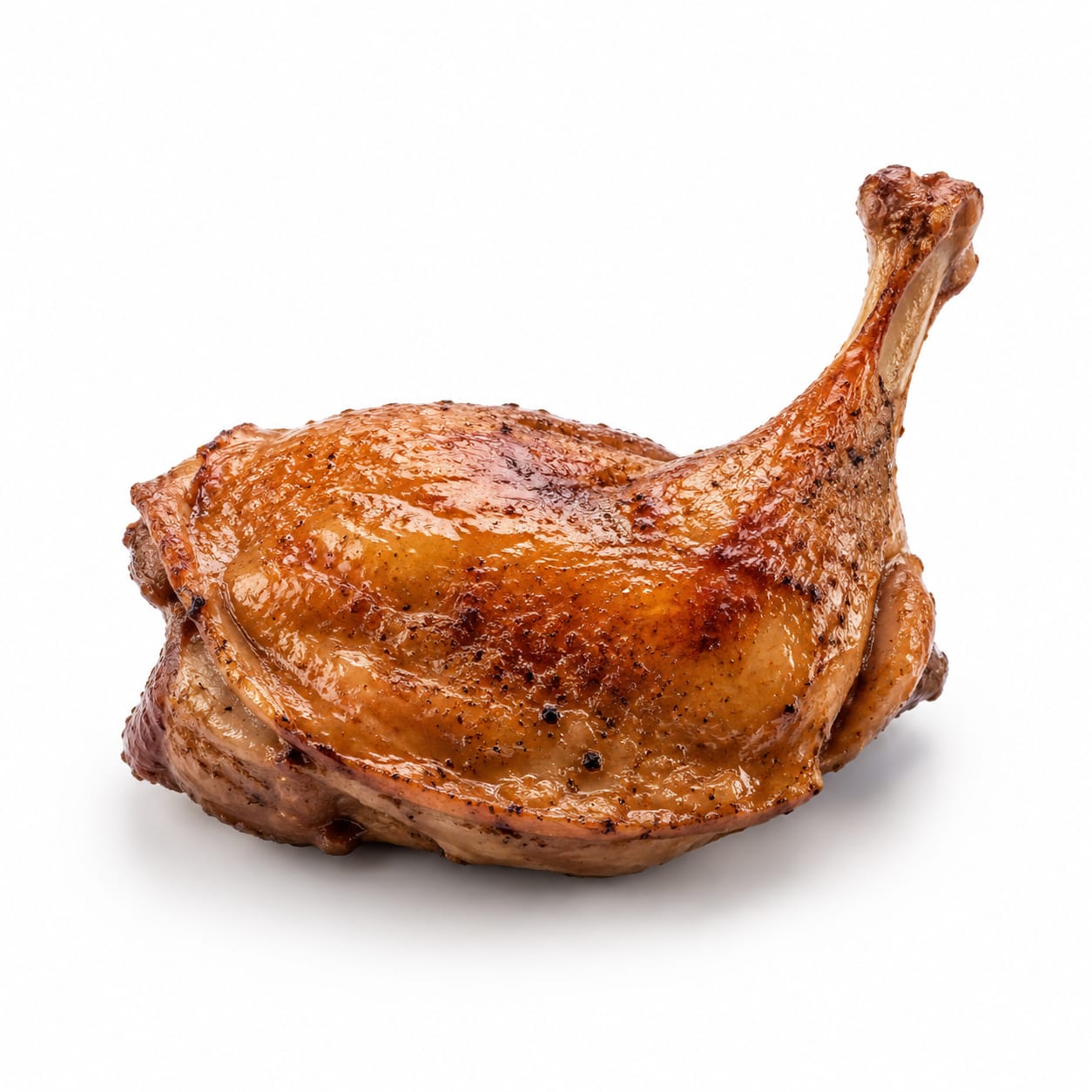
Pheasant
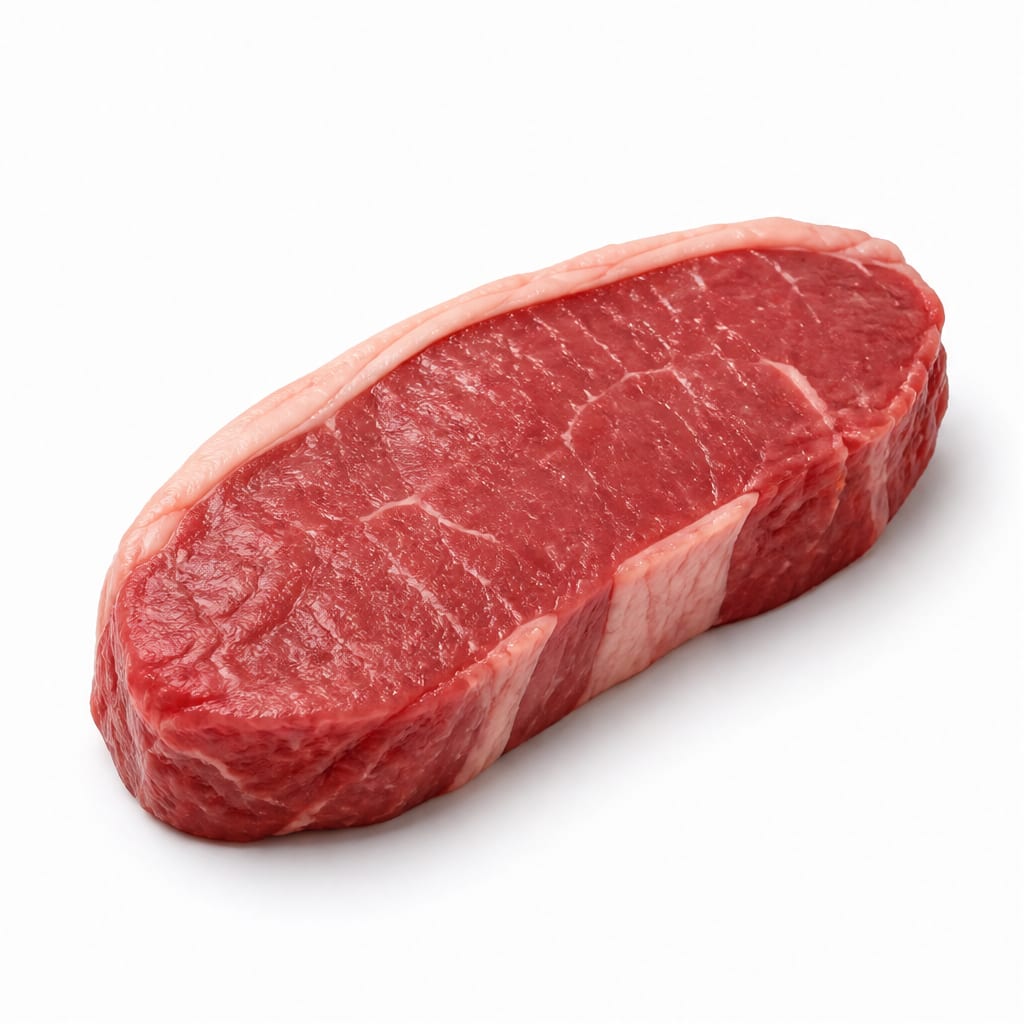
Beef Sirloin
Pheasant wins for leanness and lower saturated fat; beef sirloin wins for iron, B12, and everyday practicality.
Pheasant edges ahead on leanness and heart health, but beef sirloin's micronutrient superiority and everyday practicality keep it competitive. The narrow gap reflects that neither dominates universally.
You trade micronutrient density and convenience for significantly less saturated fat and fewer calories.
At a glance
Executive summary
Overall
It depends
Healthier
Pheasant
More practical
Beef Sirloin
Daily use
Beef Sirloin
Key comparison lenses
lean protein comparison for health-conscious meat eaters
Both are animal proteins but pheasant is significantly leaner, making this the central tradeoff
saturated fat and heart health impact
Beef sirloin carries notably more saturated fat, which directly affects cardiovascular risk
micronutrient density especially iron and B12
Beef sirloin dominates in heme iron and B12, a key reason people choose red meat
practicality and everyday accessibility
Pheasant is specialty meat with limited availability while beef sirloin is ubiquitous
contaminant and antibiotic exposure differences
Farmed beef carries different antibiotic and hormone exposure risks than pheasant farming
Best choice for
Pheasant
- People managing cholesterol or heart disease risk
- Those counting calories who still want satisfying protein
- Anyone reducing saturated fat without sacrificing meat
- Adventurous eaters seeking variety beyond standard meats
Beef Sirloin
- Anyone needing heme iron for anemia or low ferritin
- Athletes and lifters prioritizing creatine and B12
- Families wanting affordable, widely available protein
- Meal preppers who value consistent sourcing and portioning
Least suitable for
Pheasant
- Those with iron deficiency who need maximum heme iron
- Budget-conscious shoppers
- People who need reliable weekly meal planning
- Anyone uncomfortable cooking game birds
Beef Sirloin
- People with elevated LDL cholesterol
- Those actively reducing saturated fat intake
- Anyone avoiding red meat for cancer risk concerns
- Individuals following heart-protocol diets like Ornish or Esselstyn
Deep comparison
Dimension by dimension
Each lens scores both foods and breaks down who each option suits.
- Dimension 1 · Priority 95Pheasant
Saturated Fat and Heart Health
Pheasant · 90Beef Sirloin · 50Pheasant delivers roughly half the saturated fat per serving, making it clearly gentler on cardiovascular risk markers.
Tradeoff
You give up some flavor richness and mouthfeel that beef fat provides, which also carries fat-soluble vitamins.
Why it matters
Saturated fat directly raises LDL cholesterol. Over years, this difference compounds into meaningful heart disease risk.
Real-world impact
Choosing pheasant over beef sirloin a few times a week could meaningfully lower your lipid panel numbers over months.
Pheasant
- People with family history of heart disease
- Anyone with borderline high LDL
Better for
- Situations where fat-soluble vitamin absorption from the meal matters
Worse for
Beef Sirloin
- Those with healthy lipid panels who prioritize other nutrients
Better for
- Anyone already overconsuming saturated fat from other sources
Worse for
- Dimension 2 · Priority 90Beef Sirloin
Iron and B12 Density
Pheasant · 45Beef Sirloin · 92Beef sirloin is a powerhouse for heme iron and vitamin B12. Pheasant provides respectable amounts but cannot compete.
Tradeoff
You gain cardiovascular leanness with pheasant but sacrifice the single best dietary source of heme iron.
Why it matters
Heme iron absorbs 2-3x better than plant iron. B12 deficiency is common, especially in older adults. Beef delivers both efficiently.
Real-world impact
If your ferritin is low, replacing beef sirloin with pheasant regularly could slow your recovery noticeably.
Pheasant
- People with hemochromatosis or iron overload concerns
Better for
- Frequent blood donors needing iron replenishment
Worse for
Beef Sirloin
- Menstruating women with low iron
- Older adults at risk for B12 deficiency
- Anyone recovering from anemia
Better for
- People who should limit heme iron due to health conditions
Worse for
- Dimension 3 · Priority 85Pheasant
Calorie Density and Weight Management
Pheasant · 88Beef Sirloin · 62Pheasant is significantly lower in calories per serving while delivering comparable protein. This makes it more weight-loss friendly.
Tradeoff
Lower fat means less satiety for some people. You may feel hungrier sooner after pheasant compared to beef sirloin.
Why it matters
Calorie density drives overeating. Leaner proteins let you eat larger portions or save calories without sacrificing protein intake.
Real-world impact
A 6oz pheasant serving saves roughly 80-120 calories versus the same portion of beef sirloin. That adds up over a week.
Pheasant
- Active weight loss phases
- People who prefer larger food volumes
Better for
- Very active people who need calorie density to meet needs
Worse for
Beef Sirloin
- People who need longer-lasting satiety between meals
- Those at a healthy weight maintaining muscle
Better for
- Anyone struggling with portion control and weight
Worse for
- Dimension 4 · Priority 80Beef Sirloin
Protein Quality and Amino Acid Profile
Pheasant · 75Beef Sirloin · 88Both are complete proteins, but beef sirloin has a slightly higher essential amino acid density per calorie and more creatine.
Tradeoff
Pheasant protein is excellent but slightly less concentrated. You need a marginally larger portion to match beef's amino acid delivery.
Why it matters
For muscle maintenance and recovery, small differences in leucine content and creatine matter over time, especially for older adults.
Real-world impact
A post-workout beef sirloin meal edges out pheasant for muscle protein synthesis, though both work well.
Pheasant
- Casual exercisers who do not obsess over marginal protein optimization
Better for
- Competitive bodybuilders in peak phases
Worse for
Beef Sirloin
- Serious strength athletes
- Older adults fighting sarcopenia
Better for
- People who get enough protein from other sources already
Worse for
- Dimension 5 · Priority 80Beef Sirloin
Practicality and Accessibility
Pheasant · 30Beef Sirloin · 92Beef sirloin is available at every grocery store. Pheasant requires specialty butchers, online orders, or hunting connections.
Tradeoff
Choosing pheasant means planning ahead, paying more, and sometimes settling for frozen rather than fresh.
Why it matters
The best protein is the one you can consistently buy and cook. Accessibility determines long-term adherence.
Real-world impact
Most people cannot find pheasant on a Tuesday evening grocery run. Beef sirloin is always there.
Pheasant
- Rural areas with game hunting access
- Specialty food enthusiasts near quality butchers
Better for
- Last-minute dinner planning
- Budget meal planning
Worse for
Beef Sirloin
- Suburban and urban shoppers
- Busy families needing reliable meal ingredients
- Anyone meal prepping on a schedule
Better for
- Rare situations where beef supply is disrupted
Worse for
- Dimension 6 · Priority 70Pheasant
Contaminant and Antibiotic Exposure
Pheasant · 78Beef Sirloin · 55Pheasant, especially wild-caught, generally carries fewer antibiotics and hormones. Conventional beef has higher exposure to both.
Tradeoff
Wild pheasant carries its own risks like lead shot contamination. Farmed pheasant sits somewhere between wild and conventional beef.
Why it matters
Antibiotic residues and hormone exposure from conventional beef are small per meal but accumulate over decades of regular consumption.
Real-world impact
Choosing pheasant occasionally reduces your cumulative antibiotic exposure, though the absolute risk from beef is still debated.
Pheasant
- People avoiding conventional meat antibiotic concerns
- Those who can source truly wild pheasant
Better for
- Wild pheasant eaters who may ingest lead fragments
Worse for
Beef Sirloin
- Anyone buying grass-fed or organic beef, which narrows the gap significantly
Better for
- Those eating conventional beef daily for years
Worse for
Timeline
Health impact over time
Short-term
Hours to days
Pheasant
- Lighter post-meal feeling due to lower fat content
- Less digestive heaviness compared to red meat
- Slightly faster gastric emptying
Beef Sirloin
- More sustained fullness from higher fat and protein density
- Noticeable energy satisfaction lasting hours
- Possible sluggishness after large portions due to fat load
Long-term
Months to years
Pheasant
- Lower cumulative saturated fat intake supports heart health
- Reduced red meat consumption may lower colorectal cancer risk
- Potential iron shortfall if pheasant fully replaces beef without dietary compensation
Beef Sirloin
- Consistent heme iron and B12 intake prevents deficiencies
- Higher saturated fat intake may gradually elevate LDL
- Regular red meat consumption correlates with increased colorectal cancer risk in large studies
Risk profile
Safety & processing
Both pheasant and beef sirloin are whole, minimally processed meats. The naturalness difference comes from farming practices rather than processing. Wild pheasant is about as natural as meat gets. Conventionally raised beef sirloin involves more intervention but the meat itself remains unprocessed.
Pheasant
Lead shot contamination in wild pheasant
mediumWild-hunted pheasant may contain lead fragments. Lead exposure is particularly concerning for children and pregnant women. Farmed pheasant avoids this risk.
Undercooking and foodborne illness
mediumGame birds require thorough cooking. Undercooked pheasant can carry Salmonella or Campylobacter, similar to chicken.
Inconsistent handling in specialty supply chains
lowSmaller distribution networks may have less standardized cold chain management compared to mainstream beef supply.
Beef Sirloin
Antibiotic-resistant bacteria on conventional beef
mediumConventional beef processing carries higher risk of contamination with resistant bacteria. Proper cooking eliminates the pathogen risk but not the concern about agricultural practices.
Heme iron promoting oxidative stress at high intakes
lowExcessive heme iron can promote oxidative damage in the gut. This is a long-term concern at high consumption levels, not an acute safety issue.
Recalls and contamination events
lowGround beef faces more recalls, but whole sirloin cuts have lower surface contamination risk and are easier to cook safely.
Who wins for whom
Audience fit
Same foods, different winners depending on your goal.
children
Beef SirloinGrowing children benefit enormously from heme iron and B12. Beef sirloin delivers these reliably and is far easier to find and prepare consistently.
daily consumption
Beef SirloinAvailability, affordability, and familiarity make beef sirloin far more realistic as a regular protein. Pheasant works better as an occasional alternative.
diabetes
PheasantBoth are zero-carb, but pheasant's lower saturated fat content is better for the cardiovascular risks that disproportionately affect people with diabetes.
elderly
It dependsPheasant is easier to chew and digest, which matters for older adults. But beef sirloin's B12 and iron are critical for preventing age-related deficiencies. It depends on which risk is more pressing.
muscle gain
Beef SirloinHigher essential amino acid density, more creatine, and better overall protein concentration per serving support muscle growth more effectively.
weight loss
PheasantFewer calories per gram of protein make pheasant more weight-loss friendly. You can eat a satisfying portion without overshooting your calorie budget.
Your move
Decision guide
Choose Pheasant
- Your doctor has told you to reduce saturated fat or lower LDL cholesterol
- You are actively losing weight and want maximum protein with minimum calories
- You enjoy game meats and can source pheasant reliably
- You eat red meat frequently and want to rotate in a leaner alternative
Choose Beef Sirloin
- You have low iron or B12 levels confirmed by bloodwork
- You need a dependable protein source you can buy any day of the week
- You are building muscle and want the most anabolic protein per serving
- You are feeding a family and need affordable, crowd-pleasing protein
Either works if
- You rotate proteins throughout the week anyway
- You have no specific nutrient deficiencies or cardiovascular concerns
- You enjoy cooking and want variety in your meat selection
Avoid both if
- You have gout and are sensitive to purine-rich meats
- You are following a plant-based or vegan diet
- You have severe kidney disease requiring protein restriction
Final recommendation
Eat beef sirloin as your default for its nutrient density and practicality, but swap in pheasant a few times a month when you can find it. This gives you the iron and B12 benefits of beef while cutting your saturated fat exposure meaningfully over time. If heart health is your top concern, tilt the ratio toward pheasant. If energy and iron are your priorities, keep beef sirloin more frequent.
Practical
Consumer tips
- 1
If buying wild pheasant, ask about lead shot and inspect meat carefully before cooking
- 2
Choose grass-fed beef sirloin when possible to reduce antibiotic and hormone exposure while improving omega-3 content
- 3
Pheasant pairs well with root vegetables and hearty grains that add the satiety its leanness lacks
- 4
Do not overcook pheasant. Its low fat makes it dry out faster than beef sirloin. Use a meat thermometer.
- 5
If pheasant is unavailable or too expensive, chicken thigh is a closer practical substitute than trying to replicate beef sirloin's nutrient profile
- 6
Marinate beef sirloin to improve tenderness and reduce cooking-related carcinogens from high-heat grilling
- 7
Freeze pheasant portions when you find them. Availability is seasonal and inconsistent.