
Fruit
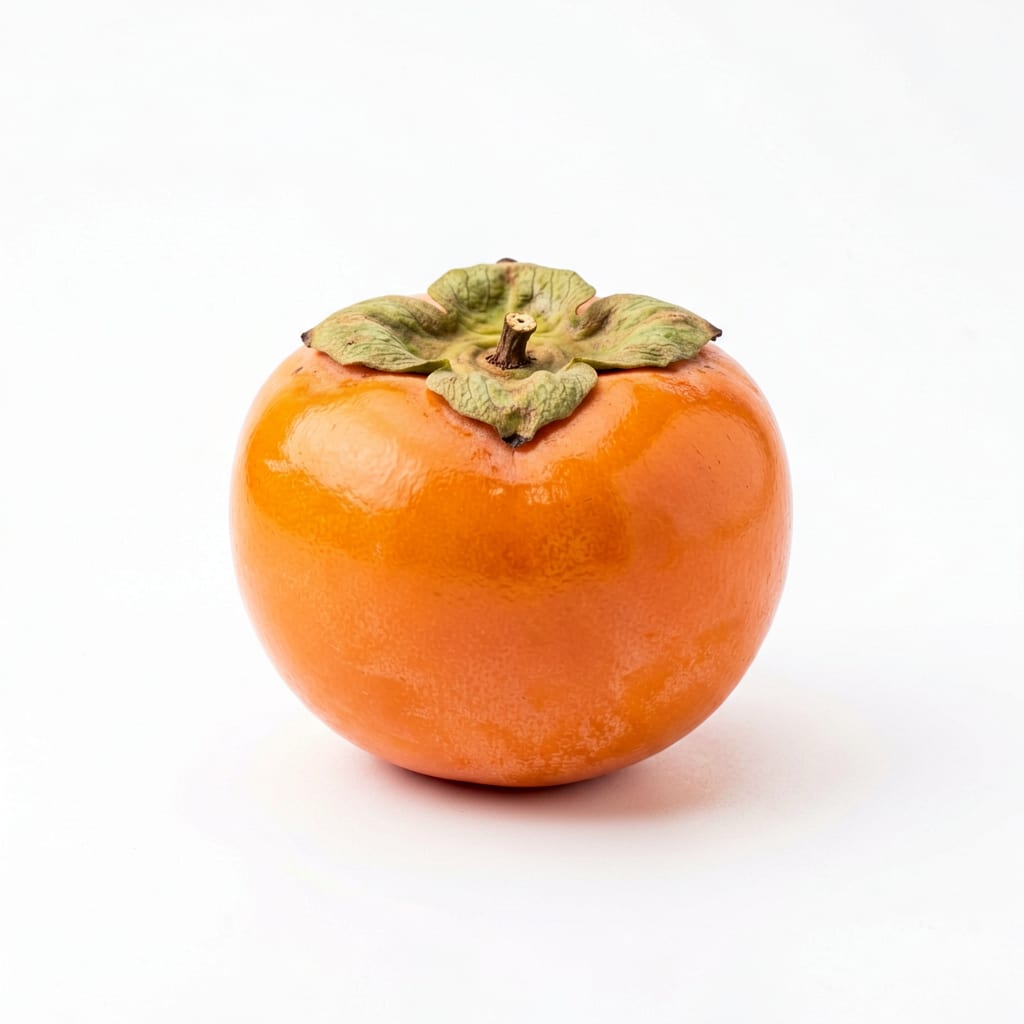
Persimmon
A sweet, orange autumn fruit high in vitamin A and fiber, known for its unique honey-like flavor when ripe.
A sweet, orange fruit resembling a tomato, native to Asia and popular in autumn, known for its honey-like flavor when fully ripe.
carbohydrate-dense whole fruit
Typical serving · 168g
Common varieties · fuyu, hachiya, sharon, american, kaki
Overall context score across nutrition, safety, and diet fit
At a glance
Quick facts
Simple indicators based on nutrition, processing, and diet fit.
The story
What makes it unique
Persimmons are rich in simple sugars and soluble fiber, which moderate digestion speed and provide moderate satiety. Their macronutrient profile is carbohydrate-dominant with negligible fat and protein. They are distinguished by high levels of tannins (proanthocyanidins) in unripe fruits, which decrease as the fruit ripens and processes naturally through softening.
Varieties: fuyu · hachiya · sharon · american · kaki
Per 100g
Nutrition breakdown
Macro balance and key metrics at a glance.
Energy
Density 1.27 kcal/g
Protein
Carbs
Fat
Fiber
Sugar
25 g
Sodium
1 mg
Potassium
310 mg
Glycemic index
50
Glycemic load
13
Water content
64%
Standout compounds
Nutrient highlights
Vitamin A
highSupports vision and immune function
Vitamin C
moderatePromotes collagen synthesis and antioxidant defense
Manganese
moderateAids metabolism and bone formation
Fiber
moderateSupports digestive regularity and gut microbiome
Tannins
highProvides antioxidant and anti-inflammatory properties
Wellness map
Health scores & processing
NOVA processing scale
minimally processed · Whole food
Whole fruit consumed raw or dried without added sugars or artificial ingredients.
Diet compatibility
- Weight loss
- Muscle gain
- Diabetes
- Gut health
- Low carb
- High protein
- Heart health
Relative standing
Food rankings
Qualitative ranks compared to similar whole foods.
- Satietygood
- Blood sugarmoderate
- Nutrient densitygood
- Fitness fuelgood
- Processing qualityexcellent
Eat with confidence
Food safety profile
Persimmons are generally safe, but consuming large quantities of unripe astringent varieties can form phytobezoars in the stomach due to high tannin content binding with stomach proteins.
Evidence confidence 90%
- Pesticideslow
- Antibioticslow
- Heavy metalslow
- Contaminationlow
Watch for
- pesticide residue on skin
Safer choices
Organic persimmons to avoid skin pesticide residue.
Prep tips
Wash thoroughly under running water. Peel if concerned about pesticides or tannin astringency.
Standard fruit safety regulations apply; minimal specific restrictions.
Deep dive
Health analysis
How this food may fit different goals and preparation choices.
Weight loss
Moderate calorie density and high water content support volume eating, but natural sugars require portion awareness.
Blood sugar
Moderate glycemic index means it raises blood sugar steadily, but the fiber content helps slow glucose absorption.
Fitness & energy
Provides quick-digesting carbohydrates ideal for pre-workout energy, though lacking protein for muscle recovery.
Gut health
Soluble fiber supports healthy bowel movements, but unripe fruits contain tannins that can cause severe constipation or bezoars.
Processing quality
A whole, unprocessed food with no added ingredients, retaining all natural micronutrients and fiber.
Food safety
Generally very safe; primary risk is gastrointestinal discomfort from eating unripe astringent varieties or excessive consumption.
Common mistakes
Eating astringent varieties before they are fully ripe and soft, or consuming too many at once which can cause digestive blockages.
Best preparation
Eaten raw when fully ripe, added to salads, or dried as a naturally sweet snack.
Practical guide
Best use cases
When and how this food fits real eating patterns.
pre-workout carbohydrate source
Provides fast-digesting natural sugars for quick energy before exercise.
autumn seasonal sweet treat
Satisfies sweet cravings naturally with whole-food micronutrients.
natural vitamin A boost
Supports vision and immune function with high beta-carotene content.
Balance sheet
Pros & cons
Upsides
- Rich in vitamin A and beta-carotene for eye health
- Good source of dietary fiber for digestion
- Contains beneficial antioxidants and tannins
- Naturally sweet whole food with no added sugars
- Provides quick-digesting carbs for physical activity
Trade-offs
- Relatively high in natural sugars compared to berries
- Unripe astringent varieties can cause mouth puckering and digestive blockages
- Not a significant source of protein or healthy fats
- Short seasonal availability in many regions
- Can cause blood sugar spikes if eaten in large quantities alone
Fit check
Who is it for?
Great match
- pre-workout energy
- seasonal whole-food snacking
- vitamin A supplementation through diet
Consider alternatives
- strict ketogenic diets
- high-protein diets
- severe diabetics with unmonitored carb intake
Side by side
How it compares
Open the full head-to-head analysis for nutrition, safety, and practical tradeoffs.
This food
Persimmon
VS85% alike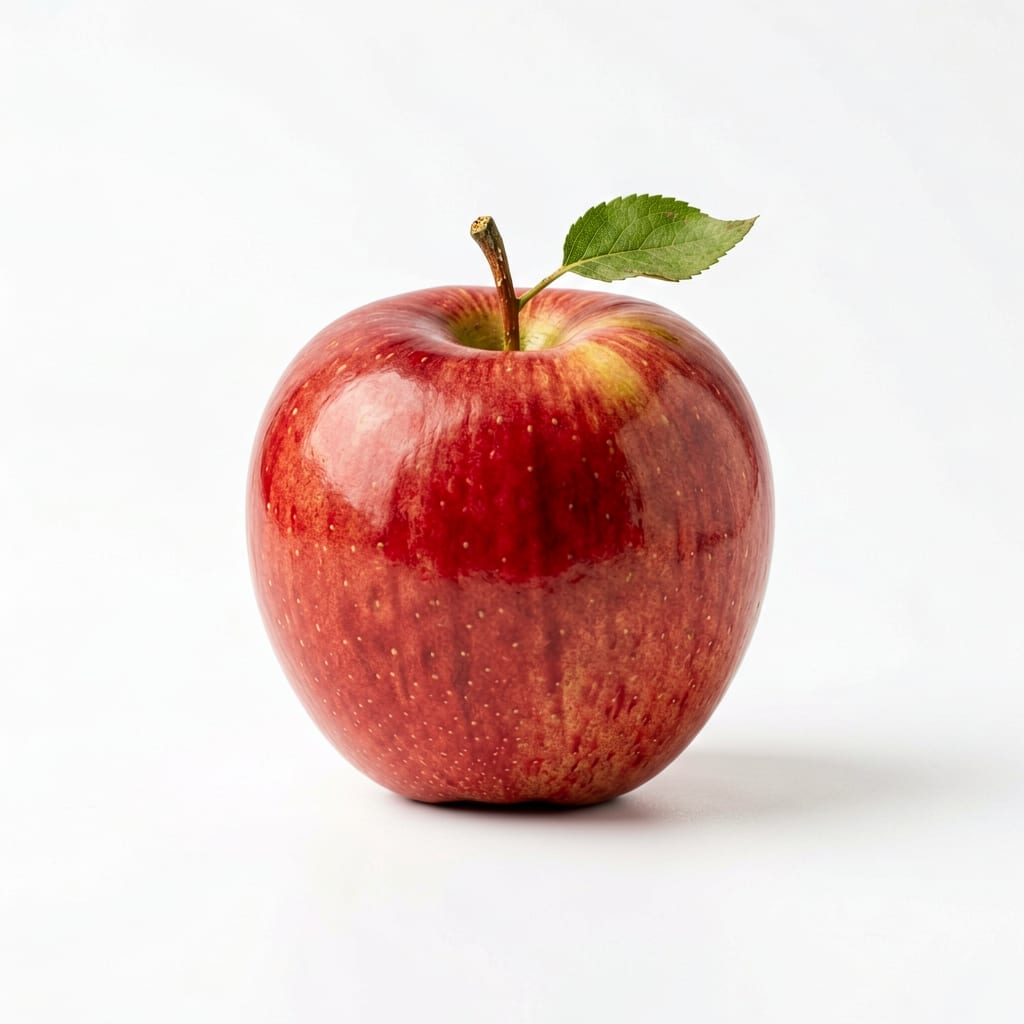
Compare with
Apple
Apples are lower in sugar and better for weight loss, while persimmons provide more vitamin A and quicker energy.
Apples are lower in sugar and better for weight loss, while persimmons provide more vitamin A and quicker energy.
This food
Persimmon
VS90% alike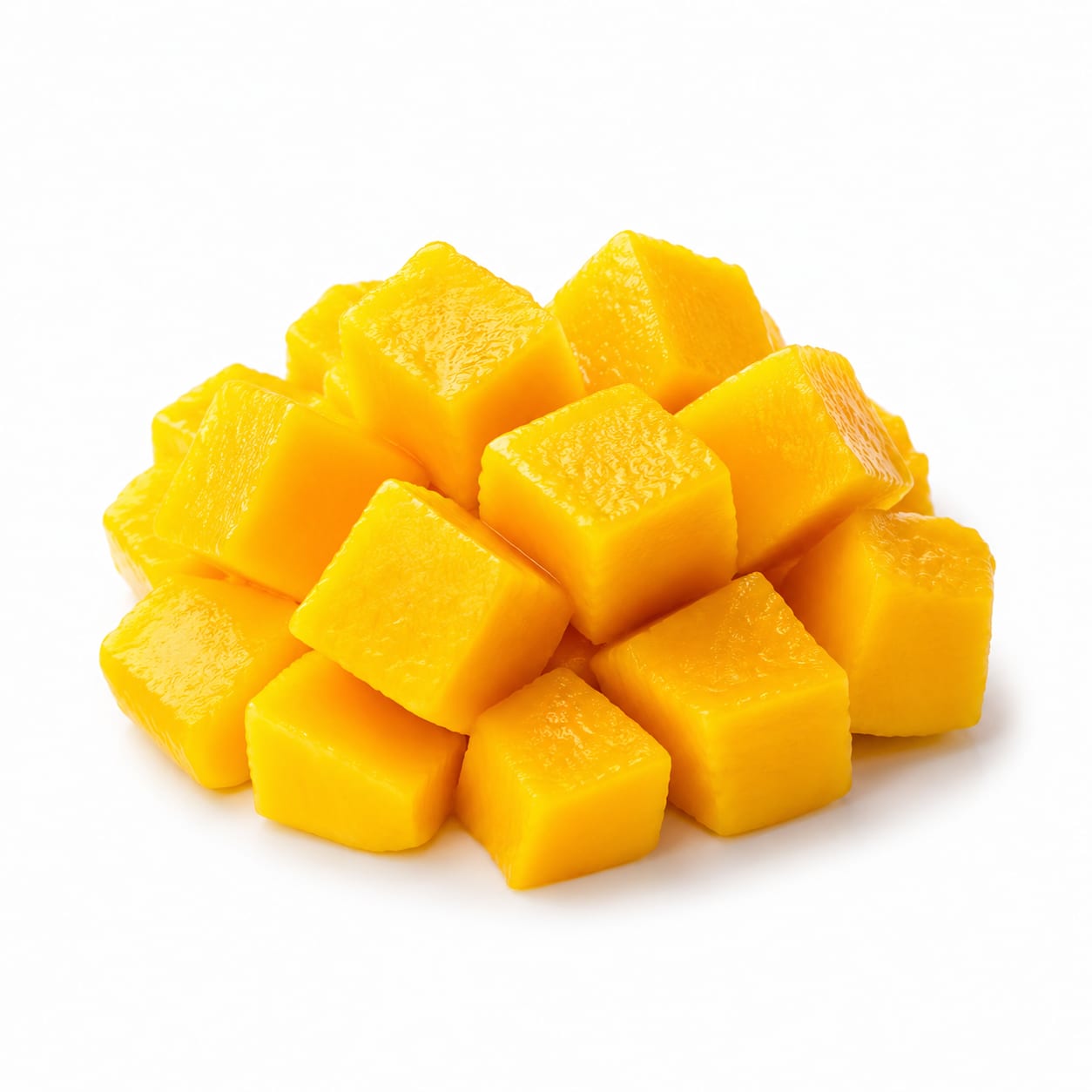
Compare with
Mango
Mangoes and persimmons are both high in vitamin A and natural sugars, but persimmons have a lower glycemic impact.
Mangoes and persimmons are both high in vitamin A and natural sugars, but persimmons have a lower glycemic impact.
This food
Persimmon
VS80% alike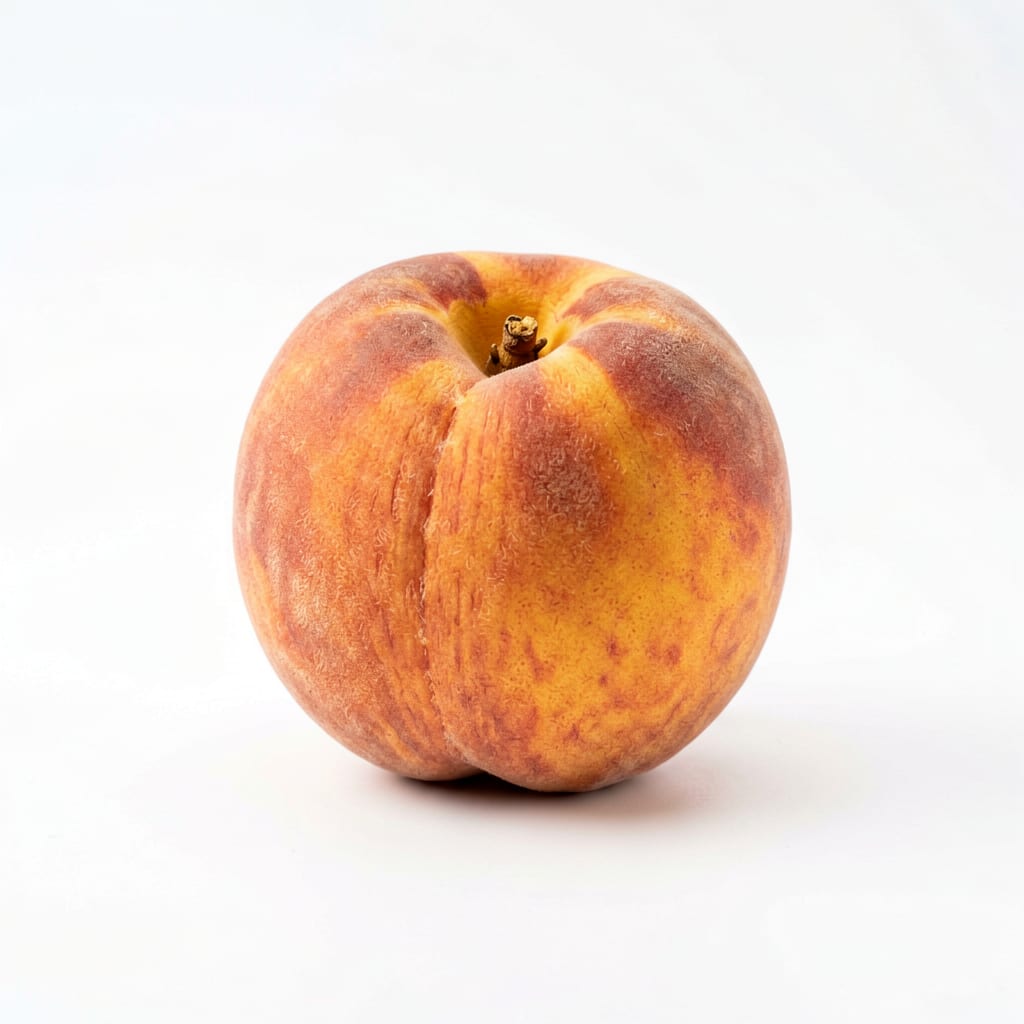
Compare with
Peach
Peaches are significantly lower in calories and sugar for weight loss, while persimmons offer denser energy and more vitamin A.
Peaches are significantly lower in calories and sugar for weight loss, while persimmons offer denser energy and more vitamin A.
This food
Persimmon
VS85% alike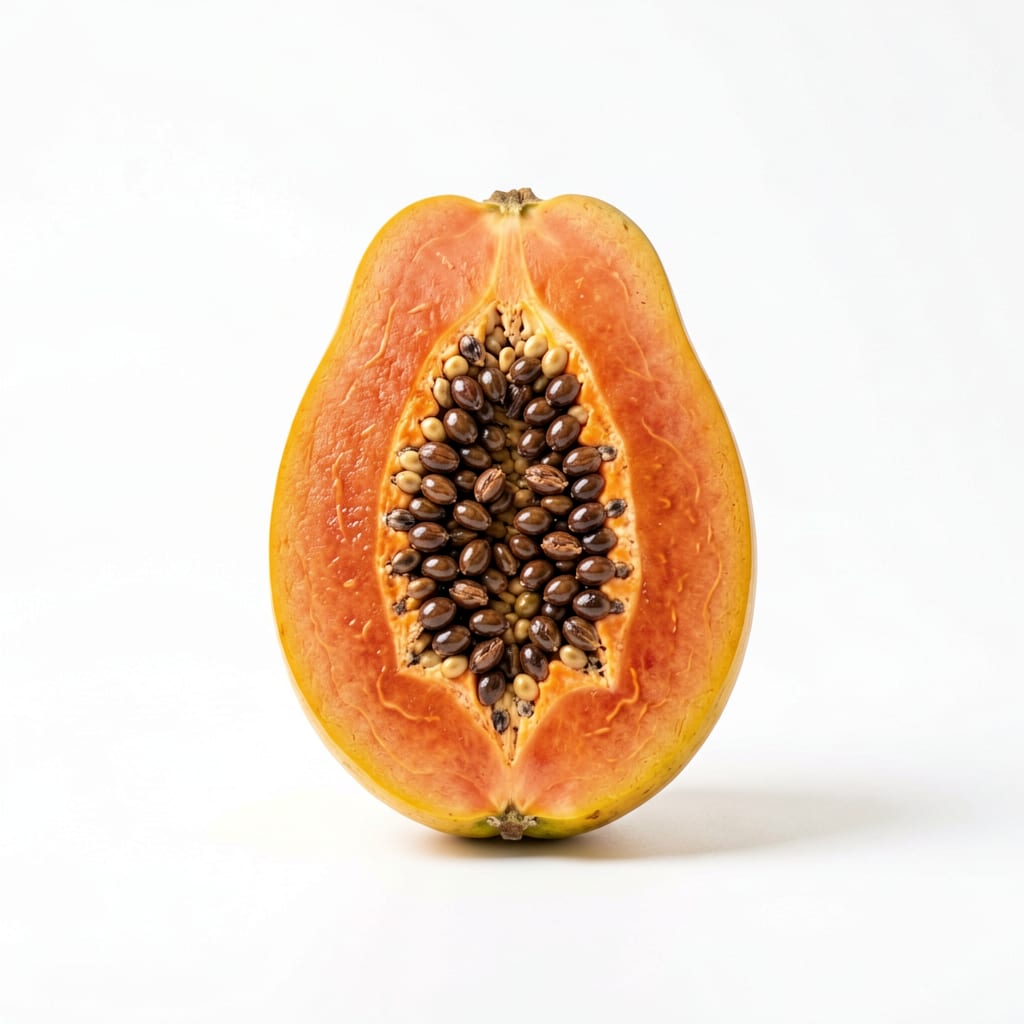
Compare with
Papaya
Papaya is lower in calories and sugar with digestive enzymes, whereas persimmons provide more carbohydrates for workout fuel.
Papaya is lower in calories and sugar with digestive enzymes, whereas persimmons provide more carbohydrates for workout fuel.
This food
Persimmon
VS75% alike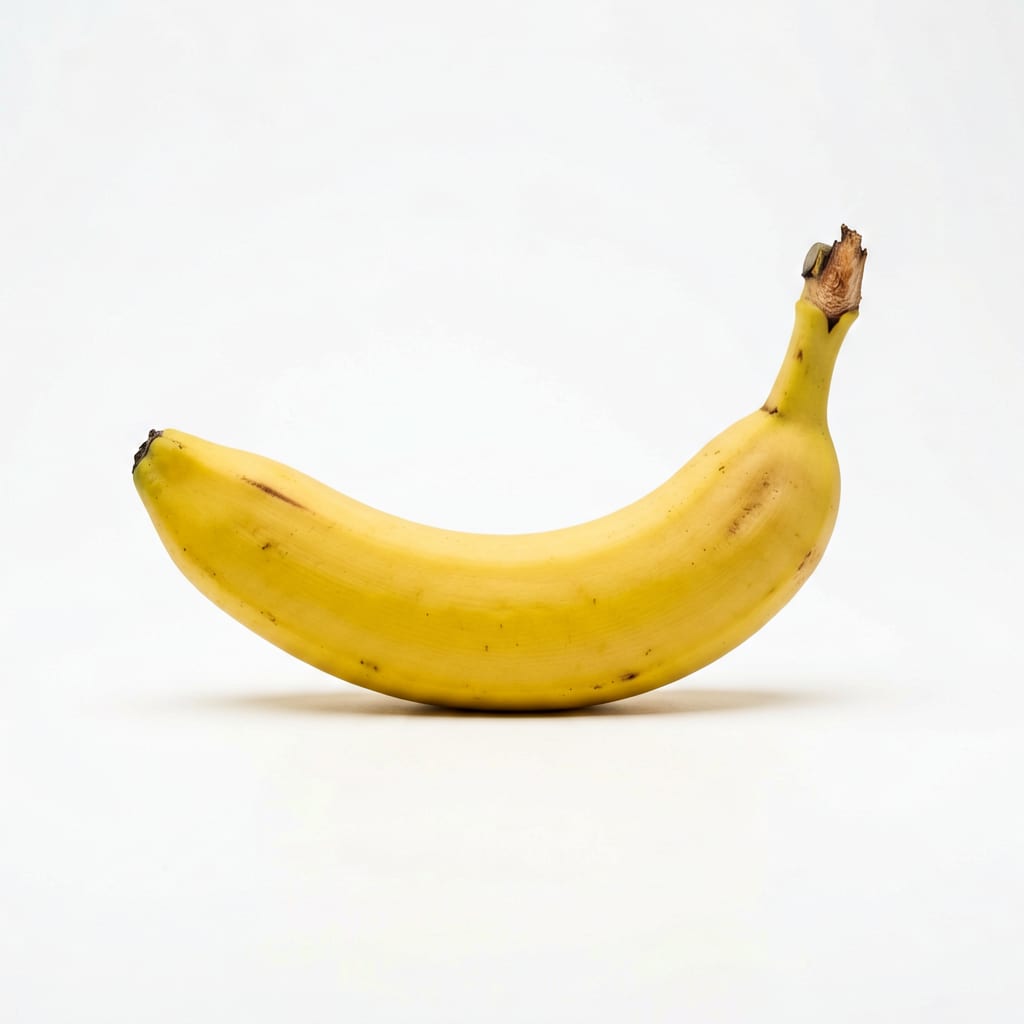
Compare with
Banana
Bananas offer more potassium and satiety, while persimmons provide a stronger vitamin A boost and slightly fewer calories.
Bananas offer more potassium and satiety, while persimmons provide a stronger vitamin A boost and slightly fewer calories.
This food
Persimmon
VS80% alike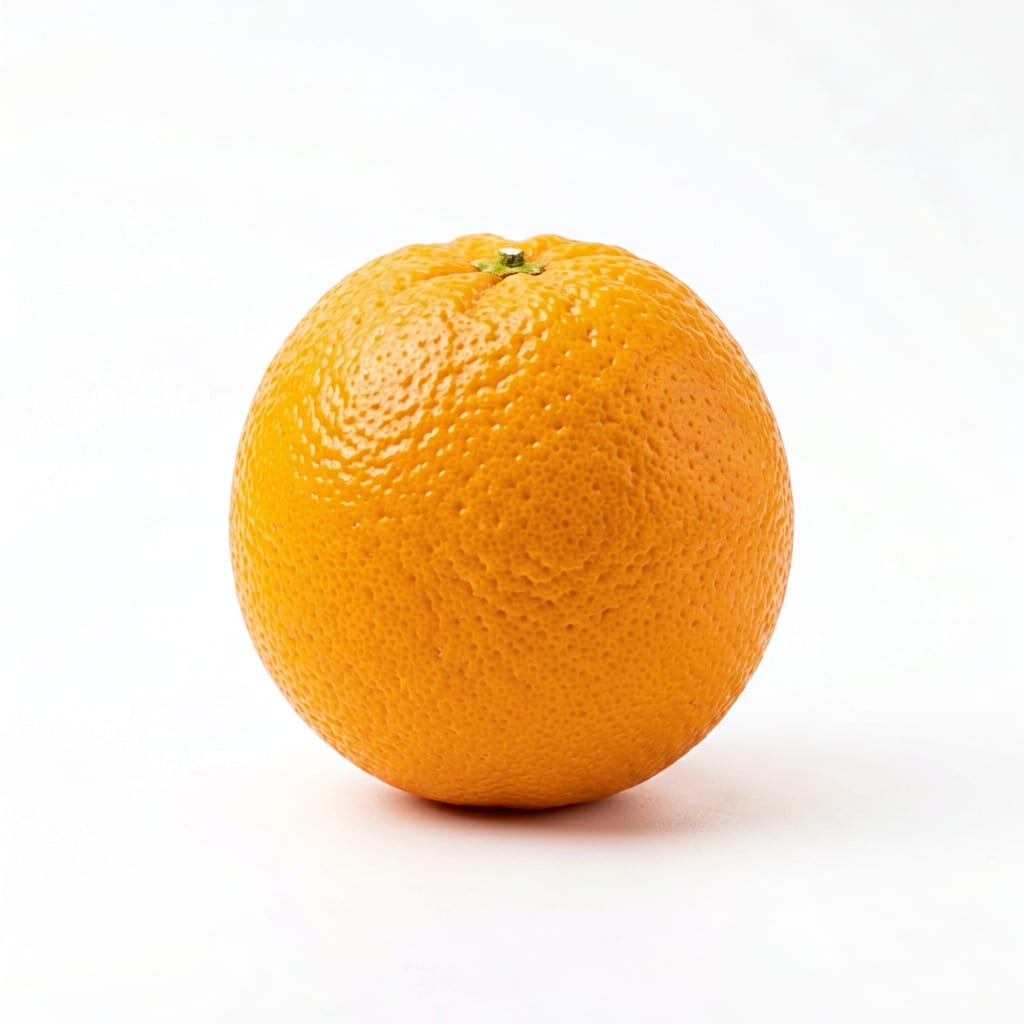
Compare with
Orange
Oranges are lower in calories and higher in vitamin C, while persimmons are richer in vitamin A and natural sugars.
Oranges are lower in calories and higher in vitamin C, while persimmons are richer in vitamin A and natural sugars.
This food
Persimmon
VS65% alike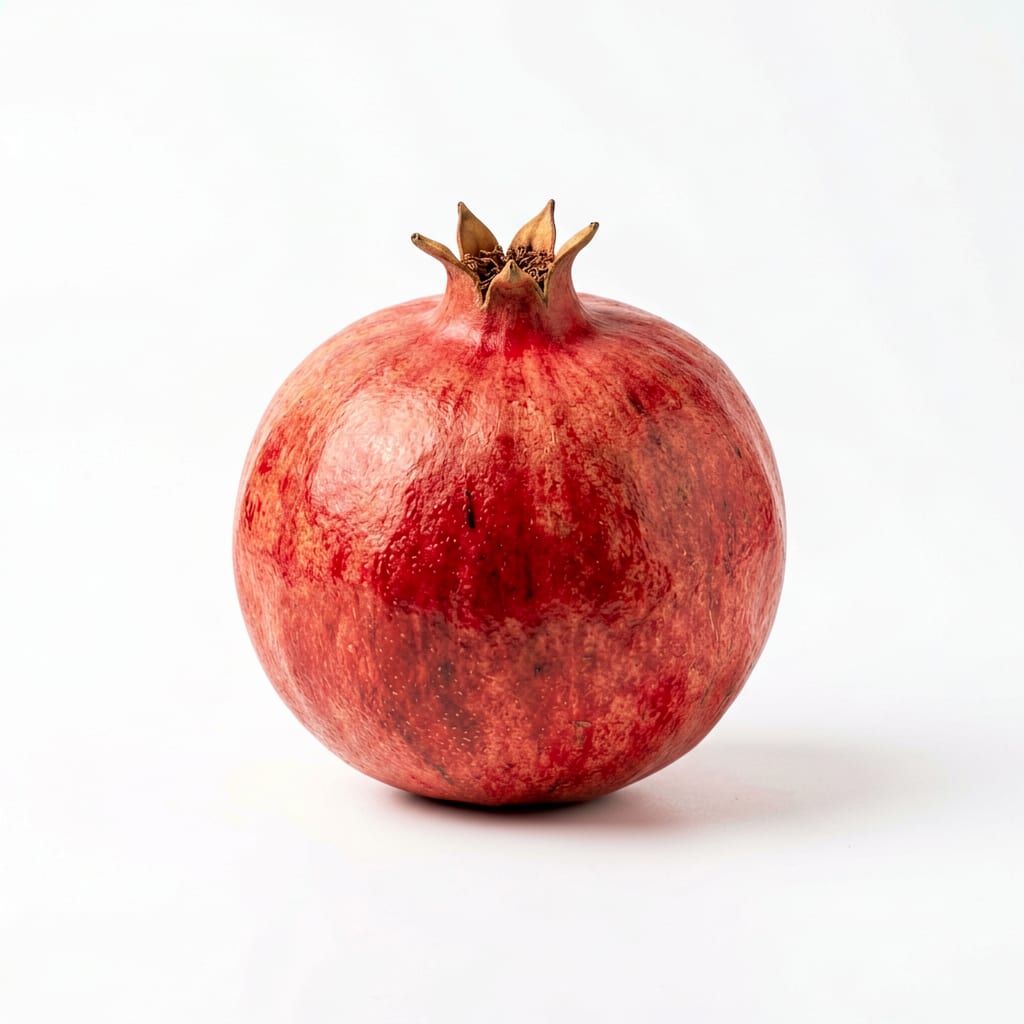
Compare with
Pomegranate
Pomegranates are lower in sugar and rich in unique antioxidants, while persimmons offer quicker carbohydrates and more vitamin A.
Pomegranates are lower in sugar and rich in unique antioxidants, while persimmons offer quicker carbohydrates and more vitamin A.
This food
Persimmon
VS50% alike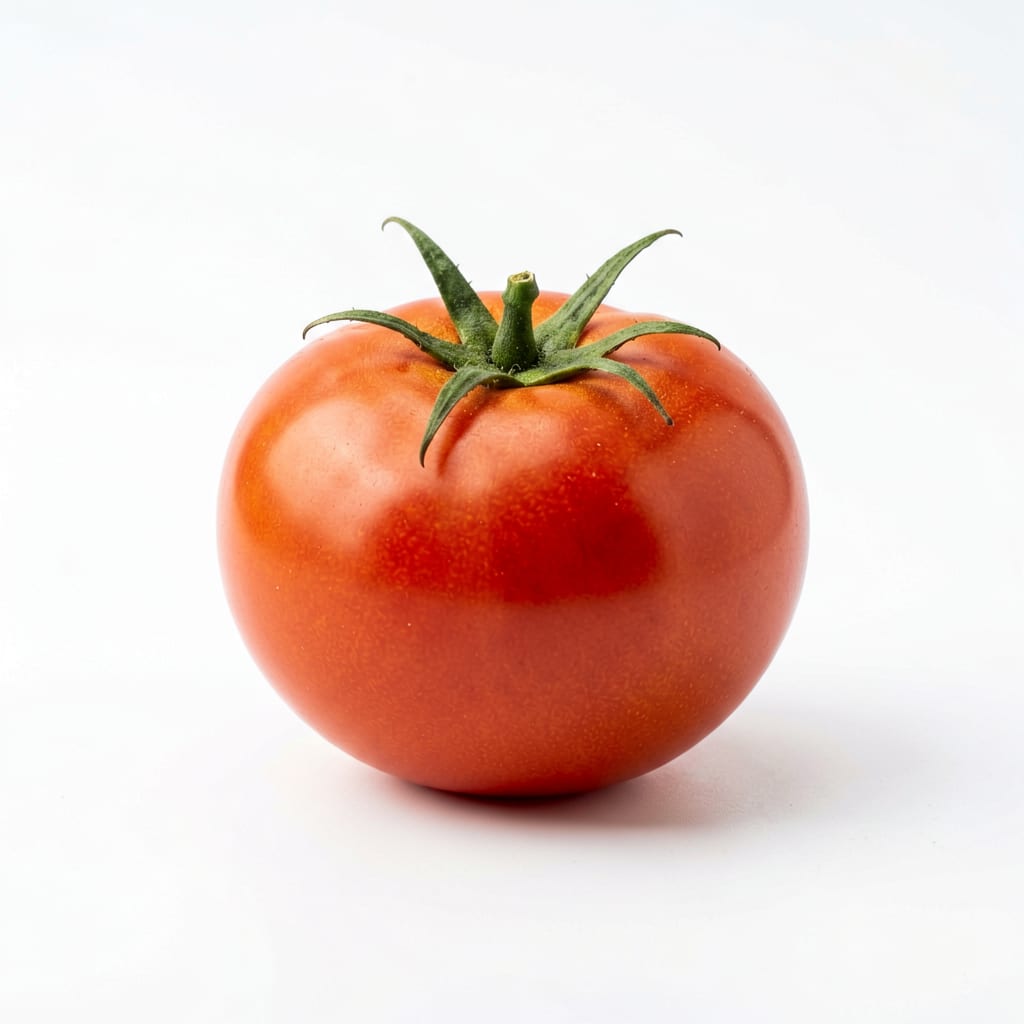
Compare with
Tomato
Tomatoes are extremely low in calories and sugar, making them better for weight loss, while persimmons are a sweet, energy-dense fruit.
Tomatoes are extremely low in calories and sugar, making them better for weight loss, while persimmons are a sweet, energy-dense fruit.
This food
Persimmon
VS60% alike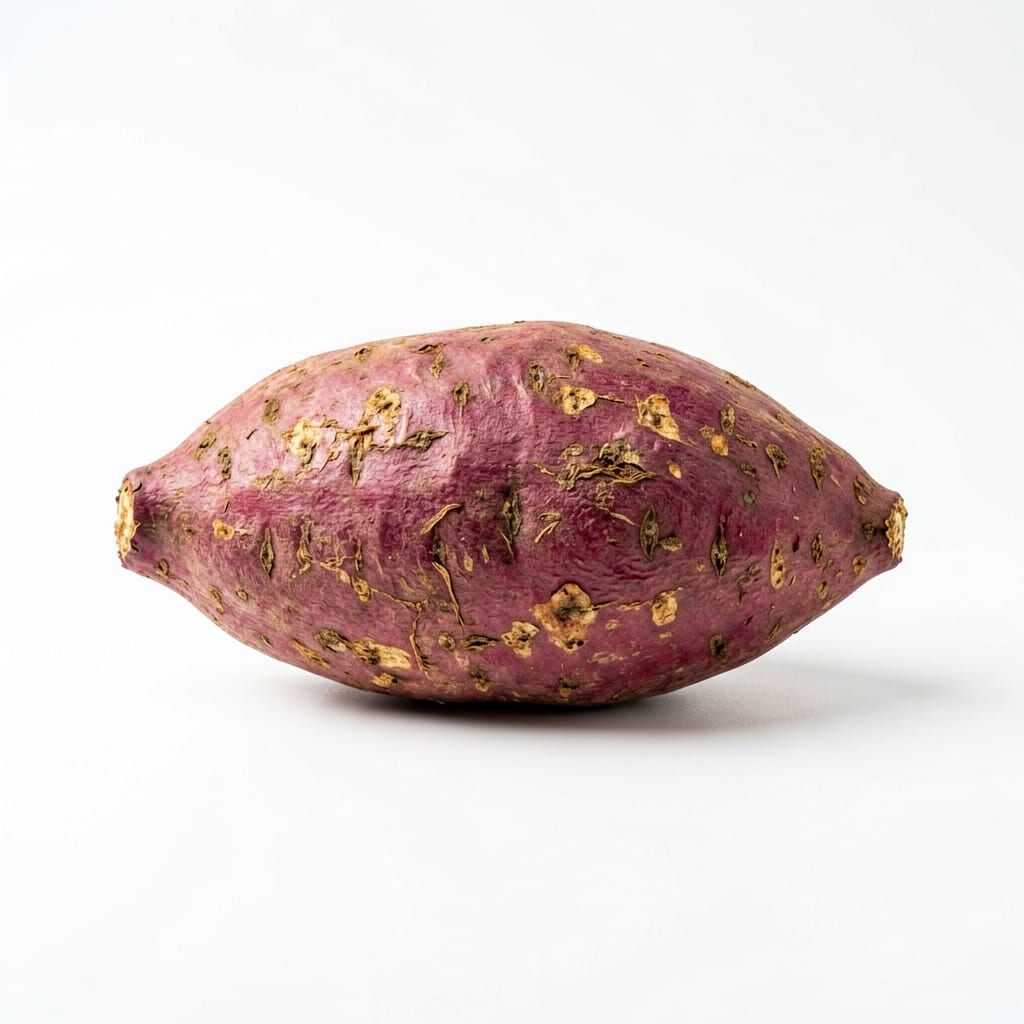
Compare with
Sweet Potato
Sweet potatoes offer complex carbs and more fiber, while persimmons provide simple sugars for quick energy and a similar vitamin A profile.
Sweet potatoes offer complex carbs and more fiber, while persimmons provide simple sugars for quick energy and a similar vitamin A profile.
This food
Persimmon
VS80% alike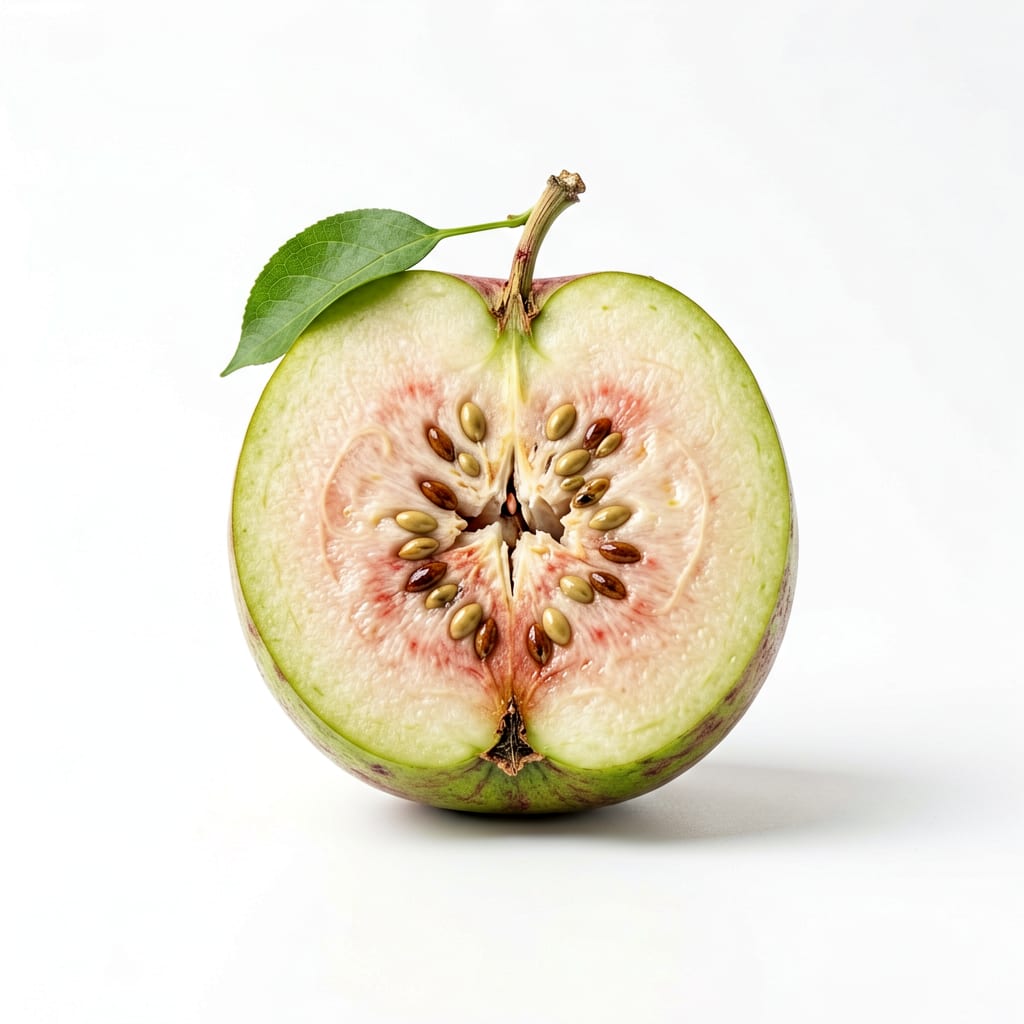
Compare with
Fig
Figs are denser in fiber and slightly higher in calories, while persimmons offer a larger volume of food per calorie and more vitamin A.
Figs are denser in fiber and slightly higher in calories, while persimmons offer a larger volume of food per calorie and more vitamin A.
Common questions
FAQ
Answers aligned with how people search for this food.
Are persimmons good for weight loss?
Yes, their high water and fiber content promote fullness, making them a satisfying sweet treat for a moderate calorie count.
Can diabetics eat persimmons?
Yes, in moderation. They have a moderate glycemic index, so pairing them with a protein or fat can help prevent blood sugar spikes.
Why do persimmons make your mouth feel dry?
Unripe astringent persimmons contain soluble tannins that bind to proteins in your saliva, causing a dry, puckering sensation.
What happens if you eat an unripe persimmon?
Eating large amounts of unripe astringent persimmons can cause a phytobezoar, a hard mass of fiber and tannin that can block the digestive tract.
How many carbs are in a persimmon?
There are about 33.5 grams of carbohydrates per 100 grams of raw persimmon, primarily from natural sugars.
Is persimmon high in sugar?
Persimmons are relatively high in natural fruit sugar, containing about 25 grams per 100 grams, which contributes to their sweet taste when ripe.
Do persimmons cause constipation?
Ripe persimmons provide fiber that aids digestion, but unripe persimmons contain tannins that can slow digestion and cause severe constipation.
What does a persimmon taste like?
When fully ripe, persimmons have a sweet, rich flavor often compared to honey or apricot, with a custard-like texture.
Transparency
Data confidence
Estimated confidence for nutrition data, interpretation, safety notes, and comparisons.
Nutrition data
Health analysis
Food safety
Comparisons