
Nutrition comparison
Persimmon vs Sweet Potato: Nutrition, Satiety, and Health Comparison
Compare Persimmon vs Sweet Potato for blood sugar, satiety, and vitamins. Find out which is better for weight loss, energy, and daily meals.
Overall winner · Sweet Potato
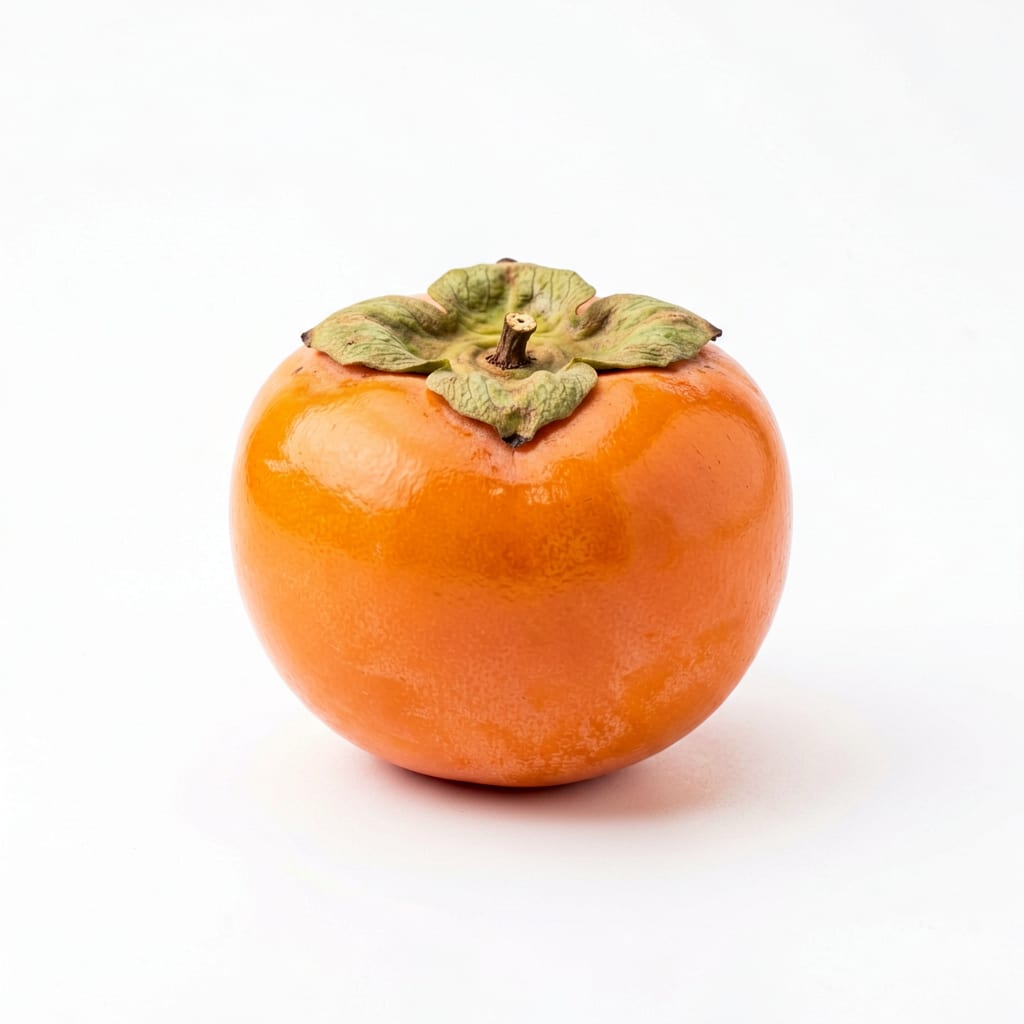
Persimmon
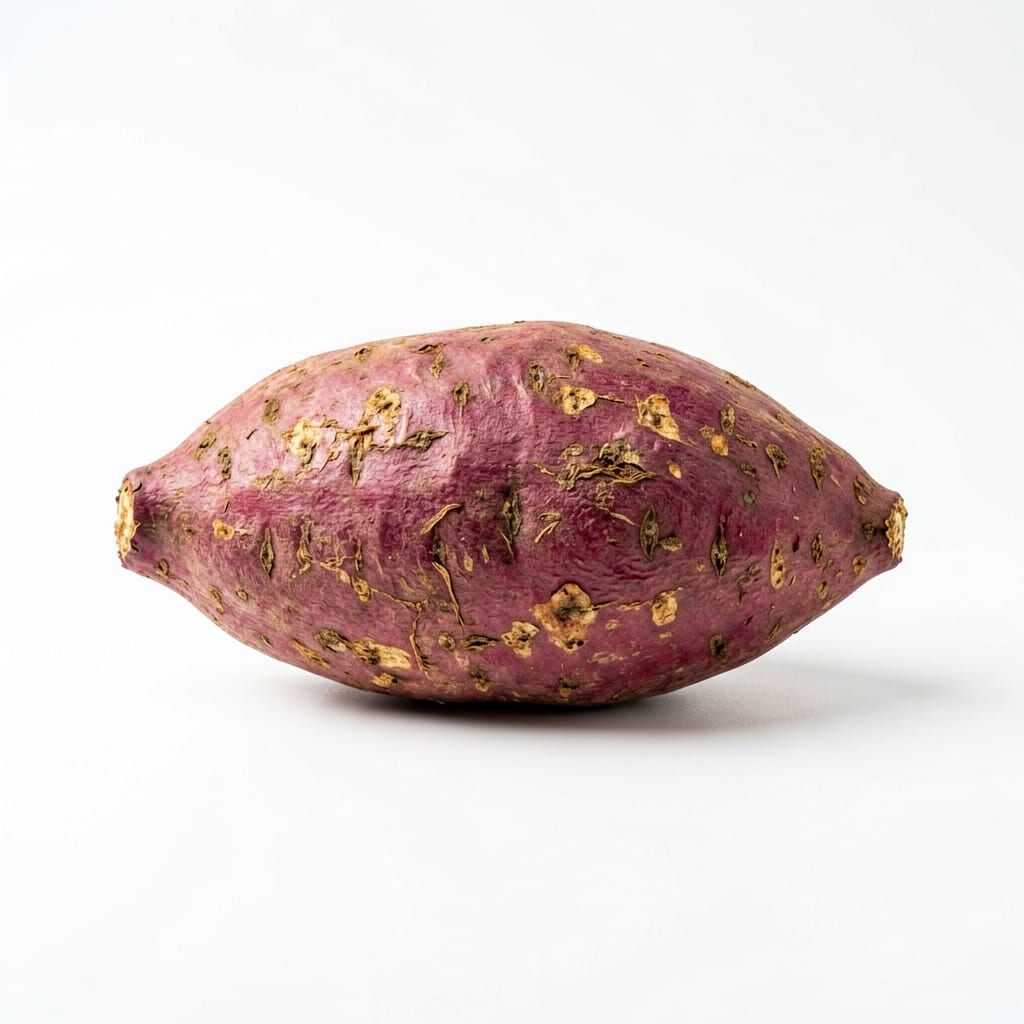
Sweet Potato
Sweet Potato offers steadier energy and broader meal versatility, while Persimmon delivers a sweeter, antioxidant-rich punch best enjoyed in moderation.
Sweet Potato scores higher due to its superior satiety, steadier energy release, and meal versatility, though Persimmon remains an excellent source of vitamin C and unique antioxidants.
Quick fruit sugar and snack convenience versus slow-burning starch and meal-building satiety.
At a glance
Executive summary
Overall
Sweet Potato
Healthier
Sweet Potato
More practical
Sweet Potato
Daily use
Sweet Potato
Key comparison lenses
Blood sugar impact of fruit sugar versus complex starch
Persimmon is notably high in sugar for a fruit, while Sweet Potato is a starchy carb staple, making their metabolic effects a primary concern for most users.
Meal role versatility and satiety
Sweet Potato acts as a filling meal anchor, whereas Persimmon is a light snack or dessert, dictating how users actually integrate them into a daily diet.
Vitamin A and antioxidant sourcing
Both foods are famous for their orange beta-carotene content, but users may not realize how their other antioxidants and vitamins differ significantly.
Best choice for
Persimmon
- Quick sweet cravings
- Antioxidant and vitamin C boost
- On-the-go snacking
Sweet Potato
- Steady energy throughout the day
- Pre-workout fueling
- Budget-friendly family meals
Least suitable for
Persimmon
- Strict low-carb diets
- Blood sugar management
- People sensitive to tannins
Sweet Potato
- Low-calorie snacking
- Raw food diets
- Quick no-prep meals
Deep comparison
Dimension by dimension
Each lens scores both foods and breaks down who each option suits.
- Dimension 1 · Priority 90Sweet Potato
Blood Sugar Stability
Persimmon · 55Sweet Potato · 75Sweet Potato provides complex carbohydrates that digest more slowly, while Persimmon contains simple sugars that can cause a quicker spike.
Tradeoff
You trade the instant sweet satisfaction of Persimmon for the longer-lasting, crash-free energy of Sweet Potato.
Why it matters
Avoiding energy crashes helps maintain focus and prevents cravings an hour after eating.
Real-world impact
Eating a Sweet Potato with lunch keeps you full until dinner; a Persimmon might leave you hunting for a snack by 3 PM.
Persimmon
- Quick pre-workout energy
Better for
- Late-night snacking
- Insulin resistance
Worse for
Sweet Potato
- Steady energy at the office
- Managing diabetes
Better for
- Immediate energy recovery
Worse for
- Dimension 2 · Priority 85Sweet Potato
Satiety & Fullness
Persimmon · 60Sweet Potato · 85Sweet Potato is a dense, starchy food that physically fills the stomach and triggers fullness signals, whereas Persimmon is lighter and less satiating.
Tradeoff
Sweet Potato requires cooking and chewing time but rewards you with hours of fullness; Persimmon is a quick bite that passes through faster.
Why it matters
Staying full between meals reduces the urge to overeat or graze on less healthy options.
Real-world impact
A baked Sweet Potato is a meal anchor; a Persimmon is just a temporary bridge.
Persimmon
- Light snacking
Better for
- Going long hours without eating
Worse for
Sweet Potato
- Replacing a meal
- Cutting daily calories
Better for
- When you need a light stomach before a run
Worse for
- Dimension 3 · Priority 75It depends
Micronutrient Density
Persimmon · 80Sweet Potato · 85Both are vitamin A powerhouses, but Sweet Potato offers more potassium and sustained B-vitamins, while Persimmon brings a hit of vitamin C and unique antioxidants like lycopene.
Tradeoff
Sweet Potato is better for electrolytes and overall volume of nutrients, while Persimmon excels at immune-supporting vitamin C.
Why it matters
Diverse micronutrients support everything from vision to immune function without needing supplements.
Real-world impact
Sweet Potato helps with muscle cramps and recovery; Persimmon helps ward off a cold.
Persimmon
- Immune support during cold season
Better for
- Potassium-heavy needs
Worse for
Sweet Potato
- Replenishing electrolytes after sweating
Better for
- High vitamin C requirements
Worse for
- Dimension 4 · Priority 80Sweet Potato
Culinary Versatility & Meal Integration
Persimmon · 50Sweet Potato · 90Sweet Potato can be roasted, mashed, baked, or stuffed into savory and sweet dishes. Persimmon is mostly limited to raw snacking or desserts.
Tradeoff
Sweet Potato takes prep time but fits into nearly any meal, while Persimmon is ready-to-eat but one-dimensional.
Why it matters
Foods that integrate easily into dinners and lunches are easier to eat consistently.
Real-world impact
You can meal-prep Sweet Potatoes for the week; Persimmons require careful ripening timing and are harder to plan around.
Persimmon
- No-cook breakfast addition
Better for
- Savory dish building
Worse for
Sweet Potato
- Meal prepping
- Family dinners
Better for
- Backpacking or no-kitchen access
Worse for
- Dimension 5 · Priority 70Sweet Potato
Digestive Tolerance & Safety
Persimmon · 65Sweet Potato · 80Unripe Persimmons contain high tannins that can cause an upset stomach or even form a bezoar, while Sweet Potato is generally soothing and easy to digest.
Tradeoff
Persimmon requires careful ripeness assessment, whereas Sweet Potato is almost always safe as long as it is cooked.
Why it matters
Digestive discomfort can ruin your day and deter you from eating otherwise healthy foods.
Real-world impact
Eating an unripe Persimmon can cause severe stomach pain; a baked Sweet Potato is a classic comfort food for sensitive stomachs.
Persimmon
- Occasional constipation relief due to fiber
Better for
- Empty stomach consumption
- Sensitivity to astringency
Worse for
Sweet Potato
- Sensitive stomachs
- Recovery from stomach illness
Better for
- Very rare, mostly mild bloating if eaten in huge quantities
Worse for
Timeline
Health impact over time
Short-term
Hours to days
Persimmon
- Quick energy burst from natural sugars
- Potential stomach discomfort if not fully ripe
Sweet Potato
- Sustained energy without a crash
- Comforting, warming fullness
Long-term
Months to years
Persimmon
- Strong antioxidant protection from vitamin C and beta-carotene
- Possible dental issues if overconsumed due to sugar and stickiness
Sweet Potato
- Excellent vision and skin health from massive vitamin A intake
- Improved digestion and gut health from steady fiber intake
Risk profile
Safety & processing
Both Persimmon and Sweet Potato are whole, unprocessed foods you buy exactly as they grow, making them exceptionally clean choices.
Persimmon
Tannin-induced bezoars
mediumEating unripe, astringent Persimmons on an empty stomach can cause tannins to bind and form a hard mass in the stomach, requiring medical attention.
Sweet Potato
Mold and solanine
lowSpoiled or green-tinged Sweet Potatoes can develop toxins or mold; simply cut away bad spots or discard if extensively damaged.
Who wins for whom
Audience fit
Same foods, different winners depending on your goal.
children
It dependsKids often love the sweet taste of both, but Sweet Potato is a safer, easier-to-digest staple, while Persimmon is a fun, vitamin C-rich treat if fully ripe.
daily consumption
Sweet PotatoSweet Potato serves as a daily dietary staple across many cultures, providing reliable energy and nutrients without the sugar load of daily Persimmon consumption.
diabetes
Sweet PotatoSweet Potato has a lower glycemic load when boiled and provides steadier blood sugar, while Persimmon's sugar content can spike glucose.
elderly
Sweet PotatoSweet Potato is soft, easy to digest, and rich in potassium for heart health, whereas Persimmon poses a slight choking and digestion risk if not perfectly ripe.
muscle gain
Sweet PotatoSweet Potato provides the complex carbs needed to fuel heavy workouts and replenish glycogen stores effectively.
weight loss
Sweet PotatoSweet Potato is far more filling per calorie, making it easier to control overall intake compared to the sugar-dense Persimmon.
Your move
Decision guide
Choose Persimmon
- You need a quick, sweet, antioxidant-rich snack on the go
- You want a boost of vitamin C alongside your beta-carotene
- You enjoy seasonal fruit treats and can monitor ripeness carefully
Choose Sweet Potato
- You need a filling, starchy carb to anchor your lunch or dinner
- You want long-lasting energy for a workout or a busy afternoon
- You are managing blood sugar or trying to lose weight
Either works if
- You want to increase your vitamin A intake for eye and skin health
- You are looking for whole-food, unprocessed sources of carbohydrates
Avoid both if
- You are on a strict very-low-carb or keto diet
- You have a specific allergy to either food
Final recommendation
Make Sweet Potato your daily carb foundation for meals, and enjoy Persimmon as a seasonal, vitamin-C-rich snack when you crave something sweet.
Practical
Consumer tips
- 1
Wait until Persimmons are jelly-soft before eating to avoid the harsh, mouth-puckering tannins
- 2
Boil or steam Sweet Potatoes rather than baking them to keep their glycemic index lower
- 3
Store Persimmons at room temperature to ripen; speed it up by placing them next to bananas
- 4
Do not refrigerate Sweet Potatoes, as cold temperatures can create hard cores and alter their taste