
Nutrition comparison
Persimmon vs Banana: Which Fruit Is Healthier for You?
Compare persimmon and banana on blood sugar impact, antioxidants, potassium, digestion safety, and convenience. Find out which fruit fits your health goals better.
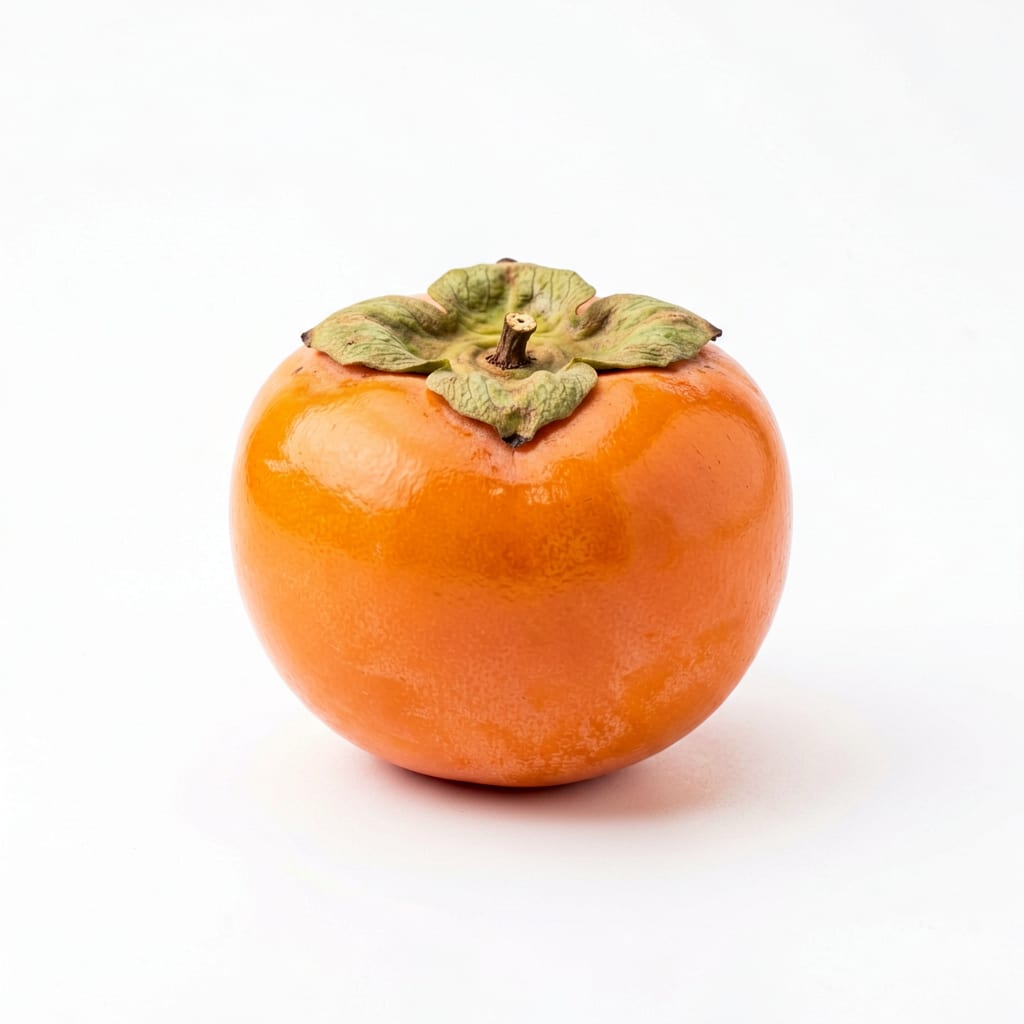
Persimmon
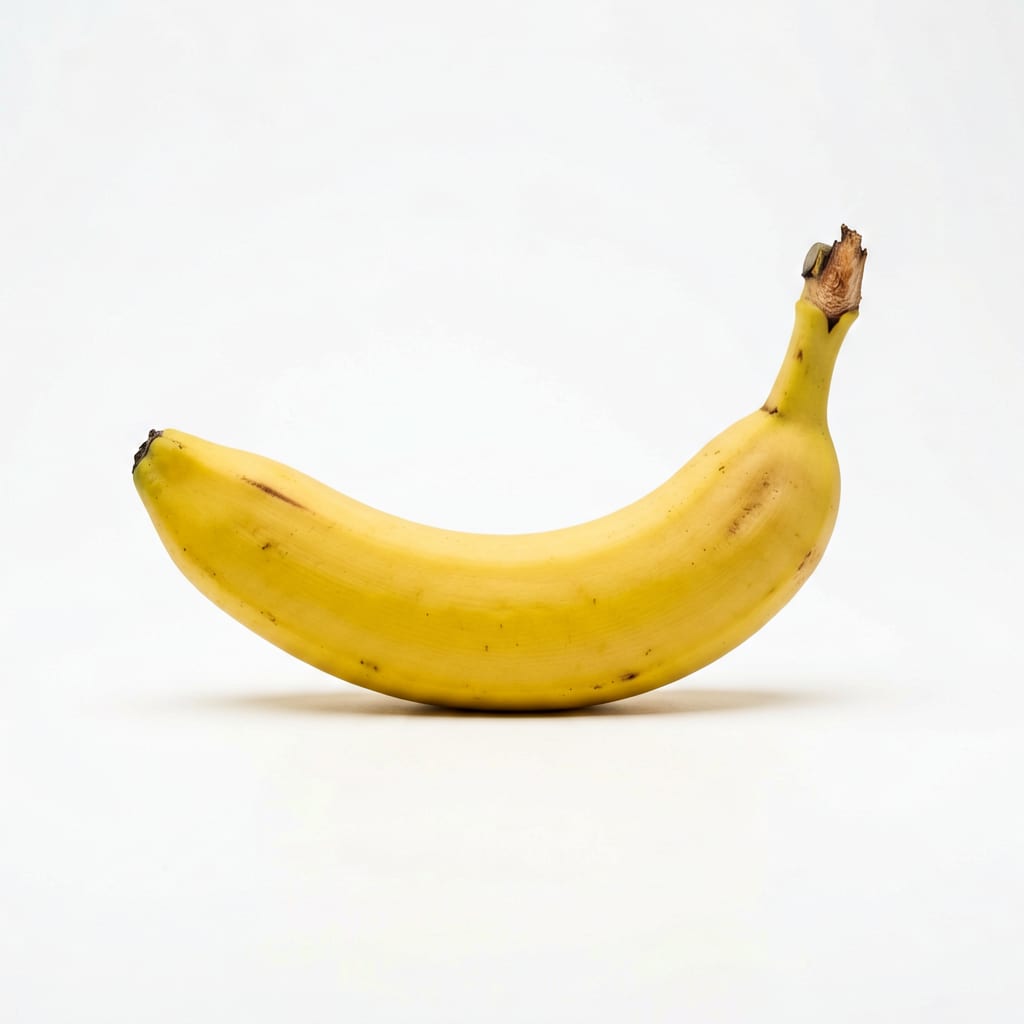
Banana
Banana wins on convenience, potassium, and digestive safety. Persimmon wins on antioxidants, vitamin A, and blood sugar steadiness. Your pick depends on what your body needs most.
Banana edges ahead slightly due to superior convenience, year-round availability, and broader digestive tolerance. Persimmon scores higher on micronutrient density and blood sugar stability but loses ground on practicality and safety for sensitive individuals.
Persimmon offers richer micronutrients and steadier energy, but banana is far more practical, affordable, and gentle on digestion.
At a glance
Executive summary
Overall
It depends
Healthier
Persimmon
More practical
Banana
Daily use
Banana
Key comparison lenses
blood sugar management
Both are sweet fruits with different glycemic impacts; users often compare them when managing energy or diabetes
portable snack selection
Both are grab-and-go fruits, but convenience and durability differ significantly
antioxidant and micronutrient density
Persimmon offers a dramatically different micronutrient profile, especially vitamin A and unique tannins
digestive sensitivity
Persimmon carries a unique bezoar risk and tannin-related digestive concerns that banana avoids
athletic and pre-workout fuel
Banana is a classic exercise fuel; users want to know if persimmon can substitute
Best choice for
Persimmon
- People seeking antioxidant-rich foods for skin and eye health
- Those managing blood sugar who want slower glucose release
- Anyone wanting to diversify fruit intake beyond common staples
- People deficient in vitamin A or manganese
Banana
- Athletes needing quick pre-workout energy
- People with digestive sensitivity or IBS
- Budget-conscious shoppers wanting year-round affordable fruit
- Anyone needing portable, durable, mess-free snacking
Least suitable for
Persimmon
- People with prior bowel obstruction or gastric surgery
- Those who need consistent year-round availability
- Anyone unfamiliar with ripeness cues likely to eat unripe astringent fruit
Banana
- People strictly limiting carbohydrate or sugar intake
- Those with latex-fruit syndrome allergy
- Anyone seeking high vitamin A intake from fruit
Deep comparison
Dimension by dimension
Each lens scores both foods and breaks down who each option suits.
- Dimension 1 · Priority 92Persimmon
blood sugar stability
Persimmon · 78Banana · 62Persimmon releases glucose more slowly thanks to tannins and soluble fiber, while ripe banana causes a faster spike.
Tradeoff
Persimmon's steadier energy comes with astringency risk if eaten unripe, which can feel unpleasant in the mouth and stomach.
Why it matters
If you crash after sweet snacks or manage prediabetes, persimmon keeps things smoother.
Real-world impact
A persimmon mid-afternoon is less likely to trigger a energy crash 45 minutes later compared to a ripe banana.
Persimmon
- Prediabetics seeking lower glycemic fruit
- People prone to afternoon energy crashes
Better for
- Those who find unripe persimmon unpalatable and may skip fruit entirely
Worse for
Banana
- Athletes who actually WANT quick glucose for performance
Better for
- Sedentary snackers getting unnecessary sugar spikes
Worse for
- Dimension 2 · Priority 85Persimmon
antioxidant and micronutrient density
Persimmon · 91Banana · 64Persimmon dramatically outperforms banana in vitamin A, manganese, and unique tannin antioxidants that banana simply lacks.
Tradeoff
These extra nutrients come in a seasonal package that's harder to find and more expensive per serving.
Why it matters
Vitamin A supports vision, skin, and immune function. Manganese supports bone health and metabolism. These are nutrients many people under-consume.
Real-world impact
Eating persimmons in season is like taking a natural multivitamin focused on eyes and skin.
Persimmon
- People wanting to boost vitamin A without supplements
- Anyone seeking diverse polyphenol intake for longevity
Better for
- People expecting consistent nutrient intake year-round
Worse for
Banana
- Those who prioritize potassium for blood pressure or cramp prevention
Better for
- Anyone relying on banana as their sole fruit for micronutrients
Worse for
- Dimension 3 · Priority 88Banana
convenience and availability
Persimmon · 38Banana · 94Banana is available everywhere, cheap, durable, and peel-and-eat. Persimmon is seasonal, fragile, and confusing to ripen correctly.
Tradeoff
Banana's convenience means you'll actually eat it consistently. Persimmon's scarcity means it often gets skipped.
Why it matters
The healthiest fruit is the one you actually eat regularly. Consistency beats perfection.
Real-world impact
You can throw a banana in a bag at 7 AM and eat it at noon. A persimmon might be bruised, unripe, or leaking by then.
Persimmon
- Home cooks who plan meals around seasonal produce
Better for
- Anyone who snacks on-the-go regularly
Worse for
Banana
- Commuters and office workers needing portable snacks
- Families buying in bulk on a budget
- Travelers needing durable fruit
Better for
- People bored of eating the same fruit daily
Worse for
- Dimension 4 · Priority 80Banana
digestive tolerance and safety
Persimmon · 55Banana · 88Banana is gentle and well-tolerated by nearly everyone. Persimmon carries a rare but serious bezoar risk and tannin-related stomach discomfort.
Tradeoff
Persimmon's tannins provide antioxidant benefits but can solidify in the stomach, especially if eaten unripe or in large amounts with other foods.
Why it matters
A healthy fruit that lands you in the ER with a bowel obstruction defeats the purpose entirely.
Real-world impact
Most people tolerate persimmon fine in moderation, but those with gastric surgery history or slow digestion should be cautious.
Persimmon
- People with healthy digestion who eat moderate portions of fully ripe fruit
Better for
- Anyone with history of bowel obstruction
- People who eat large quantities of unripe astringent persimmons
Worse for
Banana
- Post-surgical gastric patients
- People with IBS or sensitive stomachs
- Children who might eat unripe fruit unknowingly
Better for
- Those with latex-fruit allergy (rare but real)
Worse for
- Dimension 5 · Priority 72Persimmon
satiety and fullness
Persimmon · 79Banana · 68Persimmon's denser fiber and tannin content creates a more filling experience per calorie compared to banana.
Tradeoff
That fullness can cross into discomfort if you overeat persimmon, especially when less than fully ripe.
Why it matters
If you snack to control hunger between meals, persimmon keeps you satisfied longer.
Real-world impact
One persimmon at 3 PM may carry you to dinner. A banana might leave you hunting for crackers by 4:30.
Persimmon
- People using fruit as a between-meal hunger bridge
- Those trying to reduce overall snacking frequency
Better for
- Anyone prone to overeating who might consume several persimmons at once
Worse for
Banana
- Athletes who want light pre-workout fuel without feeling heavy
Better for
- People who find banana unsatisfying and end up eating more calories elsewhere
Worse for
- Dimension 6 · Priority 70Banana
potassium and electrolyte support
Persimmon · 52Banana · 90Banana is a potassium powerhouse, delivering roughly 25% more potassium per serving than persimmon.
Tradeoff
If you need potassium for cramps, blood pressure, or post-sweat recovery, banana delivers more reliably.
Why it matters
Many adults fall short on potassium, which supports heart rhythm, muscle contraction, and fluid balance.
Real-world impact
After a sweaty workout or a night of leg cramps, banana is the proven go-to for a reason.
Persimmon
- People who get potassium from other sources like potatoes or spinach
Better for
- Those relying on fruit as their primary potassium source
Worse for
Banana
- Athletes losing electrolytes through sweat
- People managing blood pressure through diet
- Anyone prone to muscle cramps
Better for
- People on potassium-restricted diets due to kidney disease
Worse for
Timeline
Health impact over time
Short-term
Hours to days
Persimmon
- Provides steady energy without sharp blood sugar spikes when fully ripe
- Tannins can cause dry mouth and astringent sensation if eaten before full ripeness
- High water and fiber content promotes comfortable fullness
Banana
- Quick energy boost within 15-20 minutes of eating, especially when ripe
- Natural antacid effect can soothe mild heartburn
- Potassium hit supports immediate muscle function and hydration
Long-term
Months to years
Persimmon
- Sustained vitamin A intake supports eye health and immune resilience over years
- Diverse polyphenol intake may reduce oxidative stress and inflammation markers
- Rare but documented risk of phytobezoars with chronic high consumption of astringent varieties
Banana
- Consistent potassium intake supports cardiovascular health and stroke risk reduction
- Resistant starch from less-ripe bananas feeds beneficial gut bacteria over time
- High regular consumption without variety may contribute to sugar habituation
Risk profile
Safety & processing
Both fruits are whole, unprocessed foods as typically consumed. Neither carries meaningful additive concerns. The only processing consideration is that some commercial bananas are ethylene-ripened after shipping, but this does not introduce additives or alter nutritional quality meaningfully.
Persimmon
Phytobezoar formation
mediumUnripe astringent persimmons contain soluble tannins that can harden in the stomach, especially when consumed with high-protein foods. Risk is higher after gastric surgery or in people with slow digestion.
Pesticide residue on non-organic skins
lowPersimmon skin can carry pesticide residues, but the thick skin is often peeled, reducing exposure significantly.
Banana
Latex-fruit syndrome allergic reaction
mediumPeople with latex allergy may cross-react with banana proteins, causing oral itching or swelling. Affects roughly 30-50% of latex-allergic individuals.
Pesticide residue
lowConventional bananas rank moderate for pesticide residue, but the thick peel removes most exposure. Organic reduces this further.
Who wins for whom
Audience fit
Same foods, different winners depending on your goal.
children
BananaBanana is sweeter, softer, easier to digest, and carries no bezoar risk. Persimmon's astringency can put kids off fruit entirely.
daily consumption
BananaYear-round availability, affordable price, and broad tolerance make banana the more sustainable daily habit.
diabetes
PersimmonPersimmon's tannins and fiber slow glucose absorption more effectively, though both require portion awareness.
elderly
BananaOlder adults with slower digestion or gastric history should avoid persimmon's bezoar risk. Banana is gentler and easier to chew.
muscle gain
BananaBanana delivers faster carbohydrates for glycogen replenishment and more potassium for muscle recovery after training.
weight loss
PersimmonPersimmon provides more satiety per calorie with slower sugar release, making it easier to avoid overeating between meals.
Your move
Decision guide
Choose Persimmon
- You want maximum micronutrient density, especially vitamin A and antioxidants
- You are managing blood sugar and prefer slower glucose release
- You eat seasonally and enjoy variety in your fruit rotation
- Your digestion is healthy and you eat moderate portions of fully ripe fruit
Choose Banana
- You need a reliable, affordable, portable daily fruit
- You exercise regularly and want quick pre- or post-workout fuel
- You have digestive sensitivity or a history of gastric issues
- You are feeding children or elderly family members
Either works if
- You simply want a whole-food sweet snack instead of processed options
- You are meeting general fruit intake goals of 2-3 servings daily
- You are not managing a specific health condition that favors one over the other
Avoid both if
- You are on a strict very-low-carb or ketogenic diet
- You have fructose intolerance or malabsorption
- You need to limit potassium intake due to kidney disease
Final recommendation
Eat both. Use banana as your reliable daily staple for convenience and potassium. Add persimmon in season for its exceptional vitamin A and antioxidant boost. Variety always beats loyalty to a single fruit.
Practical
Consumer tips
- 1
Wait until persimmons feel like overripe tomatoes before eating — astringent varieties will be unpleasant and harder to digest if firm
- 2
Freeze overripe bananas for smoothies instead of throwing them away — they sweeten naturally without added sugar
- 3
Choose Fuyu persimmons if you prefer crunch and want to eat them like an apple; choose Hachiya if you want spoonable custard texture
- 4
Buy organic bananas if you eat them daily — cumulative pesticide exposure matters more with frequency
- 5
Pair banana with a fat or protein source like nut butter to blunt the blood sugar spike
- 6
Never eat more than one astringent persimmon at a sitting, especially on an empty stomach with other high-protein food