
Nutrition comparison
Persimmon vs Apple: Which is Healthier?
Compare persimmon vs apple on nutrition, sugar, vitamins, and daily practicality. Find out which fruit is better for weight loss, diabetes, and snacking.
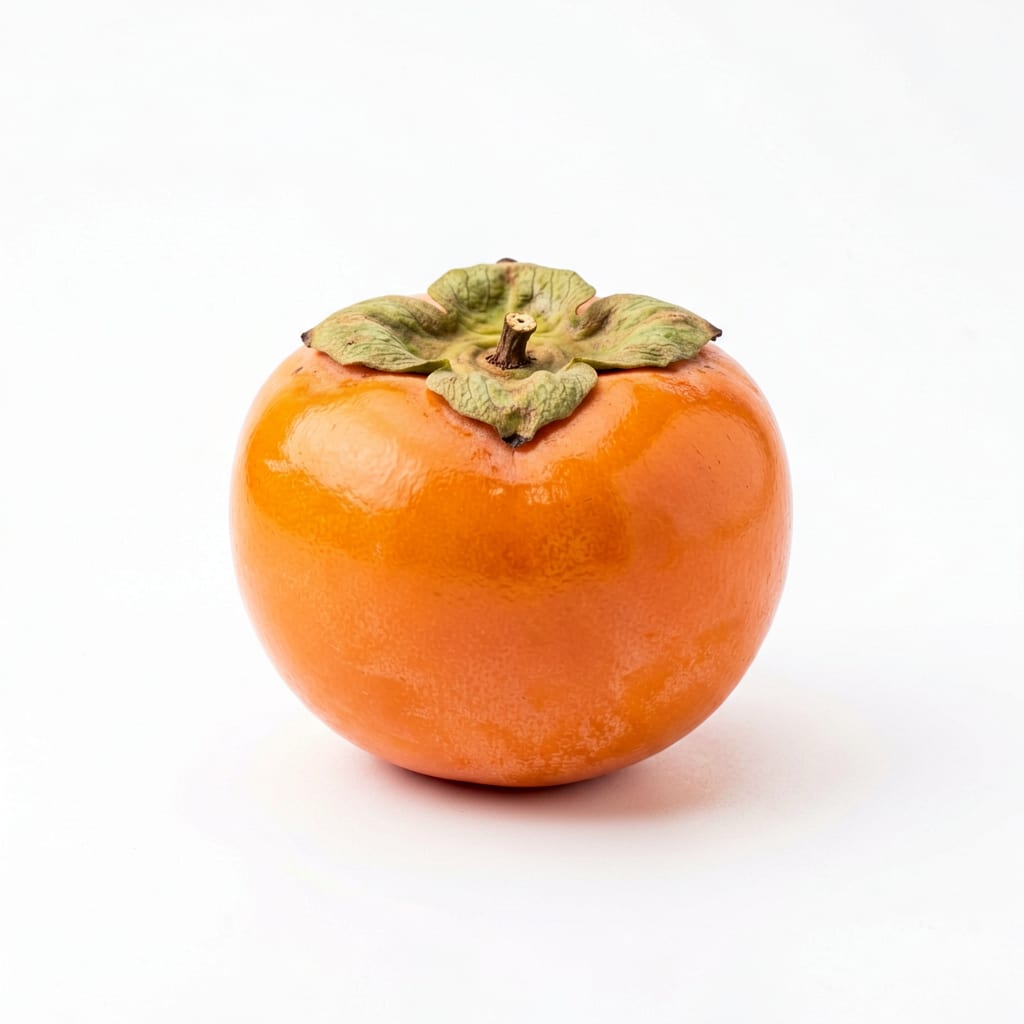
Persimmon
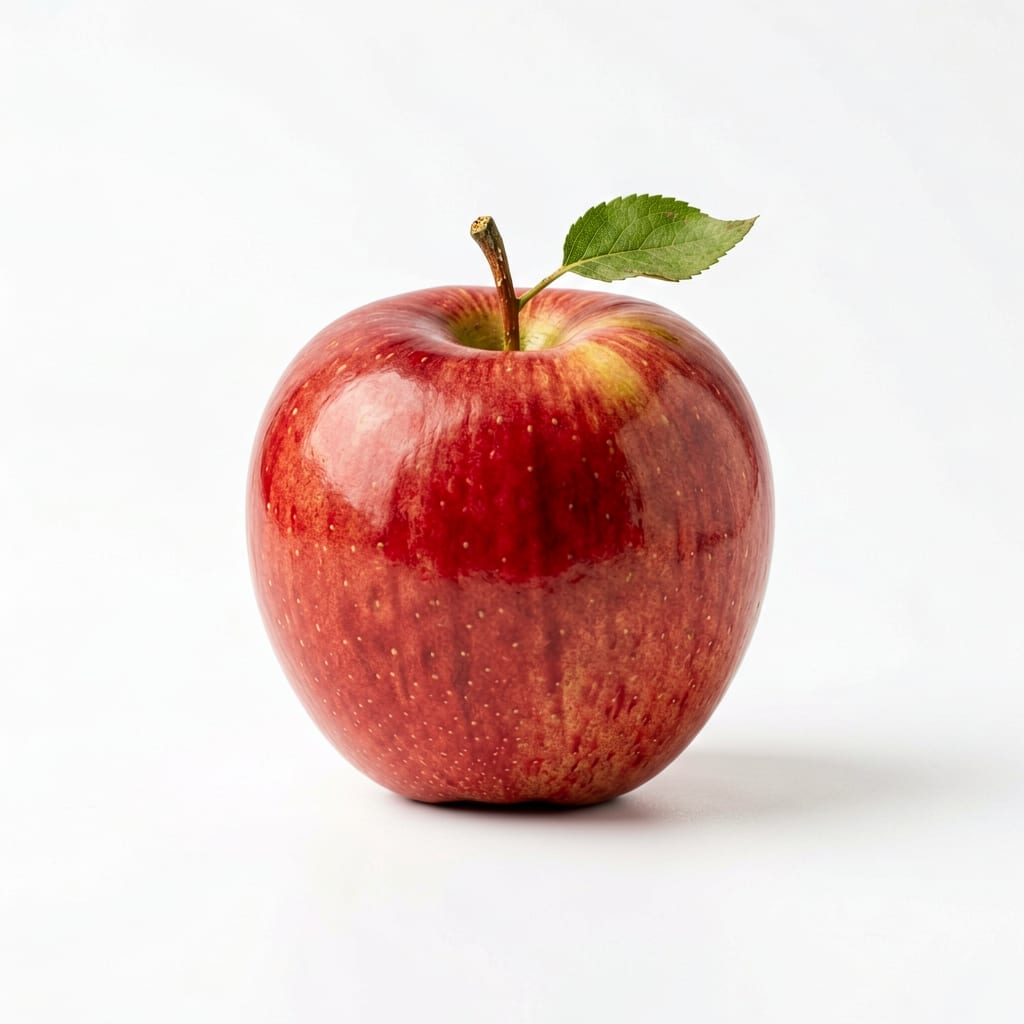
Apple
Persimmon delivers a powerhouse of vitamins and antioxidants, while Apple offers steadier energy and unmatched daily convenience.
Apple scores slightly higher due to its practicality, lower sugar, and broader everyday suitability, though Persimmon wins on specific micronutrients.
Persimmon's superior nutrient density comes with higher sugar and delicate ripeness, whereas Apple trades some vitamins for reliable crunch and better blood sugar control.
At a glance
Executive summary
Overall
It depends
Healthier
It depends
More practical
Apple
Daily use
Apple
Key comparison lenses
blood sugar impact
Persimmons are significantly sweeter and higher in sugar than apples, making glycemic response a primary concern.
micronutrient density
Persimmon offers a drastically different vitamin profile, especially Vitamin A, compared to an apple.
everyday snacking practicality
Apples are grab-and-go staples, while persimmons require ripeness management and careful handling.
satiety and weight management
Fiber type and water content differ, affecting how full each fruit keeps you between meals.
Best choice for
Persimmon
- Boosting Vitamin A and eye health
- Adding antioxidant variety to your diet
- Satisfying an intense sweet tooth with whole food
Apple
- Steady energy without the sugar crash
- On-the-go snacking and lunchboxes
- Managing weight and daily hunger
Least suitable for
Persimmon
- Strict low-carb or low-sugar diets
- People who need grab-and-go convenience
- Those sensitive to high-sugar fruit
Apple
- Those seeking high Vitamin A or beta-carotene
- Individuals bored with everyday fruit flavors
Deep comparison
Dimension by dimension
Each lens scores both foods and breaks down who each option suits.
- Dimension 1 · Priority 92Apple
Blood Sugar & Energy Stability
Persimmon · 60Apple · 85Apples provide a slower, steadier release of energy compared to the sweeter persimmon.
Tradeoff
Persimmon gives a quicker energy boost but with a sharper blood sugar rise.
Why it matters
Avoiding blood sugar spikes helps prevent afternoon crashes and cravings.
Real-world impact
An apple will keep you focused until lunch; a persimmon might leave you hungry an hour later.
Persimmon
- Quick pre-workout energy
- Satisfying intense sweet cravings naturally
Better for
- Breaking a fast gently
- Insulin resistance management
Worse for
Apple
- Sustained energy at the office
- Avoiding the mid-afternoon slump
Better for
- Immediate energy recovery after intense endurance exercise
Worse for
- Dimension 2 · Priority 88Persimmon
Micronutrient Density
Persimmon · 92Apple · 62Persimmons are a powerhouse of Vitamin A and Vitamin C, easily outshining apples.
Tradeoff
You get vastly more eye and immune-supporting nutrients in a persimmon, but with more sugar.
Why it matters
Vitamin A is crucial for vision and skin, and many people don't get enough of it.
Real-world impact
Eating a persimmon is like taking a natural multivitamin for your eyes and skin.
Persimmon
- Supporting eye health
- Boosting immune defenses in winter
Better for
- Those watching sugar intake closely
Worse for
Apple
- Maintaining baseline health without extra calories
Better for
- Correcting a Vitamin A deficiency
Worse for
- Dimension 3 · Priority 85Apple
Satiety & Fullness
Persimmon · 68Apple · 88Apples are more filling and satisfying per calorie, largely thanks to their crunch and fiber profile.
Tradeoff
The crisp texture of an apple forces slower eating, while a ripe persimmon can be devoured quickly.
Why it matters
Feeling full helps prevent overeating later in the day.
Real-world impact
An apple holds you over until dinner; a persimmon might just be an appetizer.
Persimmon
- A light, easily digested treat before bed
Better for
- Controlling large appetites
Worse for
Apple
- A filling afternoon snack
- Weight management
Better for
- When you have zero appetite and need easy calories
Worse for
- Dimension 4 · Priority 80Apple
Practicality & Convenience
Persimmon · 50Apple · 95Apples are the ultimate grab-and-go fruit, while persimmons require ripeness management.
Tradeoff
Persimmons demand patience and timing; apples are always ready to eat.
Why it matters
A snack that is easy to eat actually gets eaten instead of being replaced by junk food.
Real-world impact
You can toss an apple in a bag; a ripe persimmon will turn to mush in your backpack.
Persimmon
- Enjoying a special fruit at home
- Adding to smoothies or yogurt bowls
Better for
- Busy mornings
- Travel
Worse for
Apple
- Commuting
- Hiking
- Desk snacking
Better for
- Gourmet cooking and baking
Worse for
- Dimension 5 · Priority 75Persimmon
Antioxidant Profile
Persimmon · 90Apple · 72Persimmons contain higher levels of specific antioxidants like beta-carotene and lycopene.
Tradeoff
Apples offer quercetin, but persimmons deliver a broader, more concentrated antioxidant punch.
Why it matters
Antioxidants protect cells from daily wear and tear and inflammation.
Real-world impact
Persimmons actively fight oxidative stress, making them a great seasonal health boost.
Persimmon
- Reducing inflammation
- Skin protection from UV stress
Better for
- Budget-friendly antioxidant sources
Worse for
Apple
- Everyday cellular maintenance
Better for
- Targeted anti-inflammatory nutrition
Worse for
Timeline
Health impact over time
Short-term
Hours to days
Persimmon
- Quick energy boost from natural sugars
- Satisfies intense sweet cravings without junk food
Apple
- Sustained energy without a crash
- Curbs hunger effectively between meals
Long-term
Months to years
Persimmon
- Supports eye health and immune resilience due to high Vitamin A and C
- Provides concentrated antioxidants that combat cellular aging
Apple
- Promotes heart health and healthy digestion thanks to consistent pectin intake
- Helps maintain steady weight management over time
Risk profile
Safety & processing
Both are whole, raw fruits with zero artificial additives when eaten fresh.
Persimmon
Tannin sensitivity and bezoars
mediumUnripe persimmons contain high tannins that can cause an astringent mouthfeel and, in rare extreme cases, form stomach bezoars if eaten in large quantities.
Apple
Pesticide residue
mediumApples consistently rank high on the EWG Dirty Dozen list for pesticide residue; washing thoroughly or choosing organic is recommended.
Who wins for whom
Audience fit
Same foods, different winners depending on your goal.
children
AppleApples are familiar, easy to pack, and less messy; persimmon texture and tannins can be off-putting to kids.
daily consumption
AppleApples are affordable, available year-round, and easy to incorporate into any daily routine without ripeness hassle.
diabetes
AppleApples have a lower glycemic load and less sugar per serving, making blood sugar management easier.
elderly
AppleApples are easier to manage, widely available, and provide reliable digestive support without high sugar.
muscle gain
It dependsNeither fruit is a significant protein source, though both offer decent carbohydrates for workout energy.
weight loss
AppleApples are lower in calories, higher in satiety, and easier to fit into a daily calorie budget.
Your move
Decision guide
Choose Persimmon
- You want a nutrient-dense seasonal treat
- You need a natural Vitamin A boost for eye and skin health
- You are looking for a rich, sweet dessert alternative
Choose Apple
- You need a reliable, filling daily snack
- You want to manage blood sugar or weight
- You need something sturdy to take on the go
Either works if
- You just want a whole-food sweet treat
- You are looking to increase your daily fruit intake
Avoid both if
- You are on a strict very-low-carb or ketogenic diet
Final recommendation
Keep apples as your daily workhorse for steady energy and convenience, but swap one in for a persimmon when they are in season for a massive boost in Vitamin A and a satisfying, sweet change of pace.
Practical
Consumer tips
- 1
Fuyu persimmons are firm and crisp like an apple; Hachiya persimmons must be jelly-soft before eating or they will aggressively pucker your mouth.
- 2
Always wash apples thoroughly under running water or choose organic to reduce pesticide exposure.
- 3
Pair either fruit with a handful of almonds or a spoonful of peanut butter; the added fat and protein will blunt the blood sugar rise and keep you full longer.