
Nutrition comparison
Persimmon vs Mango: Which Fruit Is Healthier for You?
Compare persimmon and mango on sugar, fiber, vitamins, and practical use. Find out which fruit fits your health goals, blood sugar needs, and daily lifestyle better.
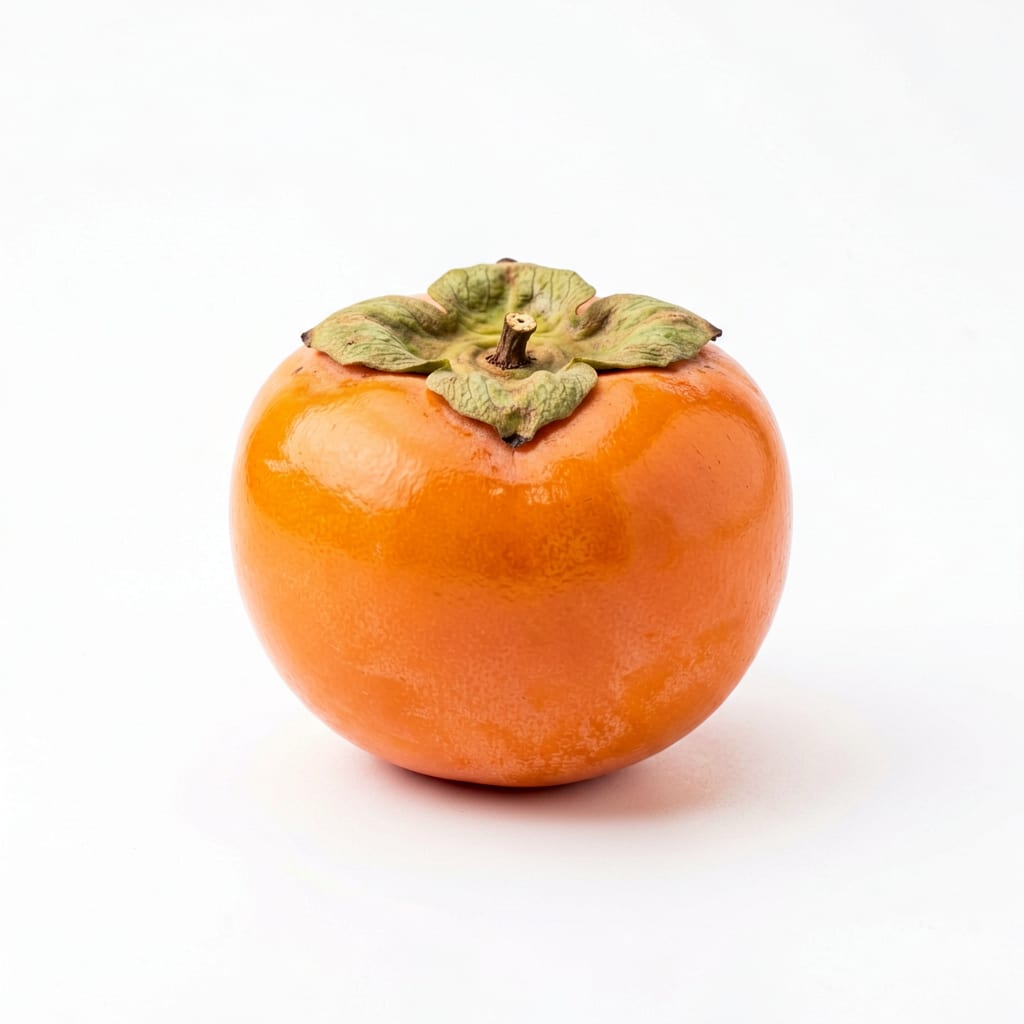
Persimmon
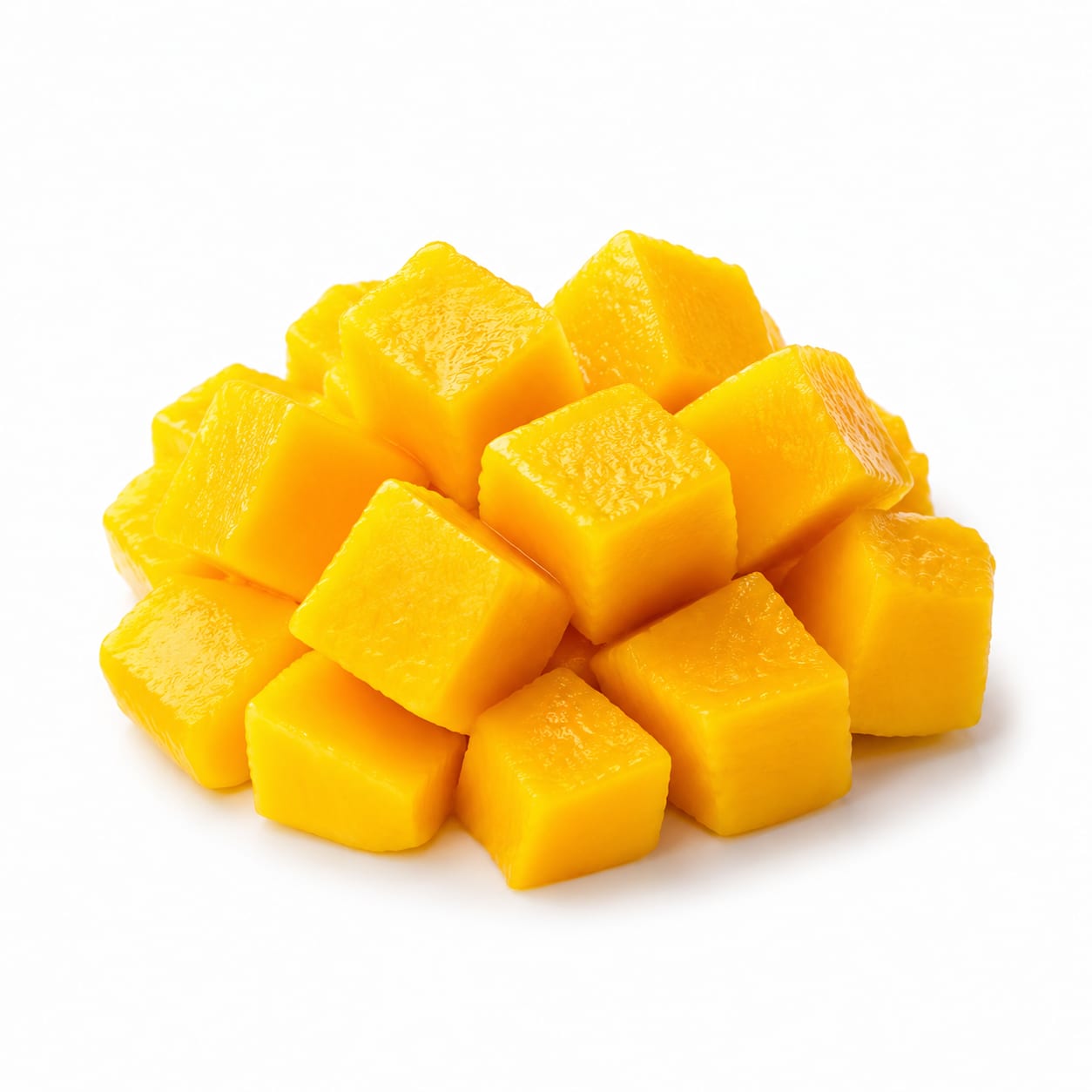
Mango
Persimmon wins on fiber, blood sugar stability, and calorie efficiency. Mango wins on vitamin C, availability, and culinary versatility. Your pick depends on what your body and lifestyle need most.
Persimmon edges ahead on nutritional density per calorie and fiber content, but mango's superior availability, vitamin C content, and everyday usability narrow the gap significantly. The close scores reflect that both are genuinely healthy whole fruits with different strengths.
Persimmon gives you more fullness and steadier energy per calorie, but mango is easier to find, easier to use, and packs more immune-supporting vitamin C.
At a glance
Executive summary
Overall
It depends
Healthier
Persimmon
More practical
Mango
Daily use
Mango
Key comparison lenses
sugar and blood sugar management
Both are sweet tropical/subtropical fruits with notably different sugar loads and glycemic impacts, a primary concern for most users comparing them
fiber and satiety
Persimmon is significantly higher in fiber, making it more filling and steadier on blood sugar, which matters for snacking decisions
antioxidant and vitamin profile
Both are antioxidant powerhouses but through different compounds — beta-carotene vs persimmon's unique tannins and zeaxanthin
availability and everyday practicality
Mango is available year-round in most stores; persimmon has a narrow seasonal window and can be confusing to select and ripen
digestive tolerance
Unripe persimmons are extremely astringent and can cause digestive issues; mango has its own allergen concerns for some people
Best choice for
Persimmon
- People managing blood sugar or insulin resistance
- Anyone wanting a more filling, lower-calorie sweet snack
- Those seeking eye-health nutrients like lutein and zeaxanthin
- High-fiber diet followers
Mango
- People wanting immune support from high vitamin C
- Anyone needing year-round fruit availability
- Cooks wanting versatile fruit for smoothies, salsas, and desserts
- Those who find persimmon's texture or astringency off-putting
Least suitable for
Persimmon
- People unfamiliar with ripening — an unripe Hachiya persimmon is inedibly astringent
- Anyone with a narrow fruit tolerance window due to tannin sensitivity
- Those wanting a fruit they can easily find in July
Mango
- People strictly limiting sugar intake
- Those with mango latex-fruit syndrome or urushiol allergy
- Anyone tracking calories closely who eats fruit in large quantities
Deep comparison
Dimension by dimension
Each lens scores both foods and breaks down who each option suits.
- Dimension 1 · Priority 92Persimmon
sugar_load_and_blood_sugar_impact
Persimmon · 78Mango · 58Persimmon has roughly half the sugar of mango per serving and significantly more fiber to slow absorption, resulting in a gentler blood sugar curve.
Tradeoff
Mango tastes sweeter and is more immediately satisfying, but that sweetness comes with a larger glucose spike and crash risk.
Why it matters
If you're snacking mid-afternoon and want to avoid an energy crash 30 minutes later, persimmon keeps things steadier.
Real-world impact
A persimmon snack feels more like sustained energy. A mango snack feels more like a quick pick-me-up that may leave you hungry again sooner.
Persimmon
- Steadier energy without the crash
- Better for insulin-sensitive individuals
- Less likely to trigger sugar cravings after eating
Better for
- Less immediate energy for intense activity
Worse for
Mango
- More satisfying if you need quick pre-workout fuel
- Better when you genuinely need fast carbohydrate energy
Better for
- Higher sugar spike and dip cycle
- Less suitable for frequent daily snacking
Worse for
- Dimension 2 · Priority 88Persimmon
fiber_and_satiety
Persimmon · 88Mango · 62A medium persimmon delivers roughly 6g of fiber compared to mango's 2.5g. That difference is very noticeable in how full you feel.
Tradeoff
Persimmon is genuinely filling for a fruit. Mango is lighter and easier to eat in quantity, which can be good or bad depending on your goals.
Why it matters
Fiber is the difference between a snack that holds you for two hours versus one that leaves you rummaging the pantry in 45 minutes.
Real-world impact
One persimmon feels like a real snack. One mango often feels like you need something else with it.
Persimmon
- Weight management through natural portion control
- Better digestive regularity
- More satisfying standalone snack
Better for
- The dense fiber can feel heavy if you're not used to it
Worse for
Mango
- Easier to eat before exercise without feeling heavy
- Better for smoothies where you want texture without thickness
Better for
- Easy to overeat because it doesn't feel very filling
- Less helpful for digestion regularity
Worse for
- Dimension 3 · Priority 85It depends
vitamin_and_antioxidant_profile
Persimmon · 80Mango · 82Mango dominates in vitamin C and folate. Persimmon counters with more vitamin A, manganese, and unique tannins with emerging anti-inflammatory research.
Tradeoff
Mango is better for immune support and skin health. Persimmon is better for eye health and offers compounds mango simply doesn't have.
Why it matters
If you're fighting cold season, mango helps more. If you're focused on long-term eye and cellular health, persimmon has the edge.
Real-world impact
Mango feels like a vitamin C boost. Persimmon feels like a quiet long-term investment in cellular protection.
Persimmon
- Eye health from lutein and zeaxanthin
- Unique tannins with anti-inflammatory and lipid-lowering potential
- More manganese for bone and metabolic health
Better for
- Less vitamin C per serving than many common fruits
Worse for
Mango
- Substantially more vitamin C for immune function
- More folate, important during pregnancy
- Beta-carotene for skin and vision
Better for
- Lacks the tannin compounds that make persimmon unique
Worse for
- Dimension 4 · Priority 80Mango
availability_and_everyday_practicality
Persimmon · 45Mango · 88Mango is available year-round in virtually every grocery store. Persimmon appears briefly in fall and winter and confuses many shoppers on how to eat it.
Tradeoff
Persimmon rewards effort with unique nutrition. Mango is the reliable choice you can actually find when you need it.
Why it matters
The healthiest fruit in the world does nothing if you can't find it, won't buy it, or don't know when it's ripe.
Real-world impact
Mango is a weekly staple for most people. Persimmon is a seasonal treat people buy once or twice a year.
Persimmon
- Seasonal eating enthusiasts who enjoy limited-window foods
- Farmers market shoppers in autumn
Better for
- Very narrow seasonal availability
- Confusing ripeness — astringent varieties are terrible if eaten too early
- Many people buy persimmons once, eat them wrong, and never try again
Worse for
Mango
- Year-round consistency
- Easy to find in any supermarket
- Multiple varieties always available
- Intuitive ripeness indicators
Better for
- Less exciting or novel for adventurous eaters
Worse for
- Dimension 5 · Priority 72Mango
culinary_versatility
Persimmon · 55Mango · 85Mango works in smoothies, salsas, salads, desserts, curries, and marinades. Persimmon is more limited — best eaten fresh or in baked goods and puddings.
Tradeoff
Mango is a kitchen workhorse. Persimmon is more of a one-trick fruit that does its one trick beautifully.
Why it matters
If you buy fruit to cook with, mango gives you far more options and less waste risk.
Real-world impact
Mango can be breakfast, lunch, dinner, or dessert. Persimmon is mostly a snack or a baking ingredient.
Persimmon
- Excellent in autumn baking and puddings
- Beautiful presentation for cheese boards
Better for
- Limited savory applications
- Texture changes dramatically with ripeness, making cooking unpredictable
Worse for
Mango
- Smoothies and tropical blends
- Salsas and savory pairings
- Desserts and ice cream
- Marinades and sauces
Better for
- Can dominate other flavors due to strong sweetness
Worse for
- Dimension 6 · Priority 75It depends
digestive_tolerance_and_allergy_risk
Persimmon · 65Mango · 68Both have real but different digestive caveats. Unripe persimmons can cause bezoars from tannin clumping. Mango skin contains urushiol, the same compound as poison ivy.
Tradeoff
Persimmon risks are avoidable by eating fully ripe fruit. Mango risks are avoidable by peeling carefully and knowing your allergy status.
Why it matters
Both fruits can cause genuinely unpleasant reactions, but in different people and different ways.
Real-world impact
Eat an unripe astringent persimmon and your mouth will pucker painfully. Handle mango skin with a sensitivity and you'll get a rash. Both are avoidable with knowledge.
Persimmon
- No common allergen concerns for most people
- Safe when fully ripe
Better for
- Tannin bezoars are a real medical risk if consumed in large quantities unripe, especially with empty stomach
- Astringency makes unripe fruit genuinely inedible
Worse for
Mango
- Well-tolerated when peeled
- Digestive issues are rare with ripe fruit
Better for
- Mango latex-fruit syndrome affects people with latex allergy
- Urushiol in skin causes contact dermatitis in sensitive individuals
- Sulfite sensitivity can be triggered by some dried mangoes
Worse for
Timeline
Health impact over time
Short-term
Hours to days
Persimmon
- High fiber provides noticeable fullness within 20 minutes of eating
- Tannins in less-ripe fruit cause an immediate mouth-puckering astringent sensation
- Moderate sugar content means no significant energy crash for most people
Mango
- High sugar content gives quick energy but may cause a noticeable crash in sensitive individuals
- Vitamin C content supports immediate immune cell activity
- Enzymes in fresh mango can aid digestion of accompanying proteins
Long-term
Months to years
Persimmon
- Consistent fiber intake supports cardiovascular health and cholesterol management
- Lutein and zeaxanthin accumulation protects against age-related macular degeneration
- Tannin compounds may help maintain healthy lipid profiles over time
Mango
- High beta-carotene intake supports long-term skin health and vision
- Consistent vitamin C intake strengthens collagen and immune resilience
- High sugar load from frequent daily consumption could contribute to metabolic strain if not moderated
Risk profile
Safety & processing
Both persimmon and mango are whole, unprocessed fruits when purchased fresh. The main concern is dried mango, which often contains added sugar and sulfites — always check labels on dried versions.
Persimmon
Tannin bezoar formation
mediumEating large quantities of unripe astringent persimmons, especially on an empty stomach, can cause phytobezoars — hardened masses that may require medical intervention. Rare but documented.
Pesticide residue on skin
lowPersimmon skin can carry pesticide residues. Washing thoroughly or peeling reduces exposure.
Mango
Urushiol contact dermatitis from skin
mediumMango skin contains urushiol, the same oil as poison ivy. Sensitive individuals can develop rashes from handling or eating near the skin. Peeling with a knife rather than biting avoids this.
Mango latex-fruit syndrome
mediumPeople with latex allergy may cross-react with mango proteins, causing oral allergy symptoms or more severe reactions. Awareness is key.
Sulfites in dried mango
lowCommercially dried mango often contains sulfites as preservatives, which can trigger asthma in sensitive individuals. Fresh mango has no sulfite concern.
Who wins for whom
Audience fit
Same foods, different winners depending on your goal.
children
MangoMango's sweet, familiar flavor and soft texture are more kid-friendly. Persimmon's astringency risk and confusing ripeness make it harder for children to enjoy reliably.
daily consumption
MangoMango's year-round availability, consistent quality, and ease of use make it more sustainable as a daily habit. Persimmon's seasonality limits daily practicality.
diabetes
PersimmonLower sugar content and higher fiber result in a gentler glycemic response, making persimmon the safer choice for blood sugar management.
elderly
PersimmonPersimmon's fiber supports digestive regularity, and its lutein and zeaxanthin protect aging eyes. The softer texture of ripe persimmon is also easy to eat.
muscle gain
MangoMango provides more quick-digesting carbohydrates useful post-workout, plus more vitamin C for collagen repair.
weight loss
PersimmonHigher fiber and lower sugar make persimmon more filling per calorie, naturally reducing the urge to overeat.
Your move
Decision guide
Choose Persimmon
- You want a filling, lower-sugar fruit that won't spike your blood sugar
- Eye health and long-term cellular protection are priorities
- You enjoy seasonal eating and autumn farmers market finds
- You're managing weight and want a fruit that actually satisfies hunger
Choose Mango
- You need reliable year-round fruit availability
- Immune support and vitamin C intake are your top priorities
- You cook with fruit regularly and need versatility
- You want something kids will actually eat without complaint
Either works if
- You simply want a whole-food sweet treat instead of processed snacks
- You're looking for natural antioxidant sources
- Both fit within your daily sugar budget
Avoid both if
- You have strict low-sugar or ketogenic dietary requirements and cannot accommodate the carbohydrate content of either
- You have fructose intolerance or malabsorption issues
Final recommendation
Eat both when you can. Choose persimmon during its fall season for fiber-rich, blood-sugar-friendly snacking. Choose mango the rest of the year for vitamin C, culinary flexibility, and reliable availability. If you must pick one for daily health impact, persimmon gives you more per calorie — but mango gives you something you'll actually eat consistently, which matters more in the long run.
Practical
Consumer tips
- 1
For persimmon, buy Fuyu variety if you want to eat it crisp like an apple. Buy Hachiya only if you're willing to wait until it's pudding-soft — eating it firm will ruin the experience.
- 2
Speed-ripen persimmons by placing them in a paper bag with a banana or apple overnight.
- 3
Always peel mango with a knife rather than biting into it to avoid urushiol exposure from the skin.
- 4
Mango is sweeter and higher in sugar than most people realize — one whole mango contains about 45g of sugar. Portion awareness matters.
- 5
Dried mango is not equivalent to fresh — most commercial versions add sugar and sulfites. Read labels carefully.
- 6
Freeze chopped mango for smoothies — it maintains texture well and you'll always have it available.
- 7
If you have latex allergy, test mango cautiously for the first time and monitor for oral allergy symptoms.