
Nutrition comparison
Persimmon vs Orange: Which Fruit Is Healthier for You?
Compare persimmon and orange nutrition including vitamin C, vitamin A, sugar, fiber, and safety. Find out which fruit fits your health goals better.
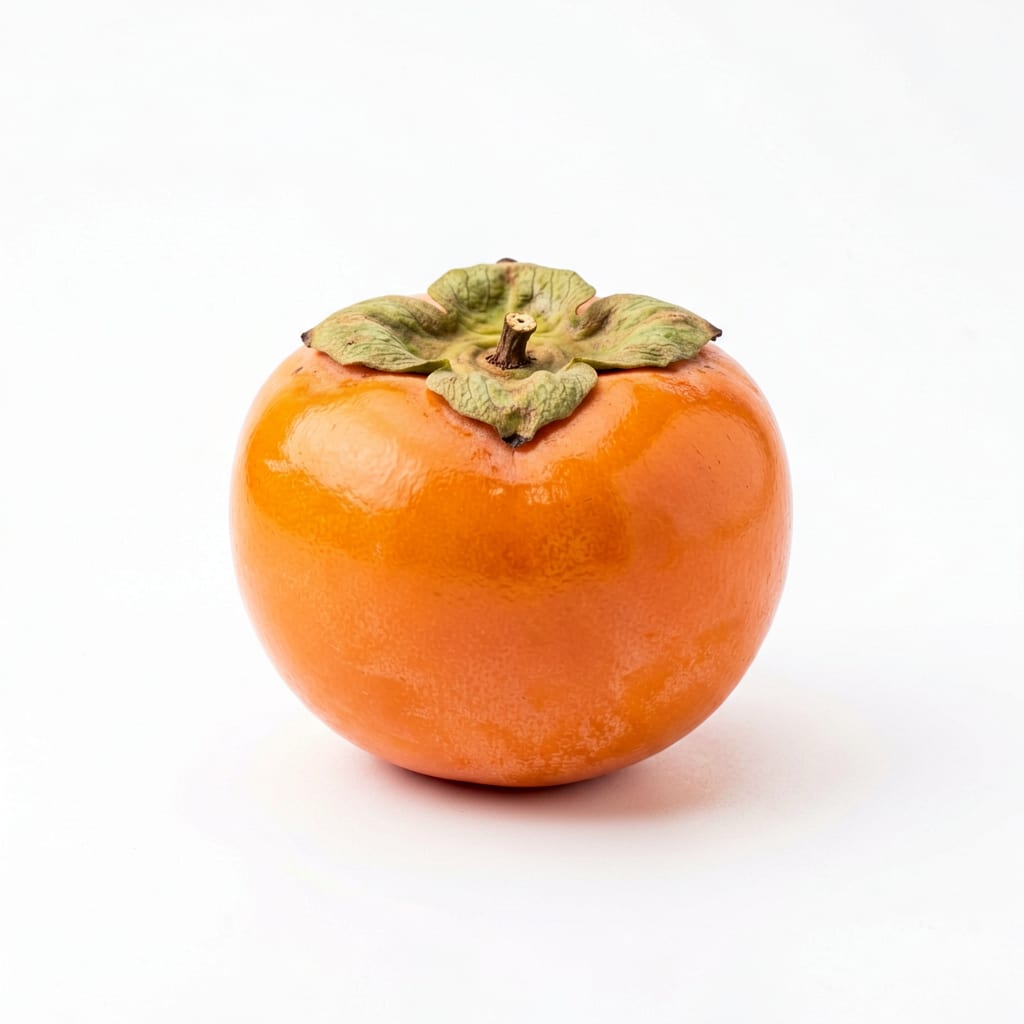
Persimmon
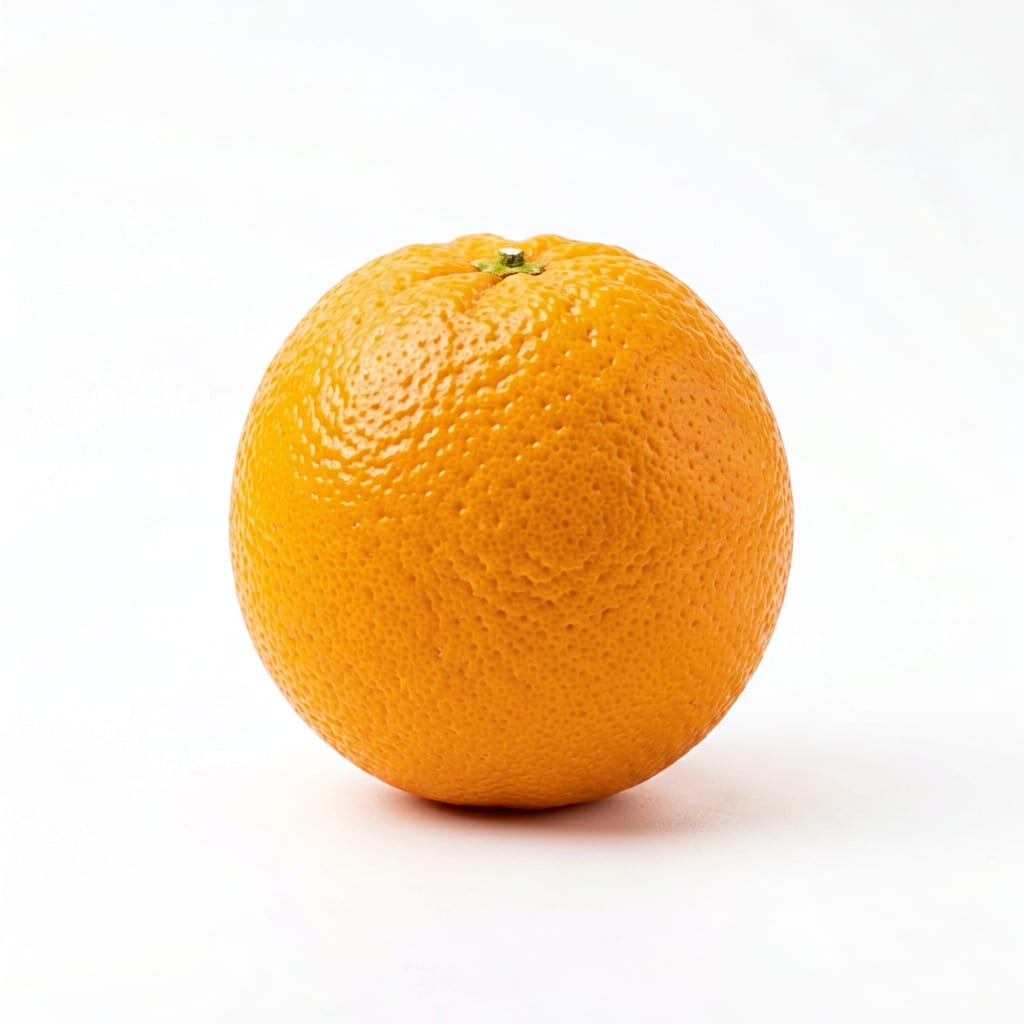
Orange
Oranges win for daily immune support and low sugar; persimmons win for vitamin A, fiber, and satiety. Your pick depends on what gap you are filling.
Oranges score higher due to broader availability, lower sugar, safer digestion, and unmatched vitamin C. Persimmons are nutritionally impressive but limited by seasonality, sugar content, and tannin risk.
Persimmons offer richer micronutrients and more filling fiber but carry higher sugar and a rare digestive risk from tannins if eaten unripe.
At a glance
Executive summary
Overall
It depends
Healthier
Orange
More practical
Orange
Daily use
Orange
Key comparison lenses
vitamin c vs vitamin a nutrient tradeoff
Oranges dominate vitamin C while persimmons deliver far more vitamin A and beta-carotene, making this the core nutritional tradeoff
sugar and blood sugar impact
Persimmons are significantly sweeter and higher in sugar, which matters for diabetes risk and energy crashes
digestive safety and tannin risk
Unripe persimmons contain tannins that can cause serious digestive issues, a unique safety concern oranges do not carry
everyday convenience and availability
Oranges are available year-round everywhere; persimmons are seasonal and unfamiliar to many shoppers
antioxidant diversity
Both offer distinct antioxidant profiles—lycopene and beta-carotene in persimmons versus hesperidin and flavonoids in oranges
Best choice for
Persimmon
- People needing more vitamin A and beta-carotene
- Those wanting a more filling, satisfying fruit snack
- Anyone seeking fiber to support digestion
- People looking for novel fruit variety and seasonal eating
Orange
- People prioritizing daily vitamin C intake
- Those managing blood sugar or watching sugar grams
- Anyone wanting a portable, mess-free fruit
- Families needing kid-friendly, widely available fruit
Least suitable for
Persimmon
- People with diabetes or insulin resistance due to high sugar
- Anyone unfamiliar with ripeness cues who might eat unripe fruit
- People with sensitive digestion prone to constipation
- Those needing consistent year-round availability
Orange
- People with citrus allergies or acid sensitivity
- Those already getting abundant vitamin C from other sources
- People seeking calorie-dense fruit for weight gain
Deep comparison
Dimension by dimension
Each lens scores both foods and breaks down who each option suits.
- Dimension 1 · Priority 94Orange
vitamin_c_immune_support
Persimmon · 45Orange · 97Oranges deliver roughly 2-3 times more vitamin C per serving than persimmons, making them the clear choice for immune support.
Tradeoff
You sacrifice some vitamin A and fiber density when choosing oranges over persimmons for vitamin C.
Why it matters
Vitamin C is the most commonly deficient water-soluble vitamin and directly supports immune function, skin health, and iron absorption.
Real-world impact
One orange covers most of your daily vitamin C needs; a persimmon covers about a third.
Persimmon
- Getting vitamin A alongside moderate vitamin C
Better for
- Relying on persimmons alone for vitamin C will leave you short
Worse for
Orange
- Preventing colds and supporting daily immune function
- Boosting iron absorption from plant meals
Better for
- Oranges provide almost no vitamin A compared to persimmons
Worse for
- Dimension 2 · Priority 88Persimmon
vitamin_a_and_eye_health
Persimmon · 93Orange · 18Persimmons are loaded with beta-carotene and vitamin A precursors, while oranges provide negligible amounts.
Tradeoff
You get outstanding eye-health nutrients from persimmons but miss the strong vitamin C hit of oranges.
Why it matters
Vitamin A supports night vision, skin integrity, and immune defense—areas where many diets fall short.
Real-world impact
Eating a persimmon is like taking a mild vitamin A supplement; an orange does almost nothing for your vitamin A needs.
Persimmon
- Supporting eye health and night vision
- Getting beta-carotene for skin and immune function
Better for
- Persimmons cannot replace the vitamin C you get from citrus
Worse for
Orange
- Supplementing vitamin A is not a reason to choose oranges
Better for
- Oranges are a poor source of vitamin A and beta-carotene
Worse for
- Dimension 3 · Priority 90Orange
sugar_and_blood_sugar_impact
Persimmon · 42Orange · 74Persimmons contain nearly double the sugar of oranges, making them riskier for blood sugar management.
Tradeoff
The sweetness that makes persimmons delicious also makes them less suitable for frequent consumption if you watch your sugar.
Why it matters
High-sugar fruits can spike blood glucose and trigger cravings, especially when eaten alone on an empty stomach.
Real-world impact
A persimmon can hit you like a dessert; an orange feels more like a light, energizing snack.
Persimmon
- Athletes needing quick natural sugar after intense exercise
Better for
- Eating persimmons daily may add up in sugar grams quickly
Worse for
Orange
- Managing prediabetes or insulin resistance
- Avoiding afternoon energy crashes from sugar spikes
Better for
- Oranges still contain meaningful sugar and are not sugar-free
Worse for
- Dimension 4 · Priority 82Persimmon
fiber_and_satiety
Persimmon · 86Orange · 62Persimmons provide significantly more fiber per serving, keeping you fuller for longer.
Tradeoff
More fiber means more satiety but also more digestive bulk, which can backfire if your gut is sensitive.
Why it matters
Fiber controls hunger between meals and supports gut health, but too much at once can cause bloating.
Real-world impact
A persimmon at 3pm holds you until dinner; an orange might leave you hunting for a snack within an hour.
Persimmon
- Staying full between meals without extra calories
- Supporting regular digestion and gut health
Better for
- The tannin-fiber combo in unripe persimmons can cause constipation
Worse for
Orange
- Light pre-workout fuel that will not sit heavy in your stomach
Better for
- Oranges are less satisfying and may not curb hunger alone
Worse for
- Dimension 5 · Priority 78Orange
convenience_and_availability
Persimmon · 38Orange · 91Oranges are available everywhere year-round and are easy to peel and eat. Persimmons are seasonal, fragile, and confusing to ripen correctly.
Tradeoff
Choosing persimmons means accepting limited availability and a learning curve on ripeness.
Why it matters
The best fruit for you is the one you can actually find, afford, and eat consistently.
Real-world impact
You can grab an orange at any grocery store any day of the year; persimmons require timing and knowledge.
Persimmon
- Enjoying seasonal eating and exploring new flavors
Better for
- Persimmons disappear from stores for most of the year
Worse for
Orange
- Reliable daily fruit that requires zero planning
- Grab-and-go snacks for commuting or lunchboxes
Better for
- Oranges can feel boring if you eat them every single day
Worse for
- Dimension 6 · Priority 85Orange
digestive_safety
Persimmon · 48Orange · 88Unripe persimmons contain soluble tannins that can form dangerous masses in the stomach. Oranges pose almost no digestive risk.
Tradeoff
Persimmons are perfectly safe when fully ripe, but the consequences of getting it wrong are uniquely severe for a fruit.
Why it matters
A persimmon bezoar is a real medical condition that can require surgery—this is not a minor concern.
Real-world impact
Bite into an unripe persimmon and your mouth puckers, your stomach may suffer; an unripe orange is just sour.
Persimmon
- Fully ripe persimmons are safe and gentle on most stomachs
Better for
- Eating unripe persimmons can cause bezoars requiring medical intervention
- Tannins can worsen constipation in sensitive individuals
Worse for
Orange
- Worry-free eating with no ripeness knowledge required
- Safe for children and elderly who may not judge ripeness well
Better for
- Citrus acid can aggravate reflux or heartburn in some people
Worse for
Timeline
Health impact over time
Short-term
Hours to days
Persimmon
- Quick energy from natural sugars, especially noticeable in ripe persimmons
- Mouth-puckering astringency if eaten before full ripeness
- Noticeable fullness after eating due to high fiber content
Orange
- Immediate vitamin C boost supporting energy and alertness
- Mild blood sugar rise without the heavier hit of persimmons
- Refreshing hydration from high water content
Long-term
Months to years
Persimmon
- Improved vitamin A status supporting eye and skin health over time
- Better bowel regularity from consistent fiber intake
- Potential sugar overconsumption if eaten daily without portion awareness
Orange
- Stronger immune resilience from sustained high vitamin C intake
- Lower cumulative sugar exposure compared to sweeter fruits
- Consistent flavonoid intake supporting cardiovascular health
Risk profile
Safety & processing
Both persimmons and oranges are whole, unprocessed fruits with no additives when eaten fresh. Neither raises processing concerns.
Persimmon
Tannin bezoar formation
highUnripe persimmons contain shibuol and soluble tannins that can harden in the stomach, forming phytobezoars that may require surgical removal. This risk is eliminated by eating only fully soft, ripe fruit.
Pesticide residue on skin
mediumPersimmon skins can carry pesticide residues; washing thoroughly or peeling reduces exposure.
Orange
Citrus acid and tooth enamel erosion
lowFrequent orange consumption can gradually erode tooth enamel; rinsing with water after eating helps.
Pesticide residue on peel
lowOranges are typically peeled, reducing pesticide exposure significantly compared to eaten-skin fruits.
Who wins for whom
Audience fit
Same foods, different winners depending on your goal.
children
OrangeOranges are familiar, easy to portion, and pose no tannin risk. Persimmons require ripeness judgment that children cannot reliably manage.
daily consumption
OrangeOranges are available year-round, lower in sugar, and safer for daily use. Persimmons are better enjoyed as an occasional seasonal treat.
diabetes
OrangeOranges have a lower glycemic load and nearly half the sugar of persimmons, making them the safer regular choice for blood sugar management.
elderly
OrangeOlder adults face higher bezoar risk from tannins and may have slower digestion. Oranges are gentler and provide folate and potassium important for aging bodies.
muscle gain
It dependsNeither fruit is a meaningful protein source. Persimmons offer slightly more post-workout sugar for glycogen replenishment; oranges offer better vitamin C for collagen repair.
weight loss
OrangeOranges have fewer calories and less sugar per serving, making them easier to fit into a calorie deficit without triggering cravings.
Your move
Decision guide
Choose Persimmon
- You want a vitamin A boost and do not eat many orange or yellow vegetables
- You need a filling afternoon snack that holds you until dinner
- You enjoy seasonal eating and are confident identifying ripe persimmons
- You are an athlete looking for natural sugar replenishment after training
Choose Orange
- You want reliable daily vitamin C without supplements
- You are watching your sugar intake or managing blood sugar
- You need a portable, kid-friendly fruit for lunchboxes or commuting
- You have digestive sensitivity and want to avoid any tannin risk
Either works if
- You simply want more whole fruit variety in your diet
- You are healthy and not managing any specific condition
- You enjoy rotating fruits seasonally for different nutrients
Avoid both if
- You have fructose intolerance or malabsorption
- You are on a very strict low-carb or ketogenic diet
- You have severe GERD triggered by fruit acidity or fiber
Final recommendation
Make oranges your daily default for consistent vitamin C, low sugar, and worry-free eating. Add persimmons as a seasonal treat when you want more fiber, vitamin A, and a richer, more satisfying fruit experience—just make sure they are fully ripe and soft before eating.
Practical
Consumer tips
- 1
Wait until persimmons feel like overripe tomatoes before eating—firm persimmons are the ones that cause problems
- 2
Pair persimmons with a protein or fat source like nuts to blunt the sugar spike
- 3
Oranges stored in the fridge last 2-3 weeks; persimmons ripen fast at room temperature and spoil quickly
- 4
If you have never tried a persimmon, start with the Fuyu variety—it is less astringent and more forgiving than Hachiya
- 5
Wash both fruits thoroughly even if you peel them, since handling transfers residues to the flesh