
Nutrition comparison
Persimmon vs Fig: Nutrition, Digestion & Which is Healthier
Compare Persimmon vs Fig to see which fruit wins for digestion, blood sugar, and antioxidants. Find out the key differences and which is best for you.
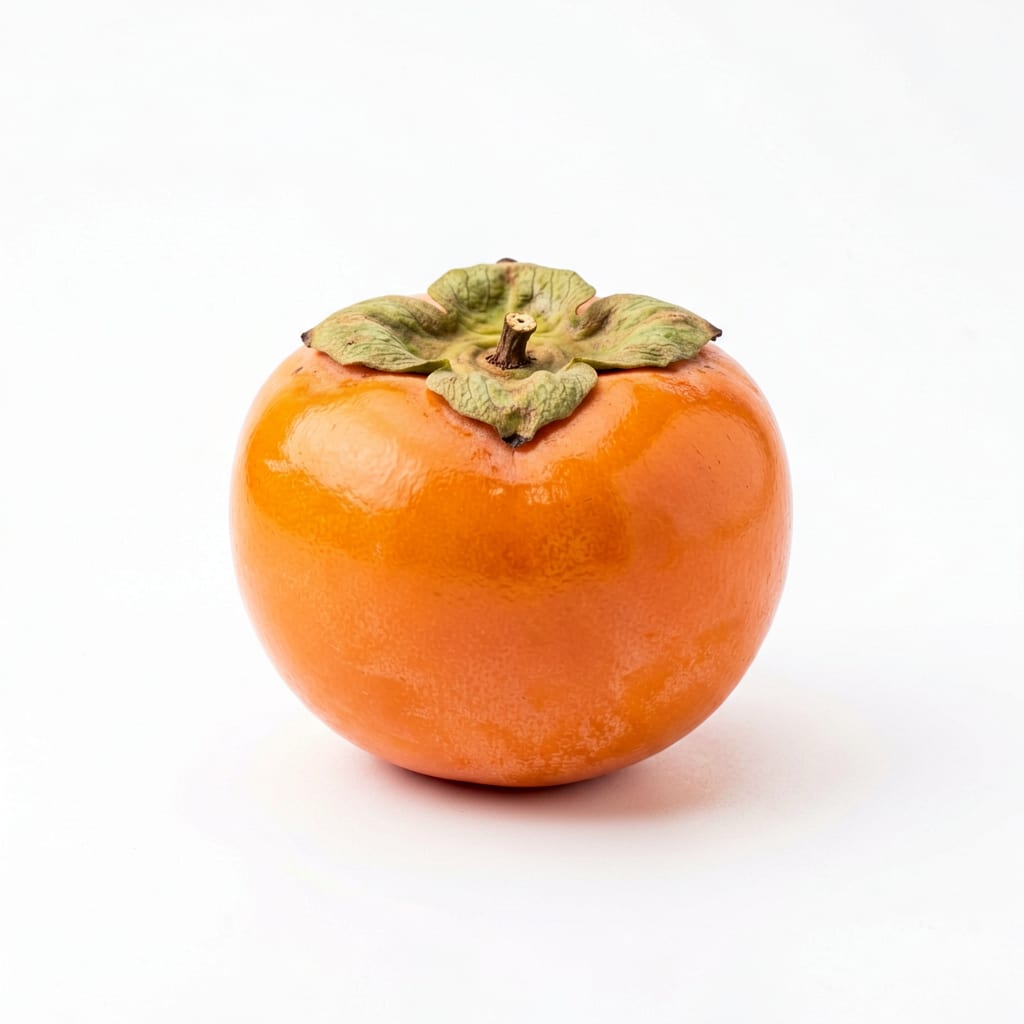
Persimmon
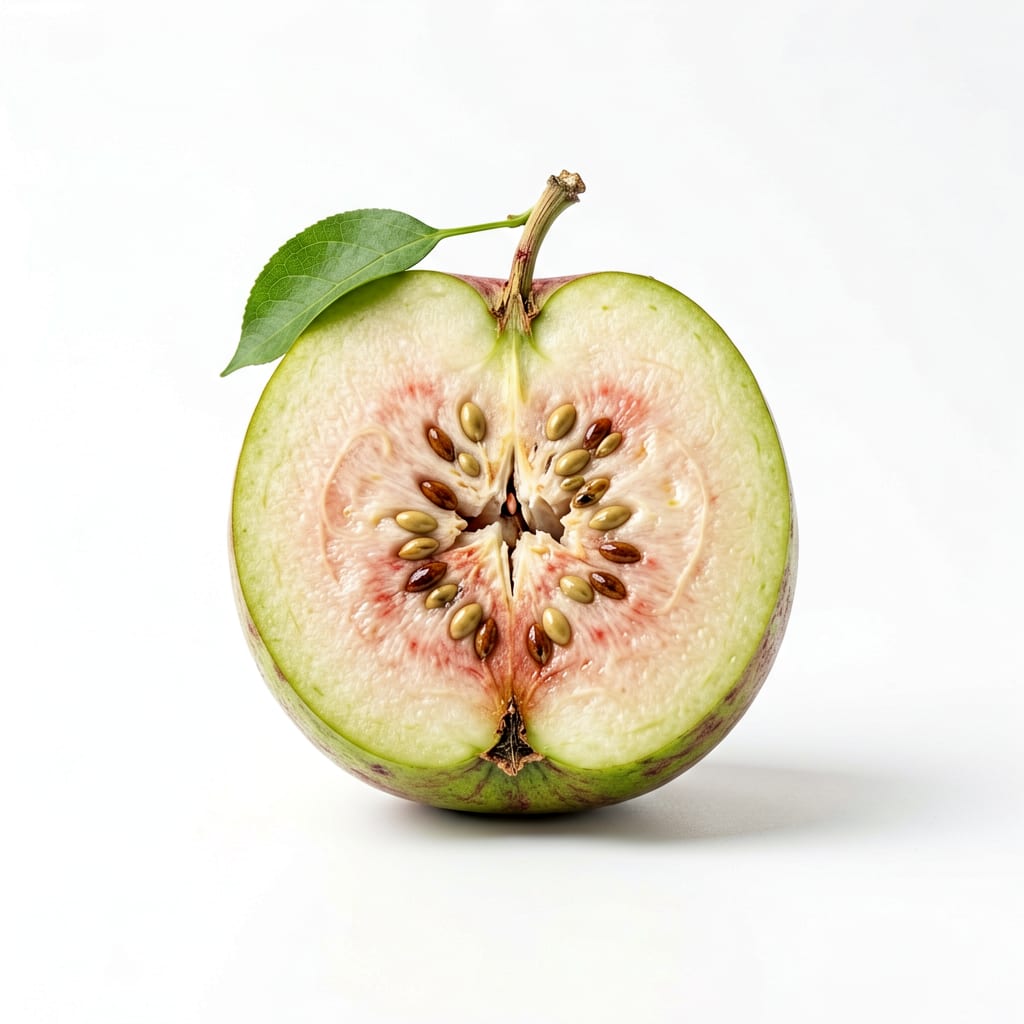
Fig
Persimmon packs more antioxidants and vitamin A, while figs deliver more calcium, potassium, and digestive comfort.
Persimmon edges ahead on antioxidants and blood sugar control, but Fig's digestive benefits and mineral content keep it highly competitive.
Persimmon offers superior antioxidant protection and steadier blood sugar, but figs are easier on the gut and far more convenient year-round.
At a glance
Executive summary
Overall
It depends
Healthier
It depends
More practical
Fig
Daily use
Fig
Key comparison lenses
Blood sugar impact and natural sugar load
Both are sweet fruits, but their fiber and tannin profiles affect blood sugar very differently
Digestive tolerance and safety
Persimmons carry a unique risk of gastric bezoars, while figs are famous for promoting bowel movements
Antioxidant and vitamin density
Persimmon is a powerhouse for vitamin A and antioxidants, whereas figs lean heavily into minerals
Seasonal availability and convenience
Persimmons are highly seasonal and delicate, while figs are available dried year-round
Best choice for
Persimmon
- Boosting immunity and skin health
- Reducing oxidative stress
- Lower glycemic snacking
Fig
- Improving digestive regularity
- Supporting bone health
- Convenient on-the-go snacking
Least suitable for
Persimmon
- People with sensitive stomachs due to bezoar risk
- Those seeking year-round fresh availability
Fig
- Strict low-carb or low-sugar diets especially dried
- People managing sharp blood sugar spikes
Deep comparison
Dimension by dimension
Each lens scores both foods and breaks down who each option suits.
- Dimension 1 · Priority 85It depends
Nutrient Density
Persimmon · 82Fig · 80Persimmon dominates in vitamins A and C, while Fig provides more minerals like calcium and potassium.
Tradeoff
You choose between immune-boosting vitamins (Persimmon) and bone-supporting minerals (Fig).
Why it matters
Different micronutrient profiles serve different long-term health goals.
Real-world impact
Eating Persimmon supports eye and skin health, whereas Fig helps with muscle cramps and bone density.
Persimmon
- Vitamin A needs
- Vitamin C boost
- Eye health
Better for
- Mineral density
- Bone-building nutrients
Worse for
Fig
- Calcium intake
- Potassium balance
- Bone support
Better for
- Vitamin A content
- Immune-boosting vitamins
Worse for
- Dimension 2 · Priority 90Persimmon
Blood Sugar Stability
Persimmon · 85Fig · 70Persimmon has a lower glycemic impact, especially when firm, due to tannins that slow sugar absorption.
Tradeoff
Persimmon keeps blood sugar steadier, while Fig—especially dried—can cause a quicker spike.
Why it matters
Stable blood sugar prevents afternoon energy crashes and cravings.
Real-world impact
A Persimmon feels more sustaining, while a handful of dried figs might leave you hungry an hour later.
Persimmon
- Steady energy
- Diabetic-friendly snacking
- Craving control
Better for
- Rapid energy replenishment
Worse for
Fig
- Quick pre-workout fuel
Better for
- Blood sugar management
- Fasting periods
Worse for
- Dimension 3 · Priority 88Fig
Digestive Health & Tolerance
Persimmon · 65Fig · 90Figs are legendary for digestive regularity, while unripe Persimmons can actually cause dangerous stomach blockages.
Tradeoff
Fig is a gentle digestive aid, but Persimmon requires caution and full ripeness to avoid gastric issues.
Why it matters
Eating should make you feel good, not bloated or at risk of blockages.
Real-world impact
Figs reliably help with constipation, while an unripe Persimmon can ruin your day with stomach pain.
Persimmon
- Firm tannin content for gut flora modulation
Better for
- Bezoar risk if unripe
- Astringent mouthfeel
- Stomach discomfort
Worse for
Fig
- Constipation relief
- Gentle digestion
- High fiber tolerance
Better for
- Overdoing fiber if sensitive
Worse for
- Dimension 4 · Priority 80Persimmon
Antioxidant Power
Persimmon · 92Fig · 75Persimmon is an antioxidant powerhouse loaded with beta-carotene and tannins that fight cellular damage.
Tradeoff
Persimmon offers far more cellular protection, while Fig's antioxidant profile is more modest.
Why it matters
High antioxidant intake reduces inflammation and slows aging.
Real-world impact
Regularly eating Persimmon can visibly improve skin resilience and reduce inflammatory issues.
Persimmon
- Anti-aging benefits
- Inflammation reduction
- Skin health
Better for
- None significant
Worse for
Fig
- Basic free radical defense
Better for
- Lower beta-carotene
- Fewer tannins
Worse for
- Dimension 5 · Priority 75Fig
Convenience & Availability
Persimmon · 60Fig · 88Figs are easily found dried year-round and are durable, while Persimmons are highly seasonal and delicate when ripe.
Tradeoff
Fig is a pantry staple you can always keep on hand, whereas Persimmon is a fleeting seasonal luxury.
Why it matters
You can only eat what you can actually find and store.
Real-world impact
You can toss dried figs in a bag for a hike, but a ripe Persimmon will turn to mush in your backpack.
Persimmon
- Seasonal novelty
- Farmer market appeal
Better for
- Fragile when ripe
- Short season
- Hard to store
Worse for
Fig
- Year-round access
- Travel-friendly
- Long shelf life dried
Better for
- Fresh figs are also fragile and seasonal
Worse for
Timeline
Health impact over time
Short-term
Hours to days
Persimmon
- Feels very filling due to water and fiber
- Can cause a dry mouthfeel if not fully ripe
Fig
- Provides quick natural energy
- Promotes a bowel movement within hours
Long-term
Months to years
Persimmon
- Protects vision and skin through high vitamin A
- Reduces cellular damage from oxidative stress
Fig
- Supports bone density with calcium and magnesium
- Maintains healthy blood pressure via potassium
Risk profile
Safety & processing
Both are whole foods when fresh. Dried figs often contain sulfites to preserve color, so check labels if sensitive.
Persimmon
Phytobezoar formation
mediumUnripe Persimmons contain high soluble tannins that can harden in the stomach, especially if consumed with protein-rich foods, leading to blockages.
Fig
Dental cavities from dried sugar
mediumDried figs are sticky and concentrated in sugar, which can adhere to teeth and promote decay if not brushed away.
Latex allergy cross-reactivity
lowFresh fig sap contains compounds similar to natural latex, which can trigger reactions in latex-allergic individuals.
Who wins for whom
Audience fit
Same foods, different winners depending on your goal.
children
FigFigs are naturally sweet, soft, and lack the astringent risk that makes Persimmon unpleasant for kids.
daily consumption
FigFigs are gentler on the digestive system and more accessible year-round, making them easier to stick with.
diabetes
PersimmonPersimmon's tannins slow carbohydrate absorption, leading to a gentler blood sugar response.
elderly
FigFigs are easier to chew, gentle on the stomach, and provide calcium for aging bones.
muscle gain
FigFigs offer more readily available carbohydrates and potassium to fuel workouts and prevent cramping.
weight loss
PersimmonPersimmon has more water volume and less sugar per serving, making it more filling for fewer calories.
Your move
Decision guide
Choose Persimmon
- You want maximum antioxidant and vitamin A benefits
- You need a low-glycemic sweet treat
- It is autumn and you can find perfectly ripe ones
Choose Fig
- You struggle with constipation or irregularity
- You want a portable, shelf-stable snack
- You need more calcium and potassium in your diet
Either works if
- You just want a natural whole-food dessert
- You are looking to increase your daily fiber intake
Avoid both if
- You are on a strict very-low-carb diet
- You have severe fructose intolerance
Final recommendation
Choose Persimmon for a seasonal antioxidant and vitamin A boost with lower sugar impact, but opt for Fig if you need reliable digestive support, bone-building minerals, and everyday convenience.
Practical
Consumer tips
- 1
Wait until Persimmons feel like water balloons before eating to avoid the chalky astringency.
- 2
If buying dried figs, look for unsulfured versions to avoid sulfite sensitivities.
- 3
Never eat an unripe Hachiya Persimmon on an empty stomach to prevent stomach blockages.
- 4
Pair figs with a handful of nuts to blunt the blood sugar spike from their natural sugars.