
Nutrition comparison
Persimmon vs Pomegranate: Which Fruit Is Healthier?
Compare persimmon and pomegranate on antioxidants, sugar, convenience, and health benefits. Find out which fruit is better for your goals.
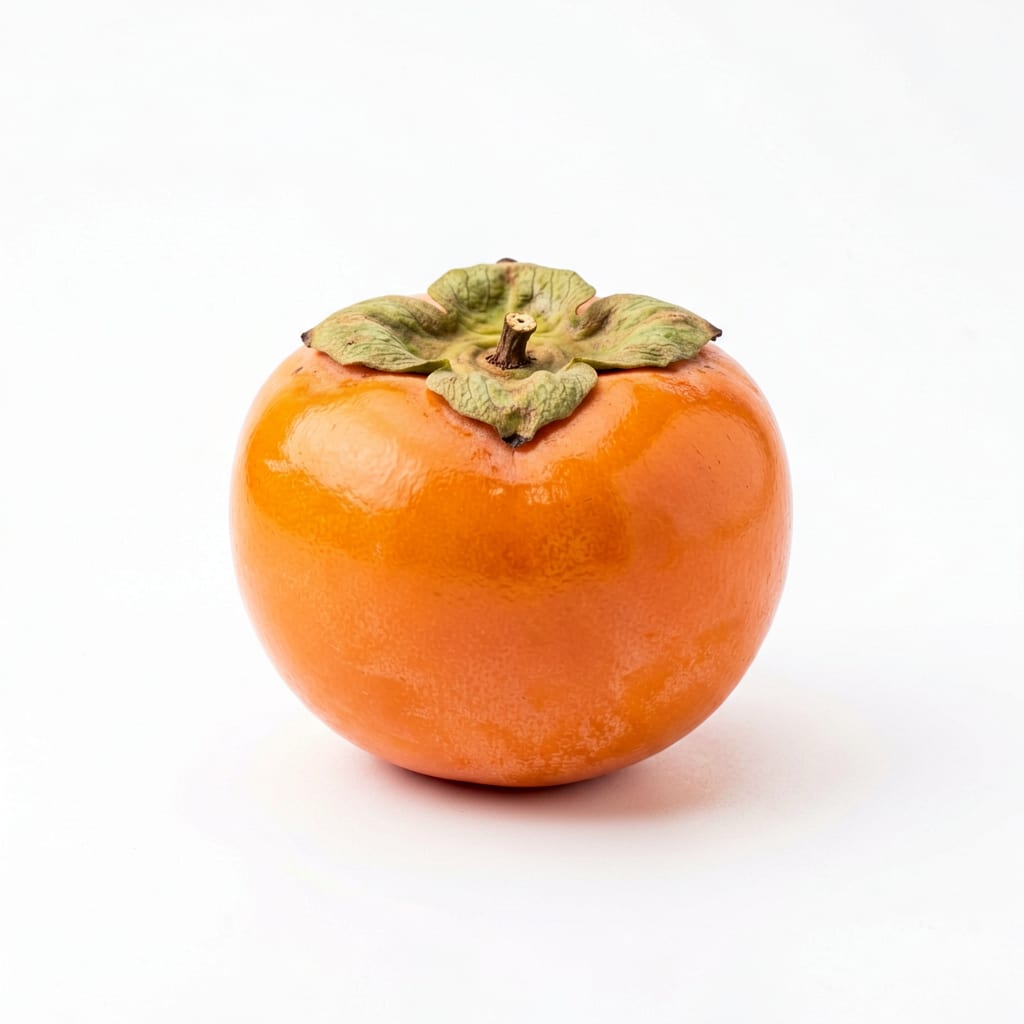
Persimmon
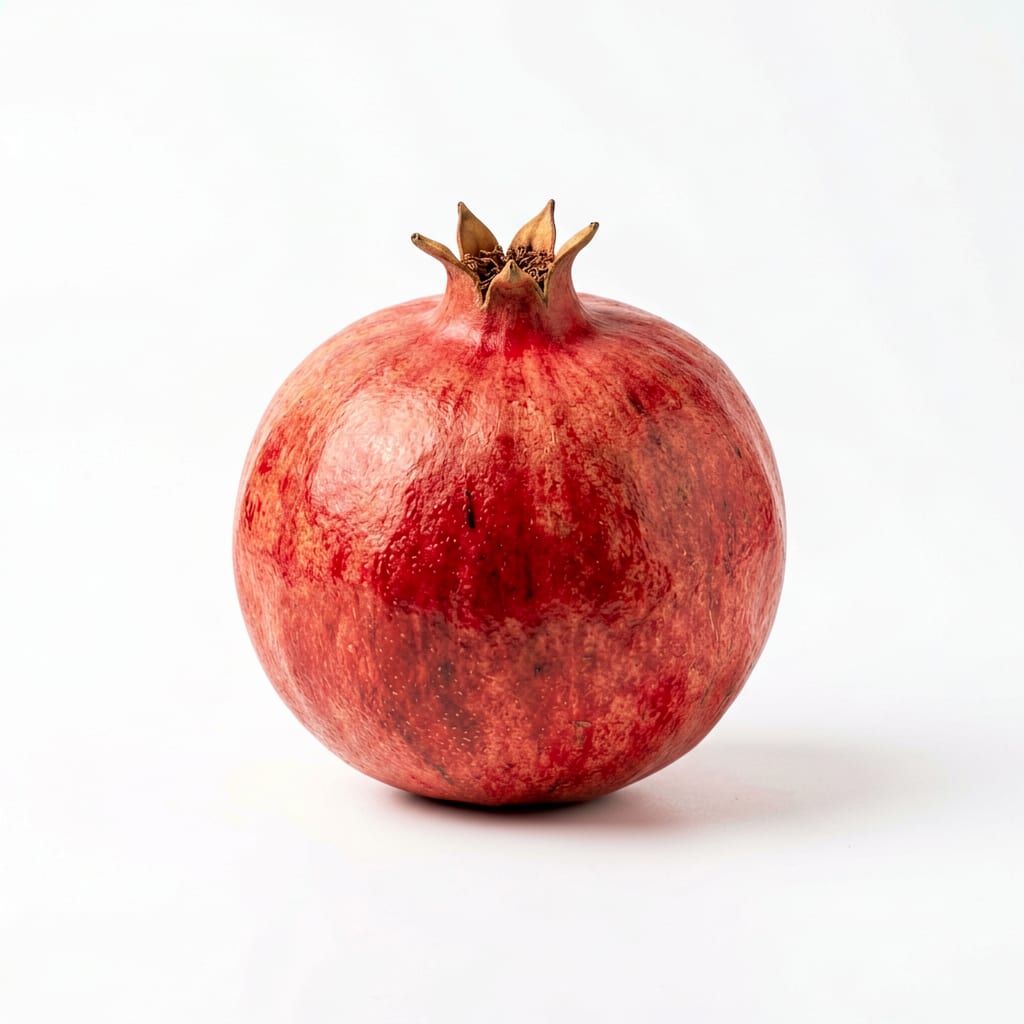
Pomegranate
Pomegranate dominates in antioxidants and heart health research, while persimmon offers easier eating and a sweeter, more comforting experience.
Pomegranate scores higher due to superior antioxidant content, stronger clinical evidence for health benefits, and better blood sugar profile. Persimmon remains solid but its higher sugar and limited research keep it behind.
Pomegranate gives you far more disease-fighting power per bite, but persimmon gives you a grab-and-go fruit that actually feels like a snack.
At a glance
Executive summary
Overall
It depends
Healthier
Pomegranate
More practical
Persimmon
Daily use
It depends
Key comparison lenses
antioxidant density and anti aging
Pomegranate is renowned for punicalagins and ellagic acid, making antioxidant comparison central to this pairing
blood sugar and sweetness management
Persimmon is notably sweeter and higher in sugar, a key concern for many users choosing between these fruits
convenience and everyday eating
Persimmon can be eaten like an apple while pomegranate requires extraction, affecting daily usability
heart health and inflammation
Both fruits have cardiovascular benefits but pomegranate has far stronger clinical evidence
digestive tolerance
Persimmon tannins can cause bezoars in sensitive people, a unique safety concern worth highlighting
Best choice for
Persimmon
- People who want a quick, portable fruit snack
- Those seeking a sweet, comforting whole fruit experience
- Anyone who finds pomegranate prep too tedious for daily use
- People wanting more vitamin A for skin and eye health
Pomegranate
- People prioritizing antioxidant and anti-inflammatory benefits
- Those focused on heart health and blood pressure management
- Anyone wanting the most nutrient-dense option per calorie
- People who enjoy tart flavors and don't mind prep work
Least suitable for
Persimmon
- People watching sugar intake closely
- Those with digestive sensitivity to tannins
- Anyone who has had gastric surgery (bezoar risk)
Pomegranate
- People who find fussy food prep frustrating
- Those who dislike tart or astringent flavors
- Anyone needing a quick on-the-go snack
Deep comparison
Dimension by dimension
Each lens scores both foods and breaks down who each option suits.
- Dimension 1 · Priority 95Pomegranate
antioxidant_power
Persimmon · 55Pomegranate · 96Pomegranate is one of the most antioxidant-rich fruits on the planet. Persimmon has decent antioxidants but cannot compete.
Tradeoff
You would need to eat several persimmons to approach the antioxidant capacity of a single pomegranate.
Why it matters
Antioxidants protect cells from damage, reduce inflammation, and slow aging. This is pomegranate's superpower.
Real-world impact
Regular pomegranate consumption is linked to measurable improvements in blood pressure and arterial health. Persimmon has no equivalent body of evidence.
Persimmon
- Maximizing antioxidant intake per calorie
Worse for
Pomegranate
- Long-term disease prevention
- Skin health and anti-aging
- Chronic inflammation reduction
Better for
- Dimension 2 · Priority 88Pomegranate
sugar_and_blood_sugar_impact
Persimmon · 50Pomegranate · 74Persimmon is significantly sweeter with more sugar per serving. Pomegranate arils have a lower glycemic load despite their sweetness.
Tradeoff
Persimmon tastes more like dessert but hits your blood sugar harder. Pomegranate offers tart satisfaction with gentler metabolic impact.
Why it matters
For anyone managing weight, diabetes, or energy crashes, sugar content matters more than most people realize.
Real-world impact
A ripe persimmon can cause a quicker blood sugar rise than you'd expect from fruit. Pomegranate arils provide steadier energy.
Persimmon
- Athletes needing quick carbohydrate fuel
Better for
- Blood sugar stability
- Sugar-conscious diets
Worse for
Pomegranate
- Stable energy without crashes
- Diabetes-friendly fruit choice
- Weight management
Better for
- Dimension 3 · Priority 80Persimmon
convenience_and_ease_of_eating
Persimmon · 88Pomegranate · 42Persimmon is bite-for-bite one of the easiest fruits to eat. Pomegranate requires scoring, cracking, and seed extraction.
Tradeoff
Persimmon is grab-and-go. Pomegranate is a ritual that rewards patience but discourages spontaneous snacking.
Why it matters
The best healthy food is the one you actually eat. Convenience often determines whether a fruit becomes a habit or a rarity.
Real-world impact
You can eat a persimmon at your desk, in your car, or walking. Pomegranate demands a sink, a cutting board, and stained fingers.
Persimmon
- Busy mornings
- On-the-go snacking
- Office fruit bowl
Better for
Pomegranate
- Weekend brunch garnish
- Cooking and recipe use
Better for
- Quick snacking
- Portable fruit needs
Worse for
- Dimension 4 · Priority 72It depends
vitamin_and_mineral_profile
Persimmon · 70Pomegranate · 73Persimmon excels in vitamin A and manganese. Pomegranate provides more vitamin K, folate, and potassium. Both offer vitamin C.
Tradeoff
Persimmon supports vision and skin more directly. Pomegranate supports blood clotting, cell growth, and electrolyte balance.
Why it matters
Different vitamins serve different goals. Your choice should match what your diet otherwise lacks.
Real-world impact
If you rarely eat orange vegetables, persimmon fills the vitamin A gap. If you need more folate or potassium, pomegranate delivers better.
Persimmon
- Vitamin A intake for eye and skin health
- Manganese for bone metabolism
Better for
- Folate needs
Worse for
Pomegranate
- Vitamin K for bone and blood health
- Folate for cell repair and pregnancy
- Potassium for blood pressure regulation
Better for
- Vitamin A needs
Worse for
- Dimension 5 · Priority 68Pomegranate
digestive_tolerance_and_safety
Persimmon · 52Pomegranate · 82Persimmon tannins can form bezoars in the stomach, especially when eaten unripe or in large quantities. Pomegranate is gentler on digestion.
Tradeoff
Persimmon's astringency is a real medical concern for some people. Pomegranate seeds may bother diverticulosis but this is rarer.
Why it matters
A food that causes digestive blockages is not a good daily choice for vulnerable individuals, no matter how nutritious.
Real-world impact
Persimmon bezoars have required surgery in extreme cases. This is uncommon but worth knowing if you have slow digestion or prior gastric surgery.
Persimmon
- People prone to constipation or bezoars
- Those who eat fruit before it fully ripens
Worse for
Pomegranate
- Sensitive digestion
- Post-surgical gastric patients
- Elderly with slower motility
Better for
- Severe diverticulosis (seed concern)
Worse for
- Dimension 6 · Priority 60Pomegranate
culinary_versatility
Persimmon · 55Pomegranate · 78Pomegranate arils and juice appear in salads, marinades, desserts, and drinks across many cuisines. Persimmon is more limited.
Tradeoff
Pomegranate elevates both sweet and savory dishes. Persimmon is best enjoyed fresh or in baked goods.
Why it matters
A fruit you can cook with extends your healthy eating options beyond raw snacking.
Real-world impact
Pomegranate molasses, arils over hummus, or juice in smoothies are everyday culinary tools. Persimmon is mostly a eat-it-fresh fruit.
Persimmon
- Simple fresh snacking
- Baking and puddings
Better for
- Savory recipe integration
Worse for
Pomegranate
- Savory cooking
- Salad garnish
- Beverages and marinades
Better for
Timeline
Health impact over time
Short-term
Hours to days
Persimmon
- Quick energy from natural sugars, especially when very ripe
- Satisfying sweet taste can curb dessert cravings
- Astringent mouthfeel if not fully ripe, which some find unpleasant
Pomegranate
- Tart flavor can feel refreshing and palate-cleansing
- Satisfying crunch from arils provides textural enjoyment
- Stained fingers and clothing risk during preparation
Long-term
Months to years
Persimmon
- Good vitamin A intake supports eye health over time
- Fiber supports regular digestion when consumed in moderation
- Bezoar risk with chronic overconsumption, especially of astringent varieties
Pomegranate
- Strongest evidence for cardiovascular protection among common fruits
- Anti-inflammatory compounds may reduce joint pain and chronic disease risk
- Polyphenols support memory and cognitive function in aging populations
Risk profile
Safety & processing
Both fruits are whole, unprocessed foods as typically consumed. Neither raises additive concerns. The only processing risk is pomegranate juice, which concentrates sugar and loses fiber.
Persimmon
Diospyrobezoar formation
mediumTannins in persimmon, especially unripe or astringent varieties, can harden in the stomach and form blockages. More dangerous after gastric surgery or with slow digestion.
Pesticide residue on skin
lowPersimmon skin can carry pesticide residue. Washing thoroughly or choosing organic reduces this concern.
Pomegranate
Pesticide residue on peel
lowPomegranate outer peel may have pesticide residue, but since you discard the peel and eat the arils, exposure is minimal.
Seed-related digestive irritation
lowPomegranate aril seeds can irritate diverticulosis in rare cases, though most people tolerate them well.
Who wins for whom
Audience fit
Same foods, different winners depending on your goal.
children
PersimmonPersimmon is sweeter, easier to eat, and requires no seed-spitting. Most kids prefer its honey-like flavor over pomegranate's tartness.
daily consumption
It dependsPersimmon is easier to eat daily due to convenience, but pomegranate provides more cumulative health benefits. The best choice depends on whether you prioritize habit adherence or maximum nutrition.
diabetes
PomegranatePomegranate has a lower glycemic load and contains compounds that may improve insulin sensitivity. Persimmon's sugar content is a concern for blood sugar management.
elderly
PomegranatePomegranate's anti-inflammatory and cognitive benefits are especially valuable for aging bodies. Persimmon's bezoar risk is more concerning for older digestive systems.
muscle gain
It dependsNeither fruit is a protein source. Persimmon offers slightly more quick carbs for post-workout glycogen replenishment, but the difference is minor.
weight loss
PomegranatePomegranate has less sugar, more fiber per calorie, and a tart flavor that discourages overeating. Persimmon's sweetness can trigger more cravings.
Your move
Decision guide
Choose Persimmon
- You want a sweet, satisfying fruit that requires zero prep
- You need more vitamin A in your diet
- You find pomegranate too tart or too much work
- You want a comforting autumn snack that feels like a treat
Choose Pomegranate
- You want the most antioxidant bang for your calorie buck
- Heart health and inflammation reduction are top priorities
- You enjoy the ritual of preparing food and find it meditative
- You want a fruit that works in both sweet and savory dishes
Either works if
- You simply want more whole fruit variety in your diet
- You are looking for seasonal autumn/winter produce
- You have no specific health condition guiding your choice
Avoid both if
- You are on a strict very-low-carb or ketogenic diet
- You have severe fructose intolerance
Final recommendation
Eat pomegranate when you have the time and want maximum health returns. Keep persimmon around for easy snacking days. Both deserve a place in a balanced diet, but if forced to choose one for long-term health impact, pomegranate wins convincingly.
Practical
Consumer tips
- 1
Choose fully ripe persimmons to minimize tannin content and bezoar risk. They should feel like a water balloon when ready.
- 2
Open pomegranates underwater in a bowl to avoid juice stains and easily separate arils from membrane.
- 3
Don't substitute pomegranate juice for whole arils regularly. Juice strips out fiber and concentrates sugar significantly.
- 4
If you have had gastric surgery, avoid persimmon or eat only small amounts of fully ripe non-astringent varieties.
- 5
Freeze pomegranate arils for a refreshing summer snack that also extends their shelf life by months.