
Nutrition comparison
Persimmon vs Tomato: Nutrition Comparison, Sugar Content, and Health Tradeoffs
Persimmon delivers more vitamin A and fiber but triple the sugar. Tomato offers low-calorie versatility and heart-protecting lycopene. See which fits your goals.
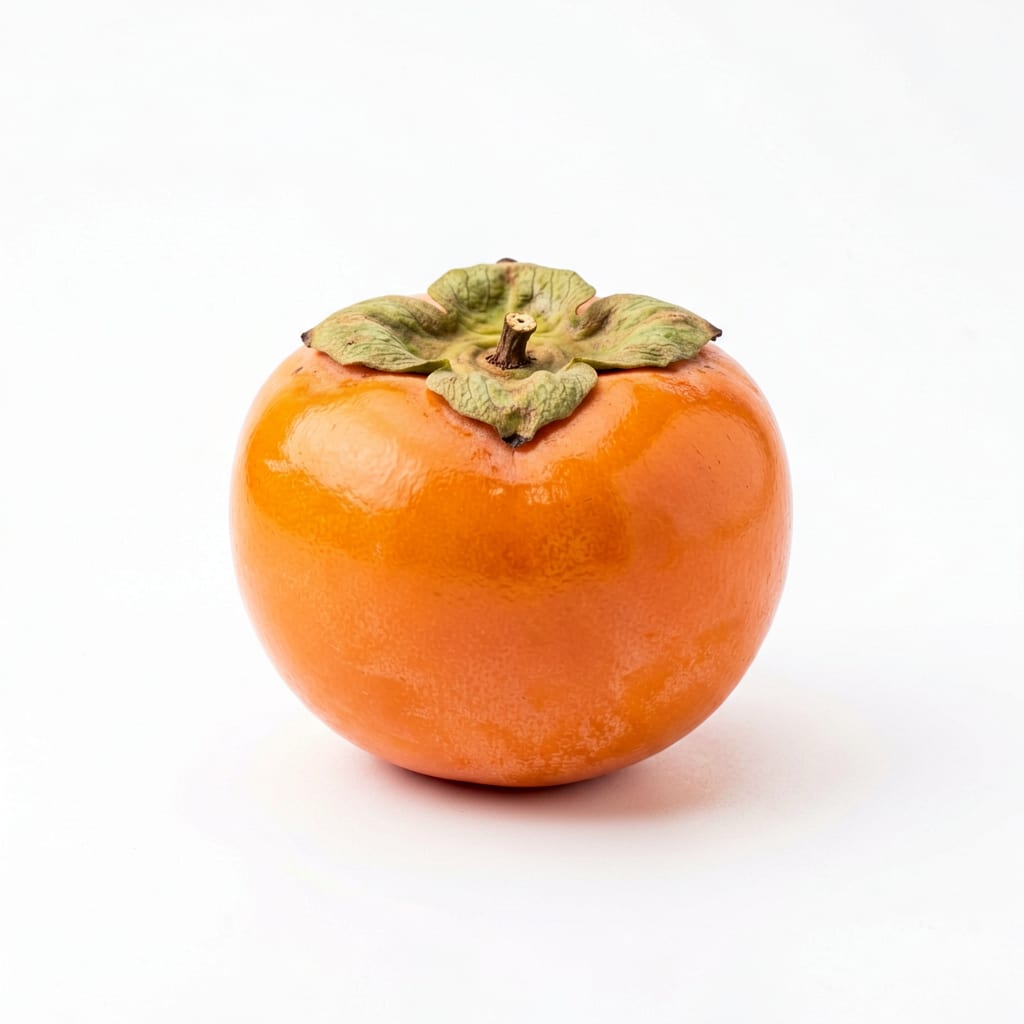
Persimmon
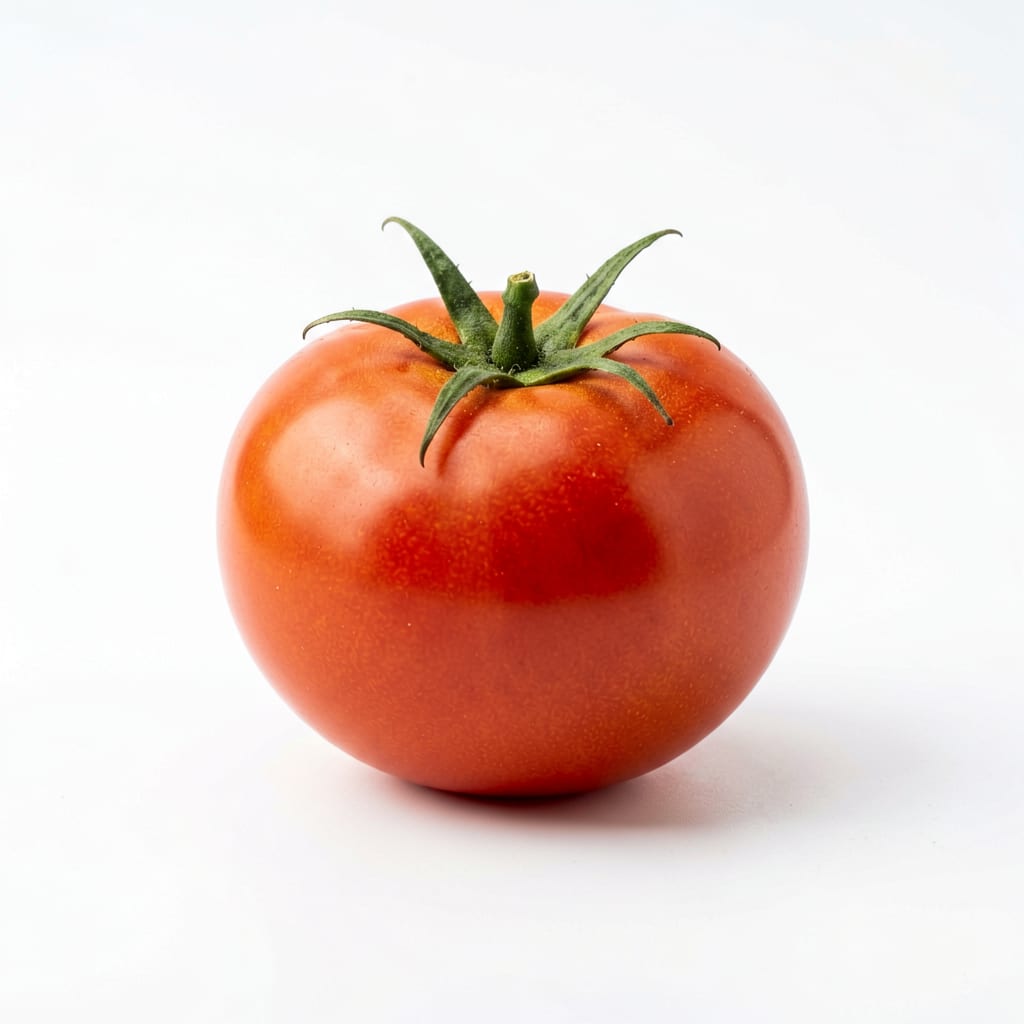
Tomato
Tomato wins for everyday versatility and low-calorie eating; persimmon wins for satisfying sweetness and vitamin A density.
Tomato scores higher due to superior versatility, lower sugar, and broader daily usability. Persimmon remains excellent for specific needs but is less adaptable as a daily staple.
Persimmon delivers comforting sweetness and more fiber per bite, but at triple the calories and sugar. Tomato offers savory flexibility with minimal caloric cost.
At a glance
Executive summary
Overall
It depends
Healthier
Tomato
More practical
Tomato
Daily use
Tomato
Key comparison lenses
sweet fruit vs savory fruit daily use
Persimmon is a sweet snack fruit while tomato is a savory culinary staple — they serve completely different roles in daily eating
sugar and blood impact
Persimmon has significantly more natural sugar, making blood sugar response a key differentiator
antioxidant profile comparison
Both are antioxidant powerhouses but through different compounds — beta-carotene vs lycopene
calorie density and weight management
Persimmon is calorie-denser per serving, which matters for portion-aware eating
culinary versatility
Tomato integrates into nearly every meal; persimmon is mostly eaten alone or in desserts
Best choice for
Persimmon
- People needing calorie-dense natural energy
- Anyone seeking vitamin A for skin and eye health
- Those wanting a satisfying sweet snack without processed sugar
- Active individuals needing portable fruit energy
Tomato
- Anyone managing blood sugar or watching calories
- People who cook daily and need a versatile ingredient
- Those focused on heart health and lycopene intake
- Anyone wanting high volume eating with low caloric cost
Least suitable for
Persimmon
- People strictly limiting sugar intake
- Diabetics who need low-glycemic options
- Anyone trying to reduce calorie density in meals
Tomato
- People avoiding nightshades due to inflammation concerns
- Those wanting a sweet satisfying snack
- Anyone looking for calorie-dense fuel during intense activity
Deep comparison
Dimension by dimension
Each lens scores both foods and breaks down who each option suits.
- Dimension 1 · Priority 90Tomato
calorie_efficiency
Persimmon · 45Tomato · 92Tomato provides high food volume with minimal calories. Persimmon packs more calories per serving, making it less efficient for weight management.
Tradeoff
Persimmon's calories come with meaningful nutrition, but you get far less volume per 100 calories compared to tomato.
Why it matters
If you eat for fullness on limited calories, tomato lets you eat more. Persimmon satisfies differently — through sweetness and density.
Real-world impact
A large tomato fills a salad bowl for 33 calories. A persimmon gives a sweet snack for 118 calories but leaves less room in a calorie budget.
Persimmon
- Endurance athletes needing compact energy
- Underweight individuals seeking nutrient-dense calories
Better for
- Strict calorie restrictors
- People who snack mindlessly
Worse for
Tomato
- Weight loss diets
- Volume eaters who want to feel full
- Anyone tracking calories closely
Better for
- Those who need calorie-dense fuel during long hikes
Worse for
- Dimension 2 · Priority 88Tomato
blood_sugar_stability
Persimmon · 42Tomato · 88Tomato has minimal sugar and a very low glycemic impact. Persimmon contains roughly 18g of sugar per fruit, which can spike blood sugar more noticeably.
Tradeoff
Persimmon's fiber helps slow sugar absorption somewhat, but the total sugar load is still significant compared to tomato's near-zero impact.
Why it matters
For anyone with insulin resistance, prediabetes, or energy crash issues, this difference is immediately felt within an hour of eating.
Real-world impact
Eating a persimmon as a standalone snack may cause a sugar rush and dip. Tomato paired with olive oil and feta gives steadier energy for hours.
Persimmon
- Healthy active people who tolerate natural sugar well
- Post-workout recovery when quick carbs help
Better for
- Insulin-resistant individuals
- People prone to sugar cravings after sweet snacks
Worse for
Tomato
- Diabetics and prediabetics
- Anyone avoiding afternoon energy crashes
- Low-carb and keto eaters
Better for
- Athletes immediately post-exercise who need fast glycogen replenishment
Worse for
- Dimension 3 · Priority 85It depends
antioxidant_diversity
Persimmon · 82Tomato · 85Persimmon brings beta-carotene, vitamin C, and unique tannins. Tomato delivers lycopene, the most potent dietary carotenoid for heart and prostate health.
Tradeoff
Cooking tomato dramatically boosts lycopene absorption. Persimmon's antioxidants are best raw but tannins can cause mouth astringency when underripe.
Why it matters
Different antioxidants protect different systems. Lycopene targets cardiovascular and prostate health. Beta-carotene supports vision and skin integrity.
Real-world impact
A tomato sauce with olive oil gives more absorbable lycopene than raw tomatoes. A ripe persimmon gives a beta-carotene boost similar to a carrot.
Persimmon
- Eye health and skin support
- Immune system variety through different carotenoids
Better for
- People sensitive to tannins in underripe persimmons
Worse for
Tomato
- Heart disease prevention
- Prostate health in men
- Anyone who cooks tomatoes with fat for maximum lycopene
Better for
- Those who only eat tomatoes raw and miss the lycopene boost from cooking
Worse for
- Dimension 4 · Priority 75Persimmon
fiber_and_digestion
Persimmon · 85Tomato · 62Persimmon provides about 6g of fiber per fruit, including soluble fiber that feeds gut bacteria. Tomato offers about 1.5g per serving — decent but modest.
Tradeoff
Persimmon's high fiber can cause digestive discomfort if eaten in large quantities, especially when less ripe. Tomato is gentler on digestion but less supportive of gut health.
Why it matters
Soluble fiber from persimmon helps with cholesterol and satiety. Tomato's lower fiber makes it easier to eat in large quantities without bloating.
Real-world impact
One persimmon covers roughly 20% of daily fiber needs. You would need to eat six tomatoes to match that fiber intake.
Persimmon
- Gut microbiome support
- Cholesterol management through soluble fiber
- People who need more fiber from fruit sources
Better for
- Those with IBS who react to soluble fiber loads
- People who eat multiple persimmons and get stomach discomfort
Worse for
Tomato
- People with sensitive digestion
- Anyone prone to bloating from high-fiber fruits
Better for
- Anyone relying on tomato as a primary fiber source
Worse for
- Dimension 5 · Priority 82Tomato
culinary_versatility
Persimmon · 30Tomato · 95Tomato works in salads, sauces, soups, sandwiches, stews, and drinks. Persimmon is mostly eaten raw, in baked goods, or as a sweet topping.
Tradeoff
Tomato transforms across cuisines and cooking methods. Persimmon has a narrow culinary window — delicious when ripe, unpleasant when not.
Why it matters
A food you can cook with daily gets used more and wasted less. Persimmon's short season and ripening window make it a specialty ingredient.
Real-world impact
Tomatoes can anchor every meal of the day. Persimmons are a seasonal treat you buy a few times a year.
Persimmon
- Breakfast smoothies and oatmeal toppings
- Dessert recipes needing natural sweetness
Better for
- Anyone wanting one ingredient that works across all meals
- People unfamiliar with ripeness indicators
Worse for
Tomato
- Every meal from breakfast to dinner
- Meal prep and batch cooking
- Multiple world cuisines
Better for
- Those seeking a sweet fruit snack experience
Worse for
- Dimension 6 · Priority 72Persimmon
vitamin_and_mineral_density
Persimmon · 84Tomato · 70Persimmon delivers significantly more vitamin A, vitamin C, manganese, and copper per serving. Tomato provides good vitamin C and potassium but less overall micronutrient density.
Tradeoff
Persimmon's micronutrient advantage comes packaged with more sugar. Tomato offers fewer micronutrients but with almost no caloric cost.
Why it matters
If you eat limited food volume, persimmon packs more nutrition per bite. If you eat plenty of food, tomato's lower density matters less.
Real-world impact
One persimmon provides over half your daily vitamin A needs. You would need to eat several tomatoes to approach that level.
Persimmon
- Vitamin A support for skin and vision
- Anyone needing concentrated micronutrition in small volumes
Better for
- People who assume all fruit is nutritionally similar and overconsume sugar
Worse for
Tomato
- Potassium for blood pressure management
- Those who get vitamins from varied diet rather than single foods
Better for
- Those relying on tomato as a primary vitamin source
Worse for
Timeline
Health impact over time
Short-term
Hours to days
Persimmon
- Quick energy from natural sugars within 30 minutes
- Noticeable fullness from fiber content
- Possible mouth astringency if persimmon is underripe due to tannins
- Risk of digestive discomfort if eaten in large quantities
Tomato
- Minimal blood sugar impact after eating
- Light refreshing feeling without heaviness
- Immediate hydration benefit from high water content
- Acidic taste may trigger mild heartburn in sensitive individuals
Long-term
Months to years
Persimmon
- Improved vitamin A status supporting skin and eye health over months
- Better cholesterol profiles from regular soluble fiber intake
- Risk of excess sugar consumption if eaten frequently alongside other sweet fruits
- Seasonal availability limits overconsumption naturally
Tomato
- Reduced cardiovascular risk from consistent lycopene intake
- Lower overall calorie intake when tomato replaces higher-calorie ingredients
- Potential reduction in blood pressure from regular potassium consumption
- Nightshade sensitivity may worsen joint pain in susceptible individuals
Risk profile
Safety & processing
Both foods are typically consumed whole and unprocessed. Fresh persimmons and raw tomatoes are equally natural. However, canned tomatoes may contain added salt and BPA exposure from can linings, while dried persimmons often contain added sulfur dioxide as a preservative.
Persimmon
Tannin-related digestive blockage
mediumEating large quantities of unripe persimmons, especially on an empty stomach, can form a phytobezoar — a hardened mass that may require medical intervention. This is rare but well-documented.
Pesticide residue on skin
lowPersimmons are typically lower on pesticide concern lists but washing is still recommended, especially for non-organic varieties.
Tomato
Nightshade inflammatory response
lowTomatoes contain solanine and other alkaloids that may trigger joint pain or inflammation in nightshade-sensitive individuals. This affects a small minority.
Canned tomato BPA and salt exposure
mediumCanned tomatoes are acidic and leach more BPA from can linings than other foods. Many brands also add significant sodium. Choose glass-jarred or BPA-free canned options.
Foodborne illness from improper storage
lowCut tomatoes left at room temperature can grow salmonella. Refrigerate cut tomatoes and use within two days.
Who wins for whom
Audience fit
Same foods, different winners depending on your goal.
children
PersimmonChildren generally prefer sweet flavors, and persimmon provides a nutrient-dense alternative to processed sweets. Tomato is healthy but often rejected by picky eaters.
daily consumption
TomatoTomato integrates into every meal without sugar concerns or seasonal limitations. Persimmon is best enjoyed seasonally rather than daily.
diabetes
TomatoTomato has negligible sugar and will not spike blood glucose. Persimmon's 18g of sugar per fruit requires careful portion management for diabetics.
elderly
TomatoOlder adults benefit from tomato's lycopene for heart health and its soft texture when cooked. Persimmon's tannin risk and higher sugar are less ideal for aging metabolisms.
muscle gain
It dependsNeither food is a protein source. Persimmon offers slightly more post-workout carbs for glycogen recovery, but both are supplementary to protein-rich foods.
weight loss
TomatoTomato provides high volume and satisfaction with minimal calories, making it far easier to fit into a calorie deficit.
Your move
Decision guide
Choose Persimmon
- You want a sweet satisfying snack that provides real nutrition
- You need more vitamin A for skin, eye, or immune support
- You are active and need portable calorie-dense fruit energy
- You enjoy seasonal eating and want autumn variety
Choose Tomato
- You want low-calorie volume to stay full longer
- You cook regularly and need a versatile ingredient
- You are managing blood sugar, weight, or heart health
- You want a food you can eat every single day without concern
Either works if
- You want antioxidant-rich whole foods instead of processed snacks
- You are building a diverse fruit and vegetable intake
- You value seasonal and local eating patterns
Avoid both if
- You have a specific allergy to either food
- You are on a very restricted diet that limits fruit and vegetable sugars entirely
Final recommendation
Keep both in your diet but assign them different roles. Use tomato as your daily workhorse — in sauces, salads, and sides. Enjoy persimmon as a seasonal treat that satisfies sweet cravings with real nutrition. If you must pick one for daily eating, tomato wins by a wide margin for its versatility, low sugar, and consistent availability.
Practical
Consumer tips
- 1
Wait until persimmons are fully soft before eating — underripe ones are astringent and can cause digestive issues
- 2
Pair tomato with olive oil to absorb up to four times more lycopene
- 3
Choose glass-jarred tomato products over canned to avoid BPA exposure
- 4
Freeze overripe persimmons and blend into smoothies for natural sweetness without added sugar
- 5
Cherry tomatoes make the most convenient low-calorie snack — keep a bowl visible on your counter
- 6
If you have nightshade sensitivity, try cooking tomatoes thoroughly which may reduce alkaloid content