
Nutrition comparison
Persimmon vs Papaya: Nutrition, Digestion, and Which is Healthier
Compare Persimmon vs Papaya to see which fruit is better for digestion, blood sugar, and daily nutrition. Learn the key differences in fiber, sugar, and health benefits.
Overall winner · Papaya
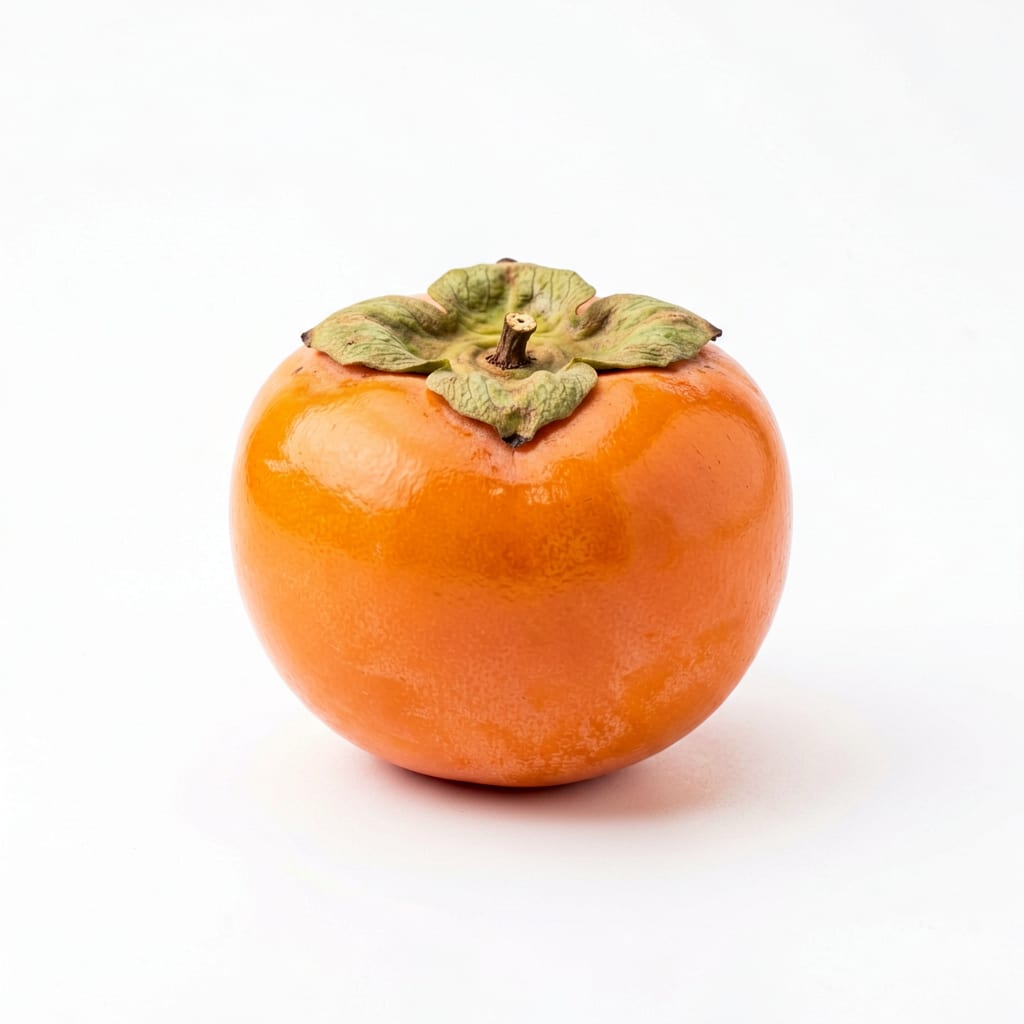
Persimmon
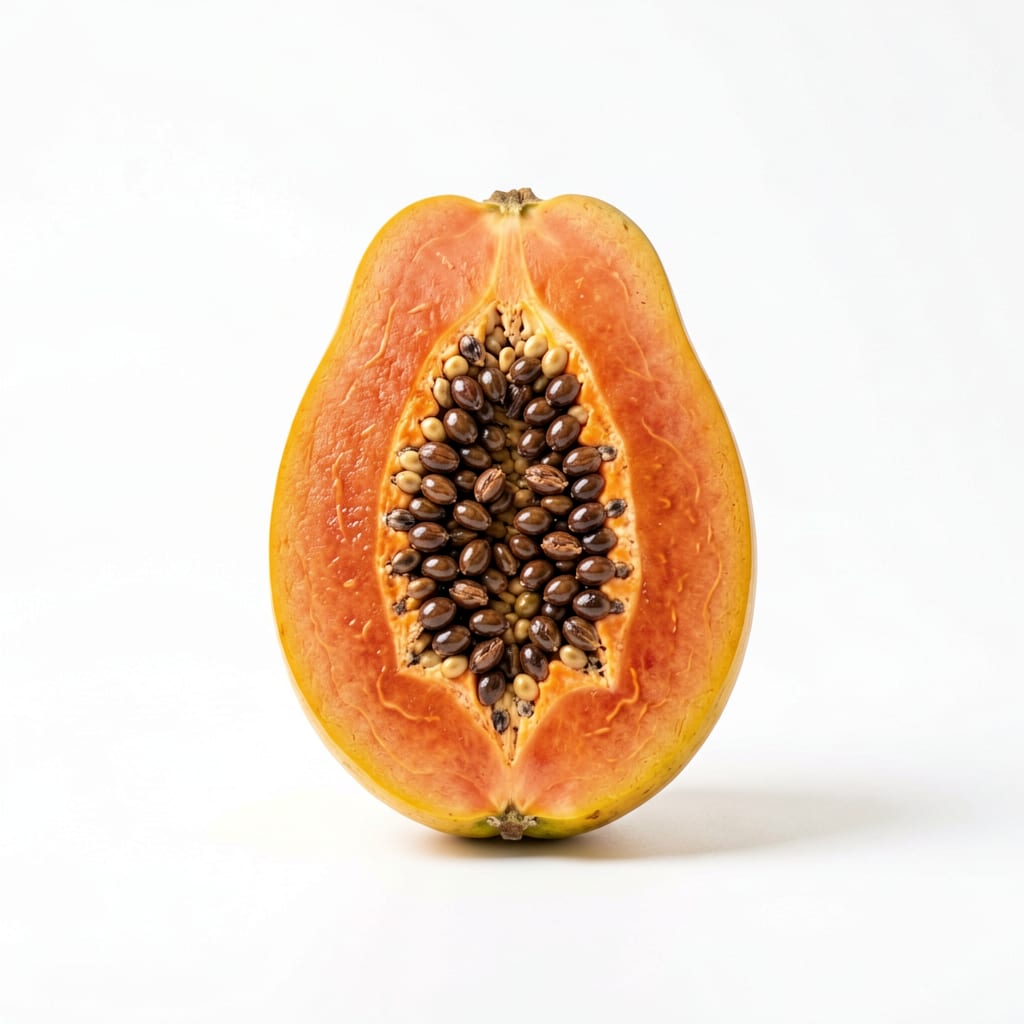
Papaya
Papaya wins for daily eating thanks to its gentle digestion and lower sugar, but Persimmon is a fiber-rich treat when perfectly ripe.
Papaya scores higher due to its broader suitability for daily consumption, lower sugar content, and digestive benefits. Persimmon is excellent but has a narrower ripeness window and higher sugar load.
You trade Persimmon's massive fiber and rich sweetness for Papaya's digestive ease and steadier blood sugar.
At a glance
Executive summary
Overall
Papaya
Healthier
Papaya
More practical
Papaya
Daily use
Papaya
Key comparison lenses
Digestive tolerance and enzyme content
Papaya contains papain, a powerful digestive enzyme, while Persimmon has tannins that can cause digestive issues if unripe.
Blood sugar impact and sugar content
Persimmon is significantly sweeter and higher in sugar, making Papaya a better option for those watching their glucose.
Ripeness management and ease of eating
Persimmon can be highly astringent and unpleasant if not perfectly ripe, whereas Papaya is more forgiving and ready to eat.
Best choice for
Persimmon
- People needing a high-fiber boost to relieve constipation
- Those looking for a rich, dessert-like whole food treat
- Anyone wanting to increase manganese intake for bone health
Papaya
- People with sensitive stomachs or digestive issues
- Those monitoring their blood sugar or trying to lose weight
- Anyone seeking a low-calorie, hydrating tropical fruit
Least suitable for
Persimmon
- People with diabetes or insulin resistance due to high sugar
- Those with a history of bowel obstruction or bezoars
- Impatient eaters who won't wait for perfect ripeness
Papaya
- People with a latex-fruit allergy
- Those strictly avoiding GMO foods unless organic is sourced
- Anyone wanting a high-calorie, filling snack
Deep comparison
Dimension by dimension
Each lens scores both foods and breaks down who each option suits.
- Dimension 1 · Priority 95Papaya
Digestive Comfort & Enzymes
Persimmon · 60Papaya · 95Papaya is famous for papain, an enzyme that breaks down protein and soothes the stomach. Persimmon's tannins can actually irritate the stomach or form bezoars if eaten unripe.
Tradeoff
Persimmon offers bulk-forming fiber for regularity, but Papaya actively helps you digest other foods.
Why it matters
If you struggle with bloating or heavy meals, Papaya is a natural remedy. An unripe Persimmon can ruin your afternoon.
Real-world impact
Eating Papaya after a heavy steak feels light and comforting. Eating an unripe Persimmon makes your mouth pucker and your stomach ache.
Persimmon
- Adding insoluble bulk to stool
Better for
- Risk of phytobezoars if consumed unripe or in excess
Worse for
Papaya
- Soothing acid reflux
- Breaking down heavy proteins
- Preventing stomach upset
Better for
- Rare latex-fruit syndrome reactions
Worse for
- Dimension 2 · Priority 90Papaya
Blood Sugar & Sweetness
Persimmon · 55Papaya · 80Persimmon is much sweeter and packs nearly double the sugar of Papaya. Papaya provides a lighter, more blood-sugar-friendly sweetness.
Tradeoff
Persimmon satisfies intense sweet cravings naturally, but Papaya keeps your energy steadier without the crash.
Why it matters
For anyone watching their weight or glucose, Persimmon can spike blood sugar more aggressively than Papaya.
Real-world impact
A Persimmon feels like eating candy; a Papaya feels like a refreshing, light snack that won't cause an afternoon energy dip.
Persimmon
- Replacing processed desserts
- Quick energy before a workout
Better for
- Triggering sugar cravings
- Spiking blood glucose
Worse for
Papaya
- Maintaining steady energy
- Fitting into a low-carb or diabetic diet
Better for
- Feeling too light if you need substantial calories
Worse for
- Dimension 3 · Priority 85Persimmon
Nutrient Density & Fiber
Persimmon · 88Papaya · 82Persimmon is a fiber powerhouse and rich in manganese, while Papaya offers more vitamin C and folate. Both are excellent sources of vitamin A.
Tradeoff
You choose between Persimmon's gut-filling fiber and Papaya's immune-boosting vitamin C and folate.
Why it matters
If you need to stay full longer or support bone health, Persimmon wins. For immune support or pregnancy nutrition, Papaya is superior.
Real-world impact
Persimmon keeps you full until lunch; Papaya helps you fight off a cold.
Persimmon
- Satiety and feeling full
- Bone health via manganese
- Gut microbiome fuel
Better for
- Missing out on high folate levels
Worse for
Papaya
- Pregnancy nutrition via folate
- Immune defense via vitamin C
- Skin health via vitamin A
Better for
- Lower overall fiber per serving
Worse for
- Dimension 4 · Priority 70Papaya
Convenience & Ripeness Window
Persimmon · 50Papaya · 85Papaya is generally ready to eat when it yields slightly and is easy to scoop. Persimmon, especially the Hachiya variety, must be pudding-soft or it is inedibly astringent.
Tradeoff
Persimmon requires patience and timing, while Papaya is more forgiving and ready when you are.
Why it matters
Wasting fruit because you missed the ripeness window is frustrating and expensive. Papaya is easier to integrate into a busy life.
Real-world impact
You can cut a Papaya on a Tuesday without thinking. A Persimmon might sit on your counter for a week demanding daily checks.
Persimmon
- Longer shelf life when firm
Better for
- High risk of eating an astringent fruit
- Messy to eat when perfectly ripe
Worse for
Papaya
- Easy to scoop and eat immediately
- More predictable texture
Better for
- Spoils quickly once cut
Worse for
Timeline
Health impact over time
Short-term
Hours to days
Persimmon
- Provides rapid energy from natural sugars
- Can cause a dry, puckering mouth if not fully ripe
- Highly filling due to dense fiber content
Papaya
- Soothes the stomach and aids digestion of other foods
- Provides hydration and a light, refreshing feeling
- Unlikely to cause blood sugar spikes
Long-term
Months to years
Persimmon
- Excellent for bowel regularity due to high fiber
- Risk of bezoar formation if frequently eaten unripe or with high-protein meals
- Manganese supports bone density over time
Papaya
- Consistent vitamin C intake supports skin elasticity and immunity
- Folate promotes healthy cell division
- Papain may reduce chronic inflammation in the gut
Risk profile
Safety & processing
Both Persimmon and Papaya are whole, unprocessed fruits. You are getting pure, natural nutrition from both, with no hidden additives or preservatives.
Persimmon
Phytobezoar formation
mediumUnripe Persimmons contain high levels of soluble tannins that can harden in the stomach, especially if eaten with high-protein foods, potentially causing bowel obstruction.
Pesticide residue
lowConventional Persimmons may carry some pesticide residue, but the thick skin that is typically peeled reduces ingestion risk.
Papaya
Latex-fruit allergy
mediumPeople with latex allergies may cross-react with Papaya, experiencing itching or swelling in the mouth and throat.
GMO concerns
lowMuch of the Hawaiian Papaya crop is genetically modified to resist ringspot virus. Choose organic or non-GMO labeled Papaya if this is a concern.
Who wins for whom
Audience fit
Same foods, different winners depending on your goal.
children
PapayaPapaya is softer, easier to digest, and has a mild sweetness that kids usually prefer without the astringent risk of Persimmon.
daily consumption
PapayaPapaya is easier to eat consistently, gentler on the stomach, and lower in sugar, making it a better daily staple.
diabetes
PapayaPapaya has a lower glycemic load and significantly less sugar than Persimmon, making it safer for blood sugar management.
elderly
PapayaPapaya is gentle on aging digestive systems and provides folate and vitamin C without the bezoar risk associated with Persimmon.
muscle gain
PapayaPapaya's papain enzymes help digest the high-protein meals required for muscle gain, reducing bloating.
weight loss
PapayaPapaya is lower in calories and sugar, making it easier to fit into a calorie-controlled diet without triggering cravings.
Your move
Decision guide
Choose Persimmon
- You need a high-fiber food to relieve constipation
- You want a rich, dessert-like fruit to satisfy a sweet tooth
- You enjoy the unique, jelly-like texture of perfectly ripe fruit
Choose Papaya
- You have a sensitive stomach or struggle with digestion
- You are watching your blood sugar or trying to lose weight
- You want a low-maintenance fruit that is easy to prep and eat
Either works if
- You want to boost your vitamin A intake for eye health
- You are looking for a natural, whole-food snack
- You want to add tropical variety to your diet
Avoid both if
- You have severe fructose intolerance
- You are on a strict very-low-carb or ketogenic diet
Final recommendation
Keep Papaya as your regular go-to for a gentle, low-sugar, digestion-friendly fruit. Treat Persimmon as a seasonal luxury—enjoy it when perfectly ripe for a fiber-rich, candy-like experience, but don't rely on it for daily snacking.
Practical
Consumer tips
- 1
If buying Hachiya Persimmons, wait until they feel like a water balloon before eating to avoid astringency.
- 2
Fuyu Persimmons can be eaten crisp like an apple, offering a much easier entry point if you hate waiting for fruit to ripen.
- 3
Choose organic Papaya if you want to avoid GMO varieties, especially those sourced from Hawaii.
- 4
Freeze ripe Papaya chunks for an easy smoothie base that adds creaminess without dairy.
- 5
If you have a latex allergy, be cautious with Papaya and monitor for any oral allergy symptoms.