
Nutrition comparison
Persimmon vs Peach: Which Fruit Is Healthier for You?
Compare persimmon and peach nutrition including sugar, vitamins, digestion, and safety. Find out which fruit fits your health goals and when to choose each.
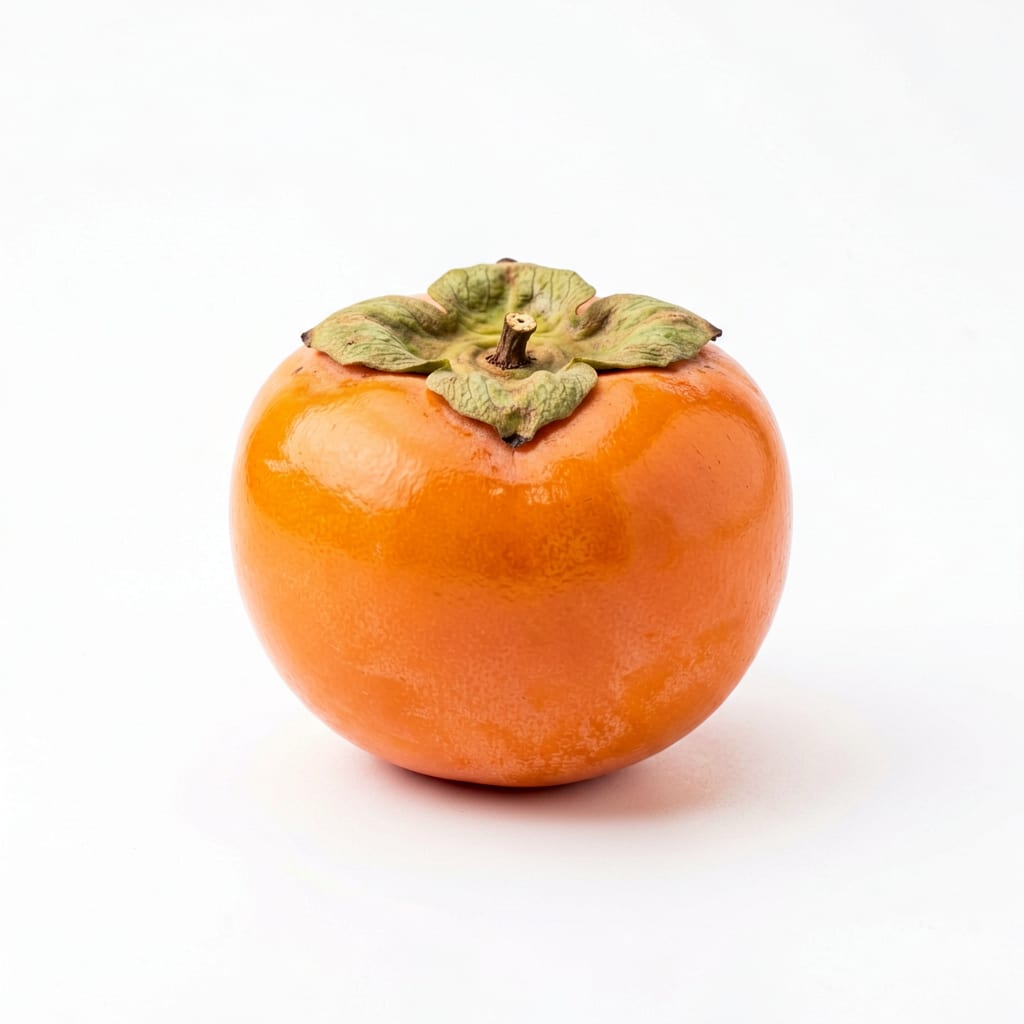
Persimmon
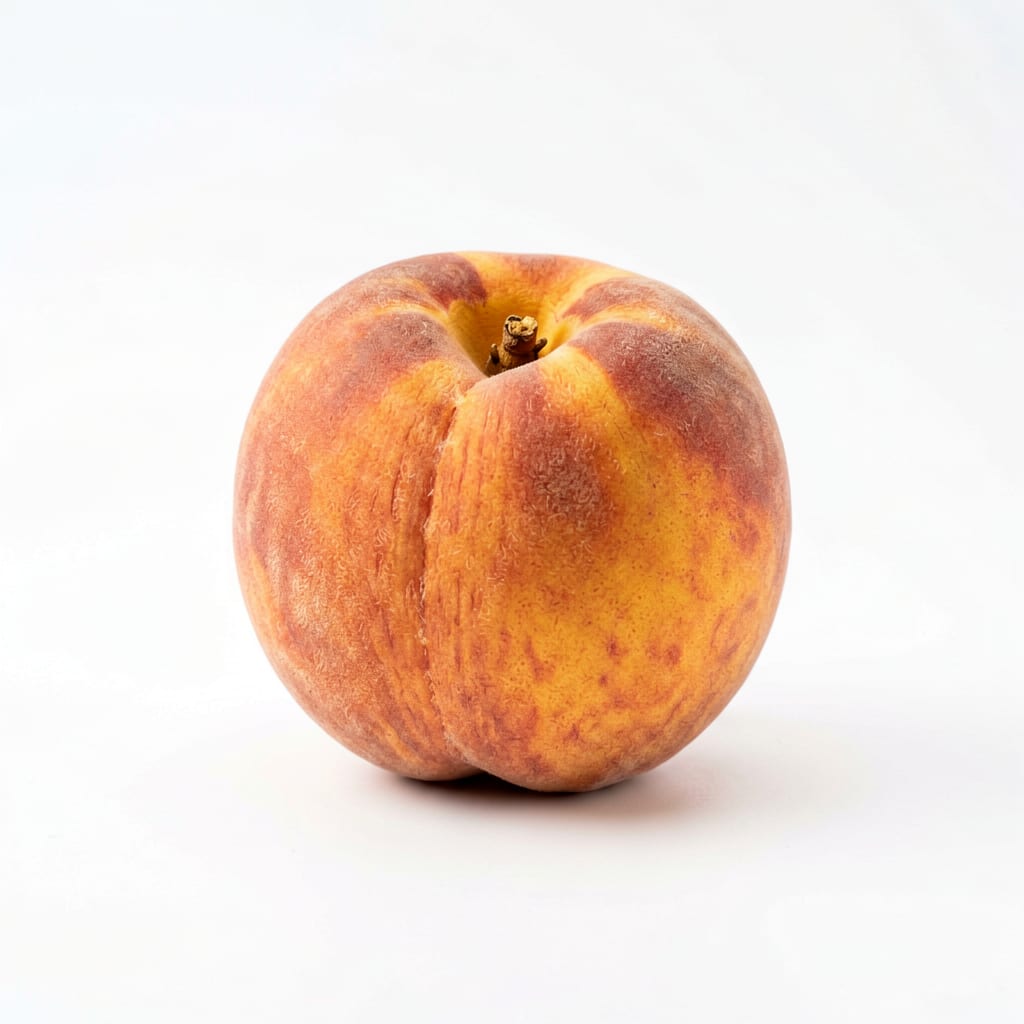
Peach
Persimmons pack more nutrition per bite but come with higher sugar and a learning curve; peaches are the safer, lighter everyday choice.
Peaches edge ahead due to broader everyday usability, lower sugar, and fewer digestive risks. Persimmons win on specific nutrients but their higher sugar and ripeness-dependent safety narrow the gap.
Nutrient density and vitamin A versus lower sugar and easier digestibility.
At a glance
Executive summary
Overall
It depends
Healthier
It depends
More practical
Peach
Daily use
Peach
Key comparison lenses
sugar and blood impact
Persimmons are significantly sweeter and higher in sugar than peaches, making glycemic load a key decision factor
antioxidant and vitamin density
Persimmons are exceptionally rich in vitamin A and unique tannins, while peaches offer more moderate nutrition
digestive tolerance
Unripe persimmons can cause serious digestive issues including bezoars, while peaches are gentler on the stomach
seasonal availability and convenience
Peaches are widely available and familiar; persimmons are seasonal and many consumers are unsure how to eat them
calorie efficiency for snacking
Peaches are lighter and lower in calories, making them easier to fit into calorie-conscious routines
Best choice for
Persimmon
- Boosting vitamin A intake naturally
- Maximizing antioxidant variety in your diet
- Fall and winter seasonal eating
- Adding fiber to a low-fiber diet
Peach
- Managing blood sugar or calorie intake
- Gentle digestion and sensitive stomachs
- Easy everyday snacking without planning
- Hydrating summer fruit options
Least suitable for
Persimmon
- People watching sugar intake closely
- Anyone unfamiliar with ripeness indicators
- Those prone to digestive blockages or slowed gastric emptying
Peach
- People seeking high vitamin A from fruit
- Anyone wanting maximum nutrient density per calorie
- Those looking for unique antioxidant compounds like tannins
Deep comparison
Dimension by dimension
Each lens scores both foods and breaks down who each option suits.
- Dimension 1 · Priority 90Peach
sugar_and_blood_stability
Persimmon · 55Peach · 78Peaches have roughly half the sugar of persimmons, making them easier on blood sugar.
Tradeoff
Persimmons deliver more energy per fruit but at the cost of a bigger glycemic load.
Why it matters
If you are watching blood sugar or trying to avoid afternoon energy crashes, peaches provide a steadier experience.
Real-world impact
A persimmon can feel like eating candy-level sweetness; a peach feels like a light, refreshing snack that will not spike and drop you.
Persimmon
- Pre- or post-workout when you want quick energy
- Active individuals who burn through sugar easily
Better for
- Late-night snacking when sugar spikes disrupt sleep
- Sedentary days with minimal calorie burn
Worse for
Peach
- Mid-afternoon snacking without the crash
- Anyone managing prediabetes or insulin resistance
Better for
- Endurance athletes needing concentrated fruit energy
Worse for
- Dimension 2 · Priority 85Persimmon
vitamin_and_antioxidant_density
Persimmon · 88Peach · 62Persimmons are a vitamin A powerhouse and contain unique tannins with anti-inflammatory properties.
Tradeoff
You get significantly more nutrition per persimmon, but you also get more sugar alongside it.
Why it matters
One persimmon provides over half your daily vitamin A needs; you would need several peaches to approach that.
Real-world impact
Eating persimmons regularly can meaningfully support eye health and immune function in a way peaches simply cannot match.
Persimmon
- Supporting eye health and night vision
- Boosting immune function during cold season
- Adding antioxidant diversity to a repetitive diet
Better for
- Vitamin A supplementation already covering needs
Worse for
Peach
- Gentle vitamin C intake without overwhelming sweetness
Better for
- Diets lacking in vitamin A from other sources
Worse for
- Dimension 3 · Priority 80Peach
digestive_tolerance_and_safety
Persimmon · 50Peach · 85Peaches are gentle and predictable; persimmons carry a real risk of digestive issues if eaten unripe.
Tradeoff
Persimmons offer more fiber but the tannins in unripe fruit can cause painful stomach blockages called bezoars.
Why it matters
Eating an unripe persimmon is not just unpleasant — it can require medical attention in rare cases.
Real-world impact
A peach is grab-and-go safe. A persimmon requires you to know when it is truly soft and ready, or you risk a deeply uncomfortable experience.
Persimmon
- Constipation relief when fully ripe due to high fiber
Better for
- Post-surgical patients with reduced gastric motility
- Elderly individuals with slower digestion
Worse for
Peach
- Sensitive stomachs and IBS-friendly eating
- Children who might bite into fruit before it is ready
- Anyone with history of gastric bezoars or slow digestion
Better for
- Situations where maximum fiber intake is the priority
Worse for
- Dimension 4 · Priority 70Peach
convenience_and_accessibility
Persimmon · 48Peach · 82Peaches are familiar, widely available, and easy to eat; persimmons are seasonal and confusing for many consumers.
Tradeoff
Persimmons reward knowledge and timing; peaches just work with zero learning curve.
Why it matters
The best healthy food is the one you actually eat consistently, not the one you are intimidated by.
Real-world impact
Most people can pick up a peach and enjoy it immediately. Persimmons often sit on counters because people are unsure when they are ripe or how to eat them.
Persimmon
- Adventurous eaters who enjoy seasonal variety
- Farmers market shoppers seeking fall specialties
Better for
- Rural areas with limited specialty produce access
- Anyone who has never eaten one and feels unsure
Worse for
Peach
- Busy people who want grab-and-go fruit
- Picky eaters and children who prefer familiar flavors
- Year-round availability needs
Better for
- Culinary exploration and expanding palate diversity
Worse for
- Dimension 5 · Priority 60Peach
hydration_and_lightness
Persimmon · 52Peach · 80Peaches are juicier and more hydrating with fewer calories per serving.
Tradeoff
Persimmons feel denser and more filling but are less refreshing on a hot day.
Why it matters
For summer snacking or when you want something light, peaches feel more appropriate and satisfying in that context.
Real-world impact
After a peach you feel refreshed. After a persimmon you feel like you ate something substantial — which is great or not depending on the moment.
Persimmon
- Replacing a small meal when you need something substantial
- Hiking or outdoor activities where calorie density helps
Better for
- Beach days and pool snacks where mess and heaviness matter
Worse for
Peach
- Hot weather when you want cooling, hydrating food
- After a heavy meal when you want something light for dessert
Better for
- Long stretches between meals when you need lasting energy
Worse for
Timeline
Health impact over time
Short-term
Hours to days
Persimmon
- Quick energy from natural sugars but risk of blood sugar spike
- High fiber can cause bloating if you are not used to it
- Unripe persimmons cause immediate mouth astringency and potential stomach discomfort
Peach
- Gentle energy with minimal blood sugar disruption
- Hydrating and easy on the stomach
- Rarely causes digestive upset even in sensitive individuals
Long-term
Months to years
Persimmon
- Excellent vitamin A intake supports eye and skin health over time
- Tannins may offer anti-inflammatory and cholesterol-lowering benefits
- Regular high sugar intake from fruit could contribute to elevated triglycerides if overconsumed
Peach
- Consistent moderate vitamin C intake supports immune resilience
- Low calorie density supports sustainable weight management
- Mild fiber contribution aids regularity without overwhelming the gut
Risk profile
Safety & processing
Both fruits are whole, unprocessed foods eaten in their natural state. Neither typically contains additives when purchased fresh.
Persimmon
Bezoar formation from unripe fruit
highTannins in unripe persimmons can harden in the stomach and form bezoars, which may require surgical removal. Always eat persimmons when fully soft and jelly-like.
Pesticide residue on non-organic skins
mediumPersimmons are not on the highest-risk lists but conventional farming can leave residues. Peeling or choosing organic reduces exposure.
Peach
Pesticide residue on conventional peaches
highPeaches consistently rank on the Dirty Dozen list due to high pesticide residue on their delicate skins. Choosing organic is strongly recommended.
Allergic reactions in birch pollen-sensitive individuals
mediumOral allergy syndrome can cause itching and swelling in the mouth for people with birch pollen allergies. Cooking peaches reduces this risk.
Who wins for whom
Audience fit
Same foods, different winners depending on your goal.
children
PeachPeaches are familiar, easy to eat, and carry no risk of astringency or bezoars. Persimmons require ripeness awareness that children may not have.
daily consumption
PeachLower sugar, broader availability, and easier digestion make peaches more sustainable as a daily fruit habit.
diabetes
PeachLower sugar content and gentler blood sugar impact make peaches the safer choice for glucose management.
elderly
PeachSofter texture when ripe, easier digestion, and no bezoar risk make peaches safer for aging digestive systems.
muscle gain
It dependsNeither fruit is a protein source. Persimmons offer slightly more post-workout carb energy, but the difference is minor.
weight loss
PeachPeaches have fewer calories and less sugar per serving, making them easier to fit into a calorie deficit without feeling deprived.
Your move
Decision guide
Choose Persimmon
- You want to dramatically boost your vitamin A intake naturally
- You enjoy seasonal eating and are comfortable judging ripeness
- You need a more filling, substantial fruit for energy
- You are looking for unique antioxidants like persimmon tannins
Choose Peach
- You want a lighter, lower-sugar everyday fruit
- You have blood sugar concerns or are managing weight
- You need grab-and-go convenience without ripeness guesswork
- You have a sensitive stomach or history of digestive issues
Either works if
- You simply want to add more whole fruit variety to your week
- You rotate fruits seasonally and enjoy both summer and fall produce
- You have no specific health restrictions and enjoy both flavors
Avoid both if
- You are on a very low-carb or ketogenic diet
- You have fructose intolerance or malabsorption issues
Final recommendation
Eat peaches as your reliable daily fruit and enjoy persimmons as a seasonal nutrient boost when you can find them fully ripe. Think of persimmons as a vitamin A supplement in fruit form and peaches as your everyday hydration and satisfaction go-to.
Practical
Consumer tips
- 1
Wait until persimmons feel like overripe tomatoes before eating — soft and squishy means safe and sweet
- 2
If you buy organic peaches, you avoid the highest pesticide residue of almost any fruit
- 3
Freeze sliced peaches for smoothies — they blend beautifully and reduce food waste
- 4
Persimmons pair well with yogurt or oatmeal where their sweetness replaces added sugar
- 5
Never eat a firm, orange persimmon like an apple — the astringency will make your mouth pucker painfully
- 6
If you have birch pollen allergies, try cooking peaches before eating to reduce oral allergy symptoms