
Grains and Pasta
Penne
A popular tube-shaped durum wheat pasta known for holding sauce effectively.
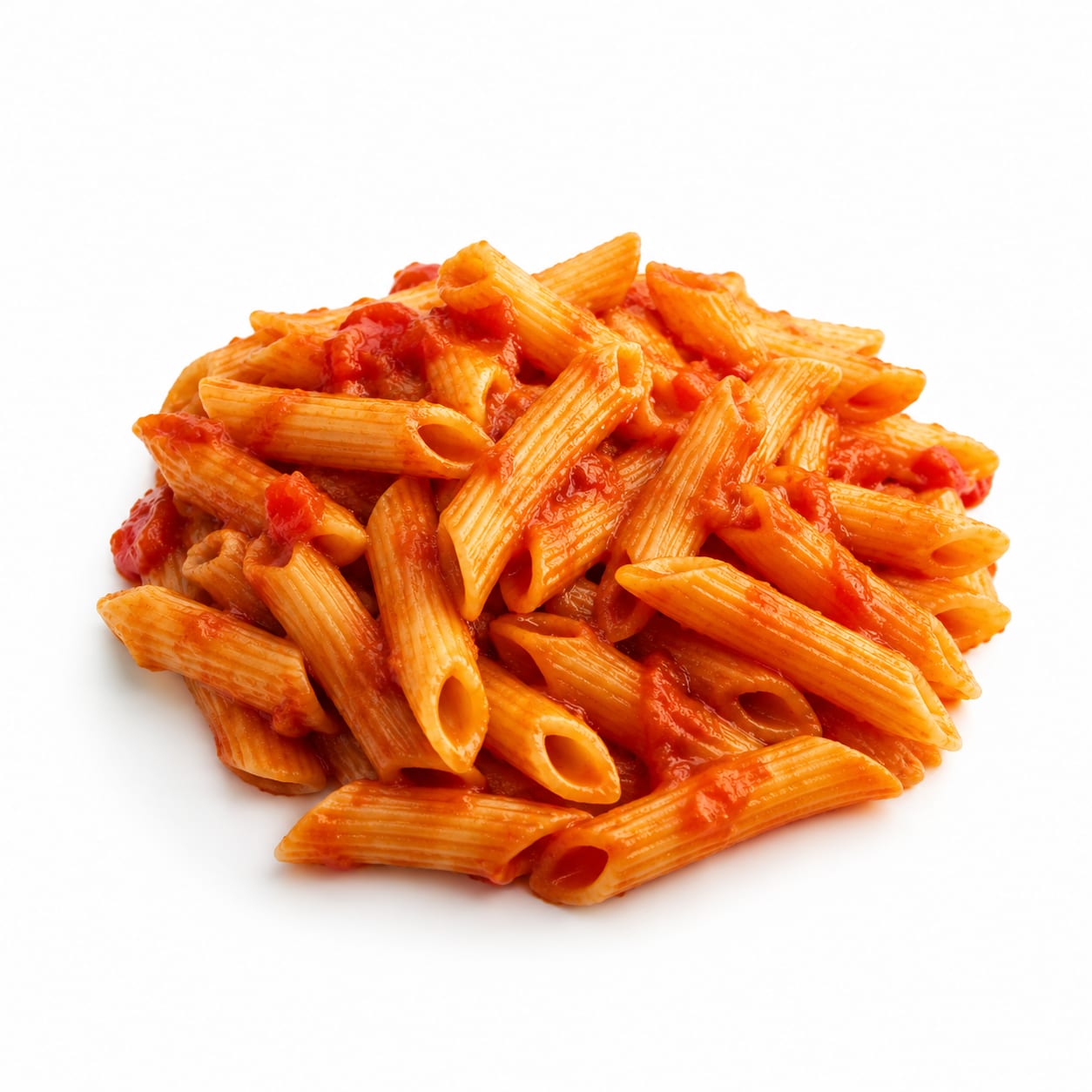
Penne is a tube-shaped pasta with diagonally cut ends, traditionally made from durum wheat semolina. It is one of the most popular pasta shapes worldwide, known for its ability to hold sauces both inside and outside the tube.
refined carbohydrate staple
Typical serving · 140g
Common varieties · white penne, whole wheat penne, gluten-free penne, penne rigate, smooth penne +1 more
Overall context score across nutrition, safety, and diet fit
The story
What makes it unique
Penne is primarily composed of refined durum wheat starch and protein. It digests at a moderate rate when cooked al dente, but rapidly if overcooked, leading to a variable glycemic response. Satiety is moderate but low in fiber, which limits prolonged fullness. As a refined grain product, it lacks the bran and germ found in whole wheat alternatives.
Varieties: white penne · whole wheat penne · gluten-free penne · penne rigate · smooth penne · chickpea penne
Per 100g
Nutrition breakdown
Macro balance and key metrics at a glance.
Energy
Density 1.57 kcal/g
Protein
Carbs
Fat
Fiber
Sugar
0.6 g
Sodium
1 mg
Potassium
44 mg
Glycemic index
55
Glycemic load
16
Water content
62%
Standout compounds
Nutrient highlights
Carbohydrates
highProvides quick energy for physical activity and brain function
Iron
moderateSupports oxygen transport in the blood
Folate
moderateEssential for cell division and DNA synthesis
Manganese
moderateInvolved in metabolism and bone formation
Wellness map
Health scores & processing
NOVA processing scale
Moderate · Whole food
Standard dried penne is made from refined durum wheat flour and water, classifying it as a processed food with minimal ingredients, though the grain itself is heavily refined.
Diet compatibility
- Weight loss
- Muscle gain
- Diabetes
- Gut health
- Low carb
- High protein
- Heart health
Relative standing
Food rankings
Qualitative ranks compared to similar whole foods.
- Satietymoderate
- Blood sugarpoor
- Nutrient densitymoderate
- Fitness fuelgood
- Processing qualitymoderate
Eat with confidence
Food safety profile
Dried penne poses very low risk for microbial contamination due to its low moisture content. Primary concerns are agricultural chemical residues from conventional wheat farming.
Evidence confidence 85%
- Pesticideslow
- Antibioticslow
- Heavy metalslow
- Contaminationlow
Watch for
- glyphosate residues
Safer choices
Organic whole wheat penne to avoid glyphosate residues and increase fiber intake.
Prep tips
Cooking pasta al dente and draining it can reduce surface contaminants and lower the glycemic index of the final dish.
Standard wheat farming often uses glyphosate as a pre-harvest desiccant, leading to frequent low-level residue detections in finished wheat products.
Deep dive
Health analysis
How this food may fit different goals and preparation choices.
Weight loss
Standard penne is calorie-dense and easy to overconsume; strict portion control is required to fit it into a weight loss plan.
Blood sugar
Refined penne causes moderate to high blood sugar spikes depending on cooking time; whole wheat varieties offer better glycemic control.
Fitness & energy
Provides fast-digesting carbohydrates ideal for pre-workout energy loading or post-workout glycogen replenishment.
Gut health
Low in fiber, offering minimal prebiotic benefits; pairing with fiber-rich vegetables or legumes is necessary to support gut health.
Processing quality
Made from refined durum wheat flour that strips away the nutrient-dense bran and germ, reducing its natural vitamin and mineral profile.
Food safety
Very low risk of microbial contamination when stored dry; cooking eliminates potential surface contaminants.
Common mistakes
Overcooking increases the glycemic index significantly, and eating oversized portions is a frequent cause of unintended weight gain.
Best preparation
Boiled al dente and paired with lean proteins, healthy fats, and high-fiber vegetables to balance the macronutrient profile.
Practical guide
Best use cases
When and how this food fits real eating patterns.
Pre-workout carb loading
Provides easily digestible starch for energy 2-3 hours before endurance or high-intensity training.
Post-workout recovery
Replenishes depleted muscle glycogen quickly when consumed after intense exercise.
Balanced family dinner base
Acts as a neutral base that can be bulked up with lean ground turkey, tomatoes, and vegetables for a balanced meal.
Balance sheet
Pros & cons
Upsides
- Versatile base for a wide variety of healthy recipes
- Excellent source of quick energy for athletes
- Very low in fat and sodium naturally
- Enriched versions provide essential B vitamins and iron
- Long shelf life and easy to store
Trade-offs
- Low in fiber which limits satiety
- Easy to overconsume calories in large portions
- Refined grain lacks the nutrients of whole wheat
- Can cause significant blood sugar spikes if overcooked
- Not suitable for gluten-free or low-carb diets
Fit check
Who is it for?
Great match
- carb-loading before endurance events
- post-workout glycogen replenishment
- budget-friendly meal prep
Consider alternatives
- strict low-carb or ketogenic diets
- blood sugar management without portion control
- high-fiber dietary requirements
Side by side
How it compares
Open the full head-to-head analysis for nutrition, safety, and practical tradeoffs.
This food
Penne
VS95% alike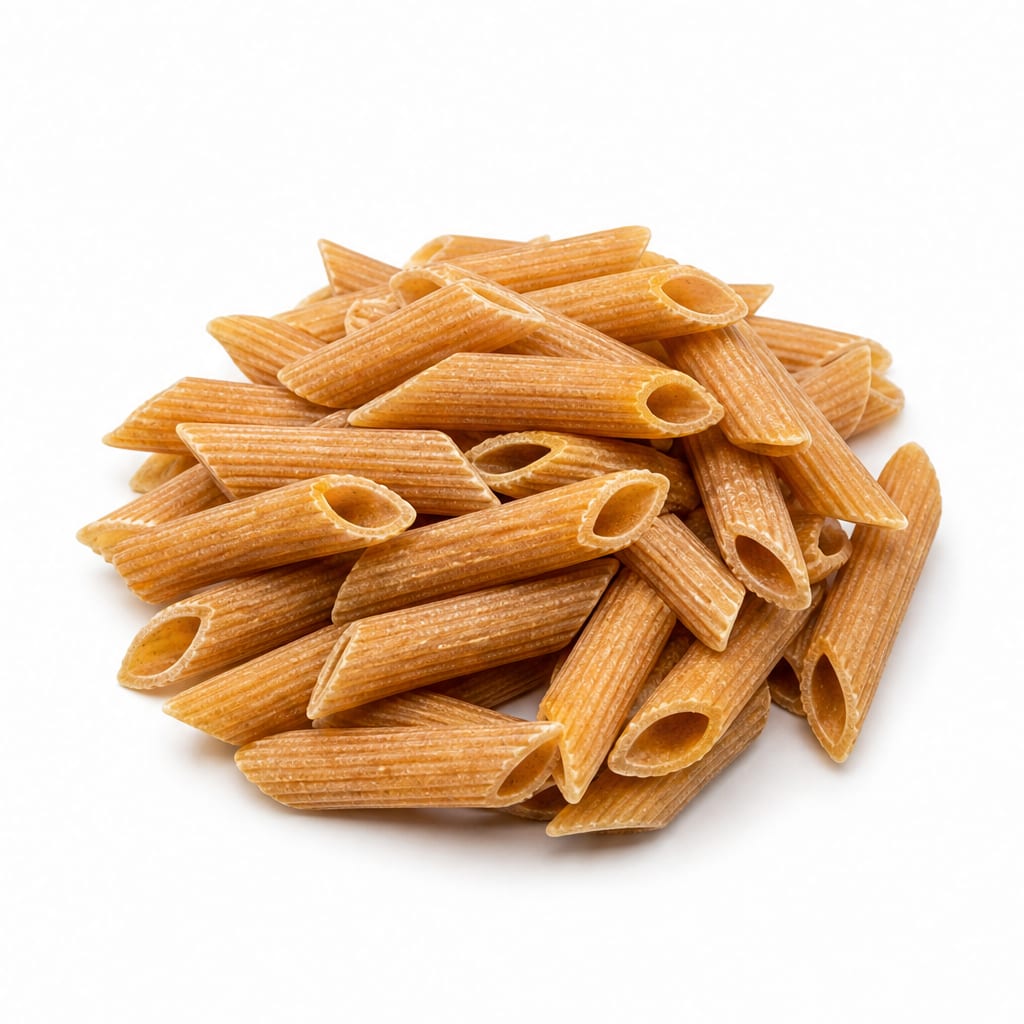
Compare with
Whole Wheat Penne
Whole wheat penne has more fiber and a lower glycemic index but a denser, nuttier taste.
Whole wheat penne beats regular penne for weight loss and blood sugar control due to its higher fiber content, though regular penne has a lighter texture.
This food
Penne
VS90% alike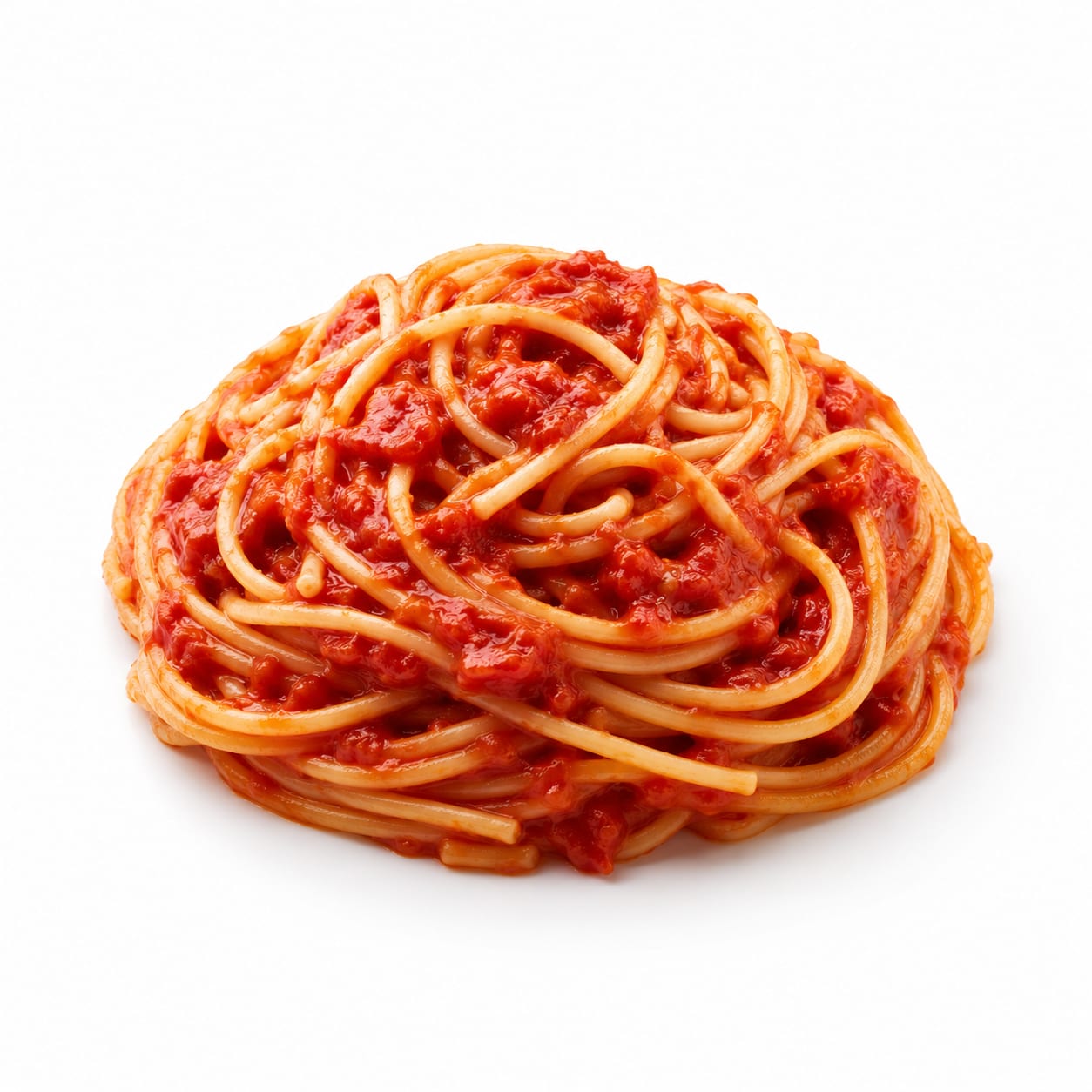
Compare with
Spaghetti
Nutritionally nearly identical, but spaghetti digests slightly faster due to its thin shape.
Penne and spaghetti are nutritionally similar, but penne's thicker shape gives it a slight edge for blood sugar control when cooked al dente.
This food
Penne
VS85% alike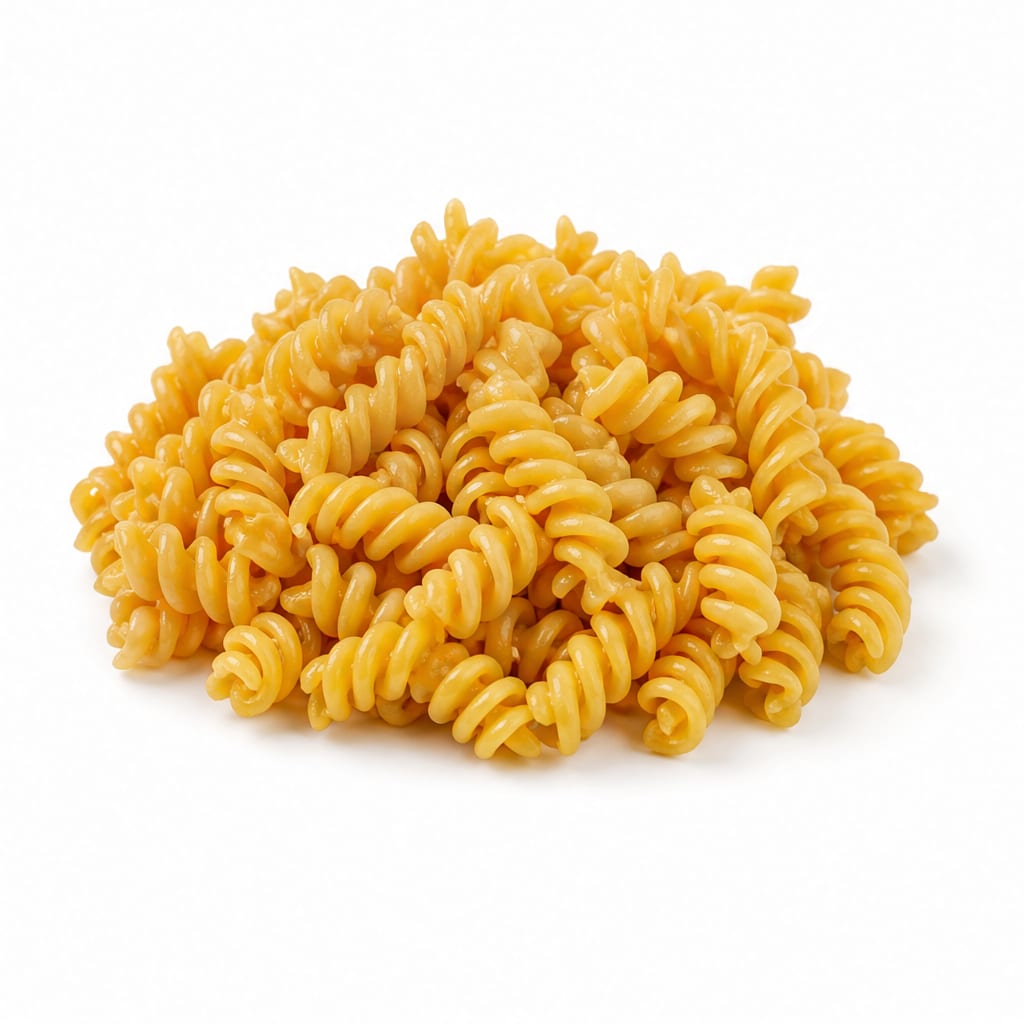
Compare with
Chickpea Pasta
Chickpea pasta offers far more protein and fiber with fewer net carbs.
Chickpea pasta vastly outperforms regular penne in protein and fiber, making it better for weight loss and blood sugar, though it tastes distinctly different.
This food
Penne
VS80% alike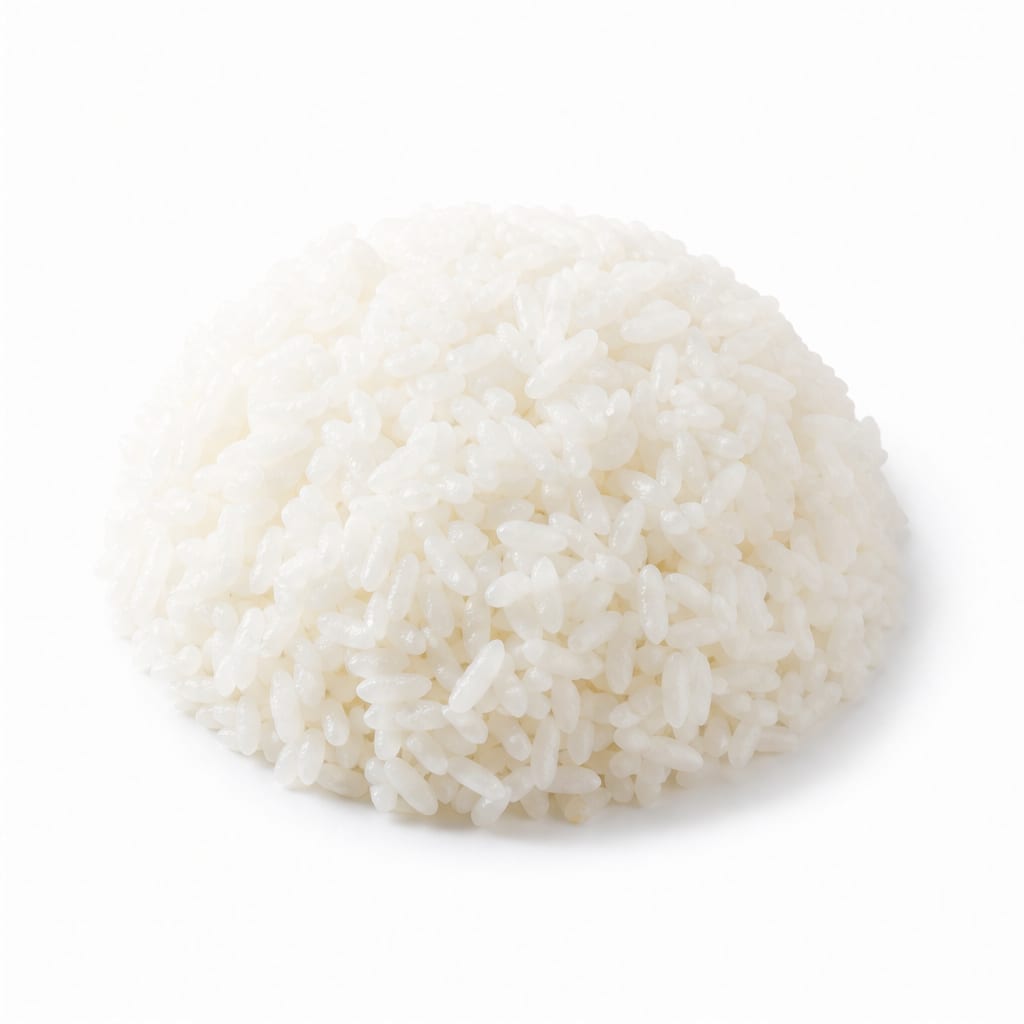
Compare with
White Rice
Both are refined carbs, but penne has a slightly lower glycemic index than white rice.
Penne is slightly better than white rice for blood sugar control and satiety because its dense structure slows digestion more than rice grains.
This food
Penne
VS70% alike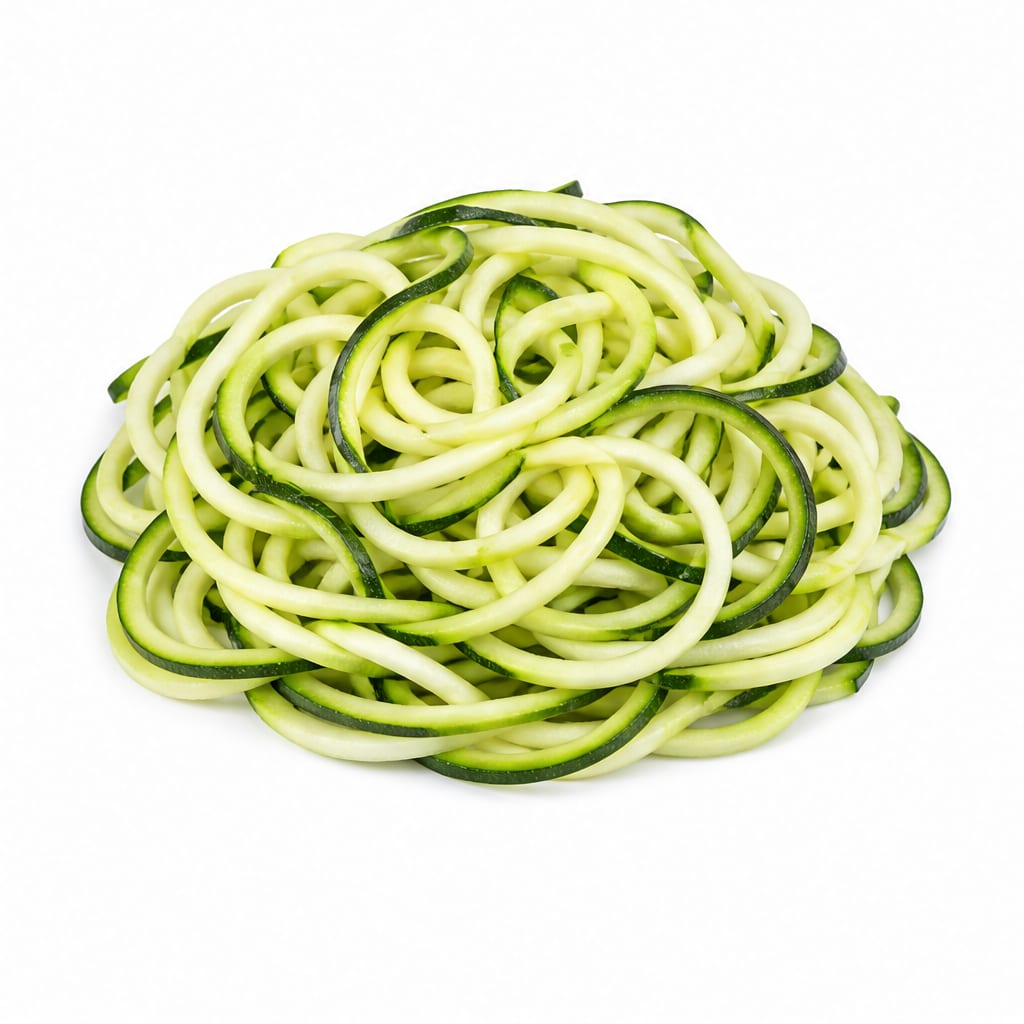
Compare with
Zucchini Noodles
Zucchini noodles are dramatically lower in calories and carbs but lack the energy-providing starches.
Zucchini noodles win for weight loss and blood sugar with minimal calories, but penne wins for fitness fuel and lasting satiety.
This food
Penne
VS65% alike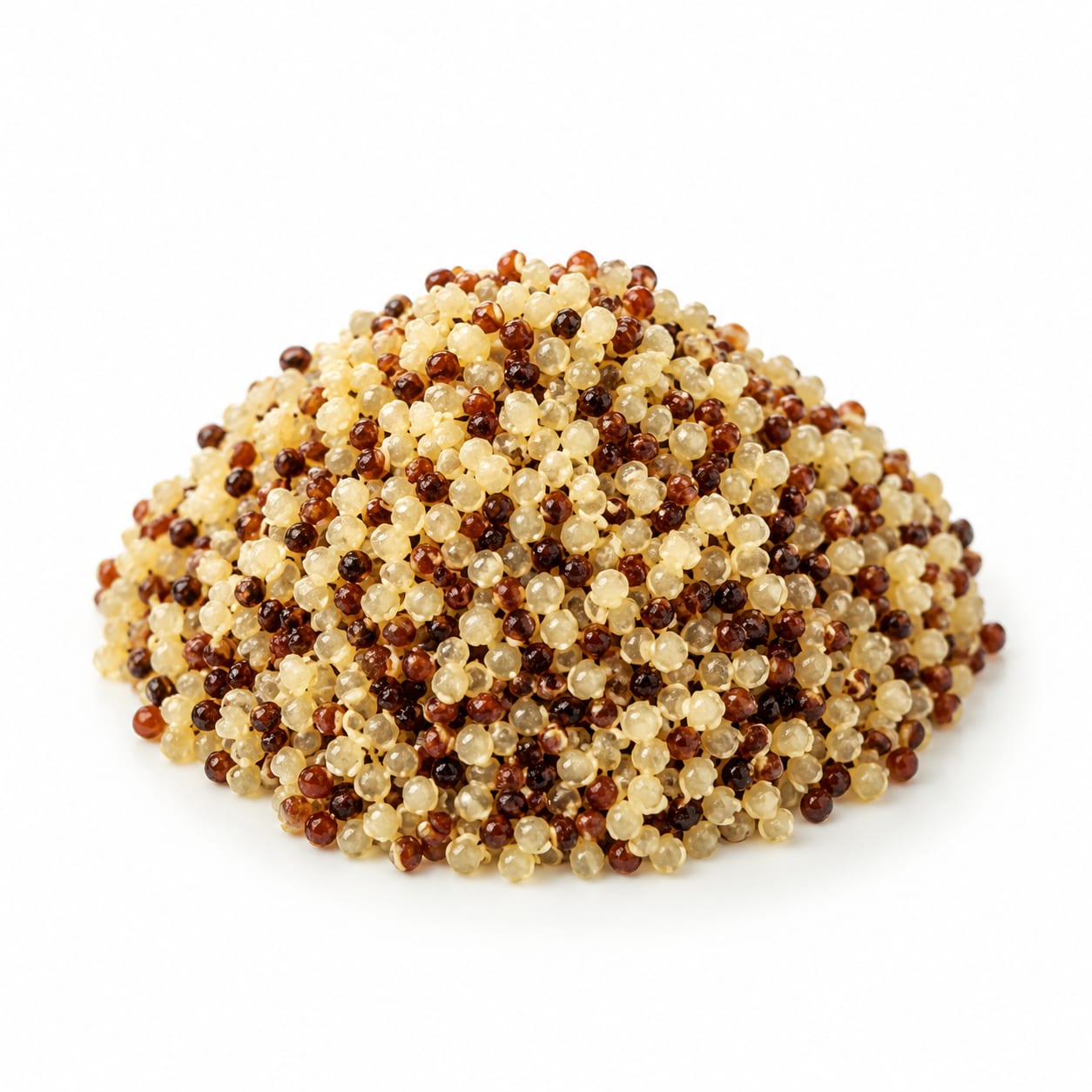
Compare with
Quinoa
Quinoa provides more protein, fiber, and micronutrients than refined penne.
Quinoa is nutritionally superior to regular penne, offering more protein and fiber for better satiety and blood sugar management.
This food
Penne
VS90% alike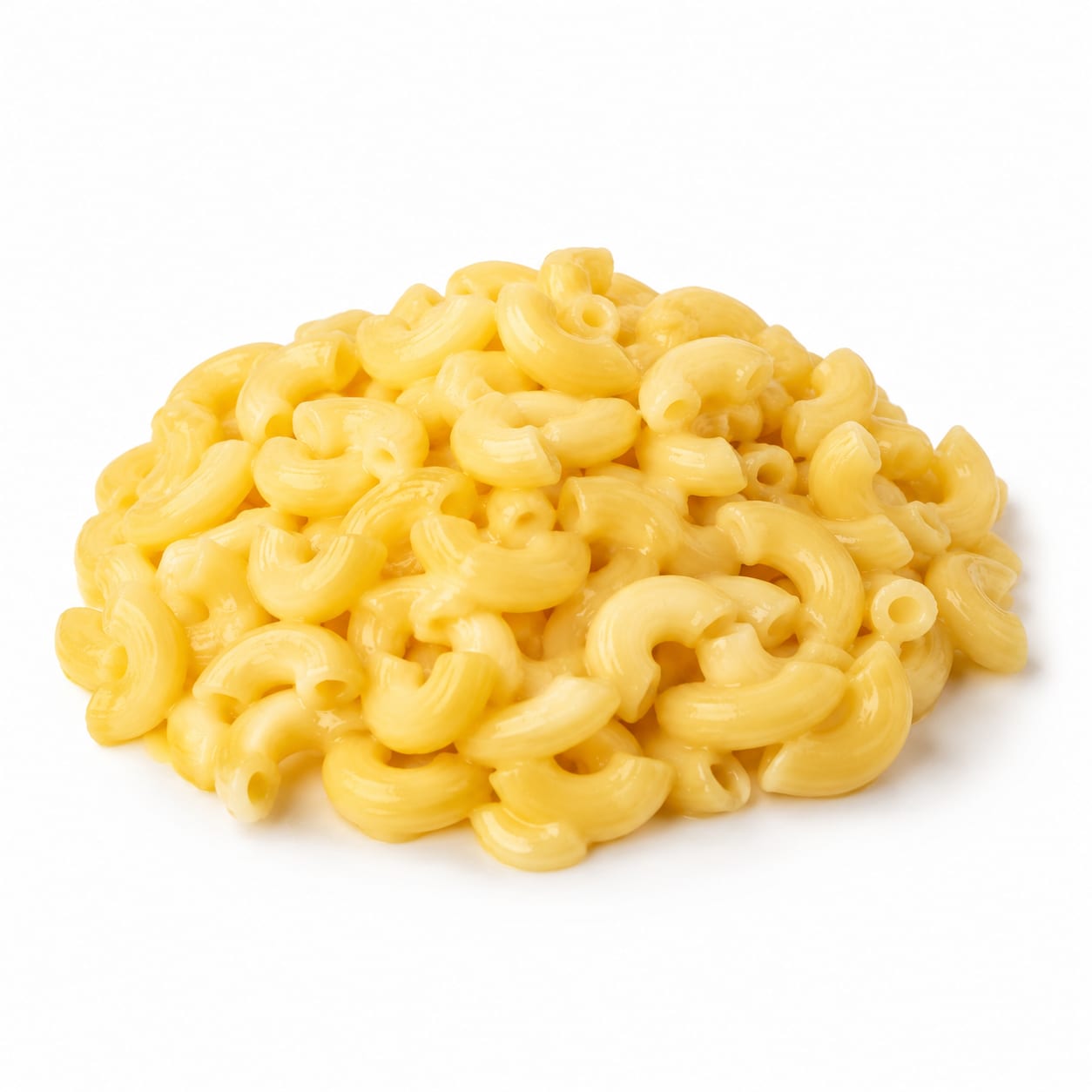
Compare with
Macaroni
Macaroni and penne are nutritionally identical, differing mainly in tube diameter and cut angle.
Macaroni and penne are virtually identical nutritionally; the choice between them comes down to recipe preference rather than health benefits.
This food
Penne
VS75% alike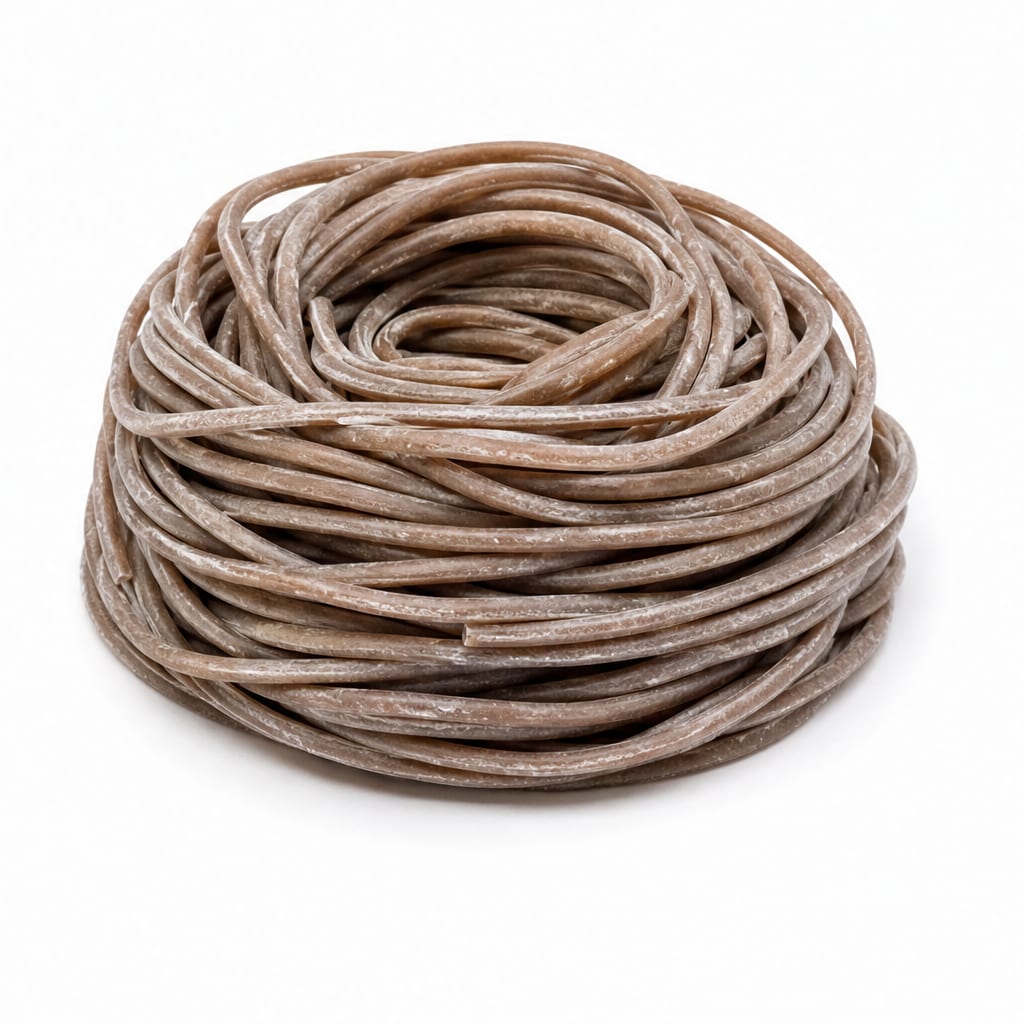
Compare with
Soba Noodles
Buckwheat soba noodles offer more protein and a lower glycemic index than refined penne.
Soba noodles provide better blood sugar control and more nutrients than regular penne, though penne is often preferred for heavy carb-loading.
This food
Penne
VS85% alike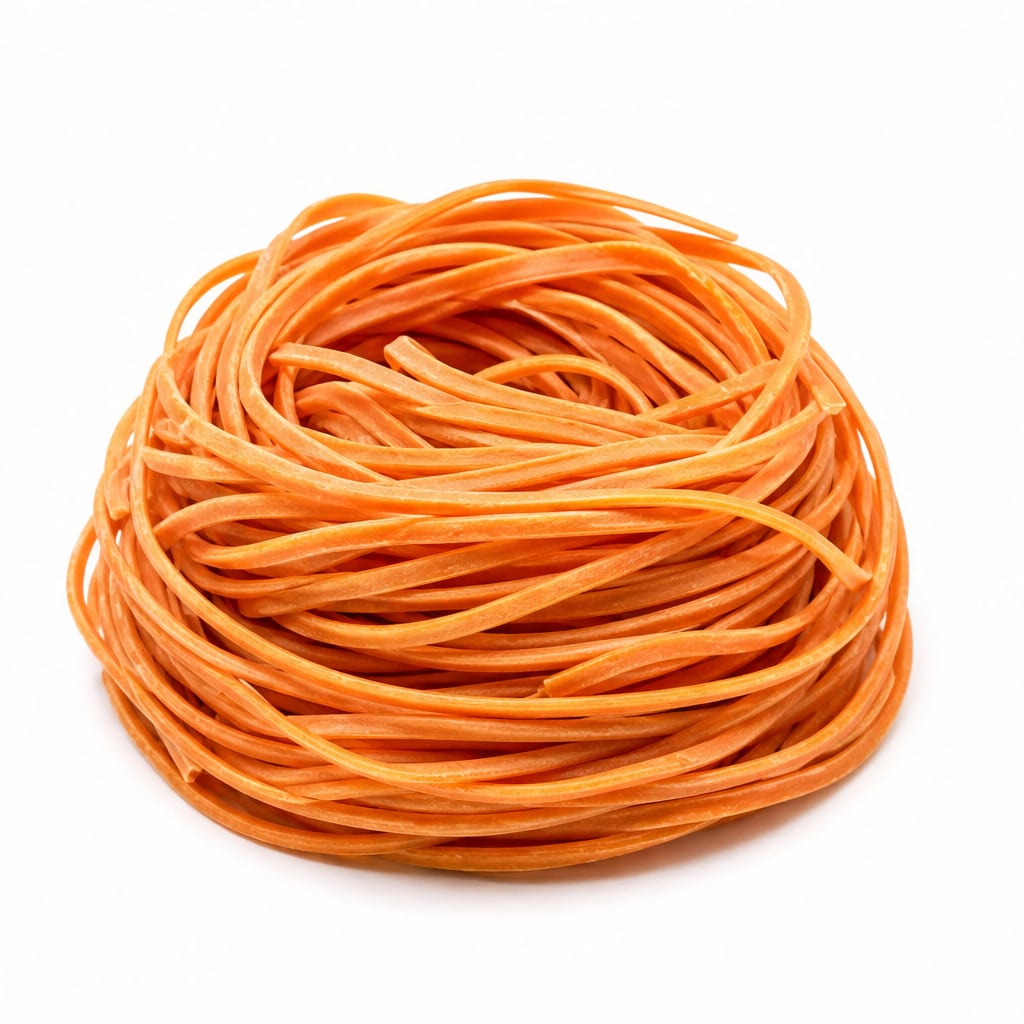
Compare with
Lentil Pasta
Lentil pasta is much higher in protein and fiber, making it far superior for satiety and glycemic control.
Lentil pasta easily beats regular penne for weight loss and blood sugar stability thanks to its high protein and fiber content.
This food
Penne
VS60% alike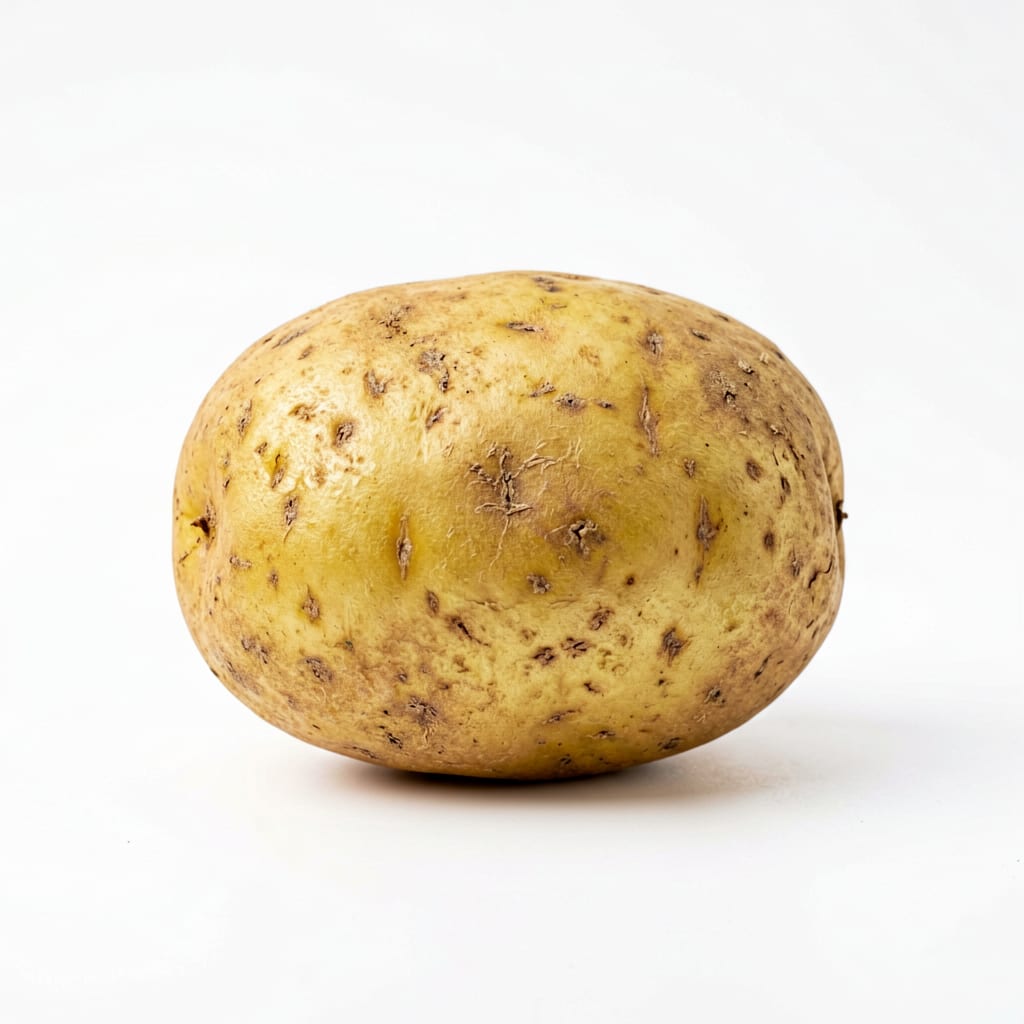
Compare with
Potato
Potatoes offer more potassium and vitamin C, but penne has slightly more protein and a denser energy profile.
Boiled potatoes actually provide higher satiety and more micronutrients per calorie than regular penne, though penne is a more concentrated carb source for athletes.
Common questions
FAQ
Answers aligned with how people search for this food.
Is penne pasta good for weight loss?
Standard penne is not ideal for weight loss because it is calorie-dense and low in fiber, making it easy to overeat. Whole wheat penne or portion control paired with protein and vegetables can make it more weight-loss friendly.
How many carbs are in cooked penne?
There are approximately 30 to 31 grams of carbohydrates in 100 grams of cooked penne, or around 42 grams in a standard 1-cup serving.
Does penne pasta spike blood sugar?
Yes, refined white penne can spike blood sugar, especially if overcooked. Cooking it al dente slows digestion and reduces the blood sugar spike compared to soft, overcooked pasta.
Is whole wheat penne healthier than regular penne?
Yes, whole wheat penne is healthier as it retains the bran and germ, providing significantly more fiber, protein, and B vitamins, which also results in a lower glycemic index.
Can diabetics eat penne pasta?
Diabetics can eat penne in moderation, but whole wheat penne cooked al dente is strongly preferred. Keeping portions small and pairing it with fats and proteins helps manage the glycemic response.
What is the glycemic index of penne?
The glycemic index of white penne cooked al dente is around 50 to 55, which is moderate. If overcooked, the glycemic index can rise to 65 or higher.
How much penne is a healthy portion?
A healthy portion of cooked penne is typically 1 cup or about 140 grams, which provides roughly 220 calories and 43 grams of carbohydrates.
Is penne a good pre-workout meal?
Yes, penne is an excellent pre-workout meal because it provides easily digestible carbohydrates that top up glycogen stores for sustained exercise energy.
Transparency
Data confidence
Estimated confidence for nutrition data, interpretation, safety notes, and comparisons.
Nutrition data
Health analysis
Food safety
Comparisons