
Nutrition comparison
Penne vs Chickpea Pasta: Nutrition, Taste, and Health Compared
Is chickpea pasta actually healthier than regular penne? Compare protein, fiber, blood sugar impact, and taste to find out which is right for you.
Overall winner · Chickpea Pasta
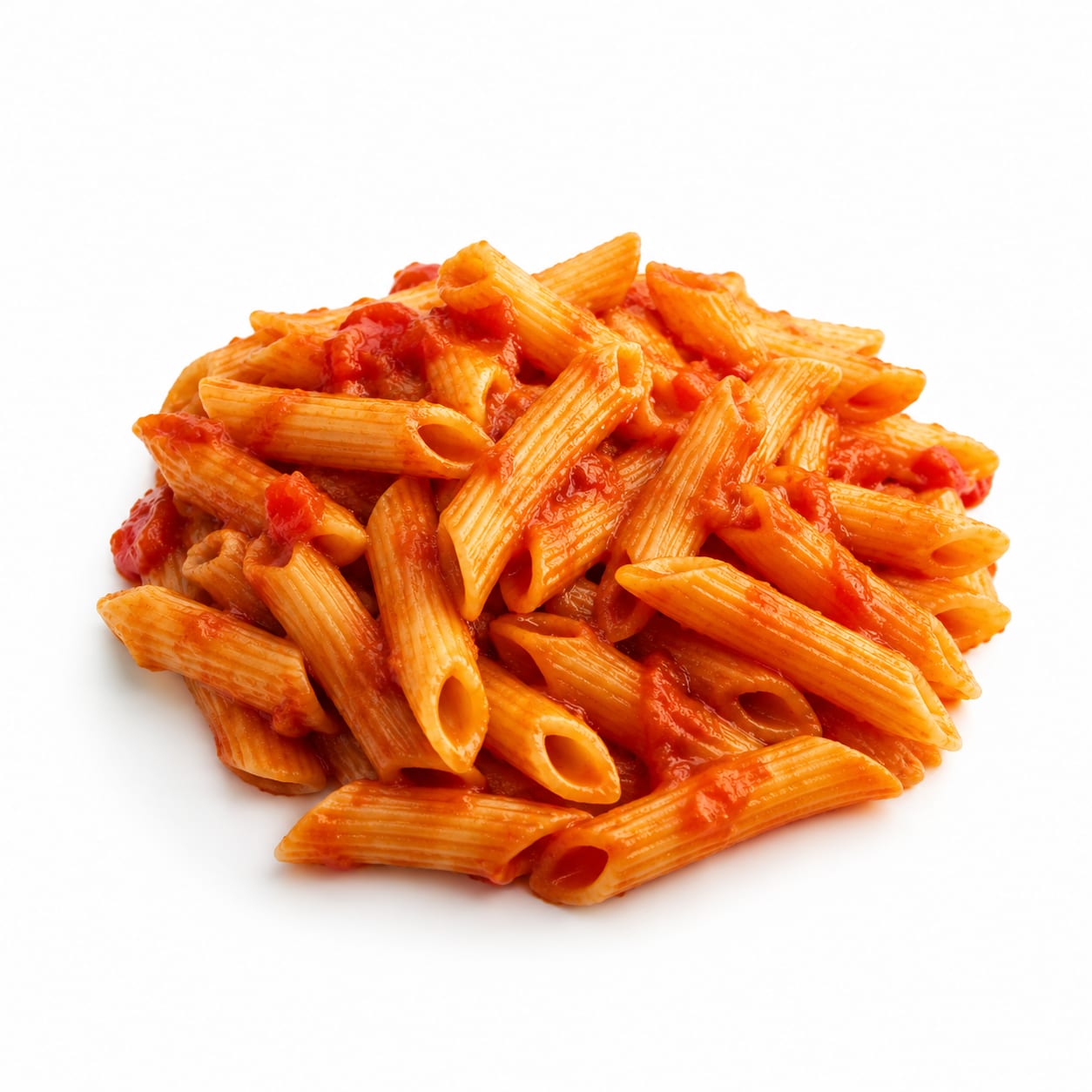
Penne
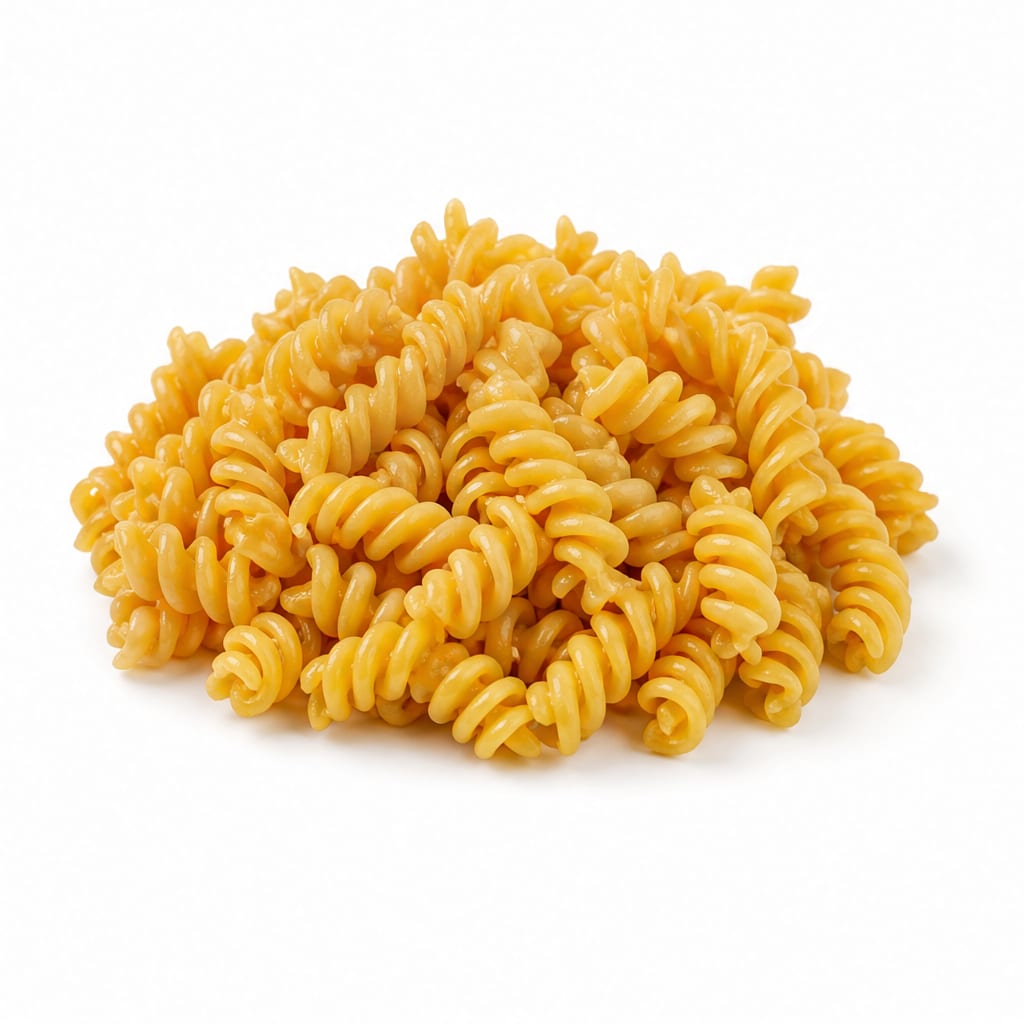
Chickpea Pasta
Chickpea pasta is the nutritional winner with far more protein and fiber, but Penne delivers the classic taste and texture that makes pasta night comforting.
Chickpea pasta scores notably higher due to its superior protein, fiber, and blood sugar profile. Penne remains relevant for taste and budget but lags in nutritional density.
You trade the familiar, comforting experience of traditional pasta for a denser, more filling meal that stabilizes blood sugar.
At a glance
Executive summary
Overall
Chickpea Pasta
Healthier
Chickpea Pasta
More practical
Penne
Daily use
Chickpea Pasta
Key comparison lenses
Blood sugar and glycemic impact
Traditional wheat pasta spikes blood sugar faster than legume-based alternatives, making this a key differentiator for metabolic health.
Protein and fiber content for satiety
Chickpea pasta offers significantly more protein and fiber, drastically changing how full you feel after a meal.
Gluten-free and digestive tolerance
Chickpea pasta is naturally gluten-free, offering a safe alternative for those with celiac or gluten sensitivity.
Taste and texture tradeoffs
Traditional penne delivers the familiar al dente bite, while chickpea pasta can taste earthier and have a softer texture.
Best choice for
Penne
- Traditional Italian recipes where texture is paramount
- Picky eaters who dislike earthy flavors
- Tight grocery budgets
Chickpea Pasta
- High-protein and plant-based diets
- Managing blood sugar or insulin resistance
- Gluten-free lifestyles
Least suitable for
Penne
- People with severe gluten intolerance or celiac
- Low-carb or keto diets
- Those needing high satiety to control portions
Chickpea Pasta
- Those with legume allergies or sensitivities
- Traditionalists who find the texture off-putting
- Those prone to bloating from high-fiber foods
Deep comparison
Dimension by dimension
Each lens scores both foods and breaks down who each option suits.
- Dimension 1 · Priority 95Chickpea Pasta
Satiety and Fullness
Penne · 40Chickpea Pasta · 90Chickpea pasta keeps you full for hours, while Penne can leave you hunting for a snack soon after.
Tradeoff
The high fiber in Chickpea Pasta means you feel physically full faster, which might make finishing a large portion uncomfortable compared to the lighter feel of Penne.
Why it matters
Staying full longer prevents overeating and late-night snacking, making weight management much easier.
Real-world impact
A bowl of Chickpea Pasta at dinner easily skips the late-night fridge raid; Penne often needs a heavy protein sauce to achieve the same effect.
Penne
- Light meals before intense activity
Better for
- Appetite control
- Sustained energy
Worse for
Chickpea Pasta
- Long workdays where you cannot snack
- Weight loss journeys
Better for
- Eating large volumes comfortably
Worse for
- Dimension 2 · Priority 90Chickpea Pasta
Blood Sugar Stability
Penne · 30Chickpea Pasta · 85Penne causes a faster, sharper blood sugar rise. Chickpea pasta provides a slow, steady energy release.
Tradeoff
You give up the quick energy hit of refined carbs for long-lasting, crash-free energy.
Why it matters
Avoiding blood sugar spikes reduces fatigue, brain fog, and long-term risk of insulin resistance.
Real-world impact
After a Penne lunch, you might hit a 2 PM wall. Chickpea Pasta keeps you steady and focused through the afternoon.
Penne
- Immediate pre-workout fueling
Better for
- Sustained mental focus
- Metabolic health
Worse for
Chickpea Pasta
- Diabetics or prediabetics
- Avoiding the afternoon energy crash
Better for
- Quick carbohydrate loading
Worse for
- Dimension 3 · Priority 80Penne
Taste and Texture Experience
Penne · 92Chickpea Pasta · 60Penne delivers the classic chewy, satisfying bite. Chickpea pasta is softer and has a distinct earthy flavor.
Tradeoff
Choosing nutrition means compromising on the authentic Italian mouthfeel that makes pasta comforting.
Why it matters
If a healthy meal does not taste good, you will not stick with it. Food satisfaction is crucial for long-term dietary changes.
Real-world impact
Penne perfectly holds up to heavy sauces and bakes. Chickpea pasta can get mushy if overcooked, requiring more careful preparation.
Penne
- Pasta bakes and casseroles
- Authentic Italian dining experience
Better for
- Culinary novelty
Worse for
Chickpea Pasta
- Earthy, protein-rich bowls
Better for
- Al dente texture lovers
- Picky eaters
Worse for
- Dimension 4 · Priority 70It depends
Digestive Tolerance
Penne · 55Chickpea Pasta · 55It depends on your gut. Penne is problematic for gluten-sensitive folks, while Chickpea Pasta can cause bloating if you are not used to the fiber.
Tradeoff
You must choose between potential gluten inflammation and potential fiber-induced bloating.
Why it matters
A food that is theoretically healthy but causes discomfort ruins your day and disrupts your routine.
Real-world impact
If you have celiac, Penne is off the table. If you suddenly eat a huge bowl of Chickpea Pasta, you might be unbuttoning your jeans from the gas.
Penne
- Those gradually transitioning to more fiber
- People sensitive to legumes
Better for
- Gluten-sensitive guts
Worse for
Chickpea Pasta
- Celiac or gluten-intolerant individuals
Better for
- Unaccustomed digestive systems
Worse for
Timeline
Health impact over time
Short-term
Hours to days
Penne
- Quick burst of energy that may fade fast
- Lighter feeling in the stomach immediately after eating
Chickpea Pasta
- Steady, sustained energy without the crash
- Very full feeling that might feel heavy if you eat a large portion
Long-term
Months to years
Penne
- Higher risk of blood sugar dysregulation if eaten frequently without fiber or protein pairing
- Easier to overconsume calories due to low satiety
Chickpea Pasta
- Improved heart health and digestion from high fiber intake
- Better muscle maintenance from the extra plant protein
Risk profile
Safety & processing
Traditional Penne is simply milled wheat and water. Chickpea pasta often requires added starches or gums like xanthan to mimic the stretch and texture of gluten, making it slightly more processed.
Penne
Gluten intolerance and celiac reaction
highContains gluten, which triggers severe autoimmune responses in celiac patients and discomfort in sensitive individuals.
Glyphosate residue
lowConventionally grown wheat may carry trace pesticide residues, though usually within safe limits.
Chickpea Pasta
Legume allergy
highChickpeas are legumes, posing a serious risk for those with peanut or legume allergies.
Cross-contamination with gluten
mediumNot all chickpea pasta is made in certified gluten-free facilities, which is a risk for severe celiacs.
Who wins for whom
Audience fit
Same foods, different winners depending on your goal.
children
PenneKids are often sensitive to the earthy taste and softer texture of Chickpea Pasta; Penne is an easy, familiar win.
daily consumption
Chickpea PastaDaily eaters need the nutritional density and blood sugar stability that Chickpea Pasta provides.
diabetes
Chickpea PastaChickpea Pasta has a lower glycemic index and more fiber, preventing dangerous blood sugar spikes.
elderly
Chickpea PastaOlder adults benefit greatly from the extra fiber for digestion and protein to prevent muscle loss.
muscle gain
Chickpea PastaWith nearly double the protein of regular Penne, Chickpea Pasta supports muscle repair more effectively.
weight loss
Chickpea PastaThe high protein and fiber in Chickpea Pasta naturally curb appetite and reduce overall calorie intake.
Your move
Decision guide
Choose Penne
- You are making a traditional Italian dish where texture is everything
- You are feeding kids or picky eaters
- You are on a tight grocery budget
Choose Chickpea Pasta
- You want to stay full for hours without crashing
- You are managing diabetes, insulin resistance, or PCOS
- You need gluten-free options or plant-based protein
Either works if
- You are loading up on veggies and lean protein anyway, making the pasta base less critical
- You want to mix them for a balance of taste and nutrition
Avoid both if
- You are on a strict ketogenic or very low-carb diet
Final recommendation
Make Chickpea Pasta your everyday default for the massive protein and fiber upgrade, but keep Penne on hand for the meals where comfort and tradition matter most.
Practical
Consumer tips
- 1
Rinse Chickpea Pasta right after draining to wash off excess starch that can make it gummy.
- 2
Cook Chickpea Pasta a minute or two less than the package says to avoid mushy texture.
- 3
Mix half Penne and half Chickpea Pasta if you want to ease into the new flavor and texture gradually.
- 4
Pair Penne with a high-fiber marinara and lean meat sauce to help blunt the blood sugar spike.