
Nutrition comparison
Penne vs Zucchini Noodles: Which Is Better for Weight Loss, Blood Sugar, and Satisfaction?
Complete comparison of Penne and Zucchini Noodles covering calories, carbs, blood sugar impact, satiety, and practical cooking tips. Find out which pasta alternative fits your goals.
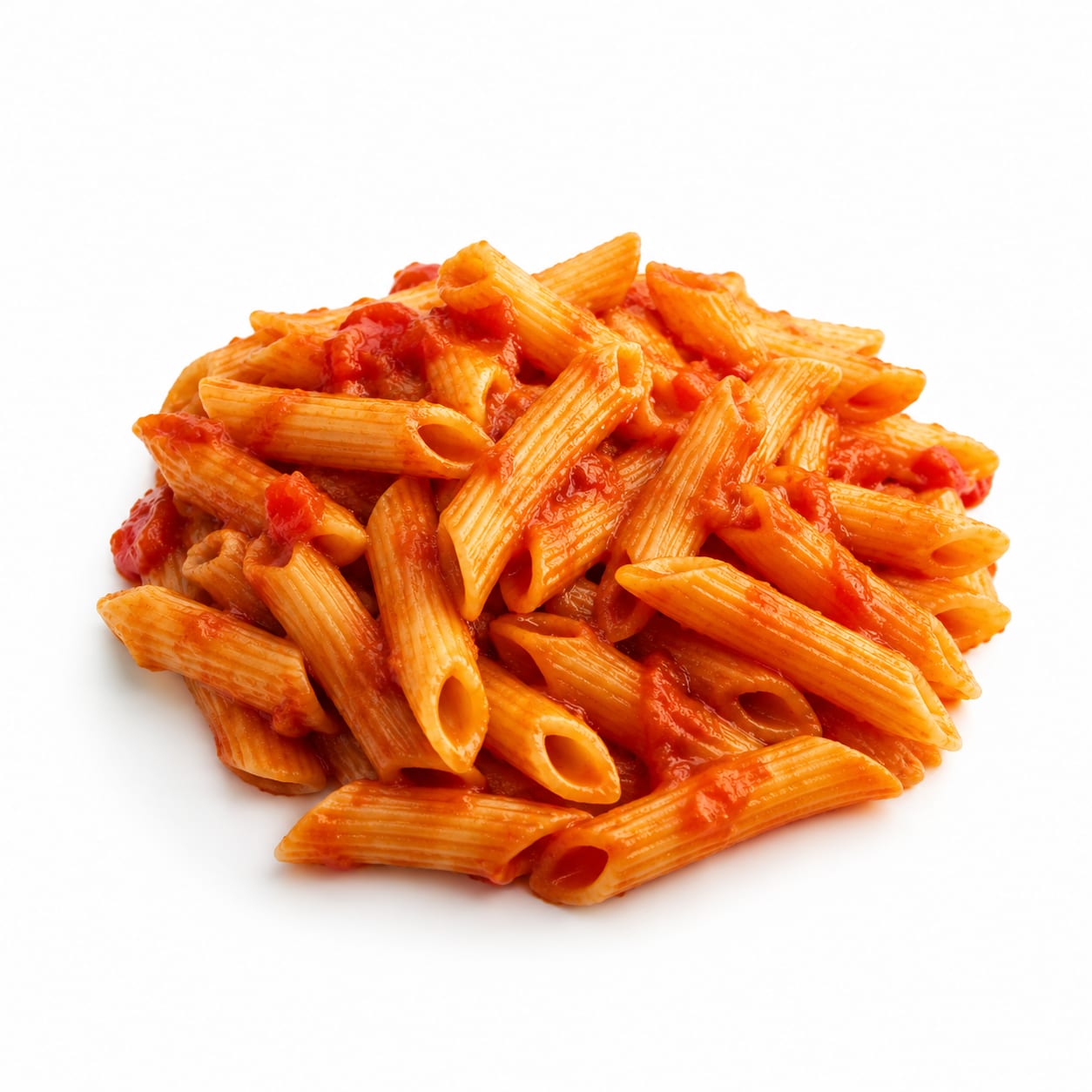
Penne
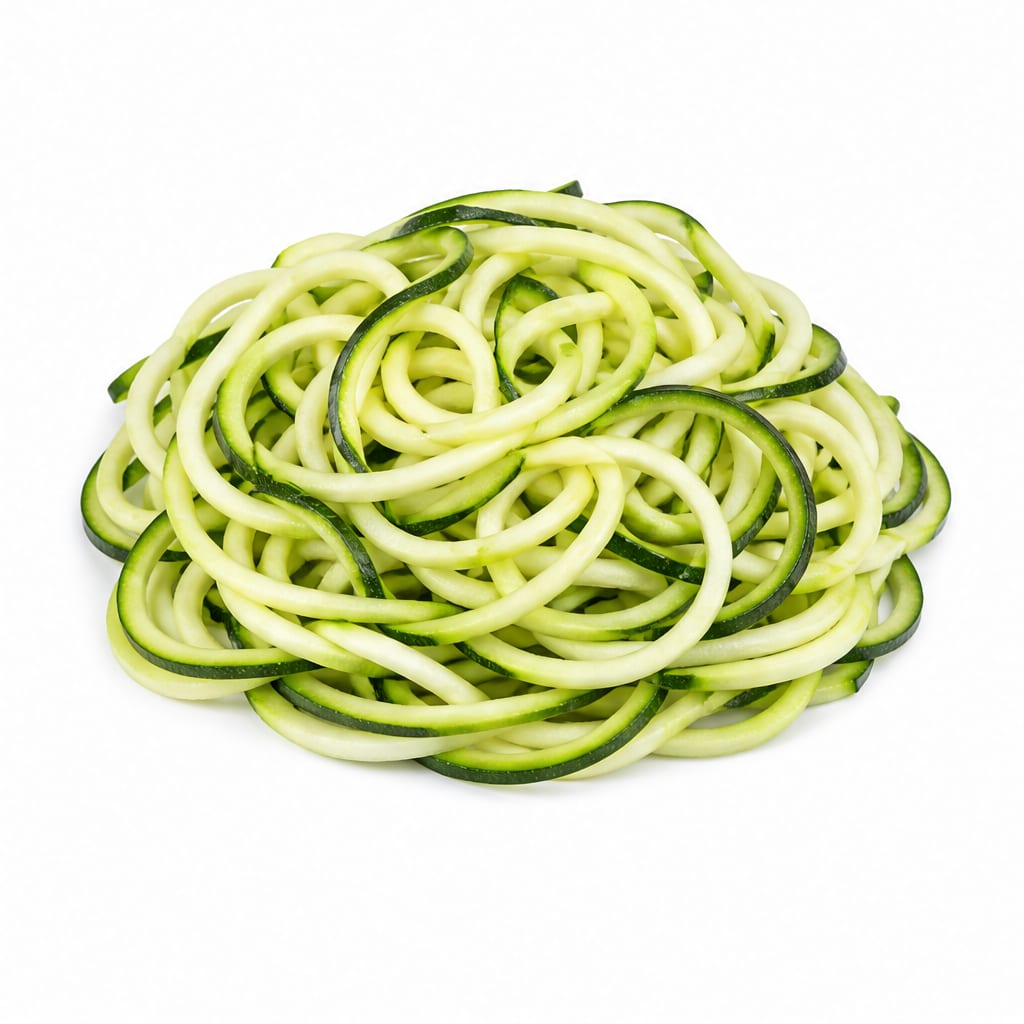
Zucchini Noodles
Zucchini Noodles win for calories and blood sugar, but Penne wins for satisfaction and energy. The right choice depends entirely on your goals.
Zucchini Noodles score higher overall due to dramatically lower calories, better blood sugar impact, and higher micronutrient density. Penne remains relevant for energy and satisfaction but carries metabolic downsides when eaten frequently.
You're trading comfort and fullness for a lighter metabolic footprint. Penne fuels you; Zucchini Noodles spare you.
At a glance
Executive summary
Overall
It depends
Healthier
Zucchini Noodles
More practical
Penne
Daily use
It depends
Key comparison lenses
low carb diet compatibility
The carb gap between these two is massive — Penne delivers dense refined carbs while Zucchini Noodles are almost carb-free, making this the #1 decision driver.
weight loss plate replacement
Users comparing these are usually trying to cut calories without losing the pasta experience.
meal satisfaction and fullness
Zucchini Noodles often leave people hungry an hour later, while Penne provides lasting fullness — a critical tradeoff.
blood sugar management
Penne causes significant blood sugar spikes; Zucchini Noodles barely register glycogenically.
practical cooking and texture
Zucchini Noodles get watery and lack the chew that makes pasta satisfying, which affects long-term adherence.
Best choice for
Penne
- Athletes needing carb fuel before or after training
- People who feel unsatisfied on low-calorie meals and end up overeating later
- Anyone recovering from illness who needs easy digestible calories
- Families wanting a universally loved dinner base
Zucchini Noodles
- People managing type 2 diabetes or insulin resistance
- Anyone actively losing weight and tracking calories
- Low-carb or keto dieters craving a pasta-like experience
- Those seeking more vegetable volume without more calories
Least suitable for
Penne
- People with severe insulin resistance or uncontrolled diabetes
- Anyone on a strict low-carb eating plan
- Those with non-celiac gluten sensitivity
Zucchini Noodles
- Endurance athletes who need genuine carbohydrate fuel
- People prone to feeling hungry and unsatisfied after meals
- Anyone who finds vegetable substitutes frustrating and abandons healthy eating
Deep comparison
Dimension by dimension
Each lens scores both foods and breaks down who each option suits.
- Dimension 1 · Priority 95Zucchini Noodles
Blood Sugar & Carbohydrate Load
Penne · 25Zucchini Noodles · 95Penne delivers a heavy carb load that spikes blood sugar; Zucchini Noodles barely move the needle.
Tradeoff
You lose sustained energy from complex carbs but gain metabolic calm and no afternoon crash.
Why it matters
If you're sedentary, that blood sugar spike from Penne mostly converts to stored fat. If you're active, you may actually need those carbs.
Real-world impact
A Penne lunch can leave you sleepy by 2pm. Zucchini Noodles keep energy steady but may leave you reaching for a snack.
Penne
- Pre-workout fueling
- Post-exercise glycogen replenishment
- Active individuals burning carbs daily
Better for
- People with metabolic syndrome
- Late-night eating
- Sedentary days
Worse for
Zucchini Noodles
- Sedentary office workers
- Insulin-resistant individuals
- Evening meals when carb tolerance is lowest
Better for
- Carb-loading before endurance events
- Recovering from intense training
- People who get lightheaded without adequate carbs
Worse for
- Dimension 2 · Priority 92Zucchini Noodles
Calorie Density & Weight Management
Penne · 20Zucchini Noodles · 95Zucchini Noodles have roughly one-seventh the calories of Penne per serving, making them a powerful weight-loss tool.
Tradeoff
Massive calorie savings come at the cost of meal substance — you may compensate with heavier sauces or extra snacking.
Why it matters
A cup of cooked Penne runs about 220 calories. A cup of Zucchini Noodles sits around 30. That gap can determine whether you lose or maintain weight.
Real-world impact
Swapping Penne for Zucchini Noodles twice a week could save you over 1,500 calories weekly — but only if you don't make up for it with extra cheese or sauce.
Penne
- Underweight individuals needing calorie density
- Growing teenagers with high energy needs
- Hikers and manual laborers
Better for
- Chronic overeaters
- People with BMI over 30
- Anyone who struggles with portion control
Worse for
Zucchini Noodles
- Consistent calorie deficit without feeling deprived of volume
- People who eat large portions and want to keep plate size
- Anyone tracking macros on a cut
Better for
- People already struggling to eat enough
- Those with a history of undereating or restrictive patterns
Worse for
- Dimension 3 · Priority 88Penne
Satiety & Meal Satisfaction
Penne · 80Zucchini Noodles · 40Penne fills you up for hours. Zucchini Noodles often leave you hungry again within an hour.
Tradeoff
Fullness now versus lightness later. Penne satisfies immediately but may cause a crash; Zucchini Noodles feel light but require protein and fat additions to satisfy.
Why it matters
If your 'healthy swap' leaves you raiding the fridge an hour later, it wasn't actually a win. Satisfaction drives long-term adherence.
Real-world impact
A Penne dinner keeps you full until breakfast. Zucchini Noodles alone might have you snacking on crackers by 9pm unless you add chicken, nuts, or cheese.
Penne
- People who skip meals and need one to last
- Those prone to late-night snacking when underfed at dinner
- Anyone who finds low-calorie meals psychologically unsatisfying
Better for
- People who feel sluggish after heavy meals
- Those trying to eat lighter at dinner for better sleep
Worse for
Zucchini Noodles
- People who prefer eating smaller, more frequent meals
- Those who feel uncomfortably full after heavy pasta dishes
- Anyone pairing noodles with a protein-rich sauce that adds satiety
Better for
- Emotional eaters who need meals to feel substantial
- People who associate light meals with deprivation
Worse for
- Dimension 4 · Priority 70Zucchini Noodles
Micronutrient Density
Penne · 25Zucchini Noodles · 80Zucchini Noodles bring vitamin C, potassium, and antioxidants. Penne is mostly empty starch with modest iron if enriched.
Tradeoff
Real vitamins versus fortified ones. Zucchini delivers nutrients in their natural matrix; Penne relies on synthetic enrichment that absorbs less efficiently.
Why it matters
If your diet is already nutrient-poor, replacing Penne with Zucchini Noodles adds genuine vegetable nutrition rather than just subtracting calories.
Real-world impact
A serving of Zucchini Noodles contributes meaningfully to your daily potassium and vitamin C. Penne contributes mostly to your carb count.
Penne
- Enriched varieties provide some B vitamins and iron for deficient diets
- People who otherwise eat very few grains and need folate
Better for
- People using pasta as a dietary crutch without vegetable variety
Worse for
Zucchini Noodles
- Boosting daily vegetable intake effortlessly
- People relying on pasta as a staple who need more micronutrients
- Potassium support for blood pressure management
Better for
- Those expecting zucchini to replace all nutrients found in whole grains
Worse for
- Dimension 5 · Priority 72Penne
Cooking Practicality & Texture
Penne · 85Zucchini Noodles · 45Penne is foolproof and satisfying to eat. Zucchini Noodles are watery, delicate, and require technique to get right.
Tradeoff
Convenience and chew versus creativity and compromise. Penne always delivers; Zucchini Noodles take practice and still never quite match real pasta.
Why it matters
If a healthy swap is annoying to cook or disappointing to eat, you'll abandon it. Texture is the top reason people quit Zucchini Noodles.
Real-world impact
Penne boils in 10 minutes with consistent results. Zucchini Noodles can turn into a watery puddle if overcooked even slightly, ruining the dish.
Penne
- Weeknight family dinners with no margin for error
- Meal prep that reheats well the next day
- Pasta bakes and casseroles requiring structural integrity
Better for
- People avoiding boiling water in hot weather
- Those wanting faster cleanup
Worse for
Zucchini Noodles
- Raw or lightly sautéed preparations in summer
- Quick single servings when you don't want to boil water
- No-cook meal assembly
Better for
- Meal prepping for the week — they get soggy fast
- Dishes requiring sauce to cling to noodles
- Kids who detect 'fake pasta' immediately
Worse for
- Dimension 6 · Priority 65It depends
Digestive Tolerance & Gut Health
Penne · 50Zucchini Noodles · 65Penne can bloat you with gluten and refined starch; Zucchini Noodles can bloat you with fiber and water. Different triggers, different people.
Tradeoff
Gluten sensitivity favors Zucchini Noodles. FODMAP sensitivity may actually favor Penne. Know your gut.
Why it matters
Neither is a universal winner for digestion. Your personal tolerance determines which one feels better in your stomach.
Real-world impact
If gluten makes you bloated, Zucchini Noodles are liberating. If raw veggies and fiber cause gas, Penne might actually feel gentler.
Penne
- People with FODMAP sensitivities who react to zucchini
- Those who tolerate wheat well and need easy-to-digest calories
- Post-surgical soft diet phases
Better for
- Celiac or gluten-sensitive individuals
- People prone to post-meal bloating from wheat
Worse for
Zucchini Noodles
- Anyone with diagnosed non-celiac gluten sensitivity
- People with celiac disease (when using certified gluten-free zucchini)
- Those whose digestion feels heavy after wheat pasta
Better for
- IBS-D patients sensitive to insoluble fiber
- People unaccustomed to high-fiber meals who increase intake too fast
Worse for
Timeline
Health impact over time
Short-term
Hours to days
Penne
- Noticeable blood sugar rise within 30-60 minutes of eating
- Comfortable fullness that lasts 3-4 hours
- Possible post-meal drowsiness if portion is large
- Quick energy availability for active individuals
Zucchini Noodles
- Minimal blood sugar impact — steady energy after eating
- Light feeling in the stomach that may not register as 'full'
- Mild bloating possible if you're not used to the fiber
- Immediate calorie savings you'll notice on the scale within days
Long-term
Months to years
Penne
- Frequent consumption linked to increased visceral fat in sedentary people
- Higher risk of insulin resistance if eaten in large portions regularly
- Potential for chronic low-grade inflammation from refined wheat
- Enriched varieties may prevent B-vitamin deficiencies in limited diets
Zucchini Noodles
- Consistent calorie reduction supports sustainable weight loss
- Higher vegetable intake associated with lower cardiovascular risk
- Improved blood sugar markers over months of regular substitution
- Risk of inadequate carbohydrate intake if over-relied upon without planning
Risk profile
Safety & processing
Penne is a processed grain product with minimal additives but significant refinement. Zucchini Noodles are simply a vegetable cut into strips — about as natural as it gets. The gap in processing is substantial and favors Zucchini Noodles for anyone prioritizing whole foods.
Penne
Gluten contamination for celiac individuals
highStandard Penne contains gluten. Even trace cross-contamination in shared kitchens can trigger reactions in highly sensitive individuals.
Mycotoxin exposure from wheat storage
lowGrains can harbor ochratoxin A from fungal contamination during storage. Regulations limit this, but low-level exposure is common.
Zucchini Noodles
Pesticide residue on conventionally grown zucchini
mediumZucchini is not on the highest-pesticide list but does carry measurable residues. Peeling helps but removes nutrients. Organic reduces this significantly.
Foodborne illness from raw or undercooked preparation
lowZucchini Noodles are often lightly cooked or raw. Proper washing is essential to remove surface bacteria.
Who wins for whom
Audience fit
Same foods, different winners depending on your goal.
children
PenneKids need calorie-dense fuel for growth and generally reject vegetable-based pasta substitutes. Penne is more likely to be eaten, which matters more than perfection.
daily consumption
Zucchini NoodlesDaily Penne consumption adds up metabolically. Zucchini Noodles can be eaten daily without caloric or glycemic consequence, assuming adequate nutrition elsewhere.
diabetes
Zucchini NoodlesZucchini Noodles have negligible impact on blood sugar, making them dramatically safer for glucose management.
elderly
It dependsPenne is easier to chew and provides needed calories for frail seniors. Zucchini Noodles suit active older adults managing weight and blood sugar.
muscle gain
PennePenne provides the carbohydrate fuel necessary for intense training and glycogen replenishment that supports muscle growth.
weight loss
Zucchini NoodlesZucchini Noodles deliver the pasta experience at a fraction of the calories, making consistent weight loss far easier without portion misery.
Your move
Decision guide
Choose Penne
- You're active and need real carbohydrate energy to fuel your day
- You've tried Zucchini Noodles and they leave you hungry and frustrated
- You're cooking for a family that wants actual pasta, not a substitute
- You're at a healthy weight and metabolically flexible
- You need meal prep that reheats well over several days
Choose Zucchini Noodles
- You're actively losing weight and every calorie matters
- You have insulin resistance, prediabetes, or type 2 diabetes
- You feel heavy and sluggish after regular pasta meals
- You want to increase your daily vegetable intake effortlessly
- You're eating low-carb and miss the experience of twirling noodles
Either works if
- You mix both — half Penne, half Zucchini Noodles — for a satisfying middle ground
- You alternate based on activity level: Penne on training days, Zucchini Noodles on rest days
- Your main concern is the sauce anyway, and either base works fine
Avoid both if
- You have celiac disease and the Penne is not gluten-free, while also having IBS triggered by raw zucchini
- You're on a strict carnivore diet
Final recommendation
The smartest move is rarely choosing one exclusively. Blend them: use half Penne and half Zucchini Noodles to cut calories by 40% while keeping the chew and satisfaction real pasta provides. On intense training days, go full Penne. On rest days, go full Zucchini Noodles. Let your activity level decide.
Practical
Consumer tips
- 1
Salt and drain Zucchini Noodles for 15 minutes before cooking to remove excess water and prevent soggy dishes
- 2
Pair Zucchini Noodles with a protein-rich sauce like meat ragù or lentil bolognese to fix the satiety problem
- 3
Choose whole-wheat or legume-based Penne for more fiber and protein if you want a middle ground
- 4
Never overcook Zucchini Noodles — 2-3 minutes in a hot pan is enough; any more turns them to mush
- 5
Toss Zucchini Noodles with a small amount of olive oil and lemon juice even before adding sauce — it improves texture and flavor absorption
- 6
If transitioning from Penne to Zucchini Noodles, start with a 70/30 mix and gradually shift the ratio over weeks
- 7
Pre-spiralized Zucchini Noodles from the store save time but go bad fast — use them within 2 days of purchase