
Nutrition comparison
Penne vs White Rice: Which Carb Is Better for Energy, Weight Loss, and Blood Sugar?
Compare penne and white rice on blood sugar impact, satiety, digestion, and nutrition. Find out which staple carb fits your health goals and when to choose each.
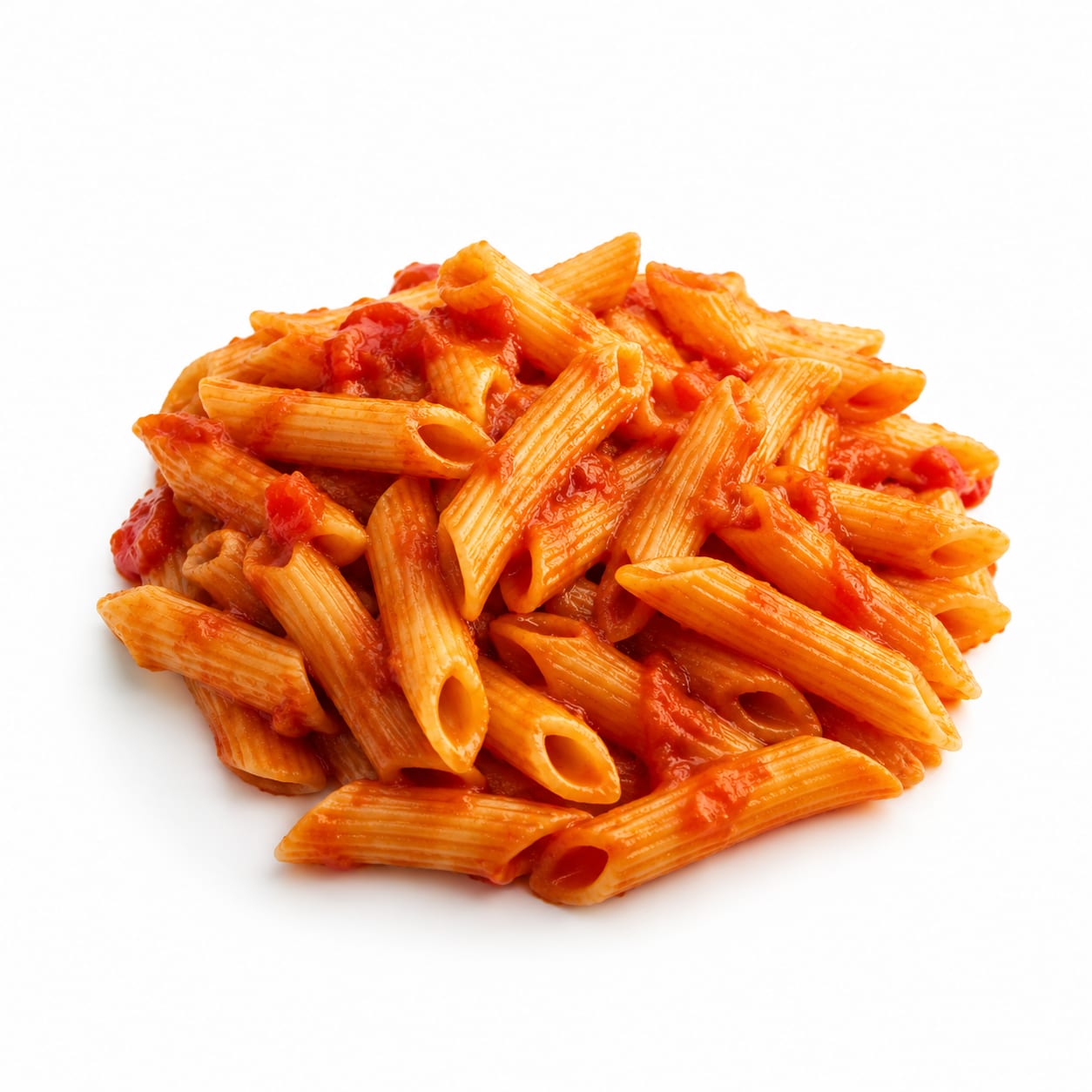
Penne
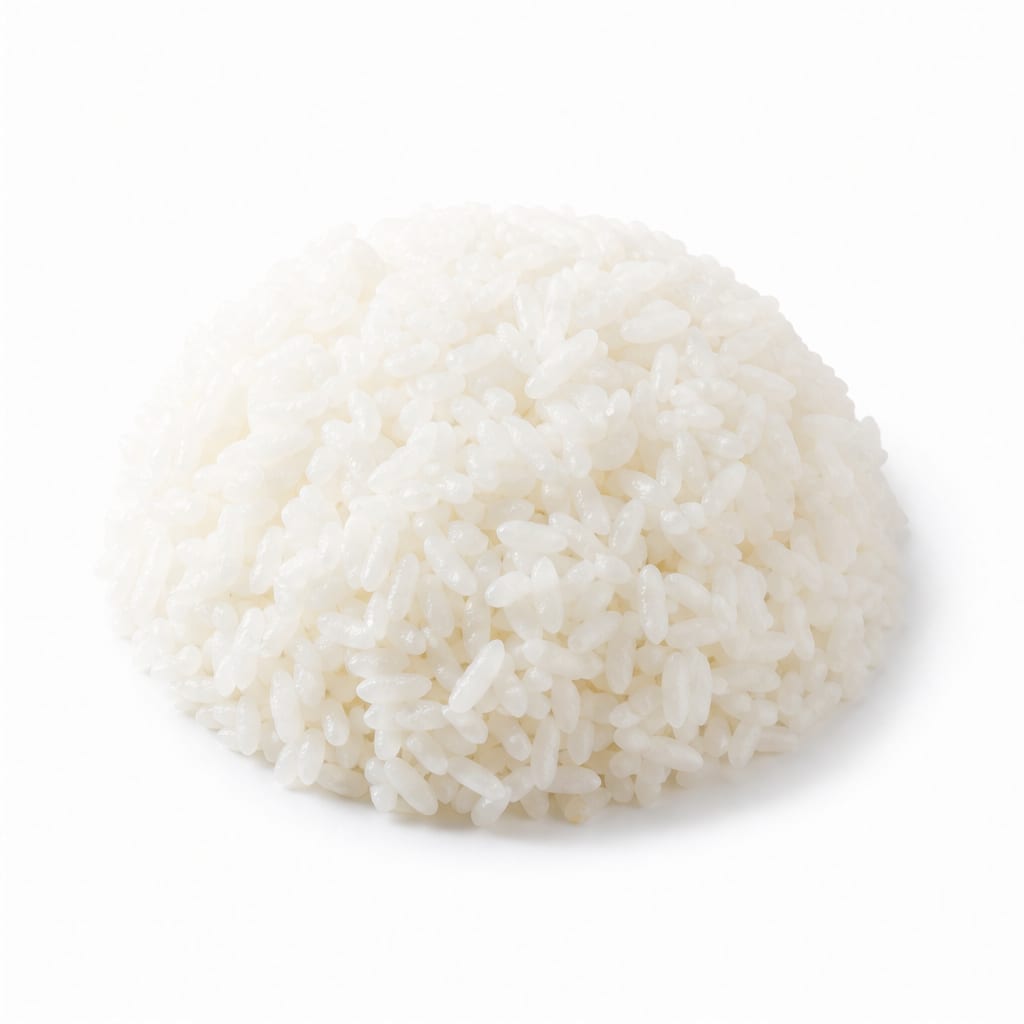
White Rice
Penne offers slightly more protein, fiber, and steadier energy when cooked al dente, while white rice is gentler on digestion and completely gluten-free.
Penne scores modestly higher due to better protein, fiber, and glycemic control when prepared al dente. White rice falls behind on satiety and blood sugar but wins for digestibility and gluten-free needs. Neither is a nutritional standout.
Penne provides better satiety and blood sugar stability versus white rice being easier to digest and safe for gluten-free diets.
At a glance
Executive summary
Overall
It depends
Healthier
Penne
More practical
White Rice
Daily use
It depends
Key comparison lenses
blood sugar management
Both are refined carbohydrate staples that significantly impact blood sugar, making glycemic response the most critical differentiator
weight management and satiety
Users comparing these staples are often concerned about which keeps them fuller longer and supports weight goals
daily staple selection
This is typically an everyday meal choice where long-term health effects and sustainability matter most
digestive tolerance and gluten sensitivity
Penne contains gluten while white rice does not, a decisive factor for many consumers
nutritional density
Neither food is nutrient-dense, so understanding what small advantages exist matters for optimization
Best choice for
Penne
- Athletes needing sustained carb energy over longer training sessions
- People wanting steadier blood sugar from their carb staple
- Anyone prioritizing fullness and reduced snacking between meals
- Mediterranean-style diet followers
White Rice
- People with celiac disease or gluten sensitivity
- Those with sensitive digestion or recovering from illness
- Endurance athletes needing quick glycogen replenishment
- Anyone following an Asian-style meal pattern
Least suitable for
Penne
- People with celiac disease or wheat allergies
- Those monitoring blood sugar closely who overcook pasta
- Anyone on a low-carb or keto diet
White Rice
- People managing diabetes or insulin resistance
- Anyone prone to afternoon energy crashes after carb-heavy meals
- Those seeking higher protein intake from their staple carb
Deep comparison
Dimension by dimension
Each lens scores both foods and breaks down who each option suits.
- Dimension 1 · Priority 92Penne
blood sugar stability
Penne · 58White Rice · 35Penne cooked al dente digests more slowly than white rice, leading to a gentler blood sugar rise.
Tradeoff
Overcooked penne behaves much like white rice glycemicly, erasing this advantage entirely.
Why it matters
Steadier blood sugar means fewer energy crashes and less craving-driven snacking hours later.
Real-world impact
A white rice lunch often leads to a 3pm energy dip, while al dente penne keeps you more even-keeled through the afternoon.
Penne
- Diabetics and prediabetics
- People who get sleepy after carb-heavy meals
- Anyone trying to reduce sugar cravings
Better for
- Anyone who boils pasta until very soft
Worse for
White Rice
- Post-workout when fast glycogen refill is the goal
- Endurance athletes mid-event refueling
Better for
- Insulin-resistant individuals
- People prone to reactive hypoglycemia
Worse for
- Dimension 2 · Priority 88Penne
satiety and fullness
Penne · 62White Rice · 40Penne keeps you fuller longer thanks to its higher protein content and denser physical structure.
Tradeoff
White rice digests quickly, which can be either a benefit or drawback depending on your situation.
Why it matters
Feeling full matters for portion control and avoiding unnecessary snacking between meals.
Real-world impact
A penne dinner typically keeps hunger at bay for 3-4 hours, while white rice may have you reaching for a snack within 2 hours.
Penne
- Weight management dieters
- People who skip meals and need lasting energy
- Anyone trying to reduce overall calorie intake
Better for
- Those wanting a light pre-exercise meal
Worse for
White Rice
- Pre-workout when you want light digestion
- People with poor appetite who need easy eating
Better for
- Emotional eaters who struggle with portion control
- People trying to cut between-meal snacking
Worse for
- Dimension 3 · Priority 78White Rice
digestive tolerance
Penne · 42White Rice · 78White rice is one of the most easily digested foods available, while penne contains gluten and is heavier on the stomach.
Tradeoff
Easy digestion comes at the cost of faster blood sugar spikes and less satiety.
Why it matters
Digestive comfort affects daily quality of life, especially for those with sensitive stomachs.
Real-world impact
After illness, white rice is a go-to recovery food. Penne can feel heavy and bloating for sensitive individuals.
Penne
- People with no digestive issues who tolerate wheat well
Better for
- Gluten-sensitive individuals
- People prone to bloating after wheat
Worse for
White Rice
- Anyone with IBS or sensitive digestion
- People recovering from stomach illness
- Those with celiac disease or gluten intolerance
- Morning meals when you want something gentle
Better for
- Those who need long-lasting satiety from meals
Worse for
- Dimension 4 · Priority 75Penne
nutritional value
Penne · 48White Rice · 35Neither is a nutritional powerhouse, but penne edges ahead with more protein, slightly more fiber, and better iron content from fortified wheat.
Tradeoff
Both foods need pairing with vegetables, proteins, and healthy fats to create a balanced meal.
Why it matters
Staple foods eaten daily contribute significantly to your overall nutrient intake over time.
Real-world impact
A penne meal provides roughly 7g protein per cup versus 4g for white rice, a small but meaningful daily difference.
Penne
- Vegetarians relying on grains for protein contribution
- Anyone not getting enough iron from other sources
Better for
- Those expecting significant nutrition from any refined grain
Worse for
White Rice
- Those who already eat plenty of protein from other foods
- People getting nutrients from varied side dishes
Better for
- Anyone relying on a single staple as a primary calorie source
Worse for
- Dimension 5 · Priority 70It depends
versatility and meal pairing
Penne · 72White Rice · 72Both are incredibly versatile but in different culinary traditions and flavor profiles.
Tradeoff
Penne excels with tomato and olive oil-based sauces; white rice shines with stir-fries, curries, and brothy dishes.
Why it matters
Enjoyment and meal satisfaction drive long-term dietary adherence more than minor nutritional differences.
Real-world impact
Trying to serve curry over penne or bolognese over rice works but feels off. Each belongs to its culinary context.
Penne
- Mediterranean and Italian-style meals
- Meals with thick, chunky sauces
- Baked casserole dishes
Better for
- Soups and stews where rice absorbs broth better
Worse for
White Rice
- Asian and Latin American cuisines
- Dishes with broths and liquid components
- Meals where the carb absorbs surrounding flavors
Better for
- Heavy sauce dishes where rice clumps together
Worse for
- Dimension 6 · Priority 72Penne
portion control and overeating risk
Penne · 55White Rice · 38Penne's shape and density make portions feel more substantial, while white rice is easy to overeat without noticing.
Tradeoff
Large penne portions are still very calorie-dense, so neither food is inherently portion-controlled.
Why it matters
Unconscious overeating of calorie-dense carbs is one of the most common weight gain patterns.
Real-world impact
A standard rice bowl can easily pack 400+ calories before adding anything else, and it still feels light.
Penne
- Visual eaters who gauge fullness by plate appearance
- People who eat slowly and respond to physical fullness
Better for
- Restaurant diners facing massive pasta servings
Worse for
White Rice
- Those who pre-measure portions carefully
- People with small appetites who need easy eating
Better for
- Buffet-style eaters
- Anyone who eats until the food is gone rather than until full
Worse for
Timeline
Health impact over time
Short-term
Hours to days
Penne
- Steadier energy for 2-4 hours when cooked al dente
- Mild fullness and satisfaction from protein and density
- Possible bloating if gluten-sensitive
White Rice
- Quick energy spike within 30-60 minutes
- Hunger returning within 1.5-2 hours after a standard portion
- Gentle on the stomach and easy to eat even when unwell
Long-term
Months to years
Penne
- Better blood sugar patterns with consistent al dente preparation
- Small but cumulative protein advantage over years of daily consumption
- Wheat dependency may contribute to mild gluten sensitivity development in susceptible individuals
White Rice
- Higher risk of insulin resistance with frequent large portions as a primary carb source
- Potential for weight creep due to low satiety signaling
- Low arsenic risk depending on rice origin and preparation method
Risk profile
Safety & processing
Both are refined grain products with minimal additives. Penne is milled and extruded from durum wheat, while white rice is milled and polished to remove bran. Neither contains concerning artificial ingredients, but both have lost significant natural fiber and nutrients through refining.
Penne
gluten reactivity
highContains gluten, which triggers autoimmune responses in celiac individuals and discomfort in gluten-sensitive people.
glyphosate residue
mediumConventionally grown wheat may carry pesticide residues. Choosing organic reduces this concern significantly.
White Rice
arsenic contamination
mediumRice absorbs arsenic from soil more efficiently than other crops. Rinsing thoroughly and cooking in excess water reduces levels considerably.
heavy metal accumulation
lowDepending on growing region, rice may contain trace cadmium or lead. Sourcing from tested regions minimizes risk.
Who wins for whom
Audience fit
Same foods, different winners depending on your goal.
children
It dependsWhite rice is gentler on small digestive systems and safe for gluten-sensitive kids, but penne provides more nutrients for growing bodies.
daily consumption
It dependsDepends entirely on individual tolerance, activity level, and dietary context. Both can work daily if portions are managed and meals are balanced.
diabetes
PenneAl dente penne has a lower glycemic index than white rice, producing more manageable blood sugar responses.
elderly
White RiceWhite rice is easier to chew and digest, which matters significantly as digestive function declines with age.
muscle gain
PenneSlightly more protein per serving and better sustained energy for training, though both should be paired with dedicated protein sources.
weight loss
PennePenne's higher protein and fiber content provides better satiety, making it easier to eat fewer calories overall without feeling deprived.
Your move
Decision guide
Choose Penne
- You want steadier energy and fewer afternoon crashes
- Blood sugar management is a priority for you
- You tolerate gluten well and enjoy Mediterranean-style meals
- Satiety and reduced snacking between meals matter to you
Choose White Rice
- You have celiac disease, gluten sensitivity, or wheat allergy
- You need easily digestible food due to stomach issues or recovery
- You practice endurance sports requiring quick glycogen replenishment
- You regularly eat Asian, Latin, or African cuisines where rice is traditional
Either works if
- You pair your carb with plenty of vegetables, lean protein, and healthy fats
- You watch your portions carefully regardless of the staple
- You rotate between both for dietary variety and enjoyment
Avoid both if
- You are on a low-carb or ketogenic diet
- You have uncontrolled diabetes and need low-glycemic carb sources only
- You are seeking nutrient-dense whole grains like quinoa, farro, or brown rice instead
Final recommendation
Choose penne when you want lasting energy and better fullness, especially cooked al dente. Choose white rice when you need gentle digestion or must avoid gluten. Neither should be the nutritional star of your plate — both work best as a supporting carb alongside vegetables and protein. The healthiest choice is whichever you prepare thoughtfully and pair well, not the grain itself.
Practical
Consumer tips
- 1
Cook penne al dente to preserve its lower glycemic advantage — mushy pasta behaves like white rice in your bloodstream
- 2
Rinse white rice thoroughly before cooking and use excess water to reduce arsenic levels by up to 50%
- 3
Add olive oil, lemon, and vegetables to penne for a balanced Mediterranean meal that slows digestion further
- 4
Pair white rice with protein and fiber-rich sides to blunt its blood sugar impact
- 5
Switch to whole wheat penne or brown rice for a meaningful nutritional upgrade without changing your meal structure
- 6
Measure portions before cooking — both foods roughly double in volume when cooked, making visual portion estimates unreliable
- 7
Choose organic wheat pasta to reduce glyphosate exposure, and source rice from regions with lower arsenic soil levels