
Nutrition comparison
Penne vs Spaghetti: Which Pasta Shape Is Healthier?
Compare Penne and Spaghetti nutrition, satiety, blood sugar impact, and sauce pairing. Learn which pasta shape fits your health goals and eating style better.
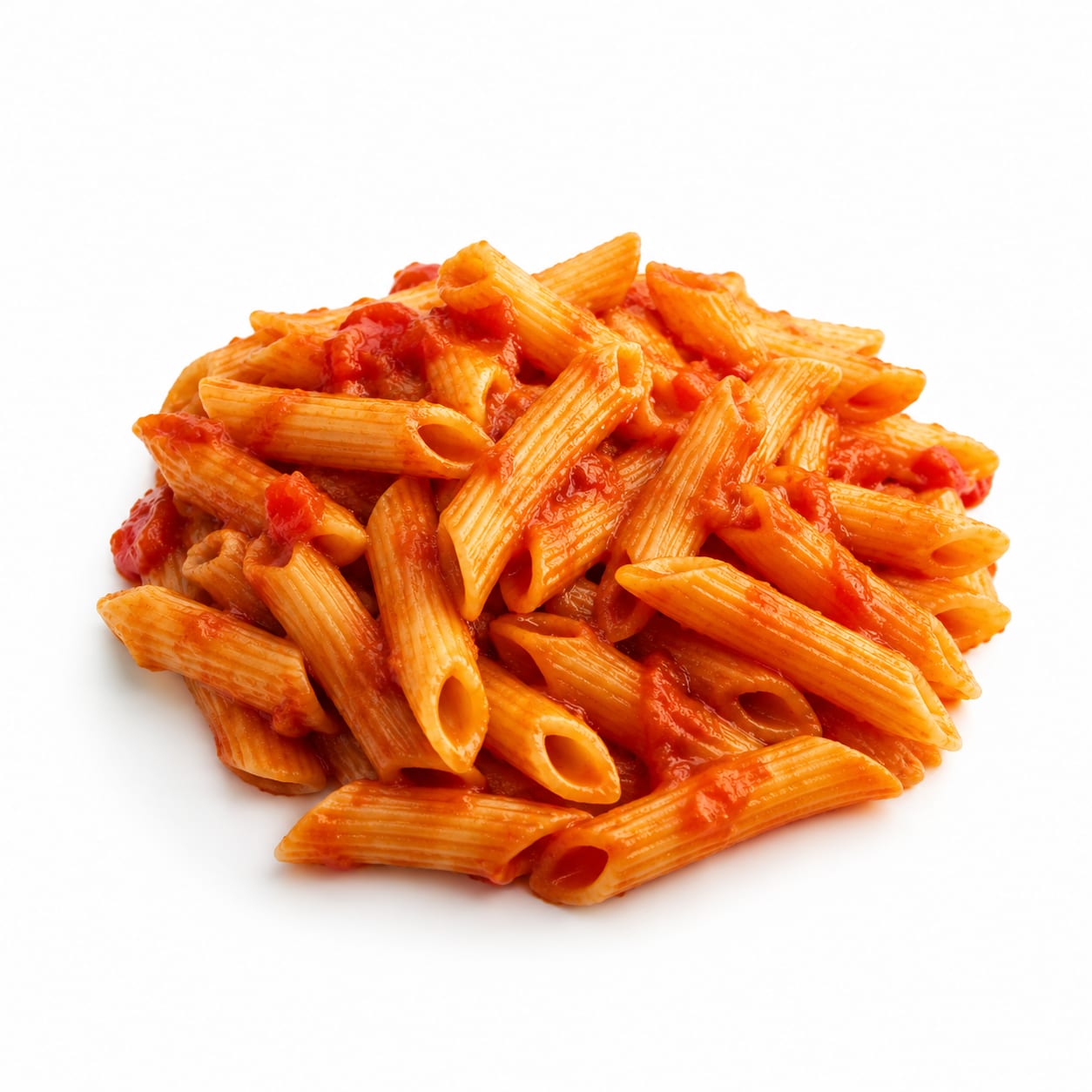
Penne
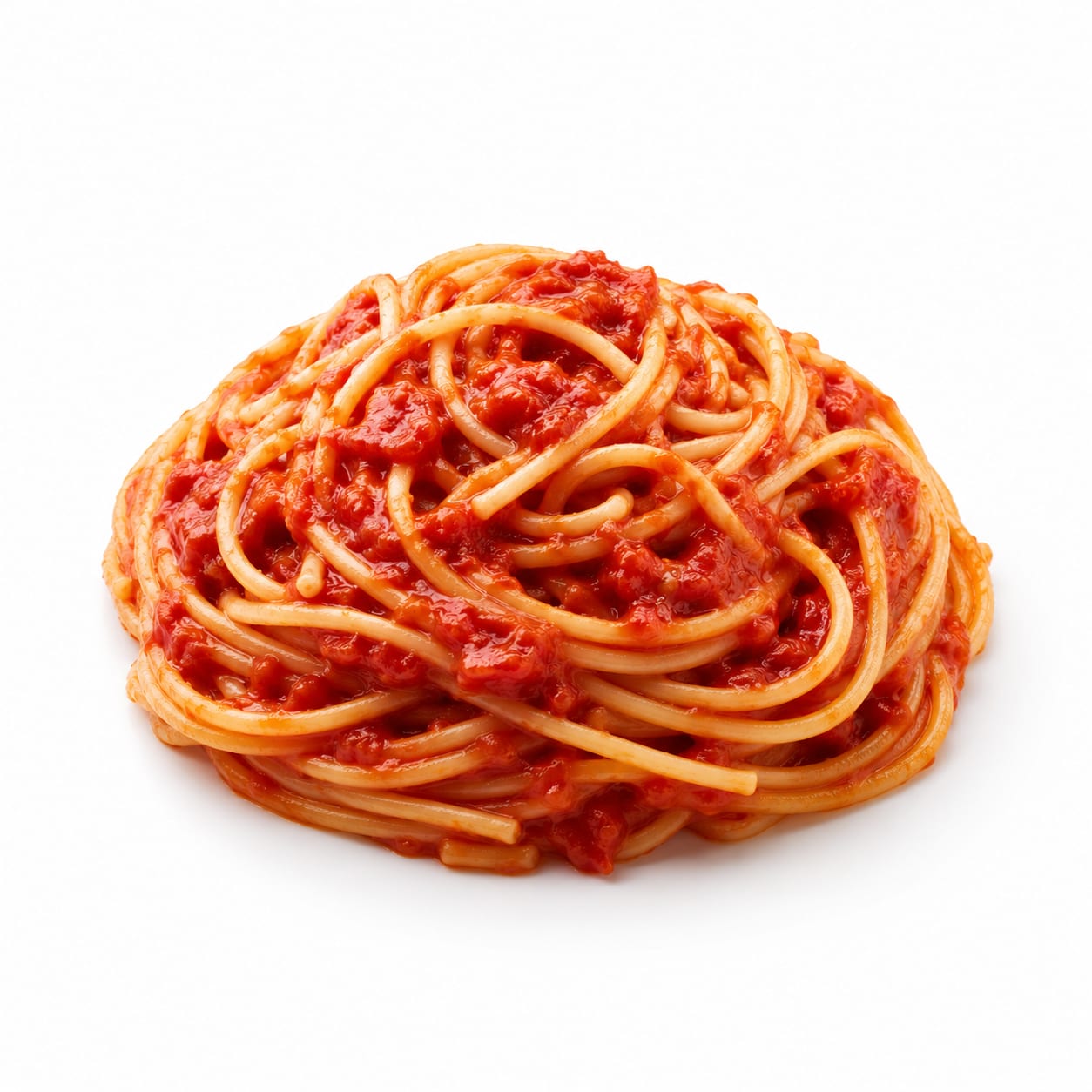
Spaghetti
Penne and Spaghetti are nutritionally near-identical since they share the same ingredients. The real difference is in how you eat them, how much sauce they carry, and how satisfied you feel afterward.
Scores are extremely close because both are made from identical ingredients. Penne edges ahead slightly due to better portion control tendencies and sauce efficiency, but the margin is thin and context-dependent.
Penne gives better portion control and sauce-to-bite ratio, while Spaghetti delivers a lighter eating experience that pairs uniquely with oil-based sauces.
At a glance
Executive summary
Overall
It depends
Healthier
It depends
More practical
Penne
Daily use
It depends
Key comparison lenses
satiety and portion control
Shape differences significantly affect how much people serve themselves and how full they feel afterward
blood sugar impact
Pasta shape alters surface area and density, which changes how quickly carbohydrates are digested
sauce pairing and calorie intake
Ridged tube shapes trap more sauce than smooth strands, affecting overall meal calories and satisfaction
meal satisfaction and eating experience
The tactile experience of eating different shapes influences how satisfying a meal feels
versatility in meal prep
Both shapes suit different dishes and cooking styles, affecting practical weekly meal planning
Best choice for
Penne
- People who tend to overeat pasta and need built-in portion awareness
- Heavy sauce lovers wanting maximum flavor per bite without drowning their meal
- Meal preppers who want pasta that reheats well without clumping
- Anyone tracking calories who eats a lot of saucy dishes
Spaghetti
- Those who prefer lighter, simpler meals with olive oil or thin sauces
- People who find dense pasta too heavy and prefer a more delicate eating experience
- Athletes carb-loading before endurance events who need easy-to-eat volume
- Families with young children who find long noodles fun and easier to engage with
Least suitable for
Penne
- People with blood sugar concerns who want the slowest possible carb absorption
- Anyone seeking the lightest possible meal feeling
Spaghetti
- Those who struggle with portion control and tend to heap large servings
- People who find twirling long noodles frustrating or impractical at meals
Deep comparison
Dimension by dimension
Each lens scores both foods and breaks down who each option suits.
- Dimension 1 · Priority 88Penne
satiety_and_portion_control
Penne · 62Spaghetti · 48Penne's tube shape and ridges create a denser bite that feels more substantial per forkful, making it easier to feel satisfied with less.
Tradeoff
That density can also make a plate of Penne feel heavier, which some people find uncomfortable at lunch.
Why it matters
Portion control is the single biggest factor in whether pasta supports or undermines your health goals. Shape subtly influences how much you serve and eat.
Real-world impact
A cup of Penne on a plate looks like a complete serving. A cup of Spaghetti can look deceptively small, leading to second helpings.
Penne
- Weight management
- Mindful eating
- Calorie tracking
Better for
- Feeling overstuffed
- Light lunch needs
Worse for
Spaghetti
- Light dinners
- Hot weather meals
- Post-workout refueling when you need volume
Better for
- Overeating risk
- Accidental calorie surplus
Worse for
- Dimension 2 · Priority 82Spaghetti
blood_sugar_impact
Penne · 45Spaghetti · 55Spaghetti's long thin strands have slightly more surface area relative to volume, which can slow glucose release compared to denser Penne tubes.
Tradeoff
The difference is modest and easily overwhelmed by what sauce you pair it with. A creamy Penne dish will spike blood sugar more than a simple olive oil Spaghetti.
Why it matters
For anyone monitoring blood sugar, even small structural differences in carb digestion rate can affect energy crashes and cravings an hour later.
Real-world impact
After a Spaghetti aglio e olio, you may feel steadier energy. After a Penne vodka, the combined density and cream can hit harder.
Penne
- Meals paired with high-fiber sauces
- Situations where you eat slowly
Better for
- Rapid blood sugar spikes when eaten quickly
- Energy dips after heavy saucy meals
Worse for
Spaghetti
- Blood sugar management
- Sustained energy without crashes
- Diabetes-friendly meal planning
Better for
- Overeating can negate any glycemic advantage
Worse for
- Dimension 3 · Priority 79Penne
sauce_efficiency_and_calorie_intake
Penne · 68Spaghetti · 42Penne's ridges and hollow center trap sauce inside and outside each piece, delivering more flavor with less sauce overall.
Tradeoff
This efficiency means heavy cream sauces also cling aggressively, so Penne can become a calorie bomb faster with rich recipes.
Why it matters
Sauce is where most pasta calories hide. A shape that satisfies with less sauce helps keep meals leaner without feeling deprived.
Real-world impact
Two tablespoons of pesto coat a full bowl of Penne nicely. Spaghetti needs more pesto to feel equally flavored, adding hidden calories.
Penne
- Calorie-conscious sauce lovers
- Flavor-maximizing meals
- Thick sauce dishes like arrabbiata
Better for
- Heavy cream-based dishes where sauce clings too well
- Hidden calorie accumulation
Worse for
Spaghetti
- Light oil-based preparations
- Clam sauces and brothy dishes
- Minimalist Italian cooking
Better for
- Needing more sauce to feel satisfied
- Dry-tasting meals with insufficient coating
Worse for
- Dimension 4 · Priority 70Spaghetti
digestive_comfort
Penne · 44Spaghetti · 58Spaghetti's thinner strands break down more easily in the stomach, while Penne's dense tubes can feel heavier during digestion.
Tradeoff
If you eat Spaghetti too quickly and swallow long strands barely chewed, it can actually cause more discomfort than Penne.
Why it matters
Post-meal bloating or heaviness affects productivity, mood, and whether you want to eat pasta again soon.
Real-world impact
A Spaghetti dinner at 7pm often feels settled by 9pm. A dense Penne bake can sit heavy well into the evening.
Penne
- Meals where you eat slowly and chew thoroughly
- Cold pasta salads that are pre-chilled and easier to digest
Better for
- Bloating potential
- Heavy feeling after large servings
Worse for
Spaghetti
- Sensitive digestion
- Late dinners
- Eating before physical activity
Better for
- Inadequate chewing leading to discomfort
- Gulping long strands
Worse for
- Dimension 5 · Priority 65Penne
versatility_and_meal_prep
Penne · 64Spaghetti · 50Penne works in baked dishes, cold salads, soups, and standard pasta plates. Spaghetti excels in a narrower range of hot dishes.
Tradeoff
Spaghetti delivers an unmatched experience in its sweet spot: twirlable, slurpable, romantic Italian-style dishes that Penne cannot replicate.
Why it matters
If you cook pasta multiple times a week, a shape that adapts to more recipes reduces waste and keeps meals interesting.
Real-world impact
Leftover Penne becomes a great cold lunch salad. Leftover Spaghetti becomes a clumpy microwaved disappointment.
Penne
- Weekly meal prep
- Baked pasta dishes
- Cold pasta salads
- Reheating leftovers
Better for
- Authentic long-noodle traditions
- Elegant twirling presentations
Worse for
Spaghetti
- Classic Italian date-night dinners
- Traditional recipes like carbonara
- Oil and garlic preparations
Better for
- Pasta bakes
- Cold dishes
- Meal prep storage
Worse for
Timeline
Health impact over time
Short-term
Hours to days
Penne
- More immediate fullness per serving due to dense bite structure
- Slightly faster blood sugar rise when eaten with heavy sauces
- Better hydration in dishes since tubes absorb broth and sauce
Spaghetti
- Lighter post-meal feeling with simpler sauces
- Slightly steadier energy curve when paired with lean preparations
- Risk of overeating because thin strands look like smaller portions on plate
Long-term
Months to years
Penne
- Better portion habits if you rely on visual fullness cues
- Potential for higher calorie intake if frequently paired with cream sauces
- Good candidate for whole-grain versions since texture masks wheatiness
Spaghetti
- Easier to maintain lighter eating patterns with oil-based sauces
- Risk of gradual weight gain if portion heaping becomes habitual
- Whole-grain Spaghetti is more noticeable in taste, which deters some people from switching
Risk profile
Safety & processing
Both Penne and Spaghetti are made from the same basic ingredients: durum wheat semolina and water. Quality brands use nothing else. Cheap brands may add enrichment vitamins or use lower-grade wheat. The processing level is identical since shape is formed by the die, not by additional ingredients.
Penne
Undercooked dense centers
lowPenne tubes can sometimes remain firm in the center even when outer edges seem done, leading to harder-to-digest bites. Not a safety issue, but a digestive comfort concern.
Spaghetti
Choking from inadequately chewed long strands
lowEating Spaghetti quickly without proper chewing can create long clumps that are uncomfortable to swallow. More a table manner issue than a genuine safety threat for adults.
Who wins for whom
Audience fit
Same foods, different winners depending on your goal.
children
SpaghettiKids often engage more with twirlable long noodles, and the thinner texture is easier for small mouths. Penne can feel like too much work for some picky eaters.
daily consumption
It dependsBoth are equally viable for regular eating. Choose based on your sauce preferences and whether you value portion control or lighter meal feel more.
diabetes
SpaghettiThinner strands digest slightly more gradually, and Spaghetti is more commonly paired with lighter oil-based sauces that avoid the cream-sauce trap.
elderly
PennePenne requires less dexterity to eat and is easier to cut or scoop, while Spaghetti demands more coordination to twirl or manage on a fork.
muscle gain
SpaghettiSpaghetti is easier to eat in large volumes, which helps when you need substantial carbs for training fuel without feeling overly stuffed.
weight loss
PennePenne's visual portion clarity and sauce efficiency help control calories without feeling deprived, making it easier to maintain a deficit.
Your move
Decision guide
Choose Penne
- You tend to serve yourself too much pasta and need visual portion cues
- You love thick, chunky, or cream-based sauces and want maximum flavor coverage
- You meal prep regularly and want pasta that stores and reheats well
- You cook for elderly family members who find long noodles difficult to manage
- You want to sneak whole-grain pasta past picky eaters since ridges hide texture
Choose Spaghetti
- You prefer light, oil-based sauces like aglio e olio or simple marinara
- You want a lighter dinner that does not sit heavy before bed
- You are carb-loading for athletic performance and need easy-to-eat volume
- You cook traditional Italian recipes where long noodles are culturally authentic
- You find dense pasta uncomfortable and prefer a more delicate mouthfeel
Either works if
- You pair pasta with lean protein and vegetables regardless of shape
- You buy whole-grain or legume-based pasta and care more about ingredient quality than shape
- You eat pasta only occasionally and want to enjoy whatever dish sounds best
- You are tracking macros and the 5-calorie-per-serving difference is irrelevant to your goals
Avoid both if
- You have celiac disease or gluten intolerance and are not using gluten-free versions
- You are following a strict low-carb or ketogenic protocol
- You have blood sugar concerns and are not pairing pasta with adequate fiber, protein, and fat
Final recommendation
Let your sauce decide. Penne and Spaghetti are nutritionally the same food in different outfits. If you are eating rigatata-style thick sauces, Penne is your friend. If you are keeping it light with olive oil and garlic, Spaghetti shines. For health outcomes, what matters far more than shape is portion size, sauce choice, and whether you reach for whole-grain versions. Pick the shape that makes your specific meal taste better, and focus your health energy on what goes on top.
Practical
Consumer tips
- 1
Go whole-grain: The shape difference is trivial compared to the health upgrade from switching to whole-wheat or legume-based pasta. Penne hides the wheat taste better if texture bothers you.
- 2
Measure dry, not cooked: A cup of cooked Spaghetti and a cup of cooked Penne look identical in calories, but people tend to heap Spaghetti higher. Weigh dry portions for accuracy.
- 3
Sauce swap matters more than shape swap: Switching from cream sauce to tomato sauce saves more calories than switching from Spaghetti to Penne ever will.
- 4
Cool your pasta: Cooking then cooling either shape creates resistant starch, which lowers the glycemic impact and feeds gut bacteria. Reheating cooled pasta retains this benefit.
- 5
Pair with protein and fiber: Adding grilled chicken and broccoli to either shape does more for blood sugar stability than any shape-based advantage.