
Nutrition comparison
Penne vs Potato: Which Carb Is Healthier for You?
Compare penne and potato on blood sugar, satiety, nutrients, and weight loss. Discover which staple carb keeps you fuller, which is more convenient, and how to choose based on your goals.
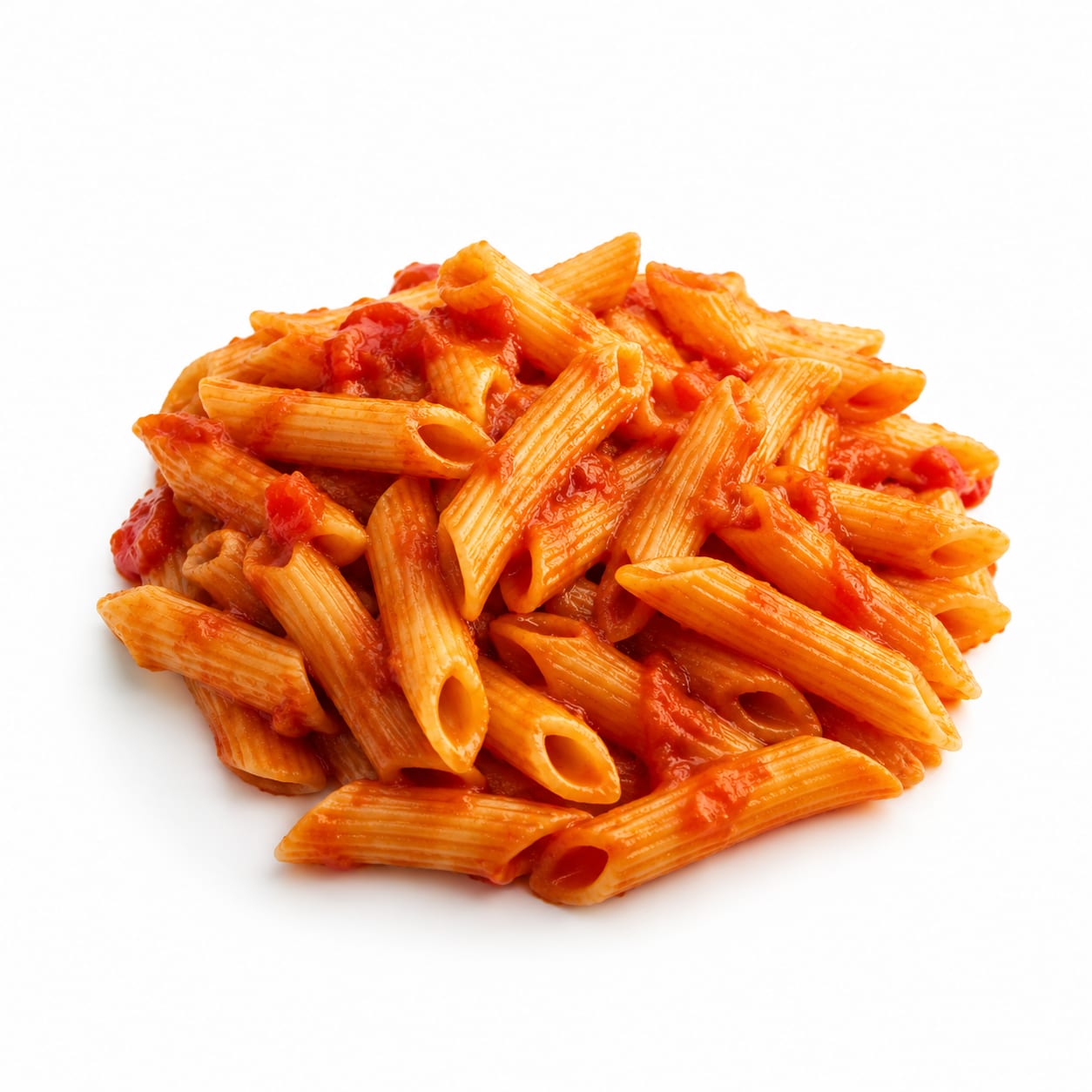
Penne
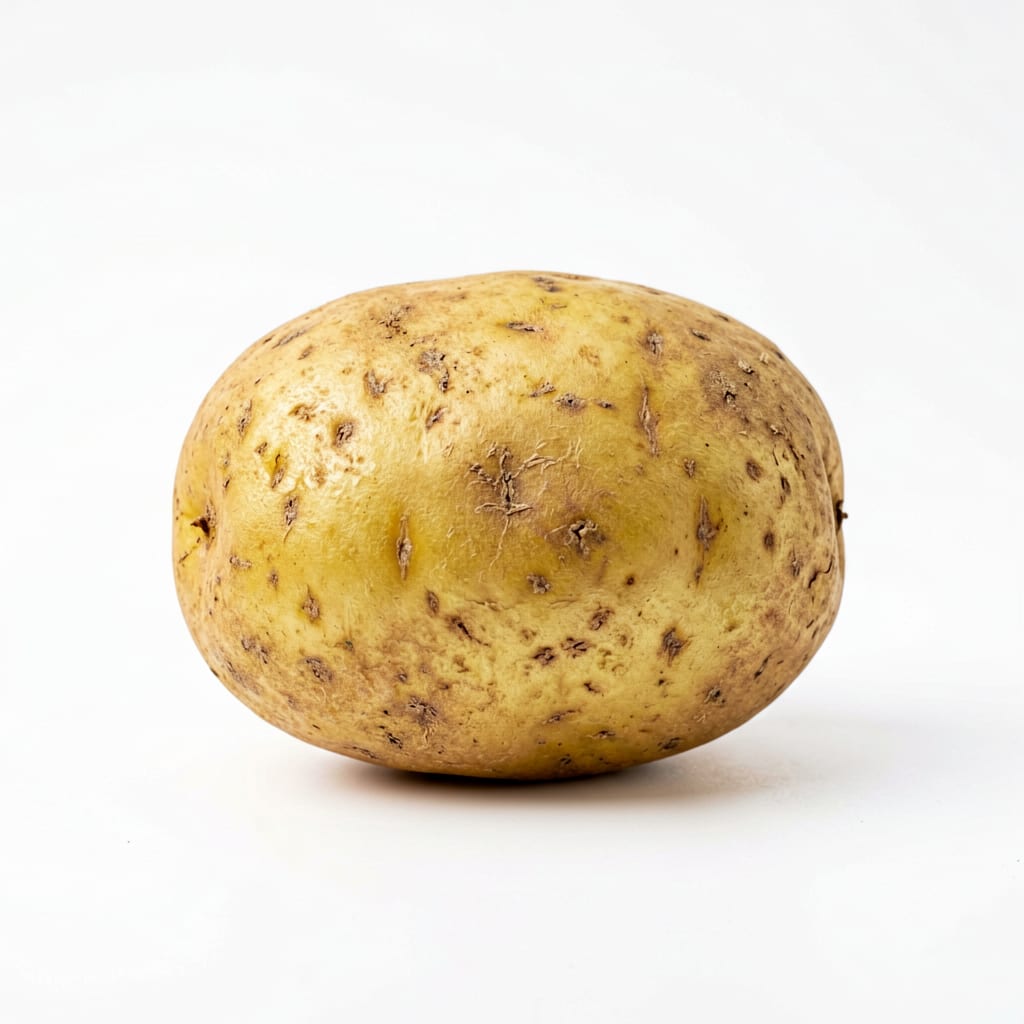
Potato
Potatoes win on satiety, naturalness, and nutrient density. Penne wins on convenience, shelf stability, and meal versatility. Your best pick depends on what matters more to you.
Potatoes score noticeably higher due to superior satiety, whole-food status, and richer micronutrient profile. Penne remains competitive through convenience and versatility but carries penalties for processing and lower fullness factor.
Potatoes keep you fuller and deliver more nutrients per calorie, but penne is easier to store, prep in bulk, and pair with sauces for satisfying meals.
At a glance
Executive summary
Overall
It depends
Healthier
Potato
More practical
Penne
Daily use
Potato
Key comparison lenses
blood sugar management
Both are starchy carb staples with significant glycemic impact, making blood sugar response the primary concern for most users
weight management and satiety
Potatoes rank highest on the satiety index among common foods, while penne is easier to overeat
processing and naturalness
Potatoes are a whole food straight from the ground; penne is milled, refined, and shaped
nutrient density per calorie
Users choosing between carb sources want to know which delivers more vitamins and minerals alongside calories
everyday practicality and meal versatility
Both are kitchen staples but differ significantly in storage, prep time, and meal roles
Best choice for
Penne
- Busy weeknight dinners where quick batch cooking matters
- Athletes needing easy pre-workout carb loading
- Meal preppers who want shelf-stable staples
- Families wanting kid-friendly pasta dishes
Potato
- People trying to lose weight without feeling hungry
- Anyone prioritizing whole, unprocessed foods
- Those watching their sodium intake
- Budget-conscious eaters wanting maximum nutrition per dollar
Least suitable for
Penne
- People strictly limiting refined or processed carbs
- Anyone managing diabetes who needs low-glycemic options
- Those avoiding wheat or gluten
Potato
- People who find it hard to control portions with high-palatability preparations like fries or mash with butter
- Anyone needing long shelf life without refrigeration
- Those who want a quick-cooking carb source
Deep comparison
Dimension by dimension
Each lens scores both foods and breaks down who each option suits.
- Dimension 1 · Priority 92Penne
blood sugar stability
Penne · 38Potato · 28Penne has a lower glycemic index than most potato varieties, especially when cooked al dente and cooled.
Tradeoff
Neither is ideal for tight blood sugar control, but penne's denser structure slows digestion slightly compared to the rapid starch breakdown in potatoes.
Why it matters
If you're prediabetic or managing energy crashes, the slower glucose release from penne makes a real difference in how you feel 1-2 hours after eating.
Real-world impact
A penne lunch is less likely to cause an afternoon energy dip than a baked potato, though both require protein and fiber pairing to truly stabilize blood sugar.
Penne
- People with insulin resistance needing gentler glycemic impact
- Anyone prone to post-meal energy crashes
Better for
- Those who still overeat pasta, negating any glycemic advantage
Worse for
Potato
- Athletes who want rapid glycogen replenishment after intense exercise
Better for
- Diabetics who need to minimize blood sugar spikes
- People sensitive to carb-induced hunger cycles
Worse for
- Dimension 2 · Priority 88Potato
satiety and fullness
Penne · 42Potato · 85Potatoes are the most satiating food tested in clinical research, while penne is notoriously easy to overeat.
Tradeoff
You feel fuller on fewer calories with potatoes, but penne's sauce-carrying texture makes meals more hedonically rewarding.
Why it matters
If you're trying to eat less without feeling deprived, swapping penne for potatoes could meaningfully reduce your calorie intake without willpower struggle.
Real-world impact
A medium baked potato with minimal toppings can keep you full for hours. A similar-calorie penne portion often leaves you wanting more.
Penne
- Underweight individuals who struggle to eat enough
- Athletes in bulking phases who need easy calorie intake
Better for
- Portion-control strugglers who routinely eat large pasta servings
Worse for
Potato
- Anyone cutting calories who hates feeling hungry
- Emotional eaters who benefit from physical fullness signals
Better for
- People who load potatoes with butter, cheese, and sour cream, erasing the satiety advantage
Worse for
- Dimension 3 · Priority 80Potato
nutrient density
Penne · 30Potato · 68Potatoes deliver significant potassium, vitamin C, vitamin B6, and magnesium. Penne, even enriched, offers far less per calorie.
Tradeoff
Potatoes are a legitimate source of essential vitamins and minerals. Penne provides calories with modest iron and B-vitamins from fortification but little else.
Why it matters
If a significant portion of your diet comes from staple carbs, choosing the more nutrient-dense option compounds over years of eating.
Real-world impact
A medium potato gives you nearly half your daily vitamin C and more potassium than a banana. Penne gives you energy and not much else nutritionally.
Penne
- Those already eating a nutrient-rich diet who just need energy
Better for
- Those relying on carbs as a major calorie source who risk micronutrient gaps
Worse for
Potato
- Anyone whose diet lacks fruits and vegetables
- People who need more potassium for blood pressure management
Better for
- People who peel potatoes, discarding much of the fiber and nutrients
Worse for
- Dimension 4 · Priority 85Potato
processing and naturalness
Penne · 25Potato · 90Potatoes are a whole food you pull from the ground. Penne is refined wheat flour shaped and dried through industrial processing.
Tradeoff
Potatoes have one ingredient. Penne may contain fortification additives and has been stripped of the wheat kernel's bran and germ.
Why it matters
Less processing generally means better gut health, more fiber, and fewer unexpected additives in your diet.
Real-world impact
You can grow a potato in your backyard. Penne requires milling, refining, extrusion, and drying — your body can tell the difference.
Penne
- Those who value convenience over whole-food purity
Better for
- Those following whole-food or minimally-processed dietary philosophies
Worse for
Potato
- Clean-eating advocates
- People avoiding ultra-processed foods for gut health
- Anyone concerned about additive exposure
Better for
- People who turn potatoes into fries or chips, making them ultra-processed
Worse for
- Dimension 5 · Priority 75Penne
practicality and convenience
Penne · 82Potato · 55Penne stores for months at room temperature and cooks in 10-12 minutes. Potatoes sprout, spoil, and take longer to prepare well.
Tradeoff
Penne is the reliable pantry staple you can always count on. Potatoes require more planning and careful storage.
Why it matters
The best food for you is the one you can consistently prepare and eat. Convenience often trumps nutrition in real life.
Real-world impact
You can keep penne in your cabinet for a year and have dinner in 15 minutes. Potatoes demand fridge space, spoil within weeks, and need more active cooking.
Penne
- Meal preppers who cook in large batches
- People with limited fridge or pantry space for fresh produce
- Anyone who wants a 15-minute dinner option always available
Better for
- Those who want to minimize packaged, shelf-stable processed foods
Worse for
Potato
- Home cooks who enjoy preparing fresh ingredients
- People who shop frequently and use produce quickly
Better for
- Anyone prone to food waste from spoiled produce
- People with very limited cooking time on weeknights
Worse for
- Dimension 6 · Priority 70It depends
digestive tolerance
Penne · 55Potato · 60Both are generally well-tolerated, but different populations struggle with each. Penne contains gluten; potatoes contain solanine and resistant starch that can cause issues.
Tradeoff
Gluten-sensitive individuals must avoid penne, while nightshade-sensitive individuals may react to potatoes. For most people, neither is problematic.
Why it matters
Digestive comfort is highly individual. The wrong choice can mean bloating, gas, or worse despite nutritional merits.
Real-world impact
If wheat bothers you, penne is off the table. If nightshades trigger inflammation or joint pain for you, potatoes are the problem. Most people tolerate both fine.
Penne
- People with nightshade sensitivity or solanine intolerance
- Those who find potatoes cause bloating from resistant starch
Better for
- Those with wheat allergies, celiac, or non-celiac gluten sensitivity
Worse for
Potato
- Anyone with celiac disease or gluten sensitivity
- People following gluten-free diets
Better for
- People with nightshade sensitivities
- Those who experience gas from resistant starch, especially in cooled potatoes
Worse for
Timeline
Health impact over time
Short-term
Hours to days
Penne
- Quick energy from easily digested refined carbs
- Moderate blood sugar rise, less than potatoes but still significant
- Easy to overeat due to low satiety and high palatability with sauces
Potato
- Rapid blood sugar spike, especially from baked or mashed preparations
- High fullness factor reduces total calorie intake at that meal
- Resistant starch from cooled potatoes may cause temporary bloating or gas
Long-term
Months to years
Penne
- Regular consumption of refined grains may increase risk of metabolic syndrome
- Fortification provides some B-vitamins and iron but doesn't match whole-food nutrient profiles
- Habitual overconsumption is common due to low satiety, potentially contributing to weight gain
Potato
- Potassium and vitamin C intake supports cardiovascular health over time
- Consistent high satiety may aid long-term weight management
- Preparation method matters enormously: boiled or baked is healthy; fried erases benefits
Risk profile
Safety & processing
Penne is made from refined wheat flour with possible fortification additives — a processed food by definition. Potatoes are a whole food with nothing added or removed. Both have low artificial additive concerns, but penne has undergone significant industrial transformation from its original wheat source.
Penne
gluten exposure
highContains wheat gluten. A serious concern for those with celiac disease or gluten sensitivity, causing intestinal damage or inflammatory reactions.
glycotoxins from overcooking
lowOvercooking penne to the point of browning or charring can produce acrylamide, though this is uncommon in normal pasta preparation.
Potato
solanine toxicity from green or sprouted potatoes
mediumGreen spots and sprouts indicate elevated solanine, which can cause nausea, headaches, and in extreme cases neurological symptoms. Always cut away green areas and discard heavily sprouted potatoes.
acrylamide from high-heat cooking
mediumFrying, roasting, or baking potatoes at high temperatures produces acrylamide, a probable carcinogen. Boiling and steaming avoid this risk entirely.
pesticide residue
lowConventional potatoes may carry pesticide residues on the skin. Peeling reduces exposure significantly, and organic options are widely available.
Who wins for whom
Audience fit
Same foods, different winners depending on your goal.
children
It dependsPenne is more kid-friendly and easier to eat, but potatoes offer more vitamins critical for growing bodies. Rotate both for the best of both worlds.
daily consumption
PotatoAs a whole food with superior micronutrients and satiety, potatoes are a healthier daily staple. Penne is fine occasionally but shouldn't be your everyday carb base.
diabetes
PenneNeither is ideal, but penne cooked al dente has a lower glycemic index than most potato preparations, causing a gentler blood sugar rise.
elderly
PotatoPotatoes provide more potassium for blood pressure management and vitamin C for immune support, both critical for older adults. They're also softer and easier to chew when mashed.
muscle gain
PennePenne provides easily digestible carbs for glycogen replenishment and is simpler to eat in large quantities during bulking phases.
weight loss
PotatoPotatoes are the most satiating food studied, helping you eat fewer calories naturally. Penne's low satiety makes portion control much harder.
Your move
Decision guide
Choose Penne
- You need a shelf-stable carb that's always ready in your pantry
- You're an athlete who needs easy-to-digest carbs for fueling or recovery
- You cook for picky eaters who gravitate toward pasta dishes
- You meal-prep in large batches and want leftovers that reheat well
- You're trying to gain weight and need calorie-dense, easy-to-eat options
Choose Potato
- You want to feel full on fewer calories
- You prioritize whole, unprocessed foods in your diet
- You need more potassium, vitamin C, or B6 in your meals
- You're willing to prepare fresh food and use it before it spoils
- You want maximum nutrition per dollar spent
Either works if
- You're healthy, active, and eat a varied diet overall
- You pair your carbs with protein, healthy fats, and vegetables
- You rotate between different carb sources throughout the week
Avoid both if
- You're on a strict very-low-carb or ketogenic diet
- You have severe blood sugar issues and need to minimize all starch intake
- You're sensitive to both gluten and nightshades
Final recommendation
Make potatoes your default carb staple for their satiety, nutrients, and whole-food integrity. Keep penne as an occasional convenience option or for meals where pasta specifically enhances the dish. When you eat potatoes, boil or bake them and leave the skin on. When you eat penne, cook it al dente and pair it generously with protein and vegetables to slow digestion and boost the meal's nutritional value.
Practical
Consumer tips
- 1
Cooling cooked potatoes in the fridge creates resistant starch, which lowers their glycemic impact and feeds beneficial gut bacteria. Reheating doesn't eliminate this benefit.
- 2
Always cook penne al dente — firmer pasta digests more slowly and has a meaningfully lower glycemic index than overcooked pasta.
- 3
Leave potato skins on for roughly 50% more fiber and a significant boost in potassium and vitamins.
- 4
If you buy conventional potatoes, peeling them removes most pesticide residue. Going organic matters more for potatoes than many other vegetables.
- 5
Pair either food with protein and healthy fat to blunt blood sugar spikes. Penne with chicken and olive oil, or potato with Greek yogurt instead of sour cream, makes a big difference.
- 6
Store potatoes in a cool, dark place — not the fridge, which converts starches to sugars and alters taste and cooking behavior.
- 7
Whole-wheat penne is a meaningful upgrade over regular penne, adding fiber and slowing digestion, though it still doesn't match potatoes for nutrient density.