
Nutrition comparison
Penne vs Soba Noodles: Which is Healthier?
Compare Penne vs Soba Noodles to see which is better for blood sugar, weight loss, and daily nutrition. Discover the health benefits of buckwheat vs wheat pasta.
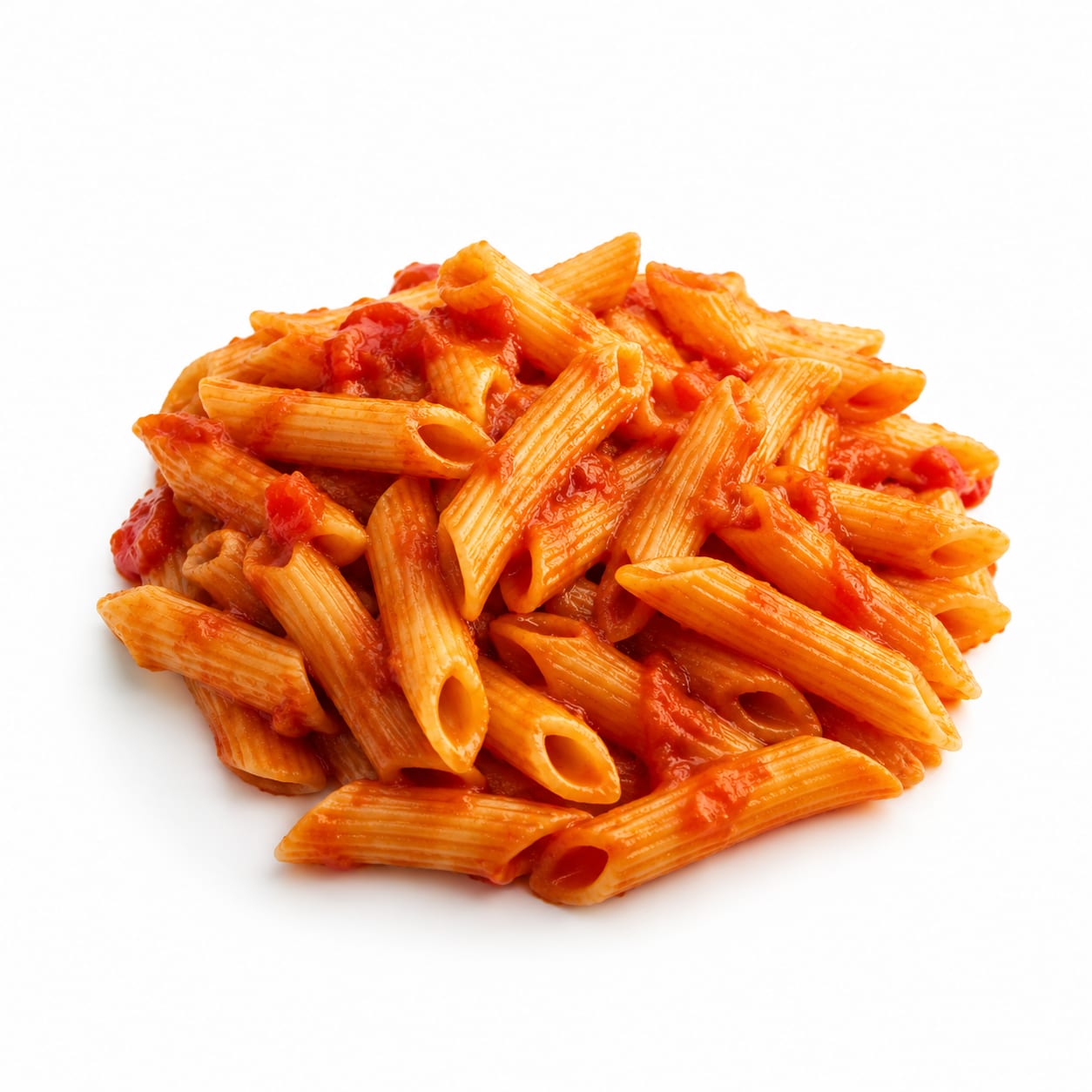
Penne
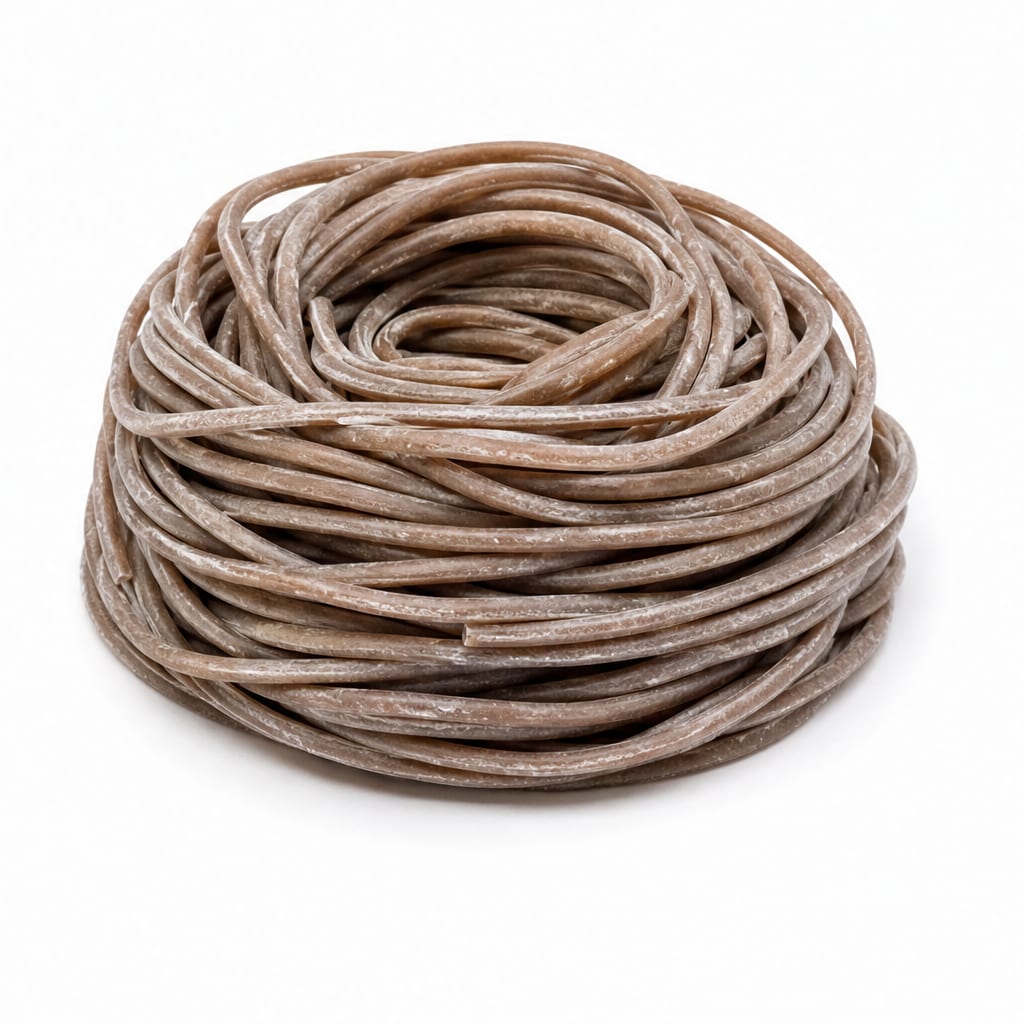
Soba Noodles
Soba Noodles edge out Penne for blood sugar stability and micronutrients, but Penne wins for hearty comfort meals and holding thick sauces.
Soba Noodles score higher due to a better micronutrient profile, lower glycemic impact, and higher satiety per calorie. Penne remains a culturally versatile comfort food but offers less nutritional density unless switched to a whole wheat variety.
You trade the comforting, sauce-holding heartiness of Penne for the lighter, steadier energy and mineral boost of Soba Noodles.
At a glance
Executive summary
Overall
It depends
Healthier
Soba Noodles
More practical
Penne
Daily use
Soba Noodles
Key comparison lenses
blood sugar control
Soba noodles generally have a lower glycemic index than traditional refined Penne, making blood sugar impact a key differentiator.
nutrient density
Buckwheat in Soba provides unique micronutrients like rutin and magnesium that standard wheat Penne lacks.
digestive tolerance and gluten
Penne is wheat-based and high in gluten, while Soba can be gluten-free if made from 100% buckwheat, appealing to sensitive individuals.
culinary versatility
Penne is a heavy sauce carrier, while Soba excels in lighter, broth-based dishes, changing how they fit into meals.
Best choice for
Penne
- Hearty Italian-style dinners
- Meals featuring thick cream or tomato sauces
- Picky eaters who prefer familiar textures
- High-calorie bulking phases
Soba Noodles
- Lighter Asian-inspired meals
- Managing blood sugar spikes
- Those seeking cardiovascular benefits
- Hot summer meals or cold salads
Least suitable for
Penne
- Low-carb or keto diets
- Gluten intolerance or celiac disease
- People prone to afternoon energy crashes
Soba Noodles
- Traditional heavy pasta recipes
- Those with buckwheat allergies
- Strict low-carb diets
Deep comparison
Dimension by dimension
Each lens scores both foods and breaks down who each option suits.
- Dimension 1 · Priority 90Soba Noodles
blood sugar stability
Penne · 35Soba Noodles · 75Soba Noodles cause a slower, steadier rise in blood sugar compared to the rapid spike from traditional refined Penne.
Tradeoff
Penne delivers quick energy but risks a crash, while Soba provides lasting fuel without the slump.
Why it matters
Avoiding blood sugar spikes helps control cravings and sustains focus throughout the afternoon.
Real-world impact
Eating Penne at lunch might leave you reaching for a coffee at 2 PM, whereas Soba keeps you steady until dinner.
Penne
- Pre-workout carb loading when quick energy is desired
Better for
- Sedentary evenings when excess glucose is easily stored as fat
Worse for
Soba Noodles
- Preventing mid-afternoon energy crashes
- Managing insulin resistance
Better for
- Immediate recovery from intense hypoglycemic episodes
Worse for
- Dimension 2 · Priority 85Soba Noodles
nutrient density
Penne · 30Soba Noodles · 80Soba is rich in rutin, magnesium, and manganese, while regular Penne is mostly empty starch unless you choose whole wheat.
Tradeoff
You get significantly more heart-healthy minerals with Soba, whereas Penne acts mostly as a calorie vehicle for sauces.
Why it matters
Rutin strengthens blood vessels, and magnesium supports muscle relaxation and sleep quality.
Real-world impact
Choosing Soba acts like a mild daily supplement for circulation and stress reduction, while Penne offers no such bonus.
Penne
- Refueling after extreme endurance exercise where simple carbs are needed
Better for
- Nutrient-poor diets relying heavily on refined grains
Worse for
Soba Noodles
- Supporting cardiovascular health
- Improving daily magnesium intake for better sleep
Better for
- Those who need to strictly limit mineral intake due to kidney issues
Worse for
- Dimension 3 · Priority 75Penne
culinary versatility and satisfaction
Penne · 90Soba Noodles · 65Penne's ridged texture and sturdy shape make it perfect for holding heavy sauces, whereas Soba is best for light broths and cold dishes.
Tradeoff
Penne delivers high emotional satisfaction and comfort, while Soba offers a lighter, more delicate eating experience.
Why it matters
Food satisfaction is crucial for long-term dietary adherence; feeling deprived often leads to overeating.
Real-world impact
A warm bowl of Penne Bolognese feels like a hug on a cold day, while Soba feels refreshing but less indulgent.
Penne
- Hearty winter comfort meals
- Crowd-pleasing family dinners
Better for
- Light, low-calorie meals
Worse for
Soba Noodles
- Light, refreshing summer meals
- Quick cold noodle salads for meal prep
Better for
- Cold weather comfort food cravings
Worse for
- Dimension 4 · Priority 80Soba Noodles
digestive tolerance
Penne · 40Soba Noodles · 75Soba is gentler on the stomach for those avoiding heavy wheat, though 100% buckwheat is required to be truly gluten-free.
Tradeoff
Penne's gluten gives it a chewy bite but can cause bloating in sensitive individuals, while Soba digests lighter.
Why it matters
Bloating and digestive discomfort can ruin an otherwise healthy meal and disrupt daily comfort.
Real-world impact
After a Penne dinner, you might need to unbutton your jeans; Soba leaves you feeling light and comfortable.
Penne
- Those with no gluten sensitivity seeking al dente texture
Better for
- Irritable bowel syndrome (IBS) triggered by wheat
Worse for
Soba Noodles
- Individuals with mild gluten sensitivities
- Those prone to post-meal bloating
Better for
- Severe celiac disease if the Soba contains hidden wheat
Worse for
Timeline
Health impact over time
Short-term
Hours to days
Penne
- Quick burst of energy followed by a potential crash
- Heavy, full feeling due to dense wheat and sauce pairing
Soba Noodles
- Sustained energy without the sugar spike
- Lighter post-meal physical comfort
Long-term
Months to years
Penne
- Risk of weight gain and insulin resistance if eaten frequently with heavy sauces
- Potential chronic inflammation from high refined wheat intake
Soba Noodles
- Better cardiovascular health due to rutin improving blood vessel flexibility
- Improved blood sugar regulation over time
Risk profile
Safety & processing
Both are processed grain products, but Penne is typically made from refined wheat flour stripped of its bran, while Soba retains more of the buckwheat groat's natural integrity. Always check Soba labels, as cheaper brands cut buckwheat with refined wheat flour.
Penne
Gluten intolerance
highContains wheat gluten, which triggers autoimmune responses in those with celiac disease and discomfort in gluten-sensitive individuals.
Soba Noodles
Buckwheat allergy
highThough rare, buckwheat allergy can cause severe anaphylactic reactions in susceptible individuals.
Hidden wheat contamination
mediumMany commercial Soba noodles are blended with wheat flour, posing a risk for those with celiac disease seeking a gluten-free alternative.
Who wins for whom
Audience fit
Same foods, different winners depending on your goal.
children
PenneKids generally prefer the familiar, mild taste and soft texture of Penne over the earthy, nuttier flavor of Soba.
daily consumption
Soba NoodlesDaily Soba consumption offers cumulative benefits for blood vessel health and steady energy, whereas daily refined Penne increases metabolic strain.
diabetes
Soba NoodlesThe lower glycemic index of buckwheat helps prevent dangerous blood sugar spikes compared to refined Penne.
elderly
Soba NoodlesThe cardiovascular benefits of rutin and easier digestibility make Soba a smarter choice for aging hearts and digestive systems.
muscle gain
PennePenne is easier to eat in large volumes and pairs seamlessly with high-protein meat sauces for bulking.
weight loss
Soba NoodlesSoba Noodles are more filling per calorie and stabilize blood sugar, reducing the urge to snack later.
Your move
Decision guide
Choose Penne
- You are cooking a hearty, comforting Italian meal
- You need a robust pasta to hold a thick cream or meat sauce
- You are bulking and need easily consumable calories
Choose Soba Noodles
- You want steady energy without the post-meal crash
- You are focusing on heart health and better circulation
- You prefer lighter, broth-based meals or cold noodle salads
Either works if
- You are balancing your plate with plenty of fiber-rich vegetables and lean protein
- You simply need a carbohydrate base and are portion-conscious
Avoid both if
- You are on a strict ketogenic or very low-carb diet
- You have severe sensitivities to both wheat and buckwheat
Final recommendation
Let your sauce dictate your choice. Reach for Penne when indulging in rich, comforting dishes, but swap in Soba Noodles for lighter meals to gain a significant edge in long-term health and daily energy.
Practical
Consumer tips
- 1
Look for 100% buckwheat Soba to avoid wheat and maximize the health benefits; brands with wheat flour dilute the nutritional advantage.
- 2
Choose whole wheat Penne over refined white Penne to close the nutritional gap with Soba.
- 3
Rinse Soba Noodles after cooking to remove excess surface starch, which improves texture and prevents clumping.
- 4
Watch out for high-sodium Soba soup packets; making your own broth gives you the flavor without the salt bomb.