
Nutrition comparison
Penne vs Macaroni: Which Pasta Shape Is Better for Your Meal?
Penne and Macaroni are nearly identical nutritionally, but their shapes change how they eat. Compare sauce retention, satiety, cooking speed, and best uses for each pasta.
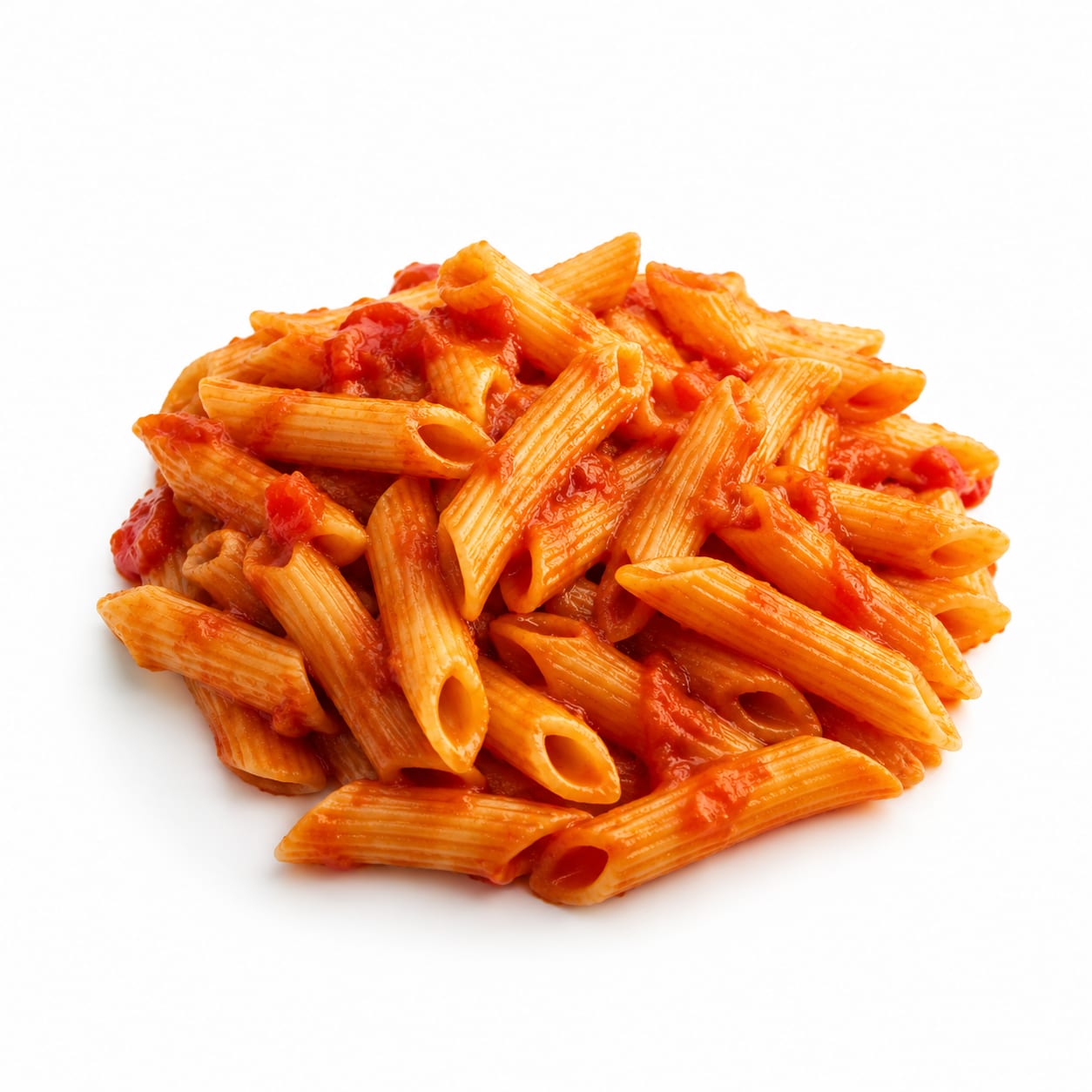
Penne
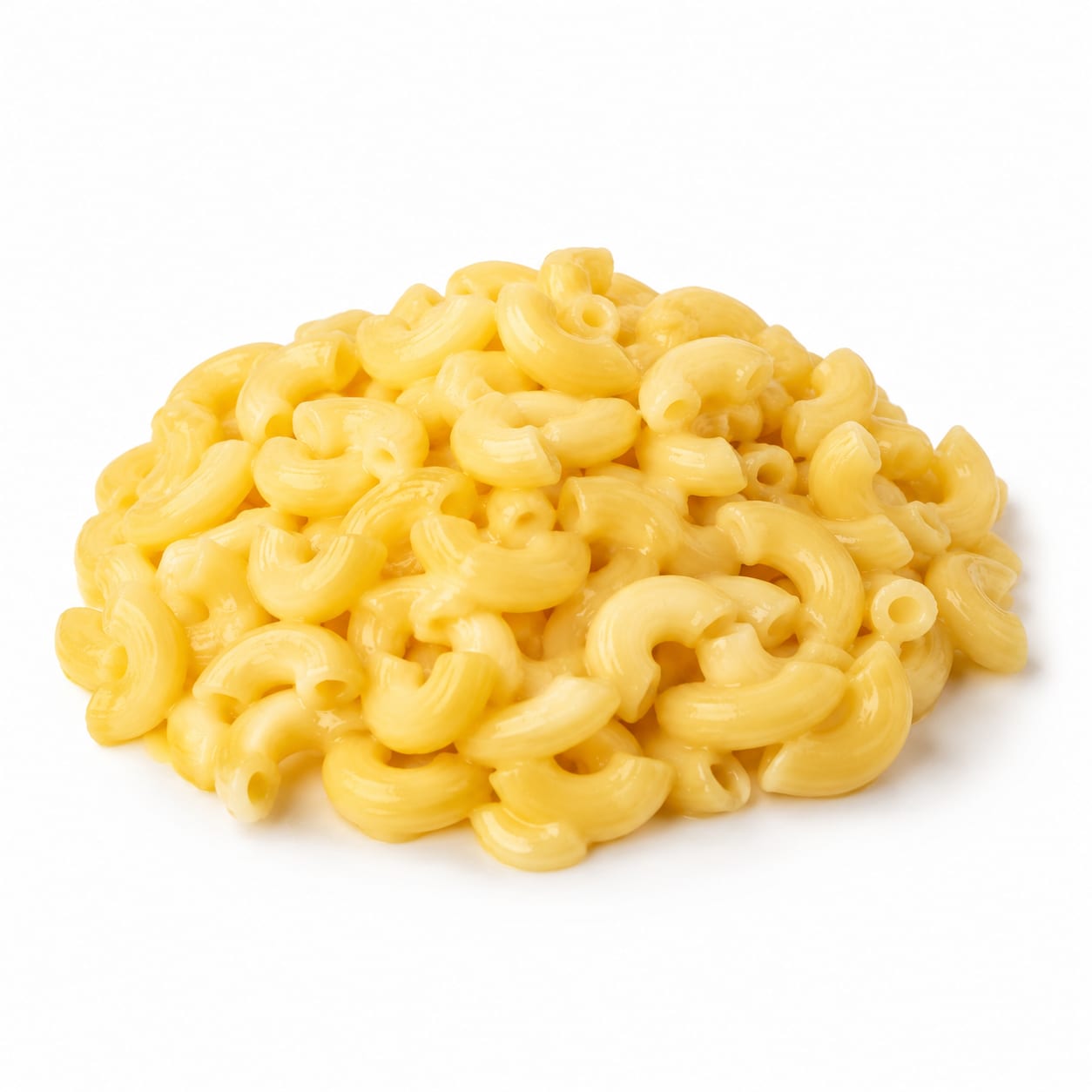
Macaroni
Penne and Macaroni are nearly identical nutritionally — the real difference is how they eat in a meal.
Scores are nearly tied because Penne and Macaroni share the same nutritional profile. Penne edges slightly ahead on satiety and sauce delivery, while Macaroni wins on speed and comfort versatility. Neither stands out as a health food.
Penne delivers more satisfying sauce-filled bites, while Macaroni cooks faster and shines in comfort dishes like mac and cheese.
At a glance
Executive summary
Overall
It depends
Healthier
It depends
More practical
Macaroni
Daily use
It depends
Key comparison lenses
meal satisfaction and sauce pairing
Shape differences directly affect how sauce clings, which changes how satisfying each bite feels
glycemic impact and blood sugar
Both are refined wheat pastas, so blood sugar response is the primary health concern for most eaters
cooking convenience and versatility
Different shapes suit different dishes and cooking timelines, which matters for everyday meal decisions
satiety and portion control
Bite size and chewing effort subtly influence how full you feel after eating
family and kid-friendliness
Macaroni is a classic comfort shape for children, while Penne feels more adult and dish-specific
Best choice for
Penne
- Hearty sauce-based meals where bite satisfaction matters
- Dinner parties or meals where presentation counts
- Anyone who finds larger pasta shapes more filling
Macaroni
- Quick weeknight cooking where speed matters
- Comfort food recipes like baked mac and cheese
- Families with young children who prefer smaller shapes
Least suitable for
Penne
- Soups or broths where a smaller shape blends better
- Speed-cooking scenarios when every minute counts
Macaroni
- Elegant plated dishes where visual impact matters
- Chunky vegetable sauces where small tubes get lost
Deep comparison
Dimension by dimension
Each lens scores both foods and breaks down who each option suits.
- Dimension 1 · Priority 92Penne
sauce retention and meal satisfaction
Penne · 82Macaroni · 65Penne's ridged surface and hollow center trap sauce inside every piece, making each bite more flavorful and satisfying.
Tradeoff
That sauce-holding power means Penne dishes can feel heavier, while Macaroni creates a lighter, more uniform eating experience.
Why it matters
When pasta feels more satisfying per bite, you may eat less overall and enjoy the meal more.
Real-world impact
A penne arrabbiata feels like a complete experience — sauce in every bite. Macaroni in the same dish tastes flatter and less exciting.
Penne
- Chunky meat sauces like bolognese
- Thick cream or pesto sauces that benefit from surface area
- Meals where you want every bite to taste complete
Better for
- Thin brothy soups where large tubes feel awkward
- Delicate sauces that get overwhelmed by the shape
Worse for
Macaroni
- Creamy baked dishes where sauce surrounds the pasta
- Light oil-based dressings in cold salads
- Dishes where uniform texture matters more than individual bite impact
Better for
- Hearty ragùs where the small pieces feel like they disappear
- Dishes where you want a substantial mouthfeel per bite
Worse for
- Dimension 2 · Priority 78It depends
blood sugar stability
Penne · 38Macaroni · 36Both are refined wheat pastas that spike blood sugar similarly. Penne's slightly larger size may slow eating pace marginally.
Tradeoff
Neither is a good choice for blood sugar management on its own — the real difference comes from what you pair them with.
Why it matters
Refined pasta digests quickly into glucose, causing energy crashes and hunger returning fast.
Real-world impact
Either pasta on its own leaves you hungry again in 90 minutes. Adding protein and fiber changes the equation entirely.
Penne
- Slightly slower eating pace due to larger bites may reduce glycemic spike modestly
Better for
- Still a high-glycemic refined carb that demands careful pairing
Worse for
Macaroni
- No meaningful advantage — both behave almost identically for blood sugar
Better for
- Small shape encourages faster eating, which can worsen blood sugar response
Worse for
- Dimension 3 · Priority 70Penne
satiety and portion control
Penne · 55Macaroni · 48Penne's larger, more substantial bites require more chewing and create a stronger feeling of fullness per serving.
Tradeoff
Macaroni's small size makes it easier to overeat without noticing — especially in creamy cheese sauces.
Why it matters
When food requires more oral processing, your brain registers fullness more effectively.
Real-world impact
A bowl of mac and cheese disappears fast because each bite feels small. A penne dish feels like a real meal you have to work through.
Penne
- Portion-aware eating where you want to feel satisfied with less
- Meals where you need lasting energy for hours afterward
Better for
- Can feel too heavy if you're looking for a light lunch
Worse for
Macaroni
- Situations where you need gentle eating, like recovering from illness
Better for
- Easy to accidentally eat far more than intended, especially in cheese-based dishes
Worse for
- Dimension 4 · Priority 75Macaroni
cooking convenience and speed
Penne · 60Macaroni · 75Macaroni cooks 1-3 minutes faster than Penne due to its smaller size and thinner walls.
Tradeoff
Penne's longer cook time is minimal, but Macaroni's speed matters more on busy nights or when cooking for impatient kids.
Why it matters
Even small time savings add up when cooking daily, and faster pasta means less hovering at the stove.
Real-world impact
Macaroni can be ready in 6-7 minutes. Penne typically needs 9-11. On a Tuesday night, that difference feels real.
Penne
- No real convenience advantage — Penne takes slightly longer across the board
Better for
- Impatient eaters waiting at the table
Worse for
Macaroni
- Quick weeknight dinners when time is tight
- Cooking with children who want food fast
- Meal prep batching where faster cook times add up
Better for
- No significant downside — both are convenient compared to dried beans or grains
Worse for
- Dimension 5 · Priority 68It depends
versatility across dishes
Penne · 70Macaroni · 72Penne excels in Mediterranean-style hot dishes, while Macaroni covers comfort food, soups, and cold salads more naturally.
Tradeoff
Each shape has its sweet spot — neither handles every dish equally well.
Why it matters
Choosing the right shape makes the difference between a dish that works and one that feels off.
Real-world impact
Penne in mac and cheese feels wrong. Macaroni in puttanesca feels forgettable. Shape matters for the dish you're making.
Penne
- Pasta bakes with chunky vegetables
- Hearty Italian-style sauces
- Grilled or roasted vegetable combinations
Better for
- Traditional comfort food recipes where Macaroni is expected
- Soup applications
Worse for
Macaroni
- Classic mac and cheese and cheese-heavy bakes
- Pasta soups like minestrone
- Cold pasta salads for picnics and potlucks
Better for
- Upscale Italian dishes where Penne is the standard
- Sauce-forward recipes where bite impact matters
Worse for
Timeline
Health impact over time
Short-term
Hours to days
Penne
- Quick energy from refined carbohydrates — good before activity, risky for sedentary evenings
- Moderate blood sugar rise that returns to baseline within 2 hours if portion is reasonable
- Satisfying mouthfeel that may prevent immediate snacking
Macaroni
- Similar blood sugar spike to Penne, but faster eating pace can mean a sharper initial rise
- Comforting texture that triggers emotional satisfaction, especially in cheese-based preparations
- Easy to overeat in creamy dishes, leading to that overstuffed feeling
Long-term
Months to years
Penne
- Regular consumption of refined pasta without adequate fiber or protein increases risk of insulin resistance
- Can be part of a healthy diet when paired with vegetables, lean protein, and healthy fats
- Larger shape may support slightly better portion awareness over time
Macaroni
- Same metabolic risks as Penne when eaten as a standalone refined carb
- Association with high-calorie cheese preparations may contribute to weight gain if eaten frequently
- Smaller shape and comfort food context make mindful portion control harder long-term
Risk profile
Safety & processing
Both Penne and Macaroni are made from the same few ingredients — typically durum wheat semolina and water. Standard dried versions contain no artificial additives. The processing level is identical: milled, extruded, and dried. Choose whole wheat versions of either for a less refined option.
Penne
Wheat gluten exposure
lowStandard concern for anyone with celiac disease or gluten sensitivity. Not a risk for the general population.
Undercooking and dense texture
lowPenne's thick walls can stay oddly firm in the center if undercooked, which may cause mild digestive discomfort for sensitive stomachs.
Macaroni
Wheat gluten exposure
lowIdentical to Penne — a concern only for those with diagnosed gluten-related conditions.
Cheese sauce pairing and sodium
mediumMacaroni's most common preparation — mac and cheese — often delivers very high sodium levels from processed cheese and added salt.
Who wins for whom
Audience fit
Same foods, different winners depending on your goal.
children
MacaroniMacaroni's small, fun shape is easier for small mouths and is the classic kid-friendly pasta. It also cooks faster for impatient young eaters.
daily consumption
It dependsNeither should be a daily staple as a refined carb. Rotating both with whole grain versions and different carb sources is the healthier approach.
diabetes
It dependsNeither is ideal alone. Both spike blood sugar similarly. The critical factor is adding fiber, fat, and protein — not choosing between shapes.
elderly
MacaroniSmaller, softer Macaroni is easier to chew and swallow for those with dental concerns or reduced appetite.
muscle gain
It dependsBoth provide the same refined carbs for glycogen replenishment. Neither offers meaningful protein. Choice depends on what you pair them with.
weight loss
PennePenne's larger bite size slows eating and may help with portion awareness, though both require careful serving sizes and protein-rich pairings.
Your move
Decision guide
Choose Penne
- You're making a hearty sauce-forward dish where bite satisfaction matters
- You want a pasta that feels like a real meal and keeps you fuller longer
- You're cooking an Italian-style dinner and want authentic texture
- You tend to eat too fast and benefit from food that forces you to slow down
Choose Macaroni
- You're making mac and cheese or a baked comfort dish
- You need dinner ready 2-3 minutes faster on a busy night
- You're cooking for kids who prefer smaller, easier-to-eat shapes
- You're adding pasta to soup or making a cold pasta salad
Either works if
- You're eating whole wheat versions — both deliver similar nutrition when the flour is the same
- You're pairing with plenty of vegetables and protein, making the shape less important
- You're meal-prepping and just need a neutral carb base
Avoid both if
- You have celiac disease or gluten intolerance — both contain wheat gluten
- You're managing blood sugar and not planning to add protein, fat, and fiber to the meal
- You're trying to reduce refined carbohydrate intake overall
Final recommendation
Pick based on the dish, not the nutrition — Penne and Macaroni are nearly identical inside your body. Penne makes saucy dinners more satisfying. Macaroni makes comfort food and quick meals easier. For health, the shape matters far less than what you serve it with. Add vegetables, lean protein, and healthy fats to either one, and you've turned a refined carb into a balanced meal.
Practical
Consumer tips
- 1
Choose whole wheat Penne or Macaroni to triple the fiber and flatten the blood sugar spike
- 2
Always pair pasta with protein and vegetables — never eat it plain as a meal
- 3
Measure dry pasta before cooking — both shapes are easy to overportion, especially Macaroni in cheese sauces
- 4
Cook either al dente for a slightly lower glycemic impact than soft-cooked pasta
- 5
Rinse cooked Macaroni with cold water for pasta salads to stop sticking; never rinse Penne if serving hot with sauce
- 6
If sodium is a concern, be extra careful with Macaroni — its typical cheese-based preparations can easily exceed 800mg per serving