
Nutrition comparison
Penne vs Whole Wheat Penne: Which is Healthier?
Compare Penne vs Whole Wheat Penne to see which is better for weight loss, blood sugar, and daily energy. Learn the nutritional tradeoffs and find out which pasta belongs on your plate.
Overall winner · Whole Wheat Penne
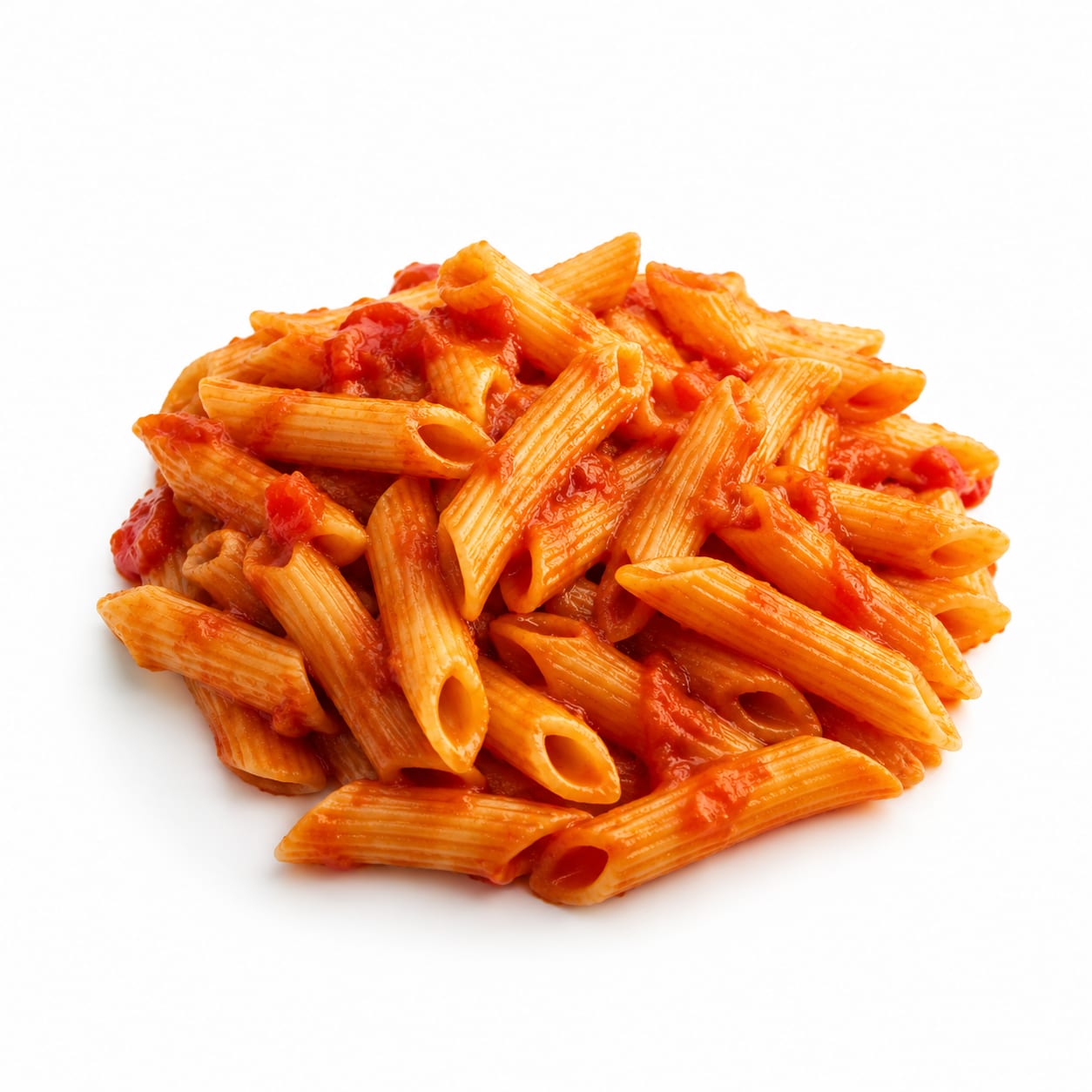
Penne
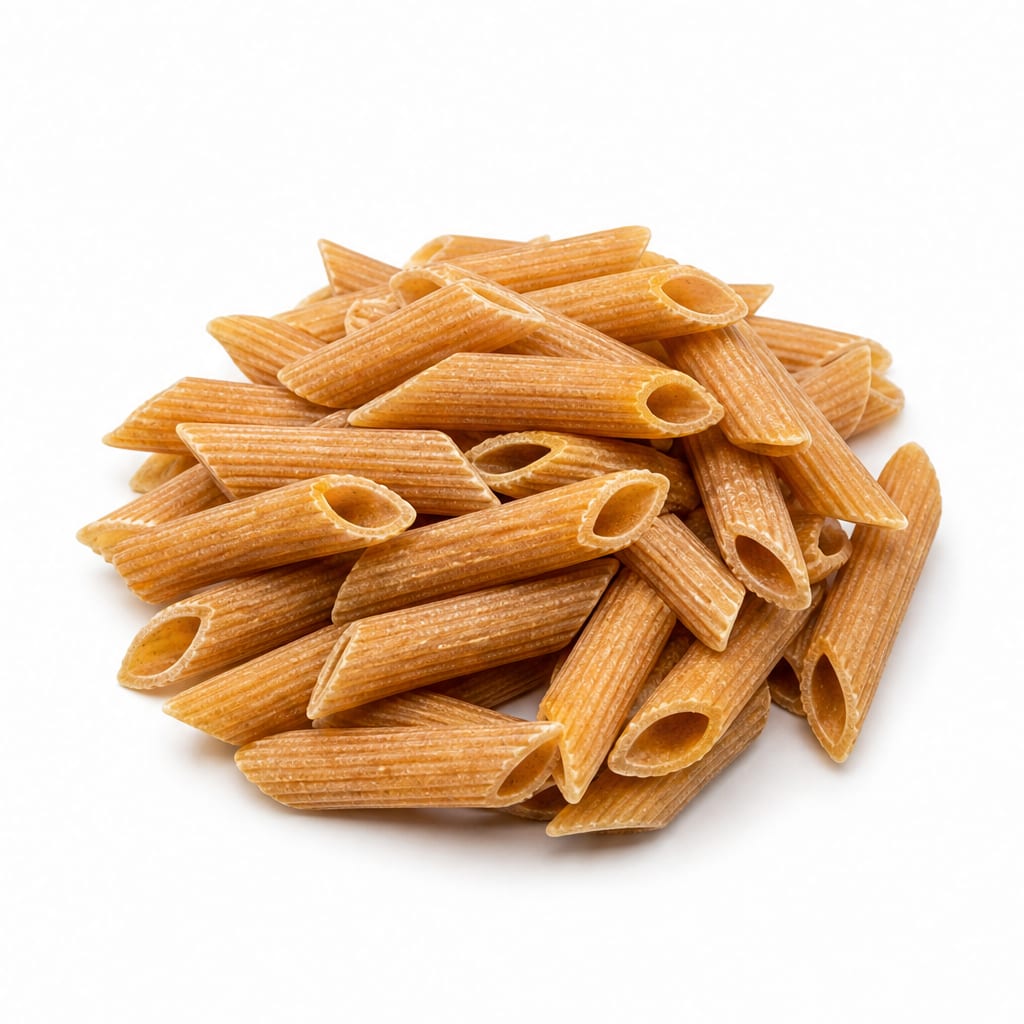
Whole Wheat Penne
Whole Wheat Penne wins for sustained energy and nutrition, but regular Penne takes the crown for taste and lighter texture.
Whole Wheat Penne scores significantly higher due to superior fiber content and blood sugar stability, though regular Penne scores some points for broader culinary appeal and easier digestion for sensitive stomachs.
You trade a smoother mouthfeel and milder flavor for significantly better blood sugar control and digestive fullness.
At a glance
Executive summary
Overall
Whole Wheat Penne
Healthier
Whole Wheat Penne
More practical
It depends
Daily use
Whole Wheat Penne
Key comparison lenses
Blood sugar impact and glycemic load
Refined grains cause rapid blood sugar spikes, while whole grains provide steady energy, making this the most critical health difference between the two pastas.
Satiety and hunger management
Fiber content directly dictates how full you feel after eating, which impacts snacking behavior and weight management.
Long-term disease prevention
Regular consumption of whole grains versus refined grains has a well-established link to reduced risk of heart disease and type 2 diabetes.
Taste and culinary versatility
Whole wheat has a distinct nuttier flavor and chewier texture that alters the dining experience compared to the neutral baseline of regular Penne.
Best choice for
Penne
- Picky eaters and children
- Pre-workout carb loading where quick digestion is preferred
- Traditional Italian recipes where a delicate texture is paramount
Whole Wheat Penne
- Weight management and fat loss
- Blood sugar control and diabetes prevention
- Increasing daily fiber intake effortlessly
Least suitable for
Penne
- People with diabetes or insulin resistance
- Those needing more daily fiber
- Satiety-focused diets where portion control is hard
Whole Wheat Penne
- Those with sensitive stomachs unaccustomed to high fiber
- Picky eaters used to white pasta
- Delicate sauces that get overpowered by earthy flavors
Deep comparison
Dimension by dimension
Each lens scores both foods and breaks down who each option suits.
- Dimension 1 · Priority 95Whole Wheat Penne
Blood Sugar Stability
Penne · 35Whole Wheat Penne · 85Whole Wheat Penne digests much slower, preventing the sugar spikes and crashes common with regular Penne.
Tradeoff
You avoid the afternoon energy crash, but miss the quick energy spike if you need it right before an intense workout.
Why it matters
Steady energy means fewer cravings, better focus, and less fatigue throughout your day.
Real-world impact
Eating regular Penne for lunch might leave you starving by 3 PM, while Whole Wheat Penne keeps you satisfied until dinner.
Penne
- Quick pre-workout energy
Better for
- Sustained focus during long workdays
- Craving control
Worse for
Whole Wheat Penne
- Avoiding the afternoon energy crash
- Managing diabetes or insulin resistance
Better for
- Rapid replenishment after intense endurance exercise
Worse for
- Dimension 2 · Priority 90Whole Wheat Penne
Satiety and Fullness
Penne · 45Whole Wheat Penne · 88The extra fiber in Whole Wheat Penne physically fills your stomach and triggers fullness hormones.
Tradeoff
You feel pleasantly full longer, but a heavy whole wheat meal can feel overly filling if you just want a light dinner.
Why it matters
Staying full longer makes it far easier to avoid mindless snacking between meals.
Real-world impact
A bowl of Whole Wheat Penne easily satisfies, whereas regular Penne might have you reaching for a snack an hour later.
Penne
- Light meals where you don't want to feel stuffed
Better for
- Late-night snacking prevention
- Calorie restriction without hunger
Worse for
Whole Wheat Penne
- Weight loss and portion control
- Long workdays without break time
Better for
- Light pre-event meals
Worse for
- Dimension 3 · Priority 80Penne
Taste and Culinary Versatility
Penne · 90Whole Wheat Penne · 65Regular Penne has a neutral, slightly sweet flavor and smooth texture that pairs perfectly with any sauce. Whole Wheat Penne brings an earthy, nuttier taste and chewier bite.
Tradeoff
You trade a silky mouthfeel for a heartier, rustic one that doesn't work with every delicate sauce.
Why it matters
If a meal doesn't taste good, you won't stick with it long-term regardless of the health benefits.
Real-world impact
Regular Penne disappears under a light vinaigrette, while Whole Wheat Penne can overpower it but shines with robust pesto or meat sauces.
Penne
- Delicate cream sauces
- Seafood pasta dishes
- Picky eaters
Better for
- Adding complex flavor to simple dishes
Worse for
Whole Wheat Penne
- Hearty meat ragùs
- Rustic vegetable dishes
- Strong garlic and pesto sauces
Better for
- Subtle flavor profiles
- Traditional cacio e pepe
Worse for
- Dimension 4 · Priority 85Whole Wheat Penne
Digestive Health
Penne · 35Whole Wheat Penne · 85Whole Wheat Penne provides a significant chunk of your daily fiber, feeding gut bacteria and keeping digestion regular. Regular Penne offers almost none.
Tradeoff
If your body isn't used to high fiber, Whole Wheat Penne can cause temporary bloating or gas.
Why it matters
A healthy gut microbiome affects everything from immunity to mood and long-term disease risk.
Real-world impact
Switching to Whole Wheat Penne can help resolve sluggish digestion, but needs to be done gradually to avoid stomach discomfort.
Penne
- Sensitive stomachs needing low-residue diets
- Acid reflux flare-ups requiring easy digestion
Better for
- Daily bowel regularity
- Gut bacteria diversity
Worse for
Whole Wheat Penne
- Constipation relief
- Gut microbiome support
Better for
- Sudden dietary transitions
- IBS flare-ups sensitive to insoluble fiber
Worse for
Timeline
Health impact over time
Short-term
Hours to days
Penne
- Quick burst of energy
- Potential sugar crash within hours
- Lighter feeling in the stomach immediately after eating
Whole Wheat Penne
- Steady, sustained energy
- Feeling of fullness
- Possible mild bloating if transitioning too fast from low-fiber diets
Long-term
Months to years
Penne
- Increased risk of insulin resistance with frequent consumption
- Higher likelihood of weight gain due to low satiety
- Constipation risks from lack of dietary fiber
Whole Wheat Penne
- Lower risk of type 2 diabetes and heart disease
- Easier weight management over the years
- Improved bowel regularity and reduced gut inflammation
Risk profile
Safety & processing
Both are processed foods since they are milled and reformed into pasta shapes. However, Whole Wheat Penne retains the bran and germ, making it closer to the natural whole grain, whereas regular Penne strips these nutritious components away, leaving mostly refined starch.
Penne
Mycotoxin contamination
lowRefined grains can occasionally harbor mycotoxins, though the milling process removes much of the outer layer where they concentrate.
Whole Wheat Penne
Pesticide residue in bran
mediumThe outer bran layer retained in Whole Wheat Penne can hold more pesticide residue than refined white flour, making organic a smarter choice for whole grains.
Who wins for whom
Audience fit
Same foods, different winners depending on your goal.
children
PenneKids are often sensitive to the texture and taste of whole wheat, and their high energy needs are well-served by regular pasta, though mixing them is a great strategy.
daily consumption
Whole Wheat PenneThe daily fiber and micronutrient boost makes Whole Wheat Penne a much stronger staple food for everyday meals.
diabetes
Whole Wheat PenneThe higher fiber content significantly slows glucose absorption, preventing dangerous blood sugar spikes.
elderly
Whole Wheat PenneOlder adults often need more fiber for digestive regularity and blood sugar management, provided they drink enough water to process the fiber.
muscle gain
It dependsRegular Penne offers quicker carb replenishment post-workout, but Whole Wheat Penne provides better sustained nutrition for overall recovery.
weight loss
Whole Wheat PenneFiber slows digestion and keeps you full, naturally reducing overall calorie intake and snacking.
Your move
Decision guide
Choose Penne
- You are cooking a delicate sauce that needs a neutral base
- You need quick-digesting carbs before an intense workout
- You have a sensitive stomach or IBS flare-up
- You are cooking for picky kids
Choose Whole Wheat Penne
- You want steady energy through a long workday
- You are trying to lose weight or manage cravings
- You need to increase your daily fiber intake
- You are making a hearty, robust sauce that complements a nutty flavor
Either works if
- You are mixing them half-and-half to transition your family to whole grains
- You are having pasta as an occasional treat rather than a daily staple
Avoid both if
- You have celiac disease or a severe gluten intolerance
- You are strictly following a ketogenic or very low-carb diet
Final recommendation
Choose Whole Wheat Penne for your everyday meals to get more fiber and steadier energy. Keep regular Penne on hand for specific recipes or when cooking for picky eaters. If the taste of Whole Wheat Penne is too strong, try mixing the two until your palate adjusts.
Practical
Consumer tips
- 1
Transition gradually by mixing regular and whole wheat pasta half-and-half to let your taste buds and digestion adjust.
- 2
Pair Whole Wheat Penne with robust sauces like marinara, meat ragù, or pesto to complement its earthy flavor.
- 3
Drink plenty of water when eating Whole Wheat Penne to help the extra fiber move smoothly through your digestive system.
- 4
Look for 100% whole wheat on the label, not 'made with whole grain,' which can still be mostly refined flour.