
Nutrition comparison
Penne vs Lentil Pasta: Which is Healthier?
Compare Penne vs Lentil Pasta on protein, fiber, blood sugar, and digestion. Find out which pasta is better for weight loss, diabetes, and daily meals.
Overall winner · Lentil Pasta
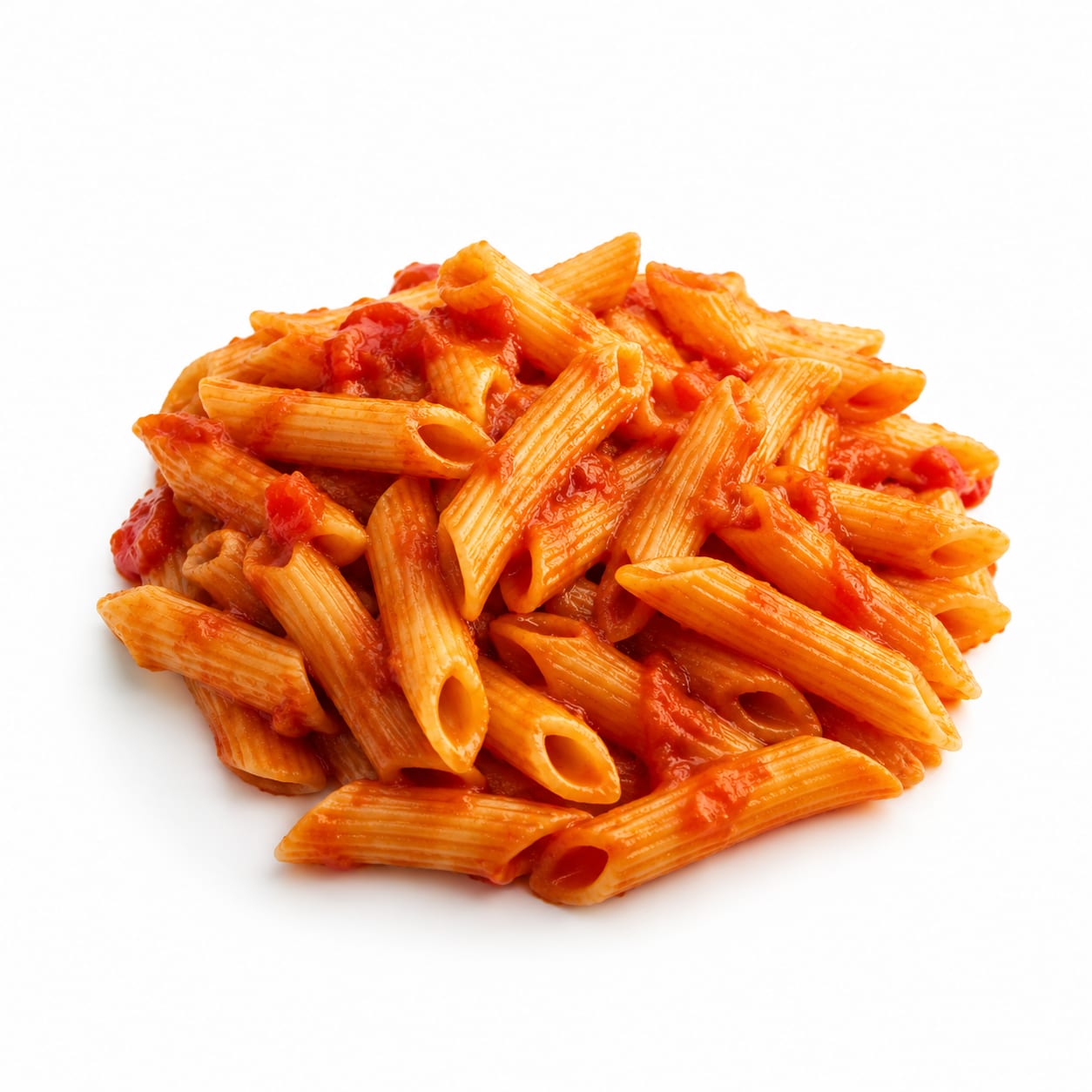
Penne
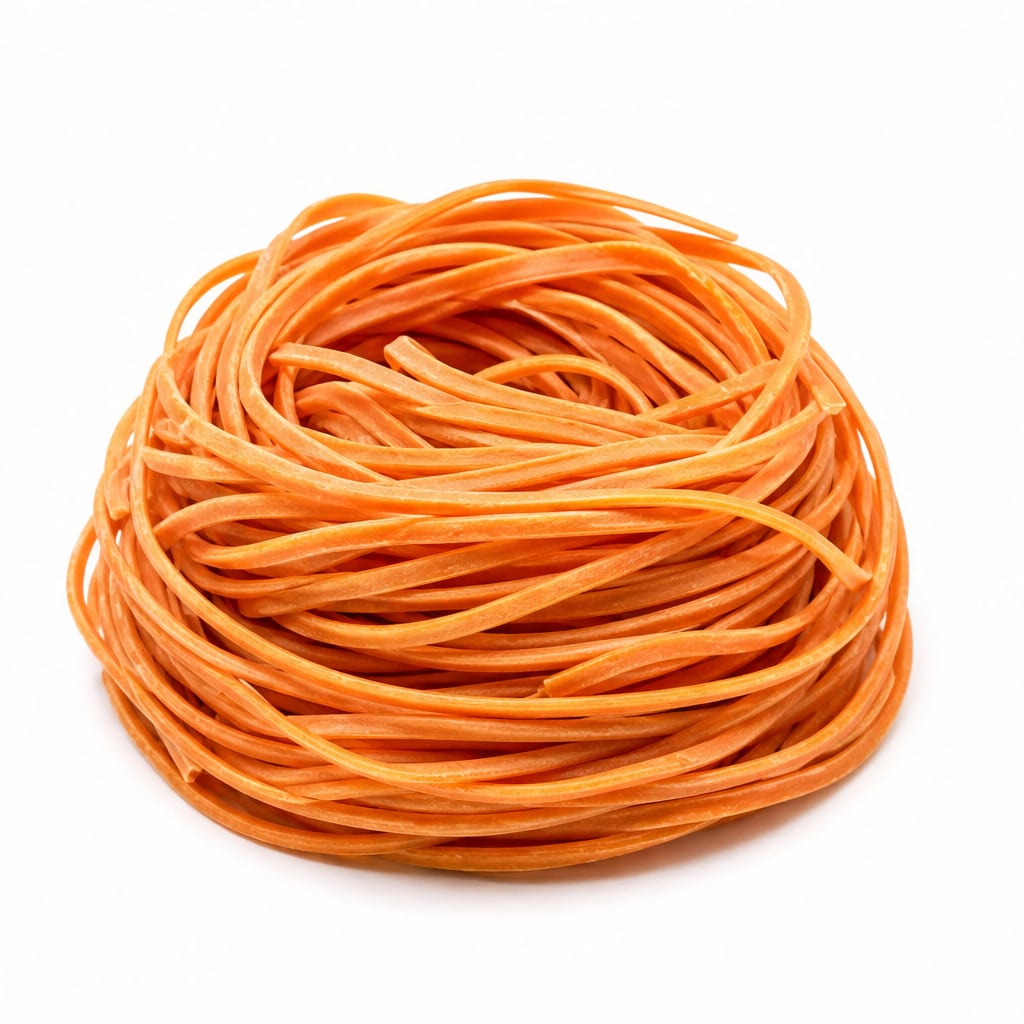
Lentil Pasta
Lentil pasta packs far more protein and fiber, keeping you fuller longer, while traditional penne offers a familiar taste and gentler digestion.
Lentil pasta scores higher due to its superior protein, fiber, and micronutrient profile, though penne remains competitive for texture and digestive comfort.
You trade the classic tender texture and easy digestion of penne for the blood-sugar-stabilizing, protein-rich benefits of lentil pasta.
At a glance
Executive summary
Overall
Lentil Pasta
Healthier
Lentil Pasta
More practical
Penne
Daily use
It depends
Key comparison lenses
Blood sugar control and glycemic impact
Lentil pasta has significantly more fiber and protein, leading to a much lower glycemic response than traditional penne.
Plant-based protein intake
Lentil pasta offers double the protein, making it a strong option for vegetarians and vegans seeking protein.
Digestive comfort and tolerance
Penne is easier on the stomach for those sensitive to legumes or excess fiber, while lentil pasta can cause bloating.
Best choice for
Penne
- People with sensitive digestion or IBS
- Picky eaters who prefer classic pasta taste and texture
- Budget-conscious shoppers
Lentil Pasta
- People managing diabetes or blood sugar
- Vegans and vegetarians needing plant protein
- Those on gluten-free diets (if certified)
Least suitable for
Penne
- People with gluten intolerance or celiac
- Those on low-carb or keto diets
- People needing high protein from their carbs
Lentil Pasta
- People sensitive to legumes or FODMAPs
- Those who dislike earthy flavors or mushy textures
- Strict budgeters
Deep comparison
Dimension by dimension
Each lens scores both foods and breaks down who each option suits.
- Dimension 1 · Priority 95Lentil Pasta
Blood Sugar Stability
Penne · 40Lentil Pasta · 88Lentil pasta causes a much slower, steadier rise in blood sugar compared to traditional penne.
Tradeoff
You avoid the post-meal energy crash with lentil pasta, but miss out on the quick energy spike that penne provides before intense workouts.
Why it matters
Steady blood sugar means fewer cravings and more consistent energy throughout the afternoon.
Real-world impact
After a lentil pasta lunch, you are less likely to crave a 3 PM snack than after a regular penne dish.
Penne
- Pre-workout carb loading
Better for
- Sustained focus without cravings
Worse for
Lentil Pasta
- Preventing afternoon energy crashes
- Managing insulin resistance
Better for
- Quick energy replenishment during endurance sports
Worse for
- Dimension 2 · Priority 90Lentil Pasta
Satiety & Fullness
Penne · 50Lentil Pasta · 90The high protein and fiber in lentil pasta make it significantly more filling than penne.
Tradeoff
Lentil pasta keeps you satisfied for hours, but can feel too heavy if you want a light meal.
Why it matters
Feeling full longer helps with portion control and reduces overall calorie intake naturally.
Real-world impact
A bowl of lentil pasta at dinner easily keeps you full until morning, while penne might have you reaching for a late-night snack.
Penne
- Light post-workout meals
- Small appetites
Better for
- Avoiding overeating between meals
Worse for
Lentil Pasta
- Weight management
- Long work shifts without breaks
Better for
- Eating right before bed if prone to indigestion
Worse for
- Dimension 3 · Priority 85Lentil Pasta
Protein Content & Quality
Penne · 35Lentil Pasta · 92Lentil pasta delivers roughly double the protein of penne, making it a functional protein source, not just a carb.
Tradeoff
You get excellent plant protein from lentil pasta, but it lacks the gluten structure that makes wheat pasta chewy.
Why it matters
Higher protein supports muscle repair and metabolic health without needing to add heavy meat sauces.
Real-world impact
You can skip the meatballs with lentil pasta and still hit your protein targets for the meal.
Penne
- Recipes relying on gluten structure for texture
Better for
- Meeting daily protein needs efficiently
Worse for
Lentil Pasta
- Plant-based diets
- Muscle recovery meals
Better for
- Those who prefer getting protein from whole food sides rather than their pasta base
Worse for
- Dimension 4 · Priority 75Penne
Digestive Tolerance
Penne · 85Lentil Pasta · 55Penne is gentler on the stomach for most people, while lentil pasta can cause bloating or gas.
Tradeoff
Penne digests smoothly but lacks fiber, whereas lentil pasta offers great fiber but can cause discomfort for sensitive guts.
Why it matters
Digestive comfort dictates whether you can actually eat a food regularly, regardless of its nutrient density.
Real-world impact
If you have a sensitive stomach, a penne dinner sits quietly, while lentil pasta might leave you feeling uncomfortably full and gassy.
Penne
- People with IBS or FODMAP sensitivities
- Gentle recovery from stomach illness
Better for
- Improving gut microbiome diversity
Worse for
Lentil Pasta
- Those needing to increase daily fiber intake
- Promoting regular bowel movements
Better for
- Date nights or social events where bloating is a concern
Worse for
- Dimension 5 · Priority 70Penne
Culinary Texture & Versatility
Penne · 90Lentil Pasta · 60Penne holds its shape and sauce beautifully, while lentil pasta can become mushy or taste earthy.
Tradeoff
You sacrifice the classic al dente bite and neutral flavor of penne for the nutritional upgrades of lentil pasta.
Why it matters
If a meal doesn't taste good or feel right in your mouth, you won't stick with it long-term.
Real-world impact
Penne works perfectly in pasta salads and baked dishes; lentil pasta is best eaten hot with robust sauces that mask its earthiness.
Penne
- Cold pasta salads
- Baked ziti or casseroles
- Delicate oil-based sauces
Better for
- Sneaking extra hidden nutrition into comfort meals
Worse for
Lentil Pasta
- Hearty ragùs
- Strong garlic and pesto sauces
Better for
- Dishes requiring firm, distinct pasta shapes
Worse for
Timeline
Health impact over time
Short-term
Hours to days
Penne
- Quick energy boost from easily digestible carbs
- Light feeling in the stomach shortly after eating
Lentil Pasta
- Prolonged fullness preventing snacking
- Potential gas or bloating if unaccustomed to high fiber
Long-term
Months to years
Penne
- Risk of blood sugar dysregulation if eaten in large portions frequently
- Potential weight gain from low satiety
Lentil Pasta
- Improved blood sugar management
- Better heart health from fiber and plant protein
- Improved gut microbiome diversity
Risk profile
Safety & processing
Both are processed from whole crops into flour and extruded into pasta shapes. Neither typically contains artificial additives, though lentil pasta is slightly closer to a whole food nutritionally since it retains the legume's natural protein and fiber profile.
Penne
Gluten exposure
highContains wheat, making it unsafe for those with celiac disease or severe gluten intolerance.
Glycemic spike
mediumCan cause rapid blood sugar fluctuations if consumed in large portions without protein or fat.
Lentil Pasta
Legume allergy
mediumUnsafe for individuals with lentil or legume allergies, which are less common but serious.
Cross-contamination with gluten
mediumMany lentil pastas are processed in facilities that handle wheat, so celiacs must check for certified gluten-free labels.
Who wins for whom
Audience fit
Same foods, different winners depending on your goal.
children
PenneKids generally prefer the milder taste and softer, familiar texture of regular pasta, and they don't need the high fiber content of lentil pasta.
daily consumption
It dependsLentil pasta is nutritionally superior for daily use, but daily consumption may cause digestive discomfort for those sensitive to legumes.
diabetes
Lentil PastaThe high fiber and protein create a much lower glycemic load, preventing dangerous blood sugar spikes.
elderly
It dependsLentil pasta is better for blood sugar and heart health, but penne is easier to digest if appetite or gut motility is an issue.
muscle gain
Lentil PastaProvides significantly more protein per serving, aiding muscle repair alongside a training regimen.
weight loss
Lentil PastaHigher protein and fiber dramatically increase fullness, making it easier to eat fewer calories overall.
Your move
Decision guide
Choose Penne
- You have a sensitive stomach or are prone to bloating
- You are cooking for picky eaters or children
- You need a cheap, versatile pantry staple
- You are carb-loading before an athletic event
Choose Lentil Pasta
- You want to manage your weight or blood sugar
- You follow a plant-based diet and need more protein
- You are gluten-free (buying certified brands)
- You want to stay full for hours after eating
Either works if
- You are building a balanced bowl with plenty of veggies and lean protein
- You eat pasta only occasionally as a treat
Avoid both if
- You are on a strict ketogenic or very low-carb diet
- You have severe digestive disorders requiring a low-residue diet
Final recommendation
Make lentil pasta your everyday driver for its blood-sugar-stabilizing and satiating benefits, but keep penne on hand for sensitive stomach days, picky eaters, or when you just crave that classic comforting bite.
Practical
Consumer tips
- 1
Rinse lentil pasta well after cooking to remove the starchy foam that contributes to its mushy texture.
- 2
Cook lentil pasta 1-2 minutes less than the package instructions to maintain a better bite.
- 3
Pair penne with a protein-rich sauce (like meat ragù or ricotta) to make up for its lack of built-in protein.
- 4
If new to lentil pasta, try mixing it half-and-half with regular penne to ease your digestion and palate into the change.
- 5
Always check the ingredient list on lentil pasta; the best brands contain only lentils (or lentil flour) and water.