
Nutrition comparison
Penne vs Quinoa: Which Grain Is Better for Energy, Weight Loss, and Daily Health?
Compare Penne and Quinoa on protein, fiber, blood sugar impact, and cost. Find out which grain fits your health goals, budget, and lifestyle better.
Overall winner · Quinoa
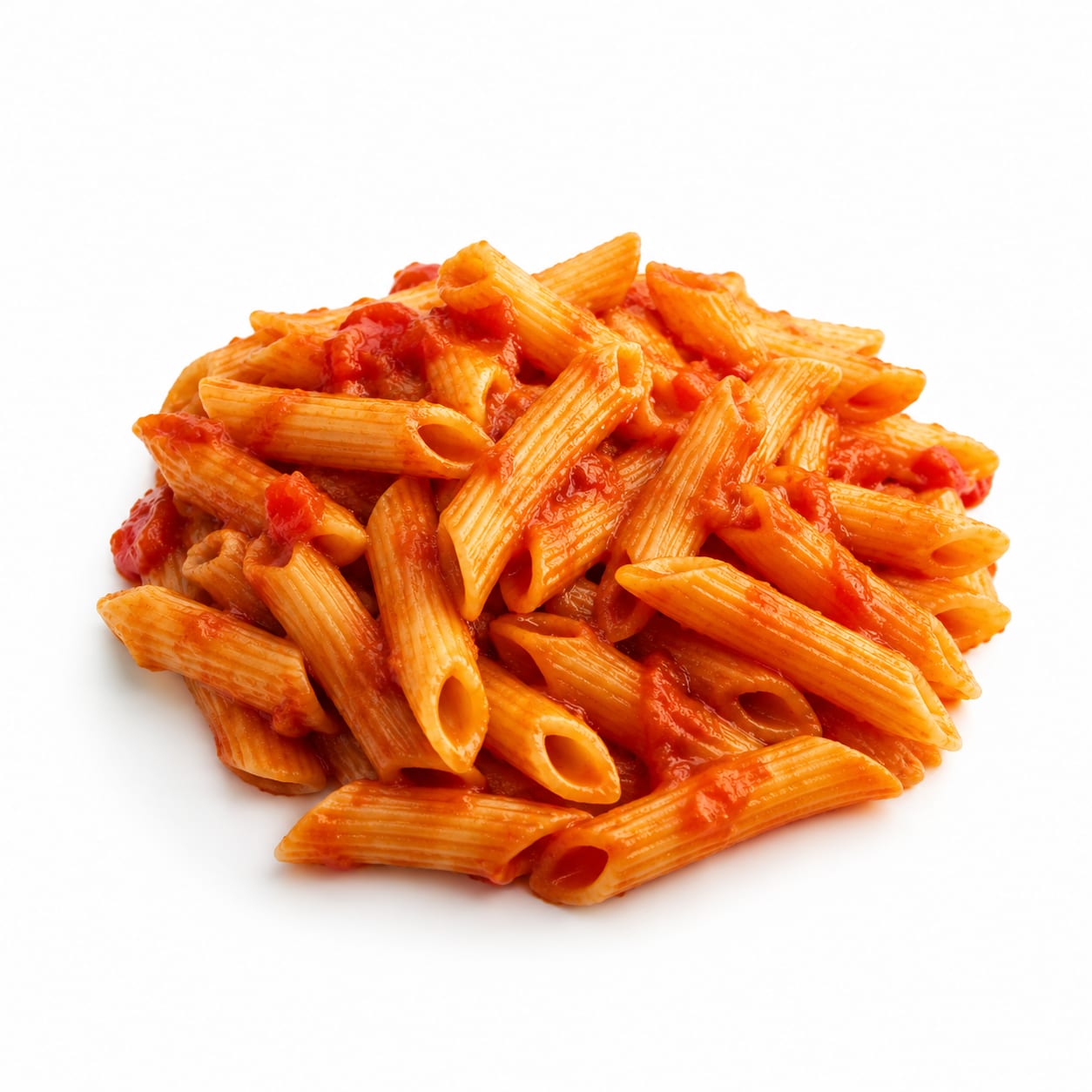
Penne
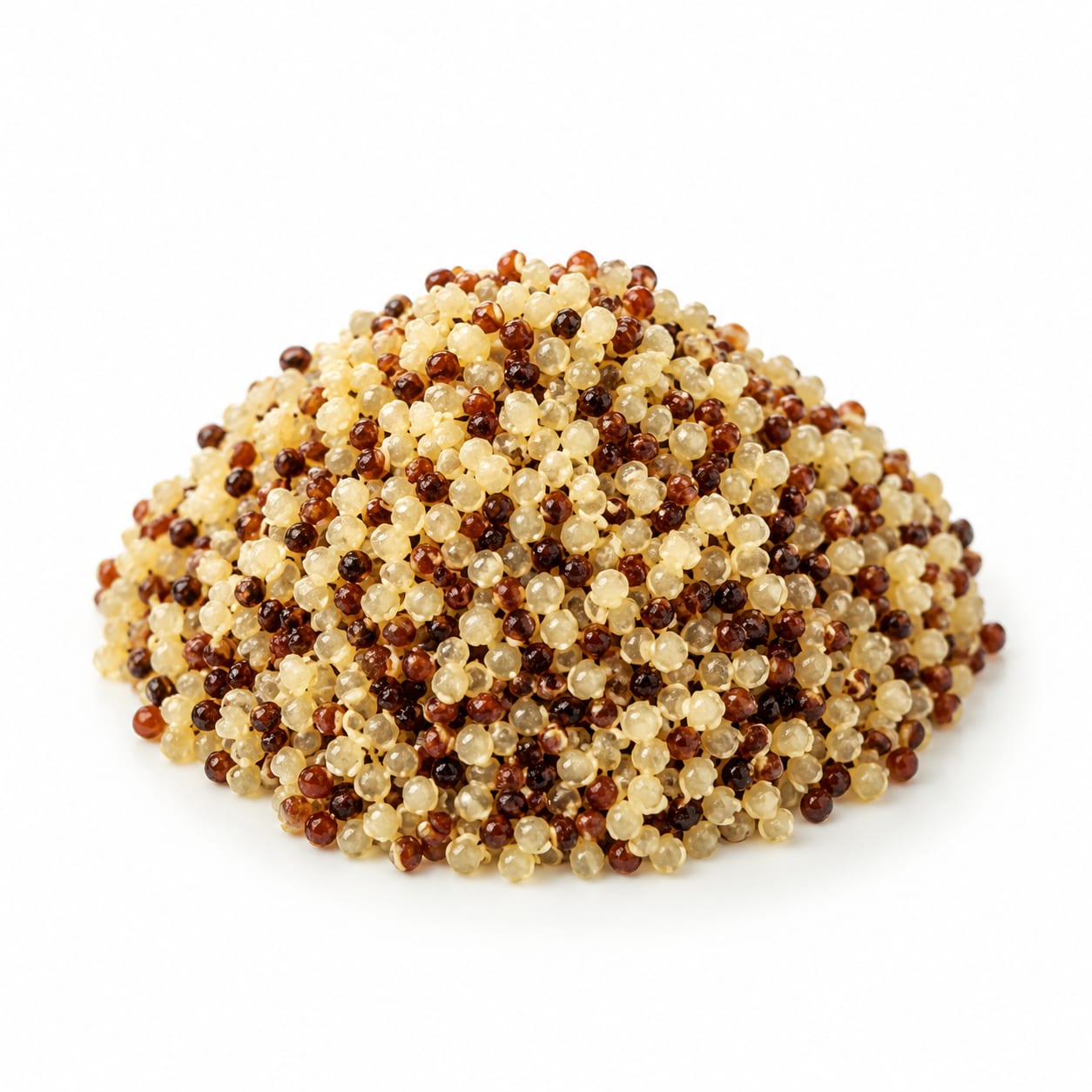
Quinoa
Quinoa wins on nutrition and blood sugar control, but Penne delivers comfort and convenience at a lower price.
Quinoa scores substantially higher due to complete protein, superior fiber, and blood sugar stability. Penne remains relevant for cost, comfort, and quick energy but falls behind on most health dimensions.
You trade satisfying familiarity and easy cooking for significantly better protein, fiber, and steady energy.
At a glance
Executive summary
Overall
Quinoa
Healthier
Quinoa
More practical
Penne
Daily use
Quinoa
Key comparison lenses
blood sugar and energy stability
Penne is a refined grain that spikes blood sugar quickly, while Quinoa provides slower, steadier energy release
protein quality and completeness
Quinoa is one of the few plant foods with all essential amino acids, whereas Penne lacks key amino acids
weight management and satiety
Fiber and protein differences dramatically affect how full you feel and how much you end up eating
gluten sensitivity and digestive comfort
Penne contains gluten which causes issues for many people, while Quinoa is naturally gluten-free
meal versatility and cultural familiarity
Penne is a comforting staple in Italian cooking, while Quinoa adapts to bowls, salads, and sides
Best choice for
Penne
- Budget-conscious families needing affordable calories
- Post-workout carb loading when you need quick glycogen replenishment
- Comfort food cravings and familiar Italian meals
- Picky eaters who resist new textures and flavors
Quinoa
- Anyone managing blood sugar or insulin resistance
- Vegetarians and vegans needing complete protein
- Gluten-sensitive individuals avoiding wheat
- Meal preppers wanting longer-lasting fullness between meals
Least suitable for
Penne
- People with celiac disease or gluten intolerance
- Anyone monitoring blood sugar closely
- Those seeking high nutrient density per calorie
Quinoa
- Strict budget households where cost per serving matters most
- People who find the texture or earthy flavor unpleasant
- Those wanting a quick-cooking comfort carb in under 10 minutes
Deep comparison
Dimension by dimension
Each lens scores both foods and breaks down who each option suits.
- Dimension 1 · Priority 95Quinoa
blood sugar stability
Penne · 35Quinoa · 78Quinoa keeps energy steady for hours. Penne causes a faster rise and crash.
Tradeoff
Penne gives quick energy when you need it but leaves you hungry sooner. Quinoa avoids the crash but feels less immediately satisfying.
Why it matters
Blood sugar spikes from refined grains like regular Penne trigger hunger, fatigue, and overeating within hours.
Real-world impact
A Penne lunch often leads to a 3pm energy dip and snack craving. Quinoa meals tend to carry you comfortably to dinner.
Penne
- Athletes carb-loading before endurance events
- Underweight individuals needing easy calories
Better for
- Late-night eating when blood sugar stability matters
- Sedentary days with minimal calorie burn
Worse for
Quinoa
- Prediabetics and diabetics managing glucose
- Office workers avoiding afternoon energy crashes
- Anyone trying to reduce sugar cravings
Better for
- Immediately before intense exercise when quick fuel helps
Worse for
- Dimension 2 · Priority 90Quinoa
protein quality and completeness
Penne · 30Quinoa · 88Quinoa is a rare complete plant protein. Penne's wheat protein is missing key amino acids.
Tradeoff
Penne relies on sauce additions for protein. Quinoa delivers it built-in, making meals nutritionally self-sufficient.
Why it matters
Complete protein supports muscle repair, immune function, and satiety without needing food combinations.
Real-world impact
A Quinoa bowl with vegetables is a complete meal. Penne needs chicken, cheese, or beans added to reach the same protein quality.
Penne
- Meals where protein comes from meat or cheese sauce anyway
Better for
- Vegans relying on the base grain for protein contribution
Worse for
Quinoa
- Vegetarian and vegan meals needing reliable protein
- Plant-based eaters tired of combining foods for amino acids
- Athletes recovering between training sessions
Better for
- Meals where you already have abundant high-quality protein from animal sources
Worse for
- Dimension 3 · Priority 88Quinoa
fiber and satiety
Penne · 38Quinoa · 82Quinoa fills you up and keeps you full. Penne digests quickly and hunger returns fast.
Tradeoff
Penne is easier to overeat because it digests fast. Quinoa naturally portions itself through genuine fullness.
Why it matters
Fiber slows digestion, feeds gut bacteria, and signals fullness hormones that prevent overeating.
Real-world impact
A cup of Quinoa feels substantial for hours. A cup of Penne often leaves you reaching for seconds or dessert.
Penne
- Someone with a poor appetite who needs to eat more easily
- Endurance athletes who need digestible carbs without fullness slowing them
Better for
- Emotional eaters who struggle with portion control
- Anyone trying to feel full on fewer calories
Worse for
Quinoa
- Weight loss efforts where calorie control matters
- Anyone trying to reduce snacking between meals
- Gut health improvement through prebiotic fiber
Better for
- Right before intense exercise when you want light digestion
Worse for
- Dimension 4 · Priority 85Quinoa
nutrient density
Penne · 25Quinoa · 90Quinoa delivers iron, magnesium, zinc, and B vitamins. Regular Penne is mostly empty starch.
Tradeoff
Penne provides affordable calories but little beyond that. Quinoa costs more but pays you back in minerals and vitamins.
Why it matters
Nutrient-dense foods reduce the need for supplements and protect against deficiencies over years of eating.
Real-world impact
Regular Quinoa eaters get meaningful iron and magnesium intake from their grain choice. Penne eaters must get these nutrients elsewhere.
Penne
- Calorie surplus situations where nutrient density matters less
Better for
- Diets already low in minerals and B vitamins
Worse for
Quinoa
- Women prone to iron deficiency
- Anyone eating mostly plant-based who needs mineral intake from grains
- Older adults needing magnesium for muscle and nerve function
Better for
- Situations where calorie density per dollar is the priority
Worse for
- Dimension 5 · Priority 72Penne
convenience and cooking ease
Penne · 85Quinoa · 58Penne is foolproof and cooks in 10 minutes. Quinoa requires rinsing and slightly more attention.
Tradeoff
Penne is easier to cook perfectly every time. Quinoa needs a brief rinse to remove bitterness but is still straightforward.
Why it matters
Inconvenient foods get cooked less often, regardless of how healthy they are.
Real-world impact
Penne is a weeknight no-brainer. Quinoa takes a small extra step but is still manageable for most home cooks.
Penne
- Busy weeknights with minimal mental bandwidth
- Cooking for kids who want familiar food fast
- Beginner cooks who want foolproof results
Better for
- Meal prep where you want food that stays satisfying for days
Worse for
Quinoa
- Meal prep sessions where you cook once for the week
- Grain bowls and salads where texture matters more than speed
Better for
- Last-minute dinner emergencies with zero prep time
Worse for
- Dimension 6 · Priority 68Penne
cost and accessibility
Penne · 88Quinoa · 45Penne costs a fraction of Quinoa per serving and is available everywhere.
Tradeoff
Penne feeds a family cheaply. Quinoa is an investment in nutrition that not every budget can absorb.
Why it matters
The healthiest food only works if you can afford to eat it regularly.
Real-world impact
A box of Penne costs roughly a third of equivalent Quinoa. For large families, this difference adds up weekly.
Penne
- Large families on tight grocery budgets
- College students stretching food dollars
- Food pantries and community meals needing volume
Better for
- Anyone who can afford better nutrition and wants to invest in health
Worse for
Quinoa
- Single professionals who can absorb higher food costs
- Health-focused budgets where nutrition per calorie matters more than cost per calorie
Better for
- Households where food budget is the primary constraint
Worse for
- Dimension 7 · Priority 78Quinoa
gluten and digestive tolerance
Penne · 30Quinoa · 85Quinoa is naturally gluten-free and gentle on most digestive systems. Penne contains gluten that triggers many people.
Tradeoff
If you tolerate gluten well, Penne causes no issues. If you do not, Quinoa is a safe and nutritious alternative.
Why it matters
Roughly 6% of people have gluten sensitivity and 1% have celiac disease. Many more experience mild bloating they attribute to wheat.
Real-world impact
People who feel bloated after pasta often feel fine after Quinoa. The difference can be noticeable within a single meal.
Penne
- Confirmed gluten-tolerant individuals with no digestive symptoms
Better for
- Anyone with diagnosed or suspected gluten issues
Worse for
Quinoa
- Anyone with celiac disease or gluten sensitivity
- People experiencing unexplained bloating after wheat meals
- IBS sufferers exploring trigger elimination
Better for
- Rare individuals with Quinoa saponin sensitivity even after rinsing
Worse for
Timeline
Health impact over time
Short-term
Hours to days
Penne
- Quick energy boost from easily digestible carbohydrates
- Possible bloating or heaviness in gluten-sensitive individuals
- Blood sugar spike followed by hunger within 2-3 hours
- Satisfying comfort food feeling that improves mood temporarily
Quinoa
- Steady energy without the spike-and-crash pattern
- Noticeable fullness that reduces snacking urges
- Mild earthy flavor that some find energizing, others find unusual
- Possible slight bitterness if not rinsed properly before cooking
Long-term
Months to years
Penne
- Regular consumption linked to higher type 2 diabetes risk due to glycemic load
- Potential for chronic low-grade inflammation from refined wheat in susceptible people
- Nutrient gaps if Penne replaces more nutrient-dense grains consistently
- Possible weight creep from easy overconsumption and low satiety
Quinoa
- Improved blood sugar regulation and insulin sensitivity over time
- Better mineral status especially iron and magnesium from regular intake
- Gut microbiome support from prebiotic fiber feeding beneficial bacteria
- Sustained satiety patterns that support healthier portion habits long-term
Risk profile
Safety & processing
Regular Penne is milled and refined, stripping away the bran and germ. Quinoa is a whole seed harvested and minimally processed. Whole wheat Penne narrows the gap but still undergoes more industrial processing than Quinoa.
Penne
Gluten contamination for celiac individuals
highPenne is wheat-based and absolutely unsafe for anyone with celiac disease. Even trace cross-contamination in shared kitchens can trigger reactions.
Glycemic overload in metabolic conditions
mediumLarge portions of refined Penne can dangerously spike blood sugar in diabetics, especially when eaten without protein or fat to slow absorption.
Quinoa
Saponin residue causing digestive irritation
lowQuinoa naturally contains saponins that taste bitter and can irritate the stomach. Thorough rinsing before cooking eliminates most of this concern.
Cross-contamination in processing facilities
lowSome Quinoa is processed on shared equipment with wheat. Certified gluten-free brands eliminate this risk for sensitive individuals.
Who wins for whom
Audience fit
Same foods, different winners depending on your goal.
children
PenneKids generally prefer the familiar taste and soft texture of Penne. Quinoa's earthy flavor and slightly crunchy texture can be a hard sell.
daily consumption
QuinoaQuinoa's nutrient profile supports daily use without the metabolic downsides of refined grains. Penne daily increases blood sugar and inflammation risk over time.
diabetes
QuinoaQuinoa has a glycemic index roughly half that of regular Penne, making it far safer for blood sugar management.
elderly
QuinoaOlder adults benefit more from Quinoa's mineral density, fiber for digestion, and blood sugar stability. Penne offers less nutritional support for aging bodies.
muscle gain
QuinoaQuinoa provides complete protein alongside carbs, supporting recovery. Penne needs protein added separately to match this benefit.
weight loss
QuinoaQuinoa's fiber and protein create natural portion control. Penne's low satiety makes overeating easy.
Your move
Decision guide
Choose Penne
- You are cooking for kids or picky eaters who reject unfamiliar grains
- Your grocery budget is tight and you need affordable calories
- You are carb-loading before an athletic event and want quick glycogen
- Comfort food matters to your mental well-being and Quinoa feels like a chore
- You already have excellent protein and vegetables in your meal and just need a base carb
Choose Quinoa
- You want steady energy without afternoon crashes
- You are vegetarian or vegan and need complete protein from grains
- You have any gluten sensitivity or want to reduce wheat consumption
- You are managing weight, blood sugar, or metabolic health
- You meal prep and want food that stays satisfying for days
Either works if
- You mix grains throughout the week for variety
- You pair either grain with plenty of vegetables, protein, and healthy fat
- You are generally healthy and eat a diverse diet overall
Avoid both if
- You are on a strict very-low-carb or keto diet
- You have severe carbohydrate metabolism disorders requiring carb restriction
- You are allergic to wheat and sensitive to Quinoa saponins simultaneously
Final recommendation
Make Quinoa your default grain for everyday meals. Its protein, fiber, and mineral content make it the smarter long-term choice. Keep Penne for occasional comfort meals, family dinners with kids, or when budget demands it. If you choose Penne regularly, opt for whole wheat versions to narrow the nutritional gap. The best approach is rotating both: Quinoa on weekdays for sustained energy, Penne on weekends for enjoyment.
Practical
Consumer tips
- 1
Always rinse Quinoa under cold water for 30 seconds before cooking to remove bitter saponins
- 2
Choose whole wheat or legume-based Penne if you want to keep the shape but improve nutrition
- 3
Cook Quinoa in broth instead of water for significantly better flavor without extra effort
- 4
If Quinoa feels too expensive, buy it in bulk bins where it costs 30-40% less than packaged versions
- 5
Mix Quinoa into Penne dishes at a 50-50 ratio to ease picky eaters toward the healthier option
- 6
Toast Quinoa in a dry pan for 2 minutes before adding liquid to bring out a nuttier, more appealing flavor
- 7
Add olive oil and salt to Penne cooking water to improve taste and prevent sticking without heavy sauces
- 8
For blood sugar management, always pair Penne with protein and fiber-rich sauces rather than eating it plain