
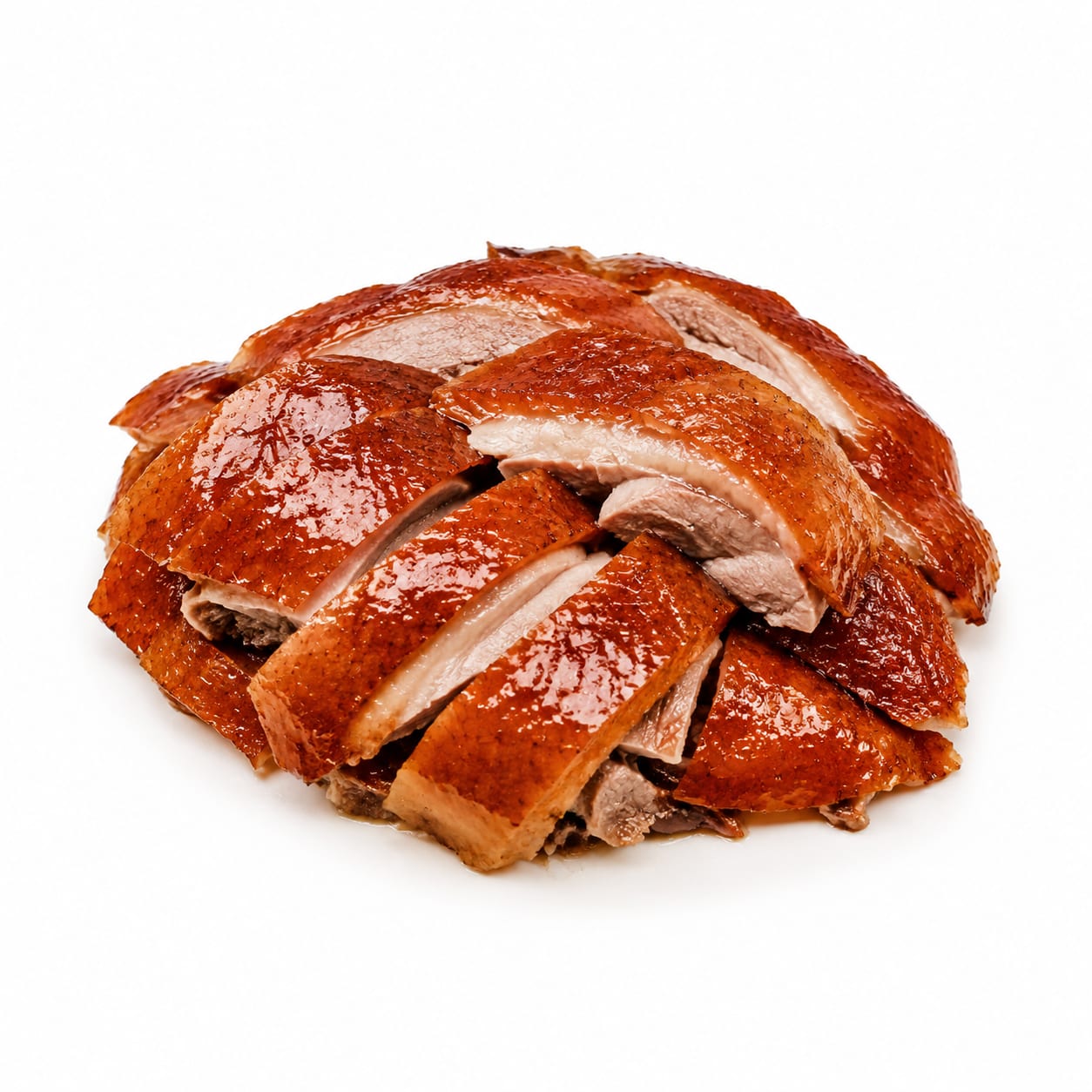
Poultry
Peking Duck
A high-fat, high-protein roasted poultry dish famous for its crispy, glazed skin.
A famous Chinese dish featuring a whole roasted duck known for its thin, crisp skin. The duck is often glazed with maltose syrup, air-dried, and roasted, then traditionally served with steamed pancakes, scallions, and sweet bean or hoisin sauce.
high-fat protein-dense poultry
Typical serving · 100g
Common varieties · Traditional Peking Duck, Crispy Aromatic Duck, Cantonese Roast Duck, Braised Duck, Smoked Duck
Overall context score across nutrition, safety, and diet fit
At a glance
Quick facts
Simple indicators based on nutrition, processing, and diet fit.
The story
What makes it unique
A high-fat, high-protein animal food with slow digestion and high satiety driven by fat content. The macronutrient profile is heavily dominated by fat, particularly from the skin. Processing involves roasting and often a sugary glaze, which adds minimal carbohydrates but contributes to texture and flavor.
Varieties: Traditional Peking Duck · Crispy Aromatic Duck · Cantonese Roast Duck · Braised Duck · Smoked Duck
Per 100g
Nutrition breakdown
Macro balance and key metrics at a glance.
Energy
Density 3.37 kcal/g
Protein
Carbs
Fat
Fiber
Sugar
0.5 g
Sodium
250 mg
Potassium
210 mg
Glycemic index
0
Glycemic load
0
Water content
52%
Standout compounds
Nutrient highlights
Protein
highSupports muscle maintenance and repair
Monounsaturated fat
moderateSupports healthy cholesterol levels in moderation
Iron
moderateEssential for oxygen transport in the blood
B vitamins
highCrucial for energy metabolism and nervous system function
Wellness map
Health scores & processing
NOVA processing scale
moderately processed · Whole food
Traditionally prepared using culinary techniques like air-drying, glazing with maltose syrup, and roasting, which classifies it as a processed culinary food rather than an ultra-processed one.
Diet compatibility
- Weight loss
- Muscle gain
- Diabetes
- Gut health
- Low carb
- High protein
- Heart health
Relative standing
Food rankings
Qualitative ranks compared to similar whole foods.
- Satietygood
- Blood sugarexcellent
- Nutrient densitymoderate
- Fitness fuelmoderate
- Processing qualitymoderate
Eat with confidence
Food safety profile
Like all raw poultry, duck requires strict hygiene and thorough cooking to prevent bacterial foodborne illness. Conventional farming may involve antibiotic use.
Evidence confidence 85%
- Pesticideslow
- Antibioticsmoderate
- Heavy metalslow
- Contaminationmoderate
Watch for
- Salmonella
- Campylobacter
Safer choices
Organic or antibiotic-free duck options reduce the risk of antibiotic-resistant bacteria.
Prep tips
Do not wash raw duck to avoid splashing bacteria; cook to an internal temperature of 165F (74C) to ensure safety.
Standard poultry safety guidelines apply; antibiotic use in conventional duck farming varies by region.
Deep dive
Health analysis
How this food may fit different goals and preparation choices.
Weight loss
High energy density and fat content make portion control critical for weight management; easy to overconsume calories.
Blood sugar
Virtually zero carbohydrates mean minimal direct impact on blood glucose, though the sweet glaze and traditional sauces add minor sugars.
Fitness & energy
Provides sustained energy from fat and muscle-building protein, but high fat content makes it slow to digest, making it better for recovery than pre-workout.
Gut health
Lacks dietary fiber, and high fat content can slow gastric emptying, offering no direct prebiotic benefits.
Processing quality
Traditional preparation uses whole food ingredients, but modern commercial versions may include added preservatives or artificial flavorings in the glaze.
Food safety
Raw poultry requires strict hygiene to avoid bacterial contamination; cooking to safe internal temperatures is mandatory.
Common mistakes
Eating the skin-on duck with large amounts of sweet hoisin sauce and refined flour pancakes drastically increases the calorie and carbohydrate load.
Best preparation
Roasting on a rack to allow excess fat to drip away, and serving with cucumber and scallions instead of high-carb pancakes.
Practical guide
Best use cases
When and how this food fits real eating patterns.
Keto-friendly Chinese takeout
Fits perfectly into a low-carb, high-fat dietary pattern when traditional pancakes and sweet sauces are omitted.
High-protein low-carb meal
Delivers a substantial amount of complete protein with virtually zero carbohydrates from the meat itself.
Holiday or celebratory dinner
Its rich flavor and elaborate presentation make it ideal for special occasions rather than daily consumption.
Balance sheet
Pros & cons
Upsides
- High in complete protein for muscle synthesis
- Rich in B vitamins and highly bioavailable iron
- Zero carbohydrates in the meat itself
- Good source of monounsaturated fats
Trade-offs
- Very high in calories and total fat
- Skin concentrates saturated fat and cholesterol
- Often served with high-carb pancakes and sugary sauces
- Can be difficult to portion control due to rich taste
Fit check
Who is it for?
Great match
- ketogenic diets
- low-carb eating
- high-protein meals
- celebratory dining
Consider alternatives
- low-fat diets
- strict calorie counting
- heart-healthy low-cholesterol diets
- high-fiber diets
Side by side
How it compares
Open the full head-to-head analysis for nutrition, safety, and practical tradeoffs.
This food
Peking Duck
VS85% alike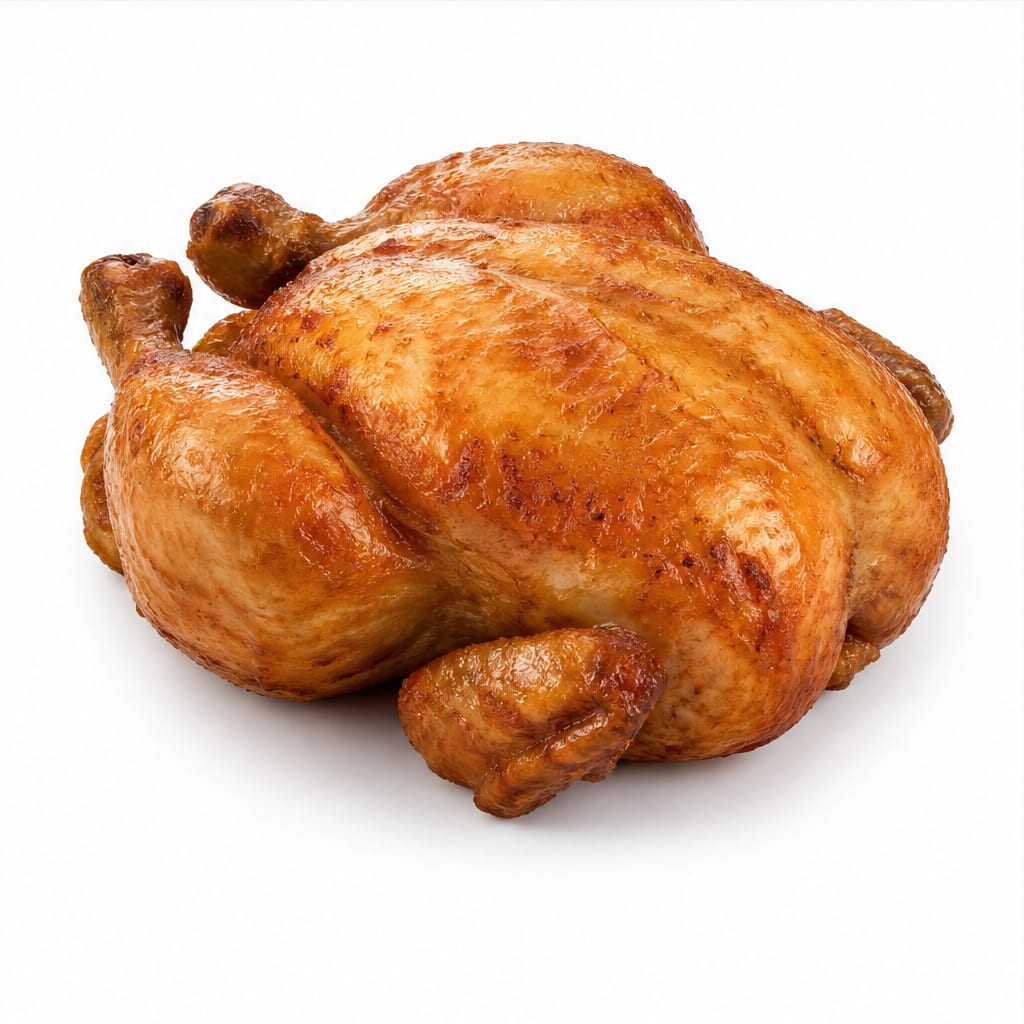
Compare with
Roast Chicken
Chicken is significantly leaner and lower in calories, while Peking duck is higher in fat and richer in iron.
Roast chicken is much lower in fat and calories for weight loss, while Peking duck offers richer flavor and higher iron content.
This food
Peking Duck
VS90% alike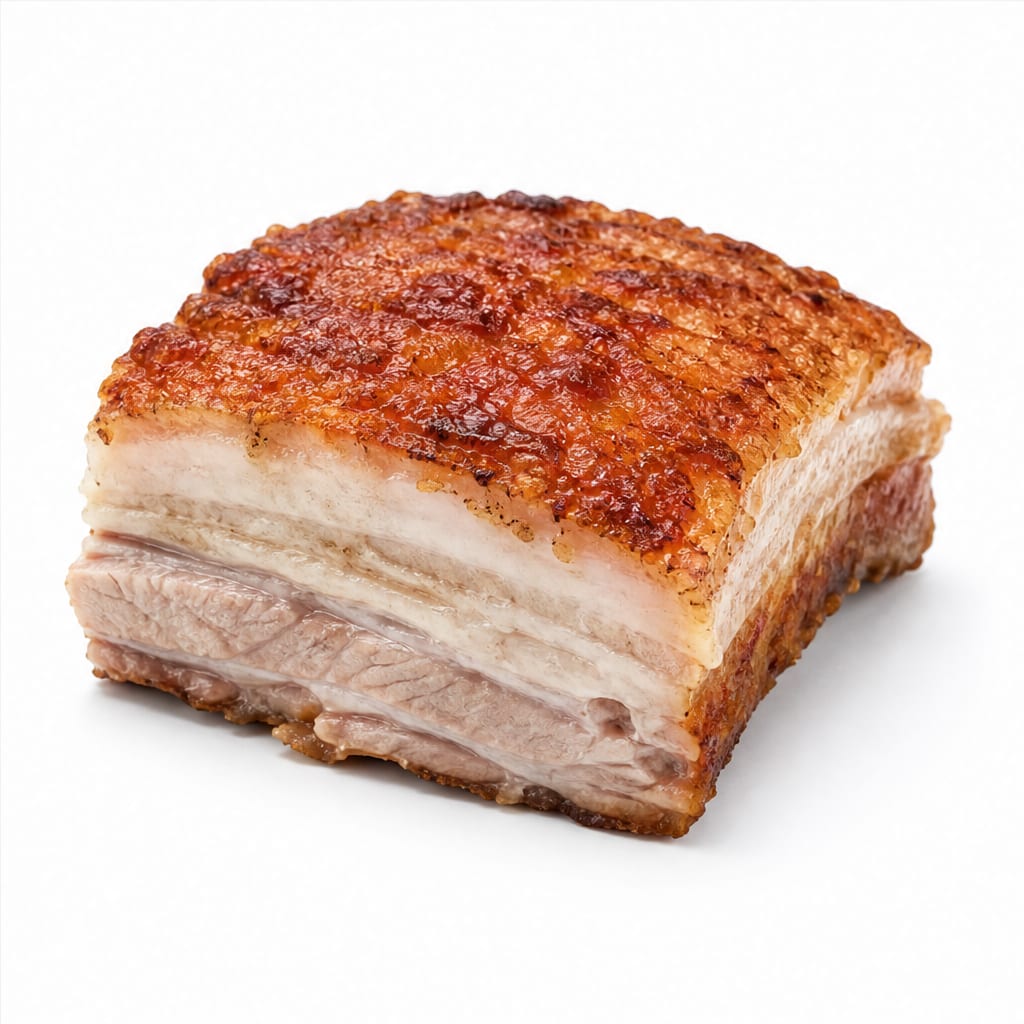
Compare with
Roast Pork Belly
Both are high-fat roasted meats, but pork belly is even higher in fat and calories than Peking duck.
Peking duck is slightly lower in fat and higher in protein than roast pork belly, making it the leaner choice between the two.
This food
Peking Duck
VS95% alike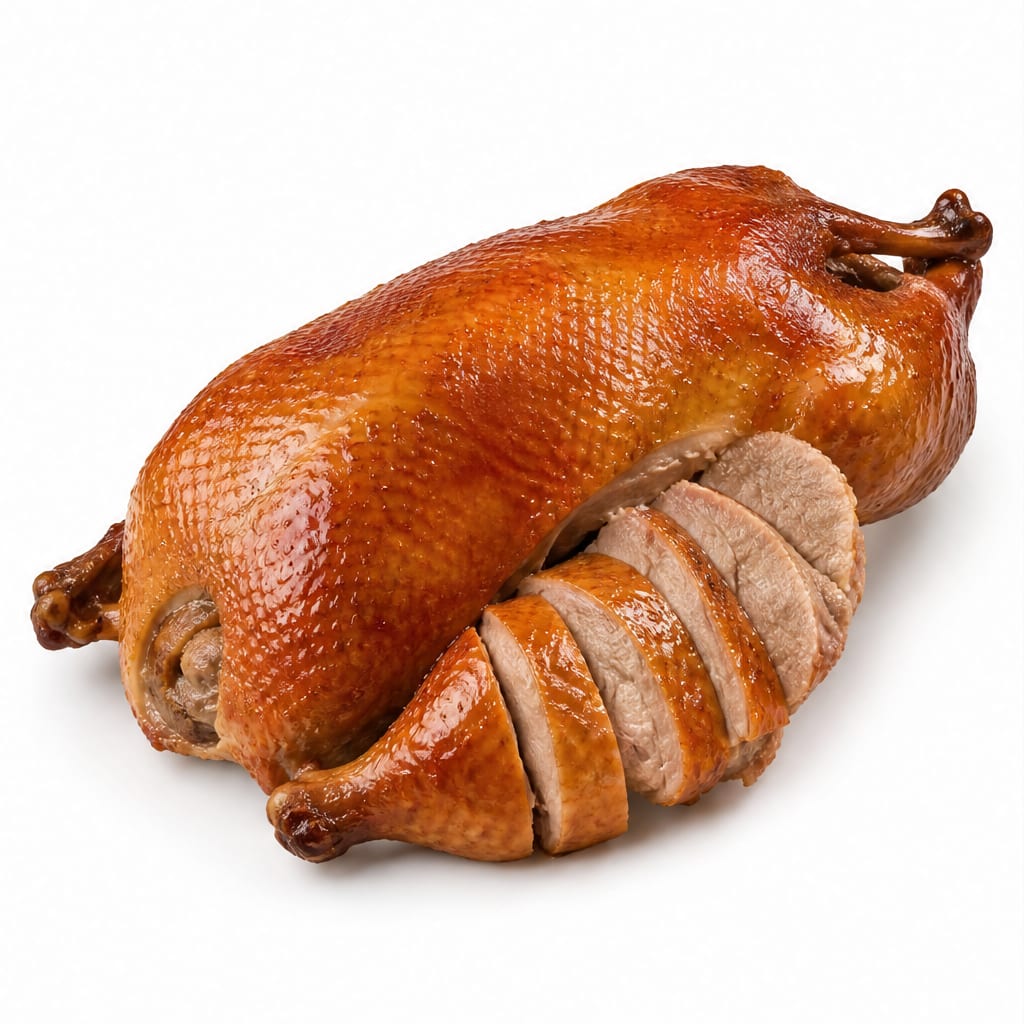
Compare with
Roast Goose
Goose is similarly fatty and rich, but duck is more commonly available and slightly lower in fat per gram.
Peking duck is slightly leaner and lower in calories than roast goose, though both are rich, high-fat poultry options.
This food
Peking Duck
VS70% alike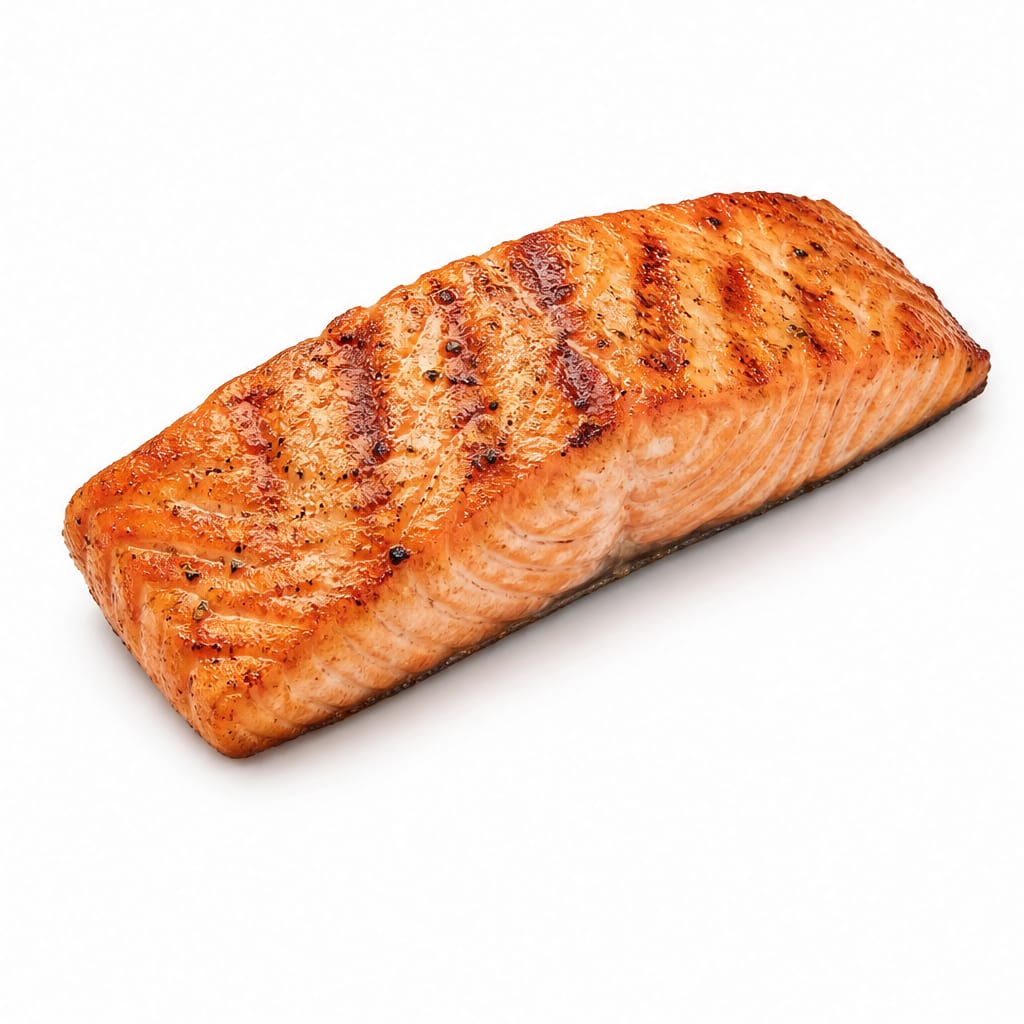
Compare with
Grilled Salmon
Salmon offers healthier omega-3 fats, whereas Peking duck provides more protein but higher saturated fat.
Grilled salmon provides anti-inflammatory omega-3s and fewer calories, while Peking duck is higher in saturated fat and protein.
This food
Peking Duck
VS80% alike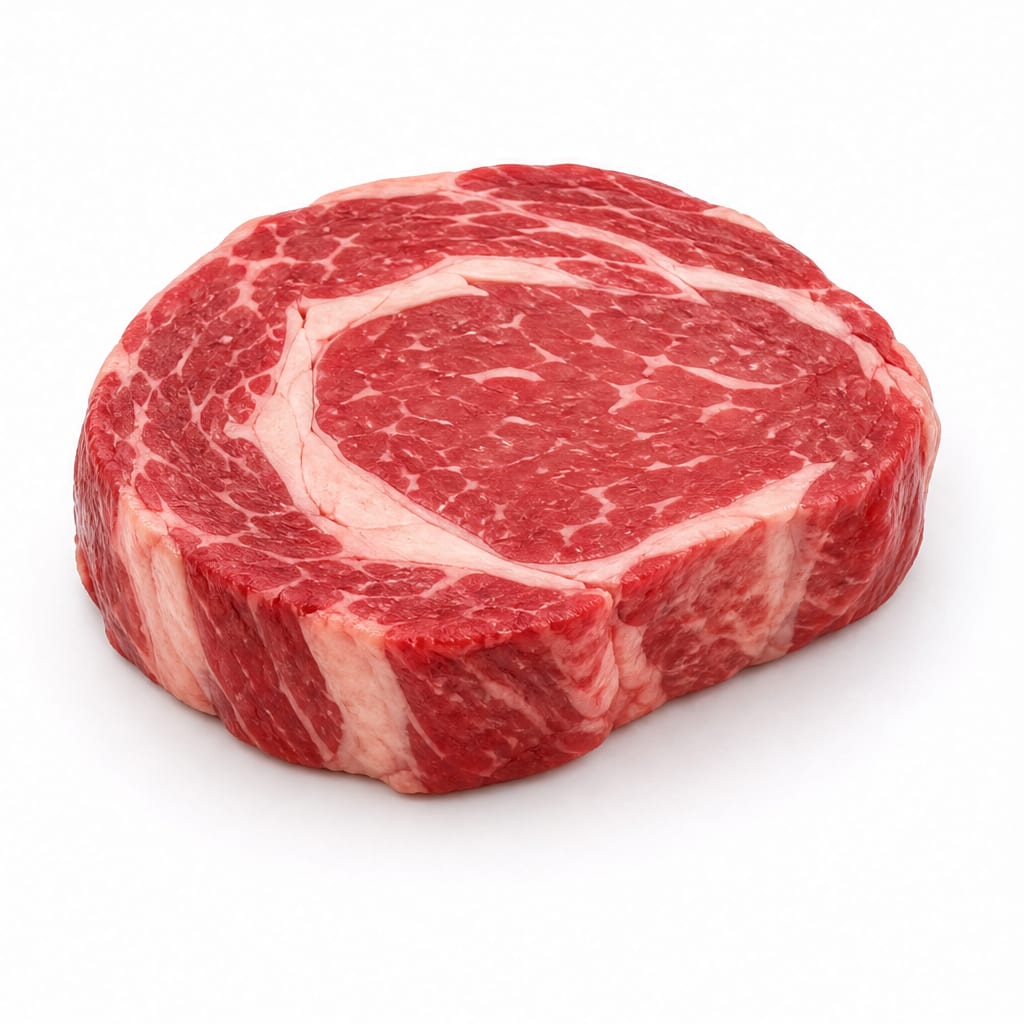
Compare with
Beef Ribeye
Ribeye provides similar protein and fat content, but duck offers more monounsaturated fat while beef provides more zinc.
Beef ribeye and Peking duck are similar in calories and fat, but ribeye offers more zinc and duck provides more B vitamins.
This food
Peking Duck
VS60% alike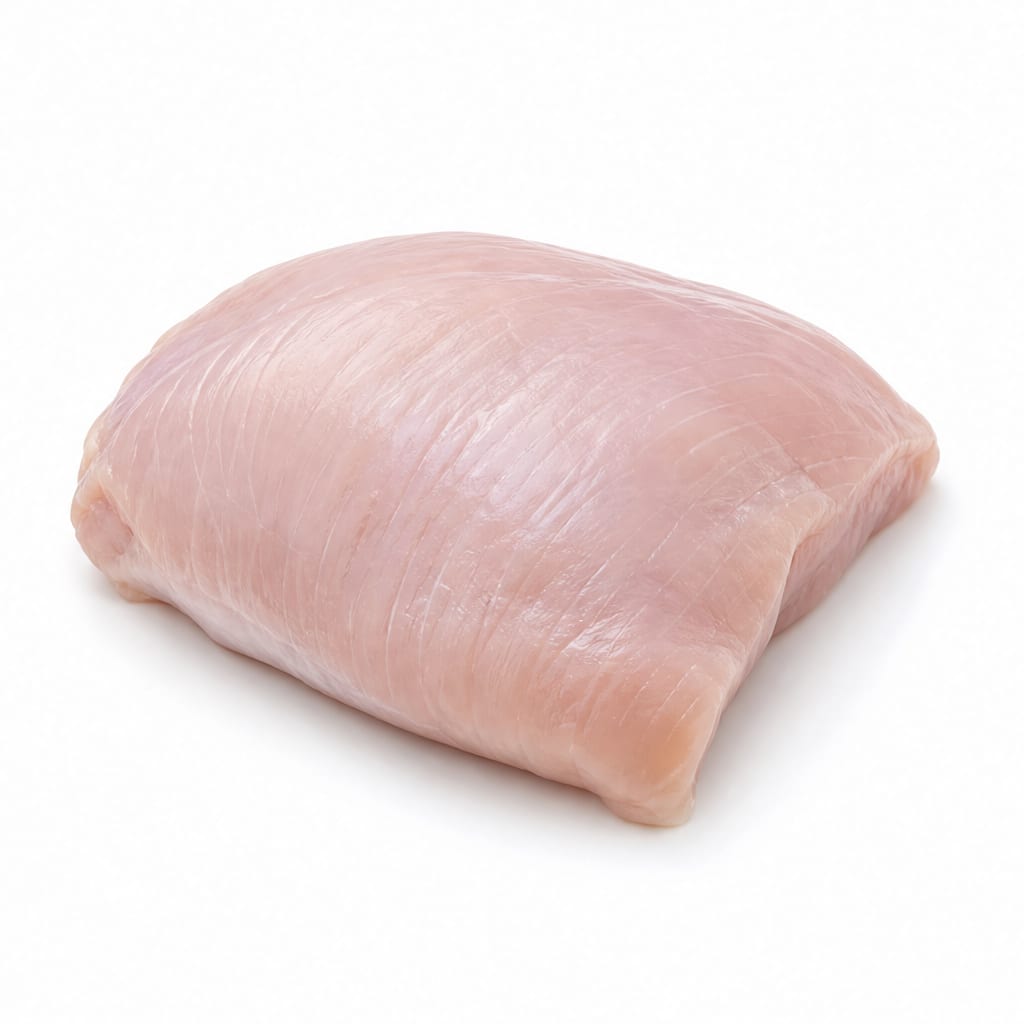
Compare with
Turkey Breast
Turkey breast is vastly lower in fat and calories, making it better for weight loss, while duck is much richer.
Turkey breast is extremely lean and low-calorie, while Peking duck is high-fat and calorie-dense.
This food
Peking Duck
VS95% alike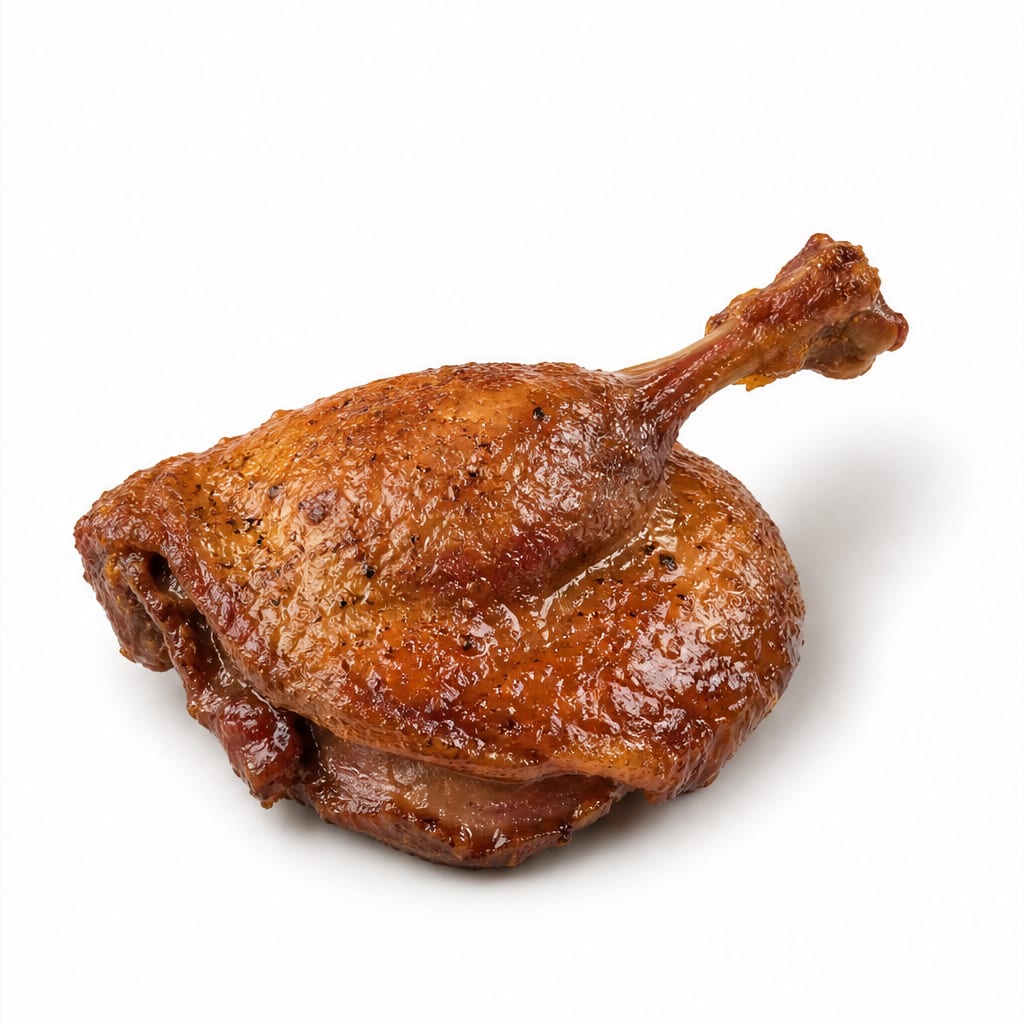
Compare with
Confit Duck
Confit duck is cooked in its own fat, making it even higher in fat and calories than roasted Peking duck.
Peking duck is lower in fat and calories than confit duck, which is slow-cooked in additional fat.
This food
Peking Duck
VS80% alike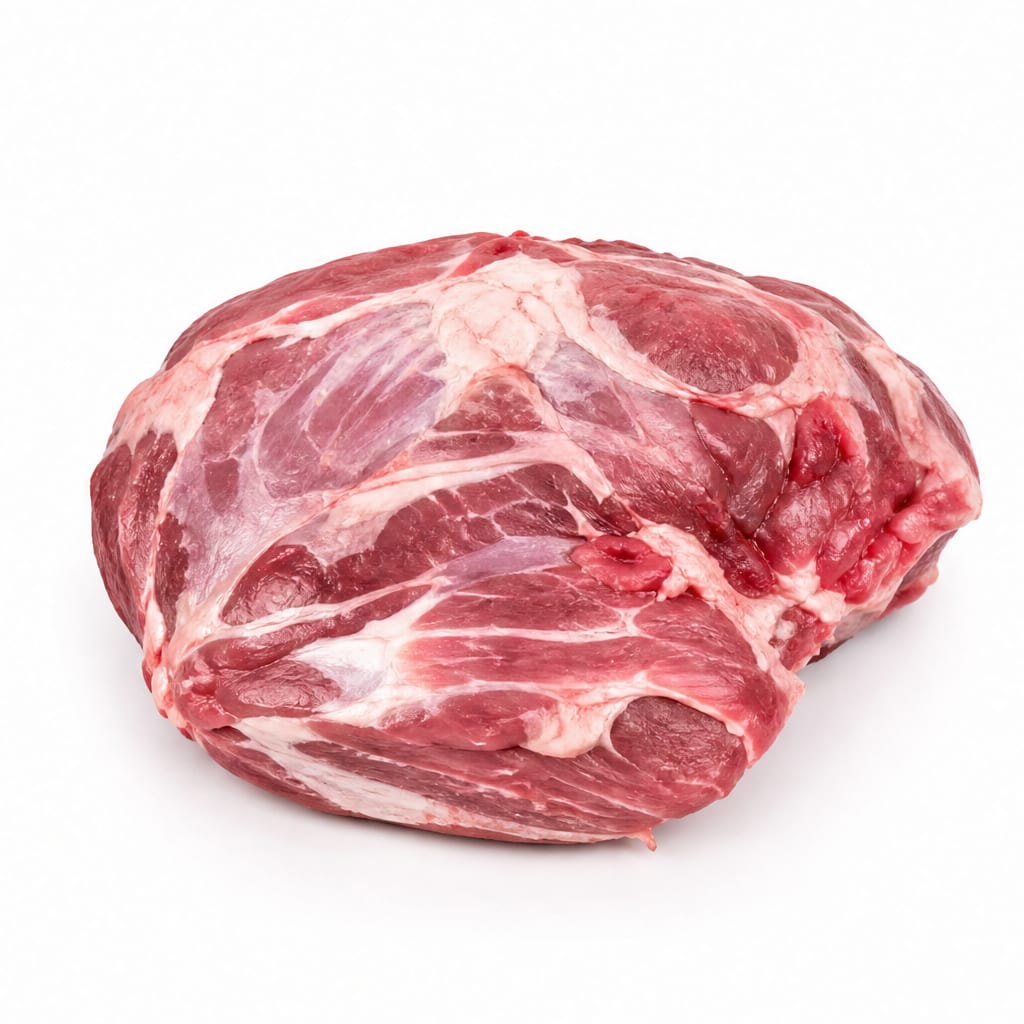
Compare with
Lamb Shoulder
Both are rich, fatty meats, but lamb has a stronger flavor and slightly different fatty acid profile.
Peking duck is slightly lower in calories than lamb shoulder, though both are rich, high-fat meats best enjoyed in moderation.
This food
Peking Duck
VS75% alike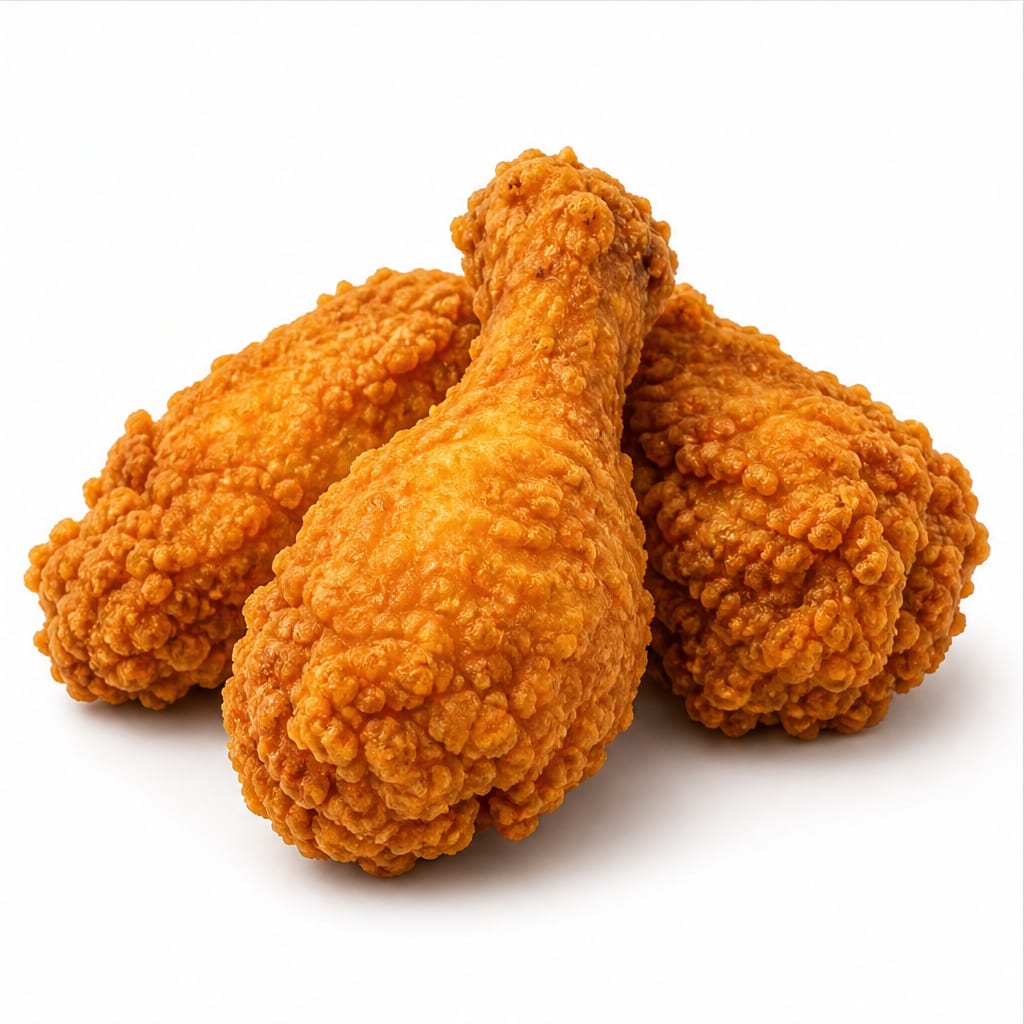
Compare with
Fried Chicken
Fried chicken has a carb-heavy breading, while Peking duck skin is carb-free but very high in rendered fat.
Peking duck is lower in carbs and higher in protein than fried chicken, which is breaded and deep-fried.
This food
Peking Duck
VS80% alike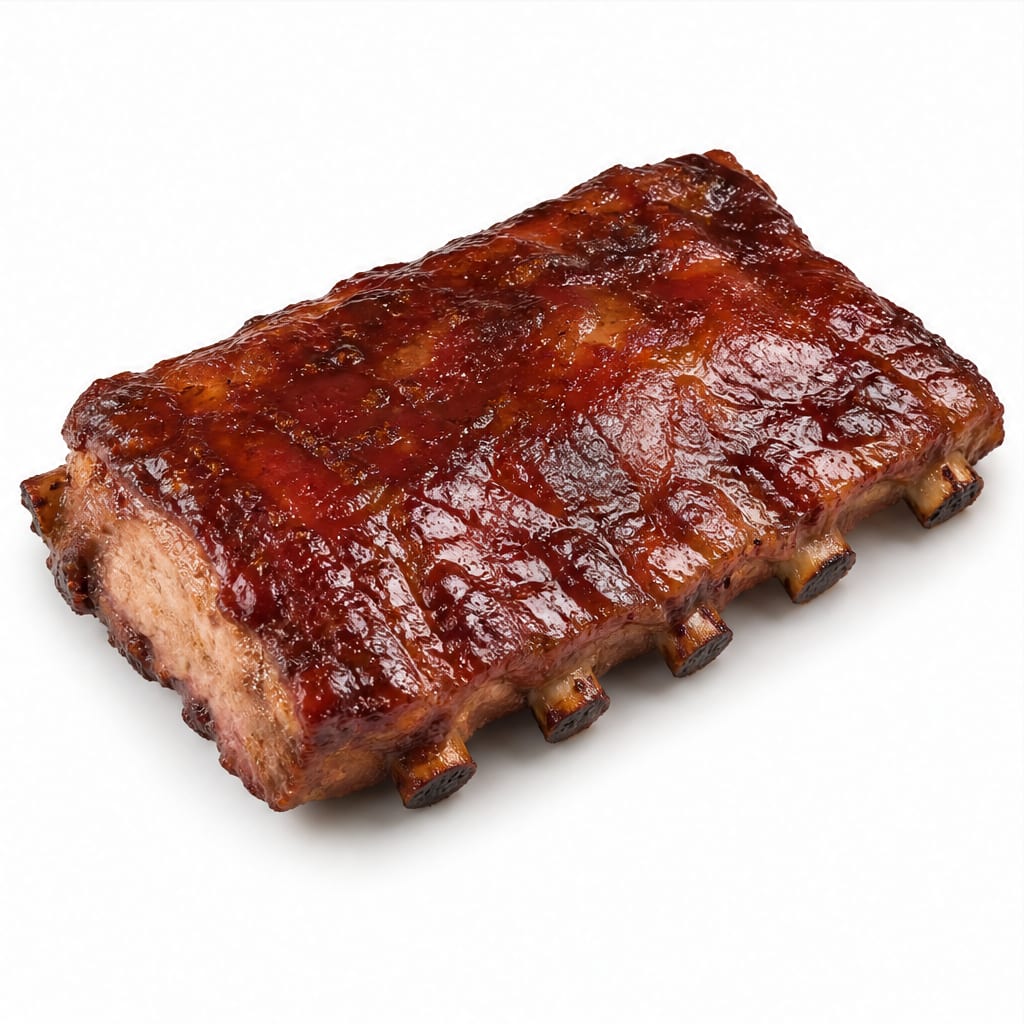
Compare with
Pork Ribs
Ribs and Peking duck are both high-fat, high-calorie meats, but duck skin offers a unique crisp texture without sugary BBQ sauce.
Peking duck is lower in carbs and sugar than pork ribs, which are typically coated in sugary barbecue sauce.
Common questions
FAQ
Answers aligned with how people search for this food.
Is Peking duck good for weight loss?
No, it is high in calories and fat, making it difficult to fit into a calorie-restricted diet without strict portion control.
Can diabetics eat Peking duck?
Yes, the duck meat itself is very low in carbohydrates and will not spike blood sugar, but be cautious with the sweet glaze and hoisin sauce.
How many calories are in Peking duck?
There are about 337 calories in 100 grams of roasted Peking duck with the skin on.
Is Peking duck keto-friendly?
Yes, the duck meat and skin are high in fat and low in carbs, making it suitable for ketogenic diets if eaten without the pancakes and sweet sauce.
Why is Peking duck so crispy?
The skin is crispy due to a traditional preparation method of pumping air between the skin and meat, air-drying, and glazing with maltose syrup before roasting.
Is duck healthier than chicken?
Duck is higher in fat and calories than chicken breast but provides more iron and healthy monounsaturated fats; skinless chicken is leaner overall.
Does Peking duck have a lot of cholesterol?
Yes, duck skin and dark meat contain significant dietary cholesterol and saturated fat compared to lean white meats.
What part of Peking duck is the fattiest?
The skin is the fattiest part, containing the majority of the calories and saturated fat in the dish.
Is Peking duck gluten-free?
The duck meat itself is gluten-free, but the hoisin sauce and soy-based glazes often contain wheat, making the full dish not gluten-free.
Transparency
Data confidence
Estimated confidence for nutrition data, interpretation, safety notes, and comparisons.
Nutrition data
Health analysis
Food safety
Comparisons