
Nutrition comparison
Peking Duck vs Confit Duck: Nutrition, Calories, and Health Comparison
Compare Peking Duck and Confit Duck to see which is healthier. Discover the differences in fat, calories, sodium, and sugar between these two classic duck dishes.
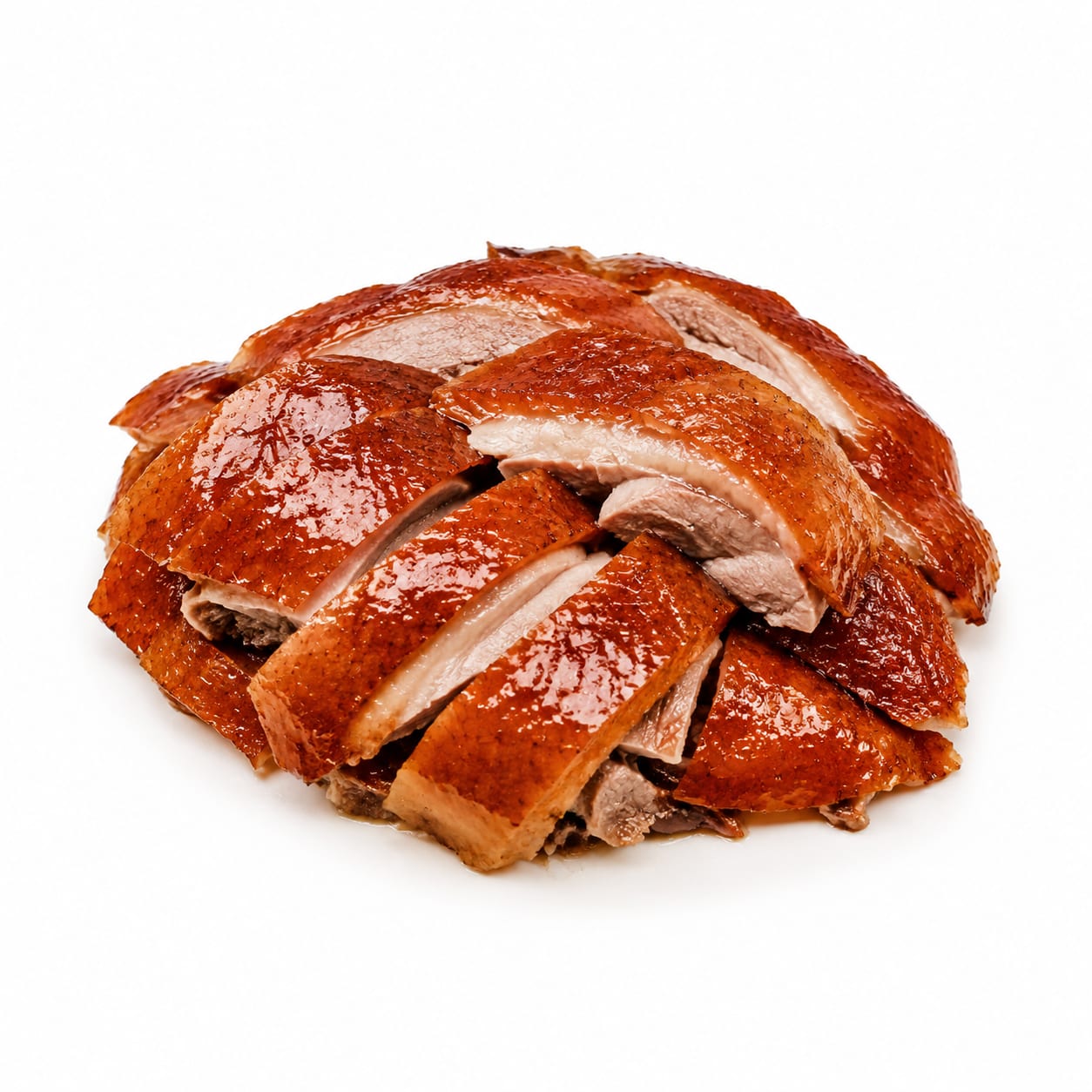
Peking Duck
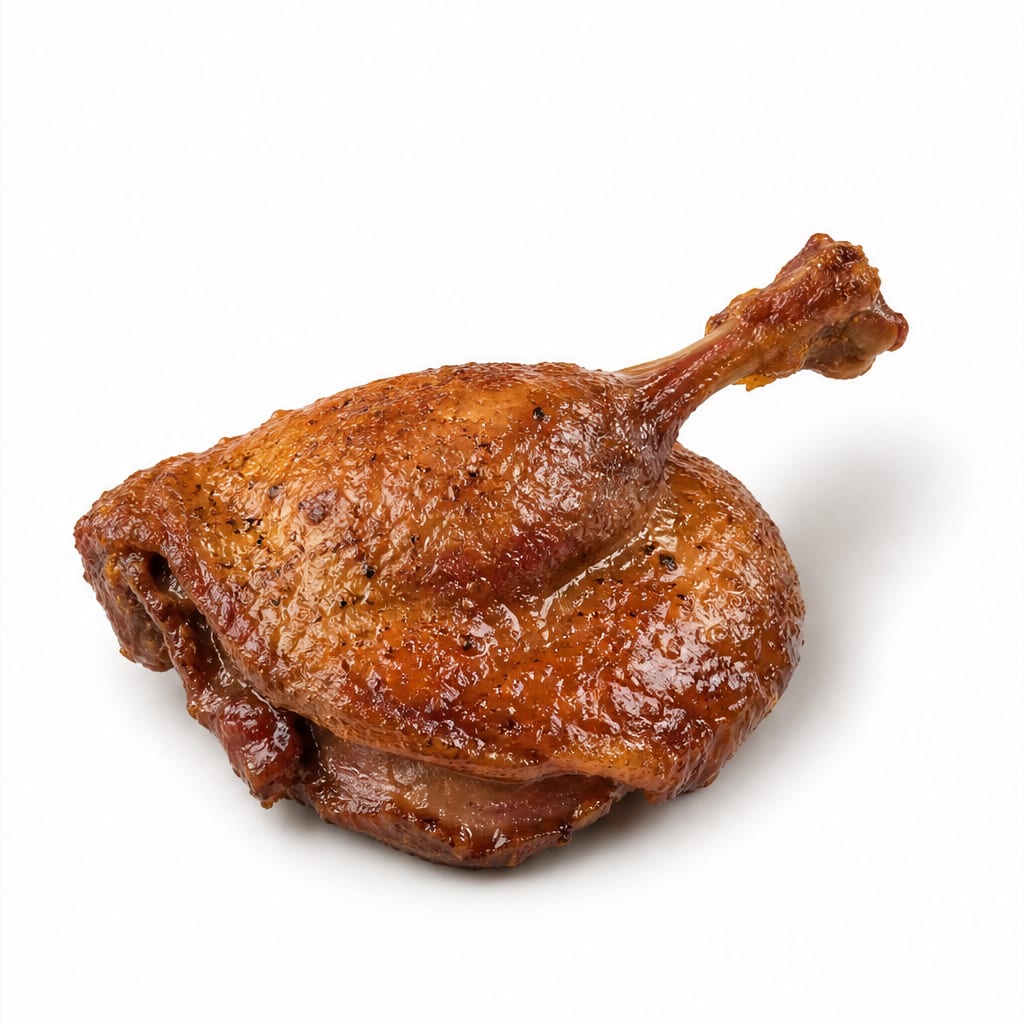
Confit Duck
Peking Duck is lighter and crispier with less retained fat, while Confit Duck is deeply tender but significantly heavier due to being cooked in its own fat.
Peking Duck scores slightly higher because the roasting process renders out more fat, making it less calorie-dense than Confit Duck, which is cooked and often stored in fat. However, Peking Duck's sugar content narrows the gap.
You trade the lower fat and crispy texture of Peking Duck for the melt-in-your-mouth tenderness and zero-sugar profile of Confit Duck.
At a glance
Executive summary
Overall
It depends
Healthier
Peking Duck
More practical
Confit Duck
Daily use
It depends
Key comparison lenses
Fat content and calorie density
Both are rich duck preparations, but cooking methods drastically change the fat retention and calorie load
Sodium and blood pressure impact
Confit Duck relies on heavy salt curing, while Peking Duck uses a lighter glaze but is paired with salty sauces
Sugar and metabolic load
Peking Duck features a sweet maltose glaze and sweet hoisin sauce, whereas Confit Duck is virtually sugar-free
Ease of chewing and digestion
Confit Duck is slow-cooked to fall-off-the-bone tenderness, making it easier to eat for those with dental or digestive concerns
Best choice for
Peking Duck
- People tracking calories or fat intake
- Those who prefer crispy textures over mushy textures
- Diners looking for a festive, shared eating experience
Confit Duck
- Low-carb or keto dieters avoiding sugar
- Home cooks wanting a luxurious make-ahead meal
- Anyone needing extremely tender, easy-to-chew protein
Least suitable for
Peking Duck
- Strict low-sugar or keto dieters due to the sweet glaze and hoisin sauce
- People avoiding high-heat roasted char on meats
Confit Duck
- Anyone strictly monitoring saturated fat or calorie intake
- People on low-sodium diets due to the heavy salt curing
Deep comparison
Dimension by dimension
Each lens scores both foods and breaks down who each option suits.
- Dimension 1 · Priority 95Peking Duck
Fat and Calorie Density
Peking Duck · 65Confit Duck · 40Peking Duck is roasted at high heat, which renders out a significant amount of subcutaneous fat. Confit Duck is slow-cooked in fat, which it absorbs.
Tradeoff
Peking Duck leaves much of the fat in the roasting pan, while Confit Duck retains the fat, resulting in a much heavier, richer meal.
Why it matters
If you eat duck regularly, the fat retention difference significantly impacts your daily calorie intake and cardiovascular load.
Real-world impact
A portion of Peking Duck feels lighter and less greasy, leaving you more comfortable afterward. Confit Duck sits heavier and can trigger post-meal sluggishness.
Peking Duck
- Weight management
- Lighter festive meals
Better for
- Those wanting maximum calorie density
Worse for
Confit Duck
- Endurance activities needing dense calories
- Keto and high-fat diets
Better for
- Anyone watching saturated fat intake
Worse for
- Dimension 2 · Priority 85Peking Duck
Sodium and Blood Pressure
Peking Duck · 55Confit Duck · 35Confit Duck requires a heavy salt cure to preserve the meat before cooking. Peking Duck is seasoned lightly and paired with salty sauces on the side.
Tradeoff
Confit Duck has salt deeply penetrated into the meat, whereas Peking Duck allows you to control sodium by limiting the hoisin sauce dip.
Why it matters
High sodium intake from cured meats like Confit Duck can quickly push you over daily limits, raising blood pressure over time.
Real-world impact
Eating Confit Duck can leave you feeling thirsty and bloated. With Peking Duck, you can skip the sauce to reduce the salt hangover.
Peking Duck
- Blood pressure management
- Controlling sodium intake
Better for
- Those who drown their pancakes in hoisin sauce
Worse for
Confit Duck
- Flavor enhancement without adding table salt at the table
Better for
- Salt-sensitive individuals
Worse for
- Dimension 3 · Priority 75Confit Duck
Sugar and Metabolic Load
Peking Duck · 40Confit Duck · 85Peking Duck is glazed with maltose syrup and served with sweet hoisin sauce. Confit Duck contains zero sugar.
Tradeoff
Peking Duck's signature flavor relies on caramelized sugars, while Confit Duck relies entirely on salt and fat for preservation and taste.
Why it matters
The sugar in Peking Duck's glaze and sauce causes a faster blood sugar rise, which is problematic for diabetics or those managing insulin resistance.
Real-world impact
Peking Duck can trigger sweet cravings later in the day. Confit Duck keeps blood sugar completely stable.
Peking Duck
- Providing quick energy
Better for
- Insulin-resistant individuals
Worse for
Confit Duck
- Diabetes management
- Keto diets
- Steady energy levels
Better for
- Those who prefer a sweet-savory flavor profile
Worse for
- Dimension 4 · Priority 70Peking Duck
Protein Quality and Satiety
Peking Duck · 75Confit Duck · 65Both provide excellent complete protein, but Peking Duck offers more protein per calorie because it carries less fat.
Tradeoff
Peking Duck gives you more muscle-building protein per bite, while Confit Duck delivers more fat calories relative to protein.
Why it matters
If you are eating duck as a protein source rather than just a treat, Peking Duck gets you there with fewer calories.
Real-world impact
A Peking Duck meal supports muscle recovery better without pushing you into a calorie surplus. Confit Duck is better suited as a high-energy comfort food.
Peking Duck
- Muscle maintenance
- Higher protein-to-calorie ratio needs
Better for
- Those needing extremely high calorie intake
Worse for
Confit Duck
- Extended satiety from high fat content
Better for
- Lean bulking phases
Worse for
- Dimension 5 · Priority 60Confit Duck
Convenience and Practicality
Peking Duck · 30Confit Duck · 80Confit Duck is a staple of jarred and canned foods, ready to just heat and eat. Peking Duck requires specialized roasting or a restaurant visit.
Tradeoff
Confit Duck sacrifices lightness for incredible shelf stability and ease of preparation at home.
Why it matters
For a weeknight dinner, pulling Confit Duck from the pantry is realistic. Making Peking Duck at home is an all-day project.
Real-world impact
You can have Confit Duck on a Tuesday in 15 minutes. Peking Duck is usually reserved for weekends, takeout, or special occasions.
Peking Duck
- Restaurant dining experiences
Better for
- Busy home cooks
Worse for
Confit Duck
- Quick weeknight dinners
- Meal prepping
- Pantry stocking
Better for
- Those without a reliable source of quality canned goods
Worse for
Timeline
Health impact over time
Short-term
Hours to days
Peking Duck
- Quick energy from the carbohydrate glaze and pancakes
- Potential blood sugar spike followed by a crash if eaten with too much sauce and carbs
Confit Duck
- Deep, prolonged satiety from the high fat content
- Possible thirst and water retention from the heavy salt cure
Long-term
Months to years
Peking Duck
- Better weight maintenance compared to Confit Duck if portions are controlled
- Higher sugar intake from frequent consumption could impact metabolic health
Confit Duck
- Higher saturated fat intake could impact cardiovascular health if eaten too frequently
- Consistent high sodium intake could elevate blood pressure over time
Risk profile
Safety & processing
Both are traditional preparations using whole cuts of meat and time-honored techniques. Peking Duck uses a natural maltose glaze, while Confit Duck uses salt curing and fat preservation. Neither relies on modern artificial preservatives, but both are highly processed through traditional culinary methods.
Peking Duck
Advanced Glycation End-products (AGEs)
mediumHigh-heat roasting of the sweet glaze creates AGEs, which can promote inflammation if consumed frequently.
Foodborne illness from improper roasting
lowEnsuring the duck is cooked to a safe internal temperature eliminates standard poultry pathogens.
Confit Duck
High sodium load
highThe salt curing process deeply penetrates the meat, posing a significant risk for those with hypertension.
Botulism in home-cured preparations
lowCommercially prepared Confit Duck is extremely safe, but improper home curing and canning can create anaerobic environments for botulism.
Who wins for whom
Audience fit
Same foods, different winners depending on your goal.
children
Peking DuckKids tend to prefer the sweet, crispy nature of Peking Duck wrapped in soft pancakes over the intensely savory, fatty texture of Confit Duck.
daily consumption
It dependsNeither is ideal for daily consumption due to high fat or sugar, but Peking Duck is slightly less heavy, while Confit Duck fits better into strict low-carb routines.
diabetes
Confit DuckConfit Duck contains virtually zero carbohydrates or sugar, preventing blood sugar spikes associated with Peking Duck's glaze and sauce.
elderly
Confit DuckConfit Duck is incredibly tender and falls apart easily, making it much easier to chew and digest for those with dental issues.
muscle gain
Peking DuckPeking Duck offers a better protein-to-calorie ratio, supporting muscle growth without excessive fat intake.
weight loss
Peking DuckPeking Duck renders out more fat during cooking, resulting in fewer calories per serving than Confit Duck.
Your move
Decision guide
Choose Peking Duck
- You want a lighter, crispier texture without excessive grease
- You are watching your overall fat and calorie intake
- You are sharing a festive meal with a group
Choose Confit Duck
- You are on a keto or strict low-carb diet
- You want a rich, comforting meal that is easy to prepare at home
- You have difficulty chewing tougher meats
Either works if
- You are looking for a high-quality protein source for an occasional treat
- You want to enjoy duck but are flexible on the culinary tradition
Avoid both if
- You have severe gout triggered by rich meats
- You are on a strict low-fat, low-sodium cardiac diet
Final recommendation
Choose Peking Duck for a lighter, crispy, shared dining experience with less retained fat. Opt for Confit Duck when you crave deep, melt-in-your-mouth tenderness, want a zero-sugar option, or need a convenient pantry-stable meal.
Practical
Consumer tips
- 1
Ask for the hoisin sauce on the side when ordering Peking Duck to control your sugar and sodium intake.
- 2
If making Confit Duck at home, you can rinse the cured legs before cooking to remove excess surface salt.
- 3
Remove the skin from Peking Duck if you want to drastically reduce the fat and calorie content, though you will lose the signature crispiness.
- 4
Save the rendered duck fat from Confit Duck to roast vegetables; it adds incredible flavor and allows you to reuse the fat productively.