
Nutrition comparison
Peking Duck vs Fried Chicken: Which Indulgence is Healthier?
Compare Peking Duck and Fried Chicken on fat quality, calories, and health risks. Find out which crispy protein is the better choice for your diet.
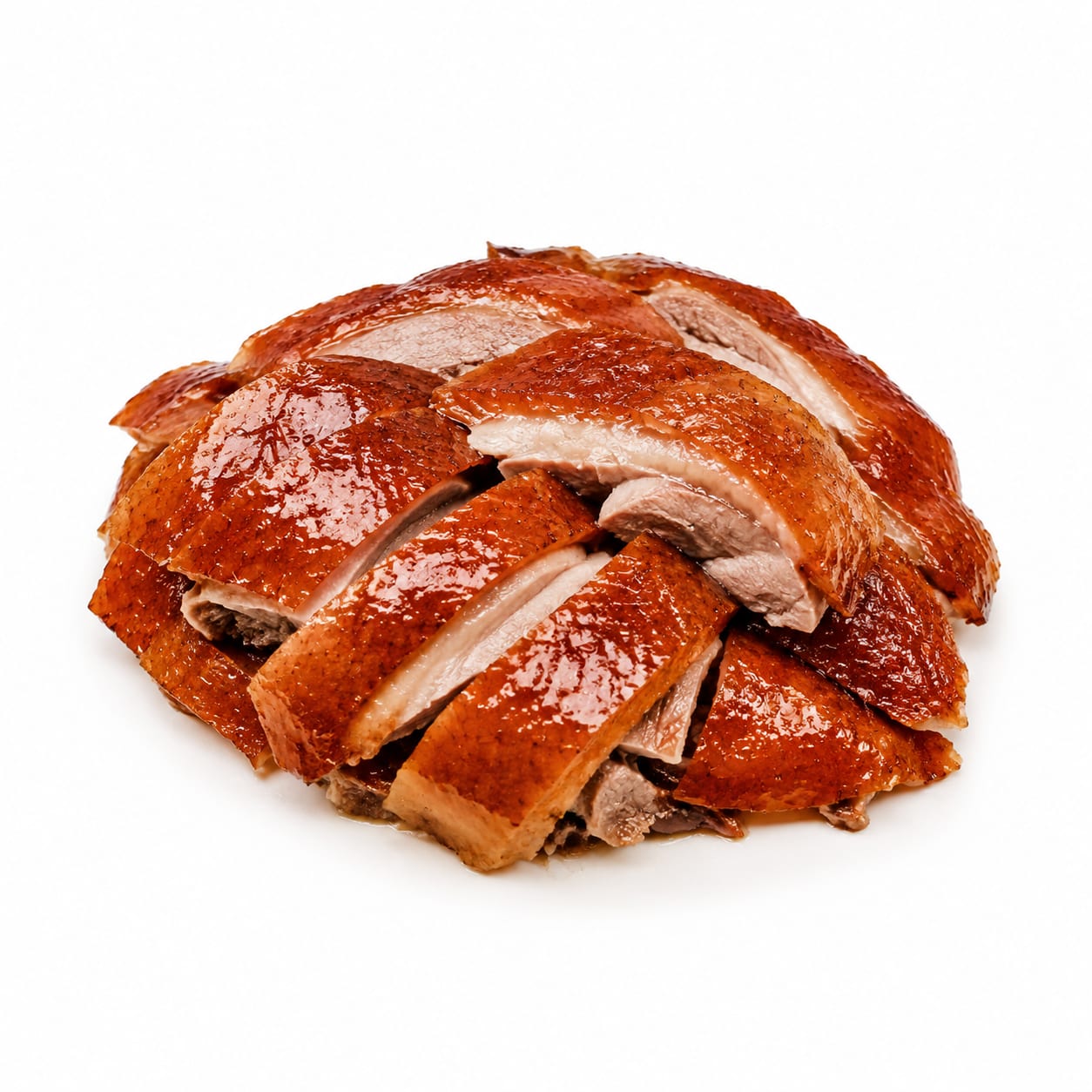
Peking Duck
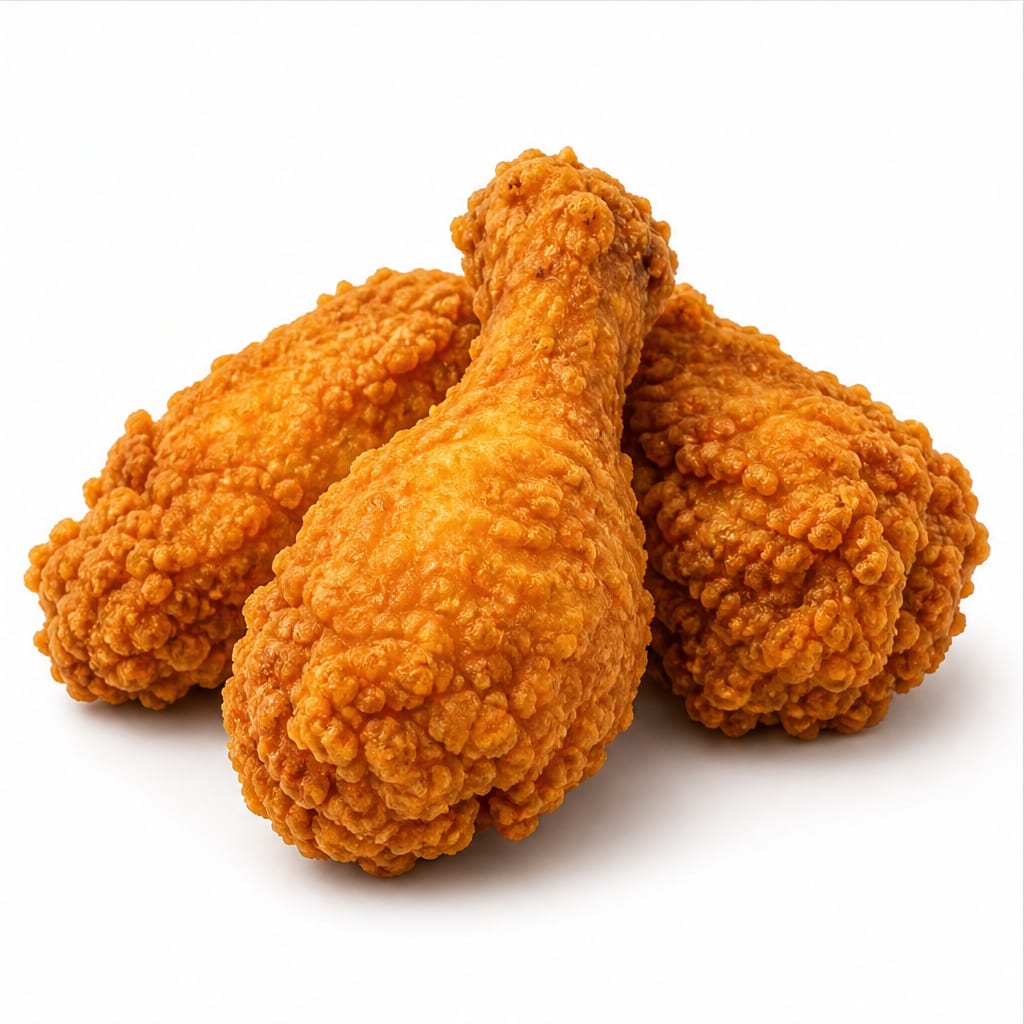
Fried Chicken
Peking Duck offers richer, higher-quality fats but is a massive calorie bomb, while Fried Chicken is more convenient but carries inflammatory risks from deep-frying.
Peking Duck edges out slightly due to better fat quality and a roasting cooking method, but both are heavy, high-calorie indulgences that require portion control.
Flavorful, heart-healthier duck fat and roasting versus cheaper, higher-protein convenience and deep-fried crunch.
At a glance
Executive summary
Overall
It depends
Healthier
Peking Duck
More practical
Fried Chicken
Daily use
It depends
Key comparison lenses
Indulgent protein comparison
Both are high-calorie, high-fat comfort foods, often chosen for cravings rather than health.
Fat quality and inflammatory impact
Peking Duck offers natural monounsaturated fats, while Fried Chicken introduces inflammatory oxidized oils from deep-frying.
Sodium and hidden sugars
Fried chicken brines and batters pack massive sodium, while Peking duck glazes and sauces hide surprising sugar.
Cooking method health tradeoffs
Roasting versus deep-frying creates significantly different health risks regarding carcinogens and digestive stress.
Best choice for
Peking Duck
- Special occasion dining
- High-fat low-carb diets
- Those prioritizing healthier fat profiles
Fried Chicken
- Budget-friendly protein
- Post-workout muscle feeding
- Family-friendly gatherings
Least suitable for
Peking Duck
- Strict low-fat diets
- Rigid calorie counters
- Quick weeknight meals
Fried Chicken
- Anti-inflammatory diets
- Low-sodium protocols
- Those avoiding fried foods
Deep comparison
Dimension by dimension
Each lens scores both foods and breaks down who each option suits.
- Dimension 1 · Priority 90Peking Duck
Fat Quality & Inflammatory Impact
Peking Duck · 68Fried Chicken · 38Peking Duck's fat is largely monounsaturated, similar to olive oil, whereas Fried Chicken's batter absorbs inflammatory seed oils during deep-frying.
Tradeoff
Duck is fattier overall, but the fat is healthier; Fried Chicken has less total fat but worse inflammatory potential.
Why it matters
Inflammatory oils from deep-frying can drive bloating and fatigue, while duck fat feels richer but is gentler on the body long-term.
Real-world impact
You might feel heavy and sluggish after Fried Chicken due to the oil, while Peking Duck feels rich but less likely to cause a digestive lag.
Peking Duck
- Heart-healthier fat intake
- Low-carb indulgence
Better for
- Strict low-fat diets
- Calorie restriction
Worse for
Fried Chicken
- Avoiding excessive total fat
- Higher protein-to-fat ratio
Better for
- Anti-inflammatory protocols
- Digestive sensitivity
Worse for
- Dimension 2 · Priority 82Peking Duck
Sodium & Hidden Sugars
Peking Duck · 55Fried Chicken · 40Fried chicken brines and batters pack massive sodium, while Peking Duck's sodium is mostly on the skin surface, often paired with sugary hoisin sauce.
Tradeoff
Fried Chicken is a sodium bomb in every bite, while Peking Duck lets you control the sauce, but hides sugar in the glaze.
Why it matters
High sodium drives thirst and bloating; hidden sugars in duck sauce spike blood sugar and add empty calories.
Real-world impact
Fried chicken leaves you reaching for water all afternoon; Peking duck's sweet sauce might cause a quicker energy crash if you overdo it.
Peking Duck
- Controlling sauce intake
- Lower baseline sodium
Better for
- Blood sugar management
- Low-carb diets if using sauce
Worse for
Fried Chicken
- Avoiding refined sugar
- Keto diets without sauces
Better for
- Blood pressure management
- Reducing water retention
Worse for
- Dimension 3 · Priority 78Peking Duck
Cooking Method & Carcinogens
Peking Duck · 62Fried Chicken · 35Roasting duck creates some char, but deep-frying chicken creates acrylamide and oxidized oils.
Tradeoff
Crispy roasted skin versus deep-fried breading.
Why it matters
Deep-frying at high heats produces compounds linked to long-term health risks and cellular stress.
Real-world impact
Fried chicken is tougher on your digestive system and long-term health compared to roasted meats.
Peking Duck
- Lower carcinogen risk
- Easier digestion
Better for
- Charring risks if over-roasted
- Long prep time
Worse for
Fried Chicken
- Texture variety from breading
- Faster cooking at home
Better for
- Acrylamide exposure
- Oxidized oil consumption
Worse for
- Dimension 4 · Priority 75Fried Chicken
Protein Quality & Satiety
Peking Duck · 50Fried Chicken · 70Fried Chicken provides leaner protein under the breading, while Peking Duck is very fat-heavy, making protein per calorie much lower.
Tradeoff
More protein per bite in chicken versus more satiating fat in duck.
Why it matters
If you are eating for muscle, chicken wins; if you are eating to feel full on less volume, duck wins.
Real-world impact
A few pieces of duck fill you up fast, while you can easily overeat Fried Chicken before your brain registers fullness.
Peking Duck
- High satiety from fat
- Smaller portions feel satisfying
Better for
- Macro-balancing for athletes
- Low-calorie diets
Worse for
Fried Chicken
- Muscle maintenance
- Higher protein per calorie
Better for
- Portion control
- Mindful eating
Worse for
Timeline
Health impact over time
Short-term
Hours to days
Peking Duck
- Highly satiating from rich fat content
- Potential sugar crash from hoisin sauce
- Feeling of heavy fullness
Fried Chicken
- Immediate heavy feeling from fried oil
- Bloating and thirst from high sodium
- Quick energy spike followed by a crash
Long-term
Months to years
Peking Duck
- High calorie density can lead to weight gain if portions are uncontrolled
- Monounsaturated fats support heart health better than fried oils
- Potential blood sugar issues if eaten frequently with sweet sauces
Fried Chicken
- Frequent consumption increases inflammatory markers
- Higher risk of cardiovascular issues from oxidized frying oils
- Sodium load contributes to chronic blood pressure concerns
Risk profile
Safety & processing
Peking Duck is traditionally roasted with natural glazes, while Fried Chicken often involves commercial breading with additives and refined seed oils.
Peking Duck
Undercooked poultry
mediumWhole roasted duck can sometimes be undercooked near the bone, requiring careful preparation.
Fried Chicken
Acrylamide formation
mediumDeep-frying starchy batters at high temperatures creates acrylamide, a potential carcinogen.
Oxidized cooking oils
mediumReused frying oils in commercial settings can become rancid and toxic.
Who wins for whom
Audience fit
Same foods, different winners depending on your goal.
children
Fried ChickenFried Chicken is far more kid-friendly and familiar, making it an easier sell for picky eaters, though it should still be moderated.
daily consumption
It dependsNeither should be a daily staple due to high calorie and fat content, but small portions of either can fit into a balanced diet.
diabetes
Peking DuckPeking Duck is lower in carbs if you skip the pancakes and sauce, and causes less inflammation than deep-fried options.
elderly
Peking DuckPeking Duck meat is generally more tender and easier to chew, with healthier fats for aging cardiovascular systems.
muscle gain
Fried ChickenFried Chicken provides a higher protein-to-calorie ratio, which is crucial for muscle building, despite the unhealthy breading.
weight loss
It dependsNeither is ideal, but Peking Duck's high fat provides faster satiety, while Fried Chicken offers more protein per calorie if you remove the skin.
Your move
Decision guide
Choose Peking Duck
- You want a luxurious, special-occasion meal
- You prefer heart-healthier monounsaturated fats
- You want to feel full on a smaller portion
- You are eating low-carb without the sweet sauce
Choose Fried Chicken
- You need high protein on a budget
- You crave crunchy comfort food
- You want something widely available and convenient
- You are feeding a family with varying tastes
Either works if
- You are tracking calories strictly and can control portions
- You are comfortable balancing the rest of your day with lighter foods
Avoid both if
- You have severe heart conditions requiring a low-fat diet
- You are on a strict low-sodium protocol
- You are following an anti-inflammatory diet
Final recommendation
Choose Peking Duck when you want a rich, satisfying indulgence with healthier fats and less inflammatory risk. Opt for Fried Chicken when you need a convenient protein hit or are feeding a crowd, but try to remove the skin or bake it at home to reduce the oil and sodium downsides.
Practical
Consumer tips
- 1
Skip the pancakes and hoisin sauce with Peking Duck to save massive amounts of carbs and sugar.
- 2
Remove the breading from Fried Chicken to cut calories and inflammatory fats in half.
- 3
Air-fry chicken at home to get the crunch without the deep-frying downsides.
- 4
Pair Peking Duck with steamed veggies instead of starches to balance the heavy fat load.
- 5
Blot Fried Chicken with a paper towel immediately after cooking to remove excess surface oil.