
Nutrition comparison
Peking Duck vs Roast Chicken: Which Is Healthier?
Compare Peking Duck and Roast Chicken on fat, calories, protein, sodium, and heart health. Find out which roasted poultry is better for weight loss, daily meals, and special occasions.
Overall winner · Roast Chicken
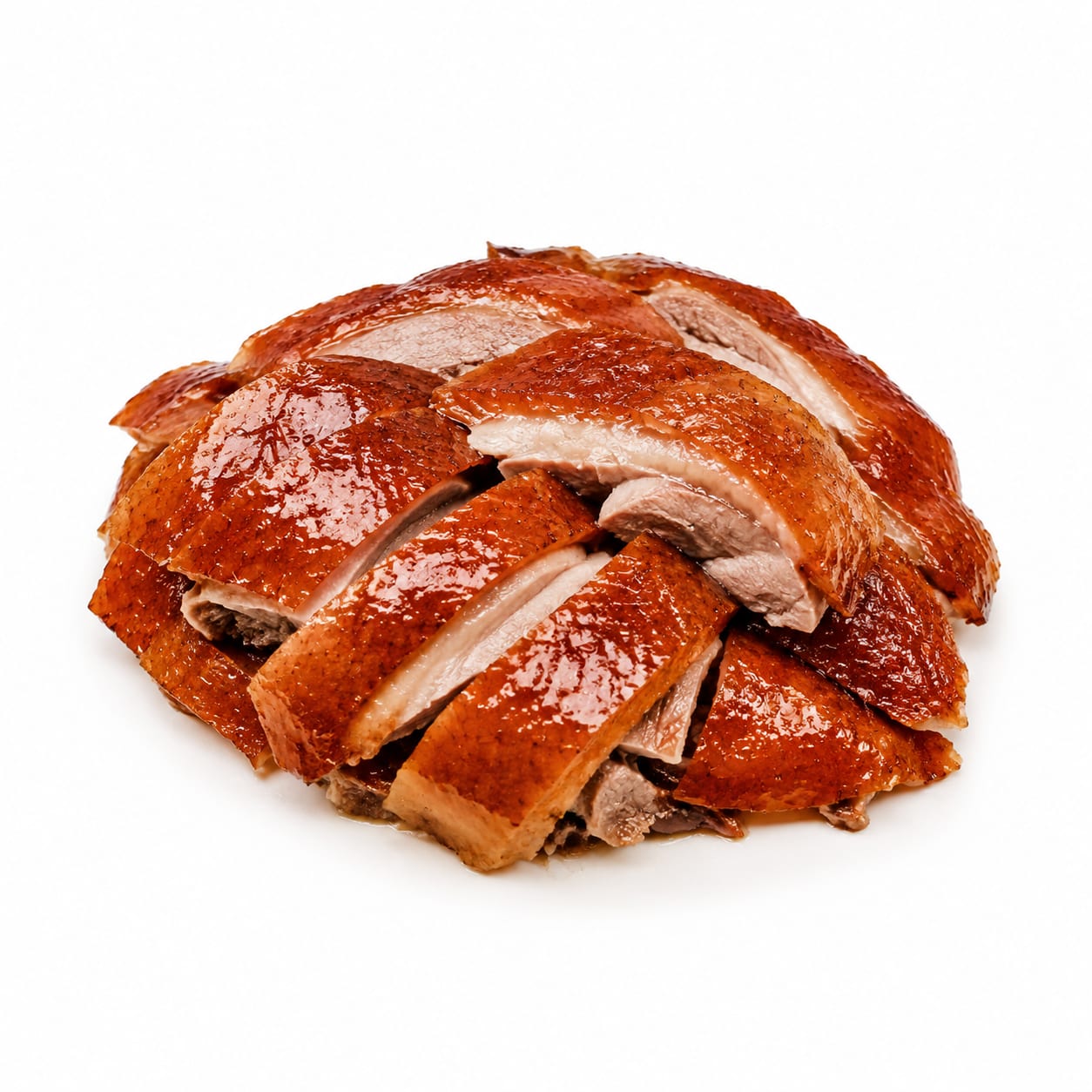
Peking Duck
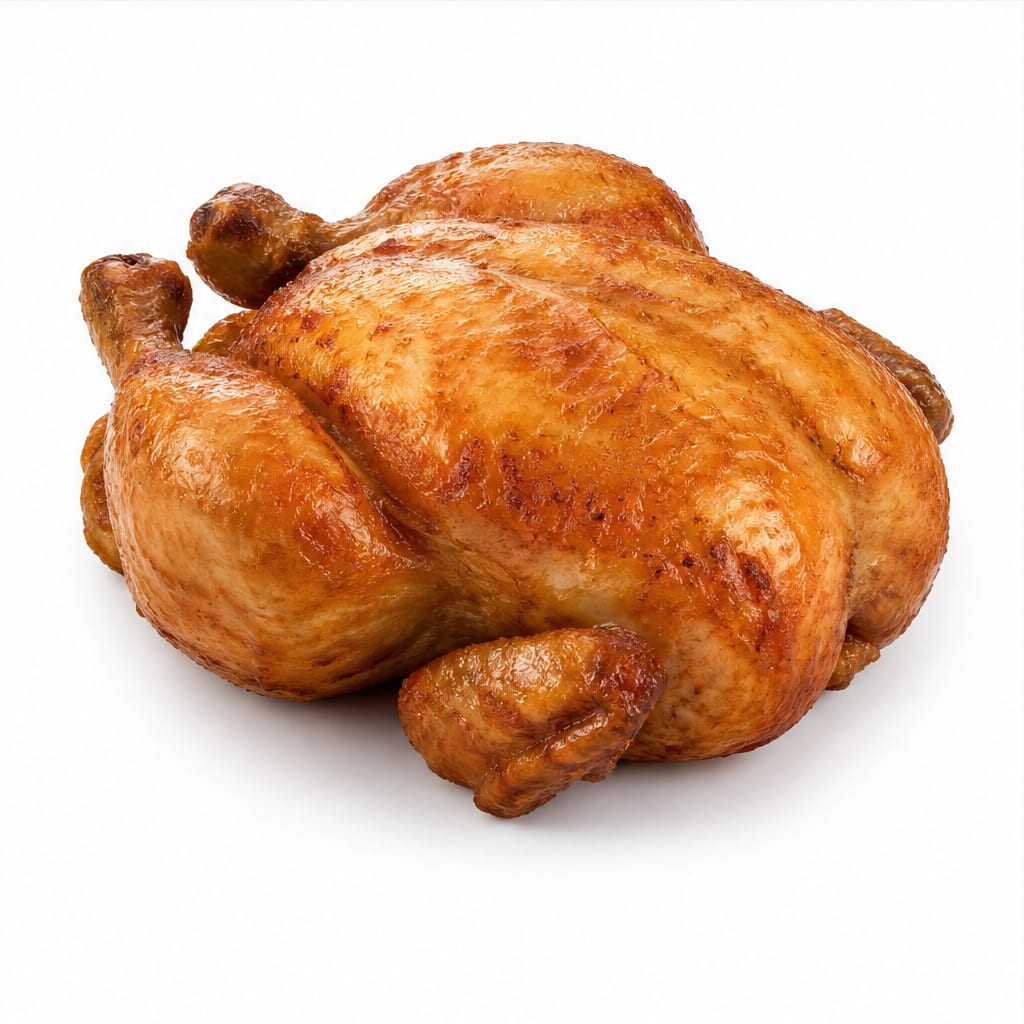
Roast Chicken
Roast Chicken wins for everyday eating with far less fat and more versatile nutrition. Peking Duck is a rich indulgence best enjoyed occasionally.
Roast Chicken scores significantly higher due to its lean profile, everyday practicality, and heart-health alignment. Peking Duck loses ground on fat, calories, and sodium but remains culturally valuable as an occasional treat.
Peking Duck delivers unforgettable flavor and crispy skin but packs roughly double the fat and calories. Roast Chicken sacrifices that luxurious mouthfeel for lean, sustainable daily protein.
At a glance
Executive summary
Overall
Roast Chicken
Healthier
Roast Chicken
More practical
Roast Chicken
Daily use
Roast Chicken
Key comparison lenses
everyday vs indulgent protein choice
Users are likely deciding between a lean staple and a rich celebratory dish
fat and calorie tradeoff
Duck is dramatically fattier than chicken, making this the central nutritional tension
heart health impact
Saturated fat and sodium differences directly affect cardiovascular risk
meal planning practicality
Roast chicken is a weekly staple; Peking Duck is a rare occasion meal
satiety and satisfaction
Fat content changes how full and satisfied you feel after eating
Best choice for
Peking Duck
- Special occasions and celebrations
- Those wanting maximum flavor indulgence
- People who struggle to eat enough calories
- Cultural and traditional dining experiences
Roast Chicken
- Weekly meal prep and everyday dinners
- Anyone watching their fat or calorie intake
- Heart-health-conscious eaters
- Families needing an affordable lean protein
Least suitable for
Peking Duck
- Daily or frequent consumption
- Low-fat or heart-healthy diets
- Calorie-restricted weight loss plans
- People managing high cholesterol
Roast Chicken
- Those seeking a show-stopping centerpiece dish
- People who find lean meat unsatisfying
- Occasions demanding culinary luxury
Deep comparison
Dimension by dimension
Each lens scores both foods and breaks down who each option suits.
- Dimension 1 · Priority 95Roast Chicken
Fat and Calorie Density
Peking Duck · 25Roast Chicken · 78Peking Duck contains roughly twice the fat and calories per serving compared to Roast Chicken, mostly from the skin and subcutaneous fat layer.
Tradeoff
That signature crispy skin is exactly where most of the fat lives. Removing it helps but defeats the point of ordering Peking Duck.
Why it matters
Regular high-fat meals quietly push you past daily calorie targets without feeling like you overate.
Real-world impact
A single Peking Duck serving can use up half your daily fat budget, leaving little room for other meals.
Peking Duck
- People who need calorie-dense food to maintain weight
- Those who find low-fat meals unsatisfying and end up snacking later
Better for
- Consistent weight management
- Keeping daily fat intake in check
Worse for
Roast Chicken
- Anyone tracking calories or macros
- People trying to lose weight without feeling deprived of protein
Better for
- Feeling fully satisfied after a small portion
- Getting enough calories if you have a small appetite
Worse for
- Dimension 2 · Priority 90Roast Chicken
Protein Quality and Leanness
Peking Duck · 45Roast Chicken · 88Roast Chicken, especially breast meat, delivers more protein per calorie with far less accompanying fat.
Tradeoff
Peking Duck still provides solid protein, but you pay a high fat calorie toll to get it.
Why it matters
Protein-per-calorie ratio determines how efficiently you build and maintain muscle without excess energy storage.
Real-world impact
After Roast Chicken, you feel fueled. After Peking Duck, you feel full but also sluggish from the fat load.
Peking Duck
- Meals where satisfaction matters more than macro efficiency
Better for
- Clean protein intake without excess calories
Worse for
Roast Chicken
- Post-workout recovery meals
- Lean bulking phases
- Anyone prioritizing muscle maintenance with age
Better for
- Nothing significant — chicken is the standard lean protein benchmark
Worse for
- Dimension 3 · Priority 82Roast Chicken
Sodium and Added Sugar
Peking Duck · 30Roast Chicken · 70Peking Duck preparation involves maltose glaze, soy-based sauces, and hoisin — all adding significant sodium and sugar.
Tradeoff
The sweet, savory glaze is what makes Peking Duck iconic, but it turns a protein dish into a stealth sugar and sodium source.
Why it matters
Hidden sodium and sugar in savory dishes often catch people off guard, especially those managing blood pressure or blood sugar.
Real-world impact
A Peking Duck meal with pancakes and hoisin can deliver over a day's worth of sodium in one sitting.
Peking Duck
- Those unconcerned about sodium or sugar intake
Better for
- Blood pressure control
- Reducing hidden sugar in savory meals
Worse for
Roast Chicken
- People with hypertension
- Anyone reducing added sugar
- Kidney health management
Better for
- Flavor excitement without added seasonings
Worse for
- Dimension 4 · Priority 88Roast Chicken
Heart Health Impact
Peking Duck · 28Roast Chicken · 75Peking Duck's saturated fat and sodium load make it a rough choice for cardiovascular health. Roast Chicken is far gentler on the heart.
Tradeoff
The fat that makes duck taste luxurious is the same fat that challenges your arteries over time.
Why it matters
Heart disease risk builds silently from repeated high-saturated-fat, high-sodium meals — not from one dinner.
Real-world impact
Eating Peking Duck weekly would meaningfully raise saturated fat intake compared to weekly Roast Chicken.
Peking Duck
- Rare celebratory meals where heart impact is negligible
Better for
- LDL cholesterol management
- Blood pressure control
- Long-term heart health
Worse for
Roast Chicken
- Anyone with family history of heart disease
- People managing cholesterol levels
- Long-term cardiovascular prevention
Better for
- Nothing meaningful — chicken is cardiologist-approved lean protein
Worse for
- Dimension 5 · Priority 85Roast Chicken
Practicality and Everyday Usability
Peking Duck · 20Roast Chicken · 90Roast Chicken is affordable, easy to prepare, and works across cuisines. Peking Duck requires specialized technique, equipment, or a restaurant visit.
Tradeoff
Peking Duck's complexity is part of its charm but makes it unrealistic as a regular meal.
Why it matters
The healthiest food is the one you can actually cook and eat consistently.
Real-world impact
You can roast a chicken any weeknight. Peking Duck is a weekend project or a restaurant splurge.
Peking Duck
- Making a meal feel special and memorable
- Impressing guests
Better for
- Spontaneous weeknight cooking
- Budget-conscious households
Worse for
Roast Chicken
- Weekly meal prep
- Budget-friendly family dinners
- Beginner home cooks
- Leftovers for lunches and salads
Better for
- Creating a dramatic dining experience
Worse for
- Dimension 6 · Priority 75Peking Duck
Satiety and Emotional Satisfaction
Peking Duck · 88Roast Chicken · 65Peking Duck's rich fat content and intense umami flavor deliver deeper satisfaction per bite than lean Roast Chicken.
Tradeoff
That satisfaction comes with a caloric price tag that adds up fast if you eat it regularly.
Why it matters
Meals that feel deeply satisfying reduce the urge to snack later, but only if portions stay reasonable.
Real-world impact
After Peking Duck, you are unlikely to crave dessert. After plain Roast Chicken, you might still feel something is missing.
Peking Duck
- Ending a meal feeling truly satisfied
- Reducing post-dinner snacking urges
- Emotional comfort eating
Better for
- Avoiding that overstuffed feeling
- Staying active after dinner
Worse for
Roast Chicken
- Feeling light and energized after eating
- Avoiding that heavy, sluggish post-meal feeling
Better for
- Full emotional satisfaction from the meal itself
Worse for
Timeline
Health impact over time
Short-term
Hours to days
Peking Duck
- Heavy, sluggish feeling after eating due to high fat content
- Potential blood pressure spike from sodium in glaze and sauces
- Strong satiety that reduces desire for snacking
Roast Chicken
- Light, energized feeling suitable for afternoon productivity
- Steady digestion without heaviness
- May feel less satisfied if portions are small or seasoning is minimal
Long-term
Months to years
Peking Duck
- Frequent consumption would raise saturated fat and sodium intake significantly
- Potential contribution to elevated LDL cholesterol if eaten regularly
- Higher calorie intake could contribute to gradual weight gain
Roast Chicken
- Supports lean muscle maintenance with consistent high-quality protein
- Heart-friendly profile when skin is removed or eaten in moderation
- Sustainable as a dietary staple for decades without health concerns
Risk profile
Safety & processing
Peking Duck's traditional preparation involves maltose glaze, air-drying, and soy-based seasonings — natural ingredients but added in quantities that shift it away from whole-food simplicity. Roast Chicken can be as simple as bird, salt, pepper, and heat.
Peking Duck
Inadequate cooking of thick duck meat
mediumDuck breasts can be served medium-rare safely, but whole duck requires thorough cooking to avoid foodborne illness, and the thick fat layer can mask undercooking.
Cross-contamination from raw duck
mediumRaw duck carries similar bacterial risks as chicken, including Salmonella and Campylobacter.
Roast Chicken
Salmonella and Campylobacter from undercooked chicken
highChicken is a leading carrier of these bacteria. Proper cooking to 165°F is essential, especially for thicker cuts.
Leftover handling and storage
mediumRoast chicken is often kept as leftovers, increasing risk if not refrigerated promptly or reheated adequately.
Who wins for whom
Audience fit
Same foods, different winners depending on your goal.
children
Roast ChickenRoast Chicken is easier to portion, gentler on small digestive systems, and lower in sodium. Peking Duck's intense flavor and fat can overwhelm kids' palates.
daily consumption
Roast ChickenRoast Chicken is affordable, easy to prepare, and nutritionally balanced for daily eating. Peking Duck is too rich and labor-intensive for regular use.
diabetes
Roast ChickenPeking Duck's glaze and hoisin sauce add sugar, while its high fat content can worsen insulin resistance over time.
elderly
Roast ChickenLean protein supports muscle preservation in aging, and lower sodium helps manage blood pressure. Peking Duck's fat and sodium are harder on aging cardiovascular systems.
muscle gain
Roast ChickenHigher protein-to-calorie ratio makes Roast Chicken more efficient for muscle building without excess fat gain.
weight loss
Roast ChickenRoast Chicken provides more protein per calorie and far less fat, making it easier to stay in a calorie deficit while feeling full.
Your move
Decision guide
Choose Peking Duck
- You are celebrating a special occasion and want something memorable
- You rarely eat duck and want the full experience without guilt
- You need a calorie-dense meal and find lean meats unsatisfying
- You are sharing a communal dining experience with family or friends
Choose Roast Chicken
- You meal prep weekly and need a reliable lean protein
- You are managing your weight, cholesterol, or blood pressure
- You want something easy to cook on a Tuesday night
- You need leftovers for sandwiches, salads, or soup
Either works if
- You simply want roasted poultry and both are available
- You are dining out and portion control is manageable
Avoid both if
- You are vegetarian or vegan
- You have a poultry allergy
- You are on a very low-protein diet for kidney disease management
Final recommendation
Make Roast Chicken your everyday protein staple and save Peking Duck for celebrations. You get the best of both worlds: lean, sustainable nutrition most days and an unforgettable indulgence when it counts. If you do order Peking Duck, skip extra hoisin sauce and consider sharing the skin to enjoy the flavor without going overboard on fat.
Practical
Consumer tips
- 1
Remove Roast Chicken skin before eating to cut fat by roughly 50% while keeping great flavor from cooking juices
- 2
If ordering Peking Duck, ask for hoisin sauce on the side and use sparingly — you will save significant sugar and sodium
- 3
Use leftover Roast Chicken for next-day salads, wraps, or soup — it stretches your budget and nutrition across multiple meals
- 4
When cooking duck at home, prick the skin before roasting to render more fat out, then discard the rendered fat
- 5
Pair either dish with roasted vegetables or a large green salad to balance the plate and add fiber
- 6
If you love Peking Duck but want a lighter version, try duck breast seared skin-side down with the fat poured off — similar flavor, fraction of the fat