
Nutrition comparison
Peking Duck vs Roast Goose: Nutrition, Health Impact, and Which to Choose
Compare Peking Duck and Roast Goose nutrition including fat, calories, protein, and health effects. Learn which roasted waterfowl is the smarter indulgence for your goals.
Overall winner · Peking Duck
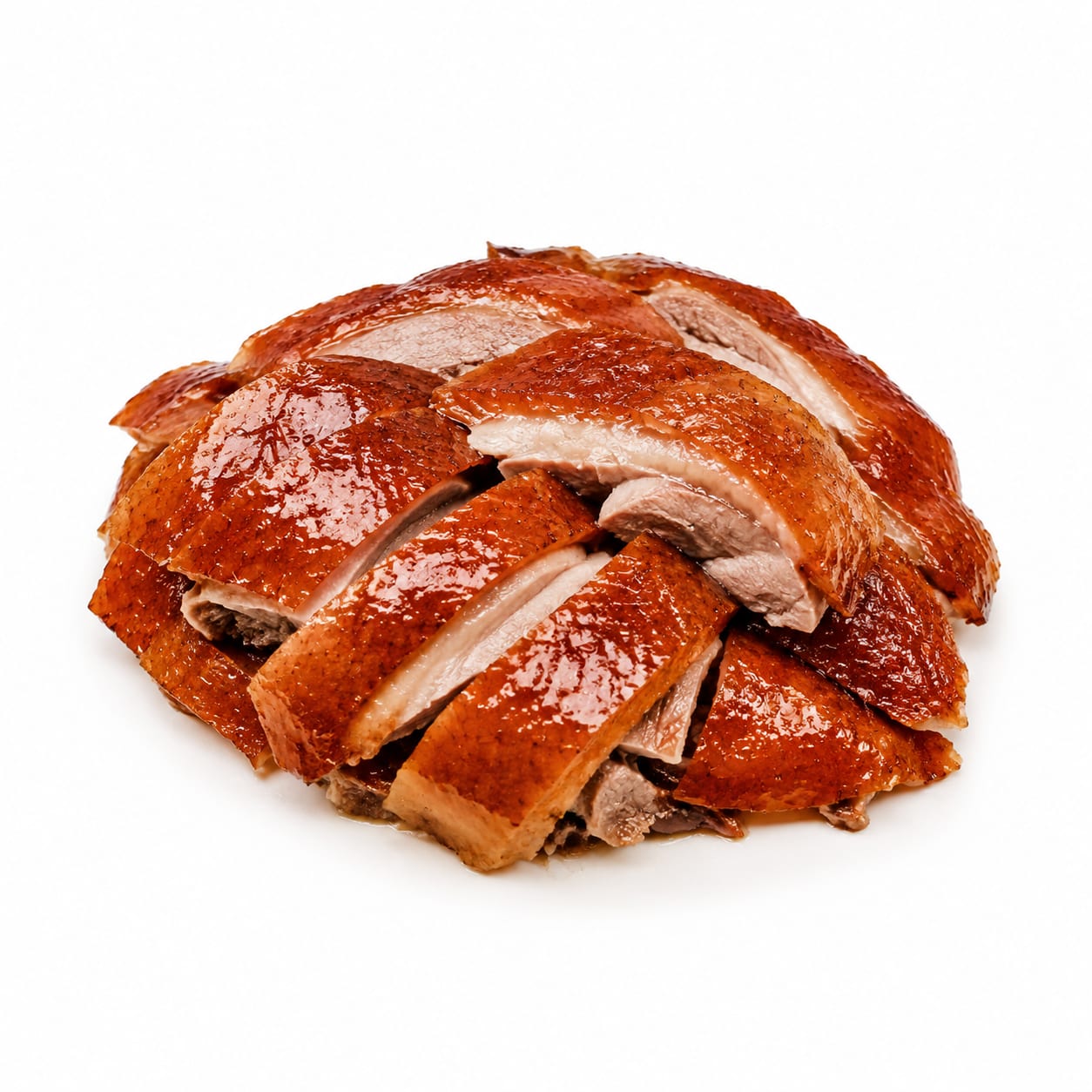
Peking Duck
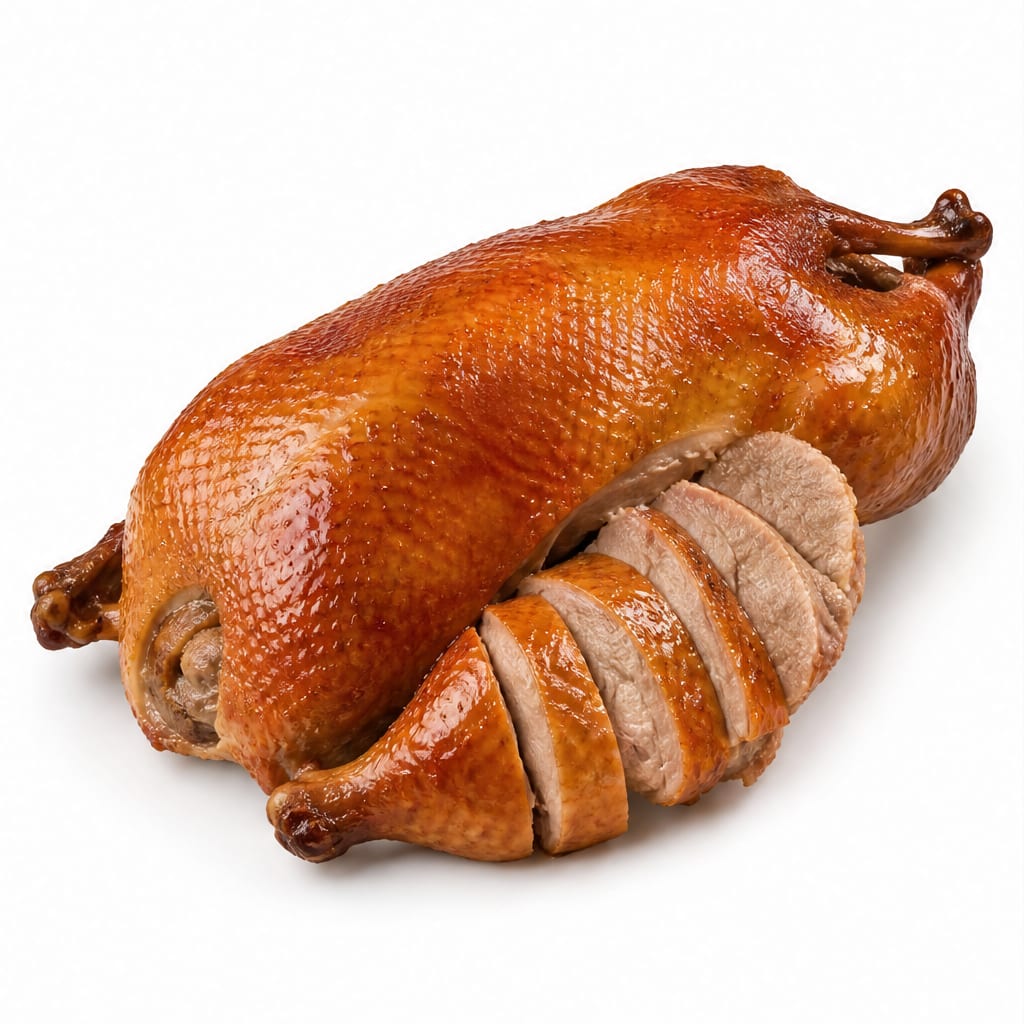
Roast Goose
Peking Duck edges ahead with slightly less fat and more protein per bite, but both are indulgent foods best enjoyed occasionally rather than regularly.
Peking Duck scores moderately due to better protein-to-fat ratio and wider availability, but both lose significant points for high saturated fat, calorie density, and limited everyday suitability. Neither is a health food.
Roast Goose delivers richer, deeper flavor and more satisfying fat, while Peking Duck offers a slightly leaner profile with better protein density.
At a glance
Executive summary
Overall
Peking Duck
Healthier
Peking Duck
More practical
Peking Duck
Daily use
It depends
Key comparison lenses
fat content and cardiovascular impact
Both are high-fat poultry dishes where saturated fat load is the dominant health concern
calorie density and weight management
These are among the most calorie-dense protein options available, making portion control critical
indulgence vs regular eating suitability
Neither food is appropriate for daily consumption, so understanding occasional vs frequent use matters
protein quality amid high fat
Both deliver solid protein but the fat-to-protein ratio heavily favors fat, unlike leaner meats
sodium and preparation additives
Traditional preparations involve glazes, marinades, and sauces that add significant sodium and sugar
Best choice for
Peking Duck
- People watching their saturated fat intake who still want a luxurious meal
- Those seeking higher protein per calorie from their indulgence
- Diners wanting a celebratory dish with slightly less caloric impact
- Anyone new to roasted waterfowl who prefers milder richness
Roast Goose
- Special occasion feasts where maximum flavor impact is the priority
- Diners who find richer foods more satiating with smaller portions
- Those who naturally stop eating sooner with very rich foods
- Traditional Cantonese cuisine enthusiasts seeking authentic experience
Least suitable for
Peking Duck
- People on strict low-fat or low-cholesterol diets
- Anyone managing heart disease who should minimize saturated fat
- Those trying to lose weight who struggle with portion control on rich foods
Roast Goose
- Anyone with cardiovascular concerns requiring strict saturated fat limits
- People counting calories who find small portions of rich food triggering
- Those with gout flares triggered by high-purine foods
- Diners who find very fatty meats heavy or difficult to digest
Deep comparison
Dimension by dimension
Each lens scores both foods and breaks down who each option suits.
- Dimension 1 · Priority 95Peking Duck
fat profile and heart health
Peking Duck · 35Roast Goose · 28Peking Duck carries less total fat and saturated fat per serving, giving it a slight edge for cardiovascular considerations.
Tradeoff
Roast Goose provides more monounsaturated fat from its richer fat content, but the overall saturated fat load outweighs this benefit for most people.
Why it matters
Both dishes are among the highest-fat animal proteins you can order. The difference between them is modest but meaningful if you eat these foods repeatedly.
Real-world impact
A typical Peking Duck serving has roughly 15-20% less saturated fat than an equivalent Roast Goose portion. Over multiple special occasions per year, this adds up.
Peking Duck
- Managing LDL cholesterol
- Reducing overall saturated fat intake
- Keeping calorie load slightly lower at celebratory meals
Better for
- Still very high in saturated fat compared to nearly any other protein
- The crispy skin is the most problematic part and also the most tempting
Worse for
Roast Goose
- Obtaining more oleic acid from goose fat
- Feeling satisfied with a smaller portion due to richer taste
Better for
- Higher saturated fat per serving than Peking Duck
- More total fat means more calories even at the same portion size
- Richer fat content can feel heavier and slow digestion
Worse for
- Dimension 2 · Priority 75Peking Duck
protein quality and density
Peking Duck · 55Roast Goose · 48Peking Duck delivers more protein per calorie and per gram, making it the more efficient protein source of the two.
Tradeoff
Roast Goose still provides complete high-quality protein with all essential amino acids, but you consume significantly more fat to get the same protein amount.
Why it matters
If you are eating these dishes as a protein source rather than purely for indulgence, the protein-to-fat ratio matters for meeting daily targets without overshooting fat.
Real-world impact
To get 25g of protein from Peking Duck, you consume roughly 15g of fat. The same protein from Roast Goose comes with about 20g of fat.
Peking Duck
- Meeting protein targets with less accompanying fat
- Athletes who want indulgence without completely abandoning macro goals
- Higher protein-to-calorie ratio supports better body composition
Better for
- Protein quality is good but the fat baggage is still substantial
- Less protein-dense than chicken breast, turkey, or fish
Worse for
Roast Goose
- Goose protein is equally complete and bioavailable
- The richness may encourage eating less total volume
Better for
- Significantly more fat per gram of protein delivered
- Harder to fit into macro-conscious eating plans
Worse for
- Dimension 3 · Priority 90Peking Duck
calorie density and portion control
Peking Duck · 38Roast Goose · 30Both are extremely calorie-dense, but Peking Duck is slightly easier to manage portion-wise due to lower fat per gram.
Tradeoff
Roast Goose's intense richness can actually help some people eat less, as the fat hits satiety signals faster. This varies wildly by individual.
Why it matters
With foods this calorie-dense, a small portion miscalculation can mean hundreds of extra calories. Understanding your own eating behavior with rich foods is crucial.
Real-world impact
A typical restaurant serving of either dish can easily exceed 800-1200 calories before sides. Peking Duck with pancakes and sauce often reaches 1500+ calories for a full portion.
Peking Duck
- Lower calorie density per gram gives slightly more food volume for the same calories
- Easier to estimate portions when tracking intake
- More commonly available in smaller or half portions
Better for
- Still very easy to overeat, especially with the crispy skin
- Traditional accompaniments like pancakes and hoisin sauce add significant calories
Worse for
Roast Goose
- Extreme richness may naturally limit intake for some eaters
- Smaller portions feel like a complete experience due to intensity
Better for
- Higher calorie density means even small overestimations in portion size add up fast
- Less commonly available in controlled portion sizes
Worse for
- Dimension 4 · Priority 70It depends
sodium and preparation additives
Peking Duck · 32Roast Goose · 32Both preparations involve significant sodium from marinades, glazes, and sauces. The sodium load depends heavily on the specific restaurant and recipe.
Tradeoff
Peking Duck often comes with hoisin sauce which adds sugar and sodium, while Cantonese Roast Goose typically uses a savory marinade with soy sauce and spices.
Why it matters
A single serving of either dish can contain 800-1500mg of sodium, which is a substantial portion of the daily recommended limit.
Real-world impact
If you have blood pressure concerns, both dishes require caution. Requesting sauce on the side and eating smaller portions helps significantly.
Peking Duck
- Hoisin sauce can be served on the side and controlled
- Peking Duck skin preparation uses less soy-based marinade than some goose recipes
Better for
- Hoisin sauce adds both sodium and sugar
- Pancakes add refined carbohydrates that compound the sodium effect
Worse for
Roast Goose
- Traditional goose preparations may use less added sugar than Peking Duck's glaze
- Sauce is often cooked into the bird rather than added tableside, so no hidden extra
Better for
- Deep marinade means sodium penetrates the meat thoroughly and cannot be removed
- Soy sauce-based preparations can be extremely high in sodium
Worse for
- Dimension 5 · Priority 80Roast Goose
satiety and satisfaction
Peking Duck · 65Roast Goose · 72Roast Goose's higher fat content delivers more intense satiety signals, often leaving diners satisfied with less total food.
Tradeoff
Peking Duck offers a more balanced eating experience with accompaniments, while Roast Goose can feel overwhelmingly rich if you eat too much.
Why it matters
Foods that satisfy with less volume help prevent overeating, but only if you respond to fullness cues rather than taste-driven eating.
Real-world impact
Many people find a few ounces of Roast Goose deeply satisfying, while Peking Duck's combination of crispy skin and pancakes encourages eating more total volume.
Peking Duck
- The full Peking Duck experience with pancakes and vegetables creates a more balanced plate
- Lighter richness means you can enjoy more volume without feeling stuffed
Better for
- The combination of fat, refined carbs from pancakes, and sweet sauce can drive overeating
- Less satiating per calorie than Roast Goose
Worse for
Roast Goose
- Intense fat content triggers strong satiety hormones
- Richness creates a natural stopping point for most diners
- Deeper flavor lingers longer, reducing desire for subsequent snacking
Better for
- Can feel uncomfortably heavy if you overeat
- The richness may trigger digestive discomfort in sensitive individuals
Worse for
- Dimension 6 · Priority 60Peking Duck
availability and practicality
Peking Duck · 70Roast Goose · 45Peking Duck is far more widely available globally, with dedicated restaurants in most major cities. Roast Goose is harder to find outside Cantonese culinary hubs.
Tradeoff
Where Roast Goose is available, it is often exceptionally authentic and high-quality. Peking Duck varies more in quality due to wider availability.
Why it matters
A food you can access and prepare properly matters more than theoretical nutritional advantages of something unavailable.
Real-world impact
Most mid-sized cities have at least one restaurant serving Peking Duck. Finding quality Roast Goose often requires a Chinatown or significant Cantonese community.
Peking Duck
- Widely available in Chinese restaurants globally
- Easier to find quality versions at various price points
- More consistent preparation standards across restaurants
Better for
- Quality varies enormously from restaurant to restaurant
- Many places cut corners on the traditional air-drying and roasting process
Worse for
Roast Goose
- Where available, often made by specialists with deep tradition
- Fewer mediocre versions in the market due to specialization
Better for
- Very limited availability outside areas with strong Cantonese communities
- Often requires travel or special ordering to access
Worse for
Timeline
Health impact over time
Short-term
Hours to days
Peking Duck
- Heavy fullness from high fat content, especially if eating skin and pancakes together
- Possible blood sugar spike from hoisin sauce and pancakes followed by a crash
- Thirst from high sodium content in the marinade and sauces
- Satisfying but potentially sluggish feeling an hour after eating
Roast Goose
- Very pronounced fullness and potential digestive heaviness from intense fat content
- Strong thirst from soy-based marinade penetrating the meat
- Possible indigestion or heartburn in sensitive individuals due to richness
- Long-lasting satiety that may eliminate desire for the next meal
Long-term
Months to years
Peking Duck
- Regular consumption would significantly raise saturated fat and cholesterol intake
- Occasional enjoyment as part of an otherwise balanced diet poses minimal risk
- The celebratory nature of the dish makes frequent consumption unlikely for most people
- Sodium contribution matters if eaten alongside other high-sodium foods regularly
Roast Goose
- Even less suitable for frequent consumption than Peking Duck due to higher fat load
- Regular intake would meaningfully increase cardiovascular risk markers
- The purine content in goose may trigger gout in susceptible individuals
- Occasional consumption at traditional gatherings is culturally appropriate and health-manageable
Risk profile
Safety & processing
Both are traditionally prepared whole foods with minimal artificial additives. The processing comes from marinades, glazes, and cooking methods rather than industrial manipulation. Peking Duck's hoisin sauce may contain preservatives and caramel color, while Roast Goose typically relies on simpler soy-based seasonings.
Peking Duck
Undercooked poultry
mediumWhole roasted duck requires thorough cooking. Reputable restaurants are reliable, but inadequate cooking can harbor Salmonella or Campylobacter.
Cross-contamination from preparation surfaces
lowCarving at tableside is traditional and generally safe at established restaurants.
Hoisin sauce additives
lowCommercial hoisin may contain preservatives, caramel color, and MSG. These are low risk for most people but worth noting for sensitive individuals.
Roast Goose
Undercooked poultry
mediumSame poultry safety concerns as duck. Thick goose breasts can sometimes be unevenly cooked.
High-temperature roasting and advanced glycation end products
lowThe long high-heat roasting produces AGEs in the crispy skin, which have inflammatory potential. This is a minor concern for occasional consumption.
Sodium nitrite in some commercial marinades
lowSome preparations may include curing agents. Traditional recipes typically do not, but commercial operations sometimes differ.
Who wins for whom
Audience fit
Same foods, different winners depending on your goal.
children
Peking DuckPeking Duck's milder flavor and fun pancake-wrapping experience appeals more to children. The crispy skin texture is also more approachable for young palates.
daily consumption
It dependsNeither food is appropriate for daily consumption. Both should be reserved for special occasions, ideally no more than once or twice per month.
diabetes
Peking DuckPeking Duck without the pancakes and hoisin sauce has minimal carbohydrate impact. The full traditional meal with accompaniments is problematic for blood sugar. Roast Goose eaten alone has essentially zero carbs but the higher fat load can impair insulin sensitivity over time.
elderly
Peking DuckPeking Duck is slightly easier to digest and less likely to cause the heavy discomfort that Roast Goose can produce in older digestive systems.
muscle gain
Peking DuckMore protein per calorie makes Peking Duck the slightly better choice for supporting muscle growth without excessive fat intake.
weight loss
Peking DuckLower calorie density and slightly less fat per serving make Peking Duck marginally easier to fit into a calorie deficit, though neither is recommended for weight loss.
Your move
Decision guide
Choose Peking Duck
- You want the slightly less calorically devastating option between two indulgent choices
- Protein intake matters to you and you want more protein per calorie
- You are sharing with a group and want the theatrical carving experience
- You prefer milder richness that does not overwhelm the palate
- Your city has limited Cantonese options but solid Peking Duck availability
Choose Roast Goose
- Maximum flavor intensity is your priority and this is a rare treat
- You naturally eat less when food is very rich and satisfying
- You have access to an authentic Cantonese roast goose specialist
- You find that very fatty foods keep you full for hours and prevent snacking
- This is a special cultural or family occasion where goose is traditional
Either works if
- You are celebrating and want a memorable meal regardless of nutritional optimization
- Both are available and you simply prefer the flavor of one over the other
- You plan to eat a small portion and fill up on vegetables and lighter sides
Avoid both if
- You have active cardiovascular disease and need to strictly limit saturated fat
- You are currently trying to lose weight and find rich foods trigger overeating
- You have gout and are sensitive to high-purine foods
- You are managing high blood pressure and need to keep sodium very low
- You have gallbladder issues that make digesting high-fat meals painful
Final recommendation
Choose Peking Duck for a slightly more balanced indulgence with better protein density and wider availability. Choose Roast Goose when you want the most intense, satisfying flavor experience and can stop at a small portion. For both, treat them as celebration foods rather than regular meals, fill half your plate with vegetables, and consider removing some skin to dramatically reduce the fat and calorie impact while keeping the memorable flavor.
Practical
Consumer tips
- 1
Remove the skin before eating to cut fat and calories by roughly 40-50%. You still get the flavor from the meat beneath.
- 2
Ask for hoisin sauce on the side with Peking Duck and use sparingly. This saves significant sugar and sodium.
- 3
Skip the pancakes and wrap duck in lettuce leaves instead for a lower-carb, lower-calorie experience.
- 4
Share either dish with 3-4 people and supplement with steamed vegetables and soup for a more balanced meal.
- 5
Eat slowly and pause between bites. Both foods are so rich that satiety signals need time to register.
- 6
If ordering Roast Goose, request leaner breast meat rather than thigh and leg portions when possible.
- 7
Drink plenty of water before and during the meal to help manage the sodium load and support digestion.
- 8
Consider eating either dish at lunch rather than dinner so you have more of the day to process the heavy fat load.
- 9
Freeze leftover meat and use small amounts in congee or stir-fries over the following week rather than eating another large portion.