
Nutrition comparison
Peking Duck vs Beef Ribeye: Which Premium Protein Is Healthier?
Compare Peking Duck and Beef Ribeye on protein, fat, sodium, and nutrients. Learn which indulgent meat fits your health goals and when to choose each.
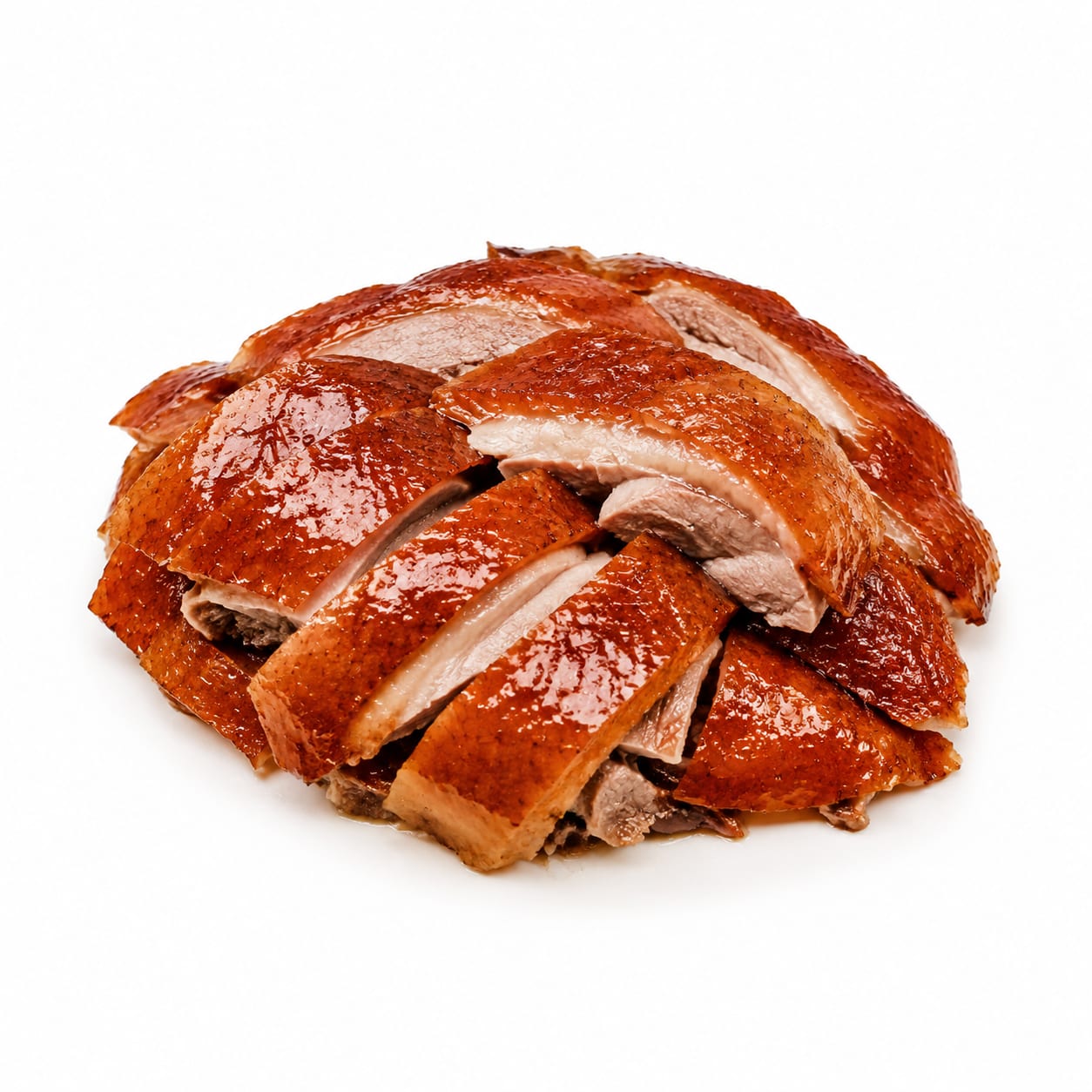
Peking Duck
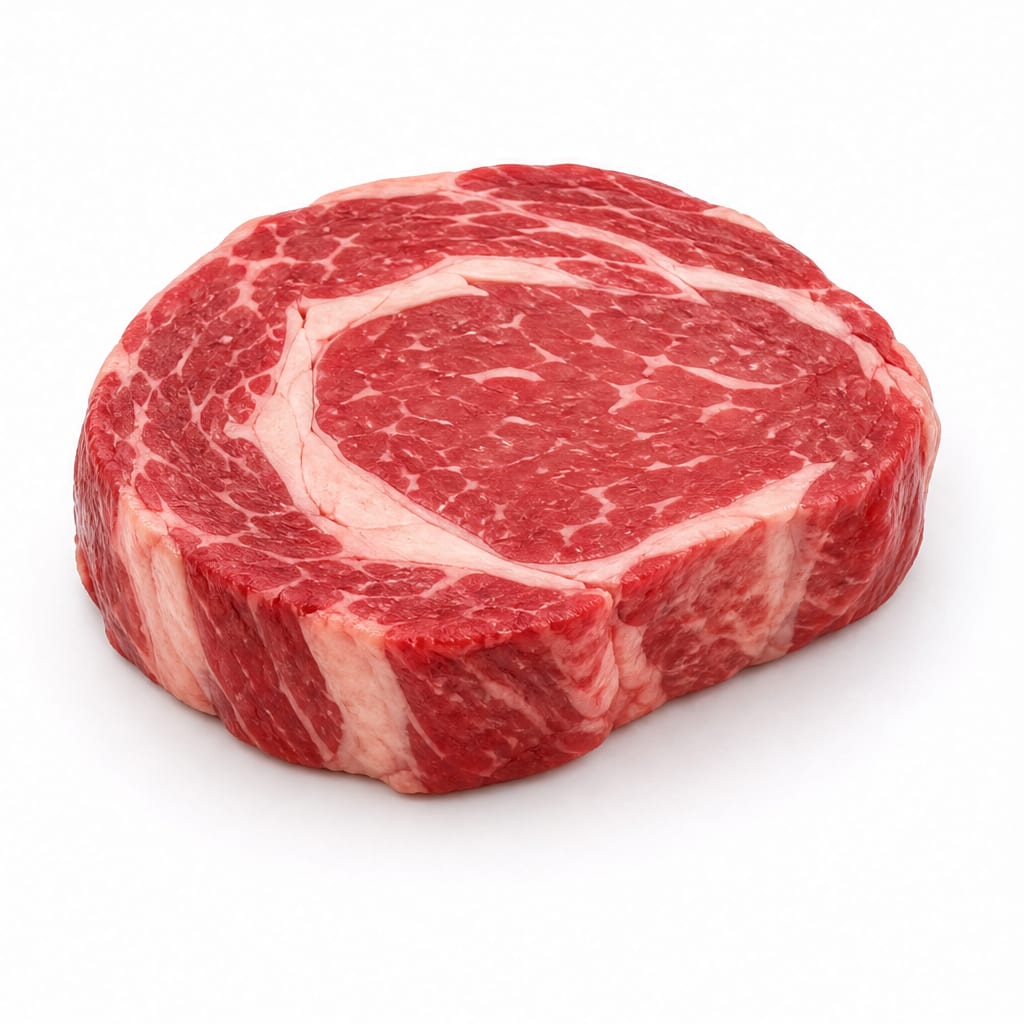
Beef Ribeye
Beef Ribeye wins for protein density and iron, while Peking Duck offers a lighter mouthfeel despite similar fat content. Neither is a daily food.
Beef Ribeye scores moderately higher due to superior protein density, iron content, and versatility. Peking Duck loses ground on sodium and sugar from its traditional preparation, but remains competitive because skin removal offers fat control that ribeye cannot match.
Ribeye delivers more protein and essential minerals per bite, but Peking Duck spreads its fat in the crispy skin rather than throughout the meat, letting you control intake by skinning.
At a glance
Executive summary
Overall
It depends
Healthier
Beef Ribeye
More practical
Beef Ribeye
Daily use
It depends
Key comparison lenses
Premium protein comparison for indulgent dining
Both are luxury protein choices typically reserved for special occasions rather than everyday meals
Saturated fat and heart health tradeoffs
Both deliver high saturated fat loads but from different sources—duck skin vs beef marbling
Protein quality and muscle-building potential
Users choosing between these often want to know which delivers better protein per calorie
Dining occasion suitability
These foods serve very different social and culinary contexts
Nutrient density beyond macronutrients
Iron, B vitamins, and trace minerals differ significantly between poultry and red meat
Best choice for
Peking Duck
- Special occasion dining with shared plates
- Those who prefer poultry over red meat
- People who want controllable fat by removing skin
- Diners seeking a lighter-tasting indulgence
Beef Ribeye
- Muscle gain and athletic recovery
- Iron-deficient individuals
- Those who want maximum protein per serving
- Home cooks who want a simple premium meal
Least suitable for
Peking Duck
- Anyone monitoring sodium closely
- People seeking high protein-to-calorie ratio
- Those avoiding sugar (hoisin sauce pairing)
- Frequent everyday consumption
Beef Ribeye
- People with gout or purine sensitivity
- Those strictly limiting red meat for heart health
- Budget-conscious weekly meal planning
- Anyone avoiding high saturated fat intake
Deep comparison
Dimension by dimension
Each lens scores both foods and breaks down who each option suits.
- Dimension 1 · Priority 95Beef Ribeye
Protein Quality and Density
Peking Duck · 55Beef Ribeye · 88Ribeye delivers significantly more complete protein per ounce with a stronger amino acid profile for muscle synthesis.
Tradeoff
Peking Duck protein is concentrated in the breast meat, but the skin-to-meat ratio means fewer grams of protein per calorie consumed.
Why it matters
If you are eating a premium protein meal to support training or recovery, Ribeye gives you more building blocks per bite.
Real-world impact
A 6oz Ribeye provides roughly 46g protein vs roughly 34g from an equivalent portion of Peking Duck breast with skin.
Peking Duck
- Those who eat smaller portions and want moderate protein
Better for
- Post-workout recovery meals
Worse for
Beef Ribeye
- Athletes and lifters needing high protein intake
- Anyone tracking macros for body composition
Better for
- Those who find large protein portions heavy at night
Worse for
- Dimension 2 · Priority 90It depends
Fat Profile and Heart Health Impact
Peking Duck · 52Beef Ribeye · 48Both are high-fat indulgences, but Peking Duck fat is more removable and slightly less saturated, while Ribeye marbling is inseparable from the meat.
Tradeoff
Duck skin carries most of the fat and can be discarded, but eating it as intended delivers a massive saturated fat hit. Ribeye marbling cannot be separated, but the total saturated fat per serving is often lower than a fully skinned duck portion.
Why it matters
Heart health decisions here depend more on how you eat the food than the food itself.
Real-world impact
Removing duck skin cuts fat intake by roughly 60%, turning a heavy indulgence into a moderate meal. No equivalent trick exists for Ribeye.
Peking Duck
- Diners willing to skip the skin for a leaner meal
- Those who prefer monounsaturated fats over saturated
Better for
- Anyone who cannot resist the crispy skin
Worse for
Beef Ribeye
- Consistent portion control without needing modification
- Those who want fat evenly distributed for cooking flavor
Better for
- People strictly limiting saturated fat from red meat
Worse for
- Dimension 3 · Priority 85Beef Ribeye
Micronutrient Density
Peking Duck · 58Beef Ribeye · 82Ribeye is a powerhouse of bioavailable iron, zinc, and B12, while Peking Duck offers respectable but lower levels of these critical nutrients.
Tradeoff
Duck provides more selenium and some niacin, but the gap in iron and B12 is substantial and clinically meaningful for deficient individuals.
Why it matters
Red meat remains one of the most efficient dietary sources of heme iron and B12, nutrients that plant foods struggle to deliver.
Real-world impact
A single Ribeye serving can provide over 100% of daily B12 needs and roughly 30% of iron needs. Duck covers about half that.
Peking Duck
- Those who already have adequate iron stores
- People seeking selenium support for thyroid health
Better for
- Anemia-prone individuals relying on diet alone
Worse for
Beef Ribeye
- Anyone with diagnosed iron deficiency
- Older adults at risk for B12 insufficiency
- Women of reproductive age needing heme iron
Better for
- People with hemochromatosis who must limit iron
Worse for
- Dimension 4 · Priority 80Beef Ribeye
Sodium and Preparation Additives
Peking Duck · 35Beef Ribeye · 72Traditional Peking Duck preparation involves significant sodium and sugar, while a simple Ribeye needs only salt to taste.
Tradeoff
Restaurant Peking Duck is pre-brined, glazed, and served with hoisin sauce, adding hidden sodium and sugar. Ribeye's sodium is almost entirely under your control.
Why it matters
For blood pressure management, the hidden sodium in Peking Duck can easily exceed a full day's recommended intake in one meal.
Real-world impact
A full Peking Duck meal with pancakes and sauce can deliver 2000-3000mg sodium. A home-seasoned Ribeye typically lands under 600mg.
Peking Duck
- Those who share the dish and eat smaller portions
Better for
- Salt-sensitive individuals
- Those eating the full traditional preparation
Worse for
Beef Ribeye
- Anyone monitoring blood pressure
- Home cooks who want full sodium control
Better for
- Restaurant preparations with heavy seasoning
Worse for
- Dimension 5 · Priority 75Beef Ribeye
Satiety and Fullness
Peking Duck · 62Beef Ribeye · 80Ribeye's dense protein and intramuscular fat create longer-lasting fullness than Peking Duck's leaner breast meat beneath the skin.
Tradeoff
Duck feels rich initially due to the crispy skin, but the underlying breast meat is surprisingly lean and less satiating. Ribeye maintains steady fullness for hours.
Why it matters
If you are eating one indulgent meal and want to avoid snacking later, Ribeye does a better job keeping you satisfied.
Real-world impact
After a Ribeye dinner, most people report feeling full for 4-5 hours. Peking Duck eaters often feel hungry again within 3 hours despite similar calorie intake.
Peking Duck
- Those who prefer a lighter post-meal feeling
- Diners eating multiple courses
Better for
- Late-night diners prone to after-dinner cravings
Worse for
Beef Ribeye
- One-meal diners who need lasting fullness
- Those using steak dinners to reduce overall daily snacking
Better for
- Anyone who finds heavy meals disruptive to sleep
Worse for
- Dimension 6 · Priority 70Beef Ribeye
Versatility and Home Cooking Practicality
Peking Duck · 30Beef Ribeye · 85Ribeye is straightforward to cook at home with excellent results, while authentic Peking Duck requires specialized equipment and days of preparation.
Tradeoff
You can sear a beautiful Ribeye in 10 minutes at home. Peking Duck realistically requires a restaurant or professional setup to experience properly.
Why it matters
For regular premium protein meals at home, Ribeye is accessible. Peking Duck remains a restaurant-only experience for most people.
Real-world impact
Home cooks can master Ribeye in one session. Authentic Peking Duck requires air-drying, a specialized oven, and glazing techniques most home kitchens cannot replicate.
Peking Duck
- Restaurant celebration meals
- Experienced cooks with specialized equipment
Better for
- Weeknight home dinners
- Anyone without access to a Chinese restaurant
Worse for
Beef Ribeye
- Home cooks wanting a premium weekend dinner
- Meal prep enthusiasts who cook in bulk
Better for
- Diners seeking a theatrical shared dining experience
Worse for
Timeline
Health impact over time
Short-term
Hours to days
Peking Duck
- High sodium from traditional preparation may cause bloating and thirst
- Rich skin fat can trigger sluggishness or heartburn in sensitive individuals
- Sugar from hoisin sauce may cause a brief energy spike followed by a dip
Beef Ribeye
- Dense protein and fat promote extended satiety without blood sugar swings
- High iron content may cause constipation in sensitive individuals
- Heavy fat load can trigger digestive discomfort if eaten too quickly
Long-term
Months to years
Peking Duck
- Frequent consumption of the full traditional preparation raises cardiovascular risk through saturated fat and sodium
- Moderate duck breast consumption without skin is a reasonable poultry protein source
- Heme iron from duck is less concentrated than beef, potentially lower risk for colon concerns
Beef Ribeye
- Regular red meat consumption is associated with elevated cardiovascular and colorectal cancer risk in population studies
- Excellent for maintaining muscle mass and preventing age-related iron and B12 deficiency
- Saturated fat load warrants portion awareness if eaten more than once per week
Risk profile
Safety & processing
Beef Ribeye is a single-ingredient food at its core—season and cook. Peking Duck undergoes multi-step processing including air-drying, glazing with sugar and soy, and specialized roasting, introducing more additives and sodium by the time it reaches your plate.
Peking Duck
Sodium nitrite from curing agents in some commercial preparations
mediumSome restaurants use curing salts to enhance color and preservation, adding nitrite exposure that pure roast duck would not contain.
Cross-contamination in restaurant preparation
lowShared kitchen environments in busy restaurants introduce standard foodborne illness risk, particularly for poultry.
Heterocyclic amines from high-heat roasting
mediumThe prolonged high-heat roasting of duck skin creates compounds associated with cancer risk when consumed frequently over time.
Beef Ribeye
Heme iron and colorectal cancer association
mediumRegular consumption of red meat containing heme iron is classified as a probable carcinogen by IARC when eaten frequently.
Undercooking and foodborne pathogens
lowRibeye is often served medium-rare, which is generally safe for whole cuts but carries slight risk compared to fully cooked meat.
Antibiotic and hormone residues in conventional beef
mediumConventionally raised beef may contain trace antibiotic and hormone residues, mitigated by choosing grass-fed or organic options.
Who wins for whom
Audience fit
Same foods, different winners depending on your goal.
children
Beef RibeyeRibeye's iron and B12 content supports growing bodies, and the straightforward preparation avoids the high sodium and sugar present in Peking Duck.
daily consumption
It dependsNeither food is ideal for daily consumption due to saturated fat content. If forced to choose, skinless duck breast eaten occasionally is the lighter option.
diabetes
Beef RibeyeRibeye contains zero carbohydrates and no added sugar, while traditional Peking Duck service includes hoisin sauce and pancakes that spike blood sugar.
elderly
Beef RibeyeOlder adults benefit most from Ribeye's concentrated B12, bioavailable iron, and zinc for immune support, provided portions are moderate.
muscle gain
Beef RibeyeRibeye provides more complete protein per serving along with creatine and higher zinc, directly supporting muscle tissue growth and recovery.
weight loss
Peking DuckSkinless Peking Duck breast delivers solid protein with fewer calories and less fat than Ribeye, making it the better option if you can resist the skin.
Your move
Decision guide
Choose Peking Duck
- You are celebrating at a Chinese restaurant and want the authentic experience
- You prefer poultry and want a leaner option by removing the skin
- You are sharing a meal with a group and want a communal dining experience
- You want to limit red meat intake for personal health reasons
Choose Beef Ribeye
- You want maximum protein and micronutrients per calorie
- You are cooking at home and want a straightforward premium meal
- You need lasting fullness without carbohydrate-driven cravings
- You are an athlete or lifter prioritizing recovery nutrition
Either works if
- You are dining out for a special occasion and both are available
- You have no specific dietary restrictions and want an indulgent meal
- You are comfortable with high saturated fat in moderation
Avoid both if
- You have active cardiovascular disease and need strict saturated fat limits
- You are following a low-fat diet for gallbladder or pancreatic conditions
- You need to keep daily sodium under 1500mg
- You eat rich meals more than twice per week already
Final recommendation
For most people seeking a premium protein meal at home, Beef Ribeye is the more practical and nutrient-dense choice. Reserve Peking Duck for restaurant celebrations where the experience matters more than the nutrition profile. If you choose duck, eating the breast without skin transforms it from an indulgence into a reasonably healthy poultry option.
Practical
Consumer tips
- 1
Ask for Peking Duck breast without skin if you want a leaner meal—you lose the signature crunch but cut fat dramatically
- 2
Choose grass-fed Ribeye when possible for a better omega-3 to omega-6 ratio and no antibiotic residues
- 3
Limit either food to once per week maximum to keep saturated fat intake within healthy bounds
- 4
If ordering Peking Duck, go light on the hoisin sauce and skip a pancake or two to reduce sugar and refined carbs
- 5
Pair Ribeye with roasted vegetables or a large salad to add fiber and micronutrients that the meat lacks
- 6
Refrigerate and skim the fat from leftover duck broth for a lighter second meal