
Nutrition comparison
Peking Duck vs Pork Ribs: Which Indulgence Is the Smarter Choice?
Compare Peking Duck and Pork Ribs on fat quality, protein, sodium, calories, and health impact. Find out which rich meat is the better occasional indulgence for your goals.
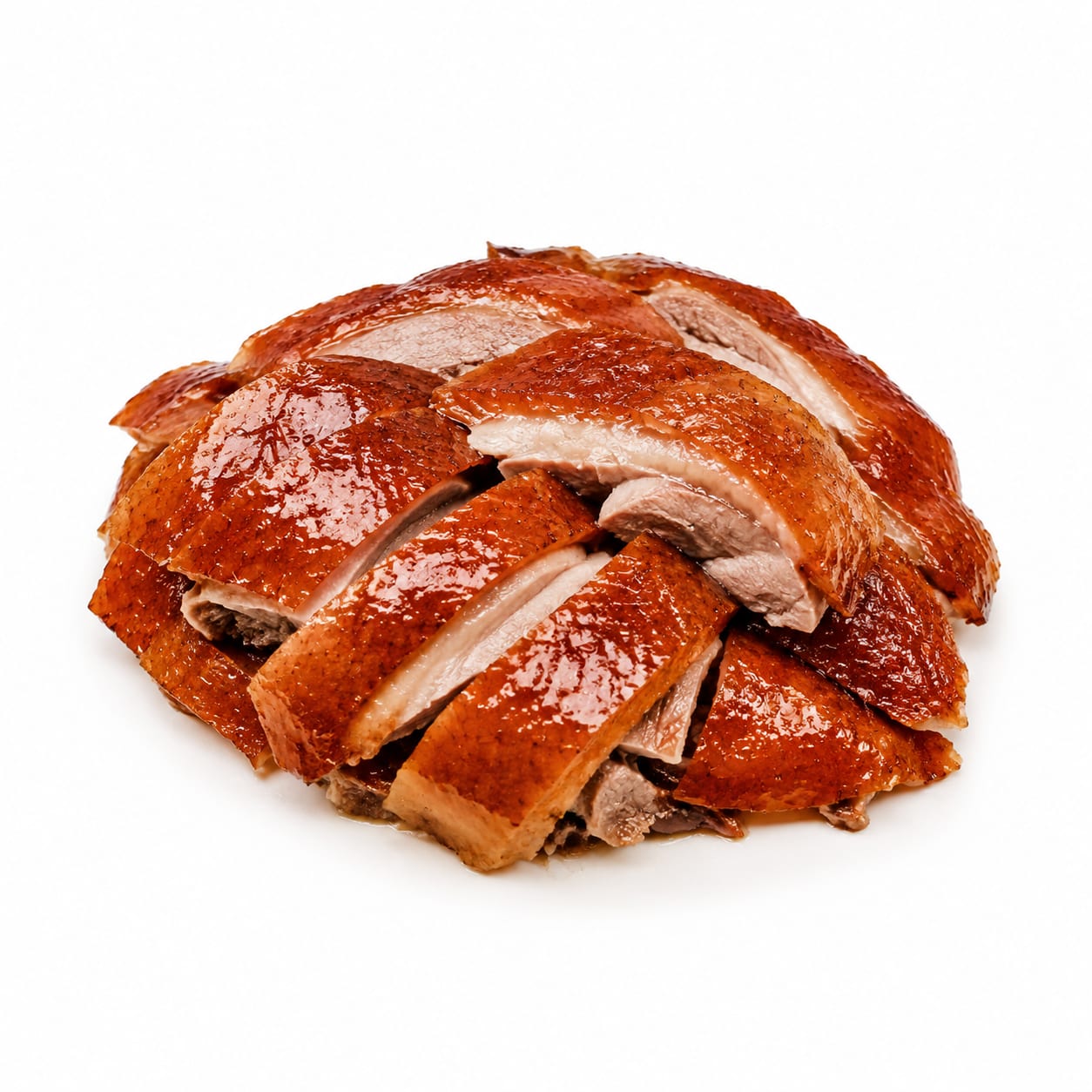
Peking Duck
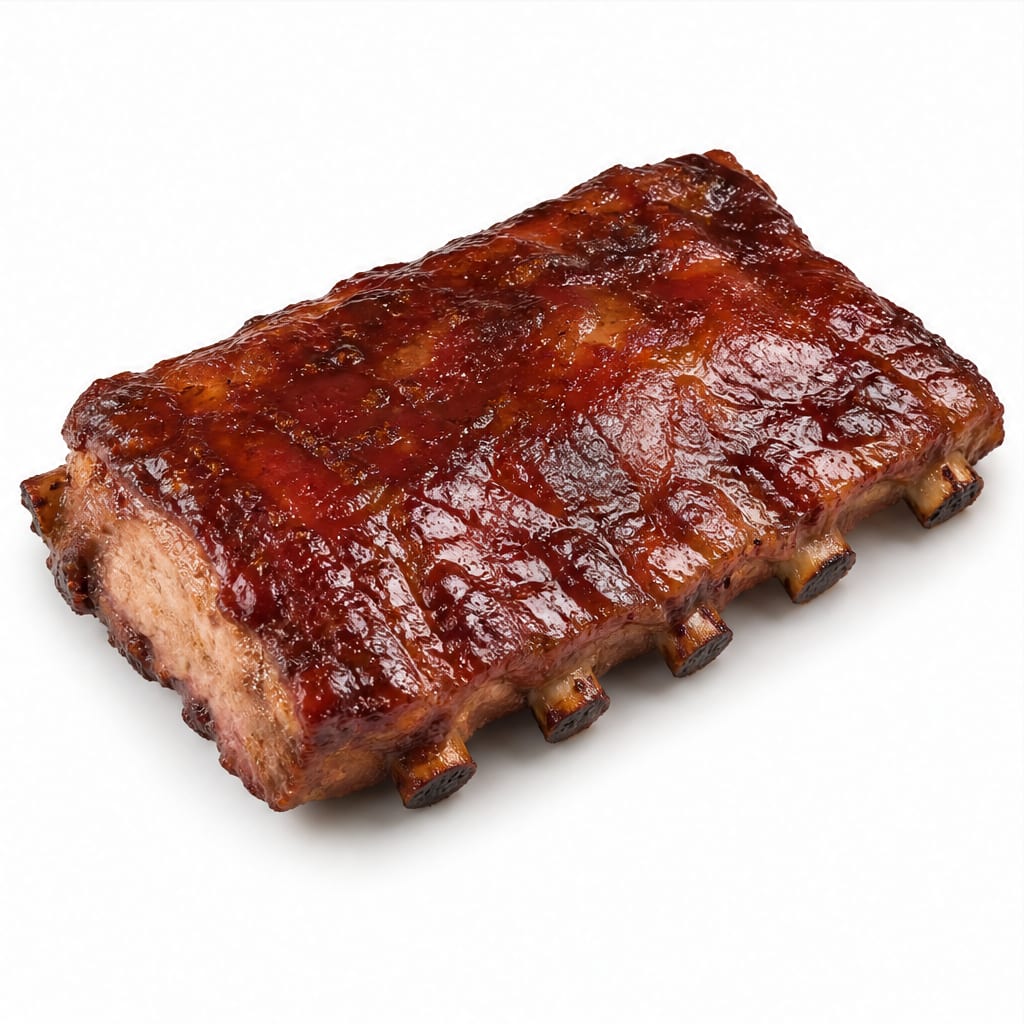
Pork Ribs
Peking Duck wins on fat quality and portion control, while Pork Ribs win on protein density and satisfying stick-to-your-ribs fullness — but both are indulgent foods best enjoyed occasionally.
Peking Duck scores slightly higher due to a more favorable fat profile with more monounsaturated fat and less saturated fat per serving. Pork Ribs fall behind mainly because of higher saturated fat, frequent added sugars from sauces, and greater sodium variability. Both score low overall because neither is a health-forward choice — they are indulgence foods, and the scores reflect that reality.
Better fat profile and easier portioning versus more protein and stronger satiety, with both carrying heavy calorie and sodium loads
At a glance
Executive summary
Overall
It depends
Healthier
Peking Duck
More practical
Pork Ribs
Daily use
It depends
Key comparison lenses
heart health and fat quality
Both are high-fat meats, but the type of fat differs significantly — duck fat is richer in monounsaturated fat while pork ribs carry more saturated fat
calorie density and weight management
Both are calorie-dense indulgence foods, so understanding which is easier to moderate matters for real-world eating
sodium and processing concerns
Pork ribs are often slathered in BBQ sauce or cured with salt, while Peking duck uses a savory glaze — both can deliver heavy sodium loads
protein quality and satiety
Users choosing between these want to know which keeps them fuller and delivers better protein per calorie
celebration vs regular meal feasibility
Neither is a daily staple for most people, so understanding how they fit into occasional indulgence matters
Best choice for
Peking Duck
- People prioritizing heart-healthier fat profiles
- Those who prefer built-in portion control from restaurant serving
- Diners wanting a richer flavor with slightly less saturated fat
- Anyone watching saturated fat intake while still indulging
Pork Ribs
- Those seeking maximum protein per serving
- People wanting longer-lasting fullness from a single meal
- Backyard cooks and BBQ enthusiasts preparing food at home
- Athletes needing high-protein recovery meals
Least suitable for
Peking Duck
- People strictly limiting sodium — restaurant preparations are very salty
- Anyone tracking calories closely — the crispy skin is deceptively calorie-dense
- Those who struggle with overeating rich foods
Pork Ribs
- People managing heart disease or high cholesterol — high saturated fat content
- Those avoiding added sugars — BBQ sauce adds significant sugar
- Anyone on a low-sodium diet — ribs are often heavily salted or sauced
Deep comparison
Dimension by dimension
Each lens scores both foods and breaks down who each option suits.
- Dimension 1 · Priority 95Peking Duck
Fat Quality and Heart Health
Peking Duck · 55Pork Ribs · 35Duck fat is surprisingly rich in monounsaturated fat — similar to olive oil in its oleic acid content. Pork ribs carry notably more saturated fat, which raises LDL cholesterol more aggressively.
Tradeoff
Peking Duck still packs a lot of total fat and calories, so the better fat profile does not make it a heart-healthy food — just a less concerning one.
Why it matters
For anyone with family history of heart disease or managing cholesterol, the saturated fat difference is the single most meaningful nutritional distinction between these two.
Real-world impact
Choosing Peking Duck over Pork Ribs a few times a year is unlikely to move the needle on heart health either way, but if you indulge monthly, the fat type difference starts to accumulate.
Peking Duck
- People with elevated LDL cholesterol
- Those following Mediterranean-style fat preferences
- Diners who want richer flavor with less saturated fat guilt
Better for
- Anyone assuming duck is lean — the skin is extremely fat-dense
Worse for
Pork Ribs
- Those who trim visible fat before eating
- People eating ribs without sugary sauce
Better for
- People with existing heart conditions
- Anyone whose doctor has recommended reducing saturated fat
Worse for
- Dimension 2 · Priority 85Pork Ribs
Protein Density and Satiety
Peking Duck · 45Pork Ribs · 65Pork ribs deliver more protein per ounce of edible meat, and the dense chewiness keeps you full longer. Peking Duck loses protein density because so much of the serving weight is crispy fat and skin.
Tradeoff
Ribs give you more protein but it comes packaged with more saturated fat. The satiety win is real, but the nutritional cost is also real.
Why it matters
If you are eating one of these after a long day or a workout, the ribs will keep you satisfied for hours while the duck may leave you hunting for snacks sooner.
Real-world impact
A rack of ribs feels like a complete meal. Peking Duck often needs sides like rice and vegetables to feel filling enough, which adds more calories to the total.
Peking Duck
- Those eating duck as part of a multi-course meal with filling sides
- People who prefer lighter protein portions
Better for
- People relying on a single dish for fullness
Worse for
Pork Ribs
- Athletes needing post-workout protein
- Anyone who wants one plate to hold them for hours
- People doing intermittent fasting who need one satisfying meal
Better for
- Those who overeat because the food stays in front of them
Worse for
- Dimension 3 · Priority 85Peking Duck
Sodium and Added Sugar Load
Peking Duck · 40Pork Ribs · 25Both are salty, but pork ribs often get hit with a double load: heavy salt rubs or brines plus sugary BBQ sauce. Peking duck uses a savory glaze that is high in sodium but typically lower in added sugar.
Tradeoff
Neither is low-sodium, but ribs are more likely to push you past your daily sodium and sugar limits in a single sitting, especially at restaurants or with bottled sauce.
Why it matters
A single serving of BBQ ribs can deliver 1000-2000mg of sodium and 20-40g of added sugar. That combo is rough on blood pressure and blood sugar simultaneously.
Real-world impact
After a ribs dinner, you might wake up puffy and thirsty. After Peking Duck, you will still be thirsty, but the blood sugar spike is usually less dramatic.
Peking Duck
- People watching added sugar intake
- Those trying to avoid the sodium-sugar double hit
Better for
- Anyone on a strict low-sodium diet — the glaze is still very salty
Worse for
Pork Ribs
- Home cooks who make dry-rub ribs without sauce
- Those who control the seasoning themselves
Better for
- People with hypertension eating restaurant BBQ
- Those managing diabetes who also need to limit sugar
Worse for
- Dimension 4 · Priority 80Peking Duck
Calorie Density and Portion Control
Peking Duck · 45Pork Ribs · 35Peking Duck is calorie-dense but typically served in smaller, more structured portions at restaurants. Pork ribs encourage overeating because they are finger food that sits in front of you.
Tradeoff
Duck is easier to portion but deceptively caloric per bite due to the skin. Ribs are harder to stop eating but the calorie math is more transparent — you can see the fat.
Why it matters
The food you cannot stop eating is the one that wrecks your calorie budget, even if it has slightly fewer calories per ounce.
Real-world impact
Most people eat 2-3 times more ribs than they planned. With Peking Duck, the restaurant pacing and shared serving style naturally limits intake.
Peking Duck
- People who struggle with portion control
- Those eating in a shared-dish setting
- Diners who want a taste of indulgence without going overboard
Better for
- Anyone who eats the entire skin portion — that is where most calories hide
Worse for
Pork Ribs
- Those with strong self-regulation around food
- People who pre-plate their portions
Better for
- Mindless eaters and social grazers
- People at BBQ parties where food stays out for hours
Worse for
- Dimension 5 · Priority 75Peking Duck
Inflammatory Potential
Peking Duck · 45Pork Ribs · 30High saturated fat intake from pork ribs promotes more inflammatory signaling than the monounsaturated-rich duck fat. BBQ charring on ribs adds advanced glycation end products that further drive inflammation.
Tradeoff
Duck is less inflammatory on paper, but any heavily roasted meat with crispy skin still carries inflammatory compounds. The difference is meaningful but not dramatic.
Why it matters
If you have joint pain, autoimmune issues, or chronic inflammation, the saturated fat and char on ribs can noticeably worsen symptoms within a day or two.
Real-world impact
After a ribs dinner, people with inflammatory conditions often report stiffer joints and more bloating the next morning. Duck is not anti-inflammatory, but the reaction tends to be milder.
Peking Duck
- People with arthritis or joint issues
- Those managing autoimmune flare-ups
- Anyone who notices inflammation after heavy meals
Better for
- Anyone who eats the most charred, crispy skin pieces
Worse for
Pork Ribs
- Those who avoid charring by slow-cooking ribs at lower temperatures
Better for
- People eating heavily charred, sauce-covered ribs
- Those prone to post-meal inflammation flare-ups
Worse for
- Dimension 6 · Priority 70Pork Ribs
Practicality and Home Preparation
Peking Duck · 25Pork Ribs · 60Pork ribs are straightforward to prepare at home with a grill, oven, or slow cooker. Peking Duck requires specialized technique, equipment, and multiple days of prep for authentic results.
Tradeoff
Ribs are accessible for home cooks but easy to make poorly. Duck is nearly impossible to replicate well at home, so you are stuck with restaurant quality and pricing.
Why it matters
The food you can make at home gives you control over ingredients, sodium, and sugar. That control often matters more than the theoretical nutrition profile.
Real-world impact
A home-cooked rack of ribs with a dry rub and no sauce is genuinely different nutritionally from restaurant BBQ. Home Peking Duck is basically not happening for most people.
Peking Duck
- Those who prefer restaurant experiences
- People comfortable with less control over preparation
Better for
- Anyone wanting to control sodium and sugar at home
- Budget-conscious diners — restaurant Peking Duck is expensive
Worse for
Pork Ribs
- Home cooks who want to control ingredients
- Those who meal prep or cook in batches
- People who enjoy slow-cooking as a hobby
Better for
- Those who default to bottled BBQ sauce and pre-made rubs
Worse for
Timeline
Health impact over time
Short-term
Hours to days
Peking Duck
- Quick feeling of fullness from fat content, but it may fade faster than expected
- Likely thirst from high sodium in the glaze
- Possible sluggishness an hour after eating due to fat digestion load
- Blood sugar remains relatively stable if eaten without sweet sauces or pancakes
Pork Ribs
- Heavy, lasting fullness that can persist for many hours
- Strong thirst from sodium, especially with BBQ sauce or brine
- Possible blood sugar spike from sugary sauce followed by a crash
- More pronounced food coma due to combined fat, sugar, and sodium load
Long-term
Months to years
Peking Duck
- Occasional consumption has minimal health impact for most people
- Regular intake could raise total fat and calorie intake significantly
- The monounsaturated fat profile is less concerning for cardiovascular risk than saturated alternatives
- Frequent restaurant consumption means consistently high sodium exposure
Pork Ribs
- Regular consumption meaningfully increases saturated fat and LDL cholesterol
- Frequent BBQ sauce exposure adds chronic added sugar to the diet
- Charred meat compounds from grilling may increase cancer risk with high regular intake
- The combination of high sodium and saturated fat is particularly concerning for heart health over time
Risk profile
Safety & processing
Both are whole-meat dishes but neither is minimally processed. Peking Duck undergoes multi-day preparation with glazes, air-drying, and roasting that alter the meat substantially. Pork ribs often receive brines, rubs, or sauces with preservatives and added flavors. Home-prepared dry-rub ribs are the closest either gets to natural, while restaurant versions of both carry more additives than most people realize.
Peking Duck
Inadequate cooking of thick meat sections
mediumWhole duck can cook unevenly, leaving thicker sections underdone. Restaurant preparation usually handles this well, but home attempts are riskier.
Cross-contamination from raw poultry handling
mediumDuck is poultry and carries salmonella risk. Restaurant kitchens manage this routinely, but home cooks may not take proper precautions.
Sodium nitrite in some commercial preparations
lowSome restaurant suppliers use sodium nitrite for color preservation. This is less common with duck than with pork but worth knowing about.
Pork Ribs
Heterocyclic amines from high-heat grilling
highCharring ribs over direct flame creates HCAs, which are probable carcinogens. The more charred the meat, the higher the exposure.
Sodium nitrites in cured or smoked ribs
mediumMany commercial ribs and smoked preparations use sodium nitrite. When combined with high-heat cooking, nitrites can form additional carcinogenic compounds.
Undercooked pork near the bone
mediumRibs near the bone can remain undercooked even when the outer meat looks done. This is less dangerous than in the past due to improved farming, but still a real concern.
Who wins for whom
Audience fit
Same foods, different winners depending on your goal.
children
Pork RibsKids tend to enjoy the familiar, hands-on eating experience of ribs more than the complex flavors of Peking Duck. Ribs are also easier to prepare at home where parents control ingredients.
daily consumption
It dependsNeither should be eaten daily. Both are indulgence foods with high fat, sodium, and calorie loads that become problematic with regular consumption.
diabetes
Peking DuckPeking Duck avoids the large added sugar load that BBQ ribs carry. The fat-heavy profile slows digestion and prevents sharp blood sugar spikes, though neither is ideal.
elderly
Peking DuckPeking Duck is more tender and easier to chew than ribs, which can be tough near the bone. The softer texture is gentler on aging teeth and digestion.
muscle gain
Pork RibsPork ribs deliver more protein per serving and the dense meat supports muscle recovery better. The high calorie content also helps those in a gaining phase.
weight loss
Peking DuckPeking Duck is typically served in smaller, shared portions that naturally limit calorie intake. The structured restaurant setting prevents the mindless overeating that ribs encourage.
Your move
Decision guide
Choose Peking Duck
- You want a richer, more refined dining experience with slightly better fat quality
- You are watching saturated fat or have cholesterol concerns
- You prefer built-in portion control from restaurant serving style
- You are eating with a group and sharing dishes
- You want to avoid the sugar crash from BBQ sauce
Choose Pork Ribs
- You want maximum protein and long-lasting fullness
- You are cooking at home and want ingredient control
- You are feeding a crowd at a casual gathering
- You crave the hands-on, satisfying experience of eating with your hands
- You need a high-calorie meal after intense physical activity
Either works if
- You are celebrating and want an indulgent meal — both deliver on that front
- You eat rich meats only occasionally, so the nutritional differences are minor
- You are comfortable balancing the rest of your day with lighter foods
Avoid both if
- You are managing active heart disease or severe hypertension
- You are on a strict low-fat or low-calorie diet
- You have gout — both are high-purine foods that can trigger flares
- You need to limit sodium below 1500mg per day
Final recommendation
For most people choosing between these two as an occasional indulgence, Peking Duck is the slightly smarter pick due to better fat quality and natural portion control. But if you are cooking at home with a dry rub and no sugary sauce, pork ribs close the gap significantly. The real decision comes down to context: restaurant celebration favors duck, backyard cooking favors ribs. Neither belongs on your weekly rotation, but both can fit in a balanced life when you plan around them.
Practical
Consumer tips
- 1
Skip the duck skin to cut calories and fat dramatically — though you lose the signature crispiness that makes it special
- 2
Ask for BBQ sauce on the side when ordering ribs so you control the sugar and sodium dose
- 3
If making ribs at home, use a dry rub without sugar and slow-cook at lower temperatures to reduce charring and HCAs
- 4
Pair either dish with large portions of vegetables to balance the meal and add fiber
- 5
Drink extra water before and after eating either dish to help your body handle the sodium load
- 6
Limit yourself to one of these per month if you have any cardiovascular risk factors
- 7
If ordering Peking Duck, share it — a single duck easily serves four people, which naturally controls portions
- 8
Choose pork ribs over beef ribs if you want slightly less saturated fat in the rib category