
Nutrition comparison
Peking Duck vs Roast Pork Belly: Which Is Healthier?
Compare Peking Duck and Roast Pork Belly to discover which indulgent roasted meat has better fat quality, more protein, and fewer health risks.
Overall winner · Peking Duck
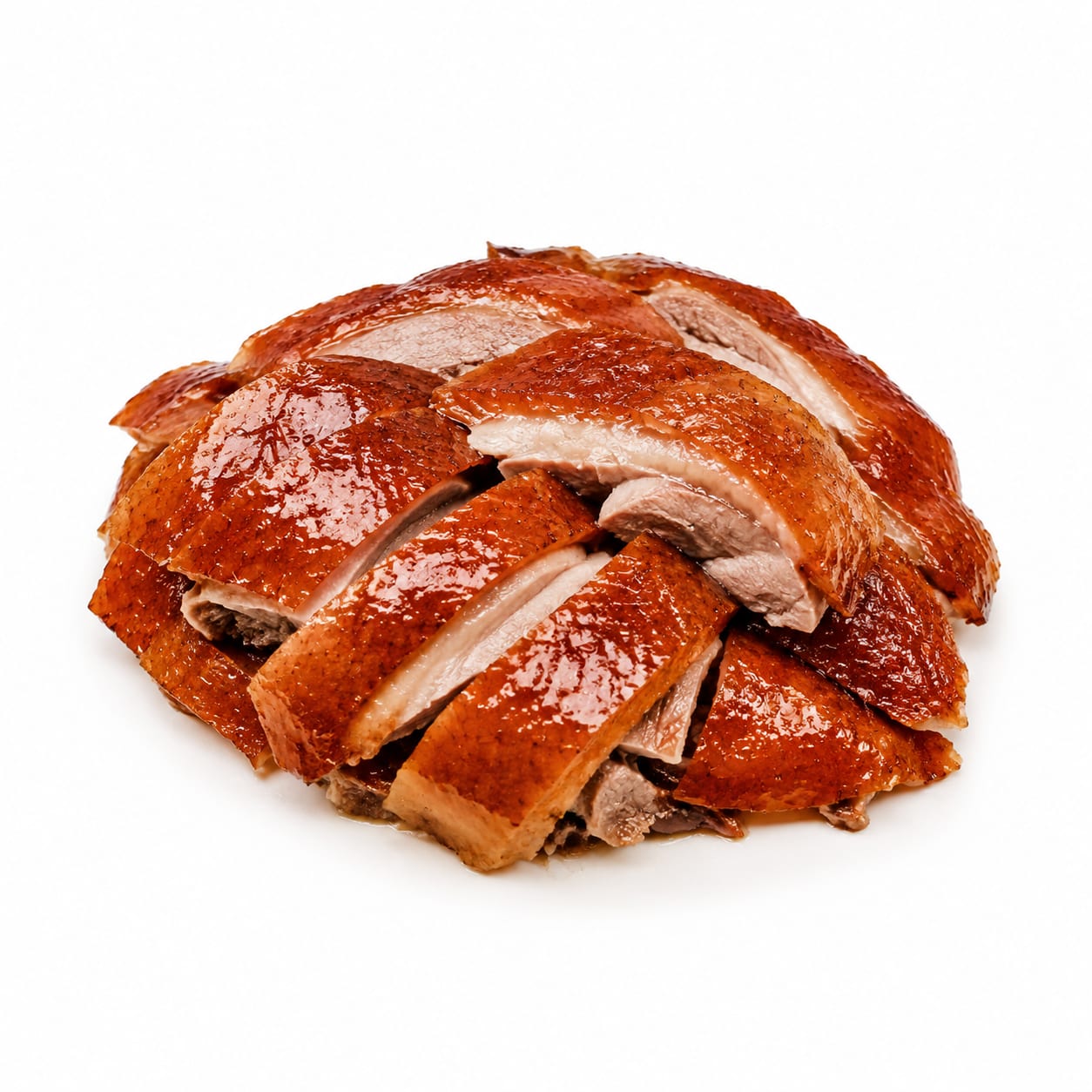
Peking Duck
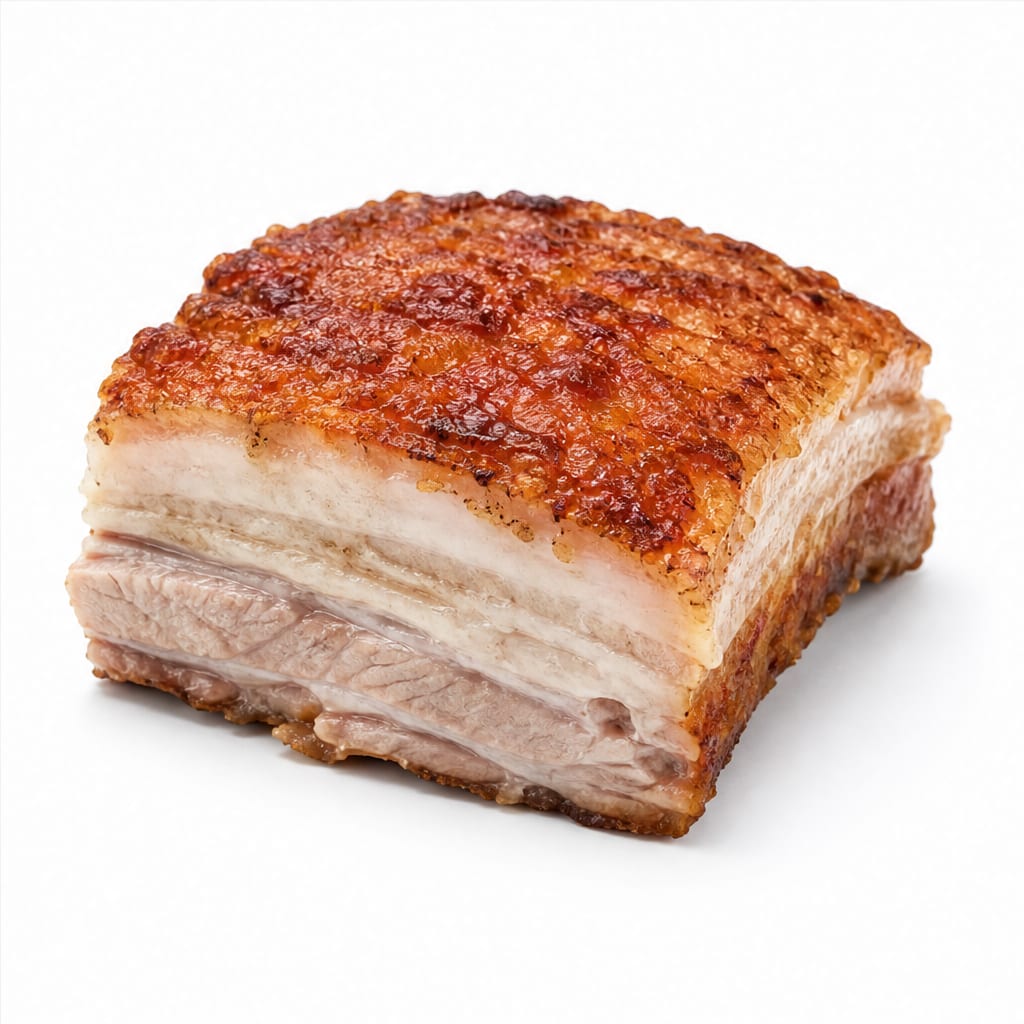
Roast Pork Belly
Peking Duck offers slightly better nutritional tradeoffs with more protein and healthier fats, though both remain heavy indulgences.
Peking Duck scores moderately higher due to a better fat profile and higher protein ratio, though both remain indulgent, calorie-dense choices rather than everyday health foods.
You trade the melt-in-your-mouth richness of Roast Pork Belly for a slightly leaner meat with a better fat profile in Peking Duck.
At a glance
Executive summary
Overall
Peking Duck
Healthier
Peking Duck
More practical
It depends
Daily use
It depends
Key comparison lenses
Fat profile and cardiovascular impact
Both foods are extremely fatty, but the type of fat differs significantly between duck and pork.
Calorie density and weight management
These are two of the most calorie-dense meats available, making portion control critical.
Protein-to-fat ratio
Users often assume all roasted meats are high protein, but the actual ratio varies wildly here.
Sodium and hidden sugar intake
Peking duck comes with sugary sauces, while pork belly relies on heavy salt rubs.
Digestive tolerance and comfort
High-fat meals can cause sluggishness or heartburn, especially with pork belly's saturated fat load.
Best choice for
Peking Duck
- People wanting a celebratory meal with slightly less saturated fat
- Diners who prefer built-in portion control via traditional sharing style
- Those seeking a balance of crispy skin and actual lean meat
Roast Pork Belly
- Keto and carnivore diet followers needing high fat intake
- Those wanting maximum calorie density for weight maintenance
- Fans of extreme crispy textures and rich, heavy flavors
Least suitable for
Peking Duck
- People strictly avoiding sugar due to the accompanying hoisin sauce
- Those on low-sodium diets
Roast Pork Belly
- Anyone monitoring saturated fat or cholesterol
- People trying to lose weight
- Those prone to heartburn or heavy digestion
Deep comparison
Dimension by dimension
Each lens scores both foods and breaks down who each option suits.
- Dimension 1 · Priority 95Peking Duck
Fat Quality & Heart Health
Peking Duck · 60Roast Pork Belly · 40Peking Duck fat is higher in heart-healthier monounsaturated fats, while Roast Pork Belly is dominated by saturated fat.
Tradeoff
You get a richer, meltier mouthfeel with Roast Pork Belly, but at the cost of more saturated fat that raises LDL cholesterol.
Why it matters
Saturated fat from pork belly can more easily clog arteries over time compared to the oleic acid found abundantly in duck fat.
Real-world impact
Choosing Peking Duck leaves you feeling slightly less sluggish later, whereas a large portion of Roast Pork Belly can feel heavy in your chest.
Peking Duck
- Heart health moderation
- Balanced lipid profiles
Better for
- Low-fat diets
Worse for
Roast Pork Belly
- High-fat low-carb diets
- Extreme satiety
Better for
- Cholesterol management
- Cardiovascular health
Worse for
- Dimension 2 · Priority 85Peking Duck
Protein-to-Calorie Ratio
Peking Duck · 65Roast Pork Belly · 40Peking Duck offers more lean breast meat under the skin, giving you more protein per bite compared to the fat-laden Roast Pork Belly.
Tradeoff
Roast Pork Belly delivers extreme calorie density which is great for bulking, but terrible for keeping calories in check.
Why it matters
Getting enough protein without overconsuming calories helps maintain muscle without gaining excess fat.
Real-world impact
Eating Peking Duck lets you hit your protein targets without blowing through your daily calorie budget as quickly.
Peking Duck
- Muscle maintenance
- Calorie-conscious eating
Better for
- Very low-calorie diets
Worse for
Roast Pork Belly
- Aggressive weight gain
- Ultra-endurance fueling
Better for
- Weight loss
- Lean bulking
Worse for
- Dimension 3 · Priority 75It depends
Sodium & Hidden Sugars
Peking Duck · 45Roast Pork Belly · 50Peking Duck is typically served with sweet, salty hoisin sauce, while Roast Pork Belly relies on savory, salty rubs.
Tradeoff
The hoisin sauce adds unexpected sugar to Peking Duck, whereas the dry rub on Roast Pork Belly pushes sodium levels up without the sugar spike.
Why it matters
Hidden sugars can spike blood sugar, while excess sodium drives up blood pressure and causes bloating.
Real-world impact
If you drown your Peking Duck pancakes in sauce, your blood sugar might crash an hour later; Roast Pork Belly might just make you thirsty.
Peking Duck
- Low-sodium diets if sauce is limited
Better for
- Sugar-sensitive diets
- Strict diabetes management
Worse for
Roast Pork Belly
- Low-sugar diets
- Diabetics avoiding sugar spikes
Better for
- Blood pressure management
- Salt-sensitive individuals
Worse for
- Dimension 4 · Priority 90Peking Duck
Calorie Density & Portion Control
Peking Duck · 55Roast Pork Belly · 35Peking Duck is traditionally carved and served in small pieces with vegetables, naturally limiting portions, while Roast Pork Belly is easy to overeat.
Tradeoff
The ritualized serving of Peking Duck slows down eating, whereas a slab of Roast Pork Belly can disappear quickly.
Why it matters
Slower eating and built-in portion control prevent accidental calorie overload from dense meats.
Real-world impact
You are less likely to accidentally eat 1500 calories of Peking Duck because the assembly process fills you up faster.
Peking Duck
- Mindful eating
- Social dining
Better for
- Fast eating scenarios
Worse for
Roast Pork Belly
- Quick calorie loading
- Appetite suppression for hours
Better for
- Portion control
- Snacking
Worse for
- Dimension 5 · Priority 70Peking Duck
Digestive Comfort
Peking Duck · 60Roast Pork Belly · 40Peking Duck is slightly easier on the stomach due to its leaner meat, while the pure fat content of Roast Pork Belly can trigger indigestion.
Tradeoff
The rich, fatty texture of Roast Pork Belly is incredibly satisfying but can lead to heartburn or a heavy feeling for hours.
Why it matters
High-fat meals slow stomach emptying, and pork belly pushes this to the extreme, causing discomfort for sensitive stomachs.
Real-world impact
After eating Roast Pork Belly, you might feel too full for dessert or even breakfast the next day; Peking Duck is heavy but recovers faster.
Peking Duck
- Sensitive stomachs
- Evening meals
Better for
- Gallbladder issues if skin is overeaten
Worse for
Roast Pork Belly
- Those wanting prolonged fullness
Better for
- Acid reflux
- GERD
- Irritable bowel triggers
Worse for
Timeline
Health impact over time
Short-term
Hours to days
Peking Duck
- Satisfying meal with a potential mild sugar crash if hoisin sauce is overused
- Quick satiety from the high fat and protein content
Roast Pork Belly
- Extreme fullness and potential heartburn due to high saturated fat
- Sluggishness and thirst from the heavy salt rub
Long-term
Months to years
Peking Duck
- Moderate cardiovascular risk if eaten frequently with skin
- Manageable weight maintenance if portions are controlled
Roast Pork Belly
- Higher risk of elevated LDL cholesterol and arterial plaque
- Likely weight gain if consumed regularly due to extreme calorie density
Risk profile
Safety & processing
Both Peking Duck and Roast Pork Belly are whole cuts of meat that undergo traditional roasting and curing, keeping them free of artificial preservatives or emulsifiers.
Peking Duck
Bacterial contamination
mediumLike all poultry, Peking Duck must be cooked to safe internal temperatures to eliminate salmonella risks, especially when slow-roasted.
Roast Pork Belly
Parasitic contamination
lowModern farming has virtually eliminated trichinosis from pork, but undercooked Roast Pork Belly still poses a slight risk of foodborne illness.
Who wins for whom
Audience fit
Same foods, different winners depending on your goal.
children
Peking DuckPeking Duck has a softer, easier-to-chew texture and leaner meat, making it more suitable for kids than the dense, chewy fat of pork belly.
daily consumption
It dependsNeither meat is recommended for daily consumption due to high calorie and fat content, but Peking Duck is slightly less harmful if forced to choose.
diabetes
Peking DuckWhile the hoisin sauce contains sugar, the meat itself is lower in saturated fat which is better for insulin sensitivity, provided the sauce is used sparingly.
elderly
Peking DuckThe tender meat of Peking Duck is easier to digest and chew, placing less strain on older digestive systems than heavy saturated fats.
muscle gain
Peking DuckThe leaner breast meat under the skin offers higher quality protein for muscle repair compared to the fat-heavy pork belly.
weight loss
Peking DuckPeking Duck provides more protein per calorie, and the traditional serving style makes it harder to accidentally overeat.
Your move
Decision guide
Choose Peking Duck
- You want a celebratory meal with slightly better nutritional tradeoffs
- You prefer a mix of lean meat and crispy skin rather than pure fat
- You are sharing a meal and want built-in portion control
Choose Roast Pork Belly
- You are on a high-fat, low-carb diet and need the calorie density
- You want maximum indulgence and flavor over health considerations
- You are prioritizing extreme crispiness and melt-in-your-mouth texture
Either works if
- You are eating out for a special occasion and just want to enjoy yourself
- You need a high-calorie meal after intense physical exertion
Avoid both if
- You have high cholesterol or active cardiovascular disease
- You are trying to lose weight
- You are looking for a light, everyday dinner option
Final recommendation
For a special occasion, Peking Duck gives you the celebratory feel with slightly better fat quality and more protein, making it the smarter indulgence. Save Roast Pork Belly for rare cravings when only the richest bite will do.
Practical
Consumer tips
- 1
Ask for hoisin sauce on the side when eating Peking Duck to control sugar and sodium intake.
- 2
Trim some of the pure fat layer off Roast Pork Belly if you want the flavor without the extreme grease.
- 3
Load up on the fresh scallions and cucumbers that come with Peking Duck to add fiber and balance the heavy meat.
- 4
Pair Roast Pork Belly with acidic sides like pickled vegetables to help cut through the fat and aid digestion.