
Nutrition comparison
Peking Duck vs Grilled Salmon: Which Is Healthier?
Compare Peking Duck and Grilled Salmon on nutrition, heart health, calories, and more. Learn when to choose each and why salmon wins for daily eating.
Overall winner · Grilled Salmon
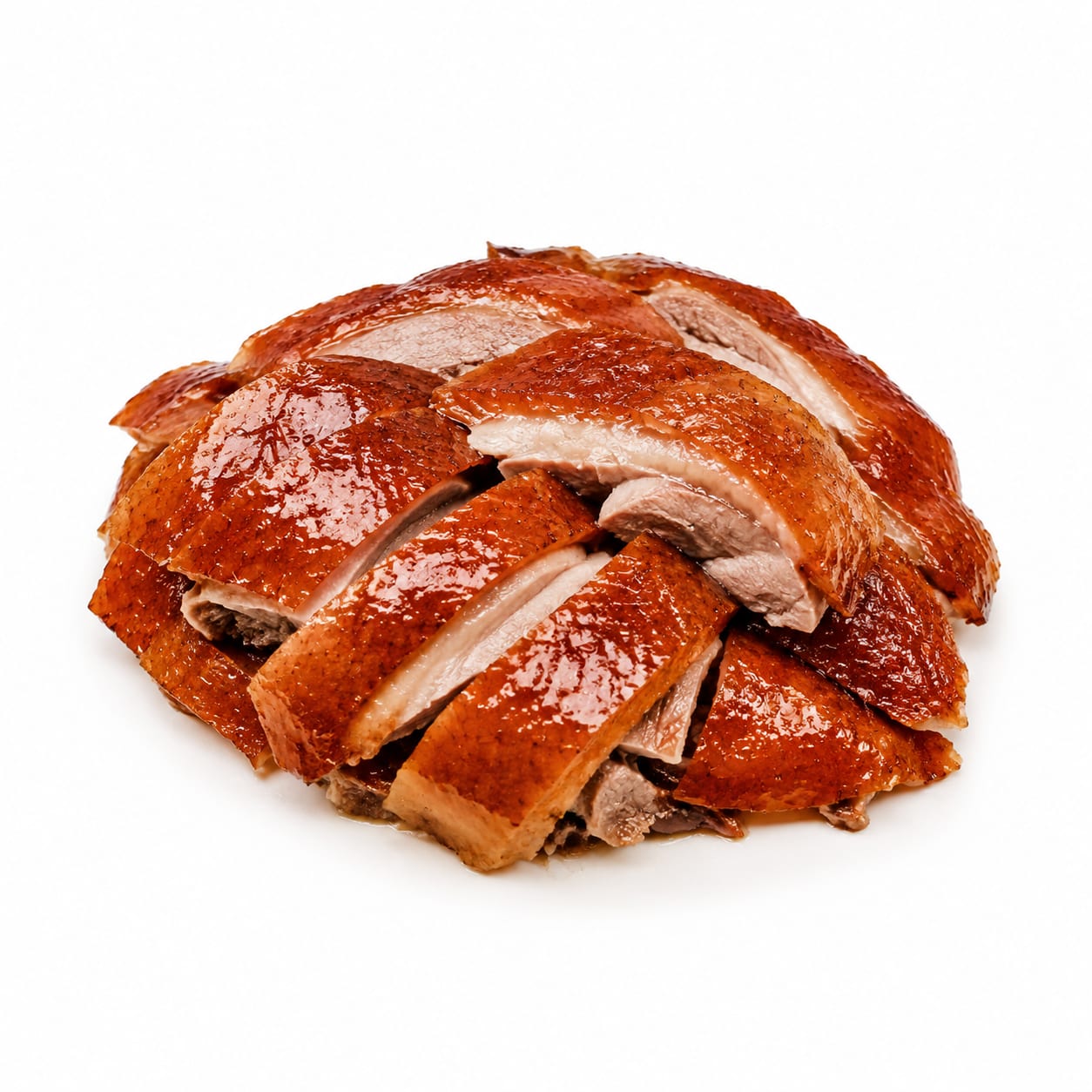
Peking Duck
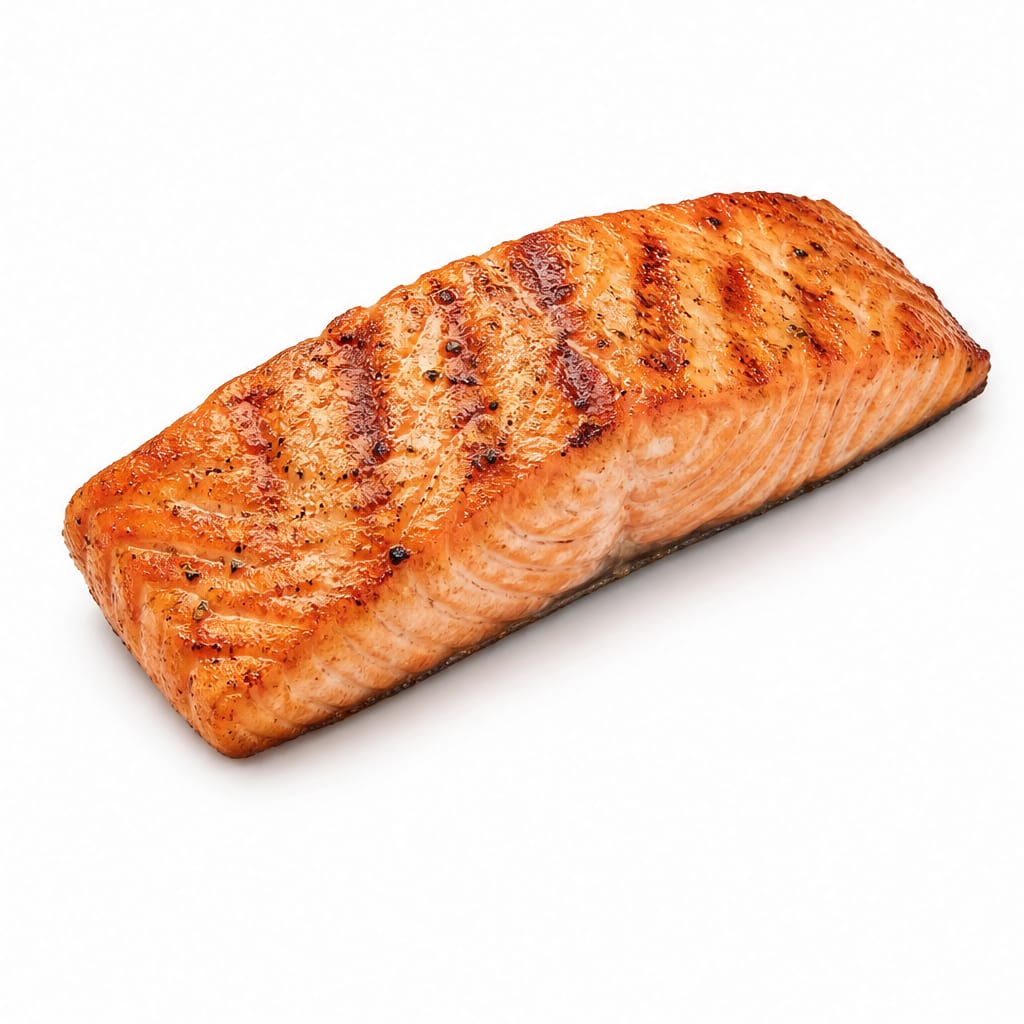
Grilled Salmon
Grilled Salmon wins for regular eating thanks to its heart-protective omega-3s and leaner profile, while Peking Duck is a delicious indulgence best enjoyed occasionally.
Grilled Salmon scores dramatically higher due to its omega-3 content, lower saturated fat, and suitability for regular consumption. Peking Duck is not inherently bad but its high saturated fat, sodium, and calorie density make it a rare treat rather than a dietary staple.
Incredible flavor and crispy skin versus cardiovascular benefits and cleaner energy.
At a glance
Executive summary
Overall
Grilled Salmon
Healthier
Grilled Salmon
More practical
Grilled Salmon
Daily use
Grilled Salmon
Key comparison lenses
heart health and cardiovascular risk
Peking Duck is high in saturated fat and sodium while Grilled Salmon is rich in omega-3s, making heart health the most critical differentiator
fat quality and inflammatory impact
The contrast between duck's saturated fat and salmon's anti-inflammatory omega-3s is the defining nutritional tradeoff
everyday vs special occasion eating
Peking Duck is a celebratory indulgence while Grilled Salmon is a practical weekly staple, so frequency and sustainability matter
weight management and calorie density
Duck is significantly more calorie-dense, which directly impacts portion control and weight goals
protein quality and muscle support
Both deliver strong protein but with very different fat packages attached
Best choice for
Peking Duck
- Special occasions and celebrations
- People wanting a rich, satisfying indulgence meal
- Cultural and traditional dining experiences
- Those who prioritize flavor intensity over nutritional optimization
Grilled Salmon
- Heart health and cardiovascular protection
- Regular weekly meal rotation
- Anti-inflammatory eating patterns
- Weight-conscious diners seeking satisfying protein
Least suitable for
Peking Duck
- Anyone managing heart disease or high cholesterol
- People on sodium-restricted diets
- Frequent daily or weekly consumption
- Those tracking calories closely
Grilled Salmon
- People with fish allergies
- Those avoiding animal proteins entirely
- Diners seeking a decadent celebration dish
Deep comparison
Dimension by dimension
Each lens scores both foods and breaks down who each option suits.
- Dimension 1 · Priority 95Grilled Salmon
Heart Health
Peking Duck · 25Grilled Salmon · 92Grilled Salmon actively protects your heart while Peking Duck challenges it.
Tradeoff
You trade cardiovascular benefits for rich, crispy indulgence.
Why it matters
Heart disease remains the leading cause of death globally, and fat quality is one of the most impactful dietary choices you can make.
Real-world impact
Eating salmon twice weekly is associated with lower heart attack risk. Regular Peking Duck consumption would move your lipid profile in the opposite direction.
Peking Duck
- Emotional satisfaction from a lavish meal
Better for
- Elevated LDL cholesterol with frequent consumption
- High sodium strains blood vessels
Worse for
Grilled Salmon
- Lower triglycerides over time
- Reduced arterial inflammation
- Better blood pressure management
Better for
- None significant for heart health
Worse for
- Dimension 2 · Priority 90Grilled Salmon
Fat Quality
Peking Duck · 30Grilled Salmon · 94Salmon delivers anti-inflammatory omega-3s; duck delivers mostly saturated fat under crispy skin.
Tradeoff
One heals, one clogs — the fat type matters more than the fat amount.
Why it matters
Omega-3 fats reduce inflammation and support brain function. Saturated fat from duck skin raises cholesterol and inflammatory markers.
Real-world impact
A salmon dinner leaves you feeling light and clean. A Peking Duck dinner feels heavy and may cause sluggishness hours later.
Peking Duck
- Rich mouthfeel and culinary satisfaction
Better for
- Saturated fat dominates the fat profile
- Promotes systemic inflammation with regular intake
Worse for
Grilled Salmon
- EPA and DHA omega-3s for brain and joint health
- Anti-inflammatory fat profile
- Better post-meal energy
Better for
- Lower total fat means less indulgent mouthfeel
Worse for
- Dimension 3 · Priority 80Grilled Salmon
Calorie Density and Weight Management
Peking Duck · 28Grilled Salmon · 78Peking Duck packs roughly double the calories per serving compared to Grilled Salmon.
Tradeoff
Duck's crispy skin is delicious but calorie-expensive. Salmon delivers more protein per calorie.
Why it matters
Calorie density determines how easily you can stay satisfied without overeating.
Real-world impact
A single Peking Duck serving can approach 600+ calories. The same portion of grilled salmon sits around 280-350 calories with more protein.
Peking Duck
- Very filling due to high fat content
Better for
- Easy to overconsume calories without realizing
- Fat calories add up fast with crispy skin
Worse for
Grilled Salmon
- Much easier to fit into calorie targets
- Higher protein-to-calorie ratio
- Less likely to cause post-meal food coma
Better for
- May feel less satisfying if you crave richness
Worse for
- Dimension 4 · Priority 75Grilled Salmon
Sodium Load
Peking Duck · 22Grilled Salmon · 80Peking Duck preparation involves soy sauce, hoisin, and curing — a sodium bomb. Grilled Salmon needs only salt and lemon.
Tradeoff
Traditional flavor comes at a steep sodium cost.
Why it matters
High sodium intake directly raises blood pressure and strains kidneys over time.
Real-world impact
One Peking Duck meal can deliver 1500-2500mg of sodium. Grilled salmon with light seasoning stays under 400mg.
Peking Duck
- Deep savory umami flavor from sodium-rich preparation
Better for
- Can exceed daily sodium limits in one meal
- Causes bloating and thirst
Worse for
Grilled Salmon
- Gentle on blood pressure
- Easy to control sodium by adjusting seasoning
- Better for kidney health long-term
Better for
- Can taste bland if under-seasoned
Worse for
- Dimension 5 · Priority 70Grilled Salmon
Protein Quality
Peking Duck · 68Grilled Salmon · 88Both provide complete high-quality protein, but salmon delivers it with less baggage.
Tradeoff
Duck's protein comes wrapped in saturated fat; salmon's comes with omega-3s.
Why it matters
Protein quality matters for muscle maintenance, satiety, and metabolic health — but what comes attached to the protein matters just as much.
Real-world impact
After grilled salmon, you feel satisfied and energized. After Peking Duck, you feel full but heavy.
Peking Duck
- Adequate complete protein with all essential amino acids
Better for
- Protein bundled with excessive saturated fat
Worse for
Grilled Salmon
- Cleaner protein delivery with beneficial fats
- Better amino acid profile for recovery
- Higher protein-to-calorie ratio
Better for
- Slightly lower total protein per serving than duck
Worse for
- Dimension 6 · Priority 85Grilled Salmon
Inflammation and Long-Term Disease Risk
Peking Duck · 30Grilled Salmon · 90Salmon fights inflammation; duck promotes it.
Tradeoff
Anti-inflammatory omega-3s versus pro-inflammatory saturated fat and advanced glycation end products from roasting.
Why it matters
Chronic inflammation underlies most age-related diseases including cancer, arthritis, and cognitive decline.
Real-world impact
Regular salmon eaters report less joint stiffness and better recovery. Regular duck eaters trend toward higher inflammatory markers.
Peking Duck
- Occasional consumption poses minimal risk
Better for
- Saturated fat and AGEs from roasting promote inflammation
- High sodium adds vascular stress
Worse for
Grilled Salmon
- Omega-3s actively reduce inflammatory markers
- Lower lifetime disease risk with regular consumption
- Protective against autoimmune conditions
Better for
- None significant
Worse for
- Dimension 7 · Priority 60Peking Duck
Emotional and Cultural Satisfaction
Peking Duck · 92Grilled Salmon · 65Peking Duck is a celebrated culinary experience. Grilled Salmon is a reliable healthy choice but rarely exciting.
Tradeoff
Joy and tradition versus nutritional optimization.
Why it matters
Food is not just fuel — emotional satisfaction and cultural connection matter for sustainable eating patterns.
Real-world impact
Peking Duck creates memorable dining moments. Grilled Salmon creates consistent healthy habits.
Peking Duck
- Cultural significance and tradition
- Dramatic presentation and ritual
- Deep flavor satisfaction
Better for
- Guilt can follow if eaten too often
Worse for
Grilled Salmon
- Consistent satisfaction without guilt
- Easy to enjoy without post-meal regret
Better for
- Can feel monotonous as a frequent meal
- Less celebratory feel
Worse for
Timeline
Health impact over time
Short-term
Hours to days
Peking Duck
- Post-meal heaviness and potential sluggishness from high fat content
- Bloating and thirst from excessive sodium
- Satisfying fullness that lasts hours
Grilled Salmon
- Light but satisfied feeling after eating
- Steady energy without a food coma
- Comfortable digestion with minimal bloating
Long-term
Months to years
Peking Duck
- Increased cardiovascular risk with regular consumption
- Higher LDL cholesterol from saturated fat intake
- Elevated blood pressure from sodium load
- Weight gain if consumed frequently due to calorie density
Grilled Salmon
- Reduced heart disease and stroke risk
- Lower systemic inflammation markers
- Better cognitive function and mood stability
- Improved joint health and skin appearance
Risk profile
Safety & processing
Peking Duck undergoes extensive preparation including air-drying, glazing with sugar and soy, and slow roasting — adding sodium, sugar, and AGEs. Grilled Salmon needs minimal intervention: heat, salt, and lemon.
Peking Duck
Improper roasting temperature
mediumUndercooked duck can harbor salmonella; proper roasting mitigates this but home preparation requires attention
Sodium-related health effects
highThe cumulative sodium from preparation sauces and glazes poses a significant health risk for those with hypertension
Advanced glycation end products
mediumHigh-heat roasting of fatty duck skin produces AGEs linked to inflammation and aging
Grilled Salmon
Mercury and contaminant exposure
lowWild-caught salmon has low mercury; farmed salmon may have higher PCB levels but remains within safe limits for most people
Parasites in raw or undercooked fish
lowProper grilling eliminates parasite risk; farmed salmon is generally lower risk than wild
Microplastic contamination
lowPresent in all seafood but salmon is not a high-concentration carrier compared to shellfish or bottom feeders
Who wins for whom
Audience fit
Same foods, different winners depending on your goal.
children
Grilled SalmonSalmon's omega-3s support brain development and its milder flavor is often more kid-friendly. Peking Duck's sodium and fat are excessive for small bodies.
daily consumption
Grilled SalmonSalmon can be eaten 2-3 times per week as part of a healthy diet. Peking Duck should be limited to occasional indulgence due to saturated fat and sodium.
diabetes
Grilled SalmonGrilled Salmon has minimal impact on blood sugar and its omega-3s improve insulin sensitivity. Peking Duck's glazes add sugar and its fat load impairs glucose metabolism.
elderly
Grilled SalmonHeart health and anti-inflammatory benefits are critical for older adults. Salmon supports both while duck increases cardiovascular strain.
muscle gain
Grilled SalmonSalmon delivers clean complete protein with anti-inflammatory omega-3s that support recovery, without the saturated fat burden of duck.
weight loss
Grilled SalmonGrilled Salmon provides high protein with far fewer calories and less fat, making portion control and calorie tracking much easier.
Your move
Decision guide
Choose Peking Duck
- You are celebrating a special occasion and want a memorable meal
- Emotional and cultural satisfaction is the priority today
- You eat rich foods rarely and want to indulge mindfully
- You are sharing a communal dining experience with others
Choose Grilled Salmon
- You want a nourishing meal that supports long-term health
- Heart health, weight management, or anti-inflammatory eating matters to you
- You need a reliable weekly protein source
- You want to feel energized rather than sluggish after eating
Either works if
- You simply want high-quality protein and both options are available
- You are dining out and both are prepared expertly
- You practice moderation and can enjoy either occasionally
Avoid both if
- You have gout and need to limit purine-rich foods
- You follow a strict plant-based diet
- You have severe poultry or fish allergies respectively
Final recommendation
Make Grilled Salmon your regular go-to for protein and heart health. Save Peking Duck for celebrations where the experience matters more than the nutrition. The best approach is not choosing one forever — it is choosing salmon most of the time and duck when it truly counts.
Practical
Consumer tips
- 1
Ask for Peking Duck skin in moderation — most of the fat and sodium lives there
- 2
Pair Peking Duck with steamed vegetables to balance the meal's richness
- 3
Choose wild-caught salmon when possible for a cleaner omega-3 profile
- 4
Grill salmon with herbs like dill and a squeeze of lemon instead of heavy sauces
- 5
If you love duck, consider roasted duck breast without the traditional sugary glaze as a lighter alternative
- 6
Limit Peking Duck to once a month or less and savor every bite mindfully
- 7
Canned salmon is a budget-friendly way to get similar omega-3 benefits daily