
Nutrition comparison
Peking Duck vs Turkey Breast: Which Is Healthier?
Compare Peking Duck and Turkey Breast on calories, fat, protein, sodium, and everyday practicality. Find out which lean protein wins for weight loss, heart health, and daily meals.
Overall winner · Turkey Breast
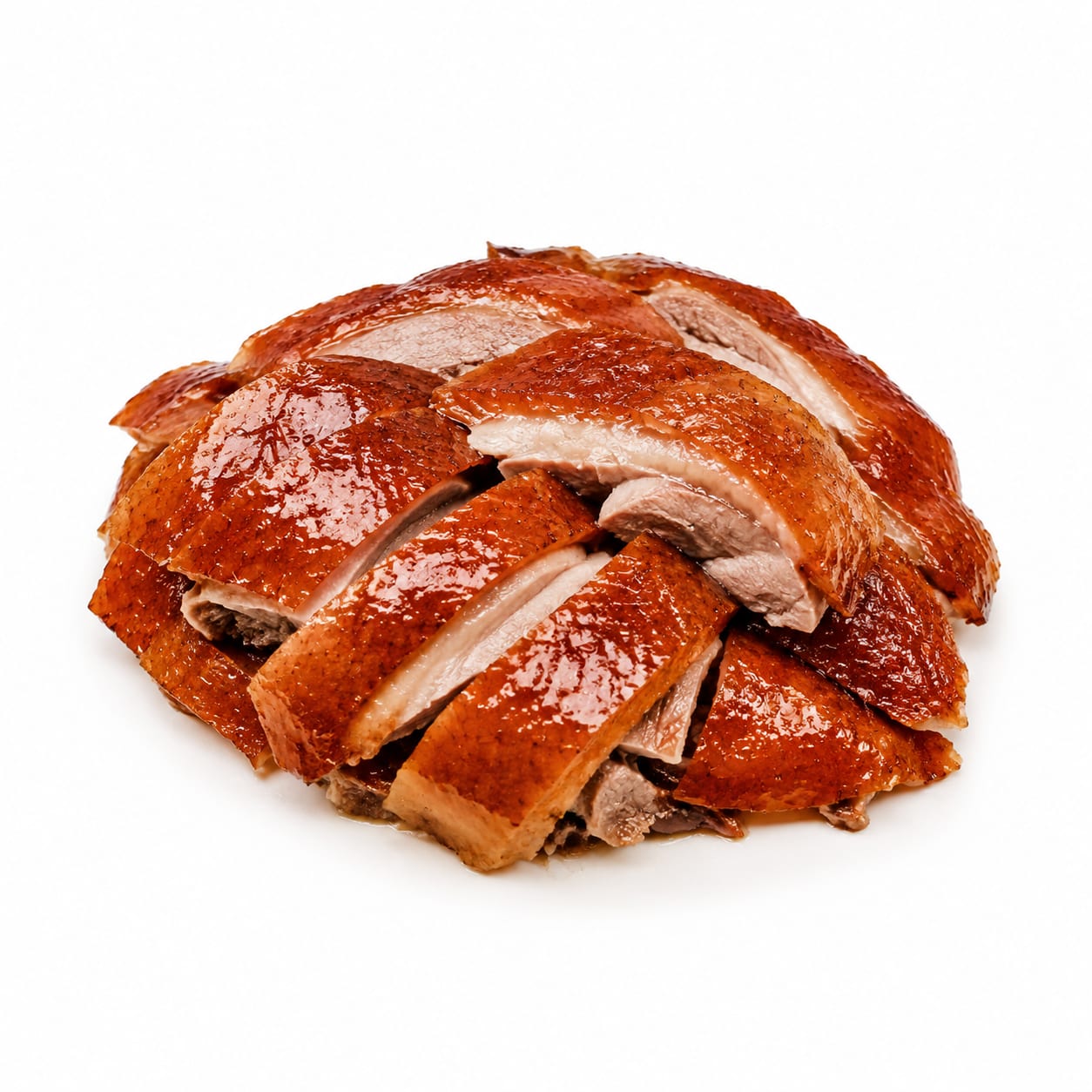
Peking Duck
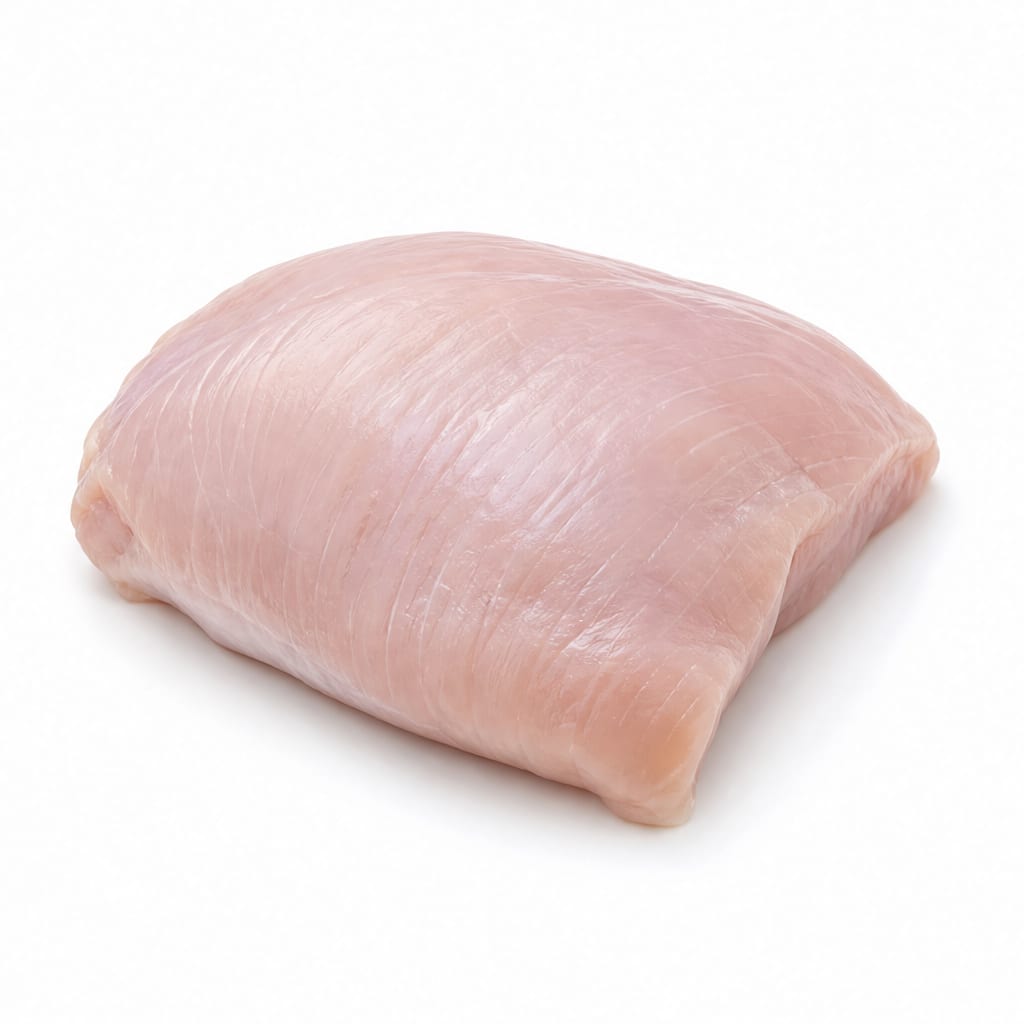
Turkey Breast
Turkey Breast wins for daily nutrition — lean, versatile, and easy on your waistline. Peking Duck is a rich indulgence best enjoyed occasionally.
Turkey Breast scores significantly higher due to its lean protein profile, low calorie density, and everyday practicality. Peking Duck is not a poor food — it is simply rich and calorie-dense, making it unsuitable as a regular choice. The gap reflects nutritional utility for typical daily eating patterns, not inherent quality.
Flavor and satisfaction versus leanness and calorie control. Peking Duck delivers a luxurious eating experience at a high caloric cost, while Turkey Breast gives you maximum protein with minimal fat but requires seasoning effort to be exciting.
At a glance
Executive summary
Overall
Turkey Breast
Healthier
Turkey Breast
More practical
Turkey Breast
Daily use
Turkey Breast
Key comparison lenses
lean protein vs indulgent protein
The core tension is between Turkey Breast as a lean, everyday protein and Peking Duck as a rich, high-fat celebratory dish
weight management suitability
Calorie and fat density differ dramatically, making this critical for anyone watching their intake
heart health and sodium concerns
Peking Duck's glaze and skin deliver substantial sodium and saturated fat, while Turkey Breast is naturally lean and low-sodium
everyday practicality vs special occasion
These foods occupy completely different roles in real life — one is meal-prep friendly, the other is restaurant-only for most people
satiety and satisfaction tradeoff
Peking Duck feels deeply satisfying but calorie-heavy; Turkey Breast fills you up on fewer calories but can feel dry or bland without effort
Best choice for
Peking Duck
- Special occasions and celebrations
- Anyone craving a deeply satisfying, luxurious meal
- People who struggle to eat enough calories or fat
- Cultural or traditional dining experiences
Turkey Breast
- Weekday meal prep and daily protein needs
- Weight loss or leaning out phases
- Heart-conscious eaters watching sodium and saturated fat
- Athletes needing clean, lean protein recovery
Least suitable for
Peking Duck
- Daily or frequent consumption
- Anyone on a low-sodium or low-fat diet
- People tracking calories closely
- Those with heart disease risk factors
Turkey Breast
- Anyone needing calorie-dense meals
- People who find lean meats unsatisfying or boring
- Special occasion meals where indulgence matters
- Those who struggle with dry texture in meats
Deep comparison
Dimension by dimension
Each lens scores both foods and breaks down who each option suits.
- Dimension 1 · Priority 95Turkey Breast
Protein Quality and Leanness
Peking Duck · 45Turkey Breast · 95Turkey Breast is one of the leanest protein sources available, delivering high protein with almost no fat. Peking Duck provides protein too, but it comes wrapped in a heavy fat layer.
Tradeoff
Peking Duck offers more total calories from fat, which can be useful if you need energy density. Turkey Breast gives you pure protein with minimal caloric baggage.
Why it matters
For most people eating protein, the goal is muscle support and satiety without excess calories. Turkey Breast nails this. Peking Duck makes you work for your protein through a wall of fat.
Real-world impact
A 4 oz serving of Turkey Breast delivers roughly 30g protein and 1g fat. The same weight of Peking Duck with skin delivers similar protein but 4-5 times the fat and calories.
Peking Duck
- Endurance athletes needing calorie-dense fuel
- People recovering from illness who need to gain weight
Better for
- Anyone trying to stay within a calorie budget
- People monitoring saturated fat for heart health
Worse for
Turkey Breast
- Strength athletes cutting fat while preserving muscle
- Anyone tracking macros who wants easy math
- People who want protein without feeling sluggish after eating
Better for
- Those who find lean meat leaves them hungry an hour later
- People who need calorie surplus for weight gain
Worse for
- Dimension 2 · Priority 90Turkey Breast
Calorie Density and Weight Management
Peking Duck · 25Turkey Breast · 90Turkey Breast is a weight-loss ally — high volume, low calories. Peking Duck is calorie-dense, especially with the crispy skin that makes it irresistible.
Tradeoff
You can eat a generous portion of Turkey Breast and stay comfortably within your calorie target. A modest portion of Peking Duck can consume half your daily budget before you feel full.
Why it matters
Calorie density is the single biggest predictor of overeating. Rich, fatty foods like Peking Duck are easy to overconsume. Lean proteins like Turkey Breast naturally limit intake.
Real-world impact
A typical Peking Duck restaurant serving can exceed 1000 calories before sides. A filling Turkey Breast meal with vegetables often lands under 400.
Peking Duck
- Underweight individuals needing to increase intake
- Long hiking or endurance days requiring dense energy
Better for
- Late-night eating when willpower is low
- Anyone who struggles with portion control
Worse for
Turkey Breast
- Anyone actively losing weight
- People who like eating large portions without consequences
- Meal preppers who need predictable calorie counts
Better for
- Situations where you need sustained energy for hours
- People who feel deprived on low-calorie meals
Worse for
- Dimension 3 · Priority 85Turkey Breast
Sodium and Heart Health
Peking Duck · 30Turkey Breast · 85Peking Duck's glaze — typically soy sauce, hoisin, and sugar — loads it with sodium. Turkey Breast in its natural state is remarkably low in sodium.
Tradeoff
The flavors that make Peking Duck extraordinary come with a sodium hit that can affect blood pressure. Turkey Breast is heart-friendly but needs herbs and spices to become exciting.
Why it matters
For the 1 in 3 adults with hypertension, sodium is a daily concern. Even one Peking Duck meal can deliver a full day's sodium allowance.
Real-world impact
A restaurant portion of Peking Duck can contain 1500-2500mg sodium. Fresh Turkey Breast has roughly 50-70mg per serving before you season it.
Peking Duck
- Healthy individuals eating it occasionally
- Active people who sweat heavily and need sodium replenishment
Better for
- People on sodium-restricted diets
- Anyone prone to bloating from salt
Worse for
Turkey Breast
- Anyone with high blood pressure
- People over 40 watching cardiovascular risk
- Those who already get enough sodium from other meals
Better for
- Endurance athletes who actually need more sodium
Worse for
- Dimension 4 · Priority 75Peking Duck
Satiety and Eating Satisfaction
Peking Duck · 88Turkey Breast · 62Peking Duck is deeply satisfying — the crispy skin, rich fat, and savory glaze hit every pleasure center. Turkey Breast fills you up but rarely excites you.
Tradeoff
Fat carries flavor and creates lasting fullness. Peking Duck delivers both. Turkey Breast relies on cooking skill and side dishes to achieve the same effect.
Why it matters
Meals that feel satisfying reduce snacking later. But if satisfaction requires 1000+ calories, the tradeoff may not be worth it daily.
Real-world impact
After Peking Duck, you are unlikely to crave dessert. After plain Turkey Breast, you might be hunting for snacks within two hours unless you pair it with fiber and healthy fats.
Peking Duck
- Emotional eaters who need meals to feel complete
- Dinners where the food is the experience
- People who skip meals and need one to truly count
Better for
- Anyone who tends to keep eating past fullness
- People who feel sluggish after rich meals
Worse for
Turkey Breast
- Those who prefer eating multiple smaller meals
- People who feel uncomfortable after heavy, greasy food
Better for
- Those who associate lean meals with deprivation
- People who need a meal to carry them 5-6 hours
Worse for
- Dimension 5 · Priority 80Turkey Breast
Everyday Practicality and Versatility
Peking Duck · 20Turkey Breast · 92Turkey Breast is a meal-prep champion — bake, slice, and eat all week. Peking Duck is a restaurant dish or a weekend project with specialized equipment.
Tradeoff
Convenience comes with monotony. Turkey Breast can get boring. Peking Duck is never boring but almost never convenient.
Why it matters
The food you can actually prepare and eat consistently always beats the food that sounds great but requires a special occasion. Consistency drives results.
Real-world impact
You can roast Turkey Breast in 30 minutes with zero special skills. Authentic Peking Duck requires air-drying, a hook, specialized glazing, and hours of roasting — or a reservation.
Peking Duck
- Restaurant experiences worth savoring
- Cultural celebrations and holidays
Better for
- Busy weeknights
- Anyone without access to a specialty restaurant or serious cooking setup
Worse for
Turkey Breast
- Sunday meal prep for the workweek
- Quick weeknight dinners
- Budget-conscious households
- Anyone cooking for one
Better for
- Hosting a dinner party where you want to impress
- Meals where the food should feel special
Worse for
- Dimension 6 · Priority 70It depends
Nutrient Density Beyond Macros
Peking Duck · 68Turkey Breast · 72Both provide B vitamins, iron, zinc, and selenium. Turkey Breast edges ahead with slightly more niacin and B6 per calorie. Duck offers more iron and some beneficial monounsaturated fat.
Tradeoff
Duck fat is not purely bad — it contains oleic acid similar to olive oil. But the saturated fat portion still warrants moderation. Turkey Breast gives you clean micronutrients without the fat baggage.
Why it matters
Nutrient density per calorie matters more than nutrient density per gram. Turkey Breast delivers more vitamins per calorie consumed.
Real-world impact
If you are eating within a calorie budget, Turkey Breast gives you more micronutrient bang for your buck. If calories are not a concern, both are solid sources.
Peking Duck
- People with iron deficiency who tolerate red meat alternatives
- Those who include healthy fats as part of a balanced diet
Better for
- Those whose fat intake is already high from other sources
Worse for
Turkey Breast
- Anyone counting calories who still wants full micronutrient coverage
- People prioritizing B vitamins for energy metabolism
Better for
- People with increased iron needs who find red meat unappealing
Worse for
Timeline
Health impact over time
Short-term
Hours to days
Peking Duck
- Post-meal fullness and possible sluggishness due to high fat content
- Potential bloating from sodium in the glaze
- Satisfying emotional experience that reduces cravings later in the day
- Blood sugar spike from the sweet glaze, followed by a moderate crash
Turkey Breast
- Light, energized feeling after eating — no heaviness
- Stable blood sugar with minimal fluctuation
- Possible hunger within 2-3 hours if eaten without sides or fats
- Quick post-workout recovery due to fast-digesting lean protein
Long-term
Months to years
Peking Duck
- Regular consumption would likely increase LDL cholesterol and cardiovascular risk
- High sodium intake could elevate blood pressure over time
- Occasional consumption poses negligible risk for healthy individuals
- Calorie surplus risk if eaten frequently alongside normal meals
Turkey Breast
- Consistent lean protein intake supports muscle preservation and metabolic health
- Very low saturated fat intake supports heart health long-term
- May require conscious effort to include enough dietary fat from other sources
- Excellent for maintaining healthy body composition over decades
Risk profile
Safety & processing
Fresh Turkey Breast is about as natural as meat gets — just cooked. Peking Duck involves glazing with soy sauce, sugar, hoisin, and sometimes food coloring or preservatives in restaurant settings. The duck itself is whole food, but the preparation adds significant processing. If you buy deli Turkey Breast instead of fresh, the additive concern rises to medium — always choose fresh over deli when possible.
Peking Duck
High sodium from glaze and sauce
mediumA single meal can deliver 1500-2500mg sodium, which is a full day's allowance for many adults. Occasional exposure is fine; regular consumption raises blood pressure risk.
Foodborne illness from improper duck handling
lowDuck must be cooked to safe internal temperatures. Restaurant preparation is generally reliable, but home cooks may undercook it. Always verify the meat is fully cooked.
Potential additives in restaurant preparations
lowSome restaurants use food coloring, MSG, or preservatives in the glaze. Ask about ingredients if you have sensitivities.
Turkey Breast
Dryness leading to overcooking and carcinogen formation
lowOvercooking Turkey Breast to compensate for dryness can create heterocyclic amines. Use a meat thermometer and pull it at 165°F to avoid this.
Deli Turkey Breast contains nitrates and sodium
mediumThis comparison assumes fresh Turkey Breast. If you buy deli slices, sodium and nitrate exposure increase substantially. Always choose fresh over processed.
Salmonella risk from raw poultry
lowStandard poultry handling applies — wash hands, avoid cross-contamination, cook to 165°F. Risk is manageable with basic kitchen hygiene.
Who wins for whom
Audience fit
Same foods, different winners depending on your goal.
children
It dependsTurkey Breast is safer nutritionally for kids, but Peking Duck is more exciting and may encourage picky eaters to actually eat protein. Occasional duck is fine; daily turkey is better.
daily consumption
Turkey BreastTurkey Breast is sustainable, affordable, easy to prepare, and nutritionally appropriate every day. Peking Duck is a treat, not a staple.
diabetes
Turkey BreastTurkey Breast has virtually zero carbs and causes no blood sugar spike. Peking Duck's sweet glaze introduces sugar that can destabilize glucose levels.
elderly
Turkey BreastOlder adults need lean protein to preserve muscle without stressing the heart with excess saturated fat and sodium. Turkey Breast is the clear daily choice.
muscle gain
Turkey BreastLean, high-quality protein with easy macros tracking. Peking Duck works if you need a calorie surplus, but the fat content makes macro management harder.
weight loss
Turkey BreastTurkey Breast provides maximum protein and fullness with minimal calories. Peking Duck's fat and calorie density work directly against a calorie deficit.
Your move
Decision guide
Choose Peking Duck
- You are celebrating a special occasion and want the meal to feel extraordinary
- You are at a authentic Peking Duck restaurant and this is a rare opportunity
- You struggle to eat enough calories and need energy-dense food
- You want a culturally rich dining experience, not just fuel
Choose Turkey Breast
- You meal prep for the week and need reliable lean protein
- You are managing your weight, heart health, or blood pressure
- You want a blank-canvas protein that works in salads, wraps, bowls, and stir-fries
- You need post-workout recovery food that digests easily
- You are feeding a family on a budget and need versatile protein
Either works if
- You simply want poultry and are deciding between lean and indulgent
- Both fit your calorie budget for the day
- You are eating out and both options are available
Avoid both if
- You are vegetarian or vegan
- You have a poultry allergy
- You are on a strict plant-based diet for health reasons
Final recommendation
Eat Turkey Breast as your daily driver — it is the responsible, practical, and body-friendly choice. Save Peking Duck for the moments that deserve something extraordinary, and enjoy it without guilt when you do. The best diet includes both discipline and celebration.
Practical
Consumer tips
- 1
Ask for Peking Duck skin on the side if you want some flavor without all the fat — eat a little skin for taste, not the whole portion.
- 2
Roast Turkey Breast with olive oil, garlic, and rosemary to make it exciting without adding significant calories.
- 3
If ordering Peking Duck at a restaurant, skip the pancakes and hoisin sauce to reduce carbs and sugar — enjoy the duck itself.
- 4
Buy a meat thermometer for Turkey Breast — pulling it at 165°F keeps it juicy instead of dry and chalky.
- 5
Leftover Turkey Breast is perfect for next-day salads, wraps, and grain bowls. Leftover Peking Duck loses its magic and becomes greasy.
- 6
If you love duck but want a leaner option, try pan-seared duck breast without the sweet glaze — you get the flavor with more control over fat and sugar.
- 7
Pair Turkey Breast with avocado or olive oil to add healthy fats that keep you full longer without the saturated fat in duck skin.