
Nutrition comparison
Peking Duck vs Lamb Shoulder: Nutrition, Health & Taste Compared
Compare Peking Duck vs Lamb Shoulder. Discover which meat is healthier, lower in hidden sugars, and better for your diet and meal prep goals.
Overall winner · Lamb Shoulder
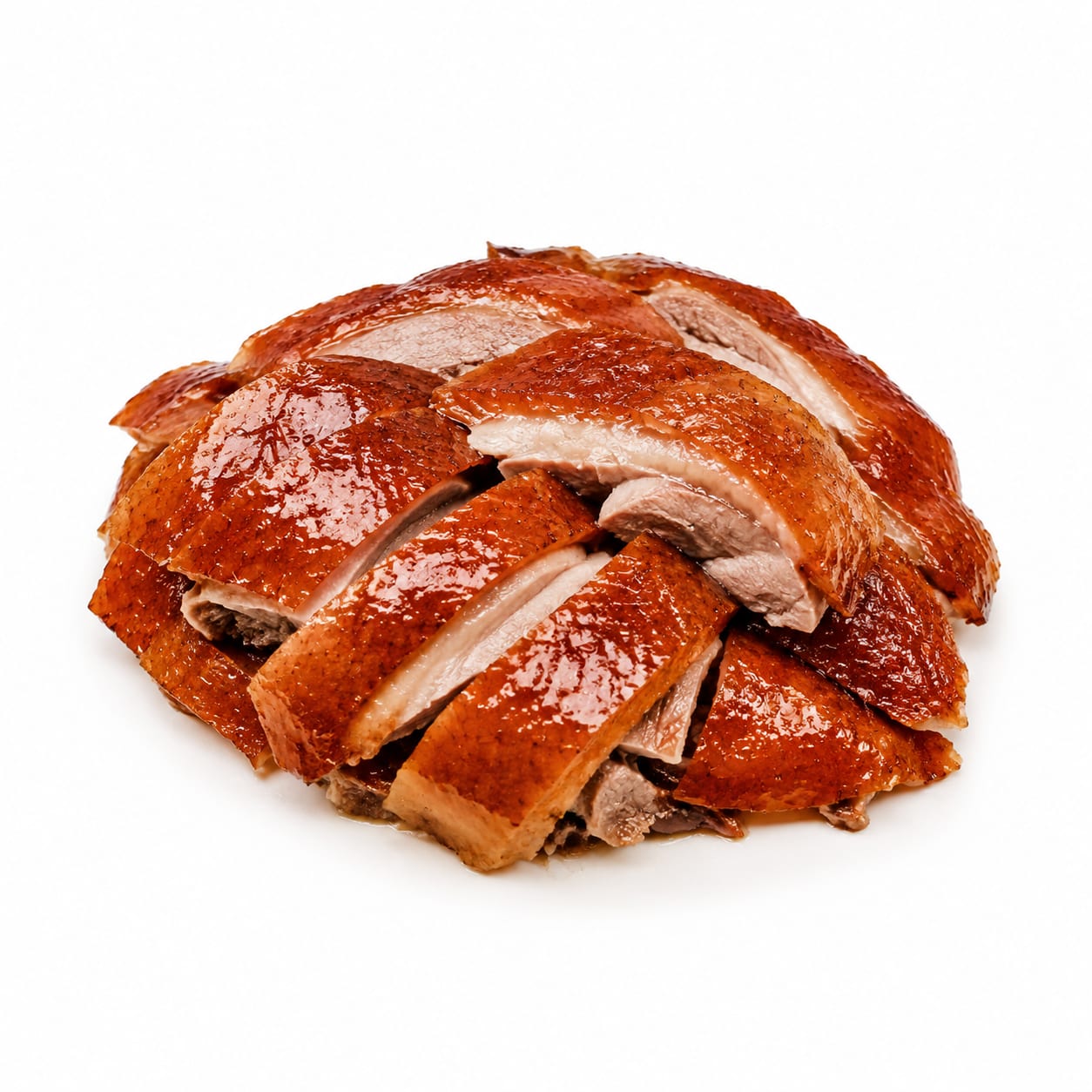
Peking Duck
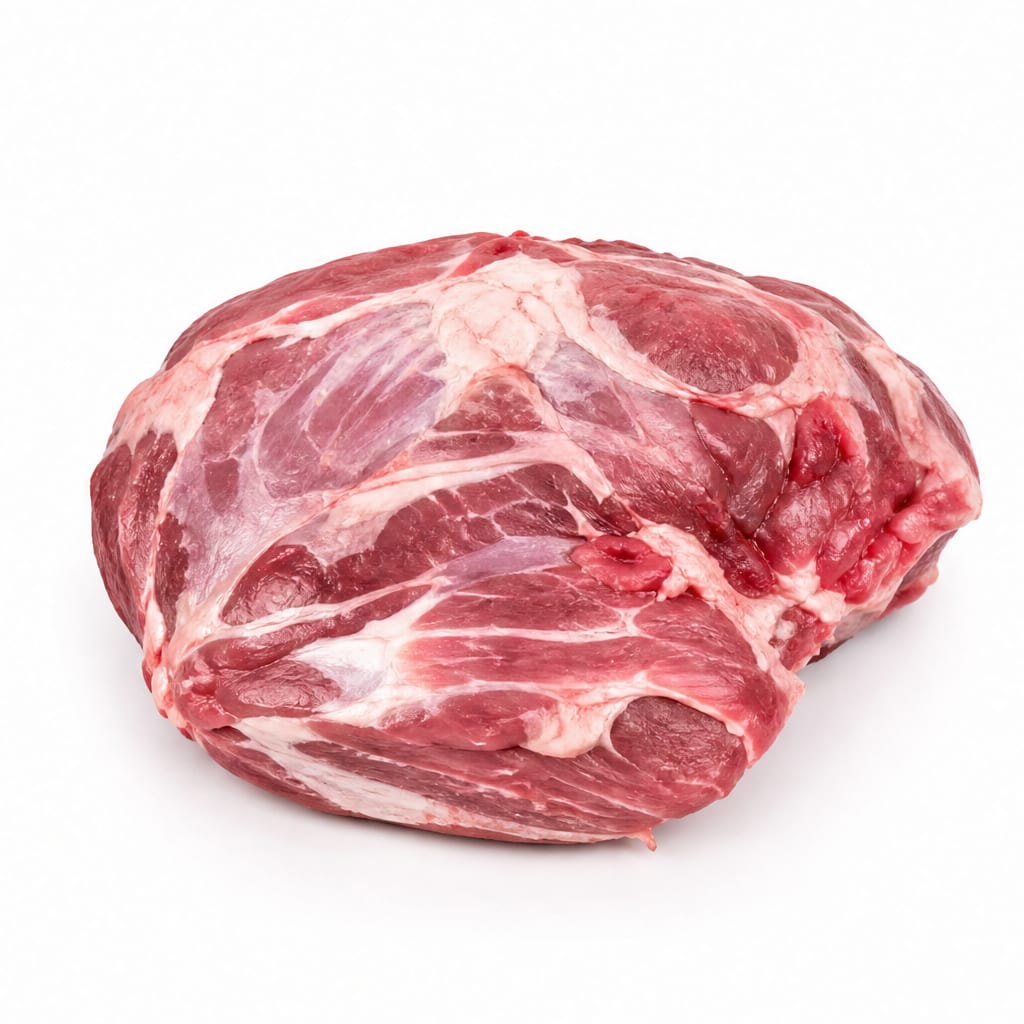
Lamb Shoulder
Lamb Shoulder is the cleaner, more versatile everyday protein, while Peking Duck is a rich, indulgent treat best saved for special occasions.
Lamb Shoulder scores notably higher due to being an unprocessed whole food with no hidden sugars, making it far more suitable for regular consumption. Peking Duck loses ground primarily from the sugary glaze and high sodium load typical of restaurant preparation.
Peking Duck delivers an unmatched crispy, sweet-savory experience but comes with hidden sugars and high sodium, whereas Lamb Shoulder offers straightforward, customizable nutrition with no hidden ingredients.
At a glance
Executive summary
Overall
Lamb Shoulder
Healthier
Lamb Shoulder
More practical
Lamb Shoulder
Daily use
Lamb Shoulder
Key comparison lenses
Fat profile and calorie density comparison
Both are fatty cuts of meat, but the fat type and how it's consumed differ greatly
Hidden sugars and sodium load
Peking Duck's signature glaze adds significant sugar and salt that Lamb Shoulder lacks
Processing level and ingredient control
Peking Duck is a restaurant-prepared dish with additives, while Lamb Shoulder is a raw whole cut you cook yourself
Micronutrient density for energy and recovery
Both provide strong B-vitamins and minerals, but Lamb edges ahead in zinc and B12
Best choice for
Peking Duck
- Special occasion celebrations
- Craving intense umami and sweet-savory flavor
- Those wanting a visually impressive centerpiece
Lamb Shoulder
- Weekly meal prep
- High-protein, low-carb diets
- Home cooks wanting full control over ingredients
Least suitable for
Peking Duck
- Daily consumption
- Sodium-sensitive individuals
- Those strictly limiting sugar
Lamb Shoulder
- Quick weeknight meals due to long cook times
- Those avoiding high saturated fat intake
Deep comparison
Dimension by dimension
Each lens scores both foods and breaks down who each option suits.
- Dimension 1 · Priority 95Lamb Shoulder
Fat Profile & Calorie Density
Peking Duck · 40Lamb Shoulder · 65Peking Duck is dramatically higher in calories because the fatty skin is the prized part, while Lamb Shoulder fat can be partially trimmed before eating.
Tradeoff
Duck fat is higher in heart-friendly monounsaturated fats, but you eat so much of it with the skin that the calorie load overshadows the benefit.
Why it matters
Managing calorie density is crucial for weight maintenance without feeling deprived.
Real-world impact
Eating a full portion of Peking Duck with skin can feel heavy and sluggish afterward, whereas trimmed Lamb Shoulder provides satisfying richness without the same food coma.
Peking Duck
- Monounsaturated fat intake if portions are strictly controlled
Better for
- Very high calorie density from skin
- Easy to overconsume calories
Worse for
Lamb Shoulder
- Easier weight management
- More control over total fat consumed
Better for
- Higher saturated fat per ounce if not trimmed
Worse for
- Dimension 2 · Priority 90Lamb Shoulder
Hidden Sugars & Sodium Load
Peking Duck · 25Lamb Shoulder · 90Peking Duck is glazed with maltose syrup and seasoned heavily with soy sauce, packing a surprising sugar and sodium punch. Lamb Shoulder is typically seasoned simply at home.
Tradeoff
You get that irresistible caramelized crust on the duck, but at the cost of a blood sugar spike and bloating from salt.
Why it matters
Hidden sugars in savory meals sabotage steady energy and trigger cravings later in the day.
Real-world impact
After Peking Duck, you might find yourself craving something sweet or feeling intensely thirsty. Lamb Shoulder keeps energy steadier.
Peking Duck
- Complex flavor development from the glaze
Better for
- High added sugar from glaze
- Very high sodium from marinades
Worse for
Lamb Shoulder
- Zero hidden sugars
- Complete control over salt intake
- Better for blood sugar stability
Better for
- Can taste bland if under-seasoned
Worse for
- Dimension 3 · Priority 85Lamb Shoulder
Processing & Ingredient Control
Peking Duck · 30Lamb Shoulder · 95Lamb Shoulder is a raw, whole-muscle cut. Peking Duck is a multi-step restaurant preparation involving additives, colorings, and glazes.
Tradeoff
Restaurant convenience and complex technique versus knowing exactly what is on your plate.
Why it matters
Minimally processed foods are easier on the digestive system and carry fewer long-term health risks.
Real-world impact
Cooking Lamb Shoulder at home means you decide the salt and oil. Ordering Peking Duck means trusting a kitchen that prioritizes flavor over health.
Peking Duck
- No prep work required by the diner
Better for
- Ultra-processed preparation style
- Likely contains MSG and food dyes
Worse for
Lamb Shoulder
- Transparent ingredient list
- No artificial additives or glazes
- Better for clean-eating goals
Better for
- Requires time and skill to cook properly
Worse for
- Dimension 4 · Priority 75Lamb Shoulder
Micronutrient Density
Peking Duck · 70Lamb Shoulder · 85Both are excellent sources of iron and B vitamins, but Lamb Shoulder provides significantly more zinc and vitamin B12 per serving.
Tradeoff
Duck offers more selenium, but Lamb is superior for immune-supporting zinc and energy-producing B12.
Why it matters
Zinc and B12 are critical for immune resilience and sustained energy, especially for those avoiding supplements.
Real-world impact
Choosing Lamb Shoulder more often helps keep energy levels consistent and supports recovery from illness or intense workouts.
Peking Duck
- Higher in selenium for thyroid health
Better for
- Lower in zinc compared to lamb
Worse for
Lamb Shoulder
- Superior B12 for nerve health
- More zinc for immune function
Better for
- Less selenium than duck
Worse for
Timeline
Health impact over time
Short-term
Hours to days
Peking Duck
- Energy spike and crash from the sugary glaze
- Intense thirst and bloating from high sodium
- Heavy, sluggish feeling due to extreme fat content
Lamb Shoulder
- Deep, lasting fullness without the sugar crash
- Sustained energy from high-quality protein and fat
Long-term
Months to years
Peking Duck
- Risk of weight gain if eaten frequently
- Higher blood pressure risk from sodium load
Lamb Shoulder
- Excellent for maintaining muscle mass
- High saturated fat requires mindful portioning for heart health
Risk profile
Safety & processing
Lamb Shoulder is a straightforward whole food, while Peking Duck undergoes extensive preparation with added sugars, sodium, and potential restaurant additives.
Peking Duck
Inconsistent internal cooking
mediumThe thick fat layer and cavity can harbor bacteria if the duck is not cooked to a safe internal temperature throughout.
Cross-contamination from prep surfaces
lowRestaurant prep involves many steps and surfaces, increasing the chance of incidental contact with allergens or pathogens.
Lamb Shoulder
Slow-cooker temperature danger zone
mediumLamb shoulder requires long cook times; if the meat lingers too long at low temperatures before reaching a safe threshold, bacteria can multiply.
Who wins for whom
Audience fit
Same foods, different winners depending on your goal.
children
Lamb ShoulderSimpler flavor profile and lower sodium makes it more appropriate for developing palates and kidneys.
daily consumption
Lamb ShoulderCleaner ingredient profile and no hidden additives make it safe and sustainable for regular meals.
diabetes
Lamb ShoulderZero carbohydrates or hidden sugars, keeping blood sugar completely stable.
elderly
Lamb ShoulderSlow-cooked lamb shoulder is tender and easy to chew, with lower sodium to protect heart health.
muscle gain
Lamb ShoulderHigher protein density and B12 content without the sugar load makes it better for recovery and growth.
weight loss
Lamb ShoulderYou can easily trim the fat and avoid the hidden sugars that spike insulin and cravings.
Your move
Decision guide
Choose Peking Duck
- You are celebrating a special occasion
- You deeply crave the unique crispy, sweet-savory skin
- You are comfortable with a heavy, indulgent meal
Choose Lamb Shoulder
- You are meal-prepping for the week
- You want clean protein without hidden sugars or sodium
- You prefer having full control over your seasoning and fat content
Either works if
- You need a high-quality source of iron and B-vitamins
- You are on a low-carb or keto diet and can manage portions
Avoid both if
- You are on a strict low-fat diet for heart disease
- You suffer from severe gout and must limit purines
Final recommendation
Keep Peking Duck as a rare, joyful indulgence, but rely on Lamb Shoulder for your regular red meat intake. You get the best of both worlds: the satisfaction of a clean, nutrient-dense protein most days, and the unapologetic pleasure of crispy duck skin when it truly matters.
Practical
Consumer tips
- 1
Ask for the Peking Duck sauce on the side to drastically cut down on sugar and sodium per bite.
- 2
Trim visible hard fat from Lamb Shoulder before cooking to reduce saturated fat without losing tenderness.
- 3
Use leftover slow-cooked Lamb Shoulder in wraps or salads for a quick, high-protein lunch the next day.
- 4
If making Peking Duck at home, use a sugar-free sweetener in the glaze to eliminate the blood sugar spike.