
Dairy
Parmesan Cheese
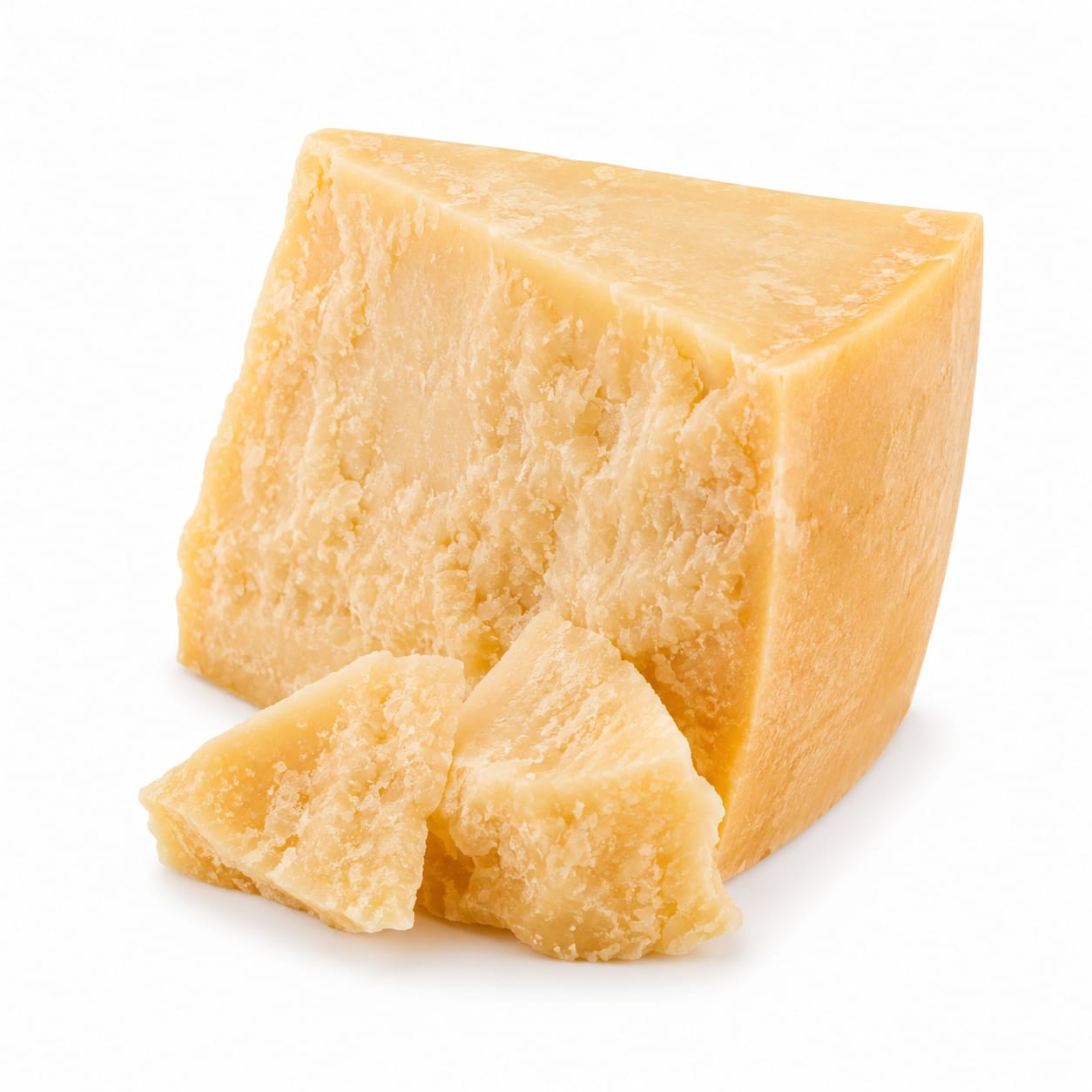
A highly aged, hard Italian cheese known for its intense umami flavor, high protein content, and near-zero lactose.
A hard, granular cheese originating from Italy, traditionally aged for 12 to 36 months to develop a deep umami flavor and crumbly texture.
protein and calcium-dense aged dairy
Typical serving · 30g
Common varieties · Parmigiano-Reggiano, Grana Padano, Domestic Parmesan, Stravecchio, Vacche Rosse
Overall context score across nutrition, safety, and diet fit
At a glance
Quick facts
Simple indicators based on nutrition, processing, and diet fit.
The story
What makes it unique
Parmesan is a low-moisture, aged cheese with slow digestion due to its dense protein and fat matrix. It provides high satiety per calorie consumed and contains virtually no carbohydrates, resulting in a minimal glycemic response. The extended aging process breaks down proteins into free amino acids, enhancing its savory flavor and digestibility while reducing lactose content to near zero.
Varieties: Parmigiano-Reggiano · Grana Padano · Domestic Parmesan · Stravecchio · Vacche Rosse
Per 100g
Nutrition breakdown
Macro balance and key metrics at a glance.
Energy
Density 4.31 kcal/g
Protein
Carbs
Fat
Fiber
Sugar
0 g
Sodium
1600 mg
Potassium
92 mg
Glycemic index
0
Glycemic load
0
Water content
18%
Standout compounds
Nutrient highlights
Calcium
highEssential for bone density, muscle function, and nerve signaling.
Protein
highSupports muscle maintenance, satiety, and tissue repair.
Phosphorus
highWorks with calcium to build strong bones and teeth, and aids in energy metabolism.
Vitamin A
moderateSupports eye health, immune function, and skin integrity.
Wellness map
Health scores & processing
NOVA processing scale
moderately processed · Whole food
Made from pasteurized or raw milk, salt, and rennet through traditional fermentation and aging. Contains no artificial additives or preservatives in authentic forms.
Diet compatibility
- Weight loss
- Muscle gain
- Diabetes
- Gut health
- Low carb
- High protein
- Heart health
Relative standing
Food rankings
Qualitative ranks compared to similar whole foods.
- Satietyexcellent
- Blood sugarexcellent
- Nutrient densitygood
- Fitness fuelgood
- Processing qualitygood
Eat with confidence
Food safety profile
The low moisture content and high salt level of Parmesan naturally inhibit bacterial growth, making it very safe for consumption. Raw milk versions carry a slightly higher risk but are heavily regulated.
Evidence confidence 90%
- Pesticideslow
- Antibioticsmoderate
- Heavy metalslow
- Contaminationlow
Watch for
- listeria
- brucella
Safer choices
Authentic Parmigiano-Reggiano or organic varieties to avoid potential antibiotic residues in conventional dairy.
Prep tips
Keep the rind intact during storage to prevent drying out; use the rind to flavor soups and stews, but discard before eating as it may contain surface contaminants.
Authenticity and mislabeling of domestic Parmesan compared to protected Parmigiano-Reggiano; antibiotic use in conventional dairy farming.
Deep dive
Health analysis
How this food may fit different goals and preparation choices.
Weight loss
High energy density makes it easy to overconsume calories. However, its strong flavor and high protein allow small amounts to significantly enhance meal satisfaction.
Blood sugar
Virtually zero carbohydrates and a high fat and protein content mean it has no glycemic impact, making it highly suitable for blood sugar management.
Fitness & energy
Provides a slow-digesting protein source that supports muscle maintenance, but lacks fast energy, making it better as a meal addition than a quick pre-workout fuel.
Gut health
Aging eliminates nearly all lactose, making it tolerable for lactose-sensitive individuals. It lacks fiber and offers minimal direct prebiotic benefits, though it contains some beneficial bacteria.
Processing quality
Traditional varieties use only milk, salt, and rennet. Cheaper domestic imitations may use cellulose powder as an anti-caking agent, lowering the processing quality.
Food safety
Low moisture and high salt create an inhospitable environment for pathogens. Pregnant women should verify if the cheese was made from pasteurized milk, though hard aged cheeses are generally considered lower risk.
Common mistakes
Assuming all grated Parmesan is equal; pre-grated varieties often contain anti-caking agents and lack the flavor and moisture of freshly grated. Over-pouring due to its savory taste adds hidden calories and sodium.
Best preparation
Grate fresh off the block over finished dishes. Simmer the leftover rind in soups or broths to extract deep umami flavor without adding extra sodium directly to the dish.
Practical guide
Best use cases
When and how this food fits real eating patterns.
Flavor enhancer for low-calorie meals
A small sprinkle of freshly grated Parmesan adds intense umami flavor to salads, roasted vegetables, and lean proteins without excessive calories.
Keto diet staple
Provides a high-fat, nearly zero-carb addition to meals that helps meet macronutrient goals while keeping the diet interesting.
Post-workout protein boost
Offers a dense source of complete protein that supports muscle repair when added to post-workout meals.
Soup and broth flavoring
Adding a Parmesan rind to simmering soups or broths infuses the liquid with rich savory notes and extra calcium without direct salt addition.
Balance sheet
Pros & cons
Upsides
- Extremely high in protein and calcium per serving
- Virtually lactose-free due to extensive aging
- Contains almost zero carbohydrates
- Intense umami flavor means a little goes a long way
- Contains beneficial bacteria from the fermentation process
Trade-offs
- High in sodium, which can impact blood pressure
- Calorie-dense and easy to overconsume
- High in saturated fat, requiring moderation for heart health
- Authentic Parmigiano-Reggiano is expensive
- Pre-grated versions often contain anti-caking additives
Fit check
Who is it for?
Great match
- low-carb and ketogenic diets
- blood sugar management
- lactose-sensitive individuals
- flavor enhancement in clean eating
- muscle maintenance diets
Consider alternatives
- low-sodium diets
- strict calorie restriction
- dairy-free or vegan diets
- severe hyperlipidemia management
Side by side
How it compares
Open the full head-to-head analysis for nutrition, safety, and practical tradeoffs.
This food
Parmesan Cheese
VS90% alike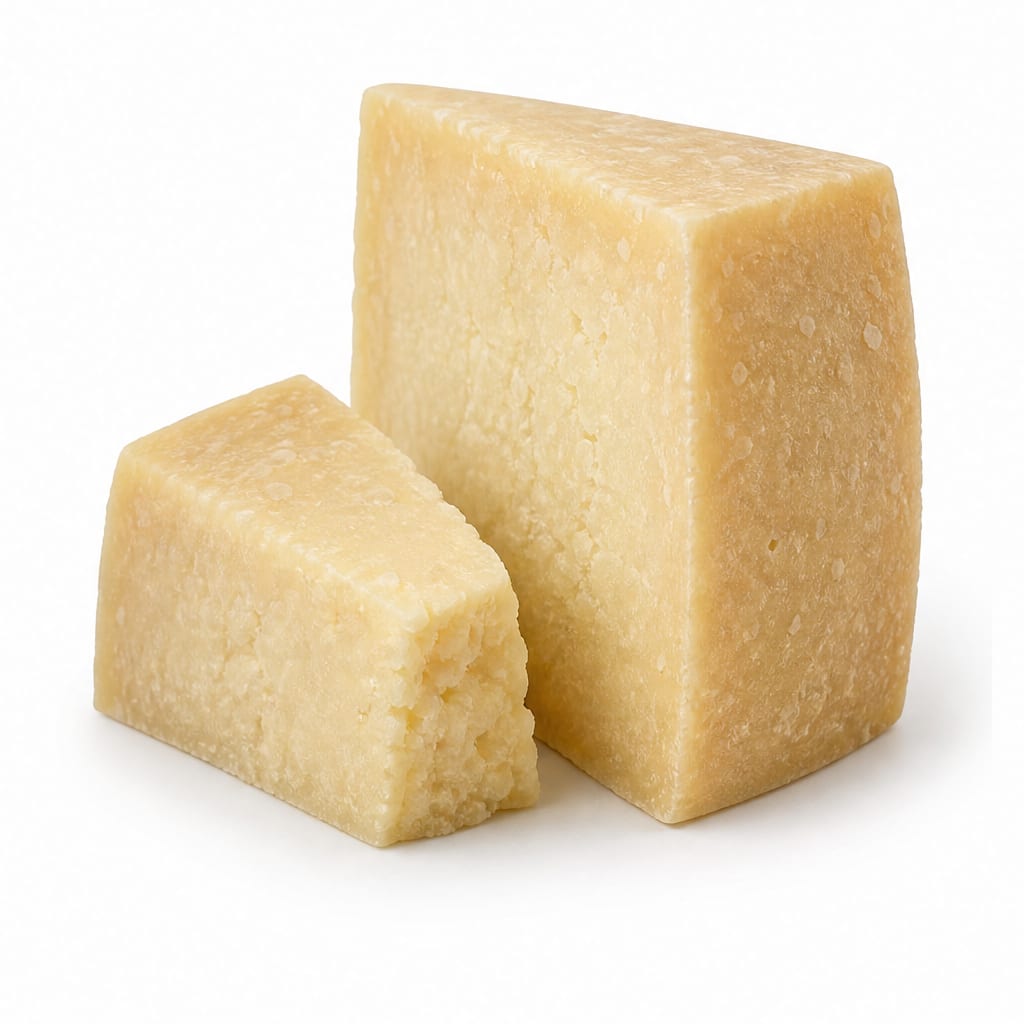
Compare with
Pecorino Romano
Pecorino is made from sheep's milk and is sharper and saltier, while Parmesan is made from cow's milk and has a nuttier, more complex flavor.
Pecorino Romano is saltier and made from sheep milk, while Parmesan is nuttier, made from cow milk, and slightly better for weight loss due to lower calories per serving.
This food
Parmesan Cheese
VS95% alike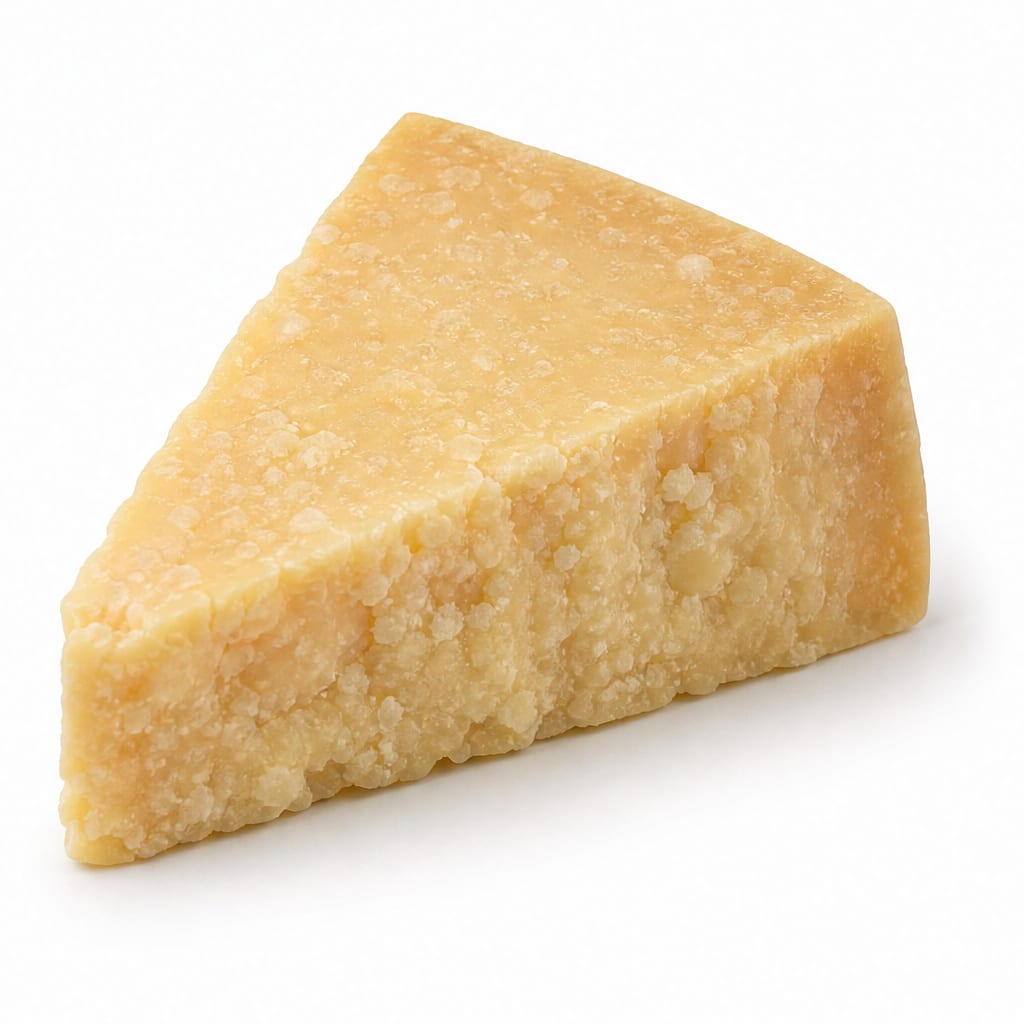
Compare with
Grana Padano
Grana Padano is aged slightly less and produced in a wider region of Italy, making it milder and more affordable than Parmigiano-Reggiano.
Grana Padano is milder and slightly lower in fat than Parmesan, making it a more affordable and marginally leaner alternative for everyday grating.
This food
Parmesan Cheese
VS70% alike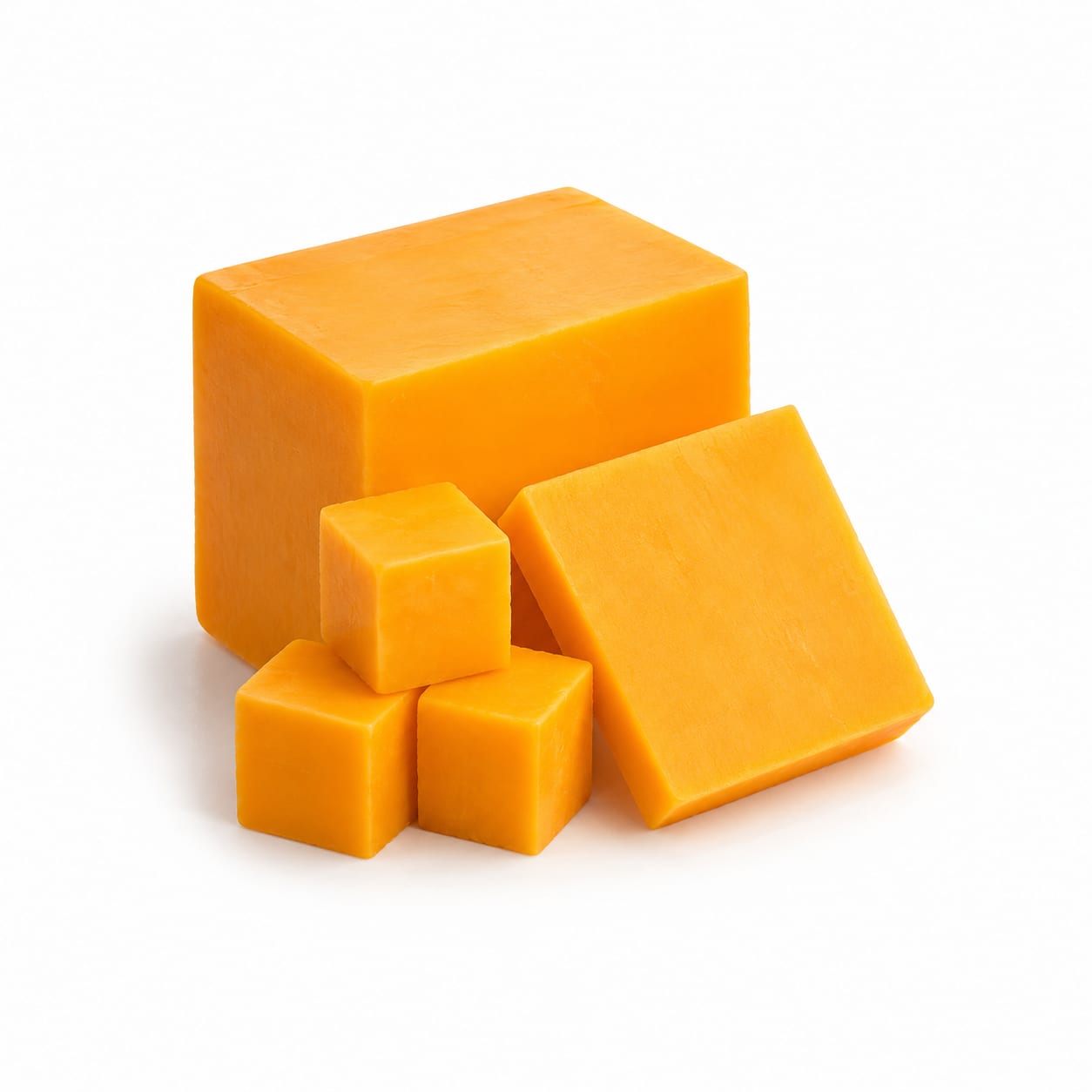
Compare with
Cheddar Cheese
Cheddar is semi-hard and melts smoothly, whereas Parmesan is hard, granular, and used primarily as a topping.
Parmesan offers more protein and calcium per calorie than cheddar, and its stronger flavor means you can use less to achieve great taste.
This food
Parmesan Cheese
VS60% alike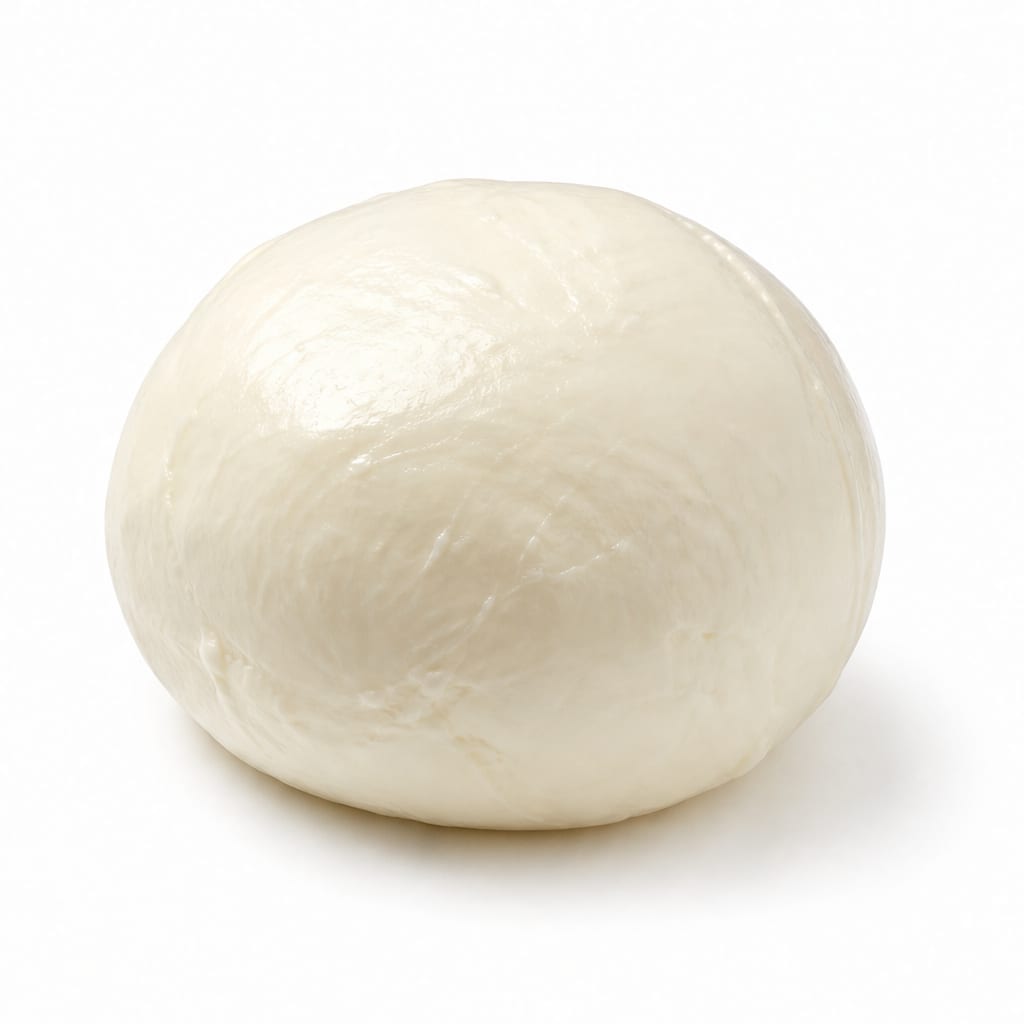
Compare with
Mozzarella
Mozzarella is a fresh, high-moisture cheese with a mild flavor, while Parmesan is a low-moisture, aged cheese with an intense flavor.
Mozzarella is lower in calories and sodium, making it better for weight loss, while Parmesan is much higher in protein and calcium per gram.
This food
Parmesan Cheese
VS55% alike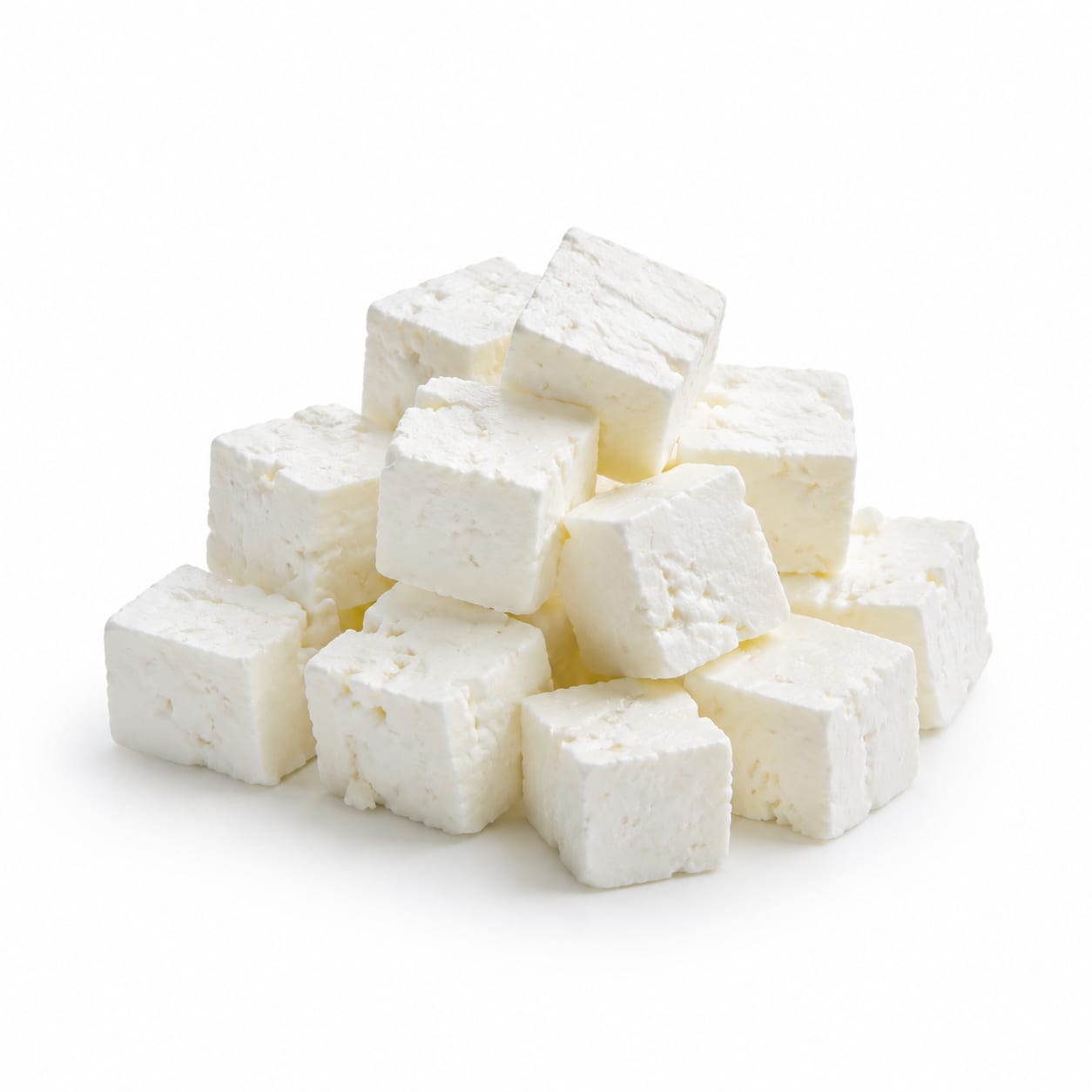
Compare with
Feta Cheese
Feta is a brined curd cheese that is crumbly and tangy, whereas Parmesan is hard, nutty, and dry.
Feta is lower in calories and fat than Parmesan, making it better for weight management, but Parmesan provides significantly more protein and calcium.
This food
Parmesan Cheese
VS65% alike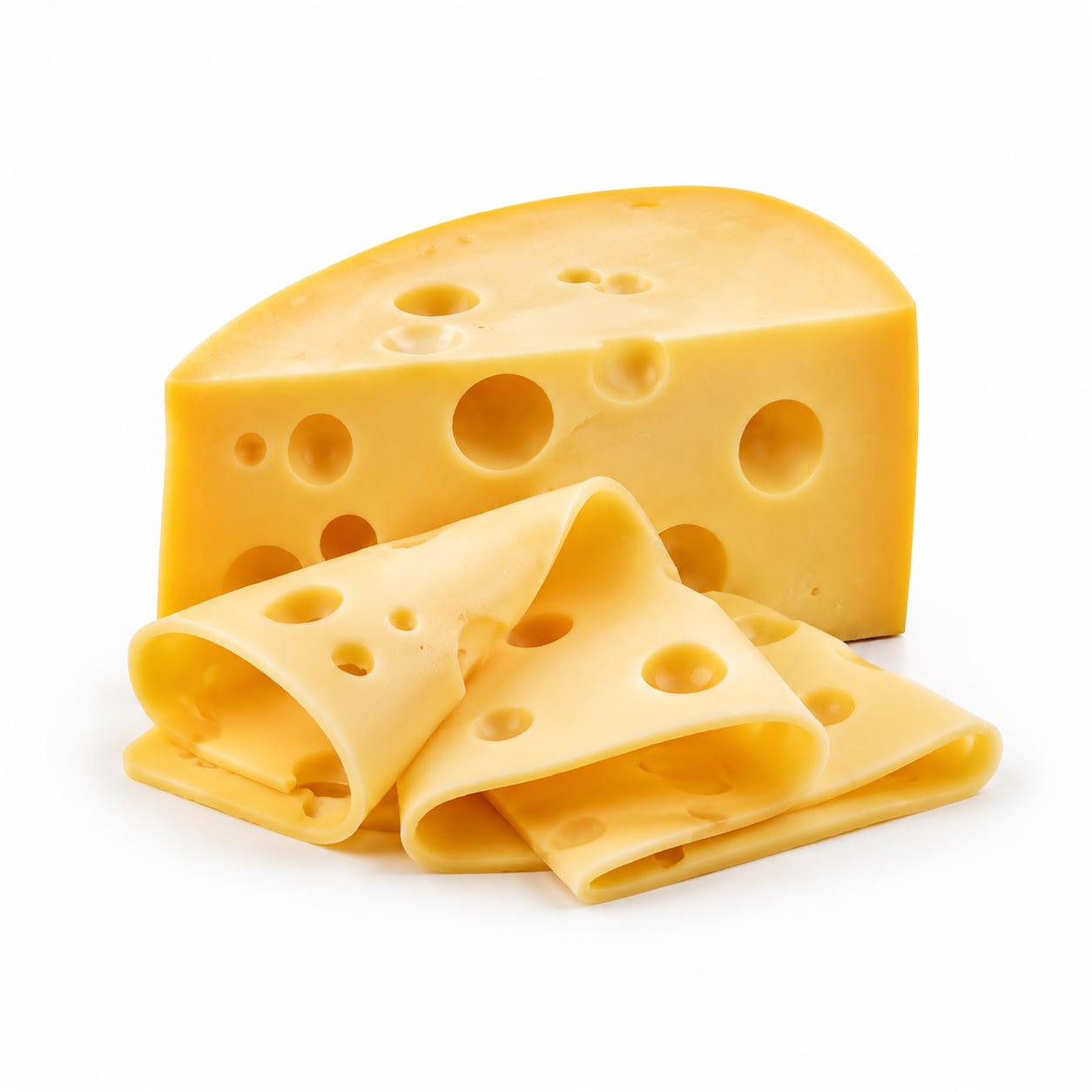
Compare with
Swiss Cheese
Swiss cheese is lower in sodium and has a sweet, nutty flavor, while Parmesan is highly concentrated in protein and savory flavor.
Swiss cheese is much lower in sodium than Parmesan, making it a better heart-healthy choice, though Parmesan wins on protein density and flavor concentration.
This food
Parmesan Cheese
VS65% alike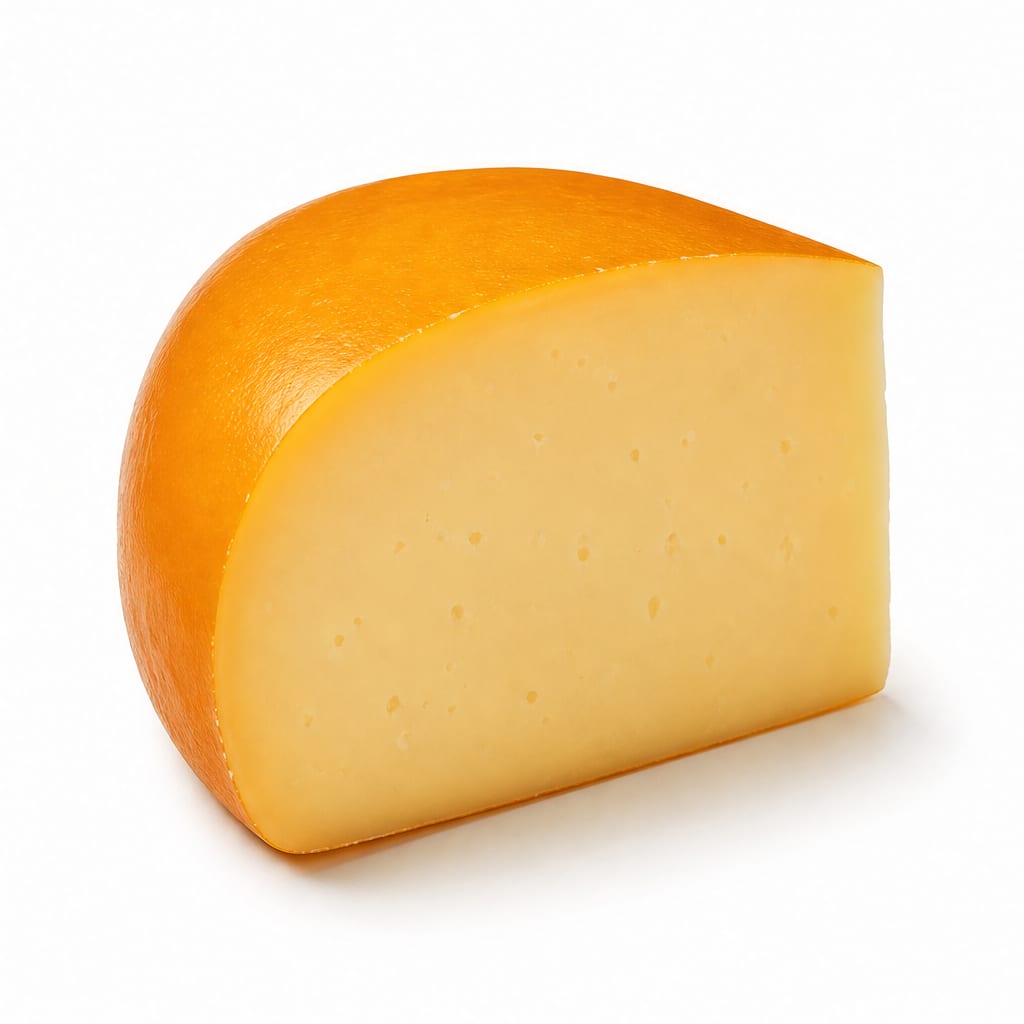
Compare with
Gouda
Gouda is slightly sweeter and softer, while Parmesan is strictly hard and deeply savory.
Parmesan is lower in calories and higher in protein than gouda, offering a leaner, more satiating option for topping dishes.
This food
Parmesan Cheese
VS50% alike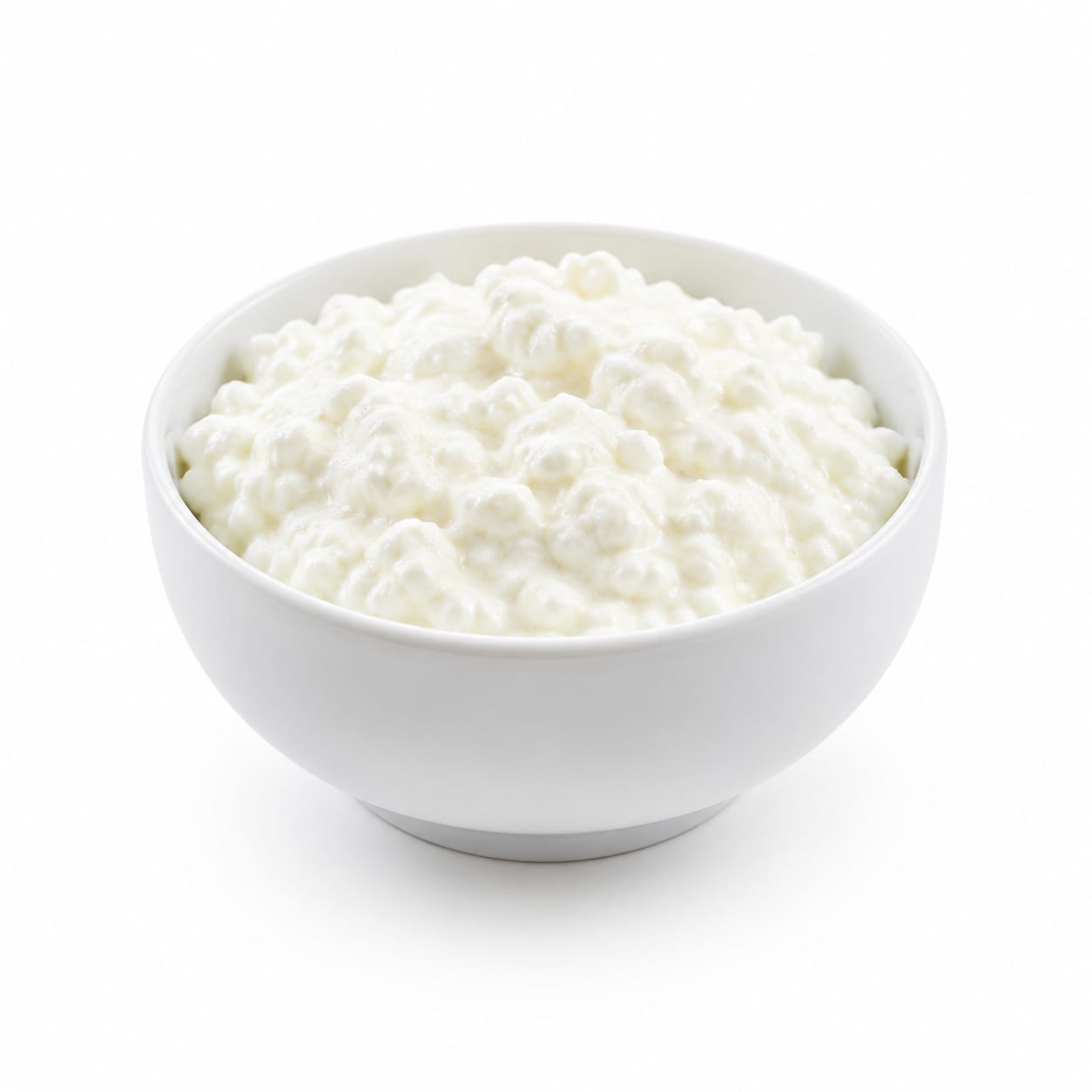
Compare with
Cottage Cheese
Cottage cheese is a fresh, high-moisture curd, while Parmesan is a dense, dry, aged cheese.
Cottage cheese provides high volume and protein with far fewer calories than Parmesan, making it superior for weight loss, while Parmesan serves as a flavor enhancer.
This food
Parmesan Cheese
VS40% alike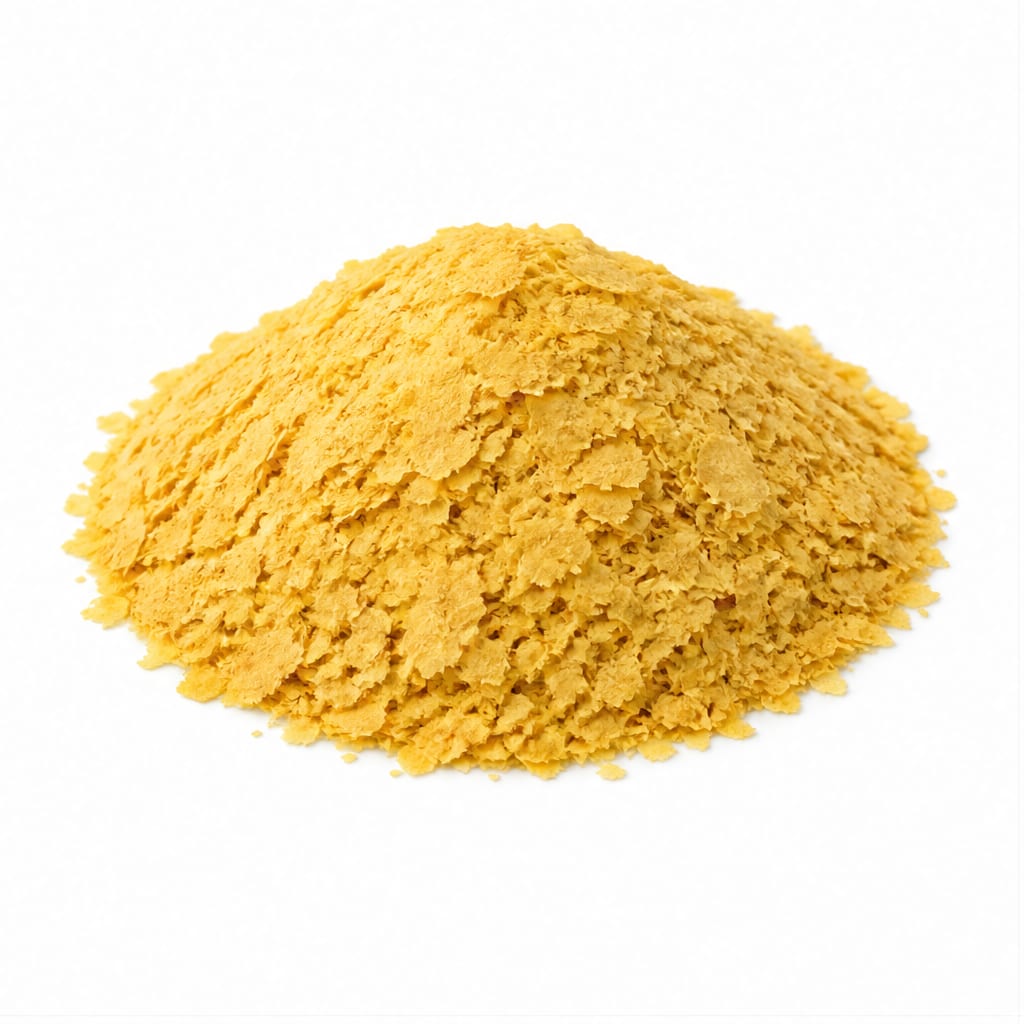
Compare with
Nutritional Yeast
Nutritional yeast is a dairy-free, deactivated yeast with a cheesy flavor, while Parmesan is an animal-based cheese with authentic dairy fat and protein.
Nutritional yeast is dairy-free, lower in calories, and fortified with B-vitamins, while Parmesan provides complete protein and calcium but with more fat and sodium.
This food
Parmesan Cheese
VS80% alike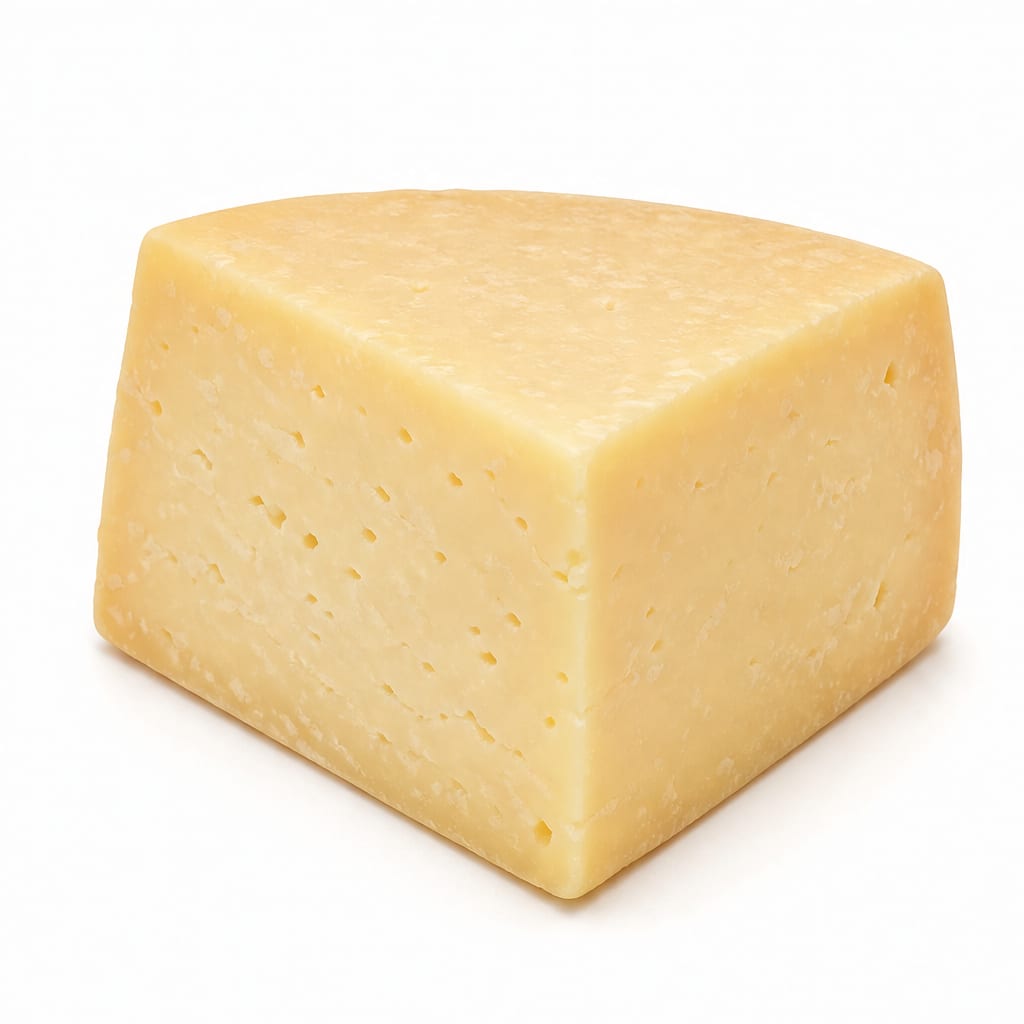
Compare with
Asiago
Asiago can be soft or hard depending on age, while Parmesan is consistently hard and granular.
Aged Asiago is similar to Parmesan but slightly higher in fat; Parmesan remains the leaner choice with a more universally recognized flavor profile for grating.
Common questions
FAQ
Answers aligned with how people search for this food.
Is Parmesan cheese good for weight loss?
Parmesan can support weight loss in small amounts due to its high protein and satiety-inducing flavor, but its high calorie and fat density mean portion control is essential.
Can diabetics eat Parmesan cheese?
Yes, Parmesan contains virtually zero carbohydrates and will not spike blood sugar. Its protein and fat content also help stabilize glucose levels when paired with carbs.
Does Parmesan cheese have lactose?
The extended aging process of Parmesan breaks down virtually all lactose, making it well-tolerated by most people with lactose intolerance.
Is Parmesan high in sodium?
Yes, Parmesan is relatively high in sodium. A one-ounce serving contains about 450-500mg of sodium, which is roughly 20% of the recommended daily limit.
What is the difference between Parmesan and Parmigiano-Reggiano?
Parmigiano-Reggiano is a protected designation of origin cheese made under strict regulations in specific Italian regions. Generic 'Parmesan' is an imitation that may follow different production standards and aging times.
Can you eat Parmesan on a keto diet?
Absolutely. Parmesan is very low in carbs and high in fat, making it an excellent cheese choice for ketogenic and low-carb diets.
Is grated Parmesan unhealthy?
Freshly grated Parmesan from a block is a healthy whole food. Pre-grated shelf-stable Parmesan often contains cellulose powder and other anti-caking agents, reducing its overall quality and nutritional purity.
Can you eat the rind of Parmesan cheese?
The rind is technically edible but too hard to chew. It is highly flavorful and best used by simmering it in soups, stews, or sauces to add depth, then removing it before serving.
Transparency
Data confidence
Estimated confidence for nutrition data, interpretation, safety notes, and comparisons.
Nutrition data
Health analysis
Food safety
Comparisons