
Nutrition comparison
Parmesan vs Grana Padano: Nutrition, Taste, and Value Compared
Parmesan or Grana Padano? Compare sodium, protein, additives, price, and flavor depth to find which hard Italian cheese fits your cooking and health goals.
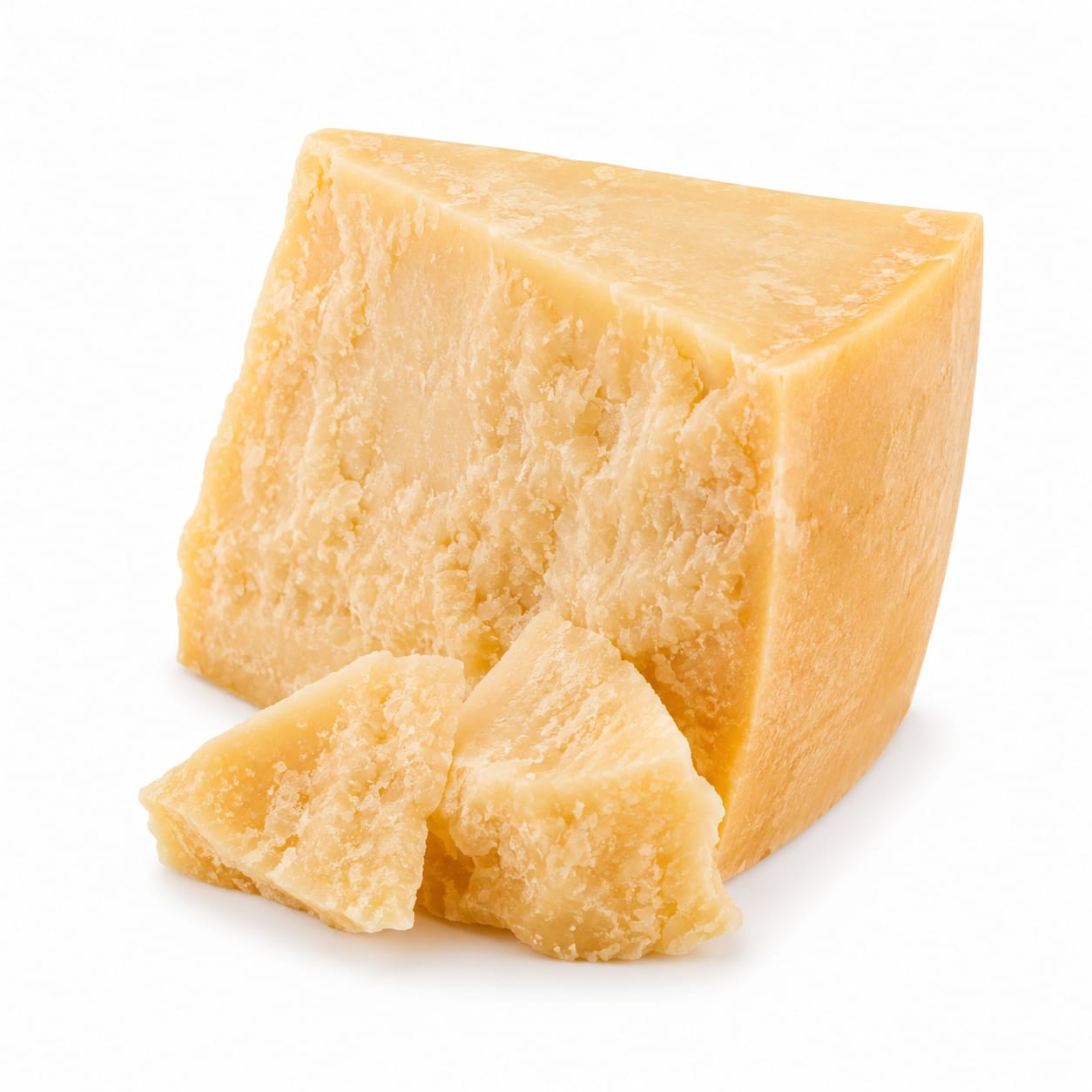
Parmesan Cheese
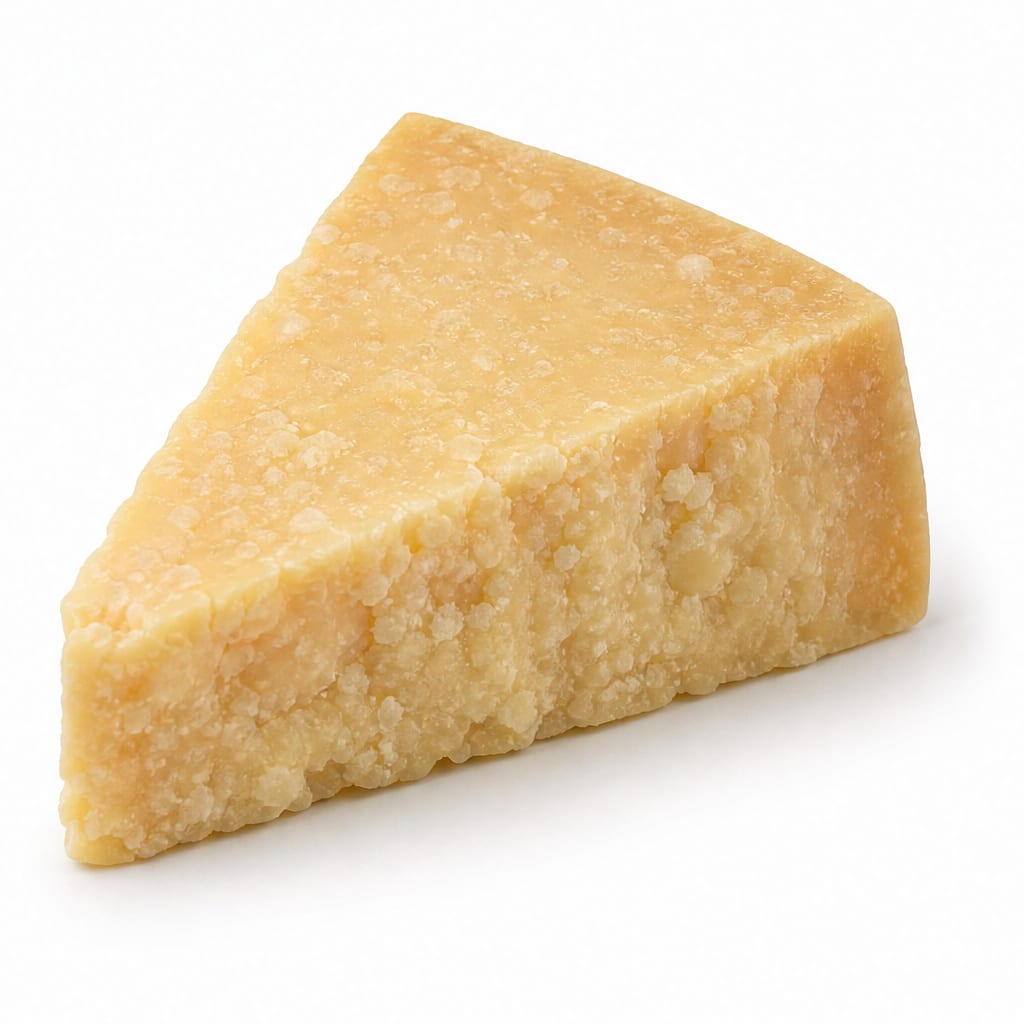
Grana Padano
Parmesan delivers deeper flavor and stricter purity, while Grana Padano offers similar nutrition at a friendlier price with slightly less sodium.
Grana Padano edges ahead for everyday practicality and slightly lower sodium, but Parmesan wins on purity and flavor depth. The gap is small because nutritionally they are nearly twins.
Peak authenticity and complexity versus everyday practicality and cost savings.
At a glance
Executive summary
Overall
It depends
Healthier
Grana Padano
More practical
Grana Padano
Daily use
Grana Padano
Key comparison lenses
authenticity and regulation strictness
Parmigiano-Reggiano has tighter PDO rules and a smaller production zone, while Grana Padano allows more flexibility and a wider region
sodium and heart health tradeoffs
Both are high-sodium hard cheeses, but Grana Padano is typically slightly lower in salt, which matters for daily use
additive and purity concerns
Grana Padano permits lysozyme (egg-derived preservative), while Parmigiano-Reggiano forbids all additives
flavor depth and culinary value
Parmesan generally ages longer and develops more complex umami, affecting cooking and eating satisfaction
price and everyday accessibility
Grana Padano is typically 30-50% cheaper, making it more realistic for daily cooking
Best choice for
Parmesan Cheese
- Finishing dishes where flavor intensity matters most
- Those avoiding all additives including egg-derived preservatives
- Cooks who want the most complex umami depth
- People who value strict PDO authenticity and tradition
Grana Padano
- Everyday cooking where budget matters
- Those watching sodium who still want hard cheese flavor
- Families needing large quantities for grating
- Anyone seeking near-identical nutrition at lower cost
Least suitable for
Parmesan Cheese
- Budget-conscious daily cooking
- Egg allergy is not a concern but cost is
- Those who find very intense cheese flavor overwhelming
Grana Padano
- People with egg allergy due to lysozyme content
- Dishes where the purest traditional flavor is non-negotiable
- Those who want zero additives of any kind
Deep comparison
Dimension by dimension
Each lens scores both foods and breaks down who each option suits.
- Dimension 1 · Priority 92Grana Padano
sodium_load
Parmesan Cheese · 38Grana Padano · 48Both are salty cheeses, but Grana Padano typically contains 10-15% less sodium per serving.
Tradeoff
Grana Padano is gentler on blood pressure, though neither is a low-sodium food.
Why it matters
If you eat hard cheese daily, even small sodium differences compound over weeks and months.
Real-world impact
A daily grating habit with Grana Padano saves roughly 100-150mg sodium per week compared to Parmesan.
Parmesan Cheese
- Salt-sensitive individuals
Worse for
Grana Padano
- People managing hypertension
- Daily cheese users watching salt intake
Better for
- Dimension 2 · Priority 85It depends
protein_density_and_quality
Parmesan Cheese · 82Grana Padano · 81Both deliver around 33g protein per 100g with excellent amino acid profiles. The difference is negligible.
Tradeoff
No real tradeoff here — both are top-tier protein sources among cheeses.
Why it matters
Hard aged cheeses are some of the most protein-dense dairy options available.
Real-world impact
A 30g serving of either cheese provides roughly 10g of high-quality protein, comparable to a small egg.
Parmesan Cheese
Grana Padano
- Dimension 3 · Priority 88Parmesan Cheese
additive_purity
Parmesan Cheese · 95Grana Padano · 68Parmigiano-Reggiano bans all additives. Grana Padano allows lysozyme, an egg-white-derived preservative used to prevent spoilage.
Tradeoff
Parmesan guarantees zero additives, but Grana Padano's lysozyme is natural and safe for most people — except those with egg allergy.
Why it matters
For clean-label purists and egg-allergic individuals, this distinction is decisive.
Real-world impact
Someone with egg allergy could react to Grana Padano but tolerate Parmesan without issue.
Parmesan Cheese
- Egg-allergic individuals
- Clean-label purists
Better for
Grana Padano
- Egg-allergic individuals
- Those avoiding hidden allergens
Worse for
- Dimension 4 · Priority 80Parmesan Cheese
flavor_complexity_and_umami
Parmesan Cheese · 93Grana Padano · 78Parmesan's longer minimum aging and stricter production rules yield more crystalline texture and deeper savory complexity.
Tradeoff
More flavor intensity means a little goes further, but it can overpower delicate dishes.
Why it matters
When cheese is the finishing touch, flavor depth directly affects satisfaction and perceived quality.
Real-world impact
Shaving Parmesan over pasta feels luxurious and complex; Grana Padano tastes very good but slightly more one-dimensional.
Parmesan Cheese
- Finishing and cheese-plate use
- Dishes where cheese is the star
Better for
- Dishes needing mild background flavor
Worse for
Grana Padano
- Cooking into sauces where subtlety blends better
Better for
- Dimension 5 · Priority 78Parmesan Cheese
calcium_and_bone_nutrients
Parmesan Cheese · 88Grana Padano · 84Both are calcium powerhouses, but Parmesan typically edges ahead slightly due to longer aging concentrating minerals.
Tradeoff
The calcium gap is small and unlikely to matter unless cheese is your primary calcium source.
Why it matters
Hard cheeses are among the most calcium-dense foods available, especially important for older adults.
Real-world impact
A 30g serving of Parmesan provides roughly 350mg calcium — about a third of daily needs.
Parmesan Cheese
- Older adults maximizing calcium per bite
Better for
Grana Padano
- Dimension 6 · Priority 75Grana Padano
value_and_everyday_affordability
Parmesan Cheese · 45Grana Padano · 78Grana Padano typically costs 30-50% less than Parmigiano-Reggiano while delivering very similar nutrition.
Tradeoff
You sacrifice some flavor depth and additive-free guarantee, but save significantly on grocery bills.
Why it matters
For families or frequent cooks, the price gap makes Grana Padano far more sustainable as a daily staple.
Real-world impact
A wedge of Grana Padano might cost $12-15 versus $20-30 for equivalent Parmesan.
Parmesan Cheese
- Frequent users on tight budgets
Worse for
Grana Padano
- Budget-conscious households
- Bulk cooking and meal prep
Better for
- Dimension 7 · Priority 72It depends
digestibility_and_lactose
Parmesan Cheese · 85Grana Padano · 83Both are essentially lactose-free due to extended aging, making them tolerable for most lactose-sensitive people.
Tradeoff
Parmesan's longer aging may break down slightly more lactose, but the difference is clinically irrelevant for most.
Why it matters
Hard aged cheeses are often the only cheeses lactose-intolerant people can enjoy comfortably.
Real-world impact
Neither cheese typically triggers lactose symptoms, even in sensitive individuals.
Parmesan Cheese
- Highly lactose-sensitive individuals seeking maximum safety margin
Better for
Grana Padano
Timeline
Health impact over time
Short-term
Hours to days
Parmesan Cheese
- High sodium may cause temporary water retention
- Very satisfying and filling due to protein and fat density
- Essentially zero lactose impact for sensitive individuals
Grana Padano
- Slightly less sodium load than Parmesan per serving
- Equally filling and satisfying
- Lysozyme could trigger reactions in egg-allergic individuals
Long-term
Months to years
Parmesan Cheese
- Excellent calcium intake supports bone density over decades
- High sodium requires mindful portioning for cardiovascular health
- No additive exposure reduces long-term low-level chemical burden
Grana Padano
- Very similar bone health benefits from calcium and protein
- Slightly easier sodium management with daily use
- Ongoing lysozyme exposure is safe for non-allergic people but adds a non-traditional element
Risk profile
Safety & processing
Both are traditional aged cheeses with minimal processing. Parmesan wins on purity because it allows zero additives, while Grana Padano uses lysozyme — a natural egg-white enzyme — to prevent spoilage. Neither is ultra-processed by any reasonable definition.
Parmesan Cheese
Histamine intolerance
mediumLong aging produces biogenic amines including histamine, which can trigger headaches in sensitive individuals
High sodium load
mediumRegular overconsumption contributes to elevated blood pressure over time
Dairy protein allergy
lowContains casein and whey proteins that can trigger allergic reactions in dairy-allergic individuals
Grana Padano
Egg allergen exposure from lysozyme
highLysozyme is derived from egg whites and can cause reactions in egg-allergic individuals, who may not expect egg in cheese
Histamine intolerance
mediumSimilar to Parmesan, aging produces histamine and other biogenic amines
High sodium load
mediumSlightly lower than Parmesan but still substantial with regular consumption
Who wins for whom
Audience fit
Same foods, different winners depending on your goal.
children
Parmesan CheeseNo lysozyme eliminates egg allergy risk, and the richer flavor encourages smaller portions, reducing sodium intake
daily consumption
Grana PadanoLower cost and slightly lower sodium make Grana Padano more sustainable for everyday cooking and grating
diabetes
It dependsBoth are near-zero carbohydrate and will not spike blood sugar; sodium content is the bigger concern for diabetic patients with cardiovascular risk
elderly
Grana PadanoSlightly lower sodium is beneficial for aging cardiovascular systems, while calcium and protein content support bone and muscle preservation
muscle gain
It dependsBoth provide identical protein quality and density; choose based on taste preference and budget
weight loss
Grana PadanoSlightly lower calories and sodium per serving with similar protein, making it marginally easier to fit into calorie-controlled eating
Your move
Decision guide
Choose Parmesan Cheese
- You have an egg allergy or cook for someone who does
- Flavor complexity and authentic tradition matter more than cost
- You want guaranteed zero-additive cheese
- You use cheese sparingly as a finishing touch rather than a bulk ingredient
Choose Grana Padano
- You grate cheese daily and cost adds up quickly
- You want slightly less sodium in your regular diet
- No egg allergy is present in your household
- You need large quantities for cooking, baking, or family meals
Either works if
- You are using small amounts as a garnish
- Neither egg allergy nor budget constraints are concerns
- You want a hard cheese for a cheese board and both are available
Avoid both if
- You have severe dairy protein allergy
- You are on a strict low-sodium diet and cannot moderate portions
- You experience histamine-related headaches from aged foods
- Your doctor has advised eliminating all high-sodium cheeses
Final recommendation
For most people's daily cooking, Grana Padano is the smarter practical choice — similar nutrition, less sodium, and significantly cheaper. Keep Parmesan for moments where the extra depth and purity genuinely matter: finishing a special dish, serving on a cheese board, or accommodating egg allergy. You do not need both, but knowing when each shines makes your cooking and your wallet happier.
Practical
Consumer tips
- 1
Look for 'Parmigiano-Reggiano' stamped on the rind to guarantee authentic Parmesan — generic 'Parmesan' has no such protection
- 2
Grana Padano should also have its name stamped on the rind; avoid pre-grated versions of either cheese
- 3
Buy wedges instead of pre-grated to avoid cellulose anti-caking additives and get fresher flavor
- 4
A 30g serving is roughly a generous tablespoon of grated cheese — enough to flavor a whole plate of pasta
- 5
Both cheeses freeze well for up to 6 months if wrapped tightly, so buying larger wedges on sale is safe
- 6
If you are egg-allergic, always choose Parmigiano-Reggiano and confirm with the producer if unsure about lysozyme
- 7
Aging matters: older wedges of either cheese will have more crystalline texture and deeper flavor but also more histamine