
Nutrition comparison
Parmesan Cheese vs Feta Cheese: Nutrition, Health & Taste Compared
Compare Parmesan Cheese vs Feta Cheese to see which is healthier. Discover the differences in protein, lactose, sodium, and best uses for your diet.
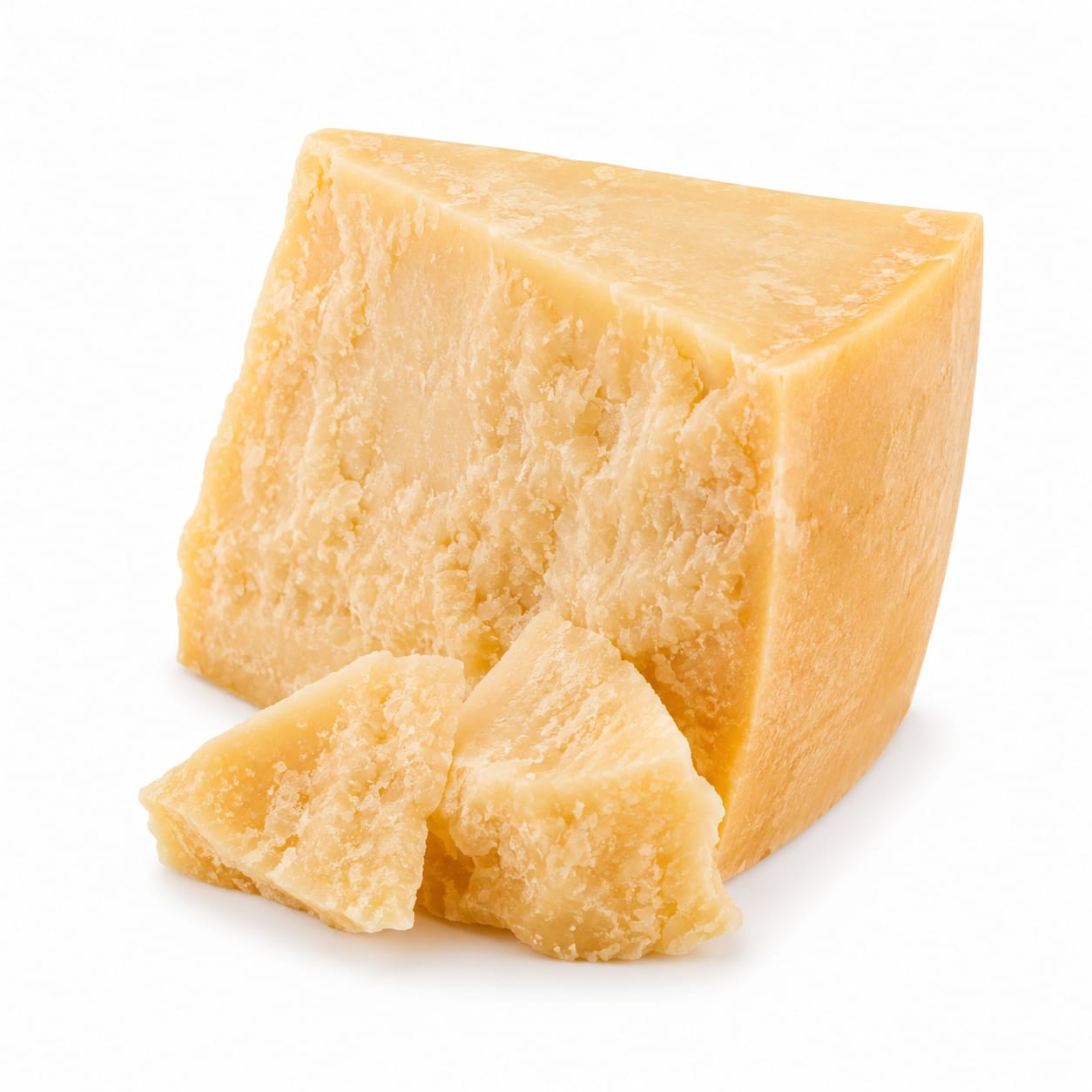
Parmesan Cheese
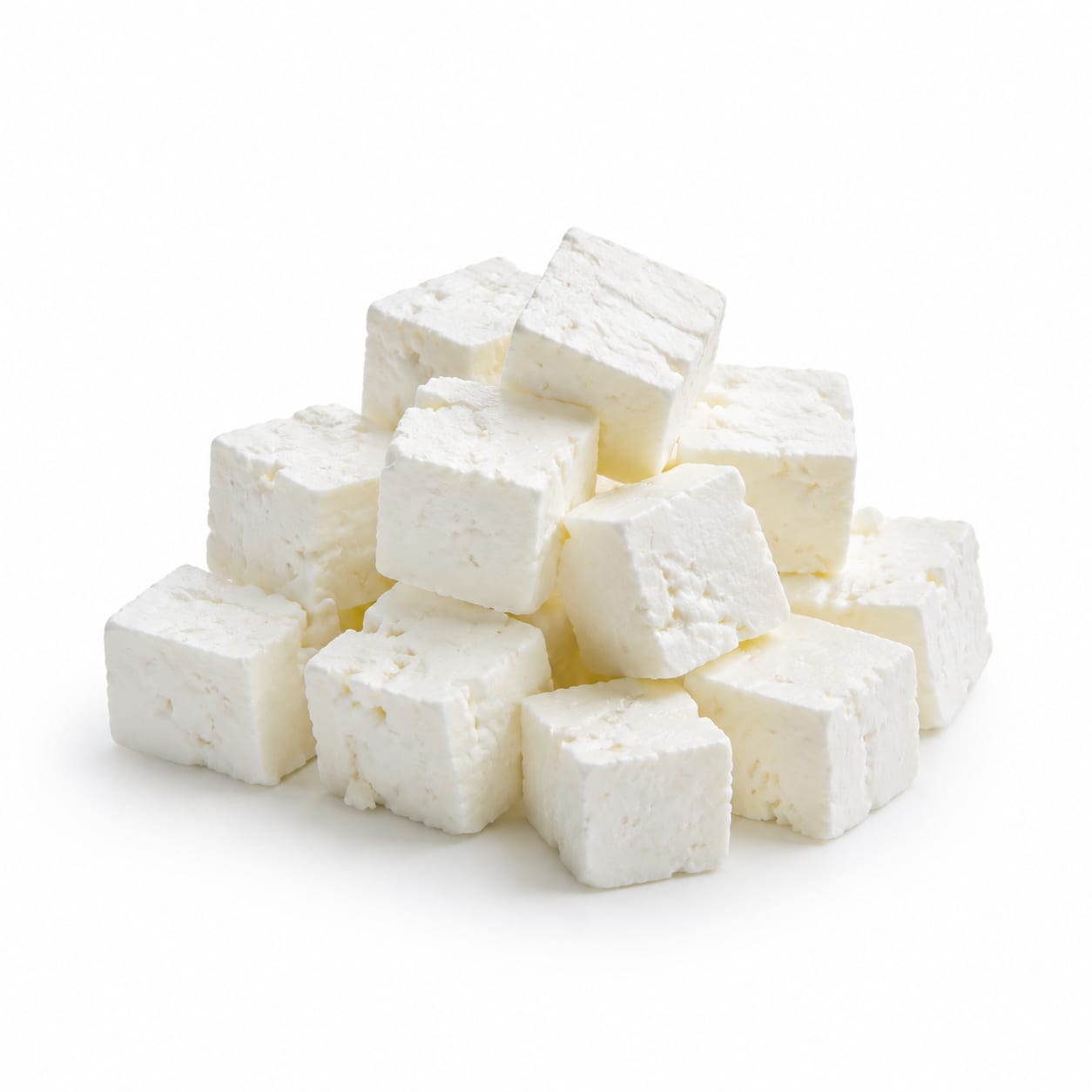
Feta Cheese
Parmesan Cheese delivers far more protein and calcium per bite with almost no lactose, while Feta Cheese offers a lighter, crumbly texture with fewer calories per serving but higher moisture and lactose.
Parmesan Cheese scores slightly higher for nutrient density and digestibility, but Feta Cheese's lower calorie density keeps it competitive. The close scores reflect that both are high-sodium cheeses best used as accents rather than mains.
Intense nutrient density and umami flavor (Parmesan Cheese) versus lower calorie density and salad-friendly volume (Feta Cheese).
At a glance
Executive summary
Overall
It depends
Healthier
It depends
More practical
It depends
Daily use
It depends
Key comparison lenses
Sodium load and blood pressure impact
Both are high-sodium cheeses, but the source and impact differ based on typical portion sizes.
Protein content and satiety
Parmesan Cheese is remarkably dense in protein compared to the lighter, water-rich Feta Cheese.
Lactose tolerance and digestive comfort
Aging differences make Parmesan Cheese virtually lactose-free, while Feta Cheese retains moderate amounts.
Calorie density and portion control
Parmesan Cheese is eaten in small shavings, while Feta Cheese is often consumed in large crumbles.
Bone health and calcium density
Parmesan Cheese is one of the most calcium-dense foods available, significantly outpacing Feta Cheese.
Best choice for
Parmesan Cheese
- People with lactose intolerance
- Those needing a protein and calcium boost
- Keto dieters seeking intense flavor in tiny portions
Feta Cheese
- Lighter salad toppings
- Mediterranean diet followers
- Those watching calorie density per volume
Least suitable for
Parmesan Cheese
- Strict low-sodium diets
- Vegans
- Those who struggle with portion control on high-fat foods
Feta Cheese
- Severe lactose intolerance
- Very low-sodium diets
- High-protein diets
Deep comparison
Dimension by dimension
Each lens scores both foods and breaks down who each option suits.
- Dimension 1 · Priority 90Parmesan Cheese
Protein & Satiety
Parmesan Cheese · 90Feta Cheese · 55Parmesan Cheese packs nearly double the protein of Feta Cheese per ounce, making it far more filling.
Tradeoff
You get more satiating protein with Parmesan Cheese, but it comes with higher calorie density.
Why it matters
Higher protein keeps you full longer and stabilizes blood sugar after meals.
Real-world impact
A sprinkle of Parmesan Cheese on your pasta will keep you satisfied longer than a crumble of Feta Cheese on your salad.
Parmesan Cheese
- Post-workout recovery meals
- Keeping hunger at bay between meals
Better for
- Very low-calorie diets
Worse for
Feta Cheese
- Light meals where you don't want to feel heavy
Better for
- Meals where cheese is the primary protein source
Worse for
- Dimension 2 · Priority 85It depends
Sodium & Blood Pressure
Parmesan Cheese · 40Feta Cheese · 35Both are high in sodium, but Feta Cheese sits in a salty brine, often pushing its sodium higher unless rinsed.
Tradeoff
Parmesan Cheese has intense salty flavor so you use less, while Feta Cheese is milder per bite but often consumed in larger chunks.
Why it matters
High sodium intake raises blood pressure and increases heart disease risk over time.
Real-world impact
Eating a large Greek salad with Feta Cheese can easily deliver half your daily sodium limit.
Parmesan Cheese
- Portion-controlled flavor boosting
Better for
- Grazing on cheese cubes
Worse for
Feta Cheese
- Dishes where you can rinse the cheese before eating
Better for
- Meals where the brine is mixed into the dressing
Worse for
- Dimension 3 · Priority 80Parmesan Cheese
Lactose & Digestion
Parmesan Cheese · 95Feta Cheese · 60The long aging process of Parmesan Cheese breaks down virtually all lactose, making it safe for most lactose-intolerant people. Feta Cheese still contains moderate amounts.
Tradeoff
Parmesan Cheese is gut-friendly for the lactose intolerant, while Feta Cheese might cause bloating or gas for sensitive individuals.
Why it matters
Digestive discomfort can ruin an otherwise healthy meal and discourage cheese consumption.
Real-world impact
If dairy usually upsets your stomach, Parmesan Cheese is the safer garnish for your dish.
Parmesan Cheese
- Lactose-intolerant individuals
- People prone to bloating after dairy
Better for
- Dairy-free diets
Worse for
Feta Cheese
- Those with no dairy sensitivity
Better for
- Sensitive stomachs and IBS flare-ups
Worse for
- Dimension 4 · Priority 75Parmesan Cheese
Calcium & Bone Health
Parmesan Cheese · 95Feta Cheese · 65Parmesan Cheese is one of the most calcium-dense foods available, delivering significantly more per serving than Feta Cheese.
Tradeoff
You get a massive bone-supporting calcium hit from Parmesan Cheese, but you have to manage its higher fat content.
Why it matters
Adequate calcium intake prevents osteoporosis and supports muscle function.
Real-world impact
A single ounce of Parmesan Cheese provides about a third of your daily calcium needs, far outpacing Feta Cheese.
Parmesan Cheese
- Older adults needing bone support
- Picky eaters needing nutrient density
Better for
- Strict low-fat diets
Worse for
Feta Cheese
- Those getting calcium from other sources like leafy greens
Better for
- People relying on cheese as a primary calcium source
Worse for
- Dimension 5 · Priority 70Feta Cheese
Calorie Density & Culinary Use
Parmesan Cheese · 55Feta Cheese · 75Feta Cheese has fewer calories per ounce and a light, crumbly texture that spreads well across dishes.
Tradeoff
Feta Cheese lets you eat a larger volume for fewer calories, but you get less nutritional payoff per bite.
Why it matters
Volume eating can help with weight management by making meals feel larger and more satisfying.
Real-world impact
You can crumble a generous handful of Feta Cheese over a salad without blowing your calorie budget, unlike Parmesan Cheese.
Parmesan Cheese
- Flavor enhancement where only a little is needed
Better for
- Dishes requiring large amounts of cheese
Worse for
Feta Cheese
- Bulking up salads and wraps
- Volume eaters watching their weight
Better for
- Diets requiring high caloric density
Worse for
Timeline
Health impact over time
Short-term
Hours to days
Parmesan Cheese
- Quick satiety from high protein and fat
- Very low risk of lactose-related bloating
Feta Cheese
- Lighter feeling in the stomach
- Possible bloating if lactose sensitive
- Thirst from brine sodium
Long-term
Months to years
Parmesan Cheese
- Stronger bones from exceptional calcium intake
- Potential blood pressure concerns if overconsumed
Feta Cheese
- Easier weight maintenance due to lower calorie density
- Potential blood pressure issues from brine
Risk profile
Safety & processing
Authentic Parmesan Cheese (Parmigiano-Reggiano) contains only milk, salt, and rennet. Feta Cheese is also traditionally simple but often sits in brine with preservatives, and cheaper versions use cow's milk with additives.
Parmesan Cheese
Histamine intolerance
mediumAged cheeses like Parmesan Cheese are high in histamine, which can trigger headaches or reactions in sensitive people.
Listeria (in unpasteurized versions)
lowTraditional Parmesan Cheese is made from raw milk, but the long aging process makes it very safe; still, pregnant women are often advised caution.
Feta Cheese
Listeria (unpasteurized or brine contamination)
mediumFeta Cheese has higher moisture content, making it a more hospitable environment for bacteria if not handled properly, especially risky for pregnant women.
Excess sodium
mediumThe brining process loads Feta Cheese with sodium, which can spike blood pressure if consumed in large amounts.
Who wins for whom
Audience fit
Same foods, different winners depending on your goal.
children
It dependsParmesan Cheese is great for bone growth and easy to digest, but Feta Cheese's milder, crumbly texture is often more appealing to kids' palates.
daily consumption
It dependsBoth are high in sodium and should be used as accents. Feta Cheese works well daily in salads, while Parmesan Cheese is ideal daily as a light garnish.
diabetes
Parmesan CheeseParmesan Cheese has virtually zero carbohydrates and lactose, causing no blood sugar spikes, whereas Feta Cheese has trace carbs.
elderly
Parmesan CheeseThe high calcium and protein in Parmesan Cheese help combat age-related muscle loss and osteoporosis, with minimal lactose to upset aging digestive systems.
muscle gain
Parmesan CheeseParmesan Cheese provides nearly double the protein per ounce, supporting muscle repair and growth more effectively.
weight loss
Feta CheeseFeta Cheese offers more volume and fewer calories per serving, making it easier to fit into a calorie deficit.
Your move
Decision guide
Choose Parmesan Cheese
- You are lactose intolerant but still want to enjoy cheese
- You need a big protein and calcium boost in a small portion
- You want intense umami flavor with just a few shavings
- You are prone to digestive issues with dairy
Choose Feta Cheese
- You want a lighter cheese for salads and Mediterranean dishes
- You prefer volume and a crumbly texture over dense flavor
- You are strictly counting calories and want more cheese per gram
- You are following a Mediterranean diet pattern
Either works if
- You just need a savory topping for vegetables or eggs
- You are on a low-carb or keto diet
Avoid both if
- You are on a strict low-sodium diet for blood pressure
- You have a dairy allergy (casein/whey)
Final recommendation
Choose Parmesan Cheese for nutrient density, protein, and lactose-free digestion. Choose Feta Cheese for lighter meals, lower calorie density, and Mediterranean-style dishes. Both are high in sodium, so let your meal context and digestive comfort guide you.
Practical
Consumer tips
- 1
Rinse Feta Cheese under cold water before eating to remove excess surface sodium from the brine.
- 2
Buy Parmesan Cheese in block form and grate it yourself; pre-grated versions contain anti-caking agents and lose flavor.
- 3
Look for 'Parmigiano-Reggiano' on the rind to ensure authentic, minimally processed Parmesan Cheese.
- 4
If using Feta Cheese in a salad, skip the salt in the dressing to balance the meal's overall sodium.
- 5
Store Feta Cheese in its brine to keep it moist; if the brine is gone, make a light saltwater solution.