
Nutrition comparison
Parmesan vs Cheddar Cheese: Nutrition, Protein, Sodium, and Best Uses Compared
Parmesan packs more protein and calcium per gram with nearly zero lactose, but Cheddar delivers lower sodium and better everyday versatility. See which cheese fits your goals.
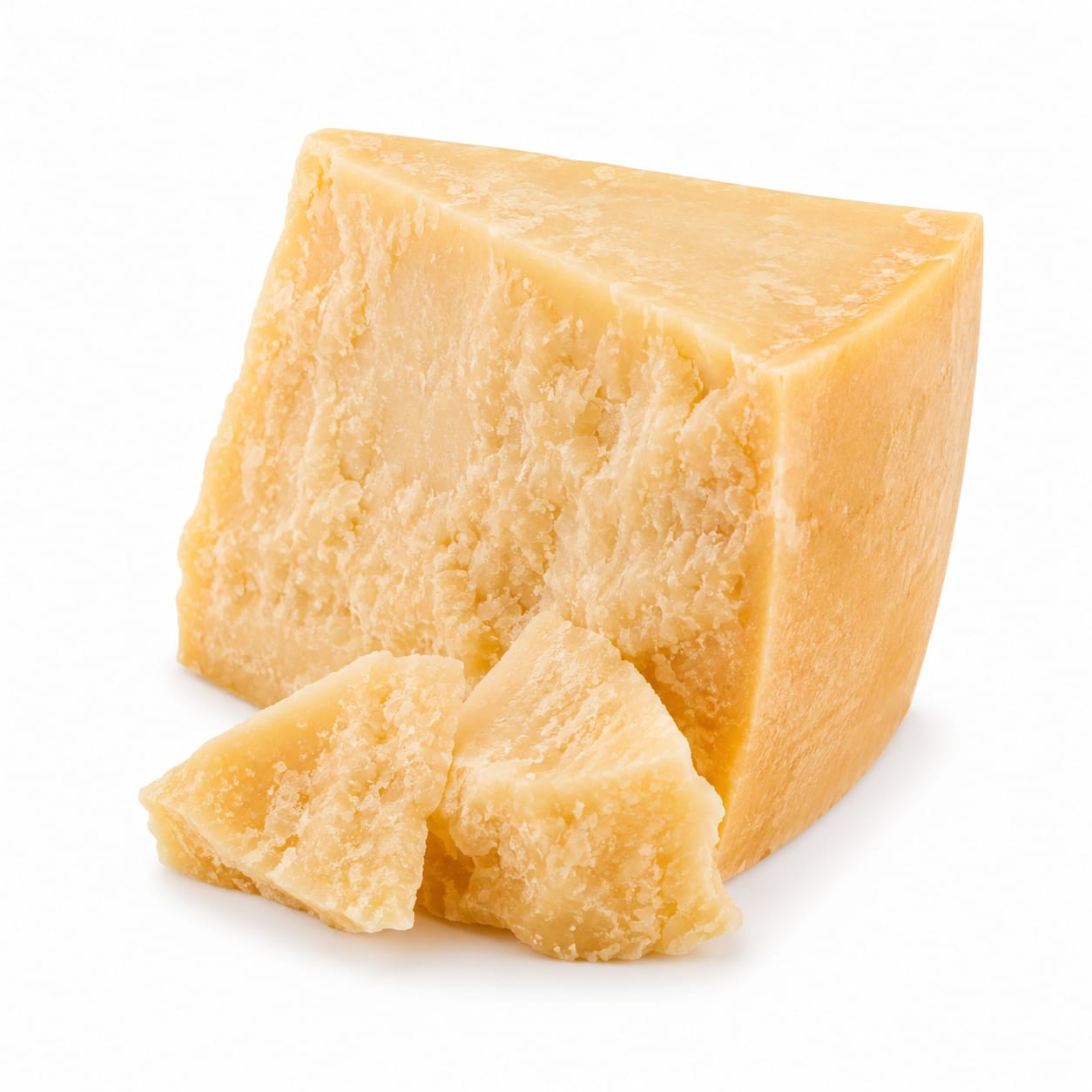
Parmesan Cheese
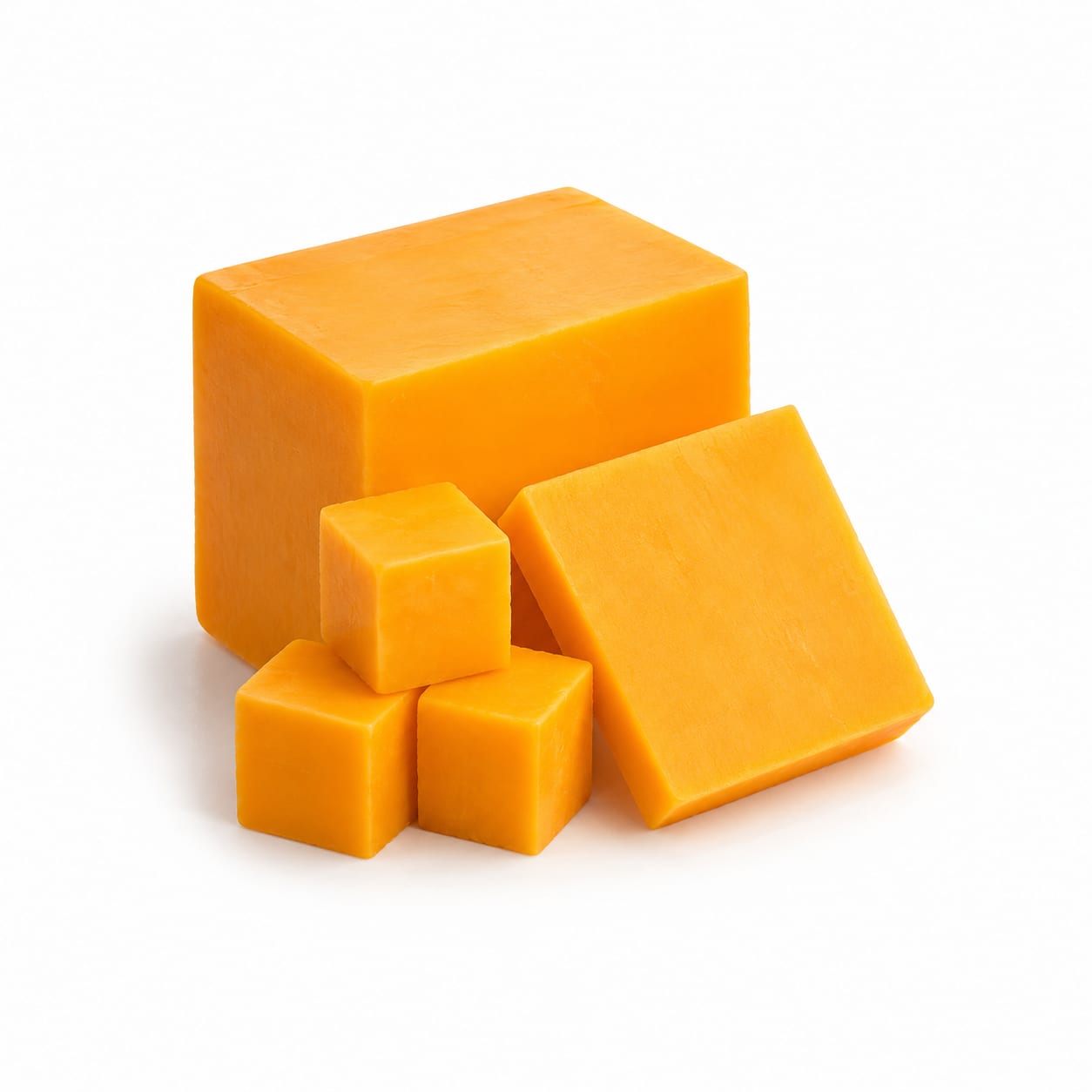
Cheddar Cheese
Parmesan wins on protein, calcium, and lactose digestibility but loses on sodium and versatility. Cheddar is the more practical everyday cheese with better meltability and lower salt.
Cheddar edges ahead due to lower sodium, better everyday versatility, and broader cooking applications. Parmesan excels in nutrient density but its high salt content and niche usage pattern keep it from winning overall.
Nutrient density and portion control versus sodium load and kitchen flexibility
At a glance
Executive summary
Overall
It depends
Healthier
It depends
More practical
Cheddar Cheese
Daily use
Cheddar Cheese
Key comparison lenses
protein density per calorie
Parmesan delivers significantly more protein per gram, making it relevant for anyone tracking macros or seeking satiety from smaller portions
sodium load and blood pressure impact
Parmesan is notably higher in sodium, which matters for hypertension-prone individuals and those watching salt intake
calcium and bone health
Both are calcium-rich but Parmesan packs more per serving, relevant for bone density concerns especially in older adults
portion control and flavor intensity
Parmesan's intense umami flavor naturally limits portion size, while Cheddar's milder taste makes overeating easier
cooking versatility and everyday practicality
Cheddar melts well and works in sandwiches, burgers, and snacks, while Parmesan is more of a finishing cheese
lactose tolerance and digestibility
Parmesan's extended aging nearly eliminates lactose, making it safer for sensitive individuals
Best choice for
Parmesan Cheese
- People seeking maximum protein and calcium from small portions
- Lactose-sensitive individuals who still want cheese
- Those who naturally control portions through strong flavor
- Older adults prioritizing bone density nutrients
- Anyone adding umami depth without needing large quantities
Cheddar Cheese
- Families wanting a versatile everyday cheese
- People watching sodium intake
- Cooking that requires melting or stretching cheese
- Snackers who want satisfying cheese without extreme saltiness
- Budget-conscious shoppers (Cheddar is typically cheaper per pound)
Least suitable for
Parmesan Cheese
- People on low-sodium diets
- Anyone wanting a meltable sandwich cheese
- Those who struggle with very salty flavors
- Casual snacking situations
Cheddar Cheese
- Lactose-sensitive individuals
- Those needing maximum protein per calorie
- People who tend to overeat cheese portions
- Anyone seeking the highest calcium density per gram
Deep comparison
Dimension by dimension
Each lens scores both foods and breaks down who each option suits.
- Dimension 1 · Priority 92Parmesan Cheese
Protein Density
Parmesan Cheese · 88Cheddar Cheese · 62Parmesan delivers roughly 50% more protein per gram than Cheddar, making it the clear winner for protein efficiency.
Tradeoff
You get more protein per bite with Parmesan, but the intense flavor means you typically eat less total volume
Why it matters
Higher protein density helps with satiety, muscle maintenance, and blood sugar stability from smaller portions
Real-world impact
A tablespoon of grated Parmesan on your salad adds meaningful protein without making it a heavy meal
Parmesan Cheese
- Muscle maintenance in older adults eating small portions
- Protein-efficient meal finishing
- Blood sugar stabilization when paired with carbs
Better for
- Getting substantial total protein without excessive sodium
Worse for
Cheddar Cheese
- Larger protein portions for active people who eat more cheese
- Post-workout snacking where volume is acceptable
Better for
- Maximizing protein per calorie in a calorie-controlled diet
Worse for
- Dimension 2 · Priority 88Cheddar Cheese
Sodium Load
Parmesan Cheese · 32Cheddar Cheese · 58Parmesan contains nearly double the sodium of Cheddar per gram, which is a significant concern for salt-sensitive individuals.
Tradeoff
The long aging process that creates Parmesan's flavor also concentrates salt dramatically
Why it matters
High sodium intake directly impacts blood pressure, cardiovascular risk, and water retention
Real-world impact
A generous Parmesan garnish can quietly add 300-400mg of sodium to your pasta without you noticing
Parmesan Cheese
- Flavor intensity that prevents overconsumption
Better for
- Hypertension management
- Kidney disease diets
- Anyone already consuming processed foods high in sodium
Worse for
Cheddar Cheese
- Blood pressure management
- More forgiving portion sizes without sodium overload
- Daily use without constant salt tracking
Better for
- Situations where you want very bold cheese flavor in tiny amounts
Worse for
- Dimension 3 · Priority 85Parmesan Cheese
Calcium and Bone Health
Parmesan Cheese · 90Cheddar Cheese · 72Parmesan provides roughly 50% more calcium per gram than Cheddar, making it one of the most calcium-dense foods available.
Tradeoff
You get outstanding calcium density, but the sodium cost means you cannot rely on large Parmesan portions as your primary calcium source
Why it matters
Adequate calcium intake supports bone density, muscle function, and nerve signaling, especially critical for aging populations
Real-world impact
A small serving of Parmesan can contribute meaningfully to daily calcium needs without requiring a large portion
Parmesan Cheese
- Older adults at risk for osteoporosis
- Efficient calcium intake in small portions
- People who do not consume dairy beverages
Better for
- Using cheese as a primary calcium source due to sodium limits
Worse for
Cheddar Cheese
- Getting calcium from larger cheese portions without sodium overload
- Children who eat cheese as a snack
Better for
- Maximizing calcium per calorie in restricted diets
Worse for
- Dimension 4 · Priority 72Parmesan Cheese
Lactose Tolerance
Parmesan Cheese · 92Cheddar Cheese · 65Parmesan is essentially lactose-free due to its extended aging, while Cheddar retains small but measurable amounts.
Tradeoff
If lactose is your main concern, Parmesan is the safer bet, though aged Cheddar is also relatively low
Why it matters
Even small amounts of lactose can cause bloating, gas, and discomfort for sensitive individuals
Real-world impact
Someone who avoids most dairy can often enjoy Parmesan without any digestive consequences
Parmesan Cheese
- Lactose-intolerant individuals
- People with mild dairy sensitivity
- Elimination diet reintroduction phases
Better for
- Cases where someone assumes all cheese is equally problematic and avoids it unnecessarily
Worse for
Cheddar Cheese
- Those without any lactose concerns who prefer the taste
Better for
- Anyone with significant lactose intolerance eating larger portions
Worse for
- Dimension 5 · Priority 78Cheddar Cheese
Cooking Versatility
Parmesan Cheese · 48Cheddar Cheese · 85Cheddar melts beautifully, works in sandwiches, burgers, mac and cheese, and snacking. Parmesan is primarily a finishing and grating cheese.
Tradeoff
Parmesan excels at what it does but has a narrow range, while Cheddar handles almost any cheese application competently
Why it matters
A cheese you actually use in multiple ways delivers more consistent nutritional value than one reserved for special occasions
Real-world impact
Cheddar goes from morning eggs to lunch sandwiches to dinner casseroles without thinking. Parmesan mostly sits waiting for pasta night.
Parmesan Cheese
- Pasta finishing
- Umami boosting in soups and risottos
- Salad topping with intense flavor
Better for
- Any recipe requiring melted or stretchy cheese
- Quick snacking
Worse for
Cheddar Cheese
- Grilled cheese and sandwiches
- Burgers and melted cheese applications
- Snack cheese and cheese boards
- Casseroles and baked dishes
- Mac and cheese
Better for
- Adding intense umami depth in small quantities
Worse for
- Dimension 6 · Priority 75Parmesan Cheese
Portion Control
Parmesan Cheese · 82Cheddar Cheese · 55Parmesan's intense salty-umami flavor naturally limits how much you want to eat, while Cheddar's milder taste makes overeating easy.
Tradeoff
Built-in portion control is great for weight management, but it means you cannot rely on Parmesan as a primary protein source
Why it matters
Unconscious overeating is one of the biggest drivers of calorie surplus, and cheese is a common culprit
Real-world impact
You might casually eat 100g of Cheddar as a snack but would never do the same with Parmesan
Parmesan Cheese
- Weight management through natural portion limiting
- Flavor satisfaction from small amounts
- Reduced risk of calorie-dense overeating
Better for
- Getting adequate total nutrition from cheese alone
Worse for
Cheddar Cheese
- Situations where you genuinely need more calories and protein
Better for
- Late-night snacking that spirals into excess calories
- Grazing behavior on cheese boards
Worse for
Timeline
Health impact over time
Short-term
Hours to days
Parmesan Cheese
- Quick umami satisfaction from small amounts
- Potential thirst from high sodium content
- Unlikely to cause lactose-related bloating
Cheddar Cheese
- More filling in larger portions due to higher fat content
- Possible mild bloating for lactose-sensitive individuals
- Easier to overconsume before feeling full
Long-term
Months to years
Parmesan Cheese
- Excellent calcium intake supporting bone density if consumed regularly
- Sodium accumulation risk if used generously across multiple meals
- Very low lactose exposure protects digestive comfort
Cheddar Cheese
- Consistent protein and fat intake from a versatile everyday food
- More moderate sodium load supports cardiovascular health
- Potential for gradual weight gain if portions are not managed
Risk profile
Safety & processing
Both are traditional fermented dairy products with minimal processing. Authentic Parmigiano-Reggiano has strict production standards with only milk, salt, rennet, and time. Cheddar similarly requires few ingredients. The main concern is that mass-produced versions of either may include additives like annatto coloring in Cheddar or cellulose as an anti-caking agent in pre-grated Parmesan.
Parmesan Cheese
Histamine content
mediumExtended aging produces high histamine levels, which can trigger headaches or reactions in histamine-sensitive individuals
Sodium-related health effects
mediumConsistent high sodium intake from regular Parmesan consumption can contribute to hypertension over time
Adulteration in pre-grated forms
lowPre-grated Parmesan often contains cellulose and may use cheaper cheese blends; buying whole blocks mitigates this
Cheddar Cheese
Lactose content in younger varieties
lowMild or young Cheddar retains more lactose than aged versions, potentially causing discomfort for sensitive people
Annatto sensitivity
lowSome Cheddar is colored with annatto, which can cause allergic reactions in rare cases
Overconsumption leading to calorie surplus
mediumCheddar's palatability and mild flavor make it easy to eat in large quantities, contributing to weight gain
Who wins for whom
Audience fit
Same foods, different winners depending on your goal.
children
Cheddar CheeseCheddar's milder flavor, lower sodium, and meltable texture make it far more kid-friendly and appropriate for developing palates
daily consumption
Cheddar CheeseLower sodium and broader culinary flexibility make Cheddar more sustainable as an everyday cheese without health tradeoffs accumulating
diabetes
Parmesan CheeseBoth have minimal carbohydrate content, but Parmesan's higher protein density provides better blood sugar stabilization per gram consumed
elderly
Parmesan CheeseParmesan offers superior calcium density and is essentially lactose-free, addressing two major elderly health concerns in a small portion
muscle gain
Cheddar CheeseCheddar's milder taste allows consuming larger quantities, delivering more total protein and calories needed for muscle building
weight loss
Parmesan CheeseParmesan's intense flavor naturally limits portions, and its higher protein per gram provides more satiety from less food
Your move
Decision guide
Choose Parmesan Cheese
- You want maximum nutrients from minimal portions
- You are lactose-sensitive but still want to enjoy cheese
- You are watching calories and benefit from built-in portion control
- You cook a lot of Italian dishes and want authentic finishing flavor
- You are concerned about bone density and want efficient calcium intake
Choose Cheddar Cheese
- You need a versatile cheese for sandwiches, burgers, and melting
- You are monitoring sodium for blood pressure reasons
- You want an everyday snacking cheese that is satisfying without being extremely salty
- You are cooking for kids who prefer milder flavors
- You are meal-prepping and need a cheese that works across many recipes
Either works if
- You just want a flavorful cheese addition and have no specific health constraints
- You are eating cheese in moderation as part of a balanced diet
- You are pairing with wine and crackers for a casual gathering
Avoid both if
- You have a dairy allergy (not just lactose intolerance)
- You are following a strict vegan diet
- You have severe sodium restrictions from your doctor
- You are trying to eliminate saturated fat from your diet entirely
Final recommendation
Keep both in your kitchen but use them differently. Reach for Cheddar as your everyday workhorse cheese for meals and snacks. Reserve Parmesan as a strategic flavor booster that also delivers a concentrated hit of protein and calcium. If you must choose only one, Cheddar's lower sodium and broader usefulness make it the more practical daily choice for most people.
Practical
Consumer tips
- 1
Buy Parmesan in wedges and grate it yourself. Pre-grated versions often contain cellulose and lack the flavor punch that makes Parmesan worth buying.
- 2
Aged Cheddar (12+ months) has less lactose and more intense flavor, giving you some of Parmesan's benefits with better meltability.
- 3
A little Parmesan goes a long way. Even a tablespoon adds meaningful protein and calcium without excessive calories.
- 4
If sodium is a concern, pair Cheddar with potassium-rich foods like tomatoes or avocado to help balance the mineral load.
- 5
Store both cheeses properly wrapped in parchment or cheese paper, not plastic wrap directly, to preserve flavor and texture.
- 6
Consider buying Parmigiano-Reggiano over domestic Parmesan for stricter quality standards and better flavor complexity.